GOQii

Blog

  • HOME
  • HEALTHY LIVING
  • FITNESS
  • HEALTHY RECIPES
  • USER STORIES
  • KARMA
  • BUY GOQii

Archives for April 2026

April 10, 2026 By GOQii Leave a Comment

Inflammation: The Hidden Fire Behind Most Chronic Disease

Most people track cholesterol.
Many monitor blood sugar.

Very few think about inflammation.

And yet, chronic low-grade inflammation is now recognised as one of the most important underlying drivers of modern disease linking heart disease, diabetes, fatty liver, arthritis and even cognitive decline.

Think of it as a slow, internal fire.
Not something you feel immediately but something that quietly damages tissues over time.

What Is Chronic Inflammation?

Inflammation, in itself, is not the problem.

It is a natural defence mechanism. When you cut your finger or fight an infection, inflammation helps the body heal.

The issue begins when this response does not switch off.

Poor sleep, chronic stress, excess abdominal fat, smoking and diets high in ultra-processed foods can keep the body in a constant low-grade inflammatory state. This is often silent. There are no obvious symptoms.

But over time, the cumulative effect increases the risk of chronic disease.

What Does CRP Actually Tell You?

C-reactive protein (CRP) is a widely used blood marker that reflects inflammation in the body.

A more sensitive version, high-sensitivity CRP (hs-CRP), is commonly used to assess cardiovascular risk.

In general terms:

  • Below 1 mg/L → low risk
  • 1–3 mg/L → moderate risk
  • Above 3 mg/L → higher inflammatory burden

CRP does not diagnose a specific condition.
It indicates that the body is under physiological stress.

For meaningful interpretation, CRP should always be viewed alongside other markers such as blood glucose, lipid profile and body composition not in isolation.

Visceral Fat: More Than Stored Energy

Not all body fat behaves the same way.

Visceral fat- the fat stored deep around internal organs is metabolically active. It releases inflammatory chemicals directly into the bloodstream.

This is why central fat accumulation is strongly associated with:

  • cardiovascular disease
  • insulin resistance
  • type 2 diabetes

Importantly, you do not need to appear overweight to carry excess visceral fat. Even individuals with a “normal” weight may have elevated metabolic risk if they are sedentary or have poor lifestyle habits.

Reducing visceral fat is one of the most effective ways to lower chronic inflammation.

Ultra-Processed Foods and Oxidative Stress

Diet plays a central role in inflammation.

Ultra-processed foods typically high in refined carbohydrates, industrial oils and additives can lead to repeated blood sugar spikes and increased oxidative stress.

Oxidative stress damages cells and perpetuates inflammation.

Frequent consumption of:

  • packaged snacks
  • sugary beverages
  • deep-fried foods

combined with low physical activity creates a cycle that reinforces metabolic dysfunction over time.

Simple, Evidence-Based Ways to Reduce Inflammation

You do not need extreme interventions.
Consistency matters more than intensity.

  1. Walk after meals
    A 10–15 minute walk improves glucose regulation and reduces post-meal metabolic stress.
  2. Strength train regularly
    Resistance training improves insulin sensitivity and helps reduce visceral fat.
  3. Focus on whole foods
    Prioritise vegetables, fruits, lentils, nuts and seeds.
  4. Use traditional anti-inflammatory ingredients
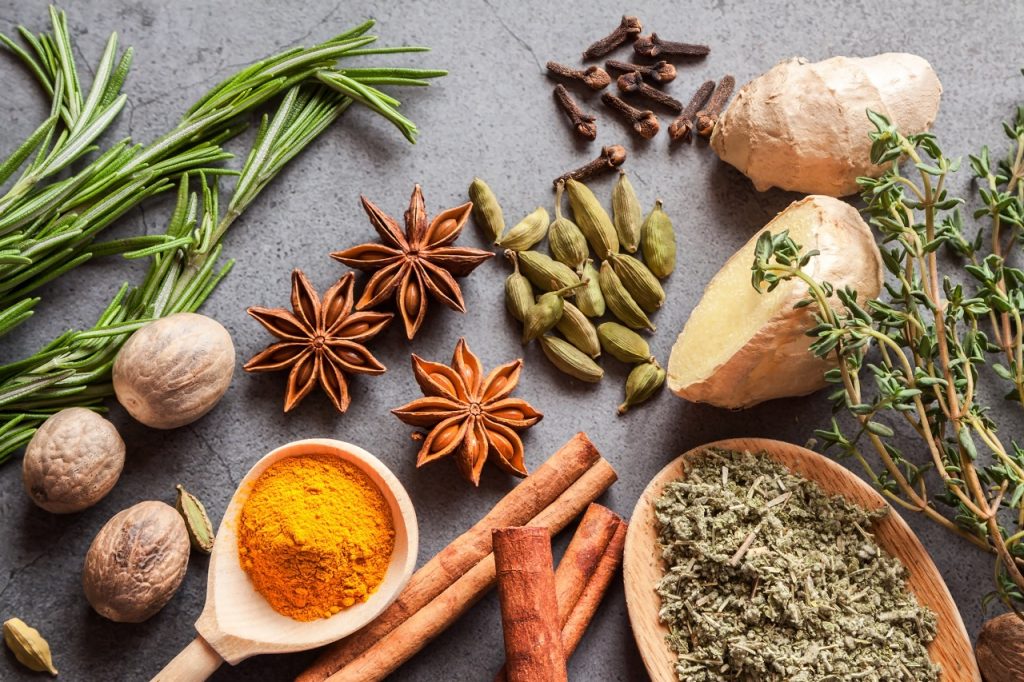
    Turmeric, ginger and garlic offer well-documented benefits.
  5. Include omega-3 fats
    Sources such as fatty fish, flaxseeds and walnuts support both cardiovascular and cognitive health.
  6. Protect your sleep
    Poor sleep is a major driver of inflammation and hormonal imbalance.

Why This Matters

Chronic disease does not develop overnight.
It builds gradually often through processes like inflammation that go unnoticed for years.

Understanding inflammation helps connect the dots between conditions that are often treated separately:

  • heart disease
  • diabetes
  • obesity
  • cognitive decline

In many cases, they share the same underlying mechanisms.

The goal is not to eliminate inflammation entirely that is neither possible nor necessary.

The goal is to reduce the constant internal load.

To lower the heat.
Gradually. Consistently.

Because long-term health is not defined by one decision,
but by the patterns you repeat every day.

We hope this article helps you understand the silent signals your body might be sending. Do you have questions about managing inflammation, or have you noticed positive changes after adopting any of these habits? Drop your thoughts in the comments below! For personalized guidance on interpreting your health markers and building an anti-inflammatory lifestyle, speak to a certified expert by subscribing to GOQii’s Personalised Health Coaching here.

Frequently Asked Questions (FAQs)

1. What are the most common symptoms of chronic inflammation?
Unlike acute inflammation (which shows as visible redness or swelling), chronic inflammation is often “silent” and internal. However, common subtle warning signs include persistent fatigue, unexplained joint or muscle pain, stubborn weight gain (especially visceral fat around the belly), frequent digestive issues like bloating, and brain fog.

2. What is the best blood test to check for inflammation in the body?
The most common and reliable blood marker used by doctors to assess systemic inflammation and cardiovascular risk is the High-sensitivity C-reactive protein (hs-CRP) test. Generally, an hs-CRP level below 1 mg/L indicates low risk, while a level above 3 mg/L suggests a high inflammatory burden.

3. What foods cause the most inflammation?
Ultra-processed foods are the primary dietary drivers of chronic inflammation. This includes items high in refined sugars, high-fructose corn syrup, refined carbohydrates (like white bread and pastries), deep-fried foods, and industrial seed oils. These foods trigger rapid blood sugar spikes and oxidative stress, keeping the body’s inflammatory response constantly active.

4. How fast can you reduce inflammation with diet and lifestyle changes?
While chronic inflammation builds up over years, your body responds quickly to positive changes. Simple interventions—like taking a 15-minute walk after meals to control blood sugar, cutting out sugary beverages, and prioritizing 7-8 hours of sleep—can begin lowering inflammatory markers like hs-CRP within a few weeks to a few months.

5. Can regular exercise help reduce inflammation?
Yes. While intense, over-training can temporarily increase acute stress, regular and moderate exercise is highly anti-inflammatory. Strength training specifically helps burn away metabolically active visceral fat (which actively releases inflammatory chemicals), while daily movement improves insulin sensitivity and circulation.

#BeTheForce

Disclaimer: The information provided in this article is for educational and general informational purposes only and is not intended to serve as professional medical advice, diagnosis, or treatment. Inflammatory markers like hs-CRP must be interpreted by a qualified medical professional in the context of your overall health profile. Always consult with your doctor, physician, or a registered clinical dietitian before making significant changes to your diet, starting a new exercise routine, or if you are experiencing symptoms of chronic illness.

April 9, 2026 By GOQii Leave a Comment

The ROI of Preventive Health: A Guide for Modern Corporate Wellness

For decades, Corporate Wellness was viewed by many executives as a “nice-to-have” HR perk a checkbox item featuring an annual step challenge or a discounted gym membership. However, in today’s high-pressure, hyper-connected business landscape, that outdated view is a costly mistake.

Modern forward-thinking CEOs and HR leaders are realizing that employee health is inextricably linked to company performance. When your workforce is unwell, burned out, or chronically stressed, the bottom line suffers.

Investing in preventive health is no longer an employee benefit; it is a critical business strategy. Let’s break down the hidden costs of the modern workplace and explore the undeniable ROI of a data-driven corporate wellness program.

The Hidden Cost of the Modern Workplace

To understand the return on investment, we must first understand the cost of inaction. The GOQii India Fit Report 2026 reveals a stark reality: for most Indians, working life is the biggest driver of healthspan loss.

As careers intensify and responsibilities multiply, chronic stress becomes background noise. The modern workplace inadvertently creates an environment where health takes a back seat to productivity. The data highlights exactly how this impacts your workforce:

  • The Sedentary Epidemic: A staggering 50% of Indians now spend 5 to 8 hours a day sitting. This prolonged inactivity slows metabolism and triggers inflammation, driving up the risk of heart disease and diabetes.
  • The Burnout Culture: Burnout culture, long work hours, constant digital connectivity, and sedentary routines accelerate health decline.
  • The Emotional Toll: Stress levels have reached critical highs, affecting 45% of the population. Furthermore, 40% of people experiencing frequent episodes of low mood report poor work-life balance.
  • The Economic Drain: Early onset of lifestyle diseases forces many adults to exit the workforce years before retirement age. According to NITI Aayog, non-communicable diseases reduce India’s economic output by billions annually through lost productivity and healthcare costs.

When employees are managing silent epidemics like hypertension, high cholesterol, and chronic fatigue, they are physically present but cognitively depleted a phenomenon known as presenteeism.

Defining the ROI: How Prevention Translates to Profits

Shifting from a sick-care model to a preventive corporate wellness framework yields measurable financial and operational returns. Here is how the ROI of preventive health materializes for modern businesses:

  1. Drastic Reduction in Healthcare Costs

India’s healthcare system is still heavily treatment-focused, and managing advanced diseases consumes far more resources than preventing them. By implementing preventive health screenings and continuous monitoring, companies can help employees detect lifestyle risks like insulin resistance or rising blood pressure before they become full-blown chronic diseases requiring expensive medical interventions, hospitalizations, and premium hikes.

  1. Elimination of Productivity Leaks (Absenteeism & Presenteeism)

Healthy employees are focused employees. Regular movement, adequate sleep, balanced nutrition, and stress regulation protect healthspan far more effectively than drastic changes made late in life. When corporate wellness programs actively improve sleep quality and reduce stress, employees experience sharper cognitive function, better decision-making, and higher sustained energy levels, directly boosting daily output.

  1. Superior Talent Attraction and Retention

In a competitive talent market, top-tier professionals look for employers who care about their holistic well-being. Workplaces that prioritize movement, rest, and recovery foster deep loyalty. Providing robust mental health support and personalized coaching reduces turnover rates, saving companies the massive costs associated with recruiting, hiring, and training new staff.

3 Pillars of a Modern Corporate Wellness Strategy

To achieve a true ROI, corporate wellness must evolve from episodic interventions (like an annual health camp) to continuous, habit-building support.

  1. Continuous Data & Insights: Utilizing digital health platforms and wearables enables earlier detection, sustained behavior change, and a move from episodic care to continuous prevention. Tracking daily metrics like sleep and activity allows employees to understand their baseline health.
  2. Personalised Human Coaching: Technology, when paired with human coaching and accountability, enables this shift across life stages. Data alone does not change habits; personalized guidance from health experts helps employees translate their data into actionable, daily lifestyle changes.
  3. Mental Resilience as a Core Focus: Emotional health must be treated as biological health. Companies need to invest in stress management programs, promote a healthy work-life balance, and provide support systems for mental health.

Frequently Asked Questions (FAQs)

  1. What is the actual ROI of a corporate wellness program?
    The ROI of a modern corporate wellness program is measured through three primary financial pillars: drastically reduced long-term healthcare costs and insurance premiums, the elimination of productivity leaks (such as absenteeism and presenteeism caused by chronic stress or illness), and significantly lower employee turnover rates. Preventive health transforms wellness from a sunk cost into a strategic driver of profitability.
  2. How does preventive health directly impact employee productivity?
    According to the GOQii India Fit Report 2026, chronic stress and poor sleep are major drivers of decreased cognitive function and “presenteeism” (being at work but underperforming). Preventive health programs target these root causes by improving sleep quality and managing stress, which directly results in sharper decision-making, higher sustained energy, and better daily output.
  3. Why do traditional corporate wellness initiatives fail to show an ROI?
    Traditional wellness programs fail because they are episodic—relying on annual health check-ups or one-off step challenges. True behavioral change requires a continuous approach. The modern workforce needs ongoing data monitoring combined with personalized human coaching to build sustainable, daily health habits that actually reverse chronic disease risks.
  4. How does GOQii help companies maximize their wellness ROI?
    GOQii provides a comprehensive, continuous preventive healthcare ecosystem. By combining digital health monitoring with personalized, one-on-one human coaching, GOQii helps employees transition from awareness to action. This proactive approach manages lifestyle diseases early, directly reducing corporate healthcare burdens and building a more resilient, focused workforce.

The Bottom Line for Business Leaders

Treating corporate wellness as an expense is a miscalculation. Unhealthy employees will always cost a business more in lost productivity, healthcare claims, and turnover than the cost of a comprehensive wellness program.

The future of corporate success relies on building an infrastructure of prevention. By partnering with comprehensive healthcare ecosystems like GOQii which seamlessly integrates wearable technology, continuous data monitoring, and personalized human coaching you are securing the operational resilience and financial ROI of your company tomorrow. Invest in your workforce’s healthspan today, and watch your business thrive.

#BeTheForce

Disclaimer: The information provided in this article is for educational and informational purposes only and is not intended to serve as professional medical, legal, financial, or HR compliance advice. The health statistics, productivity metrics, and ROI projections discussed—including data referenced from the GOQii India Fit Report—are based on aggregated trends and may vary significantly depending on individual organizational structures, industry, and workforce demographics. Always consult with qualified healthcare professionals, certified HR consultants, or corporate legal counsel before designing, implementing, or altering any employee wellness programs or company health policies.

April 8, 2026 By Kusum Soni Leave a Comment

Do Grains Cause a Leaky Gut? Unpacking the Science and Solutions

leaky gutIf you are suffering from chronic diarrhea, constipation, gas, or bloating coupled with a poor immune system, your issue might be more than just something to do with “what you ate last night.” There is a fair chance that you might be experiencing something known as a leaky gut.

What is a Leaky Gut?

A Leaky Gut, as the phrase suggests, literally means that the gut or intestine is “leaking.”

Technically speaking, the permeability of the intestinal mucosa increases. As a result, a protein called Zonulin is released, and consequently, bacteria, toxins, digestive metabolites, and bacterial toxins leak through the intestinal wall and into the bloodstream.

This increases the toxic build-up in the body, which can manifest across various systems, including the skin, colon, hormones, lungs, liver, lymph, and kidneys. Symptoms often present as bloating, diarrhea, and constipation. This can also trigger an autoimmune response, potentially linking to conditions like rheumatoid arthritis, lupus, Celiac disease, migraines, a weak immune system, and hormonal imbalances.

While the exact cause of a leaky gut is heavily debated, potential triggers include a poor diet, chronic stress, toxin overload, and imbalances in the gut microbiome (dysbiosis).

The Role of Grains: Essential Nutrients or Hidden Hazards?

General dietary guidelines advise us to eat adequate amounts of whole grain products daily, promoting them as the fiber-rich foundation of a healthy diet.

Grains are undeniably the main source of our energy for daily activities and brain function. They supply us with Vitamin B Complex and vital minerals like Zinc, Chromium, Iron, Calcium, Magnesium, and Manganese that power numerous biochemical reactions in our bodies.

However, the question remains: Are all grains necessary, or can they sometimes be harmful?

Alongside their nutrients, grains and legumes also contain certain anti-nutritional compounds. For some individuals, these chemicals can trigger inflammation and negatively affect gut health.

What are the Anti-Nutritional Compounds in Grains? 

  1. Gluten

Gluten is the main structural protein complex found in grains like wheat, rye, and barley. It is incredibly widespread in modern diets due to the heavy intake of processed and refined flour products like bread, cakes, pastries, sauces, ready meals, and breakfast cereals.

  • The Impact: For a person with gluten sensitivity, ingesting gluten significantly increases intestinal permeability immediately after consumption.
  • The Science: Studies demonstrate that daily consumption of wheat products can contribute to chronic inflammation. Gliadin (a component of gluten) can release Zonulin and wheat germ agglutinin, which actively increase intestinal permeability and trigger the immune system.
  1. Lectins

Grains contain different types of lectins, but not all are harmful. The problematic ones are Agglutinins and Prolamins.

  • Agglutinins: These act as a natural insecticide to protect crops. To get a higher crop yield, some grains are genetically modified (GM) to produce more of these natural insecticides, which in turn can make the grain highly inflammatory for human digestion.
  • Prolamins: These are tough to digest. Most grains contain a Prolamin similar in structure to gluten (e.g., Orzenin in rice, Avenin in oats, or Gliadins in wheat).
  1. Phytates and Phytic Acid

Found in the seeds of grains, Phytates and Phytic Acid inhibit the digestion and absorption of crucial minerals specifically zinc, iron, and calcium by binding to them in the gut.

  • The Impact: A small amount of Phytates usually does not cause a problem if you are getting adequate nutrients elsewhere. However, if grains form the vast majority of your staple diet, mineral deficiencies can result, directly impacting your immune system.

5 Ways to Manage a Leaky Gut

If you suspect your gut needs healing, here are actionable, science-backed steps you can take to support your intestinal health:

  1. Choose Naturally Gluten-Free Grains: Opt for grains like bajra, rice, maize, and certified gluten-free oats. However, always read nutritional labels! Many commercial “gluten-free” products are packed with food additives, preservatives, and added sugar, which can further damage the gut lining.
  2. Prepare Your Grains Properly: Go for non-GMO and heirloom varieties of seeds. To make them easier to digest, soak your grains overnight in water mixed with a little lemon juice or apple cider vinegar. Sprouting and slow-cooking also activate Phytase, an enzyme that naturally breaks down harmful Phytates.
  3. Chew Your Food Thoroughly: Digestion begins in the mouth. Do not rush through your meals. Chew slowly and thoroughly so that smaller food particles can be easily digested and absorbed by the intestines.
  4. Adopt an Anti-Inflammatory Diet: Fill your plate with colourful fresh fruit, vegetables, seeds, soaked nuts, plant proteins (like beans and lentils), and oily fish. Simultaneously, cut out refined sugar, processed foods, red meat, and alcohol.
  5. Replenish with Fermented Foods: Introduce natural probiotics to rebuild your gut microbiome. Try incorporating curd, traditional fermented pickles, sauerkraut, kefir, or kombucha into your daily routine.

A Note on Nightshades and Autoimmunity: Vegetables from the nightshade family (Solanaceae)—such as tomatoes, peppers, eggplant (brinjal), and potatoes—are high in lectins that can irritate the gut lining, and these lectins do not break down during cooking. Those dealing with severe autoimmune diseases may want to experiment with avoiding these vegetables.

If grains are your primary staple food, they may be obstructing your digestion and contributing to gut permeability. For those with confirmed autoimmune diseases or severe gluten sensitivity, it is often wise to completely exclude grains, pseudo-grains, legumes, and nightshades temporarily. Once the intestinal gaps heal and symptoms disappear, you may be able to reintroduce these foods occasionally.

(Note: Medically, “Leaky Gut Syndrome” is often considered a hypothetical or unrecognized condition by some mainstream medical bodies, though intestinal permeability is a recognized scientifically studied phenomenon. Always consult a healthcare professional for chronic digestive issues.)

We hope this article helps you! Do leave your thoughts and questions in the comments below! For further guidance on elimination diets and gut health, speak to a certified expert by subscribing to GOQii’s Personalised Health Coaching here.

#BeTheForce 

Disclaimer: The information provided in this article is for educational and informational purposes only and is not intended as medical advice, diagnosis, or treatment. Medically, “Leaky Gut Syndrome” is often considered a hypothetical condition by some mainstream medical bodies, though increased intestinal permeability is a recognized scientific phenomenon. Always consult with a qualified healthcare professional, gastroenterologist, or registered dietitian before making any significant changes to your diet especially eliminating entire food groups like grains or nightshades or if you are experiencing chronic digestive or autoimmune symptoms.

April 7, 2026 By GOQii Leave a Comment

World Health Day 2026: The Years You’re Losing Without Knowing

We don’t get sick overnight.

We drift into it slowly, quietly and call it normal.

This is exactly why this year’s World Health Day theme – “Together for health. Stand with science.” matters.

Because the problem isn’t that we don’t know what to do.
It’s that we act too late.

The Reality We’re Avoiding

India is living longer than ever before.

But here’s what we don’t talk about:

We’re also spending more of those years managing poor health.

Data from the newly released India Fit Report 2026 highlights a clear pattern—health decline isn’t sudden. It builds over time, often without obvious warning.

On average, nearly 12 years of life are impacted by reduced health, chronic conditions, or loss of function.

Not at the end.
Across life.

This Isn’t Ageing. It’s Accumulation

Most people think health breaks down later.

It doesn’t.

It builds gradually:

  • Habits form early
  • Biology adapts silently
  • Symptoms show up last

Lifestyle diseases are not events. They are timelines.

What Science Actually Shows

Science doesn’t just tell us what happens.
It explains why.

Long before diagnosis, the body shows signals:

  • Insulin resistance begins before blood sugar rises
  • Chronic stress elevates cortisol, impacting metabolism and heart health
  • Poor sleep disrupts hormone balance, recovery, and appetite regulation
  • Inflammation builds quietly, increasing long-term risk

These changes are not theoretical.

They are:

  • measurable
  • trackable
  • and most importantly, modifiable

What gets measured early can be managed early.

The Real Problem Isn’t Disease. It’s Delay

Nothing feels urgent.

  • No pain
  • No disruption
  • No immediate consequence

So nothing changes.

And that’s where the real damage happens.

The problem isn’t awareness.
It’s delay.

Where the Real Opportunity Lies

A large part of the population today sits in a grey zone:

  • Not sick
  • Not fully healthy

Functioning but fragile.

This is where outcomes are still flexible.

Because at this stage:

  • risks can be reversed
  • habits can be corrected
  • trajectories can change

But only if action is taken early.

What It Means to “Stand With Science”

It doesn’t mean doing more.

It means doing things earlier and doing them consistently.

  • Acting on signals, not symptoms
  • Using data instead of assumptions
  • Focusing on patterns, not quick fixes

Because most long-term health outcomes are shaped before they are diagnosed.

See the Data Behind This Shift

The India Fit Report 2026 brings together large-scale behavioural insights to show how everyday habits are shaping long-term health outcomes.

Download the full report here. 

We are not losing years at the end of life.

We are losing them every day, in ways that feel normal, until they aren’t.

This World Health Day:

Don’t wait for symptoms.
Start acting earlier.

Because the goal isn’t just to live longer.

It’s to stop losing the years that matter.

#BeTheForce

Disclaimer: The information provided in this article is for general awareness and educational purposes only. It should not be considered medical advice. Individual health needs and responses may vary. Readers are advised to consult a qualified healthcare professional before making any health-related decisions or changes to treatment, diet, or lifestyle.

Frequently Asked Questions (FAQs)

  1. What is the difference between lifespan and healthspan?
    Lifespan refers to how long you live, while healthspan refers to how many of those years are lived in good health.
  2. What causes loss of healthy years?
    Poor sleep, chronic stress, inactivity, and metabolic changes contribute to long-term health decline before symptoms appear.
  3. Can lifestyle diseases be prevented early?
    Yes. Many conditions like diabetes and heart disease develop gradually and can be delayed or prevented with early intervention.
  • « Previous Page
  • 1
  • 2
  • 3
  • 4
  • 5
  • Next Page »

Search

Recent Posts

  • 3 Super Simple Ways to Overcome Anxiety Induced Procrastination
  • The GOQii India Fit Report 2026: Why Living Longer Isn’t Enough Anymore
  • Earth Day 2026: How Healing Yourself Heals the Planet
  • The New Annual Health Check: Tests That Actually Matter After 35
  • 10 Tips for a Blissful Night Sleep

Stay Updated

Archives

  • April 2026 (19)
  • March 2026 (18)
  • February 2026 (14)
  • January 2026 (14)
  • December 2025 (19)
  • November 2025 (15)
  • October 2025 (20)
  • September 2025 (6)
  • August 2025 (6)
  • July 2025 (12)
  • June 2025 (18)
  • May 2025 (16)
  • April 2025 (22)
  • March 2025 (28)
  • February 2025 (21)
  • January 2025 (25)
  • December 2024 (22)
  • November 2024 (23)
  • October 2024 (21)
  • September 2024 (23)
  • August 2024 (30)
  • July 2024 (21)
  • June 2024 (25)
  • May 2024 (29)
  • April 2024 (27)
  • March 2024 (27)
  • February 2024 (24)
  • January 2024 (21)
  • December 2023 (14)
  • November 2023 (10)
  • October 2023 (19)
  • September 2023 (22)
  • August 2023 (18)
  • July 2023 (22)
  • June 2023 (23)
  • May 2023 (24)
  • April 2023 (20)
  • March 2023 (23)
  • February 2023 (19)
  • January 2023 (15)
  • December 2022 (11)
  • November 2022 (15)
  • October 2022 (15)
  • September 2022 (12)
  • August 2022 (10)
  • July 2022 (17)
  • June 2022 (11)
  • May 2022 (10)
  • April 2022 (6)
  • March 2022 (6)
  • February 2022 (13)
  • January 2022 (11)
  • December 2021 (7)
  • November 2021 (3)
  • October 2021 (6)
  • September 2021 (3)
  • August 2021 (8)
  • July 2021 (7)
  • June 2021 (15)
  • May 2021 (16)
  • April 2021 (10)
  • March 2021 (7)
  • February 2021 (4)
  • January 2021 (4)
  • December 2020 (3)
  • November 2020 (4)
  • October 2020 (10)
  • September 2020 (3)
  • August 2020 (3)
  • July 2020 (2)
  • June 2020 (4)
  • May 2020 (10)
  • April 2020 (12)
  • March 2020 (10)
  • February 2020 (4)
  • January 2020 (4)
  • December 2019 (3)
  • November 2019 (7)
  • October 2019 (5)
  • September 2019 (4)
  • August 2019 (9)
  • July 2019 (9)
  • June 2019 (11)
  • May 2019 (4)
  • April 2019 (8)
  • March 2019 (8)
  • February 2019 (9)
  • January 2019 (8)
  • December 2018 (9)
  • November 2018 (3)
  • October 2018 (3)
  • September 2018 (5)
  • August 2018 (10)
  • July 2018 (6)
  • June 2018 (13)
  • May 2018 (8)
  • April 2018 (18)
  • March 2018 (9)
  • February 2018 (8)
  • January 2018 (15)
  • December 2017 (12)
  • November 2017 (19)
  • October 2017 (13)
  • September 2017 (15)
  • August 2017 (4)
  • July 2017 (8)
  • June 2017 (7)
  • May 2017 (6)
  • April 2017 (8)
  • March 2017 (6)
  • February 2017 (7)
  • January 2017 (9)
  • December 2016 (10)
  • November 2016 (7)
  • October 2016 (7)
  • September 2016 (7)
  • August 2016 (11)
  • July 2016 (9)
  • June 2016 (9)
  • May 2016 (12)
  • April 2016 (17)
  • March 2016 (17)
  • February 2016 (8)
  • January 2016 (6)
  • December 2015 (2)
  • November 2015 (9)
  • October 2015 (7)
  • September 2015 (9)
  • August 2015 (11)
  • July 2015 (9)
  • June 2015 (11)
  • May 2015 (9)
  • April 2015 (13)
  • March 2015 (8)
  • February 2015 (5)
  • January 2015 (12)
  • December 2014 (14)
  • November 2014 (11)
  • October 2014 (6)
  • September 2014 (13)
  • August 2014 (12)
  • July 2014 (6)
  • June 2014 (2)
  • May 2014 (7)
  • April 2014 (4)

From “Laddu Nawin” to Fit and Fierce: How a 25-Year-Old Insurance Advisor Shed 20 Kilos and Gained His Life Back

When 25-year-old Nawin Yadav from Hyderabad walked into his office every morning, he carried more than just his files and policy papers. He had the weight of fatigue, sluggish energy, and an ever-growing belly that was becoming the butt of jokes. “People … [Read More...]

“I’ve Challenged Myself to Live 100 Years” – The Story of Chandubhai Savani’s Second Chance at Life

At 67, most people start slowing down. Not Chandubhai Savani. A resident of Surat, Chandubhai, thought life was on track. “My life was going well till I had my bypass surgery,” he says. That surgery, back in 2021, was a wake-up call.  Medication was routine, but exercise wasn’t. His diet? What he calls ‘normal.’ “I […]

From Shimla’s Slopes to Chandigarh’s Sidewalks: Surinder Kaur Bhalla’s Journey from Chaos to Control

Some journeys start with a plan. Others begin with a stumble literally. Surinder Bhalla, a government professional, born and raised in the scenic hill town of Shimla, had always lived a life of movement. “In Shimla, you walked everywhere,” she reflects. “Walking was never an exercise. It was just life.” But after shifting to Chandigarh, […]

Ananda Mukherjee Health Story

From Terminal Illness To Complete Wellness! Ananda Mukherjee Health Story

As we observe World Cancer Day under the powerful theme ‘United by Unique’ (2025-2027)**, we are reminded that every individual’s journey with cancer is distinct, yet united by shared resilience, hope, and the collective fight against this disease. This theme places people at the centre of care and their stories at the heart of the […]

  • HOME
  • HEALTHY LIVING
  • FITNESS
  • HEALTHY RECIPES
  • USER STORIES
  • KARMA
  • BUY GOQii

Copyright ©2016 GOQii