GOQii

Blog

  • HOME
  • HEALTHY LIVING
  • FITNESS
  • HEALTHY RECIPES
  • USER STORIES
  • KARMA
  • BUY GOQii

July 8, 2025 By GOQii Leave a Comment

From Shimla’s Slopes to Chandigarh’s Sidewalks: Surinder Kaur Bhalla’s Journey from Chaos to Control

Some journeys start with a plan. Others begin with a stumble literally.

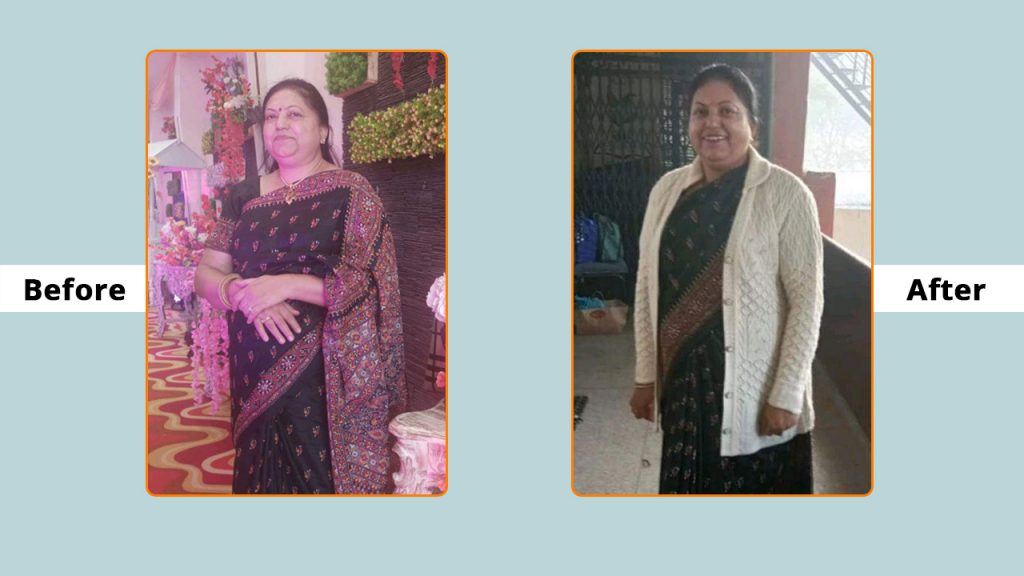
Surinder Bhalla, a government professional, born and raised in the scenic hill town of Shimla, had always lived a life of movement. “In Shimla, you walked everywhere,” she reflects. “Walking was never an exercise. It was just life.” But after shifting to Chandigarh, that quiet rhythm changed. Here, everything was mechanised. Walking became optional, even avoidable—relegated to an “exercise” slot, if at all.

But Surinder’s story is not one of stagnation—it’s one of incredible personal transformation.

The Wake-Up Call

Life, for Surinder, used to be a whirlwind starting at 4 a.m., rushed meals, erratic routines, work stress, and hardly any time for self-care. “Everything was on the go. Health took a backseat,” she admits. As a teacher, not very tech-savvy, she had no idea something like GOQii—a health coaching platform—existed.

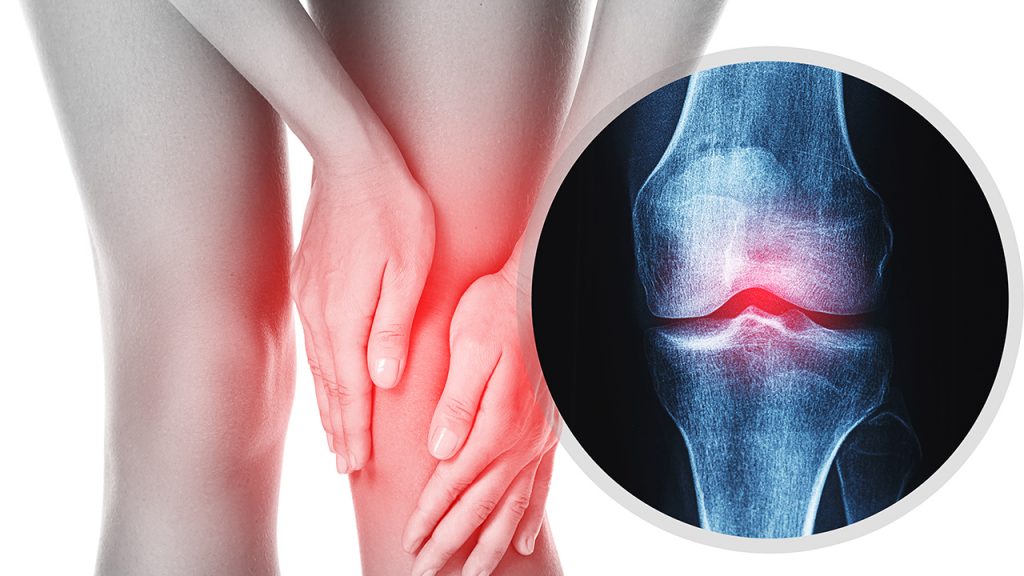
That changed in 2019 when, after a painful knee injury, her orthopaedic consultation led her to a free three-month GOQii subscription. A blessing in disguise, as she calls it.

It was just in time.

The Right Time, The Right Nudge

The timing was serendipitous. Soon after joining in Dec 2019, COVID-19 hit. While the world came to a standstill, Surinder found stability in her new virtual coach. “The chats, the daily motivation, it kept me anchored,” she recalls. With her coach’s support, she began reworking her routines, improving her eating habits, incorporating daily walks, and experimenting with decoctions, all while cutting through old habits one step at a time.

The changes were subtle at first, but soon added up—better sleep, improved digestion, increased stamina, and something far more profound: self-belief.

From Medications to Mindset

Diagnosed with diabetes in 2013, Surinder had been on medication for years. She consciously chose not to start insulin. With consistency and coaching, her sugar levels stabilised. Today, her medications have drastically reduced, and her diabetes is under control. “My willpower is the strongest it has ever been,” she says proudly.

Friends and colleagues now look at her transformation in disbelief. “They’re shocked when I tell them I’ve had diabetes for 13 years. No one believes my age, or the energy I bring.”

A New Taste of Life

Apart from walking her health journey, Surinder has also rediscovered her joy in cooking. A passionate home chef, she now experiments with healthy, sattvik recipes, adding her unique twists. “I’ve been a sattvik eater for the past 6-7 months. It feels lighter, better,” she shares.

What Keeps Her Going?

“Blessings,” she smiles. “They play a vital role. I feel blessed to have a coach who reminds me daily that I can be better. I don’t do anything out of force—I do it because I want to. I follow my mind, and now my body follows too.”

Her Message to Others

If Surinder’s journey says anything, it’s this: You don’t need a perfect start. You just need the courage to take the first step,  no matter how small, or even how accidental. Sometimes, the most powerful transformations come not when you plan for them, but when life nudges you toward your own better version.

Does her Health Story inspire you? Do you want to make a radical lifestyle shift as well? Subscribe for GOQii’s Personalised Health Coaching and start now: https://goqiiapp.page.link/bsr

For more inspiring Health Stories, check out Healthy Reads.

#BeTheForce

Disclaimer: The information provided in this blog is for general awareness and educational purposes only. It is not intended to replace professional medical advice, diagnosis, or treatment. Always consult a qualified healthcare provider for personalised medical guidance or concerns related to your health. Images shown are for representation purposes only and may not depict the exact recommendations or outcomes.

June 2, 2025 By Meenakshi Sharma 2 Comments

What Is Visceral Fat & Why It Is Dangerous

visceral fat

You might have heard of the term belly fat, but you might not be aware of terms like subcutaneous and visceral fat. Subcutaneous fat is the kind you can grasp with your hand on any part of your body. It sits under the skin. Belly fat, or what experts call visceral fat, is a particularly dangerous type of fat that forms inside the abdomen. It surrounds internal organs like the liver and intestines, and is also known as ‘active fat’ because it influences how hormones function in the body.

You can have too much belly fat even with a normal BMI. So, pay attention to your waist circumference rather than the number on the scale.

How To Measure It

  1. Waist size: This is an easy way to get a rough estimate. Wrap a tape measure around your waist over your belly button (don’t suck in your stomach). For women, 35 inches or more is a sign of visceral fat. For men, it’s 40 inches.
  2. BMI: Body mass index is a formula for how much you weigh relative to your height. A BMI of 30 or higher is overweight. That could be a sign of visceral fat. In Asia, a BMI of 23 or higher could be a concern.
  3. Waist-to-hip ratio: Divide your waist size by your hip size. Some doctors think this gives a good indication of your risk for visceral fat. But studies suggest it may be no better than a simple waist measurement.
  4. Body shape: Look in the mirror. If you’re an apple – a big trunk and slimmer legs – it often means more visceral fat, which is more common among men. Women are more likely to be pears with bigger hips and thighs. Research shows that upper body fat is more dangerous to your health, which might be one reason why women usually live longer than men.
  5. Imaging tests: These scans are the only way to check the exact amount of visceral fat you have. If your doctor orders a CT scan or an MRI for another medical condition, they can also assess your visceral fat.

Risks & Dangers Of Excess Visceral Fat

  • Increased Inflammation: If you have more fat stored than needed, especially around visceral organs like the liver, heart, kidneys, pancreas, and intestines, your body becomes inflamed. This fat stores inflammatory white blood cells and is linked with cognitive decline, arthritis, diabetes, and more.
  • Higher Risk of Diabetes: Visceral fat plays a significant role in insulin resistance, heightening the risk of developing diabetes. Abdominal fat is viewed as a bigger health risk than hip or thigh fat. While men are more likely to store visible visceral fat, women are also at risk.
  • Makes It Harder to Lose Weight: Stored body fat, especially visceral fat, affects hunger levels. Leptin, a hormone released by stored fat, regulates appetite, metabolism, and weight. When you eat refined carbs such as white flour and sugar, fat-storing hormones are produced in excess, raising your body’s “set point” and making it hard to follow a moderate, healthy diet.
  • Higher Risk for Heart Disease and Strokes: Inflammatory cytokines produced by fat contribute to heart disease and other inflammatory disorders. Visceral fat is linked to cardiovascular risk factors like high triglycerides, high blood pressure, and high cholesterol.
  • More Likely to Battle Dementia: Studies show that people with larger waistlines have a higher risk of dementia. In fact, many experts believe visceral fat levels (rather than BMI) are a more relevant risk factor in dementia development.
  • Increased Risk of Depression and Mood Disorders: Visceral fat is metabolically active and can interfere with hormones and neurotransmitter function. Depression is especially associated with greater fat storage in women. In one study, visceral fat – not subcutaneous belly fat or waist circumference – was linked with depressive symptoms in women over 50.

How Can You Reduce Visceral Fat? 

  • Exercise: A mix of cardiovascular exercise (e.g. running, cycling, swimming, aerobics, circuit training) and strength training (e.g. squats, weights, push-ups) helps reduce visceral fat.
  • Manage Stress: Chronic stress raises cortisol, which increases fat storage around the abdomen. Relaxation techniques like meditation, deep breathing, and other stress management practices can support fat loss.
  • Balance Diet: Focus on whole foods—fruits, vegetables, whole grains (quinoa, millets, oats), and lean proteins (skinless chicken, fish, eggs, beans). Calcium and Vitamin D are also associated with lower visceral fat. Include leafy greens, tofu, sardines, and low-fat dairy products.

Boiling, steaming, baking, and grilling are healthier cooking methods. Avoid trans fats (often found in processed foods and deep-fried items) and reduce sugar intake. Check labels for ingredients like “partially hydrogenated oils” or “high-fructose corn syrup.”

We hope this article helps you! If you are keen on losing weight in a healthy, sustainable way, you can reach out to an expert by subscribing for Personalised Health Coaching here.

For more articles on weight loss, check out Healthy Reads.

#BeTheForce 

Disclaimer: The information provided in this blog is for general awareness and educational purposes only. It is not intended to replace professional medical advice, diagnosis, or treatment. Always consult a qualified healthcare provider for personalised medical guidance or concerns related to your health. Images shown are for representation purposes only and may not depict the exact recommendations or outcomes.

March 15, 2025 By Dr Manali Rao 5 Comments

Hypertension in Pregnancy: What Every Mother-to-Be Should Know

pregnant-womenPregnancy is a beautiful journey, but it also comes with its share of challenges. Among them, high blood pressure (hypertension) is one of the most common concerns for expectant mothers. Whether it’s your first pregnancy or you’ve experienced complications before, understanding hypertension during pregnancy can help you stay in control and safeguard both your health and your baby’s well-being.

Some women experience pregnancy-induced hypertension (PIH), which can develop after 20 weeks of pregnancy. If left unchecked, it can lead to complications such as pre-eclampsia, placental abruption, or preterm delivery. However, with early detection, lifestyle changes, and medical support, most women can manage their blood pressure effectively and have a healthy pregnancy.

What is Pregnancy Induced Hypertension (PIH)?

PIH refers to newly developed hypertension during pregnancy, without the presence of protein in the urine or other symptoms of pre-eclampsia. Hypertension is defined as blood pressure higher than 140/90 mmHg. It can have serious effects on both mother and baby if not monitored properly.

Causes & Risk Factors of PIH

There is no single cause of PIH, but several factors can increase your risk:

  • Being overweight or obese
  • Lack of physical activity
  • Smoking or alcohol consumption
  • Family history of hypertension or PIH
  • Previous history of PIH in past pregnancies
  • Multiple pregnancy (twins or more)
  • Maternal age (below 18 or over 35 years old)
  • Pre-existing diabetes, kidney disease, or high blood pressure
  • Living with a single kidney
  • IVF pregnancies
  • Placental abnormalities

Types of Hypertension in Pregnancy

  • Gestational Hypertension:​
    Develops after 20 weeks of pregnancy, with high blood pressure but no protein in the urine or organ damage. Some women with gestational hypertension may develop pre-eclampsia later in pregnancy.
  • Chronic Hypertension:​
    High blood pressure present before pregnancy or occurring before 20 weeks of gestation. This type may go undiagnosed if regular BP checks were not done before pregnancy.
  • Chronic Hypertension with Superimposed Pre-Eclampsia:
    Women with chronic hypertension who develop worsening blood pressure, protein in the urine, or other complications during pregnancy.
  • Pre-Eclampsia:​
    A serious pregnancy complication that includes high blood pressure, proteinuria (protein in the urine), and signs of organ damage. If left untreated, it can lead to severe complications for both mother and baby.
  • Eclampsia:
    A severe form of pre-eclampsia that leads to seizures, which can be life-threatening for both mother and baby.

Symptoms of PIH & Pre-Eclampsia

Look out for the following warning signs:

  • Severe headaches
  • Blurred vision or sensitivity to light
  • Pain in the upper abdomen (under the ribs, right side)
  • Nausea or vomiting
  • Sudden swelling in the face, hands, or feet
  • Decreased urine output
  • Shortness of breath (fluid in the lungs)
  • Dizziness or fainting spells
  • Spots or flashes before your eyes
  • Blood in urine
  • Decreased levels of platelets in your blood (thrombocytopenia)
  • Impaired liver function

If you experience any of the symptoms mentioned, immediately report to your Gynecologist or health care provider.

Complications of PIH

If left unmanaged, hypertension in pregnancy can lead to:

  1. Preterm Labour: Premature birth due to complications.
  2. Placental Abruption: The placenta partially or completely separates from the uterus before birth, depriving the baby of oxygen and nutrients.
  3. Intrauterine Growth Restriction (IUGR): The baby may have restricted growth due to reduced blood supply.
  4. Organ Damage: Liver, kidney, and blood clotting issues.
  5. Stillbirth (IUD – Intrauterine Death): In severe, untreated cases.
  6. Postpartum Hypertension: Some women may continue to experience high blood pressure after delivery, requiring continued medical care.

Managing PIH for a Healthy Pregnancy

  • Follow Your Doctor’s Advice – Attend all antenatal appointments and take prescribed medications as directed.
  • Rest as Advised – Your doctor may recommend bed rest depending on your blood pressure.
  • Manage Stress – Meditation, deep breathing, and engaging in relaxing activities can help.
  • Reduce Salt Intake – Cut down on processed foods, salty snacks, and added table salt.
  • Eat a Nutritious Diet – Prioritise whole grains, fruits, vegetables, lean proteins, and healthy fats.
  • Stay Active – Engage in light exercises such as walking or prenatal yoga if approved by your doctor.
  • Stay Hydrated – Drink plenty of water to maintain proper circulation.
  • Monitor Your Blood Pressure – Regularly check your BP at home and report any concerns to your doctor.

Maintaining a healthy blood pressure throughout pregnancy is crucial for both maternal and foetal well-being. Early detection, lifestyle modifications, and regular medical check-ups can help prevent complications.

  1. Start healthy habits before pregnancy to reduce your risk of PIH.
  2. Listen to your body and report any unusual symptoms to your doctor.
  3. Prioritise a balanced lifestyle with a nutritious diet, regular movement, and stress management.
  4. Remember, a Healthy Mother = a Healthy Baby!

💬 Have you experienced hypertension during pregnancy? Share your experience in the comments below!

#BeTheForce 

Disclaimer: The information provided in this blog is for general awareness and educational purposes only. It is not intended to replace professional medical advice, diagnosis, or treatment. Always consult a qualified healthcare provider for personalised medical guidance or concerns related to your health.

November 18, 2024 By Pallavi Barnwal Leave a Comment

How Often Should You Have Sex?

sexMen often ask me, how much sex should we be having? Can there be a number answer to it? Like thrice a week, once a week, and so on. Sex works for different people in different ways. It’s the classic chicken and egg dilemma. What comes first – happiness or frequent sex? For some people, frequent sex is what makes them happier in the relationship, whereas for others, happiness and the connection is a precondition to feeling desirous of having sex.

It’s Not An Easy Situation.

I know how painful it can be to steer through, how often to have sex. Getting turned down for it, or having to turn your partner down, is hard for couples even in a stable relationship. When the relationship is fragile due to fighting or communication problems, it can be even more problematic.

Throwing out an overly simplistic rule like “have sex thrice a week” doesn’t help matters much. There are three main reasons why I don’t support this thrice-a-week standard:

I’ve seen the stifling effects that these kind of rules and instructions can have on couples. We get bombarded by so many advices about what we’re “supposed” to do when it comes to sex (“be sexy but not too much for her”, “wait for him to initiate”, “try this position, this toy, this technique”, etc). Throwing another arbitrary rule on the table only makes the couple feel more anxiety. It means indirectly that they’re not “normal” or not measuring up and this can cripple the overall morale of the couple.

This general advice overlooks the individual reasons the couple is struggling with their sex life in the first place. The couple may have a power struggle or relationship issues that is manifesting in their bedroom. One partner might be going through biological changes that are affecting their arousal levels. The sex that they’re having may be so unpleasant/monotonous that one partner starts withdrawing. Someone might be carrying scars of past sexual abuse. The possibilities are endless, and each couple needs individualized attention rather than canned one-size-fits-all advice.

I firmly believe that the process of negotiating a sexual relationship that feels authentic, flexible, and connected is one of the most enriching experiences a couple can go through. The opportunities for personal and relational growth are immense.

So there’s no set-in-stone rule for how often couples should have sex. What’s much more important than forcing yourself to sleep together an arbitrary number of times is to find ways to talk about and work on your sex life together.

We hope this article helps you! For more on sexual wellness, check out Healthy Reads or tune in to LIVE sessions by our sexual wellness expert Pallavi Barnwal on GOQii Play.

#BeTheForce 

  • 1
  • 2
  • 3
  • …
  • 6
  • Next Page »

Search

Recent Posts

  • Healthy Eating: Paneer Stuffed Palak Paratha
  • 5 Simple Lifestyle Changes To Manage Hypertension
  • Vegging Out: My Unexpected Journey to Veganism
  • Natural Skincare For Healthy, Glowing Skin!
  • The Early Signs & Symptoms of Diabetes

Stay Updated

Archives

  • November 2025 (3)
  • October 2025 (20)
  • September 2025 (6)
  • August 2025 (6)
  • July 2025 (12)
  • June 2025 (18)
  • May 2025 (16)
  • April 2025 (23)
  • March 2025 (24)
  • February 2025 (23)
  • January 2025 (26)
  • December 2024 (26)
  • November 2024 (26)
  • October 2024 (22)
  • September 2024 (24)
  • August 2024 (31)
  • July 2024 (22)
  • June 2024 (27)
  • May 2024 (31)
  • April 2024 (27)
  • March 2024 (29)
  • February 2024 (26)
  • January 2024 (26)
  • December 2023 (17)
  • November 2023 (15)
  • October 2023 (23)
  • September 2023 (23)
  • August 2023 (21)
  • July 2023 (22)
  • June 2023 (24)
  • May 2023 (25)
  • April 2023 (24)
  • March 2023 (23)
  • February 2023 (20)
  • January 2023 (16)
  • December 2022 (12)
  • November 2022 (15)
  • October 2022 (15)
  • September 2022 (13)
  • August 2022 (11)
  • July 2022 (17)
  • June 2022 (11)
  • May 2022 (10)
  • April 2022 (6)
  • March 2022 (6)
  • February 2022 (13)
  • January 2022 (12)
  • December 2021 (7)
  • November 2021 (3)
  • October 2021 (6)
  • September 2021 (3)
  • August 2021 (8)
  • July 2021 (7)
  • June 2021 (15)
  • May 2021 (16)
  • April 2021 (10)
  • March 2021 (7)
  • February 2021 (4)
  • January 2021 (4)
  • December 2020 (3)
  • November 2020 (4)
  • October 2020 (10)
  • September 2020 (3)
  • August 2020 (3)
  • July 2020 (2)
  • June 2020 (4)
  • May 2020 (10)
  • April 2020 (12)
  • March 2020 (10)
  • February 2020 (4)
  • January 2020 (4)
  • December 2019 (3)
  • November 2019 (7)
  • October 2019 (5)
  • September 2019 (4)
  • August 2019 (9)
  • July 2019 (9)
  • June 2019 (11)
  • May 2019 (4)
  • April 2019 (9)
  • March 2019 (8)
  • February 2019 (9)
  • January 2019 (8)
  • December 2018 (9)
  • November 2018 (3)
  • October 2018 (3)
  • September 2018 (5)
  • August 2018 (10)
  • July 2018 (6)
  • June 2018 (13)
  • May 2018 (8)
  • April 2018 (18)
  • March 2018 (9)
  • February 2018 (8)
  • January 2018 (15)
  • December 2017 (12)
  • November 2017 (19)
  • October 2017 (13)
  • September 2017 (15)
  • August 2017 (4)
  • July 2017 (8)
  • June 2017 (7)
  • May 2017 (6)
  • April 2017 (8)
  • March 2017 (6)
  • February 2017 (7)
  • January 2017 (9)
  • December 2016 (10)
  • November 2016 (7)
  • October 2016 (7)
  • September 2016 (7)
  • August 2016 (11)
  • July 2016 (9)
  • June 2016 (9)
  • May 2016 (12)
  • April 2016 (17)
  • March 2016 (17)
  • February 2016 (8)
  • January 2016 (6)
  • December 2015 (2)
  • November 2015 (9)
  • October 2015 (7)
  • September 2015 (9)
  • August 2015 (11)
  • July 2015 (9)
  • June 2015 (12)
  • May 2015 (9)
  • April 2015 (13)
  • March 2015 (8)
  • February 2015 (5)
  • January 2015 (12)
  • December 2014 (14)
  • November 2014 (11)
  • October 2014 (6)
  • September 2014 (13)
  • August 2014 (12)
  • July 2014 (6)
  • June 2014 (2)
  • May 2014 (7)
  • April 2014 (5)

From “Laddu Nawin” to Fit and Fierce: How a 25-Year-Old Insurance Advisor Shed 20 Kilos and Gained His Life Back

When 25-year-old Nawin Yadav from Hyderabad walked into his office every morning, he carried more than just his files and policy papers. He had the weight of fatigue, sluggish energy, and an ever-growing belly that was becoming the butt of jokes. “People … [Read More...]

“I’ve Challenged Myself to Live 100 Years” – The Story of Chandubhai Savani’s Second Chance at Life

At 67, most people start slowing down. Not Chandubhai Savani. A resident of Surat, Chandubhai, thought life was on track. “My life was going well till I had my bypass surgery,” he says. That surgery, back in 2021, was a wake-up call.  Medication was routine, but exercise wasn’t. His diet? What he calls ‘normal.’ “I […]

From Shimla’s Slopes to Chandigarh’s Sidewalks: Surinder Kaur Bhalla’s Journey from Chaos to Control

Some journeys start with a plan. Others begin with a stumble literally. Surinder Bhalla, a government professional, born and raised in the scenic hill town of Shimla, had always lived a life of movement. “In Shimla, you walked everywhere,” she reflects. “Walking was never an exercise. It was just life.” But after shifting to Chandigarh, […]

Ananda Mukherjee Health Story

From Terminal Illness To Complete Wellness! Ananda Mukherjee Health Story

As we observe World Cancer Day under the powerful theme ‘United by Unique’ (2025-2027)**, we are reminded that every individual’s journey with cancer is distinct, yet united by shared resilience, hope, and the collective fight against this disease. This theme places people at the centre of care and their stories at the heart of the […]

  • HOME
  • HEALTHY LIVING
  • FITNESS
  • HEALTHY RECIPES
  • USER STORIES
  • KARMA
  • BUY GOQii

Copyright ©2016 GOQii