GOQii

Blog

  • HOME
  • HEALTHY LIVING
  • FITNESS
  • HEALTHY RECIPES
  • USER STORIES
  • KARMA
  • BUY GOQii

June 16, 2023 By Trupti Vyas (Pandya) 17 Comments

Healing Hands: 5 Hand Yoga Mudras To The Rescue

hand yogaEveryone knows about yoga and the benefits it can bring to your life. This ancient form of exercise started in India and has reached far and wide across the world. Since the pandemic, we’re always looking for new ways to be fit and active, given that health has now become a priority. I have a few ways on how we can be more active during the day and that’s Hand Yoga!

The importance of specific hand position is common in spiritual and healing arts tradition. India is home to perhaps the largest collection of such hand gestures. The Sanskrit word Mudra means gesture. These Hand gestures (Mudras) stimulates the flow of vital energy in unique ways, affecting organs, glands and nervous system of the body. Such gestures are mainly used while doing yoga postures (Asanas), Pranayama (breathing practices) and Meditation.

5 Hand Yoga Mudras & Their Benefits

The importance of specific hand position is common in spiritual and healing arts tradition. India is home to perhaps the largest collection of such hand gestures. The Sanskrit word Mudra means gesture. These Hand gestures (Mudras) stimulates the flow of vital energy in unique ways, affecting organs, glands and nervous system of the body. Such gestures are mainly used while doing yoga postures (Asanas), Pranayama (breathing practices) and Meditation.

1. Jnana/Gyan Mudra

hand yoga mudrasIn this Mudra, the thumb and index finger are touching and form a circle. The other three fingers are stretched casually. The palms are facing upwards. This Hand Yoga Mudra is known as the gesture of knowledge and wisdom. The Index Finger symbolizes the ego that is beaten by the universal wisdom, which is represented by thumb.

Benefits: 

  • Stimulates brain functions, the sense of touch and harmonizes the nervous system.
  • Calms the soul gives inner peace, promotes concentration as well as memory and helps in insomnia and depression.

2. Aakash Mudra

To perform this, the thumb and middle finger are brought together. The other fingers are casually stretching. Aakash stands for the element of room or ether.

Benefit:

  • It helps overcome obstacles and blockades related to stress in personal or professional life.
  • It also helps with heart diseases, toothache, a stiff jaw, ear ache and weight regulation, strengthening bones, intuition and awareness are strengthened and feeling and thoughts are cleansed.

3. Shunya Mudra

In this Hand Yoga Mudra, you bend your middle finger until it touches the ball below the thumb. The thumb performs light pressure on the middle finger. The other fingers are stretched. Put your hands, palms facing up, on your thighs. Sunya Means “sky” or “zero”.

Benefits

  • It has a healing effect on the ear area and helps with different issues such as ear aches, ringing in ears.
  • It can help with imbalance, dizziness, travel sickness, sea sickness and nausea brought by movement.
  • It helps in healing throat and nose infections.   

4. Surya Mudra

It is formed by folding the ring finger so that it touches the lower end of the thumb. The thumb pushes the ring finger slightly down and other fingers are casually stretched upwards. Surya Mudra activates the fire  element of the body.

Benefits

  • It activates metabolism, therefore, suited for people who want to lose body fat/weight and improve their cholesterol levels.
  • It helps heal cold by creating warmth inside the body.
  • It helps in strengthening the eyes and improves eyesight.

5. Jalodar Nashak Mudra

To perform this, the small finger is bent towards the thumb. The thumb pushes the small finger slightly down. The name of this hand gesture (Mudra) is made up of from three words Jal for “water”, Udar for “ stomach”and Nashak for “finish”. The small finger represent the water element.

Benefits: It reduces excess water in the body. Swelling, excessive salivation, watering eyes, runny nose and heavy periods are all reduced.

Apart From these 5 main Hand Yoga Mudras, the other important ones are Dhanyi Mudra – which is a classical mediation gesture where hands lay causally in your lap which gives feeling of contentment and Atmanjali or Namaskar which symbolizes gratefulness or respect which leads to inner balance.

You can try these Hand Yoga Mudras anywhere, at any time. Just relax and be gentle. Activating the energy in your hands will in turn activate the corresponding energy in the rest of your body and evoke a sense of overall vitality. If you are new to yogic practices, then these Hand Yoga Mudras will be a great way to start practicing.

If this article helped you, let us know in the comments below! You can find more articles on yoga here. You can also join our live, interactive sessions on GOQii PRO where you will be guided in real time by an expert. Book a class now from the GOQii App.

#BeTheForce

June 14, 2023 By Dr. Viral Thakkar 2 Comments

Is Blood Donation Really That Important?

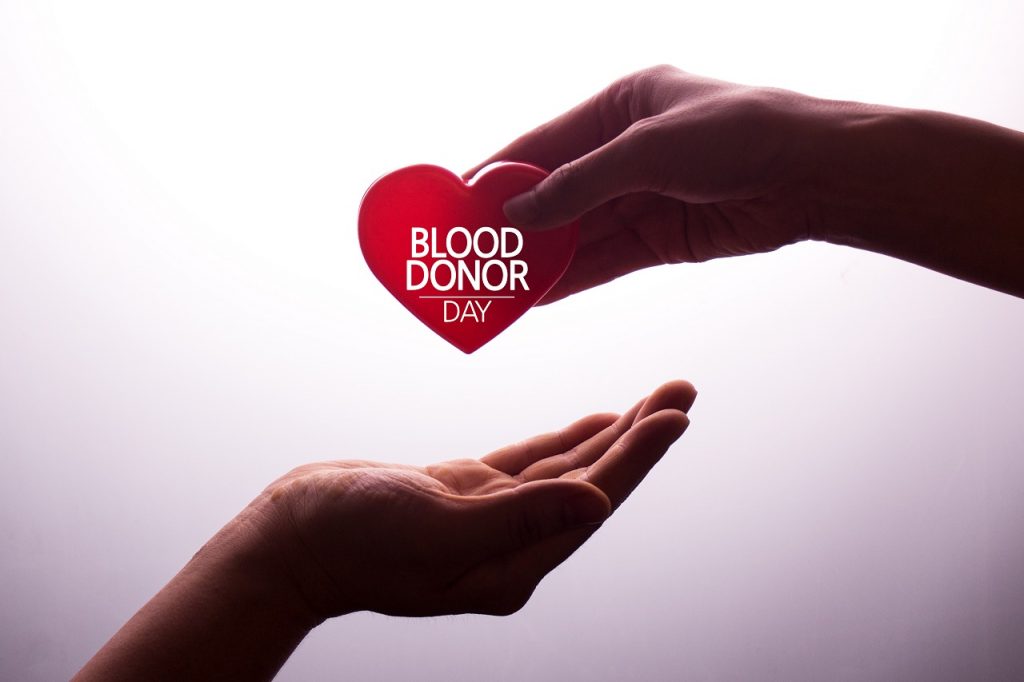
blood donationPriyanka struggled to get blood for her father who was undergoing a surgery. The blood bank did not have her father’s blood type. As things got tougher, she tried to get in touch with other blood banks but none of them had it. In fact, she was ready to pay, but the blood banks did not have the blood type! Time was running out. She also started getting in touch with her friends but to no avail. Her friends all refused to donate blood due to their preconceived notions and myths.

Due to the shortage of blood, within a few hours, Priyanka lost her father. While she was inconsolable, what shattered her completely was the fact that in India, a country with such a large population, she could not garner enough blood for him, even though every human possesses it.

Timely, affordable access to screened blood is essential to the provision of safe surgical care. This depends on three key aspects:

  • Adequate volume of blood supply
  • Safe protocols for blood donation and transfusion
  • Appropriate regulation to ensure safe, equitable and sustainable distribution.

Different medical procedures require different components of blood. However, due to the lack of facilities, much of it goes to waste. Many low-income and middle-income countries experience a deficit in these categories, particularly in rural areas. This is coupled with lack of donor awareness and information.

The WHO recommends that the blood requirement of 1% of a country’s population be used as a ballpark estimate of its blood needs. By this measure, India was short of 1.9 million units of blood according to the data presented on March 2018.

One requires blood transfusions in various emergencies like women with complications during childbirth, anemia, accidents, complex medical surgeries, patient with thalassemia, sickle cell disease  or it is also used to make clotting factors for people with hemophilia. Among other issues coupled with low donor rate, the blood banks in India face a crisis of blood almost every year.

Physical Benefits of Blood Donation

1. Lower Risk of Heart Disease:  Blood donation may lower the risk of heart disease and heart attack since it reduces the blood’s viscosity. It also significantly lowers the total cholesterol and low-density lipoprotein cholesterol, protecting against cardiovascular disease.  Researchers note this is consistent with findings in other studies which found that blood donors had a lower risk of heart disease and heart attack.

According to a study, donating blood regularly may also lower iron stores which may reduce the risk of heart attack. The risk of heart attacks increase when the body stores a lot of iron.

2. Donating blood is an opportunity to get a basic health checkup done for free since the technician checks your:

  • Pulse
  • Blood pressure
  • Body temperature
  • Hemoglobin levels

This is an insight into your health! The blood is also checked for:

  • Hepatitis C
  • HIV
  • West Nile virus
  • Syphilis
  • Trypanosoma cruzi

Psychological Benefits

Donating blood has a feel good factor. It tends to improve one’s emotional well being. Hence, it might have an impact on stress reduction and providing a sense of belonging

Side Effects of Donating Blood

Post donating blood, one might feel

  • Nauseous, lightheaded or dizzy after donating blood. This usually settles in a  few minutes
  • There might be slight bleeding at the site of the pick, or you might develop a bruise. I believe it is all good since it is for a wonderful cause!

However, get in touch with a doctor or your blood center if you:

  • Still feel lightheaded, dizzy, or nauseous after drinking, eating, and resting
  • Develop a raised bump or continue bleeding at the needle site
  • Experience arm pain, numbness, or tingling

Where to Donate Blood

I personally suggest citizens to donate blood at a blood bank or nearby government run tertiary health centers. Otherwise, get in touch with Red Cross centers near your house and donate! Avoid donating at generic blood camps since one is not sure of the storage procedures. But ensure that you do donate!

People’s lives are usually at stake just because of myths people have on donating blood. Priyanka’s friends, even though educated, did not understand the importance of blood donation! Donating blood is giving the gift of life. As a human being, it is the duty of every person to donate blood at least once a year as a service to mankind! The decision to donate your blood can save a life, or even several if your blood is separated into its components — red cells, platelets and plasma — which can be used individually for patients with specific conditions.

May 14, 2023 By Nilakhi Nath 1 Comment

Health Tips For New Moms!

Health Tips For New MomsIt is difficult to describe the feeling of ecstasy that a woman experiences when she learns that she is about to become a mother. While most new mothers would be happy, there are a few new moms who wouldn’t be so sure about this “happy” feeling. No, they aren’t necessarily anti-motherhood or anti-babies, they are going through lot of emotions which includes stress and a lot of changes in their body and their lives. Some of them say it out loud and some don’t, but the challenge remains the same for each of them.

While taking care of the new member of the family, a mother often forgets to take care of herself. Challenges that a new mother usually faces are:

  • Weak Back & Core
  • Incontinence
  • Stress 

How Can New Moms Maintain Good Health 

In this article, we are sharing some basic ways to cope with the most common challenges a new mom faces post delivery.

1. For A Weak Back and Core

Start with the easiest and safest exercise

A. Pelvic Tilt

Pelvic Tilt

Lie on the floor or on your bed. Place a pillow under your head. Bend your knees by sliding your feet up towards your bottom. Tighten your pelvic floor and pull in your lower tummy muscles. Hold this for a count of 1-3 and then relax your tummy. Repeat this 10 times. Make sure you are breathing normally, as breathing is the most essential part of any exercise.

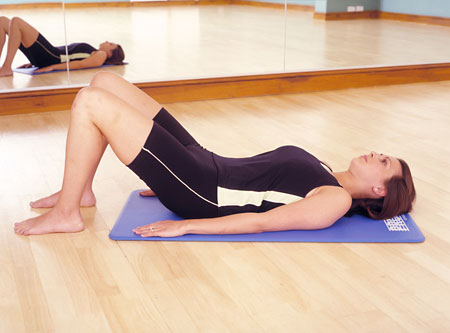
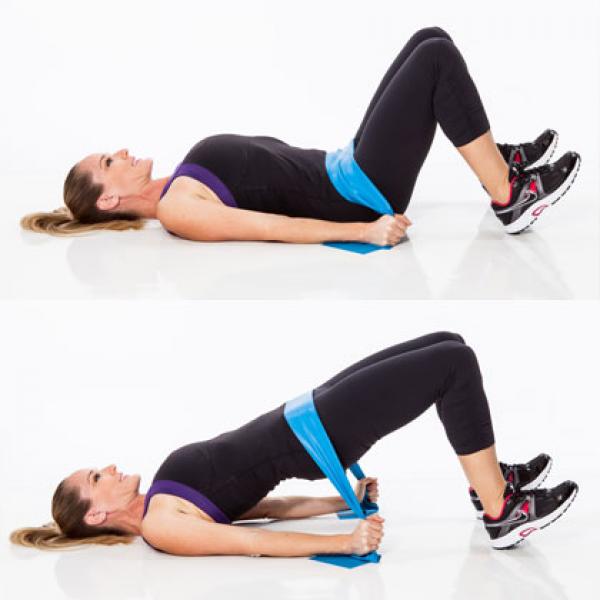
B. Pelvic Bridging
Lie on your back with knees bent and feet flat. Pull in your lower tummy muscles and inhale, then exhale as you tighten your buttocks and lift your hips until your body forms a straight line. Do this 5 times and repeat in 3 sets of 5 reps exercise

Not only does this exercise strengthen your major back muscles but also focuses on your small yet very important core muscles.

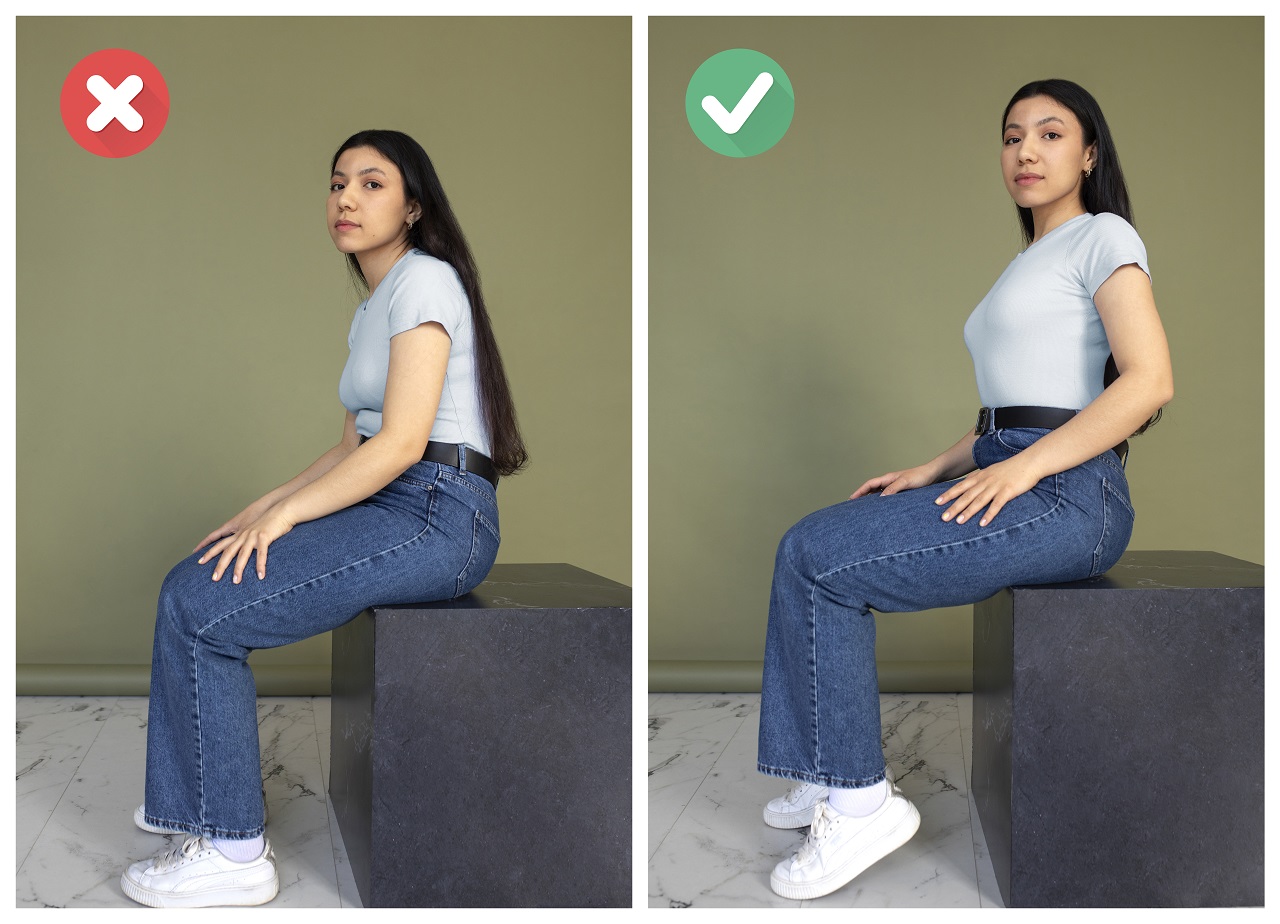
C. Maintain Correct Posture While Sitting

Correct Posture

Posture is an important factor for a new mom and maintaining it is extremely necessary. More often than not, new moms tend to stand, sit or even nurse their babies in an incorrect posture. The right posture is to maintain the arch of the back with the chest and bottom out. Even while nursing the baby, the mother must maintain the correct posture. Back should be supported properly and the baby must be held close to the breast so that the mother doesn’t have to slouch. The mother can keep a pillow under the baby to support her arms while feeding.

2. For Incontinence

Perform the Kegel’s Exercise. If you’re wondering how to do it, you need to first find your pelvic muscles.

How do you find the pelvic muscles?
These are the muscles that form the base of your pelvic floor. The most common way to find them is to try to stop the flow of your urine mid-steam. This tightening is the basic move of a Kegel. Let those muscles go and resume the flow of urine and you’ll have a better sense of where those Kegels are.

Now, let us start the Kegel’s exercise to strengthen your pelvic floor muscles.

You can do this exercise either sitting in a chair or lying on the floor. Make sure your buttock and tummy muscles are relaxed. If you are lying down, then you should be flat on your back with your arms on your sides and your knees up and together. Keep your head down, too, to avoid straining your neck.


pelvic

Squeeze your pelvic floor muscles for 5 seconds. You don’t want to strain those muscles too much by squeezing them for too long. If 5 seconds is too long for you, you can begin by squeezing those muscles for just 2-3 seconds. Repeat it 5 times. You can increase the number of repetitions as per your convenience.

Note: Bladder should be empty while doing the Kegel’s exercise

3. For Stress

Stress during and after pregnancy is inevitable. So, what do you do about it? How do you relieve stress? The best way to tackle stress is to be aware of what causes it. In most common cases, it is because of the sudden change in lifestyle and irregular sleep patterns.

Waking up every now and then to feed the baby can be very tiresome. You may also experience stress based on the changes you see in your appearance. There are many factors that may stress you out. Here are some easy ways to copy with it:

  • Deep Breathing Exercises: When stressed, we tend to do Shallow Over-breathing (taking shorter breaths), this prolongs anxiety and stress by raising the stress hormones in our system. Deep abdominal breathing helps reduce the level of stress hormones in your blood and thus, relaxes the body and mind. Breathe in through nose and let the abdomen rise, hold your breath for 3-4 seconds and slowly exhale through the mouth. Repeat it at least 5-10 times in a quiet environment for maximum relaxation.
  • Talk To Your Spouse: Speak to your partner about the challenges you are facing. Talking to your partner not only involves him in this transition phase you are going through but it also strengthens the relationship between you two by many folds.
  • Take a Nap: Do this every time your baby is asleep. Not only your baby but even you need ample of rest. Your little one is going to keep you awake the whole night. So might as well take a nap whenever possible to catch up on the sleep you have missed. Your body needs rest to repair all the cells and tissues that were worn and torn during the day.
  • Give Yourself Time & Attention: Do what you love the most. Listen to music, read a book, catch up with old friends or just about anything that keeps you happy because only a happy mind can nurture a healthy body and a healthy baby.

There it is! Follow these basic tips to stay healthy as a new mom. If you’re looking for more health tips as a new mom or want to manage the transitions you face during pregnancy, speak to one of our experts by subscribing for GOQii’s Personalised Health Coaching here. You can also read more about coping with Women’s Health Issues here.

If this article helped you, let us know in the comments below!

Happy Mother’s Day

#BeTheForce

April 19, 2023 By Tabassum Parveen 2 Comments

Should You Fast During Ramadan if You Are Diabetic?

diabetes and ramadan

Just a few days back, I was walking down a lane when I came across a person who fainted and fell before me. I got curious and learned that the man was fasting and he had recently been diagnosed with diabetes. He was given immediate medical support and revived.

This incident primarily occurred because he was unaware about the disease. He fell unconscious because the blood glucose levels of his body spiked up while fasting due to the change in medical timings and improper meals. It got me thinking if it is really safe for a diabetic to fast during Ramadan.

What Is Diabetes?

To keep it short, Diabetes is a condition where the blood sugar level is high due to the lack of Insulin – a hormone produced by the Pancreas. Insulin converts glucose into energy and supplies it to every single cell present in the body. The 3 main type of Diabetes include Type 1, Type 2 and Gestational.

In Type 1, the Pancreas stop working and in Type 2, the body produces a little Insulin or does not use it properly. This results in several health problems. Gestational Diabetes often occurs during pregnancy and it generally goes away after delivery.

Should You Fast During Ramadan If You’re Diabetic? 

During this holy month, the Muslim community observes a fast, eating only before sunrise (Suhoor) and after sunset (Iftar). They are not allowed to eat or drink anything in between. However, there is an exception towards people with medical ailments.

Diabetics and those at lower or moderate risks may choose to fast but there certainly isn’t a choice for those at higher risks. If you do choose to fast, keep an eye over blood sugar levels throughout the day. Most importantly, consult a doctor before fasting to avoid medical emergencies.

What Happens To Diabetics When They Fast?

Monitoring your blood glucose level while fasting is crucial for a diabetic. When healthy individuals consume food, Insulin is released by the Pancreas and it stores Glucose in the Liver and Glycogen in the Muscles which balance out the Blood Glucose Levels and maintain it at optimal range.

This process tends to malfunction during fasting which results in lack of Insulin in the blood, leading to either of the two conditions called Hyperglycemia or Hypoglycemia.

  • Hypoglycemia: This is a serious health condition where blood glucose levels drop below 70mg/dl. It requires immediate medical attention. If a person who is fasting feels shakiness or experiences headaches, sweating or lack of concentration, they must break their fast immediately to avoid any severe complications. Complications may range from seizures, coma to death. A bar of chocolate, a sugary drink or a small bowl of curd rice with sugar must be consumed if Blood Sugar Levels are exceptionally low. If a person breaks their fast on such an emergency, visit a doctor immediately.
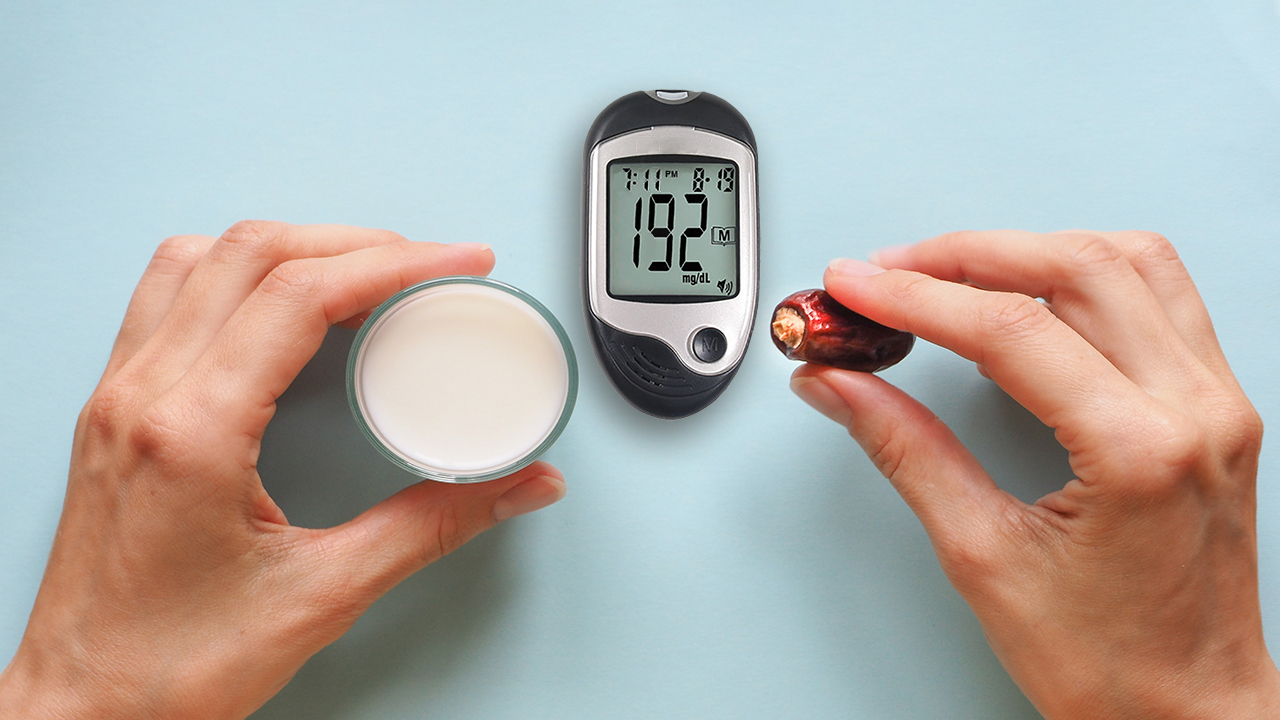
  • Hyperglycemia: This occurs when your sugar levels are as high as or more than 200mg/dl.  Common symptoms include extreme thirst, tiredness, and frequent urination. In such a situation, take advice from your doctor if you should continue your fast or not. Hyperglycemia affects each part of your body. If larger blood vessels are affected, you may face risks of stroke or a heart attack. On the contrary, if smaller blood vessels are affected, then you may face issues with your eyes, nerves and kidneys.
  • Diabetic Ketoacidosis: This is a condition where Blood Glucose Levels go extremely high and a person experiences abdominal pain, rapid breathing, nausea and vomiting. It requires immediate medical attention. In such situations, it is best to consult with a doctor.
  • Dehydration: While fasting, one may experience dehydration, especially those who work outdoors under the scorching heat of the sun. Due to lack of fluids, sugar may accumulate in the system, resulting in high blood sugar levels which can make you pass urine frequently. To overcome such dehydration during Ramadan, try to drink plenty of water after Iftar till Suhoor.

Managing Diabetes While Fasting During Ramadan

Fasting during the holy month of Ramadan is an individual’s decision. It can be managed with lifestyle changes, advice from a doctor and frequent monitoring. A few things you should consider are:

1. Pre-Diabetic Health Checkup: A Health checkup and monitoring your glucose levels before the month of Ramadan is necessary. You can also try fasting before Ramadan to see if you can manage it. Check your medication timings and discuss it with your doctor if you choose to fast.

If you consume medicines at Suhoor and keep a fast the entire day, chances are that your blood glucose levels might drop. Your blood glucose levels might even spike in the evening when you break your fast due to the intake of meals. Hence, discuss your medication timings and keep a glucometer handy to avoid medical emergencies.

2. Nutrition: If you are diabetic, ensure that both your meals are balanced. Opt for low Glycemic Index foods and Complex Carbs which digest slowly. Go for high fiber foods at Suhoor to manage blood glucose levels during fasts. Foods such as oats, Talbina (barley-based dish), brown rice, pasta and a bowl of vegetable salads work best.

Sorghum (Jowar) or Pearl Millet (Bajra) flattened bread (rotis) with Curd Raita is the best choice. A glass of buttermilk is also a good option. You can have Basil Seeds Water during Suhoor as it is rich in antioxidants, protein, good fats and fiber, all of which help in controlling diabetes.

A little protein in the form of chicken, fish, beans and legumes can also be included as they keep you full for a longer period of time and get absorbed slowly. However, people with kidney problems should take extra care to increase protein intake.

During Iftar, break your fast slowly. Chew properly and consume small amounts of food at different intervals as glucose levels may spike up if you consume a large meal at once. Have a small bowl of fruit salad or a glass of lassi (yogurt based drink) before heavy meals. Choose baked or grilled foods as compared to something fried and oily.

Sprouted salads, boiled chickpeas, or fruits are good options to include before you begin your meal. Don’t forget to hydrate yourself. Avoid sugary drinks or caffeinated beverages and choose fresh fruit juices such as beetroot juice or herbal iced tea.

We hope this article helps you stay healthy and maintain a fast without any complications or medical emergencies. If a medical emergency should arise, visit your doctor immediately.

If you found this article to be helpful, let us know your thoughts in the comments below. You can browse through more articles related to diabetes here.

If you need help or support managing Diabetes, join GOQii’s Diabetes Care Program. It’s India’s only diabetes program that is driven by Smart Science and Personal Coaching to improve Fasting Blood Sugar (FBS), Postprandial Blood Sugar (PP), and reduce HbA1c levels. You can subscribe here.

#BeTheForce

  • « Previous Page
  • 1
  • …
  • 10
  • 11
  • 12
  • 13
  • 14
  • …
  • 18
  • Next Page »

Search

Recent Posts

  • The GOQii India Fit Report 2026: Why Living Longer Isn’t Enough Anymore
  • Earth Day 2026: How Healing Yourself Heals the Planet
  • The New Annual Health Check: Tests That Actually Matter After 35
  • 10 Tips for a Blissful Night Sleep
  • World Liver Day 2026: Solid Habits, Strong Liver

Stay Updated

Archives

  • April 2026 (18)
  • March 2026 (18)
  • February 2026 (14)
  • January 2026 (14)
  • December 2025 (19)
  • November 2025 (15)
  • October 2025 (20)
  • September 2025 (6)
  • August 2025 (6)
  • July 2025 (12)
  • June 2025 (18)
  • May 2025 (16)
  • April 2025 (22)
  • March 2025 (28)
  • February 2025 (21)
  • January 2025 (25)
  • December 2024 (22)
  • November 2024 (23)
  • October 2024 (21)
  • September 2024 (23)
  • August 2024 (30)
  • July 2024 (21)
  • June 2024 (25)
  • May 2024 (29)
  • April 2024 (27)
  • March 2024 (27)
  • February 2024 (24)
  • January 2024 (21)
  • December 2023 (14)
  • November 2023 (10)
  • October 2023 (19)
  • September 2023 (22)
  • August 2023 (18)
  • July 2023 (22)
  • June 2023 (23)
  • May 2023 (24)
  • April 2023 (20)
  • March 2023 (23)
  • February 2023 (19)
  • January 2023 (15)
  • December 2022 (11)
  • November 2022 (15)
  • October 2022 (15)
  • September 2022 (12)
  • August 2022 (10)
  • July 2022 (17)
  • June 2022 (11)
  • May 2022 (10)
  • April 2022 (6)
  • March 2022 (6)
  • February 2022 (13)
  • January 2022 (11)
  • December 2021 (7)
  • November 2021 (3)
  • October 2021 (6)
  • September 2021 (3)
  • August 2021 (8)
  • July 2021 (7)
  • June 2021 (15)
  • May 2021 (16)
  • April 2021 (10)
  • March 2021 (7)
  • February 2021 (4)
  • January 2021 (4)
  • December 2020 (3)
  • November 2020 (4)
  • October 2020 (10)
  • September 2020 (3)
  • August 2020 (3)
  • July 2020 (2)
  • June 2020 (4)
  • May 2020 (10)
  • April 2020 (12)
  • March 2020 (10)
  • February 2020 (4)
  • January 2020 (4)
  • December 2019 (3)
  • November 2019 (7)
  • October 2019 (5)
  • September 2019 (4)
  • August 2019 (9)
  • July 2019 (9)
  • June 2019 (11)
  • May 2019 (4)
  • April 2019 (8)
  • March 2019 (8)
  • February 2019 (9)
  • January 2019 (8)
  • December 2018 (9)
  • November 2018 (3)
  • October 2018 (3)
  • September 2018 (5)
  • August 2018 (10)
  • July 2018 (6)
  • June 2018 (13)
  • May 2018 (8)
  • April 2018 (18)
  • March 2018 (9)
  • February 2018 (8)
  • January 2018 (15)
  • December 2017 (12)
  • November 2017 (19)
  • October 2017 (13)
  • September 2017 (15)
  • August 2017 (4)
  • July 2017 (8)
  • June 2017 (7)
  • May 2017 (6)
  • April 2017 (8)
  • March 2017 (6)
  • February 2017 (7)
  • January 2017 (9)
  • December 2016 (10)
  • November 2016 (7)
  • October 2016 (7)
  • September 2016 (7)
  • August 2016 (11)
  • July 2016 (9)
  • June 2016 (9)
  • May 2016 (12)
  • April 2016 (17)
  • March 2016 (17)
  • February 2016 (8)
  • January 2016 (6)
  • December 2015 (2)
  • November 2015 (9)
  • October 2015 (7)
  • September 2015 (9)
  • August 2015 (11)
  • July 2015 (9)
  • June 2015 (11)
  • May 2015 (9)
  • April 2015 (13)
  • March 2015 (8)
  • February 2015 (5)
  • January 2015 (12)
  • December 2014 (14)
  • November 2014 (11)
  • October 2014 (6)
  • September 2014 (13)
  • August 2014 (12)
  • July 2014 (6)
  • June 2014 (2)
  • May 2014 (7)
  • April 2014 (4)

From “Laddu Nawin” to Fit and Fierce: How a 25-Year-Old Insurance Advisor Shed 20 Kilos and Gained His Life Back

When 25-year-old Nawin Yadav from Hyderabad walked into his office every morning, he carried more than just his files and policy papers. He had the weight of fatigue, sluggish energy, and an ever-growing belly that was becoming the butt of jokes. “People … [Read More...]

“I’ve Challenged Myself to Live 100 Years” – The Story of Chandubhai Savani’s Second Chance at Life

At 67, most people start slowing down. Not Chandubhai Savani. A resident of Surat, Chandubhai, thought life was on track. “My life was going well till I had my bypass surgery,” he says. That surgery, back in 2021, was a wake-up call.  Medication was routine, but exercise wasn’t. His diet? What he calls ‘normal.’ “I […]

From Shimla’s Slopes to Chandigarh’s Sidewalks: Surinder Kaur Bhalla’s Journey from Chaos to Control

Some journeys start with a plan. Others begin with a stumble literally. Surinder Bhalla, a government professional, born and raised in the scenic hill town of Shimla, had always lived a life of movement. “In Shimla, you walked everywhere,” she reflects. “Walking was never an exercise. It was just life.” But after shifting to Chandigarh, […]

Ananda Mukherjee Health Story

From Terminal Illness To Complete Wellness! Ananda Mukherjee Health Story

As we observe World Cancer Day under the powerful theme ‘United by Unique’ (2025-2027)**, we are reminded that every individual’s journey with cancer is distinct, yet united by shared resilience, hope, and the collective fight against this disease. This theme places people at the centre of care and their stories at the heart of the […]

  • HOME
  • HEALTHY LIVING
  • FITNESS
  • HEALTHY RECIPES
  • USER STORIES
  • KARMA
  • BUY GOQii

Copyright ©2016 GOQii