GOQii

Blog

  • HOME
  • HEALTHY LIVING
  • FITNESS
  • HEALTHY RECIPES
  • USER STORIES
  • KARMA
  • BUY GOQii

October 7, 2026 By Kusum Soni 8 Comments

5 Common Habits That Cause Obesity (And How to Break Them)

obesityThe Big Question

You’ve been trying hard to lose that stubborn weight. You are making sincere efforts to eat healthy, and you sweat it out through regular physical activity. Yet, despite all your hard work, the scale just doesn’t seem to budge. You might be wondering why.

To understand the roadblock, we have to understand what obesity actually is. According to the WHO, obesity is a medical condition where excess body fat accumulates to the point that it negatively impacts health increasing the likelihood of cardiovascular diseases, Type 2 diabetes, and osteoarthritis.

But obesity isn’t just caused by a lack of exercise or an obvious love for junk food. Often, it is slowly fueled by everyday, seemingly harmless lifestyle habits.

Quick Answer: What daily habits cause obesity?

Weight gain is commonly driven by hidden everyday behaviors: eating too quickly, chronic dehydration, sleep deprivation, stocking up on processed kitchen groceries, and remaining completely sedentary for long hours outside of your workout.

5 Common Habits That Secretly Cause Weight Gain

1. Eating Too Quickly

How many times have you practically inhaled your food while on a call, rushing to a meeting, or doing a chore, without even tasting it? This unmindful practice could be making you gain fat.

  • The Science: It takes approximately 20 minutes for satiety signals to reach your brain from your stomach. Eating hurriedly overrides this mechanism, making you overeat before your brain even realizes you are full.
  • The Fix: Be conscious while eating and take smaller bites. Chewing well promotes the release of salivary and digestive enzymes, metabolizing food faster and more efficiently. Eating slowly also enhances the thermogenic effect of food and balances hormones responsible for fat oxidation.

2. Not Drinking Enough Water

It is incredibly common for people to eat healthy and stay active, yet remain overweight simply because they drink less than 1 liter of water a day.

  • The Science: An average adult is 55-60% water, but some obese individuals can be as little as 15% water. Why? Because fat tissue contains only about 10% water, while muscle tissue holds roughly 75%. Proper hydration maintains healthy muscle mass, which is directly responsible for a higher metabolic rate.
  • The Fix: Combined with physical activity, drinking at least 1.5 to 2 liters of water increases fat oxidation and acts as a zero-calorie, natural appetite suppressant. Swap sugary teas, juices, and sodas for plain water (infuse it with lemon or cucumber if you find it boring!).

3. Not Getting Enough Sleep

Sleep deprivation has become a hallmark of modern society, driven by screen time, social media, and long work hours.

  • The Science: Skimping on sleep alters your metabolism and endocrine system. It decreases insulin sensitivity, spikes evening cortisol (stress hormone) levels, and deranges your hunger hormones (ghrelin and leptin). Plus, the longer you are awake, the more you are exposed to late-night food stimuli.
  • The Fix: Prioritize 7-8 hours of quality sleep. Good rest keeps hormone levels in check, helping you eat better, exercise better, and maintain a healthy waist circumference.

4. Stocking Processed “Kitchen Grocery”

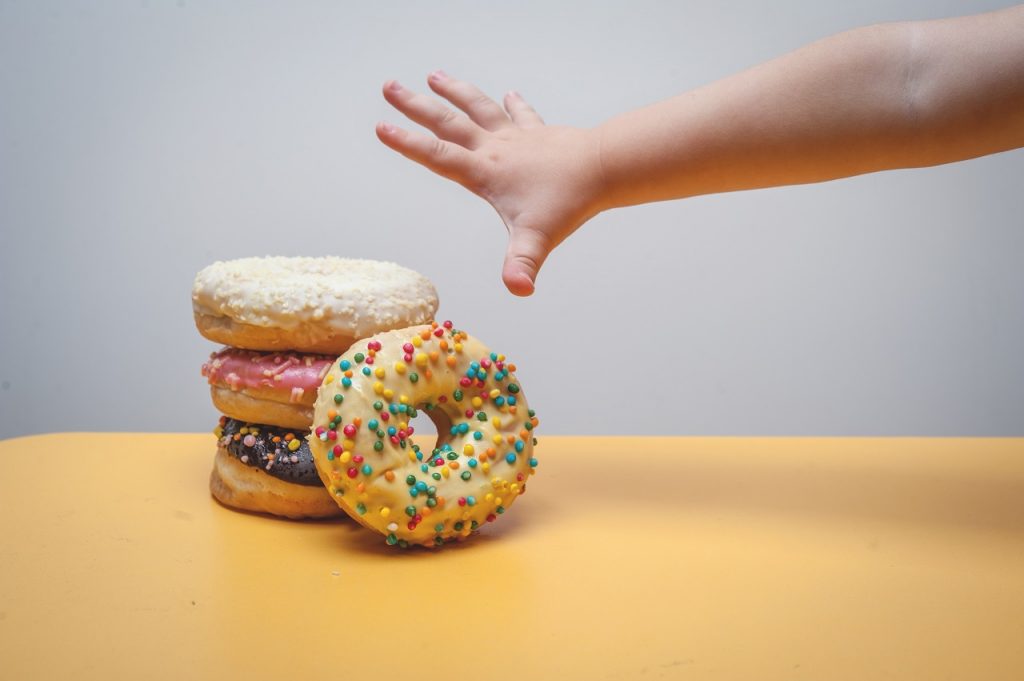
Take a look inside your kitchen cabinets. If they are filled with colorful packets of biscuits, sugary cereals, cookies, and packaged juices, you are setting yourself up for failure.

  • The Science: Processed foods cause massive spikes in blood sugar, followed by an inevitable crash. This “blood sugar roller coaster” triggers intense cravings for more high-carb foods. These items are filled with added white sugars and “empty calories” devoid of essential nutrients.
  • The Fix: Remember: A low-fat cookie is still a cookie! Aim to stock your pantry with whole foods—whole grains, healthy fats, lean proteins, fruits, and vegetables. This naturally balances your diet and lowers your daily calorie intake.

5. Long Sitting Hours (The Active Couch Potato)

More than 50% of the world’s population lives in urban areas where jobs revolve around screens and prolonged sitting.

  • The Science: Researchers have found a startling truth: one hour of intense physical exercise does not make up for the negative effects of inactivity if you spend the remaining 10-12 hours of your day sitting.
  • The Fix: Don’t throw away your morning gym session by hitting the office chair or couch for the rest of the day.
    • Stand up and move for 3-5 minutes every hour.
    • Walk while talking on your mobile phone.
    • Use the stairs instead of the elevator.
    • Keep your water bottle away from your desk so you have to get up to drink.

Pro Tip: You don’t have to overhaul all your habits at once. Use the GOQii App to track your daily water intake, sleep patterns, and step count. For the right guidance on how to lose weight and sustain it in a healthy way, speak to a certified expert by subscribing to GOQii’s Personalised Health Coaching!

Frequently Asked Questions (FAQs)

  1. Why does eating fast cause weight gain?

It takes your stomach about 20 minutes to send “I’m full” signals to your brain. When you eat too quickly, you consume far more calories than your body needs before your brain has a chance to tell you to stop.

  1. Can drinking water really help with weight loss?

Yes. Water acts as a natural, zero-calorie appetite suppressant. It also helps maintain healthy muscle mass (which boosts metabolism) and increases fat oxidation when combined with physical activity.

  1. How does sleep affect my weight?

Lack of sleep disrupts hunger hormones (increasing ghrelin, which makes you hungry, and decreasing leptin, which makes you feel full). It also decreases insulin sensitivity and raises cortisol levels, promoting fat storage.

  1. What is the problem with “low-fat” processed foods?

Many low-fat processed foods compensate for the lack of fat by adding massive amounts of refined sugar and artificial additives. These cause blood sugar spikes and crashes, leading to intense cravings and empty calorie consumption.

  1. Is a 1-hour workout enough if I sit at a desk all day?

Unfortunately, no. While a 1-hour workout is great for cardiovascular health, sitting for the remaining hours of the day slows down your metabolism significantly. You need frequent micro-movements (like standing or walking for 5 minutes every hour) to stay metabolically active.

#BeTheForce

Disclaimer: The information provided in this blog is for general awareness and educational purposes only. It is not intended to replace professional medical advice, diagnosis, or treatment. Always consult a qualified healthcare provider for personalised medical guidance or concerns related to your health.
June 24, 2025 By Palak Mittal 3 Comments

Living well with regular Yoga and good Nutrition


preliminary step to weight loss

Yoga is not simply a set of exercises but a lifestyle. When practising yoga, asanas and nutrition go hand in hand to improve your quality of life. Your digestive system, immunity and energy levels are directly linked to the food you intake. If there is a problem with any of these, yoga asanas can help resolve it.

Digestion: Not all food is easy to digest. Instead of popping laxatives and antacids after every meal, change the food you’re eating. Citrus fruits and leafy vegetables that are rich in fibre aid digestion and prevent constipation. Some foods like yoghurt, buttermilk are probiotics that support the growth of gut bacteria and keep your stomach healthy. Also include carminatives or foods that prevent the formation of gas like cumin, ginger and oatmeal.

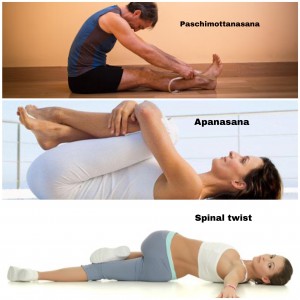
Yogic Asanas such as the Spinal twist, Apanasana and Paschimottanasana can help smoothen the digestive process.


apanasana

Immunity: Eating the right food can help boost your immunity. Citrus fruits are rich sources of vitamin C that directly strengthen the immune system. Herbs like turmeric, ginger and garlic are rich in antioxidants and linked to the prevention of a number of diseases including several types of Cancer. Proteins also help nourish your immune system and hence should not be ignored.

A combination of asanas and yogic breathing techniques can help boost your immunity. Some asanas to try to include Viparita Karani, Bhujangasana, Matsyasana and Adho Mukha Svanasana. These poses help lower stress and boost immunity by pumping rich oxygenated blood to all the parts of the body.

bhujangasana

Energy: The food you eat is turned into glucose to fuel the body and maintain a constant supply of energy. Soy and green leafy vegetables that are rich in iron can effectively boost your energy levels. Fruits like apples, bananas and oranges can also help increase your energy. Yoghurt rich in magnesium does not directly contribute towards the creation of glucose but helps the body release this energy whenever needed.

Yoga asanas help increase blood flow and increase the heart’s capacity to pump blood through the body. A few yoga poses that can boost energy are the camel pose, tree pose and warrior asana.

Relaxation: Sipping on a cup of green tea is a good way to end the day and relax. Other food like honey, milk, celery and oatmeal can also help calm the body and fight off the day’s stress. Apart from being delicious, dark chocolate also releases hormones that ease stress and help relax a person.

image1

Practising yoga breathing techniques like Pranayama can effectively release tension. Supta Baddha Konasana, Viparita Karani and the Supta Matsyendrasana can also help increase energy levels.

We trust that this holistic approach to living well through yoga and good nutrition resonates with you. If you found these insights beneficial and have your own experiences or tips to share, we invite you to do so in the comments section below. For more articles and resources on enhancing your well-being through yoga and nutrition, explore our Healthy Reads. And, if you’re seeking personalised guidance and support on your journey to optimal health, consider subscribing to GOQii’s Personalised Health Coaching here.

#BeTheForce

Disclaimer: The information provided in this blog is for general awareness and educational purposes only. It is not intended to replace professional medical advice, diagnosis, or treatment. Always consult a qualified healthcare provider for personalised medical guidance or concerns related to your health. Images shown are for representation purposes only and may not depict the exact recommendations or outcomes.

June 5, 2025 By Anusha Subramanian Leave a Comment

Exercise and dieting helps you lose belly fat

Loss Belly FatHere are some effective strategies to lose belly fat and improve overall health:

Discover effective strategies to lose belly fat and improve your overall health. Learn about proven methods to reduce visceral fat and achieve your goals.

  1. Create a calorie deficit: To lose belly fat, you need to consume fewer calories than you burn. Calculate your daily calorie needs and ensure that you eat in a calorie deficit. Focus on nutrient-dense, whole foods or consider following a structured diet plan.
  2. Regular exercise: Incorporate cardiovascular exercises such as running, swimming or cycling into your routine to burn calories and fat. Additionally, include strength training exercises like squats, lunges and planks to build muscle and increase your metabolism.
  3. Reduce refined carbohydrates: Limit your intake of refined carbohydrates such as white bread, pasta and sugary snacks. These foods can lead to weight gain and increased belly fat.
  4. Increase protein intake: Including protein-rich foods such as lean meats, fish, beans and lentils in your diet can aid weight loss and promote feelings of fullness.
  5. Eat more fruits and vegetables: These low-calorie, high-fibre foods help keep you satisfied while providing essential vitamins and minerals. They can also aid in reducing belly fat by supporting healthy digestion.
  6. Mindful eating: Pay attention to your hunger and fullness cues while eating. Avoid distractions and savour each bite. This can help prevent overeating and improve digestion.
  7. Manage stress levels: High levels of stress can contribute to weight gain, particularly around the waistline. Engage in stress-reducing activities such as meditation, yoga or any hobby that helps you relax.
  8. Limit alcohol consumption: Alcoholic beverages are high in empty calories and can contribute to weight gain, especially around the abdominal area. Cut back on how much you drink or opt for lower-calorie options.
  9. Get quality sleep: A lack of quality sleep can lead to weight gain and an increase in visceral fat. Aim for 7–9 hours of uninterrupted sleep each night to support your weight loss efforts.
  10. Stay consistent and be patient: Losing belly fat takes time and commitment. Stay consistent with your healthy eating and exercise habits, and be patient with the process. Remember — slow and steady progress is more sustainable in the long run.

Note: It’s always a good idea to consult a healthcare professional or registered dietitian before making significant changes to your diet or exercise routine.

Conclusion: Effective Ways to Lose Belly Fat and Achieve a Healthier Body

In conclusion, there are several effective ways to lose belly fat and achieve a healthier body. The first step is to commit to a healthy lifestyle that includes regular exercise and a balanced diet. Exercise is crucial in burning calories and reducing overall body fat, which in turn helps target belly fat. Incorporating both cardiovascular exercises, such as running or swimming, and strength training exercises, such as weightlifting or pilates, can help build lean muscle mass and boost metabolism.

Additionally, focusing on eating a diet rich in whole foods — like fruits, vegetables, lean proteins and whole grains — while limiting processed and sugary foods, can greatly contribute to reducing belly fat. It is important to stay consistent and patient, as losing belly fat takes time and effort.

Lastly, remember that everyone’s body is different, so it’s important to listen to your own body and make necessary adjustments to find what works best for you in achieving a healthier body and losing belly fat.

#BeTheForce

Disclaimer: The information provided in this blog is for general awareness and educational purposes only. It is not intended to replace professional medical advice, diagnosis, or treatment. Always consult a qualified healthcare provider for personalised medical guidance or concerns related to your health. Images shown are for representation purposes only and may not depict the exact recommendations or outcomes.

June 4, 2025 By GOQii 20 Comments

Myths, Tips and Tricks for Weight Loss

Weight LossAre you struggling to lose weight? Have you tried everything from fad diets to exercise routines and health clubs but found no lasting results? Perhaps you’ve even regained the kilos as quickly as you lost them. So, when it comes to weight loss—what actually works?

Since every person’s body type and composition differ, weight loss varies from individual to individual. What remains common, however, is that weight loss must be holistic—diet alone isn’t the answer. The ideal approach combines several lifestyle factors.

The key to weight loss lies in making lasting changes to both your eating habits and overall lifestyle. Weight gain doesn’t happen overnight—it’s not the result of a few weeks or even months, but often years of overeating and poor habits. The safest and most effective way to lose weight is sensibly. For instance, shedding a kilo a week is both achievable and sustainable.

Crash diets should be avoided—they tend to fail over time. Extreme diets can slow down the body’s metabolism. Sustainable weight loss comes from gradual, permanent dietary changes. Don’t try to overhaul your diet all at once. Begin with small tweaks and build on them until balanced, nutritious choices become your new normal. Gradual change is more likely to form lasting habits.

Some Myths, Tips & Fun Tricks For Weight Loss

Myths

  • A glass of warm water in the morning helps you lose weight: Many believe hot water on an empty stomach melts fat. But fat doesn’t dissolve in water—hot or cold.
  • Switching sugar with honey will aid weight loss: While honey has many therapeutic properties, curing obesity isn’t one of them.
  • Bananas are fattening: This fruit is often misunderstood. It has calories similar to other fruits and is a great source of potassium. It’s filling and helps relieve constipation.
  • Standing while eating burns more calories: Not quite. You’re likely to eat more while standing. It’s always better to sit and eat mindfully—unless circumstances demand otherwise.
  • Skipping breakfast is good for dieting: Avoid skipping breakfast. It may lead to overeating later. Your body is in a fasting state overnight, and breakfast helps refuel and kickstart metabolism.
  • Potatoes are fattening: Surprisingly, potatoes are a better option than bread—boiled potatoes are far less fattening than fried ones or refined carbs.
  • Saunas help in shedding kilos: You might feel refreshed post-sauna, but the weight lost is only water. Once you rehydrate, your weight returns.

Tips

  • Eat plenty of leafy greens, fruits and whole grains.
  • Stay well-hydrated. Often, what feels like hunger is actually thirst. Here’s how to tell the difference.
  • Watch your nutrient intake. Divide your plate into four quarters – fill half with vegetables and fruits. The rest can be balanced between dairy, beans or cereals.
  • Choose smaller, more frequent meals over the traditional three – breakfast, lunch and dinner. Ideally, eat every 2.5–3 hours.
  • Have a colourful plate – with natural colours! Think vibrant vegetables and fruits for both nutrition and visual appeal.
  • Eat mindfully and chew thoroughly. It improves digestion, encourages portion control and reduces overeating.
  • Got a sweet tooth? Don’t deny it—satisfy it mindfully. Pick something that lasts, like a peppermint. If it’s high in sugar or fat, just take a bite—you’re after the taste, not the calories.
  • If indulging in sweets or fried food, have them at breakfast. Your metabolism is most active then—and you’ve got the rest of the day to burn off the extra energy.
  • Lack of sleep can lead to unnecessary snacking. Prioritise restful sleep to support your weight goals.
  • Breathe deeply into your belly. Fat burns in the flame of oxygen. Equal focus on exhaling helps detoxify your system.
  • Move every day. If you’re short on time, even 20 minutes of activity makes a difference. Remember, some movement is better than none!

Tricks

  • Set up a reward system. Having something to look forward to at each milestone helps keep you emotionally and mentally on track.
  • Be realistic with your goals – don’t aim for an unrealistic figure. Achieving a practical target can boost your confidence to keep going.
  • This might sound odd – but it works. When tempted by a snack, take a deep breath and count to 100. Chances are, the craving will pass.
  • Craving chocolate? Take a whiff of a strong perfume—it can dull the urge.
  • Try pinching your ear! Reflexologists believe it can curb cravings and reduce appetite.
  • Stay motivated. Visualise your desired weight or outfit. Imagine how you’ll feel and how others will respond. That mental image can be a powerful motivator.

The takeaway? Weight loss is a by-product of a healthy, active lifestyle. It’s you who has to get up, get moving, and choose a healthier path—meal by meal, step by step.

Do you have any other myths, tips or tricks you’d like to share? Drop them in the comments below! For more on Weight Loss, check out Healthy Reads. For the right guidance and motivation to work towards your health goals, subscribe for GOQii’s Personalised Health Coaching here.

#BeTheForce

Disclaimer: The information provided in this blog is for general awareness and educational purposes only. It is not intended to replace professional medical advice, diagnosis, or treatment. Always consult a qualified healthcare provider for personalised medical guidance or concerns related to your health. Images shown are for representation purposes only and may not depict the exact recommendations or outcomes.
  • 1
  • 2
  • 3
  • …
  • 18
  • Next Page »

Search

Recent Posts

  • Warming winter soups: 3 protein-rich recipes
  • World AMR Awareness Week 2026: when you need antibiotics, and simple steps to prevent AMR
  • PCOS: diet, exercise and the myths to stop believing
  • Cholesterol numbers explained: LDL, HDL and triglycerides
  • International Men’s Day 2026: why men’s health is everyone’s business

Stay Updated

Archives

  • November 2026 (22)
  • October 2026 (23)
  • September 2026 (5)
  • August 2026 (8)
  • July 2026 (24)
  • June 2026 (22)
  • May 2026 (20)
  • April 2026 (24)
  • March 2026 (18)
  • February 2026 (14)
  • January 2026 (14)
  • December 2025 (19)
  • November 2025 (14)
  • October 2025 (17)
  • September 2025 (6)
  • August 2025 (5)
  • July 2025 (9)
  • June 2025 (18)
  • May 2025 (16)
  • April 2025 (22)
  • March 2025 (25)
  • February 2025 (21)
  • January 2025 (25)
  • December 2024 (21)
  • November 2024 (21)
  • October 2024 (15)
  • September 2024 (22)
  • August 2024 (27)
  • July 2024 (14)
  • June 2024 (23)
  • May 2024 (26)
  • April 2024 (27)
  • March 2024 (27)
  • February 2024 (23)
  • January 2024 (21)
  • December 2023 (14)
  • November 2023 (10)
  • October 2023 (18)
  • September 2023 (20)
  • August 2023 (16)
  • July 2023 (16)
  • June 2023 (21)
  • May 2023 (20)
  • April 2023 (19)
  • March 2023 (23)
  • February 2023 (19)
  • January 2023 (15)
  • December 2022 (11)
  • November 2022 (15)
  • October 2022 (15)
  • September 2022 (12)
  • August 2022 (9)
  • July 2022 (17)
  • June 2022 (11)
  • May 2022 (10)
  • April 2022 (6)
  • March 2022 (6)
  • February 2022 (13)
  • January 2022 (11)
  • December 2021 (7)
  • November 2021 (3)
  • October 2021 (6)
  • September 2021 (3)
  • August 2021 (8)
  • July 2021 (7)
  • June 2021 (15)
  • May 2021 (16)
  • April 2021 (10)
  • March 2021 (7)
  • February 2021 (4)
  • January 2021 (4)
  • December 2020 (3)
  • November 2020 (4)
  • October 2020 (10)
  • September 2020 (3)
  • August 2020 (3)
  • July 2020 (2)
  • June 2020 (4)
  • May 2020 (10)
  • April 2020 (12)
  • March 2020 (10)
  • February 2020 (4)
  • January 2020 (4)
  • December 2019 (3)
  • November 2019 (7)
  • October 2019 (5)
  • September 2019 (4)
  • August 2019 (9)
  • July 2019 (9)
  • June 2019 (11)
  • May 2019 (4)
  • April 2019 (8)
  • March 2019 (8)
  • February 2019 (9)
  • January 2019 (8)
  • December 2018 (9)
  • November 2018 (3)
  • October 2018 (3)
  • September 2018 (5)
  • August 2018 (10)
  • July 2018 (6)
  • June 2018 (13)
  • May 2018 (8)
  • April 2018 (17)
  • March 2018 (9)
  • February 2018 (8)
  • January 2018 (15)
  • December 2017 (12)
  • November 2017 (19)
  • October 2017 (13)
  • September 2017 (15)
  • August 2017 (4)
  • July 2017 (8)
  • June 2017 (7)
  • May 2017 (6)
  • April 2017 (8)
  • March 2017 (6)
  • February 2017 (7)
  • January 2017 (9)
  • December 2016 (10)
  • November 2016 (7)
  • October 2016 (7)
  • September 2016 (7)
  • August 2016 (11)
  • July 2016 (9)
  • June 2016 (9)
  • May 2016 (12)
  • April 2016 (17)
  • March 2016 (17)
  • February 2016 (8)
  • January 2016 (6)
  • December 2015 (2)
  • November 2015 (9)
  • October 2015 (7)
  • September 2015 (9)
  • August 2015 (11)
  • July 2015 (9)
  • June 2015 (11)
  • May 2015 (9)
  • April 2015 (13)
  • March 2015 (8)
  • February 2015 (5)
  • January 2015 (12)
  • December 2014 (14)
  • November 2014 (11)
  • October 2014 (6)
  • September 2014 (13)
  • August 2014 (12)
  • July 2014 (6)
  • June 2014 (2)
  • May 2014 (7)
  • April 2014 (4)

From Burnout to Balance: How Dr. Ranjit Reclaimed His Health

Dr Ranjit Bhatt has spent years tending to others. A practising doctor in Odisha, his days were packed with patients, surgeries, and emergencies. From the outside, it looked like a life lived in service. But on the inside, something wasn’t right. “I had no … [Read More...]

From Shimla’s Slopes to Chandigarh’s Sidewalks: Surinder Kaur Bhalla’s Journey from Chaos to Control

Some journeys start with a plan. Others begin with a stumble literally. Surinder Bhalla, a government professional, born and raised in the scenic hill town of Shimla, had always lived a life of movement. “In Shimla, you walked everywhere,” she reflects. “Walking was never an exercise. It was just life.” But after shifting to Chandigarh, […]

“I’ve Challenged Myself to Live 100 Years” – The Story of Chandubhai Savani’s Second Chance at Life

At 67, most people start slowing down. Not Chandubhai Savani. A resident of Surat, Chandubhai, thought life was on track. “My life was going well till I had my bypass surgery,” he says. That surgery, back in 2021, was a wake-up call.  Medication was routine, but exercise wasn’t. His diet? What he calls ‘normal.’ “I […]

Ananda Mukherjee Health Story

From Terminal Illness To Complete Wellness! Ananda Mukherjee Health Story

As we observe World Cancer Day under the powerful theme ‘United by Unique’ (2025-2027)**, we are reminded that every individual’s journey with cancer is distinct, yet united by shared resilience, hope, and the collective fight against this disease. This theme places people at the centre of care and their stories at the heart of the […]

  • HOME
  • HEALTHY LIVING
  • FITNESS
  • HEALTHY RECIPES
  • USER STORIES
  • KARMA
  • BUY GOQii

Copyright ©2016 GOQii