GOQii

Blog

  • HOME
  • HEALTHY LIVING
  • FITNESS
  • HEALTHY RECIPES
  • USER STORIES
  • KARMA
  • BUY GOQii

November 21, 2024 By Sohini Chakraborty Leave a Comment

Fat Facts That Are Easy to Digest

fat factsIt’s a shame that the word “Fat” has developed such a notorious reputation over the years with every health-conscious individual hellbent on removing that word from their dictionary. Before we condemn the word, we need to understand that the quality of fat is just as important as the quantity of it. So let’s bust some myths with these fat facts! 

Fat is one of the macro nutrients which provides 9kcal per gram and it is also essential for many functions of the body like solubilizing fat-soluble vitamins, secreting hormones, protecting our vital organs, etc. It is imperative to classify fats into broad categories. Now, let’s delve a little deeper into fat facts.  

1. Fats Which Are Bad For You

Here are the types of fats which are bad for your health.

  • Saturated Fat: Saturated fats are usually found in animal fats like beef, pork, lard, dark chocolate, full-fat dairy products like cheese, etc. They are usually solid at room temperature. Saturated fats were previously thought to cause cardiac problems but saturated fats are known to increase the amount of both HDL (good cholesterol) and LDL (bad cholesterol), hence it is safe to have saturated fats in lower amounts.
  • Trans-Fat: are produced during hydrogenation of fat when the oil is hardened to increase its shelf life. Apart from the natural Trans-fat present to some extent in dairies and meats, the artificial trans fat produced as a result of hydrogenation of fat is very harmful to health. It is found to increase the level of LDL cholesterol, thus increasing the risk of artery blockage and heart disease. It is also known to cause free radical damage to the body resulting in cancer. Trans-Fat is found in fried foods such as French fries, fried chicken, crackers, microwave popcorn, pizza, doughnut, cakes, muffins, pies, nuggets, sausages, non-dairy creamers, margarines, etc. Avoid this type of fat to stay healthy and free from diseases. Not more than 2% in a 2000kcal diet is permissible.
  • Cholesterol: is one of the most misunderstood subjects of this decade. Cholesterol is a wax like substance present in our body and can be obtained from many dietary sources like egg, meats and dairy products. It is necessary for bile formation and many other important functions of our body. According to recent studies, our total cholesterol level is not affected by entirely dietary intake as the body itself maintains the cholesterol balance. Then again, we should be careful about choosing the type of cholesterol to be consumed. There are 2 types of cholesterol: 
  1. HDL (High Density Lipoprotein): is very beneficial for the body as it removes plaques from the arteries and makes blood circulation smooth, preventing arterial block or damage. Its sources include olive oil, beans and legumes, high fiber fruits like avocado, chia seeds, nuts and fatty fish like salmon, trout, etc. These must be present in our diet.
  2. LDL (Low Density Lipoprotein), VLDL (Very Low Density Lipoprotein): are considered to be very harmful to the body. They create atherosclerotic plaque in the arteries, constricting proper blood circulation and cause the narrowing of blood vessels and heart blockage. Most of its sources include pork, beef, lamb meat, milk, butter, cream and cocoa butter. These should be present sparingly in our diet.

2. Fats Which Are Good For You

Let’s take a look at fats which are actually good for you!

  • Unsaturated Fats: contain double bonds in their structure and are known to be most beneficial among all. It may be of 2 types:
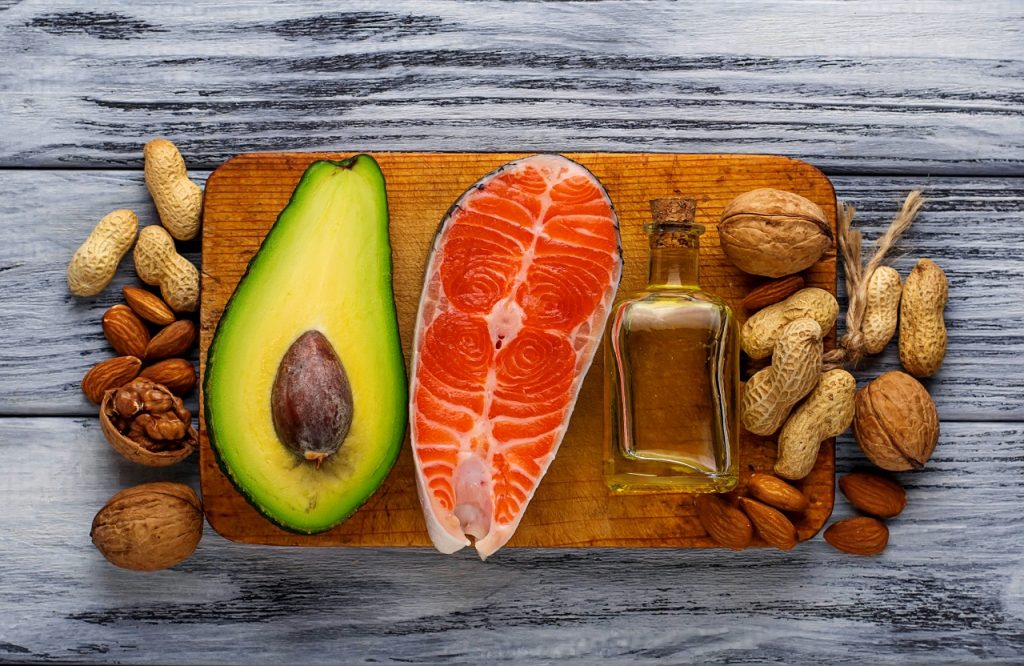
  • Monounsaturated Fats: These contain a single double bond and are known to be helpful in many ways. Evidently, they aid weight loss, reduce cardiac problems and decrease inflammation. Its major sources are avocado, nuts like almond, pistachios, vegetable oils like safflower oil, sesame oil, olive oil, canola oil, etc.
  • Polyunsaturated Fats: are considered as the most beneficial among the fat family. These fats are mainly of 2 types:
    1. Omega 3 Fatty Acids: are known to improve heart health, protect the nervous system, increase brain function, reduce anxiety and stress, improve eye function, reduce inflammation and help fight cancer as well. Sources include soya beans, chia seeds, walnuts, canola oil, salmon, sardine, etc. It’s good to have them as a part of daily diet.
    2. Omega 6 Fatty Acids: This type of fat helps balance good and bad cholesterol, it helps reduce asthma or respiratory problems especially in children, relieves diarrhea in children and is essential for improving brain function. Sources of Omega 6 Fatty Acids include hemp seed or hemp seed oil, flaxseed or flaxseed oil, walnuts, almond, avocado oil, eggs, tofu etc.

These fatty acids are called “essential” because they are not produced in the body and that is why they have to be present in our diet.

Considering all the fat facts listed above, we must focus more on the types of fat we are consuming. In a typical Indian diet, about 15-20% of total calories should come from fat and the most desirable proportion of Saturated Fat (SFA), Monounsaturated Fatty Acid (MUFA) and Polyunsaturated Fatty Acid (PUFA) must be 1:1.3:1.

We hope this article helps you make the best food choices. To know more about fat facts, bust more myths about food and nutrition, ask a GOQii Coach by subscribing for Personalised Health Coaching here.

Do leave your thoughts in the comments below! 

#BeTheForce 

November 5, 2024 By Madhu Soni 7 Comments

Easy Hacks To Control Hunger Pangs

control hunger pangs

Hunger is an important signal that should not be ignored, but how often have you felt that this is a genuine one? Although growling and gurgling in the stomach are real signals to watch out for, here are some simple and effective hacks to control hunger pangs.

Effective Ways To Control Hunger Pangs

  1. Chew Well: This advice has probably been repeated several times since childhood but is often ignored. Mindful eating begins by sniffing the aroma and savoring every bite. When we chew the food properly, the flavors linger in the mouth, bringing about a satiety value and a feeling of fullness. This helps curb binge eating.
  2. Stay Hydrated: Quite often, our body signals hydration, but we end up eating instead. Getting confused between thirst and hunger is very common. Drinking water from earthen pots quenches thirst more effectively than refrigerated water. You can add lemon water and buttermilk to your diet. Summer coolants like aam panna and kokum sherbet are also great.
  3. Adequate Protein: If, despite eating breakfast, you find yourself eagerly waiting for lunch, you may need to look at the protein content in your diet. Research has shown that adequate amounts of protein help keep you full for a longer period. Ghrelin, an appetite-stimulating hormone that signals you to eat, is lower with high-protein intake.
  4. Soup: is a great rescue from the immense hunger pangs, especially in the evening. The high water content, along with fiber from the veggies, helps control hunger. Having a warm soup surprisingly reduces the appetite. Stick to broth-based soups rather than creamy ones.
  5. Spice It Up: Major Hunger pangs occur due to bland and unsatisfying food. Adding a few spices not only curbs your appetite but aids digestion. Spicy food is known to increase satiety. A simple salad can become interesting if you add a dash of lemon, sprinkle some chaat masala, or throw in some mint dip!
  6. Healthy Snacking: What you eat when hungry during odd hours plays an important role in controlling hunger pangs. Having a small mid-meal snack is good, but watch out for the quantity and quality. Seasonal fruits will keep you full and healthy. Nuts and seeds, being rich in proteins, are good as well. 
  7. Limit Excessive Sugar: There is a direct link between sugar consumption and increased hunger pangs. Besides keeping a check on high-sugar food intake, watch for hidden sugars in food labels. Opt for natural sugar sources like jaggery, dry fruits and fresh fruits.
  8. Exercise: Many people believe that exercise increases appetite. However, with regular aerobic exercise, appetite actually decreases
  9. Sleep: Lack of sleep can impact our eating patterns. Inadequate sleep leads to low energy levels. To compensate for this, we often choose sugary foods, leading to a cycle of empty calories and overeating.

And that’s it! Follow these hacks to control hunger pangs. If, despite these tips, you still feel ravenous, consider consulting a doctor. Check out other articles for healthy recipes and more topics on hunger, food, nutrition and health. For further information or guidance, reach out to our certified experts by subscribing to GOQii’s Personalised Health Coaching here.

#BeTheForce! 

September 3, 2024 By Sheryl Afonso Leave a Comment

What’s Good For Health: Packaged Cereals or a Traditional Indian Breakfast?

traditional indian breakfastThe global food industry has made preparing meals a breeze. No longer do families need to stress about time-consuming, skillful cooking and the intricate assembling of cereals, pulses, veggies, spices, and herbs to put on a wholesome meal on the table. The array of packaged breakfast cereals available in supermarkets has spoiled us for choice in terms of variety and taste. There’s one for each day of the week and plenty to choose from for special occasions when friends stay over too! Gone are the days when you had to slog it out in your kitchen – chopping, slicing, dicing, soaking, grinding, mixing, fermenting, steaming, and plating – not only to satiate hungry tummies but also to earn compliments on your culinary skills! Oats, muesli, wheat flakes, corn flakes, oatmeal, Weetabix, rice krispies, and the like have replaced uttapams, poha, upma, sabudana khichdi, theplas, appams, chillas, paniyarams, dalia, teezan, and other wholesome delights in Indian homes. 
Why Shouldn’t You Opt For Packaged Cereals? 

While “time is of essence” is the mantra that dual-income families often use to justify their breakfast choice, long-term health is an unconscious sacrifice they may be making. Here’s why breakfast cereals may not deliver all that the package label promises:

  1.  Refined Grains: Refining is an industrial polishing process that cereals undergo to extend their shelf life. It strips away the nutrient-rich bran and germ portions of the cereal, leaving you with a grain that’s missing essential B-vitamins, fibre, magnesium, and vitamin E. 
  2. Sugar overload: The addictive taste of breakfast cereals often comes from added sugar. A quick glance at the ingredient list will show that sugar is frequently the second or third ingredient. Starting your day with a sugar-laden breakfast can cause your energy levels to crash within an hour, leading to early snacking, overeating, and potential weight issues.
  3. Misleading labels: Terms like “low-fat,” “multigrain,” “added bran,” “fortified with vitamins,” and “whole wheat” can be misleading. Each of these terms may hide the fact that the cereal has been stripped of nutrition and then minimally replenished. For example, a “low-fat” option may actually be a “high-carbohydrate” disaster, and “multigrain” may be just a blend of refined grains.

Nutritionists and researchers emphasize the benefits of breakfast, including weight management, improved concentration at school and work, better academic performance, healthier food choices throughout the day, and superior nutritional status.

These outcomes are enhanced when you follow established nutritional guidelines of complex carbohydrate-protein-fat combination meals to start your day. However, commercial breakfast cereals often lack dietary fiber – a complex carbohydrate that keeps you full longer, reduces cholesterol absorption, and prevents spikes in blood glucose levels. The preservatives, colors, flavors, and additives in these packaged boxes bring their own set of concerns.

Why Should You Opt for a Traditional Indian Breakfast? 

A traditional Indian breakfast, on the other hand, offers good-quality complete protein through cereal-pulse combination items (dosas, idlis), fiber (carrots and beans added to upma), healthy monounsaturated fats (groundnuts in poha and sabudana khichdi), iron and calcium (ragi in teezan), and probiotics (dhokla, idlis, and lassi/curd with parathas). The spices used in these dishes are increasingly recognized for their health benefits and contribute antioxidant and anti-inflammatory properties.

Tempted nutritionally? So, what’s stopping you from exploring the myriad ways to tickle your family’s taste buds by whipping out your grandma’s recipe and, in the process, living as robustly as she did? While time constraints may make you hesitant to switch to a healthier Indian breakfast menu, don’t be disheartened—planning is all it takes to sneak in a nutritious meal at the start of your day! Make a menu plan for the next day or the week ahead, and you’ll be on your way to a healthier you in no time! It’s worth the effort. Desi is the way to go… Breakfast like a king!

We hope this article helps you switch to a healthy traditional Indian breakfast! If you enjoyed reading this article, let us know in the comments below. For more on nutrition, check out Healthy Reads.

To get these nutritional tips or recipes directly from your GOQii Coach, subscribe for Personalised Health Coaching here.

Eat healthy and #BeTheForce 

August 31, 2024 By Soni Thakur 7 Comments

Why You Should Eat Your Fruits and Juice Your Veggies!

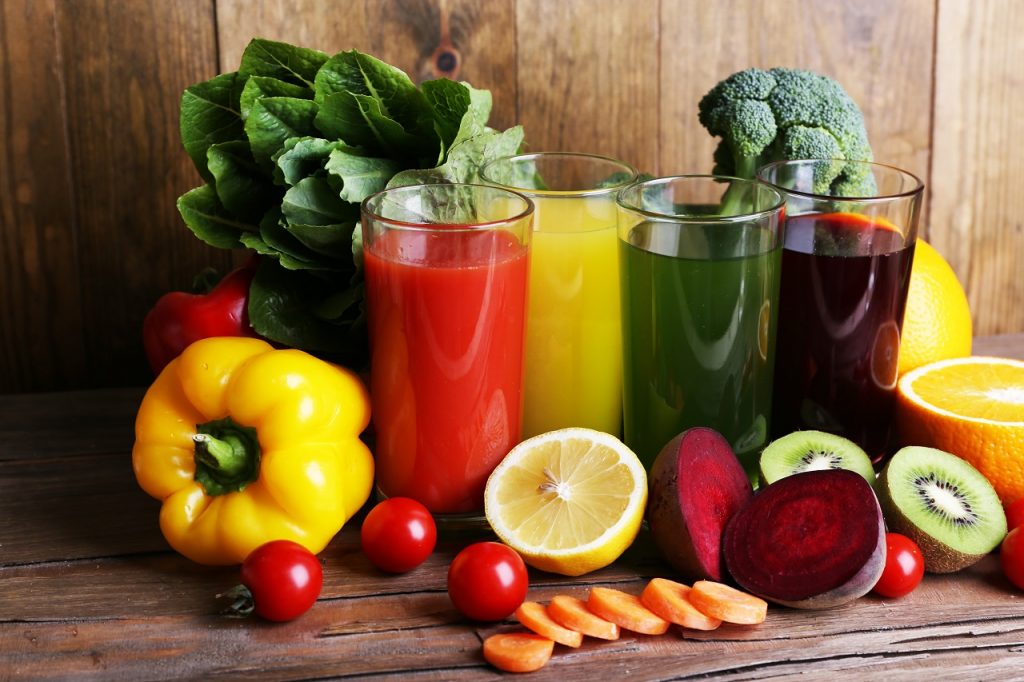
fruits and veggiesHow many times have you drank fruit juices? How often do you eat your vegetables? Although we agree that doing both is quite healthy, as fruits and vegetables are naturally good and contain all the vitamins and minerals needed by the body, we also need to consider that we might be doing it wrong! Why, do you ask? Let’s find out why you should eat your fruits and juice your veggies! 

Benefits of Eating Fruits Instead of Juicing Them

No doubt juices nourish your body with vitamins, minerals, antioxidants and other nutrients. In its liquid form, all the nutrients of whole fruit will be readily available for your body to absorb. However, juicing removes some important nutrients that can be retained by eating the whole fruit.

  1. Eating whole fruits provides your body with fiber, which is eliminated during the juicing process.
  2. A whole fruit protects you from the sensitivities that can be caused due to the heat generated by the juicer, ultimately decreasing the nutritional value of the fruit.
  3. Your blood sugar will not spike as much with whole fruits, making them recommended for people with Diabetes
  4. Fibers present in whole fruits keep you full for longer and provide relief from constipation
  5. As a snack, whole fruits relieve hunger pangs, and the digestion process takes longer compared to gulping down juice in one go. Eventually, this helps in mindful eating and keeps you fuller for longer.

Benefits of Juicing Vegetables

Eating vegetables is good for your health, but there are certain benefits of juicing them that you can incorporate in your daily diet for maximum health benefits.

  1. Juicing vegetables allows you to incorporate more than one vegetable at a time.
  2. Juicing a large volume of vegetables provide more vitamins than eating a green salad with just one or few veggies.
  3. Juices from some vegetables are more effective in lowering blood pressure and relaxing the muscles that line blood vessels.
  4. Vegetable juices may increase the speed of detoxifying your body as they are readily absorbed and digested.
  5. The water content and vitamins of some vegetables are lost during the cooking process, so juicing can help retain these nutrients.

Points to Remember

  • Our digestive system is designed to handle fiber and extract nutrients from a variety of foods, including whole fruits and vegetables.
  • Modifications can be made depending on your need, situation and availability.
  • We need at least 5 servings of vegetables and 2 servings of fruit each day
  • Vegetables and fruits of similar color generally contain similar protective compounds. To gain more benefits, it is best to choose fruits and vegetables of different color and varieties.

We hope this article helps you make a healthy shift. Remember that there is no hard and fast rule to this. Do what works best for you but before following this, do consult your dietician or nutritionist.

For more on nutrition, fruits and veggies, check out Healthy Reads or ask a GOQii Coach by subscribing for Personalised Health Coaching here.

#BeTheForce 

Disclaimer: The information provided in this blog is for general awareness and educational purposes only. It is not intended to replace professional medical advice, diagnosis, or treatment. Always consult a qualified healthcare provider for personalised medical guidance or concerns related to your health.

  • « Previous Page
  • 1
  • 2
  • 3
  • 4
  • 5
  • Next Page »

Search

Recent Posts

  • India Leads in Longevity: GOQii Sanjeevini Named Top 40 in $101M XPRIZE
  • The Importance Of Knowing If You’re Thirsty Or Hungry
  • Best Foods To Alleviate Irritable Bowel Syndrome
  • ALL ABOUT VERTIGO!
  • PCOS and Anxiety: Discover Relief with the 54321 Technique

Stay Updated

Archives

  • December 2025 (8)
  • November 2025 (15)
  • October 2025 (20)
  • September 2025 (6)
  • August 2025 (6)
  • July 2025 (12)
  • June 2025 (18)
  • May 2025 (16)
  • April 2025 (23)
  • March 2025 (23)
  • February 2025 (22)
  • January 2025 (26)
  • December 2024 (26)
  • November 2024 (25)
  • October 2024 (22)
  • September 2024 (24)
  • August 2024 (31)
  • July 2024 (21)
  • June 2024 (26)
  • May 2024 (31)
  • April 2024 (27)
  • March 2024 (29)
  • February 2024 (26)
  • January 2024 (25)
  • December 2023 (15)
  • November 2023 (11)
  • October 2023 (20)
  • September 2023 (22)
  • August 2023 (20)
  • July 2023 (22)
  • June 2023 (24)
  • May 2023 (24)
  • April 2023 (24)
  • March 2023 (23)
  • February 2023 (20)
  • January 2023 (16)
  • December 2022 (12)
  • November 2022 (15)
  • October 2022 (15)
  • September 2022 (12)
  • August 2022 (10)
  • July 2022 (17)
  • June 2022 (11)
  • May 2022 (10)
  • April 2022 (6)
  • March 2022 (6)
  • February 2022 (13)
  • January 2022 (12)
  • December 2021 (7)
  • November 2021 (3)
  • October 2021 (6)
  • September 2021 (3)
  • August 2021 (8)
  • July 2021 (7)
  • June 2021 (15)
  • May 2021 (16)
  • April 2021 (10)
  • March 2021 (7)
  • February 2021 (4)
  • January 2021 (4)
  • December 2020 (3)
  • November 2020 (4)
  • October 2020 (10)
  • September 2020 (3)
  • August 2020 (3)
  • July 2020 (2)
  • June 2020 (4)
  • May 2020 (10)
  • April 2020 (12)
  • March 2020 (10)
  • February 2020 (4)
  • January 2020 (4)
  • December 2019 (3)
  • November 2019 (7)
  • October 2019 (5)
  • September 2019 (4)
  • August 2019 (9)
  • July 2019 (9)
  • June 2019 (11)
  • May 2019 (4)
  • April 2019 (9)
  • March 2019 (8)
  • February 2019 (9)
  • January 2019 (8)
  • December 2018 (9)
  • November 2018 (3)
  • October 2018 (3)
  • September 2018 (5)
  • August 2018 (10)
  • July 2018 (6)
  • June 2018 (13)
  • May 2018 (8)
  • April 2018 (18)
  • March 2018 (9)
  • February 2018 (8)
  • January 2018 (15)
  • December 2017 (12)
  • November 2017 (19)
  • October 2017 (13)
  • September 2017 (15)
  • August 2017 (4)
  • July 2017 (8)
  • June 2017 (7)
  • May 2017 (6)
  • April 2017 (8)
  • March 2017 (6)
  • February 2017 (7)
  • January 2017 (9)
  • December 2016 (10)
  • November 2016 (7)
  • October 2016 (7)
  • September 2016 (7)
  • August 2016 (11)
  • July 2016 (9)
  • June 2016 (9)
  • May 2016 (12)
  • April 2016 (17)
  • March 2016 (17)
  • February 2016 (8)
  • January 2016 (6)
  • December 2015 (2)
  • November 2015 (9)
  • October 2015 (7)
  • September 2015 (9)
  • August 2015 (11)
  • July 2015 (9)
  • June 2015 (12)
  • May 2015 (9)
  • April 2015 (13)
  • March 2015 (8)
  • February 2015 (5)
  • January 2015 (12)
  • December 2014 (14)
  • November 2014 (11)
  • October 2014 (6)
  • September 2014 (13)
  • August 2014 (12)
  • July 2014 (6)
  • June 2014 (2)
  • May 2014 (7)
  • April 2014 (5)

From “Laddu Nawin” to Fit and Fierce: How a 25-Year-Old Insurance Advisor Shed 20 Kilos and Gained His Life Back

When 25-year-old Nawin Yadav from Hyderabad walked into his office every morning, he carried more than just his files and policy papers. He had the weight of fatigue, sluggish energy, and an ever-growing belly that was becoming the butt of jokes. “People … [Read More...]

“I’ve Challenged Myself to Live 100 Years” – The Story of Chandubhai Savani’s Second Chance at Life

At 67, most people start slowing down. Not Chandubhai Savani. A resident of Surat, Chandubhai, thought life was on track. “My life was going well till I had my bypass surgery,” he says. That surgery, back in 2021, was a wake-up call.  Medication was routine, but exercise wasn’t. His diet? What he calls ‘normal.’ “I […]

From Shimla’s Slopes to Chandigarh’s Sidewalks: Surinder Kaur Bhalla’s Journey from Chaos to Control

Some journeys start with a plan. Others begin with a stumble literally. Surinder Bhalla, a government professional, born and raised in the scenic hill town of Shimla, had always lived a life of movement. “In Shimla, you walked everywhere,” she reflects. “Walking was never an exercise. It was just life.” But after shifting to Chandigarh, […]

Ananda Mukherjee Health Story

From Terminal Illness To Complete Wellness! Ananda Mukherjee Health Story

As we observe World Cancer Day under the powerful theme ‘United by Unique’ (2025-2027)**, we are reminded that every individual’s journey with cancer is distinct, yet united by shared resilience, hope, and the collective fight against this disease. This theme places people at the centre of care and their stories at the heart of the […]

  • HOME
  • HEALTHY LIVING
  • FITNESS
  • HEALTHY RECIPES
  • USER STORIES
  • KARMA
  • BUY GOQii

Copyright ©2016 GOQii