GOQii

Blog

  • HOME
  • HEALTHY LIVING
  • FITNESS
  • HEALTHY RECIPES
  • USER STORIES
  • KARMA
  • BUY GOQii

September 19, 2024 By Vandana Juneja 6 Comments

Importance of Vitamin D For Boosting Immunity

Vitamin DVitamin D, commonly known as the “sunshine vitamin,” is actually a pro-hormone produced in the body upon exposure to sunlight. This essential nutrient exerts significant influences on multiple systems across the body

Health Benefits of Vitamin D 

  • Promotes Healthy Bones and Teeth: Crucial for calcium absorption, which is essential for maintaining bone health.
  • Supports Immune, Brain, and Nervous System Health: Boosts immune function and supports cognitive and nervous system functions.
  • Regulates Insulin Levels and Aids Diabetes Management: Assists in maintaining normal blood sugar levels.
  • Maintains Healthy Lung Function and Cardiovascular Health: Supports lung function and helps reduce the risk of cardiovascular disease.
  • Influences Gene Expression Related to Cancer: Involved in regulating genes that may be linked to cancer development.

How Does It Improve Immunity Levels?

The human body fights infections using two types of immune systems – the innate system (which provides a quick, general response) and the adaptive system (which produces a slower but highly specific response, such as antibody production). Vitamin D modulates both systems, which explains its wide-ranging effects on the immune system.

Vitamin D deficiency is more common in individuals experiencing seasonal cold and flu outbreaks. During the winter and seasonal changes, there is less sunlight, leading to lower Vitamin D levels and reduced immunity.

Why Do Immune Cells Need Vitamin D?

Vitamin D has a “non-classic” role in modulating the body’s immune responses to illness or infection. Vitamin D receptors are found throughout the body, including in immune cells. T cells, which are crucial for fighting infections, need vitamin D to become activated. Without sufficient vitamin D, T cells remain dormant and unable to protect the body effectively.

How Do You Get Enough Of Vitamin D?

1. Sunlight

Getting enough sunlight is the best way to help the body produce sufficient Vitamin D. Exposing your skin to the sun for 20 to 30 minutes a day ensures enough UVB rays come into contact with the cholesterol in the skin, enabling Vitamin D synthesis.

However, several factors affect Vitamin D production from sunlight:

  • Time of Day: The skin produces more Vitamin D when exposed to the sun during midday (between 10 am to 2 pm) when the sun is at its highest.
  • Sunscreen: Sunscreen blocks UVB rays, limiting Vitamin D production. It is best to allow some direct sun exposure to the skin.
  • Skin Exposure: The more skin you expose, the more Vitamin D your body will produce. Consider wearing short sleeves or shorts when possible.
  • Skin Colour: People with lighter skin produce Vitamin D more quickly than those with darker skin due to lower melanin levels.
  • Geographical Location: Living farther from the equator means less UVB radiation, especially during the winter months in the UK.
  • Always remember: Frequent, moderate sun exposure is beneficial, but prolonged exposure can increase the risk of skin cancer. Balance is key.

2. Food Sources

While sunlight is the best source of Vitamin D, certain foods can help increase levels:

  • Fatty Fish (Salmon, trout, mackerel, and sardines)
  • Egg Yolks
  • Cheese
  • Mushrooms (exposed to sunlight)
  • Fortified Foods (milk, cereals, and juices)

3. Supplements

If you have limited exposure to sunlight or are experiencing symptoms of Vitamin D deficiency (such as frequent illness, fatigue, bone pain, or muscle weakness), consider taking supplements. In the UK, the NHS recommends adults and children over 1 year should consider taking a daily supplement of 10 micrograms (400 IU) of Vitamin D, particularly during autumn and winter.

Note: Always consult with a healthcare professional before starting any supplements.

Hope this article helps you understand the importance of the Sunshine Vitamin, especially to boost immunity. For more tips on boosting your immunity, reach out to a GOQii Coach by subscribing for Personalised Health Coaching here.

#BeTheForce 

Disclaimer: The information provided in this blog is for general awareness and educational purposes only. It is not intended to replace professional medical advice, diagnosis, or treatment. Always consult a qualified healthcare provider for personalised medical guidance or concerns related to your health.
August 9, 2024 By GOQii Leave a Comment

Probiotics & Atopic Dermatitis

Are bacteria and microbes always bad and harmful

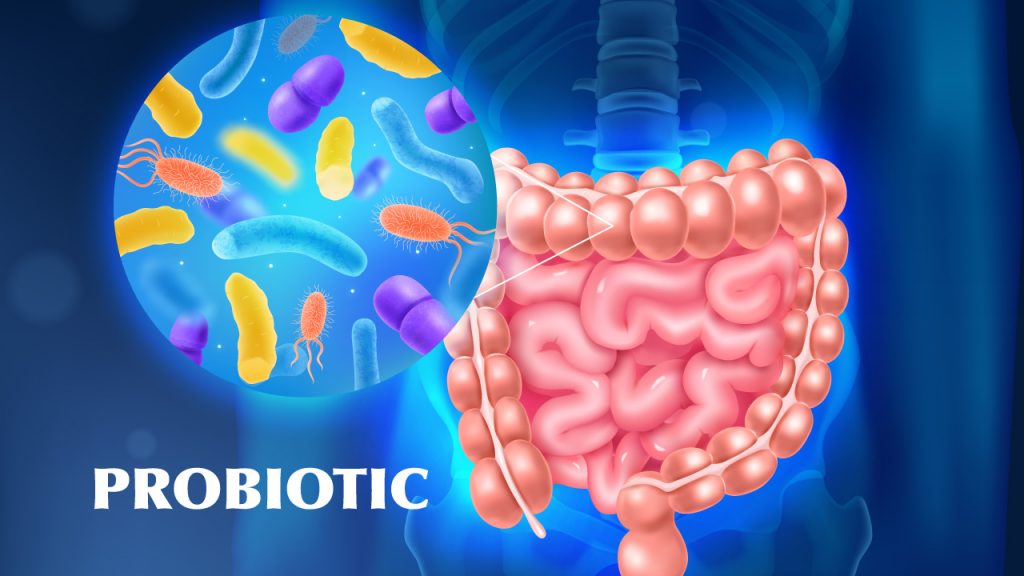
Bacteria and microbes often get a bad rap, but the truth is, they are not always harmful. In fact, many bacteria and microbes play essential roles in maintaining our health and the environment. While some can cause diseases and infections, the vast majority are considered good and helpful for our body. These good ones are living microbes that are part of our intestine’s normal microbial flora, commonly known as probiotics.

Did you know that our gut is home to millions of microbes that play a crucial role in regulating inflammation and promoting good gut health? These beneficial microbes, or probiotics, aid in timely digestion and excretion, facilitate the intestinal absorption of nutrients, and protect our gut from harmful microbes. Regular intake of probiotics, whether through natural foods like curd or yogurt or as oral supplements, supports healthy skin and gut health.

But are probiotics related to AD? Can they help treat AD?

It is important to understand that probiotics help control the body’s immune response and inflammation, thereby regulating the release of inflammatory factors that aggravate AD. By managing inflammation, probiotics can help reduce the redness and inflammation associated with the disease. Moreover, probiotics not only limit inflammation but also help prevent flares in AD. Therefore, it can be concluded that probiotics promote good gut health, which in turn helps keep inflammation at bay, making them beneficial for managing AD.

So inclusion of probiotics in our daily routine can indeed be life changing!

We hope this article helps you. For further information or guidance, reach out to your GOQii Skin Coach.

#BeTheForce

Reference –

Rusu E, Enache G, Cursaru R, Alexescu A, Radu R, Onila O, Cavallioti T, Rusu F, Posea M, Jinga M, Radulian G. Prebiotics and probiotics in atopic dermatitis. Exp Ther Med. 2019 Aug;18(2):926-931. doi: 10.3892/etm.2019.7678. Epub 2019 Jun 14. PMID: 31384325; PMCID: PMC6639913.

Disclaimer: The information provided in this blog is for general awareness and educational purposes only. It is not intended to replace professional medical advice, diagnosis, or treatment. Always consult a qualified healthcare provider for personalised medical guidance or concerns related to your health.

May 25, 2024 By Palak Mittal 2 Comments

How smartphones and other electronic gadgets affects our sleep quality

For most of us, our smartphone is the first thing we look at in the morning and the last thing we check before going to bed. But, is it a right practice? Well, it is not. As per a study published by the Brigham and Women’s Hospital in Boston, Massachusetts, using a smartphone right before bedtime actually reduces the overall quality of sleep.

Here’s how:

  • Difficulty in falling asleep – We feel sleepy when our brain releases a hormone called melatonin, which is determined by the body’s circadian rhythm. The blue light emitted by the screen of the smartphone interferes with this rhythm and the secretion of melatonin, which makes it difficult for us to fall asleep, even after we keep our phone aside.
  • Poor quality of sleep – Using a smartphone before going to bed also hampers the overall quality of sleep because, when we check an office email or a text message as the last thing before we sleep, it gets difficult for our brain to relax, due to which we are unable to sleep peacefully.
  • Decreased attention span – Our productivity suffers during the day, due to lack of proper sleep at night. Also, not getting enough sleep is known to hamper our decision-making skills, impair our long & short-term memory, which leads to unnecessary stress and anxiety
  • Increased risk of weight gain – Our body is more likely to feel hungry when we don’t get our due share of sleep, as sleep deprivation slows down our metabolism. Thus, use of smartphone right before bedtime can induce cravings, which lead to snacking and weight gain.
  • Weak immune system – While we are asleep our immune system produces antibodies that help fight infections, it also releases a protein known as cytokines. This protein not only promotes sleep but also fights inflammation and other problems caused by stress. Lack of sound sleep decreases the production of cytokines and increases the risk of falling sick, it also slows down our recovery cycle. Further, long-term sleep deprivation can raise the risk of diseases, such as diabetes, heart problems and obesity.
  • Skin damage – Sleeping late at night and not getting enough sleep can lead to dark circles, puffy eyes and fine lines across our face. The blue light emitted by our smartphones triggers the secretion of cortisol, which can damage our skin’s smoothness and elasticity.

Thus, even if we are spending only some time on our smartphone before going to bed, it affects our overall mental and physical well-being.

We hope this article sheds light on the detrimental effects of smartphone usage on sleep quality and overall health. If you found this information helpful, we’d love to hear your thoughts in the comments below. For more insights on improving sleep and maintaining a healthy lifestyle speak to a certified expert by subscribing to GOQii’s Personalised Health Coaching here.

#BeTheForce

May 19, 2024 By Jyoti Kumawat 6 Comments

Yogurt: The miracle food

It is middle of summer and the temperature is rising day by day. It is during this season that you need foods that keep you cool. The one such miraculous food is ‘Yogurt’. It’s miraculous only because it does miracles to our health. Yogurt is one of the Functional foods which posses’ special functions to human health. Let’s understand why it is a miracle food?

Let us understand the nutritional benefits and contents of yogurt. Yogurt is made from milk and therefore one can get a dose of animal protein (about 9 grams per 6-ounce serving), plus several other nutrients found in dairy foods, like Calcium, Vitamin B-2, Vitamin B-12, Potassium, and Magnesium are in Yoghurt.

Yogurt is also a “probiotic.” Probiotics are “friendly bacteria” that are naturally present in the digestive system. Live strains of these “good bacteria” are also found in many yogurt products.

Potential benefits of Yoghurt:-

1: Yogurt May Help in the Gut Health –

Yoghurt helps in controlling certain gastrointestinal conditions, including lactose intolerance, constipation, diarrheal diseases, colon cancer, inflammatory bowel disease, Helicobacter pylori infection, and allergies. Yogurt is a boon to patients with these conditions and have benefitted because of innate immunity response created by yogurt and improvement of healthy bacteria in GI tract.

2: Yogurt Boosts the Immune System (including gastrointestinal and respiratory infections) –

Yogurt makes us strong by providing immunity. Given the right circumstances, eating yogurt may help protect the intestinal tract. As a result, yogurt has great potential as a protective, anti-infection agent. Increased yogurt consumption might help increase one’s resistance to immune-related diseases such as cancer and infection, particularly gastrointestinal infection. So we have the power to increase the immunity in such conditions. Why not opt for one cup everyday during your snacks time to stay away from these conditions.

3: Yogurt may help Prevent Osteoporosis – 

If you’re suffering from postmenopausal osteoporosis, consuming a little cup of yogurt each day can make a big difference! As I said earlier, this healthy snack is packed with calcium and several other nutrients that help postmenopausal women maintain strong and healthy bones. Those who are concerned about developing osteoporosis or are looking for a way to help manage the disease should incorporate more of this tasty and powerful food into their diets.

4: Yogurt may reduce the risk of High Blood Pressure – 

In today’s time there are lots of people who suffer from high blood pressure. We generally do control over our diet to control that condition, but do you know we don’t need to watch calories while having Yogurt…..Why?

Eating yogurt is more satisfying, so we are less likely to reach for higher-calorie sources of calcium and protein. Being lower in fat, it is less likely to stick to the insides of our blood vessels. The potassium in yogurt, almost 600 milligrams per eight ounces, may help flush some of the excess sodium out of your body.

Well that’s Good news for all.

5: Yogurt helps in weight management –

Weight loss and weight gain, these two are the major points of concern for most people. Yogurt is the right answer for both those who want to lose weight and for those who want to gain weight. It has proven to help in weight loss as well as healthy weight gain, which shows that it stimulates happy hormones to reduce visceral fat hence reducing belly fat. In weight gain also it has shown to improve weight without disturbing the waist circumference…..isn’t it a magic ?

Some other benefits are………………….

6: Yogurt Lowers the Risk of Metabolic Syndrome

7: Yogurt helps in Lactose Absorption in Lactose-Deficient Patients

8: Yogurt leads to Healthy Ageing

9: Yogurt May Help You Feel Fuller

10: Yogurt lowers the risk of Colon Cancer 

11: A cup of yogurt a day can help you recover faster after a workout

This single food provides us with lots of benefits and hence it is recommended that Yogurt is included in your regular diet in a balanced amount.

With its numerous health benefits ranging from improving gut health to aiding weight management, yogurt truly deserves its title as a miracle food. Incorporate this nutritious snack into your daily diet to reap its full potential and support your overall health and well-being. We hope this article helps you. For further information or guidance, reach out to our certified experts by subscribing to GOQii’s Personalised Health Coaching here.

#BeTheForce 

  • « Previous Page
  • 1
  • 2
  • 3
  • Next Page »

Search

Recent Posts

  • Metabolic Flexibility: The Key to Energy, Fat Loss, and Longevity
  • Revenge Bedtime Procrastination: Why You Stay Up Late When You’re Exhausted
  • The GOQii India Fit Report 2026: Unmasking the Gender Health Divide
  • International Dance Day: Why Dancing is the Ultimate Workout for Your Body and Mind
  • Summer Health Hazards You Need To Be Aware Of (And How to Prevent Them)

Stay Updated

Archives

  • May 2026 (2)
  • April 2026 (24)
  • March 2026 (18)
  • February 2026 (14)
  • January 2026 (14)
  • December 2025 (19)
  • November 2025 (15)
  • October 2025 (20)
  • September 2025 (6)
  • August 2025 (6)
  • July 2025 (12)
  • June 2025 (18)
  • May 2025 (16)
  • April 2025 (22)
  • March 2025 (28)
  • February 2025 (21)
  • January 2025 (25)
  • December 2024 (22)
  • November 2024 (23)
  • October 2024 (21)
  • September 2024 (23)
  • August 2024 (30)
  • July 2024 (21)
  • June 2024 (25)
  • May 2024 (28)
  • April 2024 (27)
  • March 2024 (27)
  • February 2024 (24)
  • January 2024 (21)
  • December 2023 (14)
  • November 2023 (10)
  • October 2023 (19)
  • September 2023 (22)
  • August 2023 (18)
  • July 2023 (22)
  • June 2023 (23)
  • May 2023 (24)
  • April 2023 (19)
  • March 2023 (23)
  • February 2023 (19)
  • January 2023 (15)
  • December 2022 (11)
  • November 2022 (15)
  • October 2022 (15)
  • September 2022 (12)
  • August 2022 (10)
  • July 2022 (17)
  • June 2022 (11)
  • May 2022 (10)
  • April 2022 (6)
  • March 2022 (6)
  • February 2022 (13)
  • January 2022 (11)
  • December 2021 (7)
  • November 2021 (3)
  • October 2021 (6)
  • September 2021 (3)
  • August 2021 (8)
  • July 2021 (7)
  • June 2021 (15)
  • May 2021 (16)
  • April 2021 (10)
  • March 2021 (7)
  • February 2021 (4)
  • January 2021 (4)
  • December 2020 (3)
  • November 2020 (4)
  • October 2020 (10)
  • September 2020 (3)
  • August 2020 (3)
  • July 2020 (2)
  • June 2020 (4)
  • May 2020 (10)
  • April 2020 (12)
  • March 2020 (10)
  • February 2020 (4)
  • January 2020 (4)
  • December 2019 (3)
  • November 2019 (7)
  • October 2019 (5)
  • September 2019 (4)
  • August 2019 (9)
  • July 2019 (9)
  • June 2019 (11)
  • May 2019 (4)
  • April 2019 (8)
  • March 2019 (8)
  • February 2019 (9)
  • January 2019 (8)
  • December 2018 (9)
  • November 2018 (3)
  • October 2018 (3)
  • September 2018 (5)
  • August 2018 (10)
  • July 2018 (6)
  • June 2018 (13)
  • May 2018 (8)
  • April 2018 (18)
  • March 2018 (9)
  • February 2018 (8)
  • January 2018 (15)
  • December 2017 (12)
  • November 2017 (19)
  • October 2017 (13)
  • September 2017 (15)
  • August 2017 (4)
  • July 2017 (8)
  • June 2017 (7)
  • May 2017 (6)
  • April 2017 (8)
  • March 2017 (6)
  • February 2017 (7)
  • January 2017 (9)
  • December 2016 (10)
  • November 2016 (7)
  • October 2016 (7)
  • September 2016 (7)
  • August 2016 (11)
  • July 2016 (9)
  • June 2016 (9)
  • May 2016 (12)
  • April 2016 (17)
  • March 2016 (17)
  • February 2016 (8)
  • January 2016 (6)
  • December 2015 (2)
  • November 2015 (9)
  • October 2015 (7)
  • September 2015 (9)
  • August 2015 (11)
  • July 2015 (9)
  • June 2015 (11)
  • May 2015 (9)
  • April 2015 (13)
  • March 2015 (8)
  • February 2015 (5)
  • January 2015 (12)
  • December 2014 (14)
  • November 2014 (11)
  • October 2014 (6)
  • September 2014 (13)
  • August 2014 (12)
  • July 2014 (6)
  • June 2014 (2)
  • May 2014 (7)
  • April 2014 (4)

From “Laddu Nawin” to Fit and Fierce: How a 25-Year-Old Insurance Advisor Shed 20 Kilos and Gained His Life Back

When 25-year-old Nawin Yadav from Hyderabad walked into his office every morning, he carried more than just his files and policy papers. He had the weight of fatigue, sluggish energy, and an ever-growing belly that was becoming the butt of jokes. “People … [Read More...]

“I’ve Challenged Myself to Live 100 Years” – The Story of Chandubhai Savani’s Second Chance at Life

At 67, most people start slowing down. Not Chandubhai Savani. A resident of Surat, Chandubhai, thought life was on track. “My life was going well till I had my bypass surgery,” he says. That surgery, back in 2021, was a wake-up call.  Medication was routine, but exercise wasn’t. His diet? What he calls ‘normal.’ “I […]

From Shimla’s Slopes to Chandigarh’s Sidewalks: Surinder Kaur Bhalla’s Journey from Chaos to Control

Some journeys start with a plan. Others begin with a stumble literally. Surinder Bhalla, a government professional, born and raised in the scenic hill town of Shimla, had always lived a life of movement. “In Shimla, you walked everywhere,” she reflects. “Walking was never an exercise. It was just life.” But after shifting to Chandigarh, […]

Ananda Mukherjee Health Story

From Terminal Illness To Complete Wellness! Ananda Mukherjee Health Story

As we observe World Cancer Day under the powerful theme ‘United by Unique’ (2025-2027)**, we are reminded that every individual’s journey with cancer is distinct, yet united by shared resilience, hope, and the collective fight against this disease. This theme places people at the centre of care and their stories at the heart of the […]

  • HOME
  • HEALTHY LIVING
  • FITNESS
  • HEALTHY RECIPES
  • USER STORIES
  • KARMA
  • BUY GOQii

Copyright ©2016 GOQii



