
GOQii

Blog

  • HOME
  • HEALTHY LIVING
  • FITNESS
  • HEALTHY RECIPES
  • USER STORIES
  • KARMA
  • BUY GOQii

March 26, 2026 By Mohammed Tufail Qureshi Leave a Comment

The Role of Glutamine: Why This Amino Acid is Crucial for Muscle Recovery

body buildingMany of us exercise regularly in the gym, but we are often unaware of the complex biological processes associated with our workouts and our bodies. Glutamine is one such vital element, and despite its massive impact on our fitness, many of us are completely unaware of its role.

Glutamine is one of the 20 amino acids used by the body to make protein. It can be found abundantly in muscle tissue, blood plasma, and in nearly every animal product you consume. Natural dietary sources include animal-derived proteins such as meats, dairy products, and eggs.

While your body can produce enough glutamine to meet its basic needs under normal circumstances, that changes the moment you step into the gym.

Why Your Body Demands More Glutamine

Glutamine is critically important to a wide range of bodily processes. However, during intense workouts, your body’s need for glutamine significantly exceeds its capability to produce it.

This deficit doesn’t just happen during exercise. During conditions of severe physical stress such as illness, burns, surgery, or prolonged fasting the body’s requirement for glutamine is so high that it simply cannot be met by its slow natural rate of synthesis. Because we use it faster than we produce it under pressure, it becomes highly necessary to consume dietary or supplemental sources of glutamine to bridge the gap.

The Core Benefits of Glutamine

When your body is under tremendous physical pressure, glutamine steps in to protect and repair your system in several powerful ways:

  • Increases Growth Hormone: Glutamine naturally increases the amount of circulating plasma growth hormone in your body. An increased amount of this hormone helps you stay leaner and stronger.
  • Protects the Immune System: A lack of glutamine (or glutamine depletion after a heavy workout) can lead to an extreme drop in your immune system’s function, making the body highly vulnerable to infections.
  • Speeds Up Muscle Recovery: Glutamine is incredibly helpful for reducing delayed onset muscle soreness and ensuring faster muscle recovery post-workout.
  • Strong Anti-Catabolic Action: It powerfully reduces the muscle breakdown caused by workout-related stress. Interestingly, for years, high levels of glutamine have been used in hospitals for patients involved in high-trauma accidents to prevent severe muscle loss.

The GOQii Pro-Tip: The same medical theory of trauma recovery applies to your exercise routine! If you properly supplement glutamine, your body will not need to break down its own hard-earned muscle tissue to pull glutamine out of it.

Recommended Dosage and Timing

To get the most out of your supplementation, timing is everything. Here is a standard protocol:

  • On Workout Days (10 grams total): Consume 5 grams directly after your exercise session, and another 5 grams right before bed.
  • On Rest Days (5 grams total): Consume 5 grams right before bed to support overnight recovery.

Elevate your workout game with the power of glutamine! Whether you are aiming for faster muscle recovery or a stronger immune system, understanding the role of this essential amino acid is key. For further information or personalised guidance, reach out to our certified experts by subscribing to GOQii’s Personalised Health Coaching here.

#BeTheForce

Frequently Asked Questions (FAQs)

1. What is the primary role of glutamine in the body?
Glutamine is a crucial amino acid used to build protein. Its primary role is to support the immune system, maintain intestinal health, and facilitate rapid muscle repair. While the body produces it naturally, heavy physical stress (like intense workouts or illness) depletes glutamine faster than the body can synthesise it.

2. Can I get enough glutamine from my regular diet?
Yes, if you are living a sedentary lifestyle. Glutamine is naturally found in animal-derived proteins such as eggs, dairy, and meats. However, if you are engaging in heavy resistance training or recovering from physical trauma, dietary sources alone may not provide enough to prevent muscle breakdown, making supplementation necessary.

3. Does glutamine prevent muscle loss?
Yes. Glutamine is a highly effective “anti-catabolic” agent. When your body is under physical stress, it naturally wants to break down muscle tissue to access stored amino acids. By supplementing with glutamine, you provide the body with free amino acids, saving your muscle tissue from being broken down.

Disclaimer: GOQii is committed to providing accurate, up-to-date, and comprehensive health information. This article is intended for informational purposes only and should not be used as a substitute for professional medical advice, diagnosis, or treatment. Always consult a qualified healthcare professional or nutritionist before starting any new dietary supplement. Individual results may vary.
February 4, 2026 By Shazia Sadruddin Leave a Comment

Unleashing the Power of Polyphenols: A Vital Ally for Cancer Survivors

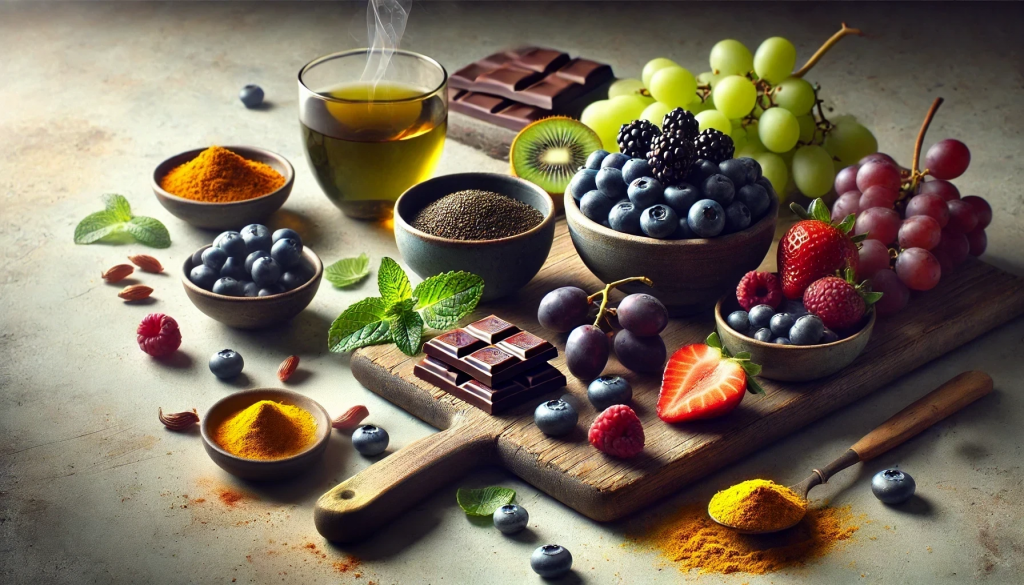
Imagine if the foods you love could shield you from cancer and aid in your recovery. Enter polyphenols, a family of over 8,000 plant compounds found in fruits, green and black tea, coffee, red wine, chocolate, and seeds. These natural substances have demonstrated remarkable potential in cancer treatment, especially after conventional therapies, by minimizing side effects and enhancing their effectiveness.


Polyphenols: Nature’s Cancer Combatants

Polyphenols exhibit both chemo preventive and chemotherapeutic effects, helping to prevent and potentially treat cancer. Here’s how:

  1. Suppressing Tumor Formation and Angiogenesis: Polyphenols can inhibit the growth of new blood vessels that feed tumors.
  2. Preventing Metastasis: They can reduce the spread of cancer cells.
  3. Triggering Apoptosis: Polyphenols can induce programmed cell death in cancer cells.
  4. Regulating Immune Responses: They can enhance the body’s natural defense mechanisms.
  5. Protecting Healthy Cells: Polyphenols safeguard cells from harmful free radicals.

Key Polyphenols in Cancer Treatment

Most studies focus on individual substances within the polyphenol family, each with unique anticancer properties:

  • Resveratrol: Found in grapes and red wine, resveratrol is linked to the suppression of glucose uptake, metastasis, and the induction of apoptosis in cancer cells.
  • EGCG (Epigallocatechin Gallate): Found in green tea, EGCG can regulate cancer cell growth, metastasis, and angiogenesis by altering various biological processes.
  • Curcumin: Found in turmeric, curcumin suppresses cell growth and angiogenesis, halts cell cycle progression in tumor cells, and triggers apoptosis across different cancer models.

The Role of Polyphenols in Cancer Survivors

Polyphenols play several crucial roles in supporting cancer survivors:

  1. Antioxidant Properties: By neutralizing free radicals, polyphenols reduce oxidative stress, protecting cellular integrity and supporting overall health in cancer survivors.
  2. Anti-inflammatory Benefits: Chronic inflammation is a risk factor for cancer progression and recurrence. Polyphenols’ anti-inflammatory properties help mitigate this risk, improving overall health.
  3. Modulation of Cell Signaling Pathways: Polyphenols influence cell signaling pathways involved in cancer progression, inhibiting those that lead to cell proliferation and metastasis while promoting those that induce apoptosis.
  4. Immune System Support: Some polyphenols enhance the immune system’s ability to fight off cancer cells, maintaining a robust defense against potential cancer cells and other diseases.
  5. Improved Gut Health: Polyphenols promote beneficial bacteria growth and inhibit harmful bacteria, crucial for a healthy gut microbiome and a strong immune system, especially important for those with compromised immune systems due to cancer treatments.

Incorporating Polyphenols into Your Diet

While the benefits of polyphenols are promising, they should be part of a balanced diet and healthy lifestyle. Cancer survivors should aim to consume a variety of polyphenol-rich foods, as whole foods provide a complex mix of nutrients and bioactive compounds that work synergistically.

Practical Tips

  • Enjoy a cup of green tea daily: Packed with EGCG (epigallocatechin-3-gallate, a major catechin found in green tea) it’s a delicious and healthy way to support your health.
  • Add berries to your meals: Rich in various polyphenols, they’re a versatile and tasty addition to breakfast, smoothies, or desserts.
  • Incorporate turmeric into your cooking: Spice up your dishes while reaping the benefits of curcumin.

A balanced and varied diet, along with a healthy lifestyle, is key to maximizing the benefits of polyphenols and supporting long-term health and well-being. Have you noticed any benefits from including polyphenol-rich foods in your diet? Share your story in the comments below!

We hope this article helps you. For further information or guidance, reach out to our certified experts by subscribing to GOQii’s Personalised Health Coaching here.

#BeTheForce

Disclaimer: The information provided in this blog is for general awareness and educational purposes only. It is not intended to replace professional medical advice, diagnosis, or treatment. Always consult a qualified healthcare provider for personalised medical guidance or concerns related to your health.

June 24, 2025 By Palak Mittal 3 Comments

Living well with regular Yoga and good Nutrition


preliminary step to weight loss

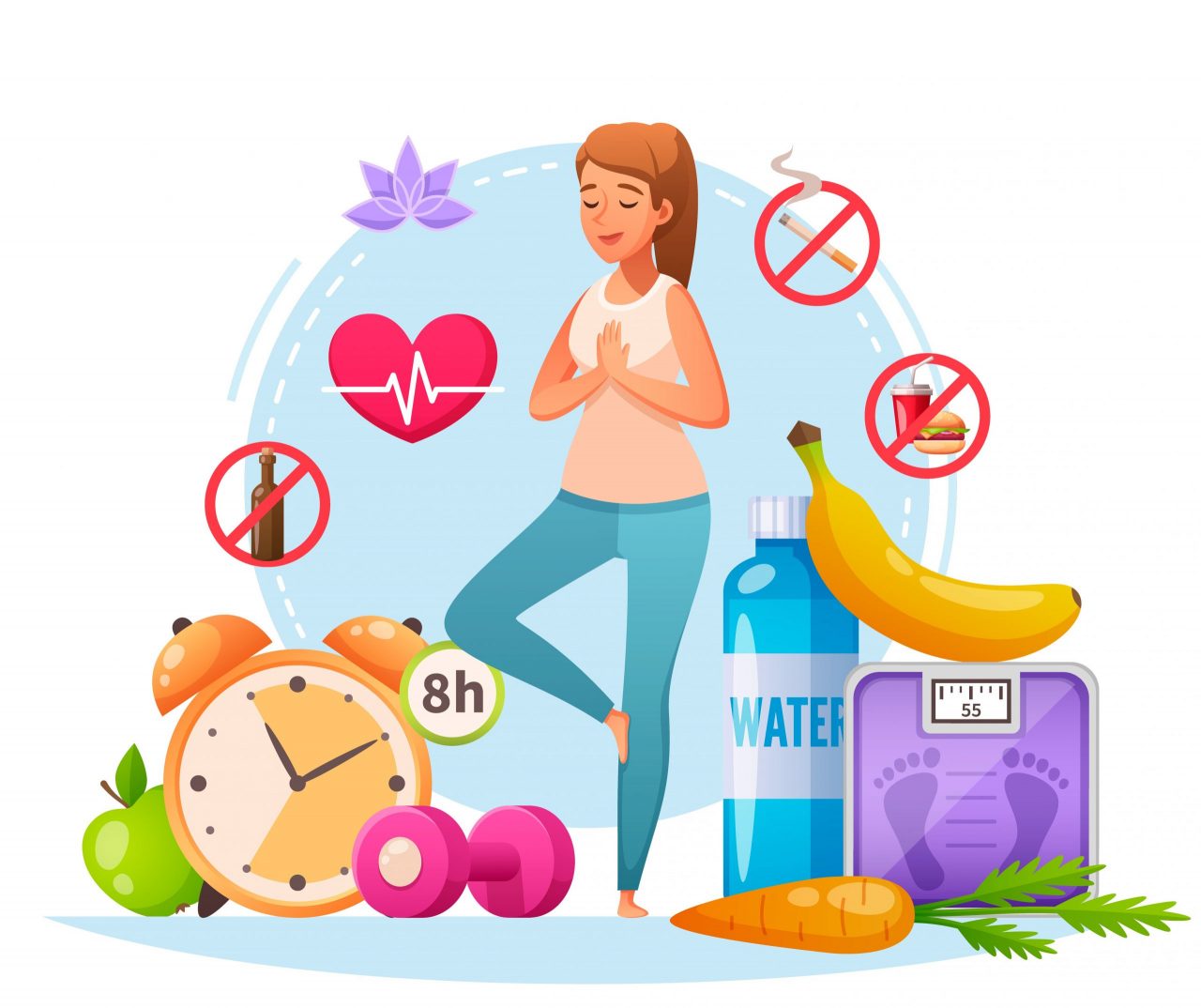
Yoga is not simply a set of exercises but a lifestyle. When practising yoga, asanas and nutrition go hand in hand to improve your quality of life. Your digestive system, immunity and energy levels are directly linked to the food you intake. If there is a problem with any of these, yoga asanas can help resolve it.

Digestion: Not all food is easy to digest. Instead of popping laxatives and antacids after every meal, change the food you’re eating. Citrus fruits and leafy vegetables that are rich in fibre aid digestion and prevent constipation. Some foods like yoghurt, buttermilk are probiotics that support the growth of gut bacteria and keep your stomach healthy. Also include carminatives or foods that prevent the formation of gas like cumin, ginger and oatmeal.

Yogic Asanas such as the Spinal twist, Apanasana and Paschimottanasana can help smoothen the digestive process.


apanasana

Immunity: Eating the right food can help boost your immunity. Citrus fruits are rich sources of vitamin C that directly strengthen the immune system. Herbs like turmeric, ginger and garlic are rich in antioxidants and linked to the prevention of a number of diseases including several types of Cancer. Proteins also help nourish your immune system and hence should not be ignored.

A combination of asanas and yogic breathing techniques can help boost your immunity. Some asanas to try to include Viparita Karani, Bhujangasana, Matsyasana and Adho Mukha Svanasana. These poses help lower stress and boost immunity by pumping rich oxygenated blood to all the parts of the body.

bhujangasana

Energy: The food you eat is turned into glucose to fuel the body and maintain a constant supply of energy. Soy and green leafy vegetables that are rich in iron can effectively boost your energy levels. Fruits like apples, bananas and oranges can also help increase your energy. Yoghurt rich in magnesium does not directly contribute towards the creation of glucose but helps the body release this energy whenever needed.

Yoga asanas help increase blood flow and increase the heart’s capacity to pump blood through the body. A few yoga poses that can boost energy are the camel pose, tree pose and warrior asana.

Relaxation: Sipping on a cup of green tea is a good way to end the day and relax. Other food like honey, milk, celery and oatmeal can also help calm the body and fight off the day’s stress. Apart from being delicious, dark chocolate also releases hormones that ease stress and help relax a person.

image1

Practising yoga breathing techniques like Pranayama can effectively release tension. Supta Baddha Konasana, Viparita Karani and the Supta Matsyendrasana can also help increase energy levels.

We trust that this holistic approach to living well through yoga and good nutrition resonates with you. If you found these insights beneficial and have your own experiences or tips to share, we invite you to do so in the comments section below. For more articles and resources on enhancing your well-being through yoga and nutrition, explore our Healthy Reads. And, if you’re seeking personalised guidance and support on your journey to optimal health, consider subscribing to GOQii’s Personalised Health Coaching here.

#BeTheForce

Disclaimer: The information provided in this blog is for general awareness and educational purposes only. It is not intended to replace professional medical advice, diagnosis, or treatment. Always consult a qualified healthcare provider for personalised medical guidance or concerns related to your health. Images shown are for representation purposes only and may not depict the exact recommendations or outcomes.

March 20, 2025 By GOQii 9 Comments

Does Happiness Affect Our Health? 10 Benefits Of Being Happy

Happiness and HealthHappiness is a wonderful feeling! Whether you associate it with optimism, joy, wellbeing, or personal achievement – or perhaps all of these – it naturally goes hand-in-hand with healthier habits. People who are in good spirits tend to eat better, move more, and sleep more soundly than those who are not. In turn, these healthy habits activate the hormones and neurotransmitters that influence our happiness.



When our mood is low, we’re more likely to skip exercise, indulge in emotional eating, and struggle with sleep.

This International Day of Happiness 2025, we embrace the theme “Caring and Sharing” – a powerful reminder that spreading joy, kindness, and connection not only uplifts others, but also has a profound impact on our own health and wellbeing.

Let’s explore the fascinating ways that happiness can boost your health – and why sharing a smile could make all the difference.

10 Health Benefits Of Being Happy

 1. Smile, Even If You Don’t Feel Like It
Science suggests that when we smile, whether we’re feeling happy or not, our mood improves. Smiling stretches the muscles in our face, triggering the brain to release “happy hormones” that make us feel good and reduce stress. Your smile not only brightens someone else’s day – it lifts your own spirits too.

2. Laughter is Truly the Best Medicine
Laughter helps you exhale more air and inhale more oxygen, purifying the blood and leaving you refreshed and relaxed. It boosts circulation, relieves tension, and even reduces pain. No wonder laughter clubs exist in parks all over the world – people are choosing joy for their health!

3. The Power of Happy Hormones

Our thoughts and emotions translate into chemicals in the body – either promoting healing or contributing to ill health. Let’s meet the “happy hormones”:

  • Endorphins: Natural painkillers – they allow us to push through challenges.
  • Serotonin: Enhances mood, social connection, and emotional stability.
  • Dopamine: Keeps us motivated, focused, and rewarded.
  • Oxytocin: The “love hormone,” strengthening bonds and trust.
  • Estrogen & Progesterone: Help regulate mood, anxiety, and sleep.

4. Stronger Immune System

There’s a link between happiness and stronger immunity. Studies show that happier people respond better to vaccines and have more robust immune responses, protecting them from infections. Chronic stress, on the other hand, weakens our immune defences.

5. A Happier Heart

Happiness is linked to lower heart rate and blood pressure, as well as better heart rate variability (a marker of heart health). Happy people are less prone to coronary heart disease – it’s that simple.

6. Healthier Blood

Happy individuals have lower levels of fibrinogen, a blood protein that causes clotting. High fibrinogen levels increase the risk of heart attacks – keeping stress low and mood high helps maintain healthy circulation.

7. Reduced Aches and Pains

Happiness seems to ease physical discomfort. When we’re in a good mood, our bodies release endorphins that naturally block pain. Chronic conditions like arthritis or muscle tension often feel less severe when we’re happy.

8. Lower Stress Levels

Happiness can help temper the harmful effects of stress. Happier people recover faster from stressful events and have lower levels of cortisol, the stress hormone linked to high blood pressure and Type 2 diabetes.

9. Even Our Genes Respond to Joy

Remarkably, happiness can influence gene expression. People who report greater wellbeing show lower levels of inflammatory gene activity and stronger antiviral responses. Love and happiness activate “growth genes”, promoting healing and resilience.

10. Live Longer, Live Better

Happiness is linked to longevity. Happier people are less likely to experience frailty, mobility issues, or early death. Staying upbeat can keep inflammation in check and help fend off disease.

Mother Teresa, who spent decades caring for the sick and dying, lived until the age of 87 – a testament to how compassion, purpose, and happiness can support lasting health.

Happiness is more than a fleeting emotion – it’s a state of being that nourishes your body, mind, and spirit. And the best part? It grows stronger the more you share it.

This International Day of Happiness, let’s make a conscious effort to care for ourselves and others – through kind words, acts of compassion, and positive connection. When we choose happiness, we create ripples of wellness that touch everyone around us.

💬 How do you practise happiness and share it with others? Let us know in the comments!

#BeTheForce

  • 1
  • 2
  • 3
  • Next Page »

Search

Recent Posts

  • Top 10 Foods For Diabetics: What to Eat to Manage Blood Sugar
  • Why Good Nutrition Before Conception Is Crucial For Your Baby’s Health
  • 6 Tricks To Help You Make Exercise A Habit
  • World Parkinson’s Day 2026: Bridging the Care Gap & Supporting Caregivers
  • Inflammation: The Hidden Fire Behind Most Chronic Disease

Stay Updated

Archives

  • April 2026 (11)
  • March 2026 (18)
  • February 2026 (14)
  • January 2026 (14)
  • December 2025 (19)
  • November 2025 (15)
  • October 2025 (20)
  • September 2025 (6)
  • August 2025 (6)
  • July 2025 (12)
  • June 2025 (18)
  • May 2025 (16)
  • April 2025 (22)
  • March 2025 (28)
  • February 2025 (22)
  • January 2025 (25)
  • December 2024 (22)
  • November 2024 (23)
  • October 2024 (21)
  • September 2024 (23)
  • August 2024 (30)
  • July 2024 (21)
  • June 2024 (25)
  • May 2024 (30)
  • April 2024 (27)
  • March 2024 (27)
  • February 2024 (24)
  • January 2024 (21)
  • December 2023 (14)
  • November 2023 (11)
  • October 2023 (19)
  • September 2023 (22)
  • August 2023 (18)
  • July 2023 (22)
  • June 2023 (23)
  • May 2023 (24)
  • April 2023 (22)
  • March 2023 (23)
  • February 2023 (19)
  • January 2023 (15)
  • December 2022 (11)
  • November 2022 (15)
  • October 2022 (15)
  • September 2022 (12)
  • August 2022 (10)
  • July 2022 (17)
  • June 2022 (11)
  • May 2022 (10)
  • April 2022 (6)
  • March 2022 (6)
  • February 2022 (13)
  • January 2022 (11)
  • December 2021 (7)
  • November 2021 (3)
  • October 2021 (6)
  • September 2021 (3)
  • August 2021 (8)
  • July 2021 (7)
  • June 2021 (15)
  • May 2021 (16)
  • April 2021 (10)
  • March 2021 (7)
  • February 2021 (4)
  • January 2021 (4)
  • December 2020 (3)
  • November 2020 (4)
  • October 2020 (10)
  • September 2020 (3)
  • August 2020 (3)
  • July 2020 (2)
  • June 2020 (4)
  • May 2020 (10)
  • April 2020 (12)
  • March 2020 (10)
  • February 2020 (4)
  • January 2020 (4)
  • December 2019 (3)
  • November 2019 (7)
  • October 2019 (5)
  • September 2019 (4)
  • August 2019 (9)
  • July 2019 (9)
  • June 2019 (11)
  • May 2019 (4)
  • April 2019 (8)
  • March 2019 (8)
  • February 2019 (9)
  • January 2019 (8)
  • December 2018 (9)
  • November 2018 (3)
  • October 2018 (3)
  • September 2018 (5)
  • August 2018 (10)
  • July 2018 (6)
  • June 2018 (13)
  • May 2018 (8)
  • April 2018 (18)
  • March 2018 (9)
  • February 2018 (8)
  • January 2018 (15)
  • December 2017 (12)
  • November 2017 (19)
  • October 2017 (13)
  • September 2017 (15)
  • August 2017 (4)
  • July 2017 (8)
  • June 2017 (7)
  • May 2017 (6)
  • April 2017 (8)
  • March 2017 (6)
  • February 2017 (7)
  • January 2017 (9)
  • December 2016 (10)
  • November 2016 (7)
  • October 2016 (7)
  • September 2016 (7)
  • August 2016 (11)
  • July 2016 (9)
  • June 2016 (9)
  • May 2016 (12)
  • April 2016 (17)
  • March 2016 (17)
  • February 2016 (8)
  • January 2016 (6)
  • December 2015 (2)
  • November 2015 (9)
  • October 2015 (7)
  • September 2015 (9)
  • August 2015 (11)
  • July 2015 (9)
  • June 2015 (11)
  • May 2015 (9)
  • April 2015 (13)
  • March 2015 (8)
  • February 2015 (5)
  • January 2015 (12)
  • December 2014 (14)
  • November 2014 (11)
  • October 2014 (6)
  • September 2014 (13)
  • August 2014 (12)
  • July 2014 (6)
  • June 2014 (2)
  • May 2014 (7)
  • April 2014 (4)

From “Laddu Nawin” to Fit and Fierce: How a 25-Year-Old Insurance Advisor Shed 20 Kilos and Gained His Life Back

When 25-year-old Nawin Yadav from Hyderabad walked into his office every morning, he carried more than just his files and policy papers. He had the weight of fatigue, sluggish energy, and an ever-growing belly that was becoming the butt of jokes. “People … [Read More...]

“I’ve Challenged Myself to Live 100 Years” – The Story of Chandubhai Savani’s Second Chance at Life

At 67, most people start slowing down. Not Chandubhai Savani. A resident of Surat, Chandubhai, thought life was on track. “My life was going well till I had my bypass surgery,” he says. That surgery, back in 2021, was a wake-up call.  Medication was routine, but exercise wasn’t. His diet? What he calls ‘normal.’ “I […]

From Shimla’s Slopes to Chandigarh’s Sidewalks: Surinder Kaur Bhalla’s Journey from Chaos to Control

Some journeys start with a plan. Others begin with a stumble literally. Surinder Bhalla, a government professional, born and raised in the scenic hill town of Shimla, had always lived a life of movement. “In Shimla, you walked everywhere,” she reflects. “Walking was never an exercise. It was just life.” But after shifting to Chandigarh, […]

Ananda Mukherjee Health Story

From Terminal Illness To Complete Wellness! Ananda Mukherjee Health Story

As we observe World Cancer Day under the powerful theme ‘United by Unique’ (2025-2027)**, we are reminded that every individual’s journey with cancer is distinct, yet united by shared resilience, hope, and the collective fight against this disease. This theme places people at the centre of care and their stories at the heart of the […]

  • HOME
  • HEALTHY LIVING
  • FITNESS
  • HEALTHY RECIPES
  • USER STORIES
  • KARMA
  • BUY GOQii

Copyright ©2016 GOQii