GOQii

Blog

  • HOME
  • HEALTHY LIVING
  • FITNESS
  • HEALTHY RECIPES
  • USER STORIES
  • KARMA
  • BUY GOQii

May 7, 2026 By Tabassum Parveen 4 Comments

Beat the Heat With Simple Lifestyle Changes!

lifestyle changes for summerIf you are a kid, summer is the most awaited season of the year because it spells the beginning of long vacations. But as an adult, the scorching summer heat brings a completely different set of worries.

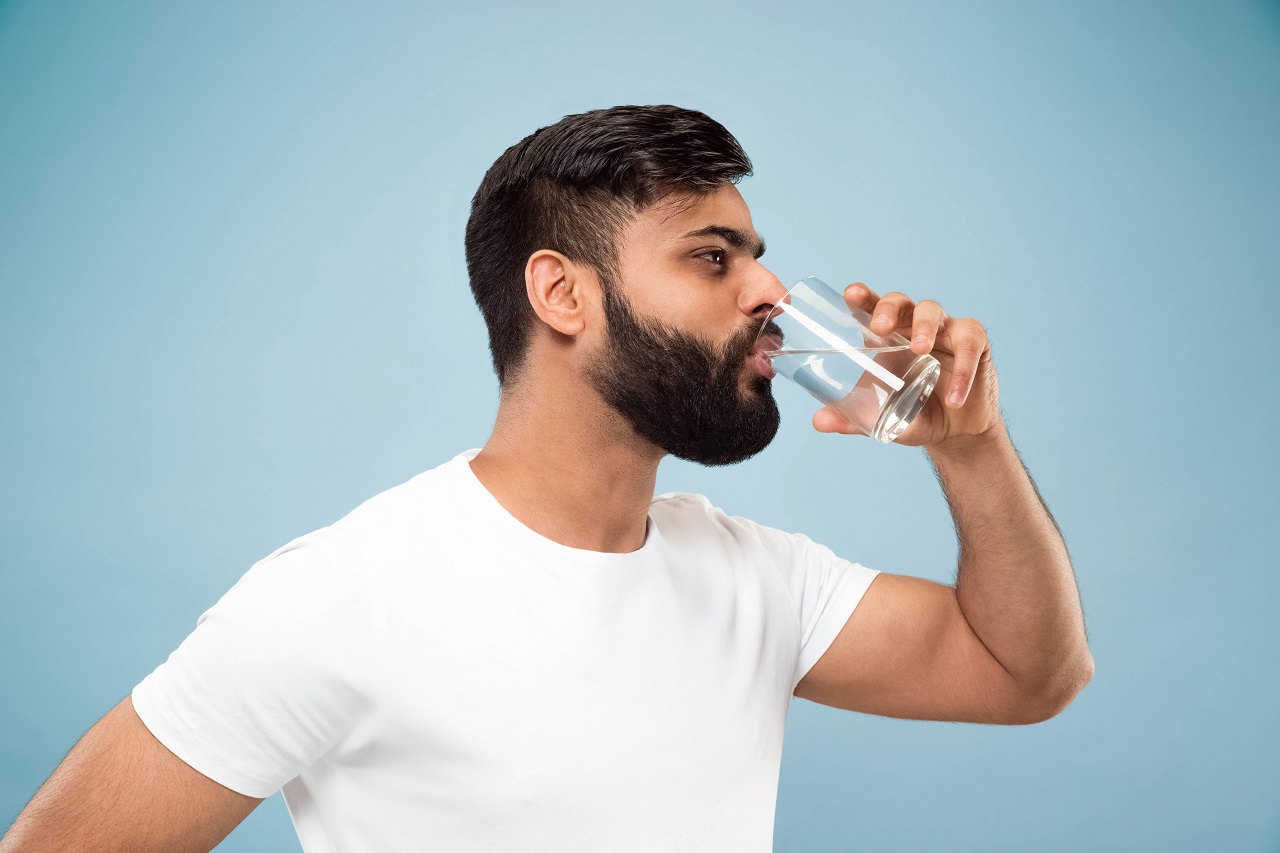
Between commuting to work and managing daily chores, the extreme heat puts you at risk for dehydration, heat exhaustion, and sun damage. However, surviving the summer does not mean you have to stay locked indoors all day.

By understanding how the heat impacts your system and making a few strategic lifestyle adjustments, you can stay cool, energized, and healthy all season long.

What Happens to Your Body During Summer?

Your body works overtime in the heat to maintain its core temperature. When the mercury rises, you might experience:

  • Dehydration: Sweating depletes your body of water and essential electrolytes, which can cause headaches, confusion, dry eyes, heart palpitations, and disrupted sleep.
  • Low Blood Pressure: Heat causes your blood vessels to dilate (expand). Your heart has to work much harder to pump blood throughout the body, which can leave you feeling dizzy or lightheaded.
  • Muscle Cramps & Lethargy: Because your body is utilizing so much energy just to keep your core temperature down, you may feel unusually exhausted or experience muscle spasms.
  • Skin Irritation: Trapped sweat under the skin can lead to heat rashes, prickly heat, and severe itchiness.
  • Nausea & Heatstroke: Prolonged exposure to extreme heat can overwhelm your body’s cooling system, putting dangerous pressure on your cardiovascular system and leading to heat exhaustion.

Fortunately, these issues can be easily avoided by adopting a few simple, daily habits.

4 Lifestyle Tweaks to Stay Cool

  1. Upgrade Your Hydration Strategy

Drinking water is the absolute key to summer health, but plain water is not always enough.

  • Drink at least 2 to 3 liters of fluid a day. Keep a bottle handy and ensure you are drinking water the right way by sipping slowly rather than gulping.
  • Replenish lost electrolytes naturally by opting for fresh fruit juices, sugarcane juice, buttermilk, or coconut water.
  • Pro-Tip: Make your own natural ORS (Oral Rehydration Solution) drink by adding a pinch of salt, a piece of jaggery, basil seeds, and a squeeze of lemon to your water bottle.
  1. Dress for the Weather

Choosing the right clothes will significantly help your body regulate its temperature.

  • Stick to light, breathable fabrics like pure cotton, khadi, or linen, which absorb sweat and allow air to circulate.
  • Opt for light colors that reflect the sun’s rays, and avoid dark colors that absorb and trap heat.
  • Avoid synthetic fabrics like silk, nylon, or polyester, which trap heat against your skin and increase the risk of fungal infections.
  1. Adjust Your Face and Skincare Routine

The sun’s harmful UV rays can cause severe tanning, premature aging, and pigmentation if proper care isn’t taken.

  • Avoid direct sun exposure between 10:00 AM and 4:00 PM, as this is when UV radiation is at its strongest.
  • If you must step out, apply a broad-spectrum sunscreen and wear physical protection like a wide-brimmed hat or sunglasses to maintain healthy, glowing skin.
  • The best time to venture outdoors is early in the morning or late in the evening. Safe sun exposure during these times is actually essential for Vitamin D synthesis, bone strength, and mood regulation!
  1. Be Gentle With Your Hair

Your scalp sweats heavily during the summer, leaving your hair frizzy and dry. While washing your hair every single day might feel refreshing, it actually strips the natural oils from your scalp, resulting in dryness, dandruff, and unwanted hair fall. Wash your hair every alternate day with a mild shampoo, and try massaging your scalp with cooling oils to increase blood flow to the roots.

Foods That Help You Beat the Heat

Your diet plays a massive role in your internal body temperature. Load up on these natural coolants:

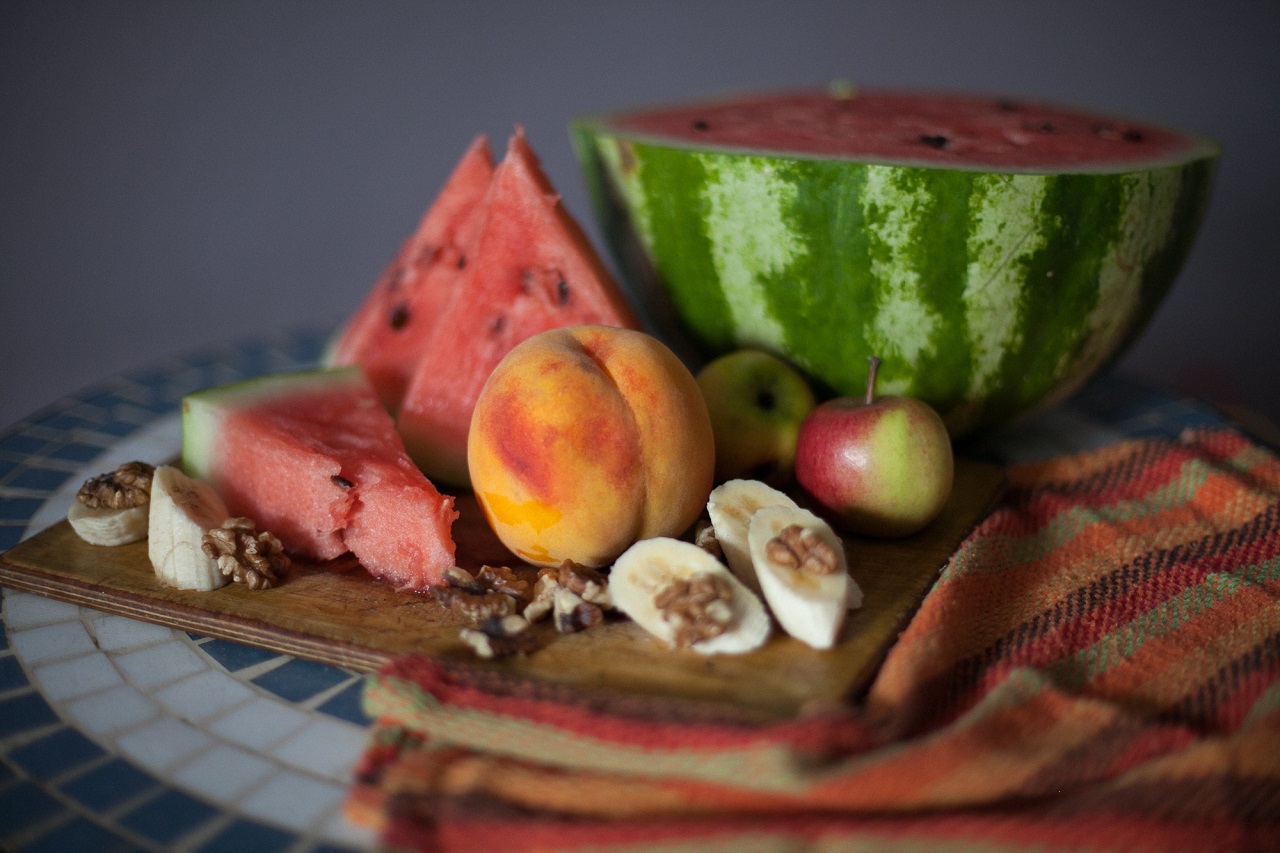
  • Watermelon: Containing over 90% water and rich in Vitamins A and C, it keeps you hydrated and protects your cardiovascular system.
  • Cucumber: Made up of 95% water, cucumbers act as a natural body coolant while delivering essential minerals like potassium and magnesium.
  • Onion: You may have heard the old myth about carrying an onion in your pocket to prevent heatstroke. While keeping it in your pocket won’t do much, eating raw onions definitely helps! Onions contain quercetin, an antioxidant that helps soothe heat rashes and regulates body temperature.
  • Coconut Water: The ultimate summer drink! It is loaded with essential minerals like potassium, calcium, manganese, and magnesium, making it the perfect natural way to stay hydrated and replenish lost electrolytes.
  • Basil Seeds (Sabja): These tiny seeds have a powerful cooling effect on the digestive tract and boast excellent anti-inflammatory properties.
  • Yoghurt & Curd: A strong gut equals strong immunity. Consuming 2-3 servings of yogurt, lassi, or buttermilk cools the stomach and provides healthy probiotics.
  • Barley Water: A glass of barley water with a drop of lemon is an excellent summer coolant and provides a great amount of dietary fiber.

Foods to Avoid During Summer

The scorching heat drastically slows down your digestive system. Give your gut a break by limiting:

  • Heavy Spices: Spices like nutmeg, excessive chilies, ginger, pepper, and cinnamon are “thermogenic” (heat-generating) and can cause stomach upset in the summer.
  • Junk and Deep-Fried Foods: Heavy, oily foods are difficult to digest and increase the risk of indigestion and lethargy.
  • High-Fat Dairy: Limit heavy cheeses or excessive ghee, which can slow digestion and trigger acne breakouts in sweaty weather.
  • Dehydrating Beverages: Limit excessive tea, coffee, and aerated soft drinks. Caffeine acts as a diuretic, which flushes essential water out of your body when you need it most.

Surviving the summer heat is all about working with your body, not against it. By switching to breathable fabrics, prioritizing electrolyte-rich hydration, and choosing water-dense, cooling foods, you can sail through the season feeling fresh and energetic.

Incorporate these changes and you’re all geared to beat the heat this Summer! Get more summer tips here or speak to a GOQii Coach by subscribing for Personalised Health Coaching here.

Frequently Asked Questions (FAQs)

  1. Why do I feel so tired during the summer?
    Lethargy during summer is very common. Your body uses a massive amount of energy trying to regulate its internal core temperature by sweating and dilating blood vessels. Combined with mild dehydration, this energy drain makes you feel sluggish.
  2. Is it bad to drink ice-cold water when coming in from the heat?
    Yes. Chugging ice-cold water when your body temperature is highly elevated can shock your system, cause a sudden sore throat, and disrupt your digestion by constricting blood vessels in the stomach. It is always better to drink cool or room-temperature water.
  3. Does eating raw onion actually prevent heatstroke?
    While carrying an onion in your pocket is a myth, consuming raw onions in salads or meals is highly beneficial in summer. Onions contain quercetin, which acts as a natural antihistamine, and they help cool the body internally while protecting against heat-induced ailments.

#BeTheForce

Disclaimer: This article is intended for educational and informational purposes only and should not be considered a substitute for professional medical advice. If you experience symptoms of severe heat exhaustion or heatstroke such as a lack of sweating, confusion, vomiting, or a rapid pulse seek emergency medical attention immediately.

April 28, 2026 By Aruna Bhatia 4 Comments

Summer Health Hazards You Need To Be Aware Of (And How to Prevent Them)

summer health hazardsIndian summers were always hot, but they are increasingly turning lethal. Studies indicate that average temperatures across many districts in India are projected to rise by two degrees Celsius over the next few decades.

With the heat index climbing, our population is exposed to a much higher risk of seasonal illnesses. Surviving the summer is no longer just about staying indoors; it is about actively managing your body’s response to extreme heat.

Here are the 3 most common summer health hazards you need to watch out for, along with practical ways to prevent and manage them.

  1. Dehydration: The Silent Energy Killer

Dehydration occurs when more water and fluids leave the body (through sweat and urine) than enter it. Because the human body is roughly 75% water, even a slight drop in hydration levels can disrupt your entire system.

  • Symptoms to Watch For: Increased thirst, profound fatigue, blurred vision, sudden headaches, dark-colored urine, and muscle cramps.

How can you prevent it?

  • The Hydration Formula: Always make sure you drink enough water. A good rule of thumb is to drink approximately 35ml per kilogram of your body weight daily during these scorching months.
  • Smart Replenishments: Plain water is great, but replacing lost electrolytes is even better. Opt for coconut water, aloe vera juice, amla juice, vegetable juice, buttermilk (chaas), or sugarcane juice.
  • Dilute Your Sugars: If you are drinking fruit juices or commercial electrolyte drinks, dilute them to half-strength with water to moderate your sugar and salt intake.
  • What to Avoid: Limit drinks containing alcohol or high amounts of caffeine (like strong coffee or energy drinks), as these act as diuretics and actually dehydrate the body further.

2. Heat Stroke: A True Medical Emergency

Heat stroke (or sunstroke) occurs from extreme, prolonged exposure to heat and sunlight. Your body loses its ability to regulate its core temperature, which can spike to dangerous levels in a matter of minutes.

  • Symptoms to Watch For: Dizziness, nausea, a throbbing headache, vomiting, flushed/dry skin (lack of sweating), rapid breathing, and fainting.

How can you prevent it?

  • Dress Smart: Choose lightweight, light-colored, loose-fitting, and breathable cotton clothing.
  • Time Your Outings: Stay indoors during peak sunlight hours (typically 12:00 PM to 4:00 PM). Schedule your outdoor activities or workouts for the early morning or late evening.
  • Pre-Hydrate: Take a good amount of fluids and hydrate well before stepping out into the sun, not just after.
  • Natural Coolants: If you feel mildly overheated, settling teas like chamomile, peppermint, or fennel seeds work wonders. Traditional Indian coolers like Aam Panna are exceptional for rapidly cooling the body and restoring lost electrolytes.

3. Food Poisoning: The Heat Breeds Bacteria

Summer heat drastically raises the risk of food-borne diseases. Food poisoning cases peak during these months because bacteria multiply much faster in warm, humid weather.

  • Symptoms to Watch For: Severe stomach cramps, nausea, vomiting, diarrhea, and a low-grade fever.

How can you prevent it?

  • Mind What You Eat Raw: Eat only freshly cut salads and fruits. Do not consume raw food that has been sitting out in the open for hours at a buffet or street vendor.
  • The 2-Hour Rule: Do not leave cooked food outside for long. Try to refrigerate all leftovers as soon as the steam stops rising from them (ideally within two hours of cooking).
  • Consume Quickly: Make sure you eat only well-cooked food and try to consume it as soon as possible once it’s prepared.

Ample rest, rigorous hydration, eating light, and moving your body safely are your best defenses against summer health hazards. Prevention remains the absolute key, as a lack of awareness is the primary reason these easily preventable hazards turn near-fatal.

Takeaway: Don’t wait until you are thirsty to drink water, avoid the midday sun, and refrigerate your food promptly. A little preparation guarantees a safe and healthy summer!

Want us to cover more seasonal hazards? Did we miss out on your favorite summer health tip? Let us know in the comments below!

Get more summer safety tips here or speak directly to a GOQii Coach by subscribing for Personalised Health Coaching here. 

Frequently Asked Questions (FAQs)

  1. How much water should I drink during the Indian summer?
    While 8 glasses a day is a common baseline, a more accurate formula during extreme heat is to drink approximately 35ml of water per kilogram of your body weight. For example, if you weigh 60 kg, you should aim for at least 2.1 liters of hydrating fluids, increasing this amount if you are sweating heavily outdoors.
  2. What is the difference between heat exhaustion and heat stroke?
    Heat exhaustion is the precursor to a heat stroke and involves heavy sweating, weakness, and a rapid pulse. If left untreated, it progresses to a heat stroke, where the body completely stops sweating, the skin becomes hot and dry, and the person may lose consciousness. Heat stroke is a severe medical emergency requiring immediate hospitalization.
  3. Why is food poisoning more common in the summer?
    Bacteria thrive in warm, moist environments. During the summer, the “danger zone” for food (the temperature range where bacteria multiply fastest) is easily reached if food is left un-refrigerated. Food left on a counter can spoil rapidly, making prompt refrigeration essential.

#BeTheForce 

Disclaimer: The content provided in this blog is for educational and informational purposes only and should not be construed as professional medical advice, diagnosis, or treatment. Heat stroke and severe dehydration are medical emergencies. If you or someone else experiences fainting, extreme confusion, or an inability to keep fluids down, seek emergency medical assistance immediately. Always consult with a qualified healthcare provider for personalized medical advice.

March 22, 2025 By Trupti Hingad 3 Comments

7 Tips To Help You Drink Water The Right Way

7 tips to help you drink water the right way World Water Day 2025 is a timely reminder of the value water holds in our lives—not just globally, but personally. While this year’s theme focuses on glacier preservation, we often overlook a key question: Are we drinking water in the best possible way for our health?



We all know hydration is important. But how you drink water matters just as much as how much you drink. Water is a vital life force—it fuels digestion, flushes out toxins, supports metabolism, and keeps every cell functioning. Yet, many of us are unaware that drinking water incorrectly can impact our health.

How To Drink Water The Right Way 

Let’s explore 7 essential tips to help you hydrate better, smarter, and more mindfully every day.

  1. Sit Down to Drink Water
    When you stand and drink water you upset the balance of fluids in the body and this may lead to more accumulation of fluids in the joints. When you sit and drink, your muscles and nervous system is relaxed and you absorb it nicely. Also, kidney pace of filtration is good when you sit and drink water
  2. Sip, Don’t Gulp Large Quantities
    Avoid drinking large amounts of water in one go. Gulping too much too quickly can block air intake into your lungs and put undue pressure on your heart and lungs. Instead, sip water slowly throughout the day—this helps your body absorb and utilise it more effectively.
  3. Avoid Ice-Cold Water
    Cold or chilled water may feel refreshing, but it disrupts digestion by cooling the internal fire needed to digest food properly. Cold water also reduces blood flow to various organs and can lead to issues like constipation. Try to drink room temperature or warm water instead—it aids digestion, supports metabolism, and even helps control cholesterol levels.
  4. Listen to Your Body’s Thirst Cues
    Your body is smart—it tells you when it’s low on water. Dark yellow urine, dry lips, dry tongue, and persistent fatigue are signs of dehydration. Clear or pale urine means you’re well-hydrated. Pay attention to these signs and hydrate accordingly.
  5. Start Your Day with Water
    Drinking a glass of water first thing in the morning helps flush out toxins and cleanses your digestive system. It supports smoother bowel movements and kickstarts your metabolism—setting a healthy tone for the rest of the day.
  6. Store Water the Right Way
    Traditionally, water stored in copper or silver vessels is believed to balance the body’s energies by positively charging the water. Copper is known for its antioxidant and antibacterial properties, while silver is believed to have a cooling effect on the digestive system.While copper and silver vessels might not be common everywhere, you can opt for glass or stainless steel bottles as safe and eco-friendly alternatives to plastic. These options are free from harmful chemicals like BPA and help maintain the water’s purity.
  7. Drinking Water Isn’t Just to Quench Thirst
    Water is essential for replenishing lost minerals and salts, especially after sweating or physical activity. It hydrates muscles and joints, supports digestion, maintains fluid balance, and prevents acidity. Make water a daily habit of recovery and rejuvenation, not just a thirst response.

Drinking water the right way is about more than just hitting your daily quota. By being mindful of how and when you drink water—and how you store it—you can improve digestion, boost energy, and support overall well-being.

Let this World Water Day inspire a renewed appreciation for water—not only as a global resource but as a vital part of our personal health.

💧 How do you ensure you stay hydrated daily? Share your tips in the comments below!

#BeTheForce

Disclaimer: The information provided in this blog is for general awareness and educational purposes only. It is not intended to replace professional medical advice, diagnosis, or treatment. Always consult a qualified healthcare provider for personalised medical guidance or concerns related to your health.

January 22, 2025 By Suvarna Bhandare Leave a Comment

Effective Tips That Help Relieve Constipation

constipationBefore we dive into the foods that can help you relieve constipation, it is necessary to understand the factors contributing to this condition. Constipation, in simple terms, is the inability to empty the by-products or waste matter of digestion from the colon due to peristalsis – a process in which muscles in the intestine contract and relax to create a wave-like motion. As food passes through the colon (large intestine), water gets absorbed, and the remaining matter forms stool.

Constipation is not a disease but may or may not be a symptom of other underlying conditions. It is a very common complaint, especially where:

  • The diet is low in fibre
  • There is improper food sequencing and combining
  • Mucus-forming foods are consumed in excess
  • There is lack of exercise
  • Hydration levels are low
  • A sedentary lifestyle is followed
  • Processed foods are consumed in high amounts
  • During Pregnancy
  • Stress or emotional eating is prevalent
  • There is delay in using the bathroom when the urge is felt
  • Western toilets are used as opposed to Indian ones

When is constipation experienced?

  • Stools are painful or difficult to pass
  • Stools are hard and dry
  • There is a feeling of incomplete emptying
  • Fewer than 3 bowel movements occur in a week

Having 1-3 bowel movements in a day or after a meal is considered normal. Just remember that the frequency of bowel movements is not the only aspect to consider. Other important points are:

  • Bowel movements shouldn’t be uncomfortable
  • There should be no blood in the stools
  • Stools should not be black or tarry in appearance

Diet and Constipation 

It is proven that what we put into our body has a lot to do with how it comes out. The foods listed below can help prevent or treat constipation:

1. Dietary Fibre:

Fibre is simply the indigestible part of plants. It’s also known as roughage and adds bulk to waste matter. It exists in two types:

  • Soluble Fibre: This type of fibre dissolves and is broken down in the colon, forming a gel-like substance.
  • Insoluble Fibre: This type doesn’t dissolve or break down during digestion. Its main function is to add bulk and make the final stage of digestion easier.

Both types of fibre are essential for treating constipation and are found in almost all plant foods. Besides aiding in easy bowel movements, fibre also helps maintain blood sugar levels, lower cholesterol, and support weight management.

2. Hydration:

Hydration plays an extremely important role in managing constipation. It helps form softer stools and makes transit easier. At least 2-2.5 litres of fluid per day is recommended. Consuming high water-content fruits and veggies also helps.

Foods That Help Relieve Constipation

  1. Fruits: All fruits are good sources of fibre but there are a few sources which have proven to give amazing results, such as apple, pear, papaya, melons, guava, figs, plums, peaches, kiwi, dragon fruit, citrus fruits, berries.
  2. Dried Fruits: But be sure to avoid sugar dipped or coated variants. 
  3. Veggies: Fill your plate with greens. One of the best strategies to keep your digestive system healthy is including lots of fresh and seasonal veggies. Along with a good dose of fibre, they provide other nutrients as well. Add veggies such as spinach, kale, broccoli, lettuce, carrots, cucumbers, sweet potato, peas, corn, asparagus,  green beans, etc. 
  4. Grains and Millets: such as brown rice, oats, quinoa, barley, jowar, bajra combined with veggies are a great option.
  5. Beans and Pulses: such as chickpeas, lentils. Hummus is a good option to have during constipation.
  6. Nuts and Seeds: such as walnuts, almonds, brazil nuts, chia seeds (either soaked in water or over salads and smoothies), flax seeds (sprinkle over salads/smoothies or just consume it in powdered form), fennel seeds (Just chew after meals or can also be boiled with water or in the form of tea)

Additional Tips To Manage Constipation

  • Eat a well balanced diet. Pay attention to DDR – Daily Diet Routine – Meal timings, foods that you choose and portion size.
  • Fill your plate with colourful and seasonal fruits and veggies. They also provide a good amount of micronutrients.
  • Add an adequate amount of fibre in your meals. Choose salads, smoothies and soups. A bowl of papaya with chia or flax seeds proves to be an excellent way of adding fibre to your meals.
  • Keep a check on hydration levels. Lime water, coconut water, herbal and green teas, sugarcane juice, soups, veggie juices works good for increasing total fluid content.
  • Exercise is a must. Make it a part of your routine.
  • Junk and processed foods can upset your stomach so keep them at bay.
  • Limit the consumption of caffeine rich drinks.
  • Avoid emotional eating. 

We hope this article helps you! Do share it and leave your thoughts in the comments below. You can find more articles like this on Gut Health here. If you want expert advice or further guidance on improving digestive or gut health, speak to a GOQii Coach by subscribing for Personalised Health Coaching here.

#BeTheForce 

  • 1
  • 2
  • Next Page »

Search

Recent Posts

  • Eat Healthy At Work: Quick & Easy Snacks You Can Eat In The Office
  • The Great Summer Mango Debate: Can You Eat Mangoes While Trying to Lose Weight?
  • Metabolic Flexibility: Why Your Body Struggles to Burn Fat Efficiently
  • Mental Health Awareness Week 2026: Small Actions, Real Change
  • Mother’s Day 2026: 5 Meaningful Ways to Give the Gift of Health

Stay Updated

Archives

  • May 2026 (13)
  • April 2026 (24)
  • March 2026 (18)
  • February 2026 (14)
  • January 2026 (14)
  • December 2025 (19)
  • November 2025 (15)
  • October 2025 (20)
  • September 2025 (6)
  • August 2025 (6)
  • July 2025 (12)
  • June 2025 (18)
  • May 2025 (16)
  • April 2025 (22)
  • March 2025 (27)
  • February 2025 (21)
  • January 2025 (25)
  • December 2024 (22)
  • November 2024 (23)
  • October 2024 (21)
  • September 2024 (23)
  • August 2024 (30)
  • July 2024 (21)
  • June 2024 (25)
  • May 2024 (28)
  • April 2024 (27)
  • March 2024 (27)
  • February 2024 (24)
  • January 2024 (21)
  • December 2023 (14)
  • November 2023 (10)
  • October 2023 (19)
  • September 2023 (22)
  • August 2023 (18)
  • July 2023 (22)
  • June 2023 (23)
  • May 2023 (22)
  • April 2023 (19)
  • March 2023 (23)
  • February 2023 (19)
  • January 2023 (15)
  • December 2022 (11)
  • November 2022 (15)
  • October 2022 (15)
  • September 2022 (12)
  • August 2022 (10)
  • July 2022 (17)
  • June 2022 (11)
  • May 2022 (10)
  • April 2022 (6)
  • March 2022 (6)
  • February 2022 (13)
  • January 2022 (11)
  • December 2021 (7)
  • November 2021 (3)
  • October 2021 (6)
  • September 2021 (3)
  • August 2021 (8)
  • July 2021 (7)
  • June 2021 (15)
  • May 2021 (16)
  • April 2021 (10)
  • March 2021 (7)
  • February 2021 (4)
  • January 2021 (4)
  • December 2020 (3)
  • November 2020 (4)
  • October 2020 (10)
  • September 2020 (3)
  • August 2020 (3)
  • July 2020 (2)
  • June 2020 (4)
  • May 2020 (10)
  • April 2020 (12)
  • March 2020 (10)
  • February 2020 (4)
  • January 2020 (4)
  • December 2019 (3)
  • November 2019 (7)
  • October 2019 (5)
  • September 2019 (4)
  • August 2019 (9)
  • July 2019 (9)
  • June 2019 (11)
  • May 2019 (4)
  • April 2019 (8)
  • March 2019 (8)
  • February 2019 (9)
  • January 2019 (8)
  • December 2018 (9)
  • November 2018 (3)
  • October 2018 (3)
  • September 2018 (5)
  • August 2018 (10)
  • July 2018 (6)
  • June 2018 (13)
  • May 2018 (8)
  • April 2018 (18)
  • March 2018 (9)
  • February 2018 (8)
  • January 2018 (15)
  • December 2017 (12)
  • November 2017 (19)
  • October 2017 (13)
  • September 2017 (15)
  • August 2017 (4)
  • July 2017 (8)
  • June 2017 (7)
  • May 2017 (6)
  • April 2017 (8)
  • March 2017 (6)
  • February 2017 (7)
  • January 2017 (9)
  • December 2016 (10)
  • November 2016 (7)
  • October 2016 (7)
  • September 2016 (7)
  • August 2016 (11)
  • July 2016 (9)
  • June 2016 (9)
  • May 2016 (12)
  • April 2016 (17)
  • March 2016 (17)
  • February 2016 (8)
  • January 2016 (6)
  • December 2015 (2)
  • November 2015 (9)
  • October 2015 (7)
  • September 2015 (9)
  • August 2015 (11)
  • July 2015 (9)
  • June 2015 (11)
  • May 2015 (9)
  • April 2015 (13)
  • March 2015 (8)
  • February 2015 (5)
  • January 2015 (12)
  • December 2014 (14)
  • November 2014 (11)
  • October 2014 (6)
  • September 2014 (13)
  • August 2014 (12)
  • July 2014 (6)
  • June 2014 (2)
  • May 2014 (7)
  • April 2014 (4)

From “Laddu Nawin” to Fit and Fierce: How a 25-Year-Old Insurance Advisor Shed 20 Kilos and Gained His Life Back

When 25-year-old Nawin Yadav from Hyderabad walked into his office every morning, he carried more than just his files and policy papers. He had the weight of fatigue, sluggish energy, and an ever-growing belly that was becoming the butt of jokes. “People … [Read More...]

“I’ve Challenged Myself to Live 100 Years” – The Story of Chandubhai Savani’s Second Chance at Life

At 67, most people start slowing down. Not Chandubhai Savani. A resident of Surat, Chandubhai, thought life was on track. “My life was going well till I had my bypass surgery,” he says. That surgery, back in 2021, was a wake-up call.  Medication was routine, but exercise wasn’t. His diet? What he calls ‘normal.’ “I […]

From Shimla’s Slopes to Chandigarh’s Sidewalks: Surinder Kaur Bhalla’s Journey from Chaos to Control

Some journeys start with a plan. Others begin with a stumble literally. Surinder Bhalla, a government professional, born and raised in the scenic hill town of Shimla, had always lived a life of movement. “In Shimla, you walked everywhere,” she reflects. “Walking was never an exercise. It was just life.” But after shifting to Chandigarh, […]

Ananda Mukherjee Health Story

From Terminal Illness To Complete Wellness! Ananda Mukherjee Health Story

As we observe World Cancer Day under the powerful theme ‘United by Unique’ (2025-2027)**, we are reminded that every individual’s journey with cancer is distinct, yet united by shared resilience, hope, and the collective fight against this disease. This theme places people at the centre of care and their stories at the heart of the […]

  • HOME
  • HEALTHY LIVING
  • FITNESS
  • HEALTHY RECIPES
  • USER STORIES
  • KARMA
  • BUY GOQii

Copyright ©2016 GOQii