GOQii

Blog

  • HOME
  • HEALTHY LIVING
  • FITNESS
  • HEALTHY RECIPES
  • USER STORIES
  • KARMA
  • BUY GOQii

March 11, 2026 By Luke Coutinho 9 Comments

Caution: Smoking is Injurious to health!!

No Smoking

With No Smoking Day upon us, there is no better time to evaluate the true impact of this habit. We are all incredibly familiar with this warning. Research consistently indicates that smoking is the number one cause of preventable death globally. By now, most of us are acutely aware of the severe toll it takes on the body.
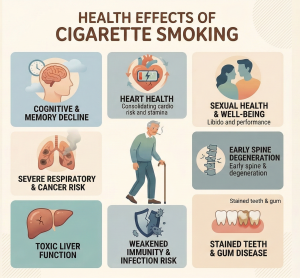
Chronic smoking is directly linked to:

  • Cardiovascular disease
  • Impotence, lack of sexual desire, and inability to perform
  • Various forms of cancer
  • A weakened immune system
  • Severely stained teeth
  • Early degeneration of bones (especially the spine)
  • Reduced lung function and capacity
  • Liver toxicity
  • Reduced stamina and endurance
  • Premature aging

Besides the above, there are several benefits of kicking the butt, apart from of course saving loads of money and time.

Interesting fact: 75% to 85% of smokers want to quit, but simply don’t know how, or find the withdrawal process too daunting.

One of the main reasons it is so hard to stop is because the dangers of continuing, and the benefits of quitting, seem very far away. However, your body begins to heal almost instantly.

The Healing Timeline: What Happens Right Now?

Here is a timeline detailing the immediate and long-term effects of quitting smoking, showing exactly how your body recovers minute by minute, and year by year.

  • In 20 minutes: Your blood pressure and heart rate will drop back down to normal levels.
  • In 8 hours: The carbon monoxide (a toxic gas) levels in your bloodstream will drop by half. Oxygen levels will return to normal, and your metabolism will begin to stabilize.
  • In 48 hours: Your chances of having a heart attack will have already decreased. All nicotine will have left your body. You will also notice your sense of taste and smell returning to normal levels.
  • In 72 hours: Your bronchial tubes will relax. You will notice an increase in your energy levels and lung volume.
  • In 2 weeks: Your blood circulation will increase, and it will continue to improve over the next 10 weeks.
  • In 3 to 9 months: Coughs, wheezing, and breathing problems will dissipate as your lung capacity improves by an impressive 10%.
  • In 1 year: Your risk of suffering a heart attack will have dropped by half compared to a smoker.
  • In 5 years: Your risk of having a stroke returns to that of a non-smoker.
  • In 10 years: Your risk of developing lung cancer will have dropped to that of a non-smoker.
  • In 15 years: Your overall risk of a heart attack will have entirely returned to that of someone who has never smoked.

You have far more immediate benefits to look forward to than you might realize. The healing starts the moment you put out your last cigarette. Make this No Smoking Day the day you finally kick the habit. Quit now!

Nutritional Support for Smokers

If you are currently smoking or in the process of quitting, nutritional support is vital. Smokers should ensure they take Vitamin C regularly, as smoking heavily depletes the body’s natural levels of this crucial antioxidant. Additionally, regular consumption of Curcumin (turmeric extract) is known to help clear nicotine patches from the lungs and is widely studied for its role in possible cancer prevention.

#BeTheForce

Disclaimer: GOQii is committed to providing accurate, up-to-date, and comprehensive health information. This article is intended for informational purposes only and should not be used as a substitute for professional medical advice, diagnosis, or treatment. Always consult a qualified healthcare professional before starting or changing any medication or supplement. Individual responses to treatment may vary.

December 4, 2025 By Mohammed Tufail Qureshi 4 Comments

Get children active and keep them healthy

GET CHILDREN ACTIVE AND KEEP THEM HEALTHYBeing physically fit has many benefits. This is not true of adults alone but also true for children. I remember as a child I would love to play in the outdoors. Every day my friends and I would spend at least an hour playing all kinds of games from football to cricket to various other physically taxing games. But, today its sad that we hardly see kids playing in the outdoors.
Children of today’s generation are born with technology gadgets around them and by the time they are 5-6 years of age they are so hooked to these gadgets such as Ipads or laptop or mobile phone etc. Most are gaming addicts and are interested in indoor and cyber games than playing in the outdoors.

But, sitting at home in front of the computer or playing on the Ipad or mobile phone is not good for children. These have a bad effect on the child’s physical strength, growth and fitness. Children should play in the outdoors and exert themselves in physical activities for at least an hour (60 minutes) daily. This is the minimum that a parent should see to it that the child follows. And, you’ll soon discover all the easy and enjoyable ways to help your child meet this regime. Encourage your child to participate in activities that are age-appropriate, enjoyable and offer variety!

Three types of physical activities are very important that every child must follow

1. Aerobic Activity
Aerobic activity should make up for most of your child’s 60 or more minutes of physical activity each day. This can include either moderate-intensity aerobic activity, such as brisk walking, or vigorous-intensity activity, such as running. Be sure to include vigorous-intensity aerobic activity at least 3 days per week.

2. Muscle Strengthening
Include muscle strengthening activities, such as gymnastics or push-ups, at least 3 days a week as part of your child’s 60 or more minutes.

3. Bone Strengthening
Bone-strengthening activities include jumping rope or running, at least 3 days a week as part of your child’s 60 or more minutes activities in the outdoors.

 Tips to help kids get active

** Encourage walking to school and getting active as a family

** Get them to cycle or run instead of getting a ride

** Ask them to walk the dog with you

** Have them carry the groceries from the market

** Encourage them to dance to their favourite music

** Replace computer and TV time with something active

** Build active opportunities into daily classroom routines and encourage students to join a school sport team

** Take kids to the playground or to the park to play

** Reduce screen time

This will help them to achieve the physical fitness and stay fit which will help them throughout their life.

We hope these tips on promoting physical activity and health among children prove valuable for both you and your child. If you found this information helpful, we’d love to hear your thoughts in the comments below. To explore more insights on children’s health, check out Healthy Reads or for further information or guidance, reach out to our certified experts by subscribing to GOQii’s Personalised Health Coaching here.

#BeTheForce

Disclaimer: The information provided in this blog is for general awareness and educational purposes only. It is not intended to replace professional medical advice, diagnosis, or treatment. Always consult a qualified healthcare provider for personalised medical guidance or concerns related to your health. Images shown are for representation purposes only and may not depict the exact recommendations or outcomes.

March 1, 2025 By Dr Ashwin Nanda 2 Comments

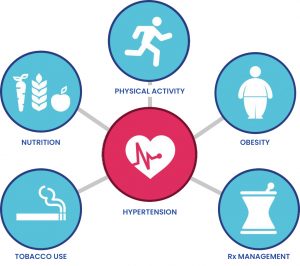
Tension or HYPERTENSION

hypertensionI can’t count how many times in my 12 years of medical practice a patient with just a headache has eventually been diagnosed with high blood pressure (hypertension). Whenever a patient complains of a headache, I always make it a point to check their blood pressure (BP), as it is a very common symptom of fluctuating BP. This often presents around the temples but can also be felt at the back of the head (occipital region).
What is Blood Pressure?

The pressure exerted by the column of blood flowing in the arteries once it has been pumped by the heart is called systolic (higher value) blood pressure. Diastolic (lower value) BP refers to the resistance in the arteries, which is always present due to their elastic tone.

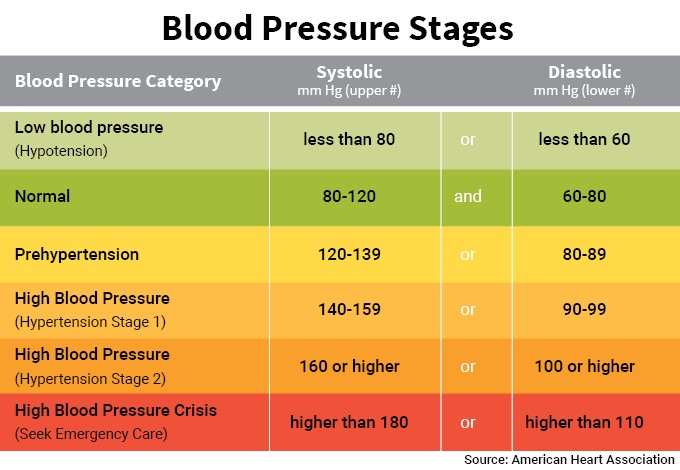
Blood Pressure Categories:

  • Normal: Up to 120/80 mmHg
  • Pre-Hypertensive: 130/90 to 140/90 mmHg
  • Hypertension: Above 140/90 mmHg

A person is diagnosed with high BP if three readings taken on separate days are consistently high.

BP - HypertensionSigns & Symptoms of Hypertension

If I have to look for signs of high BP, these symptoms should raise suspicion

  1. Headache
  2. Feeling of tiredness.
  3. Difficulty breathing
  4. Heaviness in the eyes / blurred vision.
  5. Irritability
  6. Severe cases: Heart attack or haemorrhagic stroke

What Causes High BP?

High BP is common in adults over 50 but is increasingly being diagnosed in younger people due to poor lifestyle choices, such as:

  • Lack of sleep—Irregular sleep cycles disrupt the circadian rhythm.
  • High salt intake—Excess salt from processed foods, snacks, pickles, and sauces.
  • Smoking—Nicotine constricts blood vessels, increasing BP.
  • Obesity—Being overweight adds strain to the heart.
  • Lack of exercise—Sedentary lifestyle leads to poor heart health.
  • Stress—From chaotic city traffic, financial strain, and work pressure.
  • Other Causes: BP can also rise due to secondary conditions like thyroid disorders and narrowing of arteries supplying the kidneys (Renal Artery Stenosis).

Why is it Important to Maintain Normal BP?

Persistently high BP damages the internal lining of blood vessels, gradually affecting the brain, kidneys, and eyes. This can lead to serious complications such as:

  • Stroke (brain damage due to reduced blood flow)
  • Kidney failure
  • Hypertensive retinopathy (damage to the eyes)

All of these complications can be prevented by keeping BP within the normal range.

Managing High BP Naturally

Since lifestyle choices are the single most important factor in controlling BP, here’s how you can manage hypertension without medication:

  • Sleep Better:
    • Aim to sleep by 11 PM and wake up by 6-7 AM to regulate your circadian rhythm.
    • Avoid using screens before bedtime to improve sleep quality.
  • Diet Adjustments:
    • Reduce salty foods such as crisps, salted nuts, pickles, and processed sauces.
    • Eat more potassium-rich foods like bananas, spinach, and lentils.
  • Exercise Regularly:
    • Engage in 45 minutes of brisk walking, 30 minutes of swimming or cycling, or 30 minutes of aerobics at least 5 days a week.
    • Strength training also helps improve circulation and heart health.
  • Manage Your Weight: 
    • If overweight, aim to lose 1-2 kg per month until you reach a healthy BMI (Body Mass Index) of 25.
  • Reduce Stress: 
    • Practise deep breathing or meditation daily.
    • Set realistic personal and professional goals to avoid unnecessary stress.
  • Stay Socially Connected:
    • Engage in social activities and maintain a healthy support system. A positive social life can improve mental health and reduce stress-induced BP spikes.

When to Consider Medication?

If lifestyle modifications do not lower BP within 6 months, it’s time to consult a doctor to explore medical options.

Additionally, if hypertension is caused by an underlying condition (such as thyroid disease or renal artery stenosis), treating the root cause can help normalise BP.

Even the word HyperTENSION (high BP) has ‘TENSION’ in it! Managing stress and adopting healthier lifestyle choices can significantly improve your heart health.

Have you successfully managed your BP through lifestyle changes? Share your experiences in the comments below!

#BeTheForce

Disclaimer: The information provided in this blog is for general awareness and educational purposes only. It is not intended to replace professional medical advice, diagnosis, or treatment. Always consult a qualified healthcare provider for personalised medical guidance or concerns related to your health.

June 15, 2024 By Geetika Patni 7 Comments

Mindful eating: Control portions and be wise! – Part 3


portion-control-plate

In my previous two blogs, I discussed the concept of Mindful Eating and the harmful effects of Mindless Eating. In my second blog, I explained why eating slowly is crucial to enjoy your meal fully (check it out here). Today, continuing this 5-part series on Mindful Eating, I will take you through portion control and why it is a must.

Appetite is complex and dieting is a challenge.

With every passing year, it gets more harrowing. We end up blaming the food industry, which has, over the years, increased portions per package and per serving size by whopping 2-7 times than the recommended value. Most of these take-away food products and dishes don’t fit in a healthy eating plan.

Mindful eating is the key to fix this chaos. When we can’t change anyone else (i.e. food industry), we can still change ourselves.

The art of being in present when you are eating your food is termed as Mindful Eating. Eating mindfully has tremendous benefits – you really learn to taste food and realize your real favourites and dislike, thus knowing what foods best fuel your exercise, work and leisure. If you enjoy eating or your food experience, you tend to enjoy life better. The by-product of this mindfulness is also a healthy weight loss and maintenance, and even the reversal of lifestyle disorders.

Among the many advantages of this healthy practice, my favourite one is learning to eat when hungry and stop when full, avoiding overeating at any given time. I have maintained my weight for years by effectively practicing portion control.

This is difficult, yet the easiest way to lose weight, keep it off, and moreover, it’s a lifestyle change – something that can change this whole obesity epidemic. We all struggle with food. This may be the solution to eating our favourite food, yet controlling the portions and being fair to our bodies.

portion-control-1

Portion control is easily achieved when you slow down your pace of eating. When you eat slowly, you become aware of when your stomach gets full and you also know how much to serve yourself and when to stop. Portion size and eating speed can be well explained through the famous ‘French Paradox’ which says that despite high intake of calorie-rich and fatty foods in France as compared to the US, the incidence of heart disease and overweight is relatively low in France.

It is well-documented fact that the French eat much slower than the Americans, thus ending up taking smaller portions. Sensible eating, therefore, works miraculously for the weight-watchers.

In this blog, I am sharing some good tricks and hacks that will help you prevent overeating and eliminate the need to diet ever.

When you first go through the list, pick up only 2 tasks which you can practice as your healthy habits. As you succeed, take up new ones gradually and implement them consistently to build in mindful eating approach for life.

portion-control1

Here’s how to practice portion control- 

      A) At home or for your regular eating

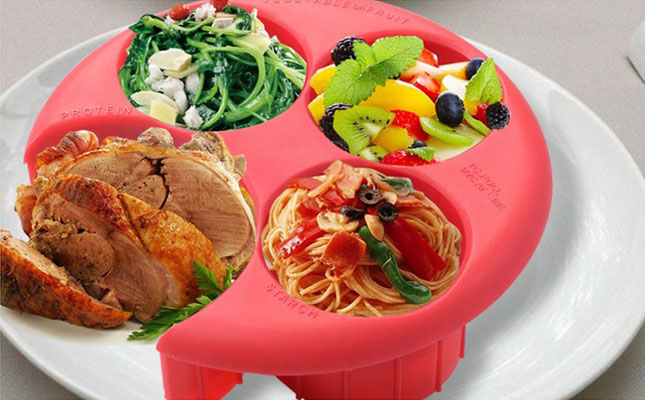
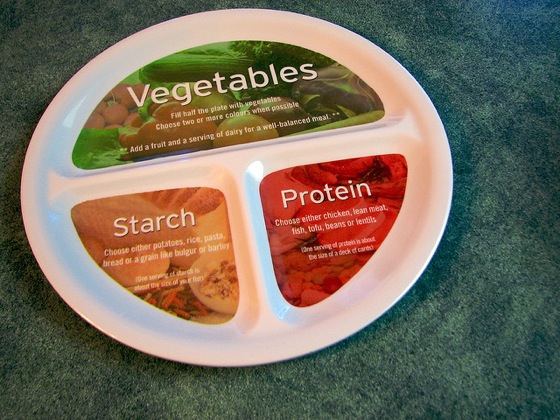
  1. Replace your food plates with smaller plates or use a side plate as your main plate. The food portion has grown bigger, and by choosing a small plate (law of size-metrics), you will reduce your consumption.
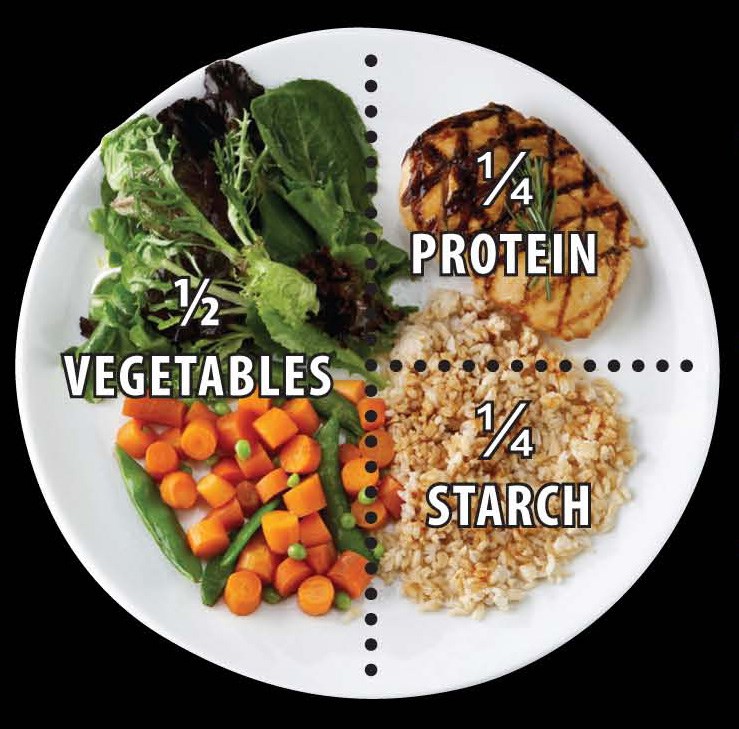
  1. Serve backwards – visualize your plate has 2 compartments. First fill up one half of it with veggies, both raw and cooked, and then serve other half of your plate with a portion of proteins (dal/curd) and carbs (rice/roti) combined. Eating veggies make you feel full, so serving it first on your plate and eating in larger portion quickly drives up the fullness quotient.
  1. Sit Down to eat- even if it is a snack. You are making your meal more organized by sitting down when dining, and this habit will prevent on-the-go munching that you may be unknowingly overdoing.
  • Deep breathe before you start your meal. This works as ‘ringing the bell’ –bringing your attention to your next to-do task, which is feeding yourself. Gently inhale through your nose, filling your chest with air, drawing your shoulder upwards, and exhale through your mouth for a little longer. Now take your first bite or sip.
  • Dine! Don’t multitask- Eating while watching TV or while fiddling with your cell phone will distract you from your meal. And distraction will lead to over consumption. Put away all gadgets while eating and you’ll be surprised that going back to your smart phone after 20 minutes is so refreshing. Plus, the added bonus of having a satisfying meal.
  • Have liquid first – A glass of water or a bowl of healthy soup. Starting your meal with fluids will fill up your belly to prevent over eating. It will irrigate the lining of your digestive tract, making your meals easier to flow down, and, probably quench your thirst, which may be the real reason behind your rumbling belly.
  • Eat slowly – to finish a meal in no less than 20 minutes. You may realize you don’t need the second helping if you eat your meals slowly.
  • Get Smart with leftovers – Because no one is judging how clean your plate is. If you are done with dinner, don’t stuff yourself just so that you don’t have to pack up the remaining food. Wrapping up remaining food is a smart way (as leftovers taste better too!) or downsizing your cooking is another idea to prevent over consumption.
  • Snack from a bowl– and not from a bag or box. You may end up eating 50% more if the snack you are having is hidden from your view. Pour a serving in a bowl and then munch.

portion-control

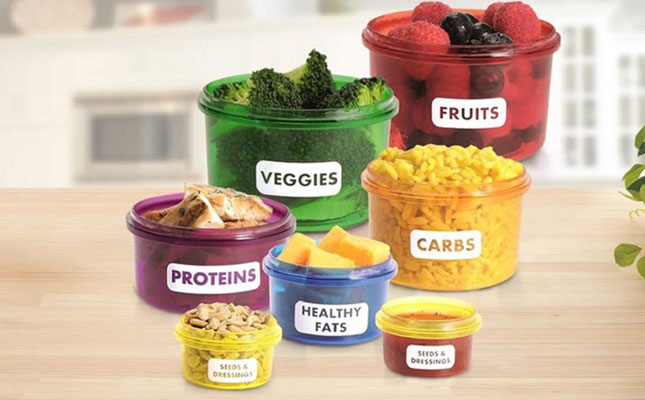
If you buy a bag of trail mix that reads 10 servings, divide the contents of the bag into 10 smaller bags or label it bold – ‘to be finished in 10 attempts’.

  • Out of sight-out of mouth – Keep tempting treats like chips, cookies, candies, and ice creams out of sight – high up in the kitchen cabinet or in the back line of the pantry shelf. Putting a fruit bowl, dark chocolate, dates, and nuts in the front row and within reach easily gets you to practice snacking.
  • Follow IN/OUT rule – When at home, the rule is to eat nutritious, balanced, and wholesome meals, avoiding all treats (White Sugar/breads/pasta/creamy desserts, and fried foods). When outside treat yourself to your favourite delicacies (but in moderation, lest you slip down the slope). This way you will be able to eat super healthy most of the time, and the occasional indulgences will soothe your soul.

Here are few suggestions to practice portion control outside home

When dining out –

  • Plan Ahead – Right when you start from home, put up a portion in head- “I’ll have only 2 glass of wine today”, “I’ll eat only 1 plate of pasta tonight”. When a plan is there, you only need to work on your determination during the action, so it makes sense to make a quick portion note prior to stepping out.
  • Survey the spread first (or read menu carefully) – By getting a sense of what are the foods available, you avoid heaping on excess of usual offerings because you didn’t realize earlier that the ‘can’t miss items’ were at the end of the line. So make your plate with intention and eat only what you really want to eat.
  • Order to serve your salad or soup first and entrée only after the appetizers are done with. A lot of food on the table and in sight will promote over eating.
  • Split and Share –the entrée with your dining partner. If eating alone, try doubling up your appetizer and skipping the main course altogether.
  • Indulge wisely – If you intend to end your meal with drinks or dessert, eat only half of your capability. Yes, it’s your treat meal! But a firm moderation now will prevent you from guilt trip later.
  • Split and share desserts too – or skip them totally and order yourself an unsweetened coffee/hot beverage to end the meal. Some metabolic push there! Plus you can always have a cube of dark chocolate when you reach home.
  • If Ice cream melts you away – Choose inedible dishes- say a cup over a cone, as your ice cream serving dish. Or if a cone gets you carried away, choose a kiddie, regular or sugar cone, as a waffle cone will increase your portion considerably. Avoid toppings or go for fruit based ones.
  • Tall and slim – Research says drinking from tall and slim glasses will cut down the portion of your drink by 20%, and so does avoiding exotic mixed liquor drinks. It’s that easy!
  • If you are travelling – Avoid heading to a restaurant directly. Instead take a pit stop at a fruit vendor first. A healthy snack before a meal will not spoil it, but help you portion mindfully.

Eating in moderation and compensating with a good round (or extra round) of exercising keeps one in balance. Avoid overeating and practice mindfulness – your ideal weight is just this one healthy habit away!

In my fourth blog, I shall talk about emotional eating. Very often, we find ourselves overeating or better to say indulge in mindless eating such as stress eating. Too happy indulge in over eating, too sad again indulge in over eating to feel good. The blog will take you through some pointers on how to avoid stress eating and satisfy your needs with mindfulness.

To be continued…

#BeTheForce

  • 1
  • 2
  • 3
  • …
  • 7
  • Next Page »

Search

Recent Posts

  • Revenge Bedtime Procrastination: Why You Stay Up Late When You’re Exhausted
  • The GOQii India Fit Report 2026: Unmasking the Gender Health Divide
  • International Dance Day: Why Dancing is the Ultimate Workout for Your Body and Mind
  • Summer Health Hazards You Need To Be Aware Of (And How to Prevent Them)
  • Sitting Too Much? Here’s How It’s Shortening Your Life

Stay Updated

Archives

  • May 2026 (1)
  • April 2026 (24)
  • March 2026 (18)
  • February 2026 (14)
  • January 2026 (14)
  • December 2025 (19)
  • November 2025 (15)
  • October 2025 (20)
  • September 2025 (6)
  • August 2025 (6)
  • July 2025 (12)
  • June 2025 (18)
  • May 2025 (16)
  • April 2025 (22)
  • March 2025 (28)
  • February 2025 (21)
  • January 2025 (25)
  • December 2024 (22)
  • November 2024 (23)
  • October 2024 (21)
  • September 2024 (23)
  • August 2024 (30)
  • July 2024 (21)
  • June 2024 (25)
  • May 2024 (28)
  • April 2024 (27)
  • March 2024 (27)
  • February 2024 (24)
  • January 2024 (21)
  • December 2023 (14)
  • November 2023 (10)
  • October 2023 (19)
  • September 2023 (22)
  • August 2023 (18)
  • July 2023 (22)
  • June 2023 (23)
  • May 2023 (24)
  • April 2023 (19)
  • March 2023 (23)
  • February 2023 (19)
  • January 2023 (15)
  • December 2022 (11)
  • November 2022 (15)
  • October 2022 (15)
  • September 2022 (12)
  • August 2022 (10)
  • July 2022 (17)
  • June 2022 (11)
  • May 2022 (10)
  • April 2022 (6)
  • March 2022 (6)
  • February 2022 (13)
  • January 2022 (11)
  • December 2021 (7)
  • November 2021 (3)
  • October 2021 (6)
  • September 2021 (3)
  • August 2021 (8)
  • July 2021 (7)
  • June 2021 (15)
  • May 2021 (16)
  • April 2021 (10)
  • March 2021 (7)
  • February 2021 (4)
  • January 2021 (4)
  • December 2020 (3)
  • November 2020 (4)
  • October 2020 (10)
  • September 2020 (3)
  • August 2020 (3)
  • July 2020 (2)
  • June 2020 (4)
  • May 2020 (10)
  • April 2020 (12)
  • March 2020 (10)
  • February 2020 (4)
  • January 2020 (4)
  • December 2019 (3)
  • November 2019 (7)
  • October 2019 (5)
  • September 2019 (4)
  • August 2019 (9)
  • July 2019 (9)
  • June 2019 (11)
  • May 2019 (4)
  • April 2019 (8)
  • March 2019 (8)
  • February 2019 (9)
  • January 2019 (8)
  • December 2018 (9)
  • November 2018 (3)
  • October 2018 (3)
  • September 2018 (5)
  • August 2018 (10)
  • July 2018 (6)
  • June 2018 (13)
  • May 2018 (8)
  • April 2018 (18)
  • March 2018 (9)
  • February 2018 (8)
  • January 2018 (15)
  • December 2017 (12)
  • November 2017 (19)
  • October 2017 (13)
  • September 2017 (15)
  • August 2017 (4)
  • July 2017 (8)
  • June 2017 (7)
  • May 2017 (6)
  • April 2017 (8)
  • March 2017 (6)
  • February 2017 (7)
  • January 2017 (9)
  • December 2016 (10)
  • November 2016 (7)
  • October 2016 (7)
  • September 2016 (7)
  • August 2016 (11)
  • July 2016 (9)
  • June 2016 (9)
  • May 2016 (12)
  • April 2016 (17)
  • March 2016 (17)
  • February 2016 (8)
  • January 2016 (6)
  • December 2015 (2)
  • November 2015 (9)
  • October 2015 (7)
  • September 2015 (9)
  • August 2015 (11)
  • July 2015 (9)
  • June 2015 (11)
  • May 2015 (9)
  • April 2015 (13)
  • March 2015 (8)
  • February 2015 (5)
  • January 2015 (12)
  • December 2014 (14)
  • November 2014 (11)
  • October 2014 (6)
  • September 2014 (13)
  • August 2014 (12)
  • July 2014 (6)
  • June 2014 (2)
  • May 2014 (7)
  • April 2014 (4)

From “Laddu Nawin” to Fit and Fierce: How a 25-Year-Old Insurance Advisor Shed 20 Kilos and Gained His Life Back

When 25-year-old Nawin Yadav from Hyderabad walked into his office every morning, he carried more than just his files and policy papers. He had the weight of fatigue, sluggish energy, and an ever-growing belly that was becoming the butt of jokes. “People … [Read More...]

“I’ve Challenged Myself to Live 100 Years” – The Story of Chandubhai Savani’s Second Chance at Life

At 67, most people start slowing down. Not Chandubhai Savani. A resident of Surat, Chandubhai, thought life was on track. “My life was going well till I had my bypass surgery,” he says. That surgery, back in 2021, was a wake-up call.  Medication was routine, but exercise wasn’t. His diet? What he calls ‘normal.’ “I […]

From Shimla’s Slopes to Chandigarh’s Sidewalks: Surinder Kaur Bhalla’s Journey from Chaos to Control

Some journeys start with a plan. Others begin with a stumble literally. Surinder Bhalla, a government professional, born and raised in the scenic hill town of Shimla, had always lived a life of movement. “In Shimla, you walked everywhere,” she reflects. “Walking was never an exercise. It was just life.” But after shifting to Chandigarh, […]

Ananda Mukherjee Health Story

From Terminal Illness To Complete Wellness! Ananda Mukherjee Health Story

As we observe World Cancer Day under the powerful theme ‘United by Unique’ (2025-2027)**, we are reminded that every individual’s journey with cancer is distinct, yet united by shared resilience, hope, and the collective fight against this disease. This theme places people at the centre of care and their stories at the heart of the […]

  • HOME
  • HEALTHY LIVING
  • FITNESS
  • HEALTHY RECIPES
  • USER STORIES
  • KARMA
  • BUY GOQii

Copyright ©2016 GOQii