 Every parent, at some point, has faced an issue with food and children. On one hand, children can be quite fussy about the food they eat and on the other, they need the right food and nutrition. How do you bridge the gap? How can you feed your children nutritious food and get them to like it too?
While every child has his/her own preferences, we will share the essential food groups that must be included in your child’s diet as well as food options you can choose to get your child on the right side of healthy!
Carbohydrates and Proteins
Grains are a good source of carbohydrates. They provide much-needed energy by children to carry out their day to day activities. We can get carbs from oatmeal, quinoa, millet, wheat bread and multigrain roti. This can be mixed with protein sources such as bread with peanut butter or almond butter, upma (cooked Semolina) with peanuts or Poha (flattened rice cooked) with a few dry fruits. Idli (steamed rice cakes) with sambar (vegetable curry) or roti (flat wheat bread) with dal (lentils) or beans or an egg sandwich can be opted for in order to make the meal nourishing.
Since proteins are the building blocks of the body, they promote growth and development. Kids need 1gm of protein for every kilogram he/she weighs. Few other examples of protein sources which you can opt for are peas, chicken, seafood, unsalted nuts and seeds.
Fruits
Fruits either in the morning or evening will give your kids a boost of vitamins, minerals and antioxidants. They will boost your child’s disease-fighting ability not just now but in the future as well. Keeping in line with the old adage, “An apple a day keeps the doctor away”, try to incorporate at least one fruit in their meal.
Although, there are certain rules of eating fruit. It should not be consumed along with a meal or immediately after meals. This is because the fruit might rot when mixed with any food you have eaten. It is safe to consume them at snack time. You can add a few pieces of fruit in his or her lunch box or can give it separately so they can eat it with mini intervals.
Vegetables
Encourage your kids to eat veggies. We understand that it is difficult to get your children to eat vegetables. An option that you could explore is smoothies. Some greens with a dash of any fruit they like, mixed with jaggery or honey can be a delicious treat! You could also make sprouts salad, peanut salad or chicken salad with a few vegetables like corn, tomatoes, peas, carrot or a vegetable liked by your child.
Good Fats
Try to incorporate some good fats. Fats help in the development of the brain, nerves and eyes. Examples of good fat are nuts like almonds, pista, cashew nuts and peanuts. Avoid these if your child is allergic to any nuts. You can also include seeds like chia, basil and mix them with fruit juice. More examples of good fats include avocados, olive oil and canola oil. The best way to consume oils is by sprinkling them on salads and nuts. Seeds can also be sprinkled with the aforementioned oils. You can also add them to any sandwich or toast.
Focus on reducing junk and fast food which are high in sugars, fats and low in important nutrients. They are easily available and tempting but they increase the risk of obesity, juvenile diabetes, asthma and allergies. Always try to make your kid’s plate colourful and attractive.
Dairy
Dairy plays an important role in keeping your little one’s bones strong. To ensure that your child has stronger teeth and bones, add one or two cups of milk to their diet. If your child does not like milk, go for Greek Yogurt which is available in many flavours. In case your child is lactose intolerant, go for almond milk, soy milk or opt for lactose-free milk.
Water Intake
Lastly, keep an eye over your child’s water intake. Water helps in various bodily functions such as absorption and digestion of food as well as excretion. Lack of water may leave your child dehydrated. Do not opt for carbonated beverages. Avoid tea or coffee as they don’t need it at such a tender age. Yes, you can give them tea but ensure that it is herbal like chamomile or green tea. You can also opt for healthier options such as a ginger turmeric drink which will reap positive health benefits for your child.
We hope the food and nutrition guidelines above help you and your growing child. Do leave your queries in the comments below! For more on Children’s Health, check out Healthy Reads or speak to an expert by subscribing for GOQii’s Personalised Health Coaching here.
#BeTheForce
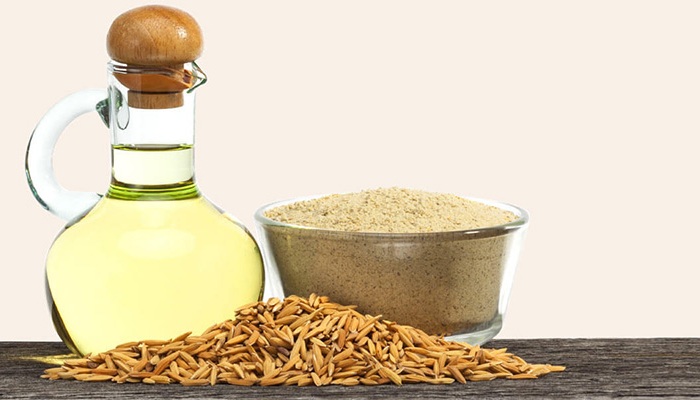 ‘Good health is a boon’ According to the World Health Organisation (WHO), Health is “a state of mental, physical and social well-being, not merely the absence of any disease or infirmity”. What we eat, how it’s prepared, and when we consume it all play vital roles in our health. Oil, a key ingredient in Indian cuisine, greatly influences our health depending on the type and amount used. Choosing the right oil is especially important for those with busy lifestyles. As the second-largest rice producer globally, India produces around 100 MMT of rice annually. Rice bran oil, extracted from rice husk and germ, has a high smoke point of 232°C (450°F), a long shelf life, and a mild flavor, making it ideal for high-temperature cooking like stir-frying and deep-frying. According to the latest recommendations by the National Institute of Nutrition (NIN) and the Indian Council of Medical Research (ICMR), the ideal oil composition is 27-33% saturated fat, 33-40% monounsaturated fat, and 27-33% polyunsaturated fat. Rice bran oil closely matches this recommendation with a composition of SFA (24%), MUFA (42%), and PUFA (34%), offering a balanced fatty acid profile.
 You might have been trying hard to lose that stubborn weight with sincere healthy food habits and sweating hard through physical activities. Despite your efforts, that scale doesn’t seem to budge. You might be wondering why. To understand why, you will need to understand what Obesity is.
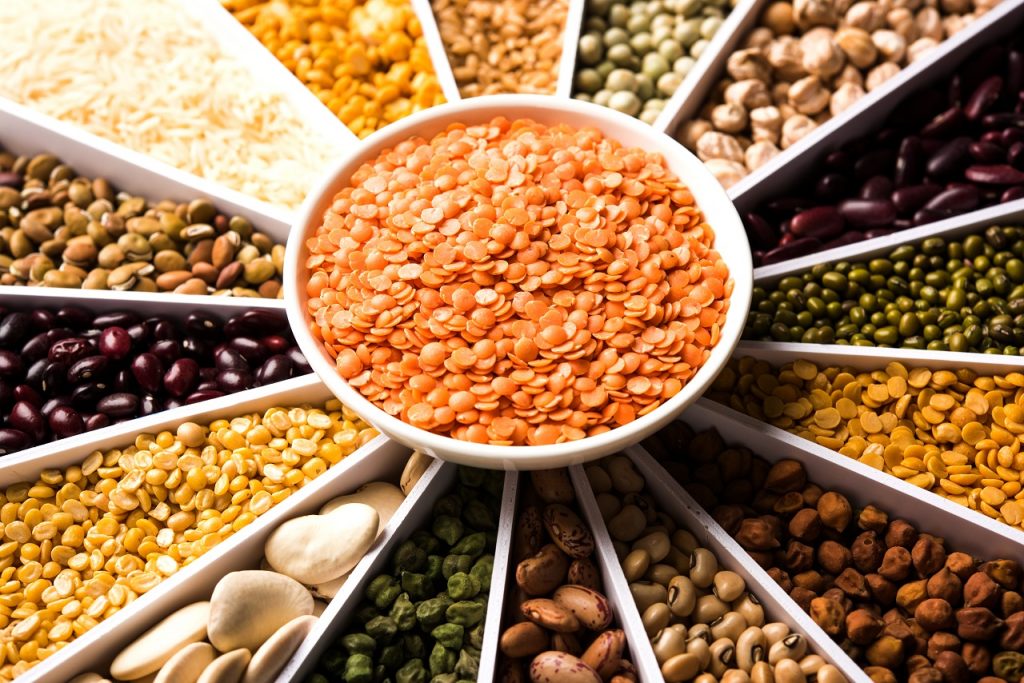 As we celebrate World Food Day this year, focusing on the theme of “Right to Food for a Better Life and a Better Future,” it’s important to highlight the crucial role that pulses can play in achieving food security and promoting better health. Pulses have always been a significant part of the Indian diet, valued for their rich nutritional content, affordability, and availability. They are an excellent source of plant-based protein, fiber, vitamins, and minerals, making them a vital tool in nourishing populations globally.


