 The Big Question – Ever have one of those days when even putting on your workout shoes feels like too much effort?
You’re not alone.
Some days, you’re recovering from an intense workout. Other days, work leaves you mentally drained. And sometimes, your body simply needs a break. Yet many of us feel guilty for slowing down, believing that if we’re not exercising, we’re somehow failing our health goals.
Here’s the truth: rest isn’t the opposite of progress—it is part of it.
As we celebrate National Lazy Day (August 10), here’s your reminder that taking it easy doesn’t mean giving up on your health. In fact, a few tiny habits can help you stay active, hydrated and refreshed without needing a gym, workout clothes or even much motivation.
Quick Answer – Can you stay healthy on low-energy days?
Absolutely.
You don’t need an intense workout every day to support your health. Small daily actions known as micro-habits can improve mobility, hydration, circulation and mental wellbeing with very little effort. These habits may seem insignificant on their own, but performed consistently, they can have a meaningful impact over time.
Why Rest Is Part of a Healthy Lifestyle
Modern culture often celebrates being busy, but your body performs some of its most important work while you rest.
Recovery allows your body to:
- Repair muscles after physical activity
- Restore energy stores
- Support brain function and memory
- Reduce physical and mental fatigue
- Prepare for your next workout
Taking a recovery day isn’t “being lazy.” It’s giving your body the opportunity to recover, adapt and perform better in the long run.
The key is to stay gently engaged instead of becoming completely inactive.
5 Healthy Micro-Habits for Low-Energy Days
-
Start With a Two-Minute Bed Stretch
Before reaching for your phone, spend two minutes waking up your body.
Try:
- Stretching your arms overhead
- Pointing and flexing your feet
- Pulling your knees gently towards your chest
- Rolling your shoulders
- Taking three slow, deep breaths
Why it helps
Gentle stretching improves circulation, eases overnight stiffness and prepares your muscles and joints for the day ahead.
-
Keep Water Within Reach
Even mild dehydration can leave you feeling tired, unfocused and sluggish.
Instead of relying on memory, remove the effort.
Fill a large water bottle every morning and keep it beside you while working, reading or watching television.
Make it automatic
Every time you unlock your phone or finish a task, take a sip of water.
Tiny habit.
Big difference.
-
Let NEAT Do the Heavy Lifting
You don’t have to “exercise” to burn calories.
Scientists call it Non-Exercise Activity Thermogenesis (NEAT) the energy your body uses for everyday movement outside of structured workouts.
Examples include:
- Standing during phone calls
- Walking while brushing your teeth
- Folding laundry
- Stretching while waiting for your coffee
- Doing calf raises while cooking
- Walking around the house during TV advertisements
These movements may seem small, but together they contribute meaningfully to your daily energy expenditure.
-
Break Up Long Periods of Sitting
Watching your favourite series?
Go ahead.
Just avoid sitting continuously for hours.
Instead, every time an episode ends:
- Stand up
- Stretch your arms
- Roll your shoulders
- Walk around the room for 30 seconds
That’s it.
Short movement breaks improve circulation, reduce stiffness and help counter the effects of prolonged sitting.
-
Give Your Mind a Rest Too
Sometimes your body is resting while your brain is still working overtime.
Constant notifications, emails and endless scrolling prevent true recovery.
Give yourself permission to disconnect for just ten minutes.
Close your eyes.
Focus on your breathing.
Listen to calming music.
Or simply sit quietly.
Mental recovery is just as important as physical recovery.
The Secret: Make Healthy Choices Easier
One of the biggest barriers to healthy living isn’t lack of motivation.
It’s friction.
The more effort a habit requires, the easier it becomes to skip.
Instead of relying on willpower, redesign your environment.
For example:
- Keep your water bottle visible.
- Place fruit where you’ll see it first.
- Leave your walking shoes near the door.
- Charge your phone away from your bed.
- Keep a resistance band beside the sofa.
When healthy choices become easier, consistency follows naturally.
Remember the Two-Minute Rule
One of the simplest ways to build lasting habits is to make them so small they feel impossible to avoid.
Instead of telling yourself:
“I need to work out for an hour.”
Start with:
- Two minutes of stretching.
- Two minutes of walking.
- Two minutes of breathing exercises.
Once you start, you’ll often feel like doing more.
Even when you don’t, you’ve still kept your habit alive and consistency matters far more than perfection.
Healthy living isn’t built on extraordinary days.
It’s built on ordinary ones.
The habits you maintain when motivation is low often matter more than the workouts you complete when motivation is high.
So this National Lazy Day, give yourself permission to rest but don’t stop taking care of yourself.
Small actions performed consistently create lasting results.
Pro Tip: Building healthy habits doesn’t require perfection it requires consistency. Use the GOQii App to track your daily hydration, steps and sleep. Your GOQii Personalised Health Coach can help you create simple routines that fit your lifestyle, making healthy living easier even on your busiest or laziest days.
Frequently Asked Questions (FAQs)
- Is taking a rest day actually healthy?
Yes. Rest days allow your muscles to recover, help reduce fatigue and support long-term fitness. Recovery is an essential part of any healthy lifestyle.
- What are micro-habits?
Micro-habits are very small actions that take only a minute or two but become powerful when repeated consistently over time.
- What is NEAT?
NEAT (Non-Exercise Activity Thermogenesis) refers to the calories your body burns during everyday activities like walking around the house, standing, cooking or cleaning. These small movements contribute significantly to your overall daily energy expenditure.
- How many rest days should I take each week?
Most people benefit from one or two recovery days each week. The exact number depends on your age, fitness level, training intensity and overall health.
- Can tiny habits really improve my health?
Yes. Research in behavioural science shows that small, consistent habits are often easier to maintain than dramatic lifestyle changes. Over time, they can contribute to meaningful improvements in physical and mental wellbeing.
#BeTheForce
Disclaimer: This article is intended for educational and informational purposes only. Occasional low-energy days are completely normal. However, persistent fatigue, prolonged lack of motivation or excessive daytime sleepiness may indicate an underlying medical condition such as thyroid disorders, nutritional deficiencies, sleep disorders or depression. Consult a qualified healthcare professional if these symptoms persist.
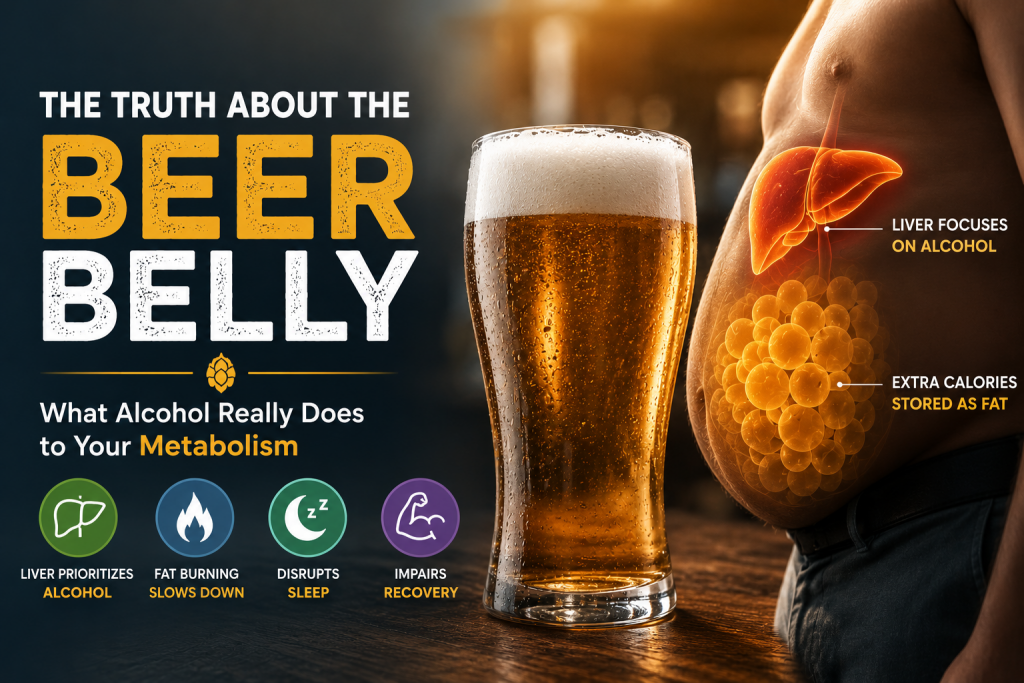 The Big Question – Can understanding how alcohol affects your metabolism help you make healthier choices?
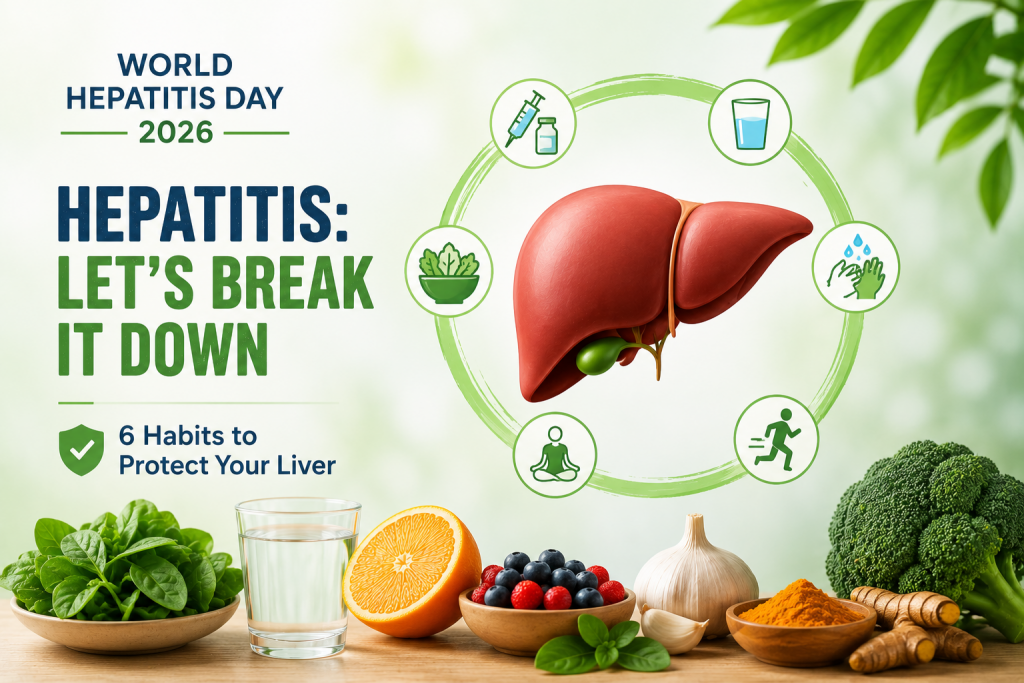 The Big Question – Your liver works around the clock to keep you healthy but how often do you think about protecting it?
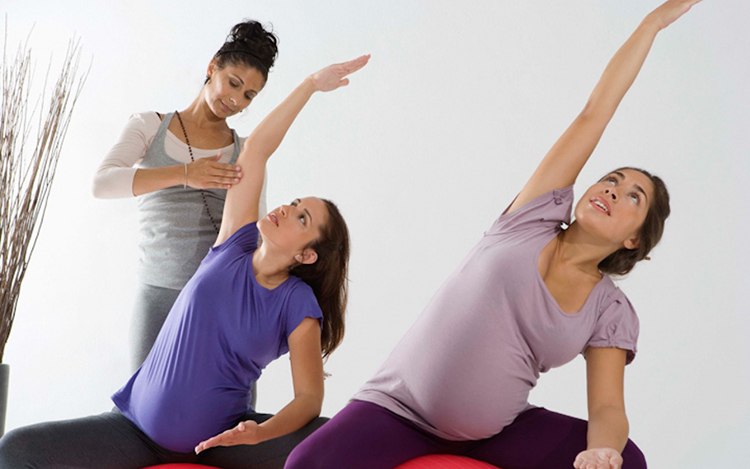 The Big Question: Is it safe to exercise during pregnancy, and can staying active help ease the aches, pains and challenges that come with expecting a baby?


