GOQii

Blog

  • HOME
  • HEALTHY LIVING
  • FITNESS
  • HEALTHY RECIPES
  • USER STORIES
  • KARMA
  • BUY GOQii

February 13, 2025 By Disti Shah 4 Comments

What is Bloating?

BloatingThere is a lot of confusion around ‘bloating’, a common problem that we come across in our day to day life. In fact, we are witnessing a virtual epidemic of bloating in current times. Abdominal bloating not only looks bad but also causes a lot of discomfort.

But it’s not the end of the road. The good news is that it is one of the conditions that can be avoided. However, before learning how to prevent it, we need to first understand the most common causes of bloating.

Common Causes of Bloating

  1. Constipation
    Too little fibre, fluids, and physical activity may lead to constipation, which can result in bloating.
  2. Eating too fast
    Eating quickly and not chewing your food well can cause air swallowing, which leads to bloating.
  3. Drinking too much carbonated beverages
    The fizz in carbonated drinks (even diet ones) can cause gas to get trapped in your belly.
  4. Too much consumption of sugar-free beverages
    Too much sugar alcohol in artificially sweetened foods and drinks can lead to bloating.
  5. Food allergies and Intolerance
    Food allergies and intolerance can cause gas and bloating. However, these need to be confirmed by your doctor.
  6. Medical conditions
    Conditions like lactose intolerance, irritable bowel syndrome (IBS), Giardiasis (parasite infection), colon cancer, and bacterial overgrowth can also cause bloating.

Simple ways to avoid bloating:

  • Chew your food thoroughly
    Chewing breaks the food down from large particles into smaller particles that are more easily digested. This makes it easier for the intestines to absorb nutrients and prevents improperly digested food from entering your blood, which can cause bloating.
  • Exercise regularly
    Physical activity helps air bubbles pass through your digestive tract more quickly, so the bloated feeling disappears faster.
  • Avoid too much water during meals
    Too many liquids during meals can dilute digestive juices, which may hamper the digestion process. A small amount of liquids aids digestion, so moderation is key.
  • Avoid drinking using straws and narrow mouth bottles
    These can lead to the ingestion of excess air while sucking, which may cause bloating.
  • Avoiding carbonated beverages
    When carbonated drinks are opened, the compressed carbon dioxide forms bubbles and escapes into the air. Drinking large amounts forces the gas into your stomach, where it may pass to your intestines, causing bloating.
  • Eliminate smoking and Hukka
    People who smoke or use Hukka inhale a lot of extra air, which can lead to bloating.
  • Avoid chewing gums and food with artificial sweeteners
    Artificial sweeteners are difficult to digest and may cause bloating if consumed in excess.
  • Avoid gassy vegetables
    Vegetables like beans, cabbage, Brussels sprouts, onions, radishes, melons, and broccoli can cause gas during digestion.
  • Avoid foods with air whipped into them
    Foods like soufflés, sponge cakes, and milkshakes can introduce excess air into your stomach.
  • Avoid long gaps between meals
    Long gaps between meals can disrupt digestion and lead to bloating.
  • Limit sodium intake
    Processed foods are high in sodium, which can cause water retention and bloating.
  • Monitor fiber intake
    While fiber is essential, excess fiber can cause gas as gut bacteria break it down, leading to bloating.
  • Avoid milk if you’re lactose intolerant
    If your body doesn’t produce enough lactase, the enzyme needed to break down lactose, dairy can cause bloating.
  • Include Probiotics in your diet
    Probiotics contain good bacteria that aid digestion and help reduce bloating.

Yoga and Exercises to Reduce Bloating

Certain yoga poses and exercises can help relieve bloating by stimulating digestion and releasing trapped gas. Try these:

  • Leg Seated Spinal Twist

Seated-Spinal-Twist

  • Apanasan (Wind-relieving pose)

  • Spinal Twist

maxresdefault

  • Paschimottanasana (Seated forward bend)

Seated-forward-bend-pose

  • Seated Heart Opener

  • Adho Mukha Savanasana (Downward-Facing dog)

27335368_l

Bloating is a common issue with various underlying causes. By understanding these causes and implementing simple lifestyle changes, you can reduce bloating and improve your digestive health. Remember, a healthy and comfortable digestive system is within your reach!

Bloating can be uncomfortable, but it doesn’t have to control your life. Try these tips and let us know what works for you in the comments below! For more articles on digestive health and wellness, explore Healthy Reads or speak to a certified expert by subscribing to GOQii’s Personalised Health Coaching here.

#BeTheForce

February 10, 2025 By Dr. Naina Sudarshan 1 Comment

Which Vitamins Are Good For Skin Repair?

skin repairSkin is the largest organ of our body and the one that is directly exposed to the outer environment every day. External factors like sunlight, wind, dust, cold weather, alcohol, and smoking, as well as internal factors like dehydration, aging, poor nutrition, stress, and lack of sleep, can damage the skin. When we feel that our skin is damaged or to prevent skin damage, many of us tend to fall for the plethora of skincare products available in the market. But in reality, we need to work on fixing our damaged skin internally rather than relying on external products that may contain harmful chemicals. So, what do we do for skin repair? The answer is simple—it’s the vitamins in our diet!

Which Vitamins Can Be Used For Skin Repair? 

There are many vitamins found in food itself that can work wonders for skin repair. Let’s take a look at which vitamins can help:

1. Vitamin A:

  • Benefits: Rich in antioxidants, Vitamin A protects the skin from sunburn by preventing the breakdown of collagen, a protein that gives elasticity to the skin. It helps in the regeneration of both the upper and lower layers of skin cells. Vitamin A also moisturizes the skin, making it effective for treating dry, itchy, and bumpy skin. In cases of inflammation or wounds, the antioxidants in Vitamin A protect the body from harmful free radicals.
  • Food Sources: Orange-colored foods like carrots, papaya, sweet potato, mango, dried apricots, pumpkin, red bell pepper, tomato, and cantaloupe. Non-vegetarians can also find Vitamin A in liver meat.

2. Vitamin B:

  • Benefits: Vitamin B helps in the formation of new skin cells.
    • Vitamin B2 (Riboflavin): Maintains healthy collagen levels and balances skin oil, healing dryness. Found in almonds, spinach, beef liver, dairy products, and mushrooms.
    • Vitamin B3 (Niacin): Treats sun-damaged skin, eczema, dry skin, and rosacea. Found in dairy products, fish, chicken, cereals, and mushrooms.
    • Vitamin B5 (Pantothenic Acid): Keeps the skin hydrated, preventing aging and acne. Found in mushrooms, broccoli, sweet potatoes, and avocado.
    • Vitamin B7 (Biotin): Repairs skin from acne, fungal infections, and rashes. Found in almonds, tomatoes, onions, eggs, sardines, and sweet potatoes.
    • Vitamin B9 (Folic Acid): Repairs skin cell damage caused by free radicals. Found in green leafy vegetables, nuts, seeds, beets, and okra.
    • Vitamin B12: Reduces inflammation, dryness, and redness in chronic skin conditions like psoriasis, eczema, and dermatitis. Found in dairy, fish, meat, and eggs.

3. Vitamin C:

  • Benefits: Vitamin C plays a huge role in the natural production of collagen in the body. It is useful in treating photoaging, hyperpigmentation, and immune suppression caused by UV rays. Vitamin C promotes tissue healing and neutralizes free radicals that cause oxidative stress. It also helps in the production of barrier lipids, preventing skin dryness and moisture loss.
  • Food Sources: Citrus fruits like oranges, tangerines, grapefruit, lemon, kiwi, strawberries, green pepper, guavas, cherries, plum, broccoli, and cantaloupe.

4. Vitamin D:

  • Benefits: Vitamin D helps in wound healing and modulates inflammation. It also has antimicrobial properties that may help treat acne caused by bacterial overgrowth.
  • Food Sources: Sunlight exposure, fish like sardines, salmon, herring, and mackerel, egg yolk, and fortified foods like cereals.

5. Vitamin E:

  • Benefits: Vitamin E is a fat-soluble antioxidant with photoprotective and anti-tumorigenic properties. It protects the skin against solar radiation and acts as a scavenger against free radicals. It is effective in treating skin conditions like atopic dermatitis, psoriasis, melasma, acne vulgaris, and cutaneous ulcers.
  • Food Sources: Nuts and seeds like almonds, hazelnuts, pine nuts, sunflower seeds, and avocado.

Remember, it is always better to avoid self-medication with vitamin supplements, as overdosing can cause severe side effects. A variety of nutrient-rich foods like fruits, vegetables, nuts, and seeds can provide all the necessary vitamins for skin repair. While topical vitamins are available in the market, getting vitamins through food internally is a safer and more effective approach.

Before you begin consuming any of the foods listed above, please consult your doctor, nutritionist or dietitian to find out if you have any allergies or deficiencies. We hope this article helps you. Do leave your thoughts in the comments below. For more on skin repair, check out Healthy Reads or speak to a GOQii Coach by subscribing for Personalised Health Coaching here.

#BeTheForce 

February 5, 2025 By Akshay Karlawar 1 Comment

Tips To Alleviate & Avoid Back Pain

avoid back painBack pain usually originates from the joints, bones, nerves or muscles. It is one of the most common complaints. Back pain may be felt as mild chronic pain going on for years or just for a few seconds or minutes. It can be felt as continuous dull ache, appearing at intervals as well. Constant, sharp pain is usually found in one place or it radiates to other areas like limbs. It can also present a weak, tingling sensation or numbness.

Few Facts About Back Pain 

  • The spine consists of bones, joints, spinal cord, nerves, tendons, ligaments and muscles. Back pain can originate from any of these or overlying muscles
  • In a majority of cases, back pain is self-limited. Most common back pain symptoms are due to inflammation or trauma which may be mild or severe
  • The two most common conditions that cause back pain are degenerative spinal disc disease and spinal disc herniation
  • Innocent causes of the back pain include ligament tear, muscle strain, ruptured or herniated spinal disks, and irritated joints. Environmental factors that cause or aggravate back pain include arthritis, posture at work, obesity, psychological and physical stress.
  • Some other causes include – lack of core strength that creates too much strain on the back, tight muscles which cause inflammation and tight hip flexors as they extend towards the lower back via the pelvic girdle due to improper posture.

Causes and Tips To Avoid Back Pain 

  • Obesity: is a common cause of back pain. As a heavy body contributes to increased pressure on the spine, maintaining a healthy body weight can help reduce your back pain. If you’re seriously overweight, those extra pounds could be straining your spine. Lose some weight and you just might lose the pain. A weight-loss program that includes regular exercise is bound to make your whole body feel better. A nutritious diet, lifestyle modifications and healthy weight can prevent back pain.
  • Poor posture: is a common cause of back pain. Maintain correct postures while standing, sitting and while lifting things. While using a computer or laptop, try to take breaks frequently and practice stretches which will lower your chances of getting back pain. Take regular short breaks in between work. Just getting up from your chair can help break the cycle of clenched muscles.

Tips To Reduce The Pain 

  • Applying a cold compress to the affected area can numb the pain temporarily by desensitizing the underlying nerves. 
  • Heat application through a heating pad, warm bath or hot water bottle can stimulate blood circulation in the area and loosen the tight muscles.
  • Massage therapy could provide short-term relief from acute and chronic back pain.
  • Frequent massages may be costly, but getting a massage once a month can be effective and affordable as well. It is important to select the massage best suited to your problem.
  • Consume a healthy diet consisting of Vitamin D as deficiency and insufficiency can cause or worsen back pain. The correction of it plays an important role in the treatment of chronic back pain. Foods like Fatty fish, liver, egg yolk and mushrooms can improve Vitamin D levels.
  • Avoid high-inflammatory foods such as sugars, trans fats and processed foods to prevent back pain.
  • Train with proper form, regular rehab-strengthening of lower back with exercise such as back extension, superman holds can help strengthen rhomboids to improve posture. 
  • Stretching itself can damage muscle fibers as you’re just tearing them by stretching them instead of contracting them. If you want to stop feeling sore, aggressive stretching is the last thing you’d want to do.

Quick Fix: A foam roller can help in releasing tight muscles. You may look a little weird if you’re the only person in your gym who doesn’t stretch before exercise and prefers to foam roll a sore muscle rather than stretch it out, but your muscles will thank you for it! 

We hope this article helps you alleviate and avoid back pain. If any of the tips above helped you, do share your experience in the comments below! For more tips on improving health and fitness levels, check out Healthy Reads or ask a GOQii Coach by subscribing for Personalised Health Coaching here.

#BeTheForce 

Disclaimer: The information provided in this blog is for general awareness and educational purposes only. It is not intended to replace professional medical advice, diagnosis, or treatment. Always consult a qualified healthcare provider for personalised medical guidance or concerns related to your health.

February 3, 2025 By GOQii 5 Comments

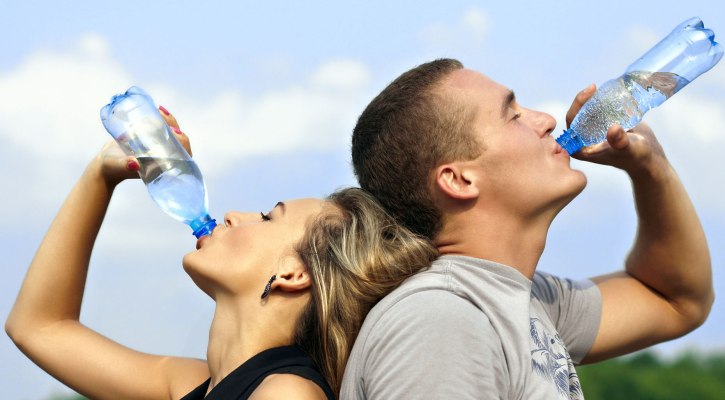
Why You Need To Consume More Water During Winter

consume more water during winterWinter can be a dreadful experience if you don’t have the resistance to withstand cold. While searching for things to keep us warm from the outside and within, consuming water is quite low on our winter checklist. But there are many reasons why you need to consume more water during winter – one of them being that we get more dehydrated during winter.

Why Do We Feel More Dehydrated During Winter? 

It’s a fact that we get more dehydrated in winter when compared to summer. This is because when the surrounding temperature drops, we cling to the heater or cover ourselves with layers of clothing to keep us warm. This artificial heat causes dehydration.

Though we do not sweat during this season, water vapor is still lost from our body through our breath. Winter can even accelerate dehydration because of the lifesaving mechanism that’s functional in our body which constricts our blood vessels in cold weather, in turn conserving heat and maintaining body temperature.

Shrinking blood vessels increase blood pressure, making our kidneys produce more urine which means less blood to fill in the veins and arteries and frequent visits to the loo, hence, increasing the risk of dehydration. Dehydration causes muscle fatigue, cramps, loss of coordination and even a stroke. A dehydrated body is easily prone to flu and winter cold.

Basically, during winters we refrain from having enough water. With the days being short, it makes us exercise less and our food intake grows. When our body is well hydrated, its efficiency to break down fat for energy increases so that we have better control of our appetite.

The other concern is that of water retention due to the body not being well hydrated during winter. This takes place when our body starts feeling the scarcity of water and it starts holding back water leading to water retention.

How do I know if I am dehydrated? – Thirst is our body’s way of saying “I am on the verge of dehydration”. You can even be watchful of how clear or light colored your urine is. If it is dark, hydrate immediately.

How Do I Consume More Water During Winter?

  1. Drink Warm Water: 90% of the excuses that we give for not having water in winter is that it makes us feel cold. The best solution here is to drink lukewarm water, which would not only soothe your throat but will also replenish your water stores while boosting your metabolism
  2. Balance Tea and Coffee With Water: Caffeine and alcohol are diuretics (they cause us to lose more water through urine), so try to have a glass of water before having your evening tea/coffee. Have another glass after a few mins of after having your tea/coffee This way, we can replenish our body’s water store.
  3. Include Water Based Food In Your Menu: Vegetables and fruits are naturally rich in water, which also provide vital minerals and vitamins. Soups are the best way to go! Try this Chilli Bean Soup to keep you warm.
  4. Drink Water Throughout Your Exercise: Make it a point to have water before, during and after your exercise. Due to the cold climate, there are very fewer chances of sweating too much or feeling too thirsty, mind it your body needs it!
  5. Make Water Interesting: Many find drinking plain water very boring. If you are one of them, then you can add natural flavors to water (not free calories though) by adding some fruits or herbs which give the water some mild taste and make it delicious to sip on.

In conclusion, I would say be it summer, monsoon or winter, our body remains same through the year. So keep sipping and always stay hydrated! If you have difficulty keeping track of your water intake, you can log and track your daily water intake via the GOQii App as well as set reminders to drink water.

We hope this article helps you consume more water. For more on staying healthy during winter, check out Healthy Reads or ask a GOQii Coach by subscribing for Personalised Health Coaching here.

#BeTheForce 

Disclaimer: The information provided in this blog is for general awareness and educational purposes only. It is not intended to replace professional medical advice, diagnosis, or treatment. Always consult a qualified healthcare provider for personalised medical guidance or concerns related to your health.

  • « Previous Page
  • 1
  • …
  • 37
  • 38
  • 39
  • 40
  • 41
  • …
  • 103
  • Next Page »

Search

Recent Posts

  • 10 Tips for a Blissful Night Sleep
  • World Liver Day 2026: Solid Habits, Strong Liver
  • Prebiotics and Probiotics: What’s the Difference?
  • Social Health and Longevity: Why Relationships Matter as Much as Diet
  • Top 10 Foods For Diabetics: What to Eat to Manage Blood Sugar

Stay Updated

Archives

  • April 2026 (15)
  • March 2026 (18)
  • February 2026 (14)
  • January 2026 (14)
  • December 2025 (19)
  • November 2025 (15)
  • October 2025 (20)
  • September 2025 (6)
  • August 2025 (6)
  • July 2025 (12)
  • June 2025 (18)
  • May 2025 (16)
  • April 2025 (22)
  • March 2025 (28)
  • February 2025 (22)
  • January 2025 (25)
  • December 2024 (22)
  • November 2024 (23)
  • October 2024 (21)
  • September 2024 (23)
  • August 2024 (30)
  • July 2024 (21)
  • June 2024 (25)
  • May 2024 (30)
  • April 2024 (27)
  • March 2024 (27)
  • February 2024 (24)
  • January 2024 (21)
  • December 2023 (14)
  • November 2023 (10)
  • October 2023 (19)
  • September 2023 (22)
  • August 2023 (18)
  • July 2023 (22)
  • June 2023 (23)
  • May 2023 (24)
  • April 2023 (21)
  • March 2023 (23)
  • February 2023 (19)
  • January 2023 (15)
  • December 2022 (11)
  • November 2022 (15)
  • October 2022 (15)
  • September 2022 (12)
  • August 2022 (10)
  • July 2022 (17)
  • June 2022 (11)
  • May 2022 (10)
  • April 2022 (6)
  • March 2022 (6)
  • February 2022 (13)
  • January 2022 (11)
  • December 2021 (7)
  • November 2021 (3)
  • October 2021 (6)
  • September 2021 (3)
  • August 2021 (8)
  • July 2021 (7)
  • June 2021 (15)
  • May 2021 (16)
  • April 2021 (10)
  • March 2021 (7)
  • February 2021 (4)
  • January 2021 (4)
  • December 2020 (3)
  • November 2020 (4)
  • October 2020 (10)
  • September 2020 (3)
  • August 2020 (3)
  • July 2020 (2)
  • June 2020 (4)
  • May 2020 (10)
  • April 2020 (12)
  • March 2020 (10)
  • February 2020 (4)
  • January 2020 (4)
  • December 2019 (3)
  • November 2019 (7)
  • October 2019 (5)
  • September 2019 (4)
  • August 2019 (9)
  • July 2019 (9)
  • June 2019 (11)
  • May 2019 (4)
  • April 2019 (8)
  • March 2019 (8)
  • February 2019 (9)
  • January 2019 (8)
  • December 2018 (9)
  • November 2018 (3)
  • October 2018 (3)
  • September 2018 (5)
  • August 2018 (10)
  • July 2018 (6)
  • June 2018 (13)
  • May 2018 (8)
  • April 2018 (18)
  • March 2018 (9)
  • February 2018 (8)
  • January 2018 (15)
  • December 2017 (12)
  • November 2017 (19)
  • October 2017 (13)
  • September 2017 (15)
  • August 2017 (4)
  • July 2017 (8)
  • June 2017 (7)
  • May 2017 (6)
  • April 2017 (8)
  • March 2017 (6)
  • February 2017 (7)
  • January 2017 (9)
  • December 2016 (10)
  • November 2016 (7)
  • October 2016 (7)
  • September 2016 (7)
  • August 2016 (11)
  • July 2016 (9)
  • June 2016 (9)
  • May 2016 (12)
  • April 2016 (17)
  • March 2016 (17)
  • February 2016 (8)
  • January 2016 (6)
  • December 2015 (2)
  • November 2015 (9)
  • October 2015 (7)
  • September 2015 (9)
  • August 2015 (11)
  • July 2015 (9)
  • June 2015 (11)
  • May 2015 (9)
  • April 2015 (13)
  • March 2015 (8)
  • February 2015 (5)
  • January 2015 (12)
  • December 2014 (14)
  • November 2014 (11)
  • October 2014 (6)
  • September 2014 (13)
  • August 2014 (12)
  • July 2014 (6)
  • June 2014 (2)
  • May 2014 (7)
  • April 2014 (4)

From “Laddu Nawin” to Fit and Fierce: How a 25-Year-Old Insurance Advisor Shed 20 Kilos and Gained His Life Back

When 25-year-old Nawin Yadav from Hyderabad walked into his office every morning, he carried more than just his files and policy papers. He had the weight of fatigue, sluggish energy, and an ever-growing belly that was becoming the butt of jokes. “People … [Read More...]

“I’ve Challenged Myself to Live 100 Years” – The Story of Chandubhai Savani’s Second Chance at Life

At 67, most people start slowing down. Not Chandubhai Savani. A resident of Surat, Chandubhai, thought life was on track. “My life was going well till I had my bypass surgery,” he says. That surgery, back in 2021, was a wake-up call.  Medication was routine, but exercise wasn’t. His diet? What he calls ‘normal.’ “I […]

From Shimla’s Slopes to Chandigarh’s Sidewalks: Surinder Kaur Bhalla’s Journey from Chaos to Control

Some journeys start with a plan. Others begin with a stumble literally. Surinder Bhalla, a government professional, born and raised in the scenic hill town of Shimla, had always lived a life of movement. “In Shimla, you walked everywhere,” she reflects. “Walking was never an exercise. It was just life.” But after shifting to Chandigarh, […]

Ananda Mukherjee Health Story

From Terminal Illness To Complete Wellness! Ananda Mukherjee Health Story

As we observe World Cancer Day under the powerful theme ‘United by Unique’ (2025-2027)**, we are reminded that every individual’s journey with cancer is distinct, yet united by shared resilience, hope, and the collective fight against this disease. This theme places people at the centre of care and their stories at the heart of the […]

  • HOME
  • HEALTHY LIVING
  • FITNESS
  • HEALTHY RECIPES
  • USER STORIES
  • KARMA
  • BUY GOQii

Copyright ©2016 GOQii