 As part of my regular conversation, I asked one of my players about exercise.
“I don’t feel like it!” He replied swiftly.
Seeing his lack of motivation, I nudged him a little gently to give it a try. He sulkily replied with an “Okay!”
The same episode unfolded the next day with him being unenthusiastic about exercising. It didn’t matter how hard I tried to motivate him day after day. After a while, I realised that the player completely lacked intrinsic or self-motivation i.e the motivation that comes from within.
Self-Motivation emanates from one’s own sheer willingness to achieve a goal that has been set for oneself. Many times, we promise ourselves that from next week or next month we will start exercising, leave sugar or work towards a healthier lifestyle, but how many times do we sincerely stick to these goals? Of course, the desire to change our lifestyle for our own good has to be self-motivated, but seldom are we able to maintain the interest levels to achieve a goal.
Self-Motivation is quite important when it comes to being fit. We start well by following a routine of waking up early and going for walk, a run or to the gym. The first few days of the week go by as per routine but suddenly there is a radical dip in the levels of our motivation. In most cases, the loss of motivation occurs when we step on a weighing scale and see no change. Another reason could be negative, self-criticising thought patterns where we compare ourselves to skinny models or chiselled athletes, thinking we’ll never be like them, instantly hammering our motivation into a million pieces.
If you’ve been seeking self-motivation and aren’t able to find it, here are 9 surefire ways to stay motivated!
1. Do It Only If You Want To
If you are exercising for the sake of it, let’s embrace the truth, it won’t work. Motivation levels will drop easily when you do something you don’t want to. To keep going and feel motivated from within, you need to enjoy your workout. To stay fit, experiment and find out what activity you like the most.
2. Stop Criticising Yourself
If you start comparing yourself with someone you think is perfect, then your motivation will bite the dust. Realise that the person next to you who is in perfectly good shape took the time and effort to look like that. Instead of dwelling in self-degrading thoughts and criticising yourself, put in a fair effort.
3. Picture Yourself a Few Years From Now
Picture a healthier you, a slimmer or better-looking you. How would you like to see yourself a year from today? This thought itself can motivate you from within.
4. Get Over Your Laziness
“Not now”, “Maybe tomorrow”, “I will start from Monday”, “Maybe next month”… Do you recognise these statements? They are evident signs of procrastination and laziness. Very soon, the “not now” becomes “never” and we hardly try to achieve any pending health goals we may have. What should we do? Get over it and start moving! Try playing some energetic music around you, change your lazy-looking, comfort-filled environment and get yourself going.
5. Focus on the Goal
This is the most important thing you need to do. Focus on your goals, whether it is to achieve balance in your lifestyle, eat healthy or lose your weight, start focusing on your goal. More than often, we divert from our original goals and start overthinking. For instance, if your goal is to lose weight, stop thinking about the clothes that you are not fitting in right now, or what will happen if you do and do not lose weight. Just tame your mind and focus on your ultimate goal!
6. Set Small Targets and Give Yourself a Reward
Reward plays a very important role in self-motivation. Start with small goals, or what we like to call S.M.A.R.T (Specific, Measurable, Attainable, Relevant and Timely) goals and reward yourself every time you achieve one of them. For example, if your ultimate goal is to lose 25kg, have a “S.M.A.R.T” goal to lose 4 to 5 kg per month and when you manage to achieve it successfully, reward yourself with something you like. Be it new clothes or even a new mobile phone.
7. Set Penalties
If Rewards work then penalties work as well. By penalties, I don’t actually mean punishing yourself to the extent of starvation when you eat junk food or excessively working out every time you skip exercise. Instead, do it in a positive way. Like every time you miss exercise or eat something unhealthy, put a certain amount of money in a penalty box, which will ultimately go to your friend/ spouse/ kids or colleagues. That will motivate you enough to not skip exercise the next time.
8. Pen It Down
If you write your goals and dreams on a regular basis, you are 42% more likely to achieve those goals, says a study conducted by Dr. Gail Matthews – a psychology professor at the Dominican University of California. Try maintaining a journal and write your goals as well as achievements down on a daily basis.
9. Do It For the Selfies!
It may sound funny but if you like to take pictures and post them on social media, you might actually likes this idea. Going for a workout? Take a selfie! Bought yourself new gym clothes? Take a selfie! Lost two inches? Take a selfie! Apart from the shares and likes, you will also be able to map your progress through pictures. So give it a try. It definitely worked for me!
In closing, remember that being self-motivated takes a lot of willpower. You need to feel good about yourself as well as better yourself on a daily basis. No amount of external motivation is enough if you don’t have the inclination to accomplish your own goals.
We hope these motivational tips will ignite the self-motivated fire within you. If you found these strategies valuable and have your own motivational techniques to share, please do so in the comments section below.
Remember, your path to self-motivation and a healthier you starts with the first step.
#BeTheForce
Disclaimer: The information provided in this blog is for general awareness and educational purposes only. It is not intended to replace professional medical advice, diagnosis, or treatment. Always consult a qualified healthcare provider for personalised medical guidance or concerns related to your health.
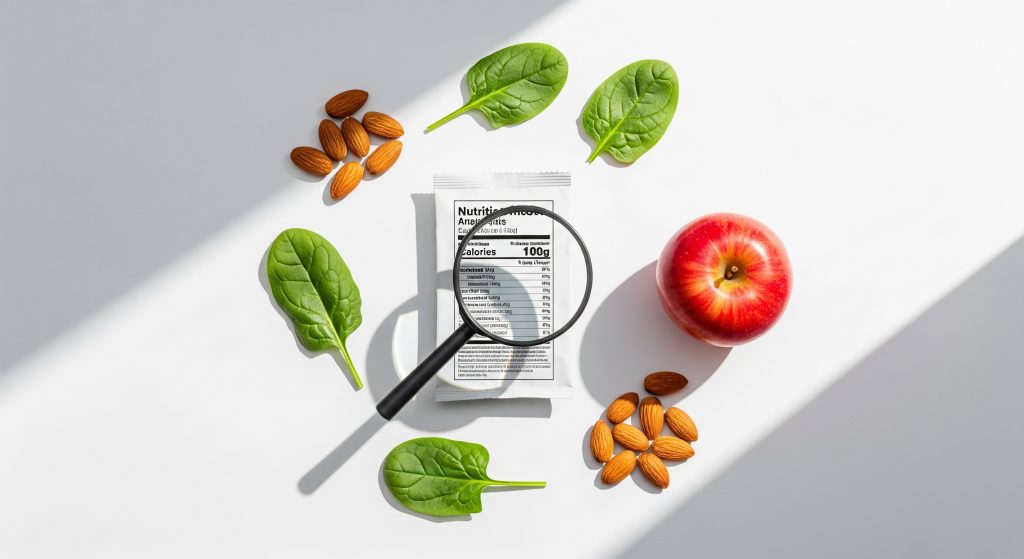 Walking down the supermarket aisle, you’re bombarded with choices—”low fat,” “high protein,” “sugar-free,” “natural.” But what do these claims really mean? How do you know if a product is genuinely healthy or just smartly marketed? The answer lies in the fine print: the food label.


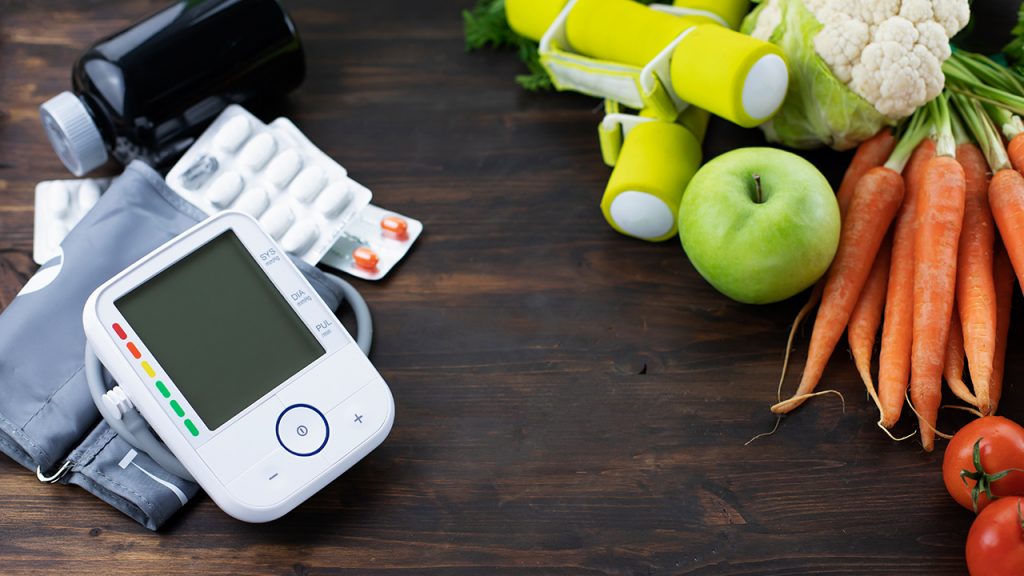 High blood pressure—also known as hypertension—affects millions of people around the world. Often called the “silent killer,” it usually has no obvious symptoms but significantly raises your risk of heart disease, stroke, and kidney issues if left unchecked.


