GOQii

Blog

  • HOME
  • HEALTHY LIVING
  • FITNESS
  • HEALTHY RECIPES
  • USER STORIES
  • KARMA
  • BUY GOQii

Search Results for: supplements

March 4, 2022 By Soni Thakur 5 Comments

Micronutrient Supplements: Are They Required?

Micronutrient Supplements

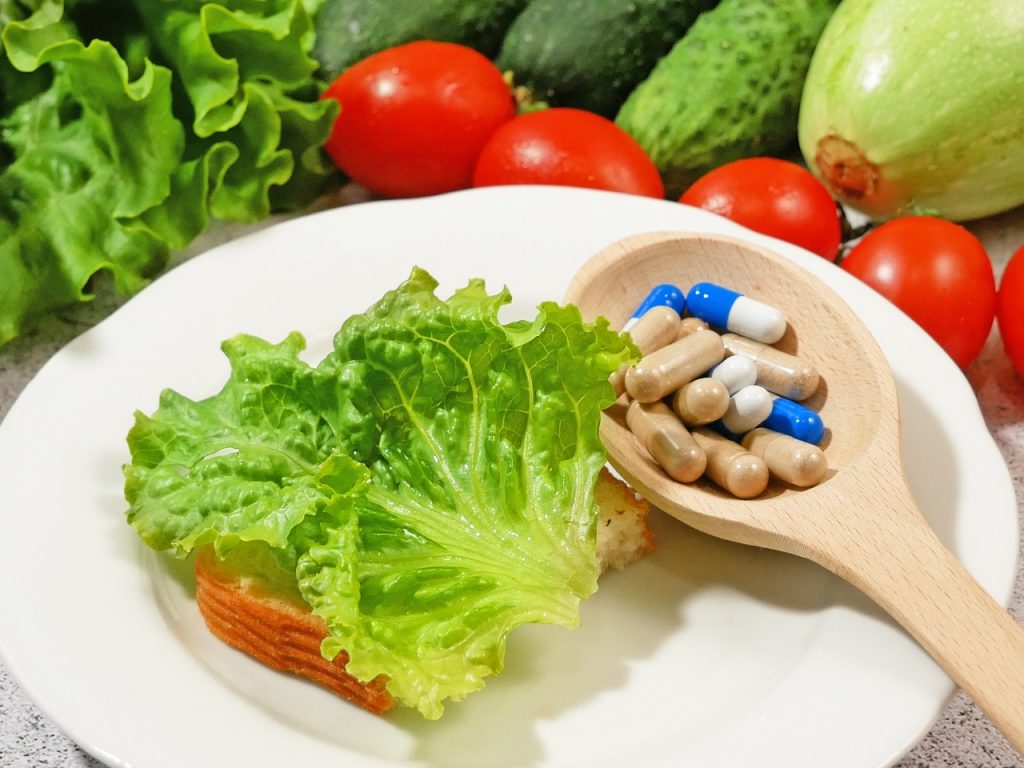
Micronutrient supplements are an affordable and effective way to ensure that you get the daily recommended intake of essential nutrients, vitamins and minerals for a healthy life. Many people grab supplements without consulting their doctor, which is quite upsetting for me. In a study, it has been found that a majority of people who take supplements don’t even need them and many use it as an alternative to a healthy diet.

A few days back, one of my players asked me if she can consume fat burning pills for quick weight loss and this made me write an article on this topic to spread awareness about supplements to our GOQii members as there are many people who might be thinking of using these supplements for easy weight loss. It is sad how advertisements target innocent people who are struggling with weight and other health issues.

What Are Some Important Micronutrient Supplements?

Most common supplements which are required by the human body are Vitamins, Minerals, Amino acids, herbal and antioxidants. Supplements are quite convenient for us to carry, consume and keep a check on our health. Let’s take a look at the role of supplements: 

  • Micronutrient supplements can simplify management of certain diseases
  • They can aid weight loss/gain
  • They are beneficial during pregnancy
  • Supplements can improve overall health and help in preventing certain age related health issues
  • It can boost athletic performance
  • Might lower your risk of osteoporosis or arthritis
  • Can provide you with extra nutrients when you diet is lacking in it

Can We Get Them From Our Diet? 

The answer is absolutely YES! Experts agree that the best way to get the nutrients we need is through food. A well balanced diet containing fruits, vegetables, whole grains, nuts, seeds, dairy, lean meat and legumes can meet the body’s requirements. However, it is extremely important to eat the right combination of food for better nutrient absorption. I have seen many people eating healthy food but with the wrong combination which does not give them expected results and they keep on wondering why? So, get in touch with your GOQii coach often to understand it. 

Knock-on effects of Certain Micronutrient Supplements

Most supplements are safe to consume if taken in moderation but there are certain exceptions which you need to keep in mind.

  • Vitamin E: is extremely important for protection against damage caused by free radicals.  Yet, if  taken in excess, can lead to brain stroke.
  • Calcium and Vitamin D: are the most common supplements consumed for meeting the body’s demands. However, excess use can cause kidney stones.
  • Vitamin K: People who are already on blood thinners should be very careful and consult their doctor or health care professional before using this supplement as Vitamin K is contradictory to medications taken to prevent blood clots.
  • Excess protein powder supplements have been associated with Coronary Heart disease.
  • High doses of Beta-carotene is linked to higher risk of Lung cancer.

Do We Really Need Them? 

No! Not everyone needs supplements as the nutrition requirement of the body can be met by adding a variety of healthy foods. However, supplements sometimes become necessary for people who are 60 years and above as the tendency of the body to absorb all the nutrients is lesser and for people who are not able to manage eating a healthy, balanced diet. Some supplements may have serious side effects as mentioned above. There’s little evidence that any supplement can reverse the course of any chronic disease. However, some evidence suggests that supplements can enhance health in different ways. Always talk with your health care provider if you’re thinking about taking dietary supplements and always remember that supplements are not a substitute for a healthy balanced diet. 

We hope this article on Micronutrient Supplements helps you make healthier choices. Do leave your thoughts in the comments below! For more on nutrition and supplements, check out Healthy Reads. You can also get this information, along with the right guidance and advice from a GOQii Coach by subscribing for personalized health coaching here: https://goqiiapp.page.link/bsr

#BeTheForce 
March 12, 2021 By Mrinali Dwivedi 2 Comments

Vitamin C Supplements: Do You Actually Need Them?

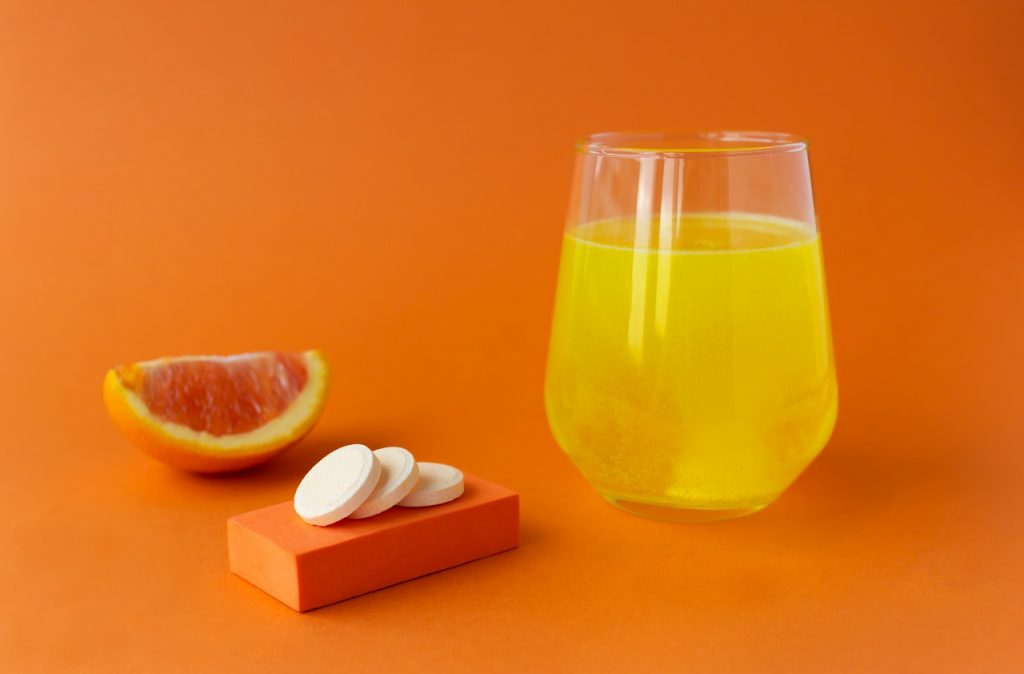
Vitamin C Supplements

While the COVID-19 pandemic made us realize the importance of health and immunity, there has been an unprecedented hype about taking nutritional supplements, especially those that are claimed to protect us from infectious diseases. One such supplement that gained a lot of popularity is Vitamin C. According to data by a research firm, The All India Organisation of Chemists and Druggists (AIOCD), India sold around 171 crore pills of Vitamin C Supplements and 13 crore pills of vitamin C combined with other multivitamins in 2020. The growth in sales of vitamin C supplements in the year 2020 was almost 110%.

Health Benefits of Vitamin C 

Vitamin C has numerous roles in our body and has been linked to some impressive health benefits! 

  • It is a powerful antioxidant that can strengthen your body’s natural defenses
  • May lower the risk of heart diseases
  • Has been linked to reduced blood uric acid levels and lower risk of gout
  • Can improve the absorption of iron from the diet and helps prevent iron deficiency, anemia
  • May boost immunity by helping white blood cells function more effectively, strengthening skin’s defense system and help heal wounds faster
  • Low vitamin C levels have been linked to an increased risk of memory and thinking disorders like dementia, while just about the right amount taken from food sources has been shown to have a protective effect

Does More Mean Better Health and Immunity? 

Given all the benefits of Vitamin C, can you consume more than required? Well, when it comes to vitamins, more is not always better. In fact, more can sometimes be dangerous. As vitamin and mineral supplements are available over the counter and without any prescription of a doctor/nutritionist, the masses assume that they are safe at any dosage. In the case of Vitamin C, our body cannot store it, so when consumption exceeds 2000 mg/day, it will be eliminated by the kidneys through urine, as it is a water soluble vitamin.

Too much vitamin C can interfere with the body’s ability to absorb copper, a mineral that is essential to the human body for carrying out major functions. Dosages above a 1000 mg coagulate iron in the cells of the body and oxidise them, causing an actual rusting action! Too much vitamin C or calcium (a regular component of vitamin C supplements) might cause bloating and stomach upset, diarrhea, nausea, vomiting, heartburn, headaches, insomnia, and in prolonged uses, kidney stones. This means that your immunity can be rather compromised than being boosted by unjustified popping of supplement pills.

How Much Of Vitamin C Supplements Is Enough? 

Vitamin C is an essential vitamin, which means your body cannot produce it and one has to provide it from the outside. Yet, the daily need of this vitamin can be conveniently met with a balanced diet containing a good amount from natural sources as opposed to going for supplements. Found in a variety of fruits and vegetables, vitamin C is most abundant in Amla, Guava, Oranges, Strawberries, Kiwi, Bell peppers, Green chillies, Radish greens, Bathua Greens, Broccoli, Kale and Spinach.

Estimated Average Requirement (EAR) of Vitamin C:

  • 55-65 mg/day for normal healthy adults
  • 25-35 mg/day for normal healthy children (1-18 years of age)

We hope this article on Vitamin C Supplements helps you make the healthier choice! Do let us know your thoughts in the comments below. For more on nutrition, check out Healthy Reads or tune in to LIVE sessions by experts on GOQii Play. 

#BeTheForce

March 2, 2015 By Anushree Ashtekar 27 Comments

Anabolic Steroids v/s Dietary Supplements – All you want to know

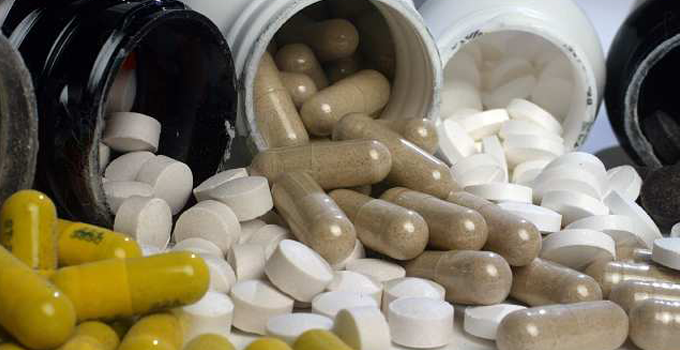
suppliments

We often hear people talking about “supplements” and “steroids”. We hear about how “protein powders are harmful to health as they contain steroids” and how people are hesitant to take vitamin supplements as they are “pills” and treat them like medications.

But, do people really understand what are anabolic steroids and dietary supplements? The answer is no. Large sections of the society are still unaware of the use and need of taking dietary supplements and anabolic steroids.

What are Anabolic Steroids and Dietary Supplements?

Anabolic Steroids: Anabolic steroids are synthetic (man-made) substances similar to male sex hormone, testosterone. The term “anabolic” means “growth”. Here, it refers to growth in muscle mass. Steroids are performance enhancing substances which cause an increase in muscle mass and physical strength. Some common examples of anabolic steroids include Androstenedione, Dehydrochloromethyltestosterone (Turinabol), Methandienone (Dianabol), Methyltestosterone (Android), Nandrolone (Durabolin), Oxandrolone (Oxandrin), Oxymetholone (Anadrol), Stanozolol (Winstrol).

Dietary Supplements: Dietary supplement is any product which is consumed orally and which contains dietary nutrients intended to supplement the diet. Dietary supplements may include amino acids, vitamins, minerals, herbs or other botanical ingredients (except tobacco), substances like enzymes and metabolites (glucosamine, creatine, alpha-lipoic acid, Coenzyme Q10).

Dietary supplements can be extracts or concentrates and may be available as tablets, capsules, softgels, gelcaps, liquids and powders. They are also available in the form of nutrition bars.

Dietary supplements cannot be categorized as foods or drugs and hence, they are not regulated by the FDA. Dietary supplements are regulated under DSHEA (Dietary Supplement and Health Education Act) passed in the US in 1994. DSHEA defines dietary or nutritional supplements as “a nutrient, a formulation, or some compound that is drug-free or natural”.

Use and abuse of anabolic steroids: Anabolic steroids stimulate growth in tissues, especially bone and muscles. They also increase the production of RBCs (Red blood Cells). Anabolic steroids can be taken orally, are injectable or are used externally. Anabolic steroids are used in the treatment of many medical issues such as delayed puberty in boys, sexual dysfunction in men, breast cancer in women, weight loss in HIV, osteoporosis, anemia, endometriosis and other conditions involving hormonal imbalance.

Now, Anabolic steroids are also abused at large. Some athletes’ may abuse anabolic steroids to build muscle mass, prolong endurance and enhance performance. Anabolic steroids are converted into testosterone in the body, beyond normal levels. This leads to some serious side effects like dramatic increase in muscle mass (Greater Anabolism), Organ damage (Liver disease, kidney disease, heart disease), impotence, gynecomastia (fat deposition on the chest due to increased estrogen levels causing abnormal breast enlargement in men), severe acne, hair fall, oily skin, stunted growth and height in teens, shrinking of testicles, azoospermia (absence of sperms in semen), menstrual irregularities in women, excess facial or body hair and deeper voice in women, irritability, increased aggression, mood swings, depression or suicidal tendencies, high blood pressure, alterations in cholesterol and other blood lipids, risk of viral and bacterial infections due to use of unsterile injections.

Anabolic steroids are also addictive. They make the user and abuser physically and psychologically dependant on them.

Use and benefits of dietary supplements: Nutritional or dietary supplements are, in simple words, foods in a concentrated form. Nutritional deficiency is the root cause of many diseases. These days, chronic diseases are on a high and are striking people at a much earlier age. Air and water pollution, overuse of chemical fertilizers and pesticides in agricultural practices, genetically engineered seeds, and depleted nutrient content in the soil are all responsible for the poor nutrient quality of the fruits and vegetables available in the market today.

The advantage of taking dietary supplements is that they provide adequate quantity of superior quality of nutrients, they give a specific combination and quantity of nutrients required at a particular time in a day and they make it convenient for the body to be supplied with all the essential nutrients.

Who all need to take dietary supplements? Dietary supplements are safe enough to be consumed by all of us. They are concentrated foods that help in building our immune system keeping us away from various diseases.

The modern day fast-paced lives, fast-food culture, increasing stress levels, deteriorating quality of fruits and vegetables are all the reasons for anyone and every one of us to turn to dietary supplements for attaining optimum health. People who are into intense exercise regimes, sports enthusiasts, athletes, competitive bodybuilders are the ones who need dietary supplements to repair the wear and tear in their body, grow and maintain healthy muscle mass, enhance their functionality and improve the immunity of the body. Also, Vegetarianism and veganism sometimes makes it difficult to get nutrients like complete proteins (with all the essential amino acids) and B12 vitamin .

But, simply consuming dietary supplements just for the sake of taking them is not right. Even natural substances can cause undesirable side effects, especially when taken in high doses. There are other things too, that go into building healthier bodies. They are, having an active lifestyle (adequate exercise), healthy eating habits and maintaining a positive state of mind. Finally, it all boils down to body, mind and soul connection.

The confusion between Anabolic Steroids and Dietary Supplements: There is a general fear that supplements may contain anabolic steroids. Due to the ignorance amongst the public and media hype, people easily confuse dietary supplements with anabolic steroids. Anabolic steroids are drugs that abnormally increase testosterone levels in the body whereas, dietary or nutritional supplements are concentrated forms of naturally occurring food nutrients like proteins, carbohydrates, omega 3 fatty acids, etc. Anabolic steroid use is prohibited by the International Olympic Committee (IOC).

The bottom line is that Anabolic Steroids and Dietary Supplements are worlds apart. Use them wisely, use them safely and you will benefit from them. Or else, “too much of anything is bad”!

Ps Note: Before starting on any dietary supplement or Anabolic Steroid its better that you consult your doctor

December 5, 2025 By Meenal Kapoor Leave a Comment

Navigating the Maze of Nutrition: Finding Clarity Amidst Confusion

In today’s information-rich age, the quest for sound nutrition advice can feel like a labyrinthine journey. We are bombarded daily with a deluge of dietary information, often contradictory and bewildering. The result? Nutrition confusion can leave us feeling overwhelmed and uncertain about what to put on our plates. Nutrition misinformation can be harmful to our health and wallet.
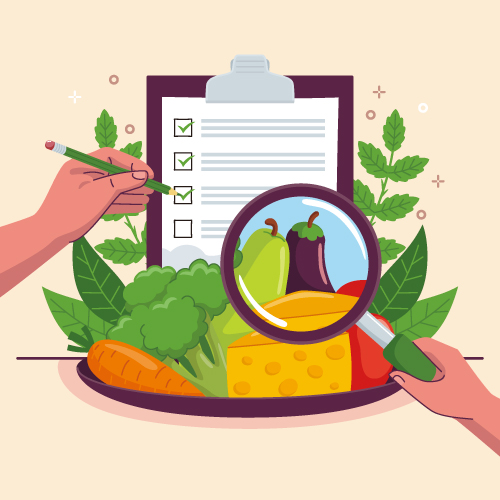


Misinformation is the bane of the modern era, and nutrition is no exception. Social media, fad diets, and anecdotal success stories often drown out evidence-based advice. What’s even more concerning is that these sources can promote diets that may not only be ineffective but potentially harmful. This confusion can lead to poor dietary choices, contributing to health problems like obesity, heart disease, and diabetes.

Question everything. Just because something is trending on social media or endorsed by a celebrity doesn’t make it valid. Look for claims backed by well-designed studies. Be cautious of quick fixes and miraculous results. Sound nutrition is about long-term habits, not magic solutions.

Also, remember that one size does not fit all. Nutrition should be personalised to your individual needs, goals, and preferences. Seek guidance from a qualified healthcare professional who can tailor advice to your unique circumstances.

Empower yourself with knowledge. Learn to interpret food labels, understand macronutrients, and recognise hidden sugars and unhealthy fats. A basic understanding of nutrition principles can help you make informed choices. A balanced diet remains at the core of good nutrition. Moderation is key, and no single food should be demonised or idolised.

So, how do we cut through the noise and find reliable nutrition guidance? When evaluating nutrition advice, consider the source. Registered dietitians, certified nutritionists, and reputable health organisations like the WHO and the Academy of Nutrition and Dietetics are trusted sources.

Look out for the following to make well-informed nutrition choices:

  1. Source of information – check whether the website or article is certified/verified.
  2. Do look for the relevant degree of the author – if there is no listed author (unless it is on a site that is a government or university site), the information may not be trusted. If the author is mentioned, verify that he or she holds the relevant degree to post it.
  3. Motive of the site/person – check if the motive is to sell a product or service and not to provide information.
  4. Information Validation – the information on the website should be backed by research and statistics and not just based on testimonials and personal information.
  5. How personalised is the guidance or is it generic using some buzzwords – Each individual body is unique. A blanket nutritional advice for everyone is often not authentic. If the website or author is just giving out buzzwords, the advice is mostly generic and not best suited to your health conditions and body.
  6. Watch out for key ingredients/hidden ingredients/nutrition facts on the labels of the products. Definitely dig for the small print while buying products from websites or through influencers.
  7. In the case of a website article – sources of information should be mentioned – reliable sites/books/opinions of doctors or registered dietitians.
  8. Does it promote a fad diet or a quick fix for your health issue? – If any article or website is making unrealistic promises based on products, seek the advice of a professional before using it.
  9. Watch out for Influencers with no nutrition background, selling products – this is increasingly common these days.

Some reliable sources of information:

  1. Books by registered dieticians (RD) or practising nutritionists/doctors.
  2. Some reliable websites:
    • National Institutes of Health Office of Dietary Supplements
    • National Institutes of Health (NIH)
    • World Health Organisation (WHO)
    • ICMR – National Institute of Nutrition
    • WebMD

Nutritional misinformation leads to wrong dietary patterns, taking up fad diets/quick diets detrimental to health, buying products that have harmful side effects, and following diet patterns that cause toxicity/deficiency of nutrients – all of these have long-term health effects and aggravation of the health issue.

To make well-informed decisions:

  1. Take advice from certified professionals.
  2. Look out for personalised advice based on your medical history and body stats.
  3. A diet or fitness pattern that is lifestyle change-based and not merely product-based.
  4. Lastly remember: Dr Google is not always reliable.

To conclude, in an era of rampant nutrition confusion and misinformation, it’s crucial to rely on evidence-based advice from trusted sources. By cultivating a critical mindset, personalising your approach, and staying informed, you can navigate the maze of nutrition and make choices that promote your long-term health and well-being.

We hope this article helps you. For further information or guidance, reach out to our certified experts by subscribing to GOQii’s Personalised Health Coaching here.

#BeTheForce

Disclaimer: The information provided in this blog is for general awareness and educational purposes only. It is not intended to replace professional medical advice, diagnosis, or treatment. Always consult a qualified healthcare provider for personalised medical guidance or concerns related to your health. Images shown are for representation purposes only and may not depict the exact recommendations or outcomes.

  • « Previous Page
  • 1
  • 2
  • 3
  • 4
  • …
  • 25
  • Next Page »

Search

Recent Posts

  • India Leads in Longevity: GOQii Sanjeevini Named Top 40 in $101M XPRIZE
  • The Importance Of Knowing If You’re Thirsty Or Hungry
  • Best Foods To Alleviate Irritable Bowel Syndrome
  • ALL ABOUT VERTIGO!
  • PCOS and Anxiety: Discover Relief with the 54321 Technique

Stay Updated

Archives

  • December 2025 (8)
  • November 2025 (15)
  • October 2025 (20)
  • September 2025 (6)
  • August 2025 (6)
  • July 2025 (12)
  • June 2025 (18)
  • May 2025 (16)
  • April 2025 (23)
  • March 2025 (23)
  • February 2025 (22)
  • January 2025 (26)
  • December 2024 (26)
  • November 2024 (25)
  • October 2024 (22)
  • September 2024 (24)
  • August 2024 (31)
  • July 2024 (21)
  • June 2024 (26)
  • May 2024 (31)
  • April 2024 (27)
  • March 2024 (29)
  • February 2024 (26)
  • January 2024 (25)
  • December 2023 (15)
  • November 2023 (11)
  • October 2023 (20)
  • September 2023 (22)
  • August 2023 (20)
  • July 2023 (22)
  • June 2023 (24)
  • May 2023 (24)
  • April 2023 (24)
  • March 2023 (23)
  • February 2023 (20)
  • January 2023 (16)
  • December 2022 (12)
  • November 2022 (15)
  • October 2022 (15)
  • September 2022 (12)
  • August 2022 (10)
  • July 2022 (17)
  • June 2022 (11)
  • May 2022 (10)
  • April 2022 (6)
  • March 2022 (6)
  • February 2022 (13)
  • January 2022 (12)
  • December 2021 (7)
  • November 2021 (3)
  • October 2021 (6)
  • September 2021 (3)
  • August 2021 (8)
  • July 2021 (7)
  • June 2021 (15)
  • May 2021 (16)
  • April 2021 (10)
  • March 2021 (7)
  • February 2021 (4)
  • January 2021 (4)
  • December 2020 (3)
  • November 2020 (4)
  • October 2020 (10)
  • September 2020 (3)
  • August 2020 (3)
  • July 2020 (2)
  • June 2020 (4)
  • May 2020 (10)
  • April 2020 (12)
  • March 2020 (10)
  • February 2020 (4)
  • January 2020 (4)
  • December 2019 (3)
  • November 2019 (7)
  • October 2019 (5)
  • September 2019 (4)
  • August 2019 (9)
  • July 2019 (9)
  • June 2019 (11)
  • May 2019 (4)
  • April 2019 (9)
  • March 2019 (8)
  • February 2019 (9)
  • January 2019 (8)
  • December 2018 (9)
  • November 2018 (3)
  • October 2018 (3)
  • September 2018 (5)
  • August 2018 (10)
  • July 2018 (6)
  • June 2018 (13)
  • May 2018 (8)
  • April 2018 (18)
  • March 2018 (9)
  • February 2018 (8)
  • January 2018 (15)
  • December 2017 (12)
  • November 2017 (19)
  • October 2017 (13)
  • September 2017 (15)
  • August 2017 (4)
  • July 2017 (8)
  • June 2017 (7)
  • May 2017 (6)
  • April 2017 (8)
  • March 2017 (6)
  • February 2017 (7)
  • January 2017 (9)
  • December 2016 (10)
  • November 2016 (7)
  • October 2016 (7)
  • September 2016 (7)
  • August 2016 (11)
  • July 2016 (9)
  • June 2016 (9)
  • May 2016 (12)
  • April 2016 (17)
  • March 2016 (17)
  • February 2016 (8)
  • January 2016 (6)
  • December 2015 (2)
  • November 2015 (9)
  • October 2015 (7)
  • September 2015 (9)
  • August 2015 (11)
  • July 2015 (9)
  • June 2015 (12)
  • May 2015 (9)
  • April 2015 (13)
  • March 2015 (8)
  • February 2015 (5)
  • January 2015 (12)
  • December 2014 (14)
  • November 2014 (11)
  • October 2014 (6)
  • September 2014 (13)
  • August 2014 (12)
  • July 2014 (6)
  • June 2014 (2)
  • May 2014 (7)
  • April 2014 (5)

From “Laddu Nawin” to Fit and Fierce: How a 25-Year-Old Insurance Advisor Shed 20 Kilos and Gained His Life Back

When 25-year-old Nawin Yadav from Hyderabad walked into his office every morning, he carried more than just his files and policy papers. He had the weight of fatigue, sluggish energy, and an ever-growing belly that was becoming the butt of jokes. “People … [Read More...]

“I’ve Challenged Myself to Live 100 Years” – The Story of Chandubhai Savani’s Second Chance at Life

At 67, most people start slowing down. Not Chandubhai Savani. A resident of Surat, Chandubhai, thought life was on track. “My life was going well till I had my bypass surgery,” he says. That surgery, back in 2021, was a wake-up call.  Medication was routine, but exercise wasn’t. His diet? What he calls ‘normal.’ “I […]

From Shimla’s Slopes to Chandigarh’s Sidewalks: Surinder Kaur Bhalla’s Journey from Chaos to Control

Some journeys start with a plan. Others begin with a stumble literally. Surinder Bhalla, a government professional, born and raised in the scenic hill town of Shimla, had always lived a life of movement. “In Shimla, you walked everywhere,” she reflects. “Walking was never an exercise. It was just life.” But after shifting to Chandigarh, […]

Ananda Mukherjee Health Story

From Terminal Illness To Complete Wellness! Ananda Mukherjee Health Story

As we observe World Cancer Day under the powerful theme ‘United by Unique’ (2025-2027)**, we are reminded that every individual’s journey with cancer is distinct, yet united by shared resilience, hope, and the collective fight against this disease. This theme places people at the centre of care and their stories at the heart of the […]

  • HOME
  • HEALTHY LIVING
  • FITNESS
  • HEALTHY RECIPES
  • USER STORIES
  • KARMA
  • BUY GOQii

Copyright ©2016 GOQii