 The thing with ageing well is that it’s never unwound by one bad habit, nor ever made good on in one glorious resolution. Healthy lifestyles are made every day through good habits.
Everyone already knows what they should be doing. Move more. Eat better. Breathe deeper. Sleep well. The issue isn’t a lack of understanding or knowledge of what needs to change. The problem is bandwidth.
Already by the middle-aged years, life is a juggling act of work, family, caregiving responsibilities, health care visits, and a thousand other open tabs floating around in the brain that rarely get closed. The thought of putting more things on the to-do list is just draining before the day even starts.
That’s where Habit Stacking helps. Habit stacking does not involve accomplishing more; it involves achieving this through smarter methods.
What is Habit Stacking?
Habit Stacking is adding a small health habit to an activity you already do every day, with no negotiating and no need to be motivated. No additional time blocks.
Habit stacking relies on existing routines for consistency. Think of it as upgrading the routines that you already have.
You brush your teeth. You boil water. You wait for lifts, traffic lights, or meetings to begin. All of these things are already part of your routine. Habit stacking is just using them for good, and with increasing age, this is even more relevant for us.
Why Habit Stacking Works Particularly Well As We Age
Ageing isn’t just about lines and a lower metabolic rate. It is about muscle loss, stiffness, insulin resistance, loss of balance, reduced lung function, and recovery time. None of this happens in a day. Everything occurs gradually.
On the bright side, small and steady efforts will definitely decelerate the progression of most such processes. On the other hand, drastic changes in one’s lifestyle are rarely sustainable.
Habit Stacking occupies the golden zone. It honors the real world. It builds strength, range of motion, metabolism, and nervous system vitality without requiring a daily battle of wills.
Consider a couple of examples:
- Add Strength to Your Hygiene Practices
After 40 years, most adults lose muscle mass every year unless actions are taken to counter it. Losing muscle mass influences balance, metabolism, posture, and even bone mass.
- The Stack: Perform Calf Raises while brushing your teeth. Keep an erect posture while standing at the sink. Gradually raise yourself onto your toes. Come down slowly. Continue the exercise for two minutes.
- What It Does: It strengthens the calf and ankle muscles, which adds to balance and reduces the risk of falling – a concern that escalates with advancing years. You won’t need gym clothes or an exercise program. Just a toothbrush.
- Stack Breathing During “Waiting Time”
Chronic stress and shallow breathing are silently ageing your body. They trigger inflammation, poor sleep, a surge in blood sugar, and tiredness.
- The Stack: Perform slow breathing drills during the waiting period for the kettle to boil, the food to heat up, or during page loading.
- Try This: Inhale for four counts through your nose. Exhale slowly for six counts. Repeat for one to two minutes.
- What It Does: This stimulates the parasympathetic nervous system, reduces stress hormones like cortisol, enhances heart rate variability, and helps promote sound digestion and quality sleep. In the long run, it helps the body recover from both physical and psychological stress.
You’re not adding meditation to your to-do list; you’re utilising dead time.
- Stack Nutritional Rules Instead of Calorie Counting
The truth is, the more we age, the more calorie obsession tends to be a source of harm to our bodies.
- The Stack: Use a protein and fibre guideline for your meals instead of focusing on calories. Every time you eat a major meal, ask one simple question: “Where is my protein? Where is my fibre?”
- Protein sources: Dal, egg, fish, curd, paneer, tofu, and chicken.
- Fibre sources: Vegetables, fruits, legumes, whole grains, and seeds.
- What It Does: This works well to control sugar in the blood, maintain muscle mass, improve gut health, and control portions naturally without completely limiting an individual. This works best for someone in midlife when the goal is both the loss of weight and increased insulin sensitivity.
No apps. No math. Just better defaults.
The Power of Accumulation
None of these will go viral on social media. The habits do not look dramatic. None of these will give you an instant transformation picture. They do something much more valuable, however. They keep you consistent.
Ageing well is not about intensity; it is about accumulation.
- Two minutes of calf raises a day becomes over 12 hours of strength training per year.
- Breathing one minute a day conditions your nervous system to shift gears.
- Making protein and fibre choices on most days can impact your metabolic profile.
These are small deposits into what you might think of as your Longevity Bank Account.
How to Start Without Overwhelm
- Begin with one stack. Just one.
- Make it hook into something you always do (like brushing teeth).
- Make it simple enough that it feels almost too easy.
- Be consistent.
- Once that one is automatic, you could add another. Not that you should, just that it belongs there.
Ageing does not require that you change your life. It simply requires that you pay attention. Habit stacking honours the fact of a busy life but simultaneously improves the underlying level of health from the inside out.
No additional tasks. No guilt. No requirement to be perfect. Just small, intentional choices layered on top of the life you’re already living.
And over time, these layers accumulate to create strength, resilience, and the capacity to continue to do what matters most to you well into the future.
We hope this article helps you upgrade your routine! For further information or guidance, reach out to our certified experts by subscribing to GOQii’s Personalised Health Coaching here.
#BeTheForce
Disclaimer: The information provided in this blog is for general awareness and educational purposes only. It is not intended to replace professional medical advice, diagnosis, or treatment. Always consult a qualified healthcare provider for personalised medical guidance or concerns related to your health.
 Think about your healthspan the years of your life when you are actually healthy as a bank account.
 The moment one imagines citrus fruits, the image of yellow-orange coloured tangy fruits comes to mind, which can instantly add taste to a dish. Citrus fruits mainly include lemon, sweet lime,
 Day 1: Cardio exercises
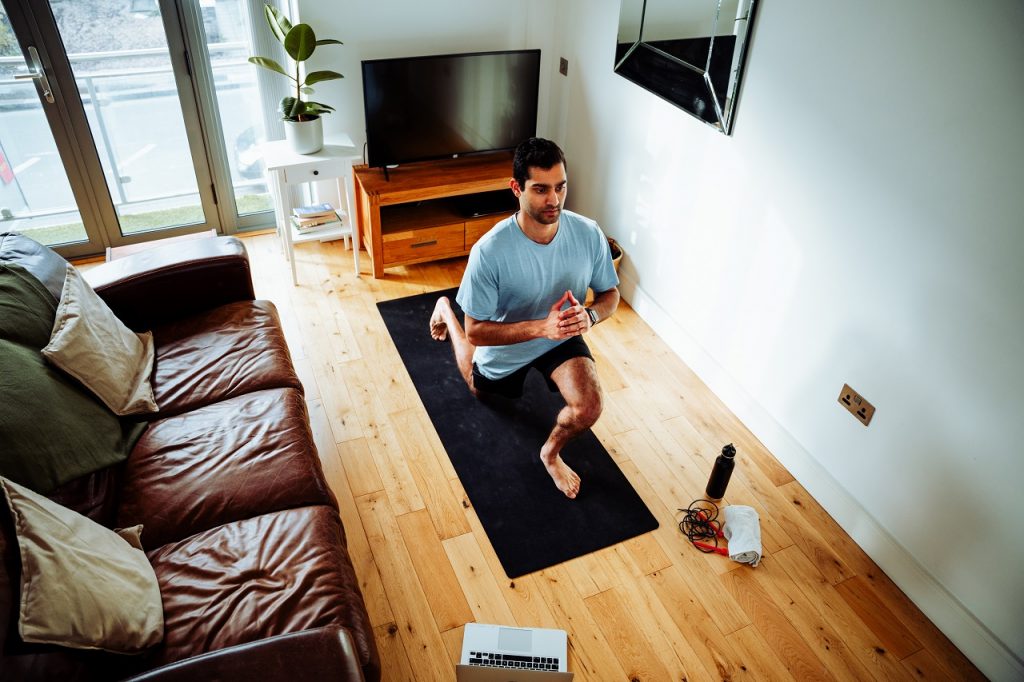 The routine of week 1 can be repeated on week 2 as well. People who are training for running can increase the duration of running to 3 mins of running and 1 min of walk.
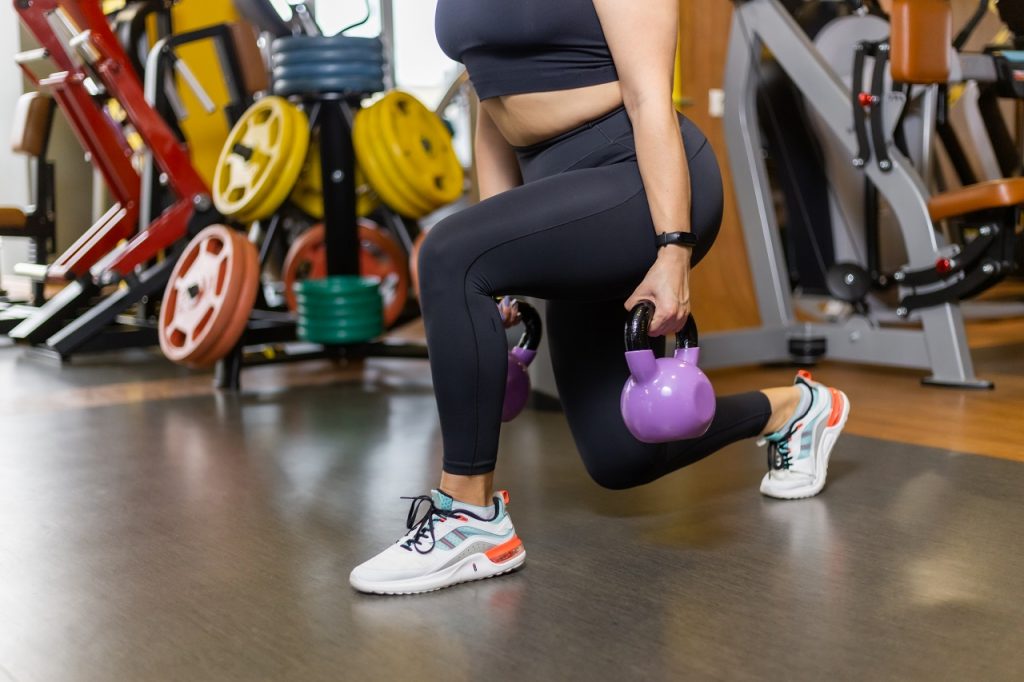 Repeat the same routine for week 3 while increasing the duration, speed, and intensity of the workout this week. Small changes can be made with your workout to keep it interesting. For strength training, 2 sets can be done with 12 repetitions. If you feel this routine is easy one can also try other workouts like HIIT, kettlebell, resistance band workout, and weight training depending on their energy level and comfortability. This can include exercises that involve different muscle groups of the body like shoulder, arms, chest, abdomen, back, hips, glutes, thigh, and legs.


