
GOQii

Blog

  • HOME
  • HEALTHY LIVING
  • FITNESS
  • HEALTHY RECIPES
  • USER STORIES
  • KARMA
  • BUY GOQii

Search Results for: mindful eating

August 8, 2024 By Mubasheera Chaiwala Leave a Comment

Mastering Hypertension: A Comprehensive Guide to Lifestyle Management

HypertensionHypertension, commonly known as high blood pressure, is largely influenced by lifestyle factors. By understanding and making adjustments to five key aspects of daily life — diet, exercise, stress management, sleep quality, and hydration— you can effectively manage this condition and improve overall well-being.

Dietary Adjustments: Sodium plays a crucial role in the body’s fluid balance, but excessive intake can be harmful. A moderate salt intake is essential, particularly by reducing hidden sodium sources found in processed, preserved, and packaged foods (Avoid 3Ps). To naturally support heart health and lower blood pressure, incorporate foods that boost nitric oxide production, such as beetroot, garlic, dark chocolate (in moderation), nuts, seeds, and berries. These foods contain beneficial compounds that help relax blood vessels, promoting better circulation and supporting long-term heart health.

Regular Exercise: A sedentary lifestyle contributes to arterial stiffness and plaque buildup, increasing hypertension risk. Regular cardiovascular activity can prevent these complications and enhance heart function.

Recommended activity levels: 150 minutes of moderate-intensity cardio per week or 75 minutes of vigorous-intensity cardio, Strength training at least twice a week to improve circulation and overall heart health.

Exercise not only improves physical health but also reduces stress by triggering the release of endorphins—the body’s natural mood boosters.

Stress Reduction: Stress is a natural response to daily challenges, but chronic stress can lead to sustained high blood pressure, increasing the risk of heart complications. Implementing stress management techniques can help reduce this burden and support cardiovascular health.

Effective Stress Reduction Strategies: Engage in activities you enjoy, Maintain social connections and positive relationships, Practise deep breathing and relaxation techniques, Incorporate yoga and meditation for mindfulness and balance, Laugh often—yes, laughter can lower stress hormones!

Optimizing Sleep: The quality of sleep plays a vital role in blood pressure regulation. Creating a relaxing sleep environment and healthy bedtime habits can significantly improve sleep and prevent disruptions linked to hypertension.

Sleep Tips for Blood Pressure Control: Reserve the bedroom for rest—avoid working or using electronic devices in bed, Elevate your legs before sleeping to promote circulation, Maintain a quiet, dark, and cool environment for deeper sleep, Practise deep breathing exercises before bedtime, Avoid abrupt awakenings—opt for a gentle alarm tone

Adequate Hydration: Dehydration can increase sodium concentration in the blood, leading to a rise in blood pressure. Ensuring consistent hydration throughout the day supports heart function and helps regulate blood pressure.

Hydration Tips: Drink small amounts of water regularly rather than consuming large amounts at once, Include herbal teas and water-rich fruits & vegetables in your diet, Avoid excessive caffeine and sugary drinks, which can contribute to dehydration.

By embracing these lifestyle modifications, you can take proactive steps towards managing hypertension naturally while enhancing overall health and well-being. Small, consistent changes in diet, exercise, stress management, sleep, and hydration can have a big impact on your heart health.

#BeTheForce

Disclaimer: The information provided in this blog is for general awareness and educational purposes only. It is not intended to replace professional medical advice, diagnosis, or treatment. Always consult a qualified healthcare provider for personalised medical guidance or concerns related to your health.

July 1, 2024 By Aesha Mehta 1 Comment

7 Foods To Avoid If You Have Asthma

Asthma

Asthma is an ancient Greek word which means “short drawn breath”. It can be quite troublesome as it causes chest tightness, shortness of breath, and coughing. Patients suffering from asthma have more trouble exhaling carbon dioxide than inhaling oxygen because the air passages of the small bronchi become clogged, making it difficult to breathe. Most asthma patients face more difficulty breathing during the night time. 

Modern medicine has not been able to find a cure for this troublesome respiratory disease. Drugs and vaccines help in reducing symptoms and provide temporary relief. Allergy is a major cause of asthma, but it can be managed with a  proper diet and lifestyle, such as eating foods which are easy to digest and adapting lifestyle methods such as yogic kriya – which helps in proper assimilation of food, strengthening of lungs, digestive and circulatory system. 

Which Foods Should You Avoid If You Have Asthma? 

While there are foods which can help you alleviate the symptoms of asthma, here are some which you must avoid at any cost. 

  1. Sugar: Sweet carbonated drinks, candies, cakes, biscuits, and all the foods which are rich in sugar increase coughing and wheezing in children. Sugar attacks the immune system of the airway, causing narrowing of airways and mucous production. Instead of sweets, include jaggery and coconut sugar.
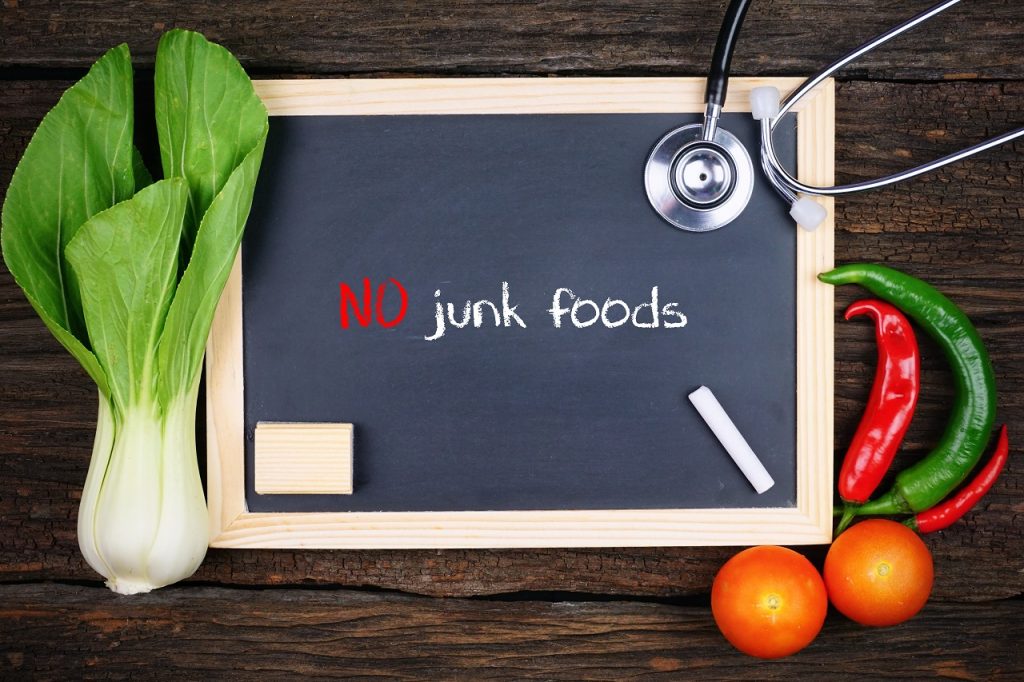
  2. Junk Foods: Foods like burgers, pizza, red meats, fries, etc., which are loved by a large part of the population, worsens asthma symptoms. These foods make one overweight, and the lungs have to work harder, making it difficult to breathe. Include simple, homemade foods instead of junk foods
  3. Alcohol: Sulphites, one of the allergens present in many alcoholic beverages, worsen asthma symptoms. It increases wheezing and breathing difficulty. Include more natural beverages like lemon water and coconut water instead of beer and wine.
  4. Beans: Beans cause gas in our body, putting pressure on the diaphragm and increasing acid reflux. It is better to avoid beans and other foods like cabbage, onion and garlic which are gas forming.
  5. Tea and Coffee: Another allergen, Salicylates, is found in tea and coffee. Though it is rare, some asthmatic patients are allergic to salicylates and find difficulty in breathing. As an alternative, you can include herbal teas like chamomile tea and passionflower tea instead of regular tea and coffee.
  6. Shrimp: Shrimp contains sulphites, which is an allergen. Yes, SULPHITES again! It can worsen asthma symptoms.
  7. Salt: Salt is one of the worst foods for asthma. It can tighten the airways, cause inflammation, and fluid retention, making it a very serious lung complication. Include natural flavouring ingredients like cumin, turmeric and chilli flakes instead of salt. 

We hope this article helps you understand which foods to avoid if you have asthma. By making mindful dietary choices, you can better manage your asthma symptoms and improve your overall well-being. Do leave your thoughts in the comments below.

#BeTheForce 

Disclaimer: The information provided in this blog is for general awareness and educational purposes only. It is not intended to replace professional medical advice, diagnosis, or treatment. Always consult a qualified healthcare provider for personalised medical guidance or concerns related to your health.

May 14, 2024 By Arooshi Garg 1 Comment

Tips to eat healthy and stay healthy while vacationing!

beach-coast-flip-flops

Summer months is at its peak and the end of school sessions and the start of holidays! Many of us opt for a vacation to unwind. Going on vacation is an exciting time! It is a time to relax and enjoy your time off. However, the change in your routine can affect your eating habits so it’s important to plan ahead. Here are some tips to fully enjoy your vacation and stay healthy on it as well:

  1. Carry healthy snacking options with you. Homemade roasted peanuts, chana, figs, dates, fresh fruits, seed trail-mix, baked soya chips, almonds, and walnuts, energy bars made with simple ingredients such as jaggery, peanuts, nuts and dates!
  2. If you can’t avoid outside food then be mindful of portion sizes and have lesser portions of calorie-rich foods like rice and pasta.
  3. Follow the plate rule. Always pick up a quarter plate for your major meals. That will ensure that you don’t overfill your plate. Follow the thumb rule: Always fill half your plate with fruits and veggies.
  4. Many restaurants/hotels have buffet food stations where food can be cooked to your liking. Ask for a stir-fry with lots of vegetables served with a tomato or garlic sauce/olive oil dressing.
  5. If your room has a mini fridge, pick up some fresh fruit and raw veggies at the local grocery store. Pack whole grain, high fibre cereal and a few re-usable/disposable cups, bowls and spoons. Now you have the ingredients for a fast and healthy meal.
  6. Always carry a bottle of cold water in your bag. Vacations can add more hours of sun-time than you are used to which can dehydrate you, having a water bottle handy helps you prevent any heat stroke, dehydration. For extra flavour, add fresh berries, mint leaves or slices of orange, lemon, lime or cucumber. Try having more of local refreshing drinks like coconut water, kokam etc.
  7. Post your meals squeeze half a lemon in plain drinking water and drink on! Will be a good digestive drink and will help you keep light!
  8. Avoid picking up salads with heavy/creamy dressings and go for simple, green salad, fresh sliced raw veggies like cucumber, tomato, beetroot and carrots.
  9. Choose the GPRS rule which opts for more of grilled, poached, roasted and steamed foods rather than picking foods which are deep fried.
  10. While eating at a buffet, browse all the items and pick only 3-4 best items that will make way to your plate and stomach for that meal. Avoid tasting too many things, or overloading your plate with more food.
  11. Enjoy fresh fruits for dessert. Try the local, seasonal fresh fruit such as mangoes, jackfruit, papayas and pineapples. Treat yourself to a sweet dessert only once in a while, or split dessert with a friend.
  12. Always enjoy the local cuisine and fresh foods available rather than choosing your preferred foods. Give a visit to local markets. They are the ideal place to get a real experience of local culture. It is also a great place to find fresh, flavorful, whole foods, traditional food items. They are always fresh and bubbling with healthy nutrients.
  13. Limit your alcohol intake and opt for more of healthier drinks. Alcohol can dehydrate you and make you lethargic the next day. Choose more of water-based drinks rather than opting for soda.
  14. After a tiring sightseeing day and lots of outside eating, de-stress your body with a cup of warm lemon water, or a cup of green tea easily available in hotel rooms. You can also carry some carom seeds with you and drink warm ajwain water (carom seeds) before dozing off!
  15. Look for sports or recreational activities around your destination. Swimming, tennis, hiking, trekking, kayaking, cycling, or a simple walk around can help you have some adventure and stay active through your holiday.

Going on a vacation is a great time to enjoy a relaxing time with friends and family. Staying on track with healthy eating is easy when you plan ahead and choose wisely. Hope these tips help you stay healthy, fit and enjoy your holidays to the max! Do let us know how you manage to stay healthy on a vacation in the comments below! You can find more tips such as this one, here. You can also get these healthy tips directly from a GOQii Coach by subscribing for Personalised Health Coaching here.

#BeTheForce 

April 15, 2024 By Kajree Korade 2 Comments

Get To Know Your Emotional Hunger

Emotional hungerHave you ever made room for dessert even though you’re already full? Out of nowhere in the middle of doing something important, you start feeling hungry? Do you feel hungry before any important meeting? If yes, then you should check your emotional status as this might be due to emotional hunger!



What Is Emotional Hunger or Emotional Eating? 

Emotional hunger or emotional eating is the practice of consuming large quantities of food, usually ‘comfort’ or junk foods in response to feelings instead of hunger. Emotional eating is a maladaptive coping strategy used by many of us to deal with negative emotions. Emotional eating can be caused by many reasons which include stress, tension, depression, boredom, and sometimes due to excitement.

Under high stress, your biological age can be 30 times higher than your calendar age. Modern life is full of frustrations, deadlines, and demands. For many people, stress has become a way of life. When stress becomes overwhelming, it can damage your health, mood, relationships and quality of life.

Stress also affects our food preferences. Emotional distress increases the intake of food high in fat and sugar, and you sleep excessively under stress. Also, some people consume alcohol and all this leads to gaining weight around your abdomen and unfortunately, abdominal obesity puts you at risk for several lifestyle diseases such as diabetes, hypertension and heart related issues.

In stress, adrenal glands release a hormone called cortisol, which makes you crave for carbohydrates, sugar and fatty foods. Food is soothing due to the chemical changes it creates in your body. Chocolate is an excellent example. When junk food is calling your name, it’s possible to put boundaries on your emotional eating habits. Ready to break free from stress eating?

The Solution To Beat Emotional Eating 

  • When you’re tempted to snack for emotional reasons, try moving instead. Just walk for 10 minutes.
  • Try a quick breathing exercise: Slowing down your breathing can trick your body into thinking you are going to sleep, which in turn relaxes your body. Close your eyes and slowly breathe in and out.
  • Sip black tea: A study in the journal of Psychopharmacology found that subjects who consumed black tea, experienced a 47% drop in their cortisol levels.
  • Try self-massage: It can be as simple as sitting down, rubbing your feet, one at a time, over the top of the heel, until you feel relaxed.

You’ll eat better and healthier foods if you don’t let your emotions guide your food choices! So be mindful about your choices. For more on stress, you can check Healthy Reads. To help you cope with emotional hunger or help you manage stress better, reach out to a GOQii Coach by subscribing for Personalised Health Coaching here.

Do leave your thoughts in the comments below!

#BeTheForce

  • « Previous Page
  • 1
  • …
  • 25
  • 26
  • 27
  • 28
  • 29
  • …
  • 35
  • Next Page »

Search

Recent Posts

  • Foods to Manage Blood Sugar Naturally: A Complete Guide to Better Blood Sugar Control
  • The Lazy Person’s Guide to Staying Healthy: 5 Micro-Habits That Take Less Than 2 Minutes
  • Healthy Eating: Comforting Chilli Bean Soup Recipe for the Monsoon
  • The Truth About the ‘Beer Belly’: What Alcohol Really Does to Your Metabolism
  • Benefits of Meditation: How One Daily Habit Can Transform Your Mental Wellbeing

Stay Updated

Archives

  • August 2026 (7)
  • July 2026 (25)
  • June 2026 (22)
  • May 2026 (20)
  • April 2026 (24)
  • March 2026 (18)
  • February 2026 (14)
  • January 2026 (14)
  • December 2025 (19)
  • November 2025 (15)
  • October 2025 (20)
  • September 2025 (6)
  • August 2025 (6)
  • July 2025 (9)
  • June 2025 (18)
  • May 2025 (16)
  • April 2025 (22)
  • March 2025 (26)
  • February 2025 (21)
  • January 2025 (25)
  • December 2024 (22)
  • November 2024 (22)
  • October 2024 (20)
  • September 2024 (22)
  • August 2024 (28)
  • July 2024 (15)
  • June 2024 (23)
  • May 2024 (26)
  • April 2024 (27)
  • March 2024 (27)
  • February 2024 (23)
  • January 2024 (21)
  • December 2023 (14)
  • November 2023 (10)
  • October 2023 (19)
  • September 2023 (21)
  • August 2023 (16)
  • July 2023 (16)
  • June 2023 (21)
  • May 2023 (20)
  • April 2023 (19)
  • March 2023 (23)
  • February 2023 (19)
  • January 2023 (15)
  • December 2022 (11)
  • November 2022 (15)
  • October 2022 (15)
  • September 2022 (12)
  • August 2022 (9)
  • July 2022 (17)
  • June 2022 (11)
  • May 2022 (10)
  • April 2022 (6)
  • March 2022 (6)
  • February 2022 (13)
  • January 2022 (11)
  • December 2021 (7)
  • November 2021 (3)
  • October 2021 (6)
  • September 2021 (3)
  • August 2021 (8)
  • July 2021 (7)
  • June 2021 (15)
  • May 2021 (16)
  • April 2021 (10)
  • March 2021 (7)
  • February 2021 (4)
  • January 2021 (4)
  • December 2020 (3)
  • November 2020 (4)
  • October 2020 (10)
  • September 2020 (3)
  • August 2020 (3)
  • July 2020 (2)
  • June 2020 (4)
  • May 2020 (10)
  • April 2020 (12)
  • March 2020 (10)
  • February 2020 (4)
  • January 2020 (4)
  • December 2019 (3)
  • November 2019 (7)
  • October 2019 (5)
  • September 2019 (4)
  • August 2019 (9)
  • July 2019 (9)
  • June 2019 (11)
  • May 2019 (4)
  • April 2019 (8)
  • March 2019 (8)
  • February 2019 (9)
  • January 2019 (8)
  • December 2018 (9)
  • November 2018 (3)
  • October 2018 (3)
  • September 2018 (5)
  • August 2018 (10)
  • July 2018 (6)
  • June 2018 (13)
  • May 2018 (8)
  • April 2018 (18)
  • March 2018 (9)
  • February 2018 (8)
  • January 2018 (15)
  • December 2017 (12)
  • November 2017 (19)
  • October 2017 (13)
  • September 2017 (15)
  • August 2017 (4)
  • July 2017 (8)
  • June 2017 (7)
  • May 2017 (6)
  • April 2017 (8)
  • March 2017 (6)
  • February 2017 (7)
  • January 2017 (9)
  • December 2016 (10)
  • November 2016 (7)
  • October 2016 (7)
  • September 2016 (7)
  • August 2016 (11)
  • July 2016 (9)
  • June 2016 (9)
  • May 2016 (12)
  • April 2016 (17)
  • March 2016 (17)
  • February 2016 (8)
  • January 2016 (6)
  • December 2015 (2)
  • November 2015 (9)
  • October 2015 (7)
  • September 2015 (9)
  • August 2015 (11)
  • July 2015 (9)
  • June 2015 (11)
  • May 2015 (9)
  • April 2015 (13)
  • March 2015 (8)
  • February 2015 (5)
  • January 2015 (12)
  • December 2014 (14)
  • November 2014 (11)
  • October 2014 (6)
  • September 2014 (13)
  • August 2014 (12)
  • July 2014 (6)
  • June 2014 (2)
  • May 2014 (7)
  • April 2014 (4)

From Burnout to Balance: How Dr. Ranjit Reclaimed His Health

Dr Ranjit Bhatt has spent years tending to others. A practising doctor in Odisha, his days were packed with patients, surgeries, and emergencies. From the outside, it looked like a life lived in service. But on the inside, something wasn’t right. “I had no … [Read More...]

From Shimla’s Slopes to Chandigarh’s Sidewalks: Surinder Kaur Bhalla’s Journey from Chaos to Control

Some journeys start with a plan. Others begin with a stumble literally. Surinder Bhalla, a government professional, born and raised in the scenic hill town of Shimla, had always lived a life of movement. “In Shimla, you walked everywhere,” she reflects. “Walking was never an exercise. It was just life.” But after shifting to Chandigarh, […]

“I’ve Challenged Myself to Live 100 Years” – The Story of Chandubhai Savani’s Second Chance at Life

At 67, most people start slowing down. Not Chandubhai Savani. A resident of Surat, Chandubhai, thought life was on track. “My life was going well till I had my bypass surgery,” he says. That surgery, back in 2021, was a wake-up call.  Medication was routine, but exercise wasn’t. His diet? What he calls ‘normal.’ “I […]

Ananda Mukherjee Health Story

From Terminal Illness To Complete Wellness! Ananda Mukherjee Health Story

As we observe World Cancer Day under the powerful theme ‘United by Unique’ (2025-2027)**, we are reminded that every individual’s journey with cancer is distinct, yet united by shared resilience, hope, and the collective fight against this disease. This theme places people at the centre of care and their stories at the heart of the […]

  • HOME
  • HEALTHY LIVING
  • FITNESS
  • HEALTHY RECIPES
  • USER STORIES
  • KARMA
  • BUY GOQii

Copyright ©2016 GOQii
