GOQii

Blog

  • HOME
  • HEALTHY LIVING
  • FITNESS
  • HEALTHY RECIPES
  • USER STORIES
  • KARMA
  • BUY GOQii

Search Results for: migraine

February 15, 2024 By Kusum Soni Leave a Comment

Do Grains Cause a Leaky Gut?

leaky gut

If you’re suffering from chronic diarrhea, constipation, gas or bloating coupled with a poor immune system, your issue might be more than something to do with ‘what you ate last night’. There’s a fair chance that you might be suffering from a leaky gut.

What is a Leaky Gut?

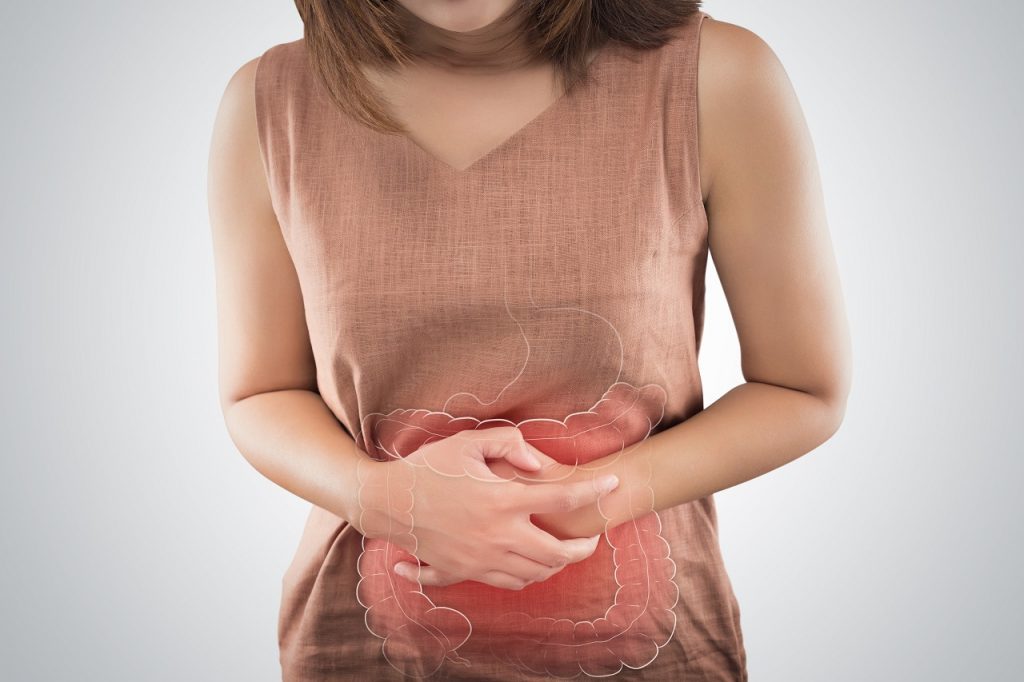
A Leaky Gut, as the word suggests, literally means that the gut/intestine is leaking. Technically, the permeability of intestinal mucosa increases and as a result, a protein called Zonulin and consequently bacteria, toxins, digestive metabolites, and bacterial toxins leak into the bloodstream.

This increases the toxic build-up in the body which manifests itself on the skin, colon, hormones, lungs, liver, lymph and kidneys in the form of bloating, diarrhea and constipation. Autoimmune response could include rheumatoid arthritis, lupus, Celiac disease, migraines, a weak immune system and hormonal imbalances, etc.

The exact cause of a Leaky Gut is not known, but potential causes include a poor diet, chronic stress, toxin overload and imbalances in the gut microbiome or dysbiosis.

The Role of Grains in Increasing Gut Permeability 

Dietary guidelines advise one to eat adequate amounts of (whole) grain products per day and are promoted as the fiber-rich foundation of a healthy diet. The question is, are grains really necessary as a part of our diet or can they be harmful?

Yes, grains are the main source of our energy for daily activities, brain function and even supply us with Vitamins B Complex and minerals like Zinc, Chromium, Iron, Calcium, Magnesium and Manganese, etc. that boost numerous biochemical reactions taking place in our body every moment. Having said that, grains & legumes also contain certain anti-nutritional compound/chemicals which can make them inflammatory and can affect some people.

What are the Anti-Nutritional Compounds in Grains? 

1. Gluten
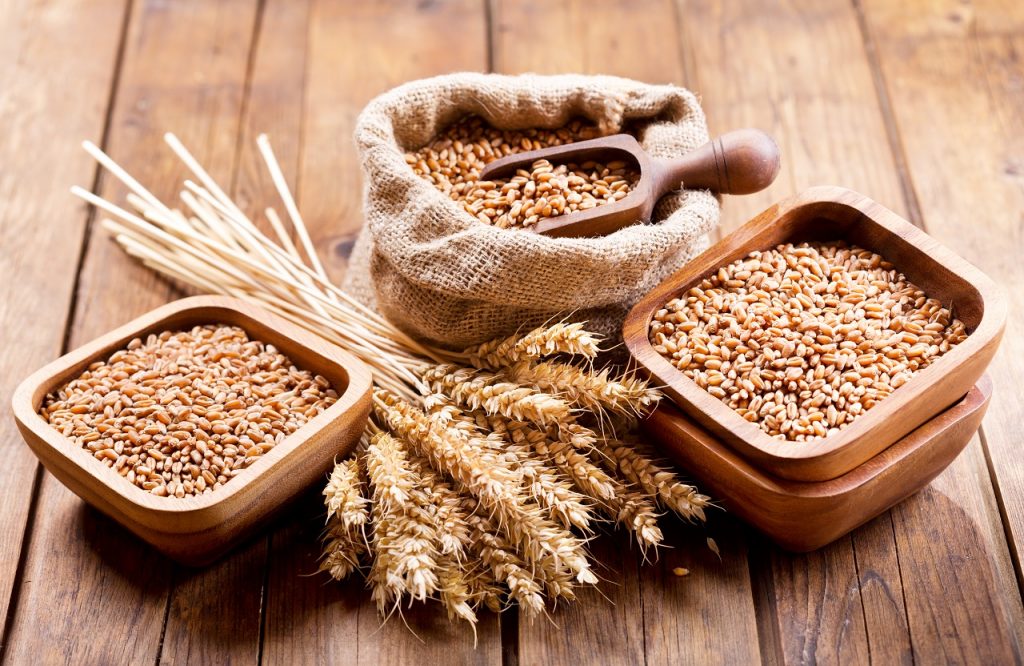
Gluten is the main structural protein complex of grains like Wheat, Rye and Barley. They are incredibly widespread in modern diets due to the increased intake of processed/refined flour food products such as bread, cakes, pastries, sauces, ready meals and breakfast cereals.

Research has shown that a person with gluten sensitivity, ingesting gluten significantly increases intestinal permeability immediately after the consumption. Studies have shown that the daily consumption of wheat products and other related cereal grains could contribute to the manifestation of chronic inflammation and autoimmune diseases.

Both in vitro and in vivo studies demonstrate that gliadin, by releasing Zonulin and wheat germ agglutinin can both increase intestinal permeability and activate the immune system and have also been confirmed in human studies.

2. Lectins
Grains have different types of lectins but all are not harmful. The harmful ones are Agglutinins and Prolamins. Agglutinins are a natural insecticide to protect crops from insects. But to get a higher yield of crop, grains are genetically modified (GM) to produce more of their natural insecticides which in turn make the grain inflammatory.

Prolamins are also not easily digested and most grains contain a Prolamin similar in structure to gluten. For example, Orzenin in rice or Avenin in oats or Gliadins in wheat.

3. Phytates and Phytic Acid
Phytates and Phytic Acid in the seeds of grains inhibits digestion and absorption of certain minerals (specifically zinc, iron, and calcium) by binding with them in the gut. These are vital for our immune system to function properly. Usually, a small amount of Phytates in diet does not cause a problem, as long as you’re getting adequate nutrients from the rest of your food. But mineral deficiencies may result when grains form the staple diet.

How Can You Manage a Leaky Gut? 

  1. Go for gluten-free grains like bajra, rice, maize, and gluten-free oats. Even ‘gluten-free food products available in the market contain some food additives, food preservatives, some amount of fibre and added sugar which can further damage the gut lining. So, beware and read the nutritional label!
  2. Go for non-GMO and heirloom varieties of seeds that are passed down from generation to generation. Make sure to soak grains overnight in water mixed with a little bit of lemon juice or apple cider vinegar, sprout and slow cook them. These methods also activate Phytase, an enzyme present in the plant that breaks down Phytates.
  3. Don’t rush through your food, chew it slowly and thoroughly so that small particles of food can be well digested and absorbed in the intestine.
  4. Adopt an anti-inflammatory eating plan. Include plenty of colourful, fresh fruit and vegetables, seeds, soaked nuts, plant protein such as beans and lentils and oily fish. At the same time, exclude sugar, processed foods, red meat and alcohol. Fermented foods can replenish natural gut bacteria. Try curd, fermented pickle, sauerkraut, kefir or kombucha.
  5. Vegetables from the nightshade family (Solanaceae) like tomatoes, peppers, eggplant (brinjal) and potatoes, are high in lectins that can damage the gut lining. They don’t even breakdown while cooking. So those with autoimmune diseases should avoid these vegetables as well.

If grains are the staple food, they may obstruct digestion and contribute to a leaky gut. For those with autoimmune diseases or gluten sensitivity, it would be wise to completely exclude grains, pseudo-grains, legumes and nightshades. Also avoid nuts and seeds if they cause any inflammation. Once the intestinal gaps heals, medicines are reduced or stopped and there are no symptom, you may have these foods once in a while.

Medically, Leaky Gut Syndrome is a hypothetical, unrecognized condition.

We hope this article helps you! Do leave your thoughts and questions in the comments below! For further guidance speak to a certified expert by subscribing to GOQii’s Personalised Health Coaching here.

#BeTheForce 
January 31, 2024 By CHARMI GOGRI 5 Comments

Healing power of herbs and spices – Part 1

 Spice

Cooking without spices is like having a dance party without music; the two just go together. These power packed tiny ingredients have a lot to offer apart from flavoring. Yes! I’ve heard plenty of stories of people who have healed various health problems through food. As Hippocrates, the famous Greek Physician once said, “Let food be thy medicine and medicine be thy food.” This makes it clear that people are aware that food can be used to treat or prevent health conditions. Most of us in the field of holistic medicine could spend hours discussing different approaches to food and diet. However, I think that we often overlook the power of a diet in terms of the abundance of benefits spices and herbs present in the food have to offer.

The history of spices is simply fascinating. It’s testimony to the fact that wars were fought over spices and kingdoms were lost over them. Spices were recognized as powerful medicine way back in 2600 BC. These herbs and spices not only add interest to our plates and palates, but they promote health in incredibly powerful ways. Ideally, the leaf of a plant used in cooking may be referred to as herb, and any other part of the plant, often dried, as a spice.

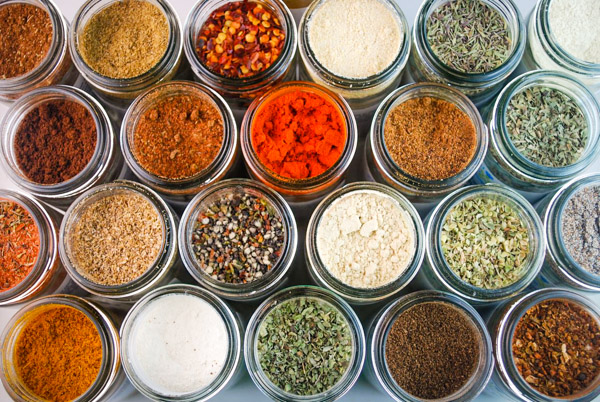
Spices can be the buds (eg. cloves), bark (eg.cinnamon), roots (eg. ginger), berries (eg. peppercorns), aromatic seeds (eg. cumin), and even the stigma of a flower (eg. saffron). Many of the aromatic seeds known as spices are actually gathered from plants when they have finished flowering. A familiar example would be coriander, with the leaves being referred to as herb, and the dried seeds as a spice.

Below is an extensive list of spices and herbs (Described in alphabetic order; Doesn’t mean it is in the order of their importance/benefits) that are worth adding to your culinary list owing to their key health benefits. We have split the blog into two parts for easy reading.

  1. Amchur: Amchoor or Amchur, also referred to as mango powder, is a fruity spice powder made from dried unripe green mangoes and is used as a citrusy seasoning. Mostly it’s used in Chutneys and Indian curries. Due to its high iron content it is popularly recommended for Anemia and Pregnant women. Also, it’s believed to reduce acidity and improve digestion.
  1. Asafoetida: The lingering odour of Asafoetida has given it many names like Devil’s dung and stinking gum. It’s commonly known as Hing in India. It’s warm in nature and that probably explains the reason it helps to increase the digestive enzymes. It helps reduce flatulence, digestive disorders, prevents constipation and is an excellent laxative. A pinch of asafoetida can be taken with buttermilk/water to reduce flatulence and cleanse the digestive system. Also, It’s believed to relieve menstrual pain. The active component of Asafoetida, coumarins can thin the blood and is believed to be anti-coagulant. Also, helps lower blood pressure.
  1. Black peppercorns : Also known as Kali Mirch. Piperine is the active ingredient in black pepper, and it has been shown to jumpstart digestion, prevent certain cancers and heart disease, lowers blood pressure, and prevents arthritis. Cases show that it has cholesterol lowering properties and help in cardiac function recovery especially after a heart attack. Overnight soaked peppercorns if consumed next day while having breakfast relieves migraine problem for most of them. The outer layer of peppercorn assists in the breakdown of fat cells. Therefore, peppery foods are a good way to help you shed weight. The antibacterial property of black pepper helps to fight against infections and insect bites.
  1. Basil: Also known as Tulsi in India and considered auspicious has medicinal usage extending from reducing ill effects of radiotherapy of cancer to optimizing kidney function to keeping cough and fever at bay. This herb has lot to offer. The strong anti-bacterial properties of Basil are known from years and hence owing to this property, basil is valued for its anti inflammatory. The active components i.e. eugenol and rosmarinic acid present in basil boosts production of serotonin and dopamine in brain. This could lead to sunnier mood in as little as 3 days. Basil also has a strengthening effect on kidney functioning. Consuming 5-6 leaves with water or crushing leaves to make juice and having with equal proportion of honey on a regular basis will improve overall kidney functioning and also aids in facilitating kidney stones through the urinary tract. Basil is a key ingredient in cough syrups and expectorants. Basil leaves can be used in the treatment of fever and common cold. Chewing some fresh basil leaves for relief from colds and flus is the best possible thing to treat naturally. Usually Smokers are prone for respiratory disorders and cancer. For both these, Tulsi is ideal. Having said that, care needs to be taken while handling this herb as the oils in basil are highly volatile, it is best to add the herb at the end of the cooking process, so it will retain its maximum essence and flavour !
  1. Bay Leaf : Bay leaves popularly known as Tej Patta are one of the main ingredients added to the popular Indian spice mix i.e. Garam Masala. Bay leaves help strengthen immune system and ward off urinary tract infection. Bay leaves have a very strong effect on the gut health. It helps in stimulating urination as a diuretic, which decreases the toxicity of the body, but can also stimulate vomiting (as an emetic) when something toxic has been consumed.
  1. Cardamom : Cardamom also known as Elaichi have aromatic and warming properties. They are believed to stimulate appetite and enhance digestion. It helps in stimulation and regular excretion of gastric juices. It helps in balancing these acids in cases of acidity, thus providing relief during heart burns. Those suffering from flatulence and gas gets a good relief when they chew cardamom after a meal. This helps those suffering from. Cardamom is also beneficial in relieving stomach cramps, hiccups, nausea, vomiting as well as constipation. Apart from health benefits, It is also valued for improving oral hygiene and eradicate fowl breathe.
  1. Carom seeds : These tiny seeds are popularly known as Ajwain or bishop’s weed in Indian Market. Ajwain contains high levels of thymol, a compound, which aids the release of gastric juices from the stomach which makes Ajwain`excellent indigestion reliever. To add more, it helps to deal with flatulence, nausea and colicky pain in babies. Ajwain has properties that help reduce inflammation and soothes irritated nerves. Because of this, it acts a great remedy to stop hiccups
  1. Cinnamon : Commonly known as Dalchini. Apart from its aroma and taste, the benefits of this spice can be attributed to its anti-bacterial, anti-fungal, anti-microbial and anti-clotting factor. Cinnamon is known for its role in the reduction of total and bad cholesterol (LDL) and increase in good cholesterol (HDL). It also helps improve insulin resistance and improves glucose tolerance in people with type 2 diabetes mellitus, thereby making it useful in diabetes management. Consuming Cinnamon plus honey has many benefits one of which is that it increases body’s metabolism and also helps in relieving gas and acidity.
  1. Clove: Clove or Laung is a pungent aromatic floral bud. The most prominent and common use of clove is alleviating symptoms of toothache and dental decay. The anti-inflammatory and analgesic components present in clove helps to reduce the swelling around an infected tooth and relieve pain. Plus, their antiseptic property will help fight the infection in the affected area and prevent it from spreading. Apart from this, Eugenol present in clove prevents clotting of blood and in purifying blood.
  1. Cumin: This spice which is native to Middle-East Asian region is one of the best spices to use to prevent and relieve gas. It is of beneficial to women after childbirth to shrink the uterus and increase breast milk. Cumin seeds (Jeera) also contains high amount of melatonin, which when consumed with bananas increases the production of chemicals within the brain. This combination helps beat

To be continued

November 17, 2023 By Dhwani Bagadia Leave a Comment

How to Heal a Leaky Gut

heal a leaky gut

In the previous article, we addressed the symptoms and causes of a Leaky Gut. If you have been experiencing any of the symptoms, here’s what you can do to heal your gut!

Ways to Heal a Leaky Gut

One of the best ways to heal a Leaky Gut is to consume a healthy, well-balanced diet with optimum nutrition. The process includes:

  • Remove: Excluding the toxic and inflammatory foods as it causes the gut to become leaky and adding good and healthy nutrients that will result in healing the gut. Remove products which affect the environment of the gut negatively.
  • Replace: For appropriate digestion and absorption, including important healthy nutrients for proper break-down and absorption of the nutrients i.e. digestive enzymes, HCL (Hydrochloric Acid) and bile acids.
  • Reinoculate: It is quite difficult to restore the important bacteria to improve the good gut bacteria.
  • Repair: It is important to provide essential nutrients for the gut to be restored. To revive the lining of the gut wall it is important to consume L-Glutamine supplement.

Necessary Dietary Modifications

Listed below are a few ways in which you can heal a leaky gut, improve gut health as well as good gut bacteria.

  • Reduce the Intake of Refined Carbohydrates: Harmful Bacteria grow more when there is an excess intake of sugar and can harm the gut barrier function. Avoid unhealthy, processed, junk and fried foods.
  • Include Probiotic Supplements: This helps improve the beneficial gut bacteria. Probiotics include curd, buttermilk, and probiotic supplements.
  • Eat Fermented Foods: Fermented foods such as yogurt, kimchi, saukerkraut, kefir and kombucha, help improve gut bacteria.
  • Include Plenty of High Fiber Foods: This includes fruits, vegetables, legumes and whole-grains that feed the beneficial bacteria.
  • Reduce the intake of alcohol and Quit Smoking
  • Avoid or reduce stress

Common Questions Asked

How long does it take to heal a Leaky Gut?
To get an idea about this question, we need to go down to the cellular level. 300 square meters is the surface area of the gut. The enterocytes are the lining cells of the gut that keep reviving/restoring in a gut which is normal and healthy.  A new lining of the gut is seen every two to three weeks. For those individuals who do not have any medical disease or conditions, studies prove that that gut-healing might take around 2-12 weeks (higher range may-be for those who have other medical conditions).

In another study by Harvard published in the Medical Journal Nature, states that those who are keen on healing their gut majorly have an underlying cause as an issue will take a longer time to heal by making it more complex and slow i.e. like a journey.

In-case whenever you decide to change your time in terms of diet and lifestyle, that restores the gut functioning, skin gets clearer, energy increases, bloating reduces, loss of weight, betterment in the conditions like eczema, asthma, allergies, migraine, depression, eagerness/anxiety, auto-immune disease and much more. This again varies depending on several factors/causes.

How do I know my Gut is repaired?
There are a few signs which indicate that the gut is fully repaired. Firstly, you’d want to check whether your gut has healed completely or not. This can be analysed via the symptoms that you experience. Below are a few points which should help you analyse:

  • Digestive Issues, food sensitivity vanish/fade away along with skin issues
  • Auto-immunity lab markers improve, returning to optimal self (quality of life improves)
  • Your energy and stamina return
  • Improved mood
  • You came back to proper weight.

You can also check it through a spectrum, with one side being no inflammation & healthy balanced gut with no symptoms and other end being leaky gut with several symptoms.

Even if the gut is repaired, it could have its draw-backs where you need to work to get back to normal health. Be calm and firm on following your gut-healthy protocol. It will not only help you get your health back on track but it will improve your quality of life as well!

We hope this article helps you make the necessary changes and heal. Do share it and leave your thoughts in the comments below. You can find more articles like this on Gut Health here. If you want expert advice or further guidance on improving digestive or gut health, speak to a GOQii Coach by subscribing for Personalised Health Coaching here.

#BeTheForce 
May 3, 2023 By Palak Mittal 18 Comments

How You Can Stay Healthy During Summer!

healthy during summerIt’s the last month of summer and it’s only getting hotter by the day. During summers, many do not feel like eating due to the heat. Most love to keep hydrating. But, it is important to have a good diet (nutrition) as well as hydrate yourself. Opting for either/or is a bad idea. Here are some simple tips for staying healthy during summer that everyone can follow.



How You Can Stay Healthy During Summer 

  1. Add curd to your daily meal plan: For all those who suffer from constipation, gas and acidity during summer, this one is an absolute must-have on a daily basis.
  2. Sabja seeds: Not just a quick detox but an instant cooler and bloating reliever. Sabja seeds are different from chia seeds and can be consumed only after soaking. They can be consumed with curd, buttermilk, smoothies or in any liquid.
  3. Coconut water: Prevents dehydration, cramp & relieves migraine during PMS. It’s rich in electrolytes, can replenish your electrolyte stores in no time when you have to work too much under the scorching sun.
  4. Jeera (cumin seeds): Calm your nerves and aid your fat burning efforts in Summer. Boil 1 tsp Jeera in a glass of water. Sieve and drink it warm after 30mins of eating a meal.
  5. Jowar and Jaun (Barley) Sattu water: Brain food, cooling in nature, best for weight loss. Add Jowar and Jaun in normal wheat flour in equal proportion to aid weight loss and also to have a cooling effect on the body.
  6. Include Juices and Smoothies: Consume Lemon, Aloe Vera, Wheatgrass, Bottle Gourd, Mint and Amla juices for glowing skin during summer. Avoid packaged fruit juices, cold drinks and opt for fresh fruit juices instead. In fact, you can try fruit smoothies and Lassi (butter Milk) with Hing (asafoetida), Pudina (mint) and roasted Jeera (cumin seeds) as mid snacks rather than colas and tinned fruit juices. Avoid having fruit shakes (mixing fruits with milk) to prevent antioxidants loss.
  7. Start your day with seasonal fruits in summers like Litchi, Grapes, Jamun, Melons and Mangoes (acts as a cleanser, soak mangoes in water 20 mins before consumption for cooling effect). Having fruits first thing in the morning also gives instant energy and makes you feel fresh, rather than a cup of tea.
  8. Hydrate with normal water or infused drinks: Lemon water with rock salt is the best detox drink which alkalizes your body and can help combat acidity.
  9. Exercise for 30 mins 5 times in a week for good blood circulation and to avoid a migraine and headache during summer.

If this article helped you, let us know your thoughts in the comments below. You can find more tips to stay healthy during summer here. You can also get these tips directly from a GOQii Coach by subscribing for personalised health coaching here.

#BeTheForce

  • « Previous Page
  • 1
  • 2
  • 3
  • 4
  • 5
  • 6
  • 7
  • Next Page »

Search

Recent Posts

  • India Leads in Longevity: GOQii Sanjeevini Named Top 40 in $101M XPRIZE
  • The Importance Of Knowing If You’re Thirsty Or Hungry
  • Best Foods To Alleviate Irritable Bowel Syndrome
  • ALL ABOUT VERTIGO!
  • PCOS and Anxiety: Discover Relief with the 54321 Technique

Stay Updated

Archives

  • December 2025 (8)
  • November 2025 (15)
  • October 2025 (20)
  • September 2025 (6)
  • August 2025 (6)
  • July 2025 (12)
  • June 2025 (18)
  • May 2025 (16)
  • April 2025 (23)
  • March 2025 (23)
  • February 2025 (22)
  • January 2025 (26)
  • December 2024 (26)
  • November 2024 (25)
  • October 2024 (22)
  • September 2024 (24)
  • August 2024 (31)
  • July 2024 (21)
  • June 2024 (26)
  • May 2024 (31)
  • April 2024 (27)
  • March 2024 (29)
  • February 2024 (26)
  • January 2024 (25)
  • December 2023 (15)
  • November 2023 (11)
  • October 2023 (20)
  • September 2023 (22)
  • August 2023 (20)
  • July 2023 (22)
  • June 2023 (24)
  • May 2023 (24)
  • April 2023 (24)
  • March 2023 (23)
  • February 2023 (20)
  • January 2023 (16)
  • December 2022 (12)
  • November 2022 (15)
  • October 2022 (15)
  • September 2022 (12)
  • August 2022 (10)
  • July 2022 (17)
  • June 2022 (11)
  • May 2022 (10)
  • April 2022 (6)
  • March 2022 (6)
  • February 2022 (13)
  • January 2022 (12)
  • December 2021 (7)
  • November 2021 (3)
  • October 2021 (6)
  • September 2021 (3)
  • August 2021 (8)
  • July 2021 (7)
  • June 2021 (15)
  • May 2021 (16)
  • April 2021 (10)
  • March 2021 (7)
  • February 2021 (4)
  • January 2021 (4)
  • December 2020 (3)
  • November 2020 (4)
  • October 2020 (10)
  • September 2020 (3)
  • August 2020 (3)
  • July 2020 (2)
  • June 2020 (4)
  • May 2020 (10)
  • April 2020 (12)
  • March 2020 (10)
  • February 2020 (4)
  • January 2020 (4)
  • December 2019 (3)
  • November 2019 (7)
  • October 2019 (5)
  • September 2019 (4)
  • August 2019 (9)
  • July 2019 (9)
  • June 2019 (11)
  • May 2019 (4)
  • April 2019 (9)
  • March 2019 (8)
  • February 2019 (9)
  • January 2019 (8)
  • December 2018 (9)
  • November 2018 (3)
  • October 2018 (3)
  • September 2018 (5)
  • August 2018 (10)
  • July 2018 (6)
  • June 2018 (13)
  • May 2018 (8)
  • April 2018 (18)
  • March 2018 (9)
  • February 2018 (8)
  • January 2018 (15)
  • December 2017 (12)
  • November 2017 (19)
  • October 2017 (13)
  • September 2017 (15)
  • August 2017 (4)
  • July 2017 (8)
  • June 2017 (7)
  • May 2017 (6)
  • April 2017 (8)
  • March 2017 (6)
  • February 2017 (7)
  • January 2017 (9)
  • December 2016 (10)
  • November 2016 (7)
  • October 2016 (7)
  • September 2016 (7)
  • August 2016 (11)
  • July 2016 (9)
  • June 2016 (9)
  • May 2016 (12)
  • April 2016 (17)
  • March 2016 (17)
  • February 2016 (8)
  • January 2016 (6)
  • December 2015 (2)
  • November 2015 (9)
  • October 2015 (7)
  • September 2015 (9)
  • August 2015 (11)
  • July 2015 (9)
  • June 2015 (12)
  • May 2015 (9)
  • April 2015 (13)
  • March 2015 (8)
  • February 2015 (5)
  • January 2015 (12)
  • December 2014 (14)
  • November 2014 (11)
  • October 2014 (6)
  • September 2014 (13)
  • August 2014 (12)
  • July 2014 (6)
  • June 2014 (2)
  • May 2014 (7)
  • April 2014 (5)

From “Laddu Nawin” to Fit and Fierce: How a 25-Year-Old Insurance Advisor Shed 20 Kilos and Gained His Life Back

When 25-year-old Nawin Yadav from Hyderabad walked into his office every morning, he carried more than just his files and policy papers. He had the weight of fatigue, sluggish energy, and an ever-growing belly that was becoming the butt of jokes. “People … [Read More...]

“I’ve Challenged Myself to Live 100 Years” – The Story of Chandubhai Savani’s Second Chance at Life

At 67, most people start slowing down. Not Chandubhai Savani. A resident of Surat, Chandubhai, thought life was on track. “My life was going well till I had my bypass surgery,” he says. That surgery, back in 2021, was a wake-up call.  Medication was routine, but exercise wasn’t. His diet? What he calls ‘normal.’ “I […]

From Shimla’s Slopes to Chandigarh’s Sidewalks: Surinder Kaur Bhalla’s Journey from Chaos to Control

Some journeys start with a plan. Others begin with a stumble literally. Surinder Bhalla, a government professional, born and raised in the scenic hill town of Shimla, had always lived a life of movement. “In Shimla, you walked everywhere,” she reflects. “Walking was never an exercise. It was just life.” But after shifting to Chandigarh, […]

Ananda Mukherjee Health Story

From Terminal Illness To Complete Wellness! Ananda Mukherjee Health Story

As we observe World Cancer Day under the powerful theme ‘United by Unique’ (2025-2027)**, we are reminded that every individual’s journey with cancer is distinct, yet united by shared resilience, hope, and the collective fight against this disease. This theme places people at the centre of care and their stories at the heart of the […]

  • HOME
  • HEALTHY LIVING
  • FITNESS
  • HEALTHY RECIPES
  • USER STORIES
  • KARMA
  • BUY GOQii

Copyright ©2016 GOQii