GOQii

Blog

  • HOME
  • HEALTHY LIVING
  • FITNESS
  • HEALTHY RECIPES
  • USER STORIES
  • KARMA
  • BUY GOQii

Search Results for: kidney

November 29, 2017 By Richa Athavale 1 Comment

Know your blood/ serum Creatinine

creatinine-private-blood-tests-in-london

When it comes to blood tests, most are aware of blood sugar, cholesterol or haemoglobin levels. In the current times, we also know about Vitamin B12, D, and Calcium etc. But, have you ever come across “blood/serum creatinine levels”?

Recently, I came across somebody I know well with high levels of high blood/ serum creatinine levels. And, observed there is a lot of confusion between “Blood/serum creatinine levels” & “creatinine” that one takes as a supplement while working out in the gym. These are two different things. In this blog, I am talking about –Blood Creatinine.

What does it means when you have high blood creatinine levels?

Creatinine is produced in the body constantly. It is a by-product of creatinine phosphate in the muscle. Its value depends on the muscle mass that one has. Creatinine is carried through the bloodstream to the kidneys. It is filtered out by the kidneys and thrown out of the body through urine. The kidneys maintain the creatinine levels in the blood to a normal range. A creatinine level is an indicator of kidney function. High creatinine levels is a warning for impaired kidney function.

High level of creatinine is found during:

  1. Impaired kidney function
  2. kidney disease like glomerulonephritis, pyelonephritis
  3. Prostate disease
  4. Kidney Stones (urinary tract blockage)
  5. Heart disease
  6. Diabetes
  7. Medicines like ACE inhibitor (ACEI) or angiotensin II receptor antagonist (or angiotensin receptor blocker, ARB) taken.

creatinine-blood-test-s1-illustration

Creatinine Blood Test should be done if following symptoms are seen:

  1. fatigue and trouble sleeping
  2. loss of appetite
  3. swelling in the face, wrists, ankles, or abdomen
  4. lower back pain near the kidneys
  5. changes in urine output and frequency
  6. high blood pressure
  7. nausea
  8. vomiting

Normal Values of the Creatinine in Blood:

In male – 0.6 to 1.1 milligrams per dl of blood.

In female – 0.5 to 1.1 milligrams per dl of blood.

Infant – 0.2 milligram per dl of blood or above (due to less muscle mass).

A person with one kidney – 1.8 to 1.9 milligram per dl of the blood.

Lifestyle & Dietary modifications for high creatinine:

  1. Reduce water/fluid intake: Fluid intake needs to be monitored. Do not restrict fluids unless there is a fluid overload problem. If fluid retention is a problem, limit salt intake.
  1. Limit salt intake (Sodium): You should control the amount of salt going through the food. Add minimum salt as required. High sodium will cause water retention. Cut down on salt, cheese, pickles, instant soups, roasted and salted seeds and nuts & all types of fast foods. Specifically, avoid canned foods.
  1. Limit Potassium: Low-salt substitutes are not good either, as they contain high levels of potassium. Restricted eating high potassium containing such as tomato, potato, nuts and chocolates etc.
  1. Limit Phosphorus: Excess phosphorus can cause total kidney failure as well as bone disease and heart ailments. Reduce dairy products including milk, curd, and cheese. Cut down intake of foods like Shellfish, nuts, soya bean foods etc.
  1. Control Calcium: It is another concern for kidney patients, causing serious bone disease in later years if not controlled.
  1. Low protein diet: Low protein diet is recommended to reduce creatinine level. This avoids build-up of excess urea.
  1. Cigarettes and Alcohol: kill you anyway and, also does not help in the case of high Creatinine either.
  1. With diet control, the portion size also matters. If you eat in excess, the nutritional value changes considerably.
  1. Be active & Exercise regularly: High-intensity exercise could lead to impressive results. It may also help lower your risk for high blood pressure and diabetes which are the two main causes that lead to developing CKD (Chronic Kidney Diseases).

 Fruits and vegetables that are advised/not advised in kidney diseases:

  • It is advisable to take peaches, broccoli, onion, grapes, cabbage, pepper, cherries, cauliflower, apples, celery, berries, cucumber, pineapple, eggs, plums, green beans, tangerine, lettuce, watermelon and pears.
  • Restrict the intake of oranges and orange juice, asparagus, avocado, kiwi fruit, raisins or other dried fruits, bananas, cooked spinach, potatoes, pumpkin, prunes, etc.

November 13, 2017 By Dr Akshat Chadha Leave a Comment

Diabetes – (Die-in-bits OR NOT)

So I started writing this blog almost a year back and could not complete it in this one year because I felt everybody knows everything about diabetes and what was the point of repeating the same things over and over again. Then, I realized, that this World Diabetes Day instead of the same diabetes facts, what we really need is a real patient case and scenarios to make everybody understand how intense and life-threatening, diabetes as a disease can be.

I remember long back we had a worried parent of a 6year old come into our clinic saying that his son’s urine had ants in it. After taking a proper history we realized that it was not ants in his urine but sugar in the kid’s urine left on the commode which was attracting the ants. Few blood tests later the child was diagnosed with Juvenile Diabetes. That’s Type 1 diabetes, the type which is most commonly seen in the younger kids. Basically, the pancreas barely produces any insulin in these kids which leads to sugar flowing through the blood and causing diabetes.

Diabetes is a group of metabolic disorders in which the person has high blood glucose (blood sugar), either because insulin production is inadequate, or because the body’s cells do not respond properly to insulin or both.

Causes can range from autoimmune destruction, heredity or positive family history, insulin resistance to various infections like pancreatitis. But, the main cause or the root cause of Diabetes especially type 2 which affects mostly the adult population has to be a poor lifestyle.

Diabetes-like we all know can easily go unnoticed, even when a patient has already been diagnosed. Because of this, unfortunately, many don’t pay attention to the possible terrible problems that can happen if your diabetes is not under control.

I remember a case at the beginning of my career, a 40year old man having diabetes for more than 10 years came to our clinic with a complain that he had wound on his foot which was not healing. He knew his sugars were high but still wasn’t taking care. We started him off on the required medicines and within 10 days of better sugars, the wound had healed. He had no memory of how he had hurt himself. After 4months the same patient came back with an even bigger wound but unfortunately this time it had spread so much that his foot could not be saved and had to be amputated.

Does it make sense being so careless with your health and losing your foot just because your sugars are not controlled?

diabetes 1

Let’s discuss the complications of uncontrolled diabetes which can affect almost every organ of your body. Most commonly Diabetes affects your heart, kidneys, eyes, feet and your nerves (neuropathy) at varying degrees. Apart from these, diabetics have a higher risk of infections and dental problems. It is difficult to say what gets affected first but easier to remember that if your blood sugars are not under control, you have set yourself on the path to trouble.

diabetes image 3

During my internship, I got a call from a friend that his dad had a heart attack and they were shifting him to the same hospital where I was working. Fortunately, that month I was posted in the ICU itself so I was happy that I was going to be able to monitor his dad. Just on the opposite bed, there was another man of the same age who had suffered a heart attack the morning before. Almost two weeks later, my friend’s dad was still in the ICU whereas the other man was on his way to get discharged. Another 2 weeks went by but unfortunately, we didn’t see much signs of improvement and eventually we lost him in the next few days. The only big difference between the two patients was that my friend’s dad had uncontrolled diabetes!!

Diabetes dramatically increases the risk of various cardiovascular problems, including coronary artery disease with chest pain (angina), heart attack, stroke and narrowing of arteries (atherosclerosis). If you have diabetes, you are more likely to have heart disease or stroke.

Your body and your health need a lot of care, attention and need to be your first priority not only at the time when you are sick but more when you are well. The point of this blog is not to scare you but to make you aware, and part of that awareness is knowing how to be able to help yourself. Follow the below tips and start your healthy journey today!

diabetes image 4

Tips to prevent or live well with diabetes

  • Maintain a healthy weight and look out for belly fat
  • Make healthy food choices
  • Be physically active (gradually increase everyday steps and try and reach the 10,000 target)
  • Monitor your sugar levels regularly and keep a check on your blood pressure
  • Get your full body tests done once a year
  • Sleep well and work to manage daily stress
  • Quit smoking
  • If on medications, make sure you take them regularly

June 20, 2017 By Farida Gohil 5 Comments

5 foods that fight high CHOLESTEROL

mixed-nuts-olgakr-main

Image Credit: prevention.com

It’s easy to eat your way to an alarmingly high cholesterol level. The reverse is true too – changing what you eat can lower your cholesterol and improve the armada of fats floating through your bloodstream. Fresh fruits and vegetables, whole grains, and “good fats” are all part of a heart-healthy diet. But, some foods particularly are good at helping bring down cholesterol.

How? Some cholesterol-lowering foods deliver a good dose of soluble fibre, which binds cholesterol and its precursors in the digestive system and drags them out of the body before they get into circulation.Others provide polyunsaturated fats, which directly lower LDL. And, those with plant sterols and stanols keep the body from absorbing cholesterol. Here are a 5 of those foods:

  1. OATS: An easy way to start lowering cholesterol is to choose oatmeal or a cold oat-based cereal like cheerios for breakfast. It gives you 1 to 2 grammes of soluble fibre. Add a banana or some strawberries for another half -gramme.
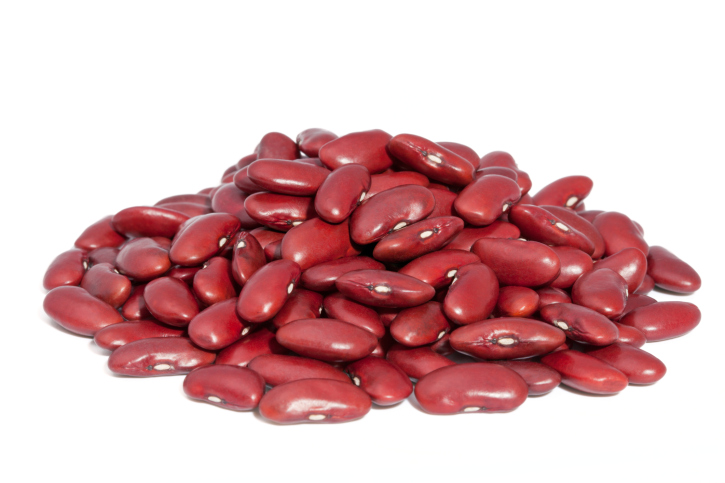
  2. BEANS: Beans are especially rich in soluble fibre and take a while to digest, meaning you feel full for longer hours after a meal. That’s one reason beans are useful food for folks trying to lose weight. With so many choices from navy and kidney beans to lentils, garbanzos, black-eyed peas, and beyond, there are also many ways to prepare them. Beans a very versatile food.
  3. NUTS: A bushel of studies shows that eating almonds, walnuts, peanuts, and other nuts are good for the heart. Eating 2 ounces of nuts a day can slightly lower LDL, on the order of 5%. Nuts have additional nutrients that protect the heart in other ways.

If you are allergic to any kind of nuts like peanuts, Walnuts or cashew nuts; you can go for pistachios or just almonds or if nothing works then you can just quit this food group and try to include the other four foods.

  1. Foods fortified with sterols and stanols: Sterols and stanols extracted from plants gum up the body’s ability to absorb cholesterol from food. Companies and adding them to foods ranging from margarine and granola bars to orange juice and chocolate. They are also available as supplements.Getting 2 grammes of plant sterols or stanols a day can lower LDL cholesterol by about 10%.
  2. FATTY FISH: Eating fish two or three times a week can lower LDL in two ways: by replacing meat, which has LDL -boosting saturated fats, and by delivering LDL -lowering Omega- 3 fats. Omega -3 s reduce triglycerides in the bloodstream and also protect the heart by helping prevent the onset of abnormal heart rhythms.

BUT STAY AWAY FROM…

As you consider eating more of the foods that can help lower down cholesterol, keep in mind that avoiding certain foods can improve your results. To keep cholesterol levels where you want them to be, limit intake of:

SATURATED FATS: The saturated fats found in red meat, milk and other Dairy Foods, and coconut and palm oil directly boost LDL. So one way to lower your LDL is to cut back on saturated fat. Try substituting extra- lean ground beef for regular; Low-fat or skim milk for whole milk; olive oil or a vegetable oil margarine for butter; baked fish or chicken for fried.

TRANS FAT: Trans fats are a by-product of the chemical reaction that turns liquid vegetable oil into solid margarine or shortening and that prevents liquid vegetable oils from turning rancid. Trans fats boost LDL as much as saturated fats do.They also lower protective HDL and increase the tendency for blood clots to form inside blood vessels. Although Trans fats were once ubiquitous in prepared foods, many companies now use trans- free alternatives. Summer restaurants and fast-food chains have yet to make the switch.

May 27, 2017 By Farida Gohil 3 Comments

Low fat, low carb, or Mediterranean: which diet is right for you?

digestive-enzymes-consideration-for-your-health

Losing weight sometimes takes experimentation. If you give a diet your best shot and it does not work long term, may be it was not the right one for you, your metabolism, or your situation.Genes, families, your environment – even your friends – influence how, why, what and how much you eat, so don’t get too discouraged or beat yourself up because a diet that “worked for everybody” didn’t pay off for you. Try another, keeping in mind that almost any diet will help you shed pounds – at least for a short time.

Here is a look at three common diet approaches.

  1. Low fat: does not taste Great… and is less filling

Once the main strategy for losing weight, low fat diets were shoved aside by low-carb frenzy. But, healthy fats can actually promote weight loss, and some fats are good for the heart; eliminating them from the diet can cause problems.

Since fat contains nine calories per gram while carbohydrates contain four, you can theoretically eat more without taking in more calories by cutting back on fatty foods and eating more that are full of carbohydrates, especially water-rich fruits and vegetables. Still such a diet tends to be less filling and flavourful than other diets, which lessens its long-term appeal. And, if the carbs you eat in place of fat are highly processed and rapidly digested, you may be sabotaging your weight loss plan.

  1. Low carbohydrate: Quick weight loss but long-term safety questions

Eating carbohydrates – especially highly processed ones like white bread and white rice quickly boosts blood sugar, which triggers an outpouring of insulin from the pancreas. The surge of insulin can rapidly drop blood sugar, causing hunger. Low-carb proponents claim that people who eat a lot of carbohydrates take in an extra calories and gain weight. Limiting carbs in favour of protein and fat is suppose to prevent the insulin surge and make you feel full longer.

To make up for the lack of carbohydrates in the diet, the body mobilises its own carbohydrates stores from liver and muscle tissue. In the process the body also mobilises water, meaning that the pounds shed are water weight. The result is rapid weight loss but, after a few months, weight loss tends to slow and reverse, just as happens with other diets.

The American Heart Association cautions people against following the Atkins diet because it is too high in saturated fat and proteins, which can be hard on heart, kidneys and bones. The lack of carb rich fruits and vegetables is also worrisome, because eating these foods tends to lower the risk of stroke, dementia and certain cancers. Most experts believe that the south beach and the less restrictive low-carbohydrate diet offer a more reasonable approach.

  1. Mediterranean style: Healthy fats and carbs with a big side of fruits and vegetables

Good fats are the monounsaturated fats found in olive oil and other oils like Coconut oil etc,and the polyunsaturated fats found in fish, Canola oil, walnuts and other foods.(Saturated fats and trans fats are the bad guys.) Mediterranean diets tend to have a moderate amount of fat, but most of it comes from healthy fats. The carbohydrates in the Mediterranean-style diet comes from unrefined, fiber-rich sources like whole wheat and beans. These diets are also rich in fruits and vegetables, nuts,seeds and fish with only modest amount of meat and cheese.

People living in the Mediterranean countries have a lower-than-expected rate of heart disease. But the traditional lifestyle in the region also includes lot of physical activity, regular meal patterns, wine, and a good social support. It is hard to know what relative role these different factors play – but there is growing evidence that, in and of itself the diet can reduce cardiovascular risk and the development of Diabetes.

MAKE YOUR OWN

A good diet should provide plenty of choices, relatively few restrictions, and no longer grocery lists of sometimes expensive special foods. It should be good for your heart, bones, brain and colon as it is for your waistline. And, it should be something you sustain for years. Such a diet will not give you a quick fix. But, they can offer you something better- a lifetime of savoury, healthy choices that will be good for all of you, not just a part of you.

  • « Previous Page
  • 1
  • …
  • 28
  • 29
  • 30
  • 31
  • 32
  • …
  • 38
  • Next Page »

Search

Recent Posts

  • The New Annual Health Check: Tests That Actually Matter After 35
  • 10 Tips for a Blissful Night Sleep
  • World Liver Day 2026: Solid Habits, Strong Liver
  • Prebiotics and Probiotics: What’s the Difference?
  • Social Health and Longevity: Why Relationships Matter as Much as Diet

Stay Updated

Archives

  • April 2026 (16)
  • March 2026 (18)
  • February 2026 (14)
  • January 2026 (14)
  • December 2025 (19)
  • November 2025 (15)
  • October 2025 (20)
  • September 2025 (6)
  • August 2025 (6)
  • July 2025 (12)
  • June 2025 (18)
  • May 2025 (16)
  • April 2025 (22)
  • March 2025 (28)
  • February 2025 (22)
  • January 2025 (25)
  • December 2024 (22)
  • November 2024 (23)
  • October 2024 (21)
  • September 2024 (23)
  • August 2024 (30)
  • July 2024 (21)
  • June 2024 (25)
  • May 2024 (30)
  • April 2024 (27)
  • March 2024 (27)
  • February 2024 (24)
  • January 2024 (21)
  • December 2023 (14)
  • November 2023 (10)
  • October 2023 (19)
  • September 2023 (22)
  • August 2023 (18)
  • July 2023 (22)
  • June 2023 (23)
  • May 2023 (24)
  • April 2023 (21)
  • March 2023 (23)
  • February 2023 (19)
  • January 2023 (15)
  • December 2022 (11)
  • November 2022 (15)
  • October 2022 (15)
  • September 2022 (12)
  • August 2022 (10)
  • July 2022 (17)
  • June 2022 (11)
  • May 2022 (10)
  • April 2022 (6)
  • March 2022 (6)
  • February 2022 (13)
  • January 2022 (11)
  • December 2021 (7)
  • November 2021 (3)
  • October 2021 (6)
  • September 2021 (3)
  • August 2021 (8)
  • July 2021 (7)
  • June 2021 (15)
  • May 2021 (16)
  • April 2021 (10)
  • March 2021 (7)
  • February 2021 (4)
  • January 2021 (4)
  • December 2020 (3)
  • November 2020 (4)
  • October 2020 (10)
  • September 2020 (3)
  • August 2020 (3)
  • July 2020 (2)
  • June 2020 (4)
  • May 2020 (10)
  • April 2020 (12)
  • March 2020 (10)
  • February 2020 (4)
  • January 2020 (4)
  • December 2019 (3)
  • November 2019 (7)
  • October 2019 (5)
  • September 2019 (4)
  • August 2019 (9)
  • July 2019 (9)
  • June 2019 (11)
  • May 2019 (4)
  • April 2019 (8)
  • March 2019 (8)
  • February 2019 (9)
  • January 2019 (8)
  • December 2018 (9)
  • November 2018 (3)
  • October 2018 (3)
  • September 2018 (5)
  • August 2018 (10)
  • July 2018 (6)
  • June 2018 (13)
  • May 2018 (8)
  • April 2018 (18)
  • March 2018 (9)
  • February 2018 (8)
  • January 2018 (15)
  • December 2017 (12)
  • November 2017 (19)
  • October 2017 (13)
  • September 2017 (15)
  • August 2017 (4)
  • July 2017 (8)
  • June 2017 (7)
  • May 2017 (6)
  • April 2017 (8)
  • March 2017 (6)
  • February 2017 (7)
  • January 2017 (9)
  • December 2016 (10)
  • November 2016 (7)
  • October 2016 (7)
  • September 2016 (7)
  • August 2016 (11)
  • July 2016 (9)
  • June 2016 (9)
  • May 2016 (12)
  • April 2016 (17)
  • March 2016 (17)
  • February 2016 (8)
  • January 2016 (6)
  • December 2015 (2)
  • November 2015 (9)
  • October 2015 (7)
  • September 2015 (9)
  • August 2015 (11)
  • July 2015 (9)
  • June 2015 (11)
  • May 2015 (9)
  • April 2015 (13)
  • March 2015 (8)
  • February 2015 (5)
  • January 2015 (12)
  • December 2014 (14)
  • November 2014 (11)
  • October 2014 (6)
  • September 2014 (13)
  • August 2014 (12)
  • July 2014 (6)
  • June 2014 (2)
  • May 2014 (7)
  • April 2014 (4)

From “Laddu Nawin” to Fit and Fierce: How a 25-Year-Old Insurance Advisor Shed 20 Kilos and Gained His Life Back

When 25-year-old Nawin Yadav from Hyderabad walked into his office every morning, he carried more than just his files and policy papers. He had the weight of fatigue, sluggish energy, and an ever-growing belly that was becoming the butt of jokes. “People … [Read More...]

“I’ve Challenged Myself to Live 100 Years” – The Story of Chandubhai Savani’s Second Chance at Life

At 67, most people start slowing down. Not Chandubhai Savani. A resident of Surat, Chandubhai, thought life was on track. “My life was going well till I had my bypass surgery,” he says. That surgery, back in 2021, was a wake-up call.  Medication was routine, but exercise wasn’t. His diet? What he calls ‘normal.’ “I […]

From Shimla’s Slopes to Chandigarh’s Sidewalks: Surinder Kaur Bhalla’s Journey from Chaos to Control

Some journeys start with a plan. Others begin with a stumble literally. Surinder Bhalla, a government professional, born and raised in the scenic hill town of Shimla, had always lived a life of movement. “In Shimla, you walked everywhere,” she reflects. “Walking was never an exercise. It was just life.” But after shifting to Chandigarh, […]

Ananda Mukherjee Health Story

From Terminal Illness To Complete Wellness! Ananda Mukherjee Health Story

As we observe World Cancer Day under the powerful theme ‘United by Unique’ (2025-2027)**, we are reminded that every individual’s journey with cancer is distinct, yet united by shared resilience, hope, and the collective fight against this disease. This theme places people at the centre of care and their stories at the heart of the […]

  • HOME
  • HEALTHY LIVING
  • FITNESS
  • HEALTHY RECIPES
  • USER STORIES
  • KARMA
  • BUY GOQii

Copyright ©2016 GOQii