GOQii

Blog

  • HOME
  • HEALTHY LIVING
  • FITNESS
  • HEALTHY RECIPES
  • USER STORIES
  • KARMA
  • BUY GOQii

Search Results for: kidney

March 22, 2017 By Trishala Chopra 32 Comments

All you need to know about whey protein!

560183-milk

The more people are getting concerned about their health, more brands of whey proteins are being introduced in the market.

Being a consumer, you have the right to know about what is going inside your body. You might have heard a lot about whey protein, but are you aware about what exactly it is?

Everybody who talks about whey protein have mixed reactions. When I tell my players about whey protein, I get a list of questions!

Why do I need whey protein?

What is the other option for whey protein?

Is taking supplement good for health?

Will whey protein affect my kidney?

I am okay with all these questions because there are many healthcare sites having mixed opinions about whey protein.

Let’s not be judgemental about anything.

It’s not even correct to call ‘whey protein’ as a supplement because it does occur in natural food sources as well!

This blog will help you clear your doubts about whey protein!

What is whey and where do we get it from?

  • Whey is derived from animal milk.
  • Milk protein is divided into 2- Whey (20% of the protein in milk) and casein (80% of the protein in milk)
  • Whey protein is said to be a complete source of protein as it contains all essential amino acids (These amino acids are not produced by the human body so it must be supplemented through diet) which are required by the human body.
  • Whey protein is water soluble while casein protein is insoluble in water.

What are the natural food sources in which whey protein is present?

  • Ricotta cheese
  • Milk
  • Yogurt

There are different supplements available in the market which has different brand names and components in it. Let’s understand what are those types of whey proteins listed on the supplements?

1.  Whey protein concentrate

  • Whey protein concentrate is also labelled as WPC.
  • WPC label is only given to those supplements which has 90% or less than 90% of protein by weight.

How to read the label of the protein supplement to understand if it is WPC or something else?

  • Check the protein % on the label. If it is less than 90% then it is WPC.
  • The ingredients which are listed on the top of the label are in more quantities as compared to the ones which are mentioned at the bottom of the nutritional label.
  • For example, if a supplement box has 40% WPC84 written on it, this means that the supplement has 84% of the WPC and rest all the ingredients is a combination of lactose, milk derivatives, minerals and fats.

Advantages of choosing WPC: –

  • It is cheaper as compared to the other types of whey protein and fits in the budgets of fitness freaks.

Disadvantages of choosing WPC: –

  • It has low bioavailability.
  • Supplements with WPC contains lactose or milk derivatives in it which cannot be used by lactose intolerant people.

2. Whey protein isolate

  • Whey protein isolate is also labelled as WPI.
  • It is the purest form of protein which eliminates all the lactose and fats present.
  • WPI label is only given to those supplements which has 90% or more than 90% of protein by weight.

Advantages of choosing WPI: –

  • Its high-end techniques are used to eliminate the lactose and fats which makes WPI the purest form of protein.
  • As there is no lactose in it, lactose intolerant people can choose this supplement.

Disadvantages of choosing WPI: –

  • It is expensive.
  • As it has no carbohydrates and fats, the taste often becomes an issue for the people.

3.  Whey protein hydrolysate or blends

  • They are the blend of WPC and WPI which mostly commonly available in the market.
  • The cost for these blends are neutral. It depends on the ratio of WPC and WPI.

Advantage of choosing whey protein hydrolysate or blends: –

  • Neutral cost. Neither too expensive nor too cheap.

Disadvantage of choosing whey protein hydrolysate or blends: –

  • WPC: WPI ratios can be misleading so as explained above, which ingredient comes first is more in the supplement as compared to the one which comes at the bottom. 

How does whey protein work in the body?

  • Whey protein is a complete source of protein having all essential amino acids including leucine. Leucine is a very important amino acid when it comes to muscle building and toning of the body. Thus, whey becomes the most popular source of protein!
  • Bioavailability (Ability of animal to utilize that protein in the body) of whey is very high as compared to other protein sources!

Let’s have a look: –

Protein sources

Bioavailability
WPI 159
WPC 104
Whole egg 100
Milk 91
Cheese 84
Fish 82
Chicken 79
Soya 74
Casein 71
Yogurt 68
Egg white 88
Oatmeal 58
  • The above table shows that whey protein has the highest bioavailability, which becomes the most favourite protein of all times!

How much whey protein you need every day?

  • A healthy adult requires 0.8-1g per kg body weight protein in a day depending on the physical activity. If you are into intense working out like athletes and sports person, the protein intake can go up to 1.5 g to 2g/per kg of body weight in a day.
  • For example, an average man with sedentary lifestyle whose weight is 60kgs requires 0.8 g per kg body weight per day.

So, it is calculated as,

Weight x requirement of protein as per physical activity= Ideal protein intake per day.

As per the above example,

60 x 0.8= 48g per day.

  • Protein can be obtained from natural sources as well. If the person can get the ideal protein intake through natural foods, then he might not require a supplement for the same.
  • But if the person is a vegetarian, he might need to add up a supplement because vegetarian sources have low bioavailability as compared to non-vegetarian sources.
  • Fitting his/her ideal protein requirement, 1-2 scoops per day can be taken to complete the requirement.
  • If a person does heavy workout, he might need to alter his intake of whey protein depending upon the meal pattern he follows.

     “Keep a check on your protein intake, overdoing anything won’t help!”

What are the benefits of whey protein?

  • There is a myth that whey protein leads to weight gain but that is not true. On the contrary, whey protein helps in weight loss (It has fat loss enhancing property).
  • It helps in muscle building.
  • It helps in faster recovery post workout.
  • It promotes growth of lean tissue mass.
  • It improves muscle protein synthesis.
  • It boosts immune function.
  • It helps in controlling sugar cravings.
  • It has high bioavailability as explained above.

What are the side effects of whey protein?

  • Like a coin, everything has 2 sides. With benefits, whey protein also has some side effects.
  • Bloating, upset stomach, increased bowel movements are some side effects of whey protein.
  • You need to check yourself for allergies before starting off with whey protein.
  • Check your total protein requirement before including whey protein in your list!


PS: – Whey protein is soluble in water so if in case it doesn’t dissolve in water, that protein supplement is not a right choice then! Read the label before choosing any supplement for you.

February 17, 2017 By Dr Darshana Salve 2 Comments

Blood should circulate – Donate Blood!

blood-donation

We only understand the importance of blood donation when someone close to us is in need of it. A few days back my cousin contacted me to know the availability of blood for her friend’s father who met with an accident. Unfortunately, we lost him due to excess blood loss. We know of this incident because it’s a dear friend’s father but, on a daily basis there are so many such cases where there is loss of death due to non-availability of blood.

Statistics show that roughly every year in India there are 234 million major operations, 63 million trauma-induced surgeries, 31 million cancer-related procedures and 10 million pregnancy related complications which require blood transfusions.

Apart from these there are also disorders like sickle cell anemia, thalassemia and hemophilia that require repeated blood transfusions.

One of the main reasons for lack of blood is, many people are skeptical about blood donation. They have fears of contracting infections during blood donation, fear of the needle or feeling weak after blood donation. Human body approximately has 4.7-5.5 L of blood, out of it only 350/ 450 ml of blood is withdrawn during blood donation drives and it takes only a day or two to replenish the fluid volume in the body and three months for the regeneration of red cells to donate more blood.

There is no substitute for human blood. Blood cannot be manufactured – it can only come from
volunteer donors like you and me. One blood donation can save 3 lives. But, unfortunately only 1 % of volunteer donors come forward to donate blood and majority of the blood donation comes from replacement donors.

Blood Donation Camp

Replacement donors are friends and relatives of a patient who donate blood as replacement for the blood given to the patient.

At times, these replacement donors (friends and relatives) are more likely to harm the recipients by hiding or overlooking the many don’ts of donation.

Though voluntary self-referral to donate without citing reasons is widely accepted, replacement donors rarely adhere to it either to hide their high-risk behavior or due to pressure to meet the immediate demand for certain units of blood. As a result, the prevalence of HIV, hepatitis B, and hepatitis C is much higher among family donors when compared to voluntary donors, according to a 2012 study published in the Asian Journal of Transfusion Science.

Donation of safe blood can be achieved only when replacement donors are replaced by healthy volunteer donors to meet ‘over 95 per cent of blood requirement’. This can be done through increased awareness, providing appropriate facilities for people to donate blood, and improved donor retention.

While donating blood always be truthful about your health status!

Do not donate blood if you have any of these conditions

  • Cold / fever in the past 1 week.
  • Under treatment with antibiotics or any other medication.
  • Cardiac problems, hypertension, epilepsy, diabetes (on insulin therapy), history of cancer, chronic kidney or liver disease, bleeding tendencies, venereal disease etc.
  • Major surgery in the last 6 months.
  • Vaccination in the last 24 hours.
  • Miscarriage in the last 6 months or have been pregnant / lactating in the last one year.
  • Had fainting attacks during last donation.
  • Have regularly received treatment with blood products.
  • Shared a needle to inject drugs/ have history of drug addiction.
  • Had sexual relations with different partners or with a high risk individual.
  • Tested positive for antibodies to HIV.
  • If you are Underweight ( below 50 KGs)

Pregnancy and Menstrual Cycle

  • Females should not donate blood during pregnancy and lactation.
  • Females should not donate blood if they are having heavy menstrual flow or menstrual cramps.

Do donate blood if…

  • You are between age group of 18-60 years.
  • Weight is 50 kgs or more.
  • Hemoglobin is 12.5 gm% minimum.
  • Last blood donation was 3 months earlier.
  • You are healthy and have not suffered from malaria, typhoid or other transmissible disease in the recent past.

It’s time that we take up the responsibility to do voluntary blood donation. Donate Blood without waiting for a call.

February 2, 2017 By Dr. Viral Thakkar 6 Comments

Surya Namaskar-The 12 Commandments of Sun!

surya-namaskarAvinash, 40 years is hypertensive, diabetic and obese. He has a hectic lifestyle that involves lots of travel. His dietary habits are ill-disciplined and there is no physical activity. He visited me to tell him a mantra which can be followed easily and anywhere for his health. There are many people like Avinash who are concerned about their health but a busy lifestyle is a huge road-block to pursue anything. For such people the practice of Surya Namaskar- Sun Salutation is an ideal habit to inculcate. It is a dynamic exercise which can be done by anyone, at any age and the time required to practise this is not more than 10-15minutes.

Sun is the basic source of energy on the basis of which everyone exists. The importance of sun and the energy it provides is revered in various traditions. The energy of the sun has tremendous healing power, if tapped in the right way the results are miraculous in physical and mental ailments.

  1. Pranamasan- Stand erect with feet together. Join the palms together in front of the chest in a ‘namaste’ pose. Usually your hands will fall around your heart. Inhale and exhale slowly and gradually. This posture helps to induce a state of relaxation, calmness, gratitude and love.
  1. Hastauttanasana- Join your hands together again, inhaling stretch both arms above the head, palms facing upward. Arch the back and stretch the whole body backwards. This posture stretches the chest and the abdomen and lifts the energy to the upper parts of the body propelled by inhalation. It is an excellent stretch for the back muscles making it stronger.
  1. Padahastasana – Bend the body down while exhaling and keep the spine straight. Keep the legs straight and perpendicular to the ground. The knees should ideally be straight; don’t force yourself, but try to touch your feet. In due course you will!

This posture impacts the abdominal organs- liver, kidneys, pancreas, adrenals, uterus and ovaries. The power of digestion increases and female disorders such as prolapse and menstrual irregularities are relieved. A healthy flow of blood is sent to the spinal nerves as they are stretched and toned. The hamstring muscles at the back of the thigh and calf muscles are stretched and toned.

  1. Ashwa Sanchalanasana – While inhaling, extend the left leg back and drop the knee to the ground. The right knee is bent and kept between the hands and the right foot placed flat on the ground. Lift the spine and open the chest. Concentrate at the eyebrow center. This posture tones the abdominal organs and gives flexibility to the leg muscles during stretching. It is a balancing posture because the spine lengthens upwards while the hands are grounded.
  1. Parvatasana (Mountain posture)- On the exhalation bring the right leg back to join with the left leg. Simultaneously raise the buttocks and lower the head between the arms, so that the body forms a triangle with the floor and you look like a mountain! Try to place the heels flat on the ground.

This posture strengthens the nerves and muscles in the arms and legs, stretches the calf muscles and Achilles’ tendons and makes the spine straight and taut. It relieves varicose veins and tones spinal nerves. Parvatasana pulls up all the abdominal, pelvic and side muscles, stretches the spine and ribs, loosens the hips, stretches and exercises the usually inactive waist zone and helps to reduce a fat, flabby and protruding abdomen. It also aids correct breathing.

  1. Ashtanga Namaskara – Exhaling gently drop both knees to the ground and slowly slide the body down at an angle as you bring the chest and chin to the ground. All eight limbs – toes, knees, chest, hands and chin touch the floor. The buttocks are kept up. You can hold your breath. This posture develops the chest and strengthens arms. It sends additional blood to this area helping to rejuvenate the nerves. It works and improves the muscles of all the 8 limbs involved.
  1. Bhujangasana- On the inhalation, lower the hips while pushing the chest forward and upward with the hands, until the spine is fully arched and the head is facing up. The knees and lower abdomen remain above the floor. This pose expands the all organs of the chest and abdomen, relieving many ailments such as asthma, constipation, indigestion, kidney and liver problems. It is very helpful in relieving tension in the back muscles and spinal nerves.

From here on, you will do the poses in a reverse action.

  1. Parvatasana (Mountain posture) Exhale and get back to posture 5
  1. Ashwa Sanchalanasana- Inhale and swing the right leg forward between the hands. The left leg remains back. Resume posture 4. 
  1. Padahastasana (Hand to foot posture)- Exhaling, bring the left foot forward. Join both legs and resume posture 3
  1. Hastauttanasana (Raised arm posture)- Inhale, raise the trunk up and bend backward. Resume posture 2
  1. Pranamasana (Salutation posture)- Straighten the body and bring your hands in front of the chest. Resume posture 1.

These simple set of 12 exercise postures ensures that you begin your day with a bang! As a Doctor who understands the science of human body, I believe these set of exercises are a boon. Every posture in Surya Namaskar has a corresponding effect on our internal organs as described above. For best results, one should practise these steps with deep inhalation and exhalation. You can also do each pose quickly and have 2-3 cycles of Namaskar, but for best results, take deep breaths- 5-8 for each pose.

It is not only beneficial for the physical body, but it leads to mental and spiritual growth if done regularly. In ancient literature even Patanjali describes it as a complete exercise- involving every muscle, joint and organs. It balances all the systems of human body- it rejuvenates the cells of the body leading to an ideal health state. The above mentioned benefits are just a few of the huge list of advantages.

Salute the Sun! Salute your Health!

Surya Namaskar is a set of 12 poses (steps), if performed in sequence every day with correct breathing is the best gift one can give to one’s own self. Ideally, these poses should be done empty stomach, at the time or just before sunrise. I will introduce you to each of these poses and the significance of each.

November 22, 2016 By Shimpli Patil 2 Comments

Preparing for a 50 km Trail walk – What you need to remember and do

Marathon walking

Walking is one of the easiest things one can do. We all do it every day. But how does it feel when I say let’s walk 50 km in 18 hours! “Are you kidding me?” That’s exactly how I reacted when I came across the 50 km Trail Challenge. It is indeed a crazy bet!!

I have been into dancing and fitness for years. But, I never wanted to stop at just being fit. There has always been a kind of restlessness within me, an unreasonable desire to try out something new that I would remember for life and proudly tell my grandchildren about. That’s when I decided to push my limits and test my endurance and willpower, and there was ‘No way’ I could say a ‘No’ to this breath-taking Challenge – A 50 km Trail Challenge.

Apart from training, there are 2 most crucial things that we need to pay special heed to.

Nutrition and Hydration

Let’s check out what we need to do before, during and after the trail walk.

  • NUTRITION BEFORE THE TRAIL WALK (3 days prior)-

We need to keep our Glycogen stores ready. Glycogen is nothing but a storage form of Glucose (energy), which disintegrates to release glucose in the bloodstream when body demands energy.

The only way to build up the glycogen stores is to Carbo-load our body 3 days prior to the event (exactly how the marathoners do). Many people consider it as a “golden opportunity”. That’s simply because we have all the liberty to relish the foods which are otherwise considered “fattening”. You might think I am joking, but we need this to blow up our glycogen reserves, which would ensure sustained energy supply during the event.

It’s a complete carb-treat for 3 days! We need to have a mix of complex and simple carbs. We can enjoy Rice, Rotis, Potatoes, Sweet Potatoes, Fruits, Dry Fruits, Breakfast Cereals (Oats, Cornflakes, Wheat flakes, Muesli), whole wheat bread with Peanut Butter, Daliya (broken wheat), Idli, Dosas, Biscuits, Noodles, Whole Wheat Pasta, Spaghetti, Nachos, Tortillas. Go for tomato sauce in pasta/spaghetti/nachos instead of cheese sauce. Foods with cheese is acidic which might just slow down our body.

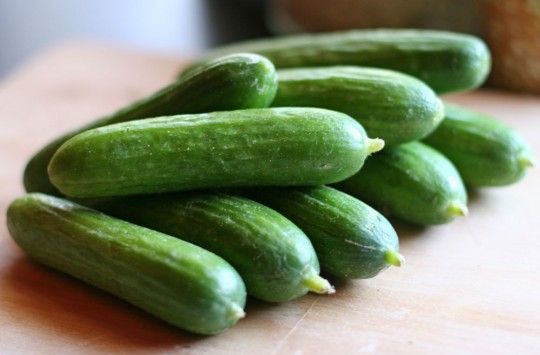
Acidic body equals to less Oxygen to the cells. Thus, along with carb-loading, we also need to make sure we keep our body alkaline. Oxygen breeds in an alkaline medium, and our cells need maximum Oxygen during this period. Quick ways to ensure alkalinity- Grab a glass of lemon water twice a day or simply sprinkle lemon over your food before you eat or go for a bowl of sliced cucumber during lunch and dinner. Stay off Naans and Tandoori rotis. Most importantly, we need to stay miles away from the road-side food or unhygienic food as we don’t want to fall ill few days before the event or ever.

  • HYDRATION BEFORE THE TRAIL WALK

3 days prior, we need to double our water intake. If you drink 3 litres on a regular basis, you got to drink 6 litres now. This is just to make sure our body cells are well hydrated and well energized.

  • NUTRITION DURING THE TRAIL WALK

Surprisingly, you don’t feel very much hungry during the walk as your primary focus is on walking and completing it. Now that doesn’t mean you should forget to eat. We need the sugar boost, we need the food! Carry dry munchies with you such as dry fruits, nuts, khakras, biscuits, cookies, rice puffs or wheat puffs, roasted chanas, peanuts, fox nuts (makhanas), soya nuts, energy bars, etc. and munch on them at regular intervals not only for energy but to prevent acidity and headache caused due to large meal gaps.

When you halt for breakfast/lunch/dinner, make sure you aren’t loading your body with too much food. It might just make you sluggish and sleepy, making it difficult for you to get going again. Ensure that you effectively follow the ‘Portion Control’ mantra rather than going overboard with eating.

  • HYDRATION DURING THE WALK

Though we don’t feel the hunger, our thirst center is very much active and we need to quench our thirst at regular intervals. It’s important that we don’t GULP down water but patiently SIP it.

Apart from plain water, we also need electrolytes (Sodium-Potassium) to prevent cramps/spasms while walking. Carry a small 250 ml bottle filled with ORS (electoral/ glucon D/ enerzal/ lemon water with salt) and make sure it lasts for the 10 km distance, which means we need not even over consume the electrolytes. Remember, moderation is the key.

NUTRITION AFTER THE TRAIL WALK

Now this feels Wow! It’s time to celebrate! It’s time to rest and recover. Along with carbs, we now need adequate good quality proteins as well.

Look out for a good mix of carb+protein in your meals-

Milkshakes or Fruit Smoothies, Paneer Roll or Paneer toast, Hummus with Pita bread, roasted Chicken or Chicken gravy with bread/rotis, Yogurt sprinkled with crushed nuts/chopped fruits/pumpkin seeds/sunflower seeds, Sprout Chaat with chopped veggies, Egg and Cheese toast, Grilled Fish with Boiled Potatoes and Salad, Bean rice (Rajma-Kidney Beans) with curd.

These are a few ways of ensuring that your muscles are well treated with proteins for recuperation and that your body is fuelled with a good power supply (carbs).

HYDRATION AFTER THE TRAIL WALK-

You can get your water intake back to normal, but make sure it doesn’t go below 3 litres.

12 glasses or 3 litres is what our body needs to stay hydrated even on a regular basis.

So folks, gear up for the Mega event of your life, feel the rush and say it out loud- “BE THE FORCE!”

  • « Previous Page
  • 1
  • …
  • 29
  • 30
  • 31
  • 32
  • 33
  • …
  • 38
  • Next Page »

Search

Recent Posts

  • World Liver Day 2026: Solid Habits, Strong Liver
  • Prebiotics and Probiotics: What’s the Difference?
  • Social Health and Longevity: Why Relationships Matter as Much as Diet
  • Top 10 Foods For Diabetics: What to Eat to Manage Blood Sugar
  • Why Good Nutrition Before Conception Is Crucial For Your Baby’s Health

Stay Updated

Archives

  • April 2026 (14)
  • March 2026 (18)
  • February 2026 (14)
  • January 2026 (14)
  • December 2025 (19)
  • November 2025 (15)
  • October 2025 (20)
  • September 2025 (6)
  • August 2025 (6)
  • July 2025 (12)
  • June 2025 (18)
  • May 2025 (16)
  • April 2025 (22)
  • March 2025 (28)
  • February 2025 (22)
  • January 2025 (25)
  • December 2024 (22)
  • November 2024 (23)
  • October 2024 (21)
  • September 2024 (23)
  • August 2024 (30)
  • July 2024 (21)
  • June 2024 (25)
  • May 2024 (30)
  • April 2024 (27)
  • March 2024 (27)
  • February 2024 (24)
  • January 2024 (21)
  • December 2023 (14)
  • November 2023 (10)
  • October 2023 (19)
  • September 2023 (22)
  • August 2023 (18)
  • July 2023 (22)
  • June 2023 (23)
  • May 2023 (24)
  • April 2023 (21)
  • March 2023 (23)
  • February 2023 (19)
  • January 2023 (15)
  • December 2022 (11)
  • November 2022 (15)
  • October 2022 (15)
  • September 2022 (12)
  • August 2022 (10)
  • July 2022 (17)
  • June 2022 (11)
  • May 2022 (10)
  • April 2022 (6)
  • March 2022 (6)
  • February 2022 (13)
  • January 2022 (11)
  • December 2021 (7)
  • November 2021 (3)
  • October 2021 (6)
  • September 2021 (3)
  • August 2021 (8)
  • July 2021 (7)
  • June 2021 (15)
  • May 2021 (16)
  • April 2021 (10)
  • March 2021 (7)
  • February 2021 (4)
  • January 2021 (4)
  • December 2020 (3)
  • November 2020 (4)
  • October 2020 (10)
  • September 2020 (3)
  • August 2020 (3)
  • July 2020 (2)
  • June 2020 (4)
  • May 2020 (10)
  • April 2020 (12)
  • March 2020 (10)
  • February 2020 (4)
  • January 2020 (4)
  • December 2019 (3)
  • November 2019 (7)
  • October 2019 (5)
  • September 2019 (4)
  • August 2019 (9)
  • July 2019 (9)
  • June 2019 (11)
  • May 2019 (4)
  • April 2019 (8)
  • March 2019 (8)
  • February 2019 (9)
  • January 2019 (8)
  • December 2018 (9)
  • November 2018 (3)
  • October 2018 (3)
  • September 2018 (5)
  • August 2018 (10)
  • July 2018 (6)
  • June 2018 (13)
  • May 2018 (8)
  • April 2018 (18)
  • March 2018 (9)
  • February 2018 (8)
  • January 2018 (15)
  • December 2017 (12)
  • November 2017 (19)
  • October 2017 (13)
  • September 2017 (15)
  • August 2017 (4)
  • July 2017 (8)
  • June 2017 (7)
  • May 2017 (6)
  • April 2017 (8)
  • March 2017 (6)
  • February 2017 (7)
  • January 2017 (9)
  • December 2016 (10)
  • November 2016 (7)
  • October 2016 (7)
  • September 2016 (7)
  • August 2016 (11)
  • July 2016 (9)
  • June 2016 (9)
  • May 2016 (12)
  • April 2016 (17)
  • March 2016 (17)
  • February 2016 (8)
  • January 2016 (6)
  • December 2015 (2)
  • November 2015 (9)
  • October 2015 (7)
  • September 2015 (9)
  • August 2015 (11)
  • July 2015 (9)
  • June 2015 (11)
  • May 2015 (9)
  • April 2015 (13)
  • March 2015 (8)
  • February 2015 (5)
  • January 2015 (12)
  • December 2014 (14)
  • November 2014 (11)
  • October 2014 (6)
  • September 2014 (13)
  • August 2014 (12)
  • July 2014 (6)
  • June 2014 (2)
  • May 2014 (7)
  • April 2014 (4)

From “Laddu Nawin” to Fit and Fierce: How a 25-Year-Old Insurance Advisor Shed 20 Kilos and Gained His Life Back

When 25-year-old Nawin Yadav from Hyderabad walked into his office every morning, he carried more than just his files and policy papers. He had the weight of fatigue, sluggish energy, and an ever-growing belly that was becoming the butt of jokes. “People … [Read More...]

“I’ve Challenged Myself to Live 100 Years” – The Story of Chandubhai Savani’s Second Chance at Life

At 67, most people start slowing down. Not Chandubhai Savani. A resident of Surat, Chandubhai, thought life was on track. “My life was going well till I had my bypass surgery,” he says. That surgery, back in 2021, was a wake-up call.  Medication was routine, but exercise wasn’t. His diet? What he calls ‘normal.’ “I […]

From Shimla’s Slopes to Chandigarh’s Sidewalks: Surinder Kaur Bhalla’s Journey from Chaos to Control

Some journeys start with a plan. Others begin with a stumble literally. Surinder Bhalla, a government professional, born and raised in the scenic hill town of Shimla, had always lived a life of movement. “In Shimla, you walked everywhere,” she reflects. “Walking was never an exercise. It was just life.” But after shifting to Chandigarh, […]

Ananda Mukherjee Health Story

From Terminal Illness To Complete Wellness! Ananda Mukherjee Health Story

As we observe World Cancer Day under the powerful theme ‘United by Unique’ (2025-2027)**, we are reminded that every individual’s journey with cancer is distinct, yet united by shared resilience, hope, and the collective fight against this disease. This theme places people at the centre of care and their stories at the heart of the […]

  • HOME
  • HEALTHY LIVING
  • FITNESS
  • HEALTHY RECIPES
  • USER STORIES
  • KARMA
  • BUY GOQii

Copyright ©2016 GOQii