GOQii

Blog

  • HOME
  • HEALTHY LIVING
  • FITNESS
  • HEALTHY RECIPES
  • USER STORIES
  • KARMA
  • BUY GOQii

Search Results for: hormone

February 26, 2019 By Satish Kurapaty 9 Comments

Hair Loss & Foods To Prevent It

Hair Loss & Foods To Prevent It
After a long and tiring day when I reached home late at night, I had this good idea to get a head massage to be able to sleep well. I started massaging my head gently with oil. After a while I was shocked to see a mop of hair in my hand. I was losing a lot of hair…

More often than not, we are unaware of hair loss. We are so busy with our daily routine and hectic work schedules that we do not pay attention to these matters. However, let me tell you that it is very important to be aware of everything that is happening within us. We need to understand the reason for hair loss. Anybody can experience hair loss. It is not peculiar to men alone. Women and children can also go through hair loss.

Everyone loses hair. It is normal to lose about 50-100 hair every day. But, if you see bald patches or lots of thinning, you may be experiencing hair loss. There are many causes of hair loss. Women may notice hair loss after giving birth. People under lot of stress can see noticeable hair loss. Some diseases and medical treatments can cause hair loss. Even how you style and care for your hair can cause hair loss.

It may be temporary or permanent, and the most common cause of hair loss is a medical condition called hereditary hair loss. Hair loss can happen in many different ways, depending on the problem that’s causing it. It can come suddenly or gradually and affect your scalp.

Let us take a detailed look at the some of the reasons that cause hair loss:

  • Hormonal Changes: The most common hair loss is a hereditary condition called male pattern baldness or female pattern baldness. Genetically susceptible people and certain sex hormones trigger a particular pattern of permanent hair loss. Most common in men, this type of hair thinning can begin as early as puberty. Hormonal changes and imbalance can also cause temporary hair loss. This could be found in women due to child birth or the onset of menopause.
  • Medical Conditions that can lead to hair loss are thyroid problems, skin infections or other skin disorders. Hair loss can also be caused by Alopecia Areata, which is a condition that starts suddenly and causes patchy hair loss in children and young adults. This condition may result in complete baldness (Alopecia Totalis) but in about 90% of people with the condition, the hair returns within a few years.
  • Medications can also cause hair loss. Drugs used to treat cancer, arthritis, depression, heart problems and blood pressure are some of them.
  • Physical or Mental Shock: Many people experience a general thinning of hair several months after a physical or emotional shock.
  • Hair Pulling Disorder: Mental illness causes people to have an irresistible urge to pull out their hair whether it’s from the scalp, eyebrows or other areas of the body. Hair pulling from scalp often leaves patchy bald spots on the head.
  • Certain Hair Styles: Traction hair loss can occur if the hair is pulled too tightly into hairstyles such as pigtails and cornrows.

For some types of hair loss, hair may grow without any treatment while for other types of hair loss treatment may help the hair grow back.

It is very important to understand the causes of hair loss. You should make a note of all the possible changes that happen in your day to day life. Understand the cause and work towards it. Few tips such as eating healthy, nutritional and balanced food may help. Avoid tight hairstyles and avoid compulsive twisting, rubbing or pulling of your hair.

Here are a few tips that I have chalked out that will help you maintain healthy hair. Certain foods in our diet will keep your scalp healthy. Foods that contain proteins, iron, silica and zinc help preventing hair loss.

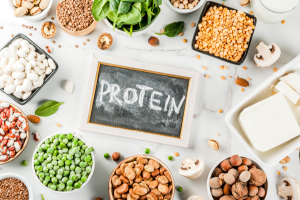
  • Protein: Hair is primarily made of protein and therefore, it makes sense to eat a protein rich diet. Stick to leaner proteins such as fish, chicken, calf’s liver, low fat cheese, eggs, almonds, beans and yogurt. Soy milk and tofu are also smart options to add to your diet as they are high in protein and low in bad fats.
  • Iron: Iron plays a key role in manufacturing hemoglobin, the part of blood that carries oxygen to your body‘s organs and tissues. Adding more iron to your diet doesn’t mean you have to feast on liver, day in and day out, but when you are craving for something sweet, remember that dried fruits and cherry juice are packed with iron. Try eggs, dates, raisins, dark green leafy vegetables such as Kale and whole grain cereals. Vitamin C improves the absorption of iron, so fruits such as orange, strawberries and lemons should be in your grocery list of foods that prevent hair loss.
  • Silica: Add silica to your daily menu and see the difference because body uses silica to help it absorb vitamins and minerals. If you are not consuming silica, eating vitamins might not help much. Silica can be found in bean, sprouts and skin of cucumber. You will also find it in red and green peppers and potatoes.
  • Zinc: Many men who suffer from hair loss are found to have zinc deficiencies. Zinc plays a key role in many of the body’s functions, from cell reproduction to hormonal balance, which in turn affects hair growth. Zinc manages the glands that attach to your hair follicles. Eat Zinc-heavy foods such as red meats, poultry, mussels, shrimp, nuts, and oysters.

Just as your overall health will improve from eating a balanced diet, so should the health of your hair. Do not eat things that speed up hair loss. You may be experiencing a thinning on top already, but you can counteract this problem (or at least slow it down) by eating from every food group daily — concentrating on foods that are rich in protein, iron, silica, and zinc.
November 13, 2018 By Samar Hafeez 9 Comments

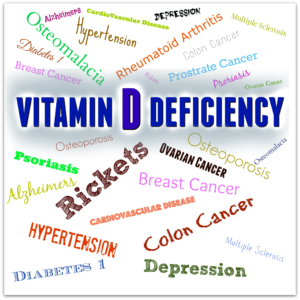
Link between Vitamin D Deficiency & Depression

Vitamin-D- deficiency

Depression has been called the world’s number one public health problem. The American psychological association states that it is the most commonly occurring mental disorder. In India statistics show a shocking rise in the number of depression cases every single year and it affects almost every age group irrespective of gender.

Most of us know depression is a heterogeneous illness and has many different triggers. Let’s try to identify if VITAMIN D deficiency is one among them.

Vitamin D also was known as the “Sunshine” vitamin is a steroid hormone precursor. It was originally thought to play a role in mineralization of bones for keeping them strong and healthy, but over time research has linked low levels of Vitamin D levels to obesity, heart disease, diabetes, cancer, anxiety and DEPRESSION!

Limited sun exposure, darker skin tone, higher altitudes, poor diet, liver and kidney diseases, age etc., are few risk factors for Vitamin D deficiency.

Diagnosis:  The most accurate way to measure how much Vitamin D is in your body is the 25- hydroxylated blood test (25(OH)D). In my practice, I have observed not many have enough or optimal Vitamin D levels which should be over 35 ng/ml

I personally feel that it’s the most underrated and undervalued vitamin of all

Symptomology:  If you have a Vit D deficiency you may experience following physical symptoms

  • Aching bones, joint pains
  • Poor muscle endurance
  • Muscle cramps and weakness
  • Fatigue and generalized weakness
  • DIFFICULTY LOSING WEIGHT
  • Low immunity
  • Decreased stamina and endurance

You may also experience symptoms of Depression that include:

  • Overwhelming sadness, hopelessness, feeling empty
  • Diminished interest or pleasure in activities
  • Loss of appetite
  • Significant weight loss(when not on diet) or weight gain
  • Insomnia or Hypersomnia(excessive sleep) nearly every day
  • Lethargy
  • Problems concentrating
  • Headaches, back and neck pains
  • Psychomotor agitation/retardation(restlessness or sluggishness)
  • Recurrent suicidal ideations.

A link between Vitamin D deficiency and Depression

Many research studies have concluded that Vitamin D receptors have been found in the areas of brain that are linked to the onset of depression, It has also been found that Vitamin D affects the number of chemicals called Monoamines such as serotonin, dopamine (also known as ‘happy hormones’) and how they work in brain. Many anti-depressants medications work by increasing the number of monoamines in the brain.

A review of an international research shows Over 31,000 people participated in 13 studies that efficiently studied this area and the results showed a significant relationship between low levels of Vitamin D and depression.

According to a study in the Netherlands involving 1,702 people found that significant low levels of Vitamin D cause the developing of depressive symptoms in individuals. A 2 year follow up suggested that Vitamin D could be a cost-effective part of prevention and treatment interventions for depression.

One type of depression that appears to be even more strongly associated with Vitamin D is Seasonal Affective Disorder (SAD), a mood disorder characterized by depressive symptoms during times of year when there is relatively less sunshine. It occurs majorly during winter seasons. Symptoms of SAD coincide with a reduction in Vitamin D which in turn effects serotonin levels in the brain, thereby causing depressive symptoms.

Food sources of Vitamin D:

  • Fatty fish like tuna, mackerel, salmon, sardines and herring
  • Cod liver oil contains 450 IU of Vitamin D per teaspoon(5ml)
  • Oysters, shrimp
  • Egg yolks
  • Mushrooms: Like humans, mushrooms synthesize D when exposed to UV light
  • Vitamin D fortified cereals, milk, orange juice or soy milk.

Other helpful options are to get enough sun (at the least for around 15 mints daily) around midday which can be between 11 am to 1 pm. At this time sunlight is at its highest point and your body may manufacture it more efficiently in less time.

Also, get Vitamin D supplements if your D levels are at extremely low levels, recommended daily allowance (RDA) would be of 600 IU daily, plus a 60,000 IU Vitamin D sachet in milk/curd once every month for 4-6 months(see your physician for more information)

Of course, Vitamin D supplementation is only a part of a comprehensive treatment plan. A plan whether based on pharmaceuticals or natural methods should include psychotherapy. However, low levels of Vitamin D can impair and prolong recovery from depression. Hence, it’s always best to treat a problem holistically!

NOTE:

  • Healing properties of natural sunlight cannot penetrate glass, you cannot sit inside your home or car and reap its benefits
  • If you have darker skin, you will need about 25 times more exposure than a light-skinned individual to produce the same amount of D
  • You are looking at months of sunlight/supplements before levels return to normal
  • Kidneys and liver activates Vitamin D, having a kidney disease or damaged liver will hinder the activation of Vitamin D
  • SUNSCREENS- From strongest to weakest prohibit the body from making vitamin D by 95%. Your body needs sunlight without sunscreens to produce vitamin D. Even SPF 8 creams can prevent the production of vitamin D

September 20, 2018 By Navnee Garg 1 Comment

5 signs you’re not getting enough Protein

shutterstock_1008838624 (1)

The food market is constantly advertising about adding protein to all edibles, and this might mislead you into thinking that you are consuming an abundance of this key micronutrient in your diet. This might not be the actual scenario and a lack of protein may be ruining your health and your effort in the gym.

While protein requirement varies for every individual depending upon body weight and activity levels, there is no doubt that an adequate amount of protein keeps the body lean and preserves muscles strength as we age. If you are unsure about the amount of protein you are getting and wondering if it’s enough to fuel your fitness goals, here are a few ways to know.

  1. Your hair starts Thinning

shutterstock_615099917


Hair thinning is a major concern these days and it haunts both genders equally.

But why? And how is protein linked to it? So, here is the answer. If you don’t nourish your body with adequate protein, then it looks for “non-essential” body parts like hair to pull protein from. The body needs nutrients for the basic functioning. Once your hair is deprived of the nutrient it needs, it starts thinning and even falling out. Next time when you observe hair fall or thinning, consume a high protein diet.

      2.Constant Injuries

shutterstock_275149502


Injuries, as we all know, are barriers we have to overcome amidst our fitness journey.  But why do people get injured so frequently? Let’s solve the query. Apart from muscle loss, a lack of protein in diet precipitates several perils such as loss of bone mass and osteoporosis. The body tends to face difficulty in absorbing calcium which most likely will make you prone to injuries. This is the reason why we lack stamina during high-intensity workouts. So, if you are constantly injured, you may need to increase your protein intake. Some rich sources of protein are Seafood, white meat, eggs and green vegetables. Hog on them to keep the doctor away.

       3. Workout Doesn’t Entail Results

shutterstock_144928561

It takes a lot of dedication and effort to wake up each morning and workout. Still, the scale in the weighing machine is not changing? So, here’s the answer to “But why?” Protein is crucial for building new muscle mass and also important in sustainable energy and motivation. It adds up the strength to recover the muscles post workout. A low protein diet may make you suffer muscle atrophy which is a condition when your body starts cannibalizing the tissue for fuel. If you don’t serve your muscle composition with adequate protein, no matter how much you work out, the results will always be below your expectation. Therefore, always consume a protein-rich pre/post workout meal for faster and better results.

       4. Unexpected Anxiety and Food Cravings

collage

Do you often lash out at your co-worker or others around you? This is not always stressing. Let’s dig deeper. Serotonin is a hormone that regulates calmness, and protein plays a vital role in helping the brain synthesize serotonin. Also, if you don’t consume enough protein, your body causes spikes and crashes of insulin, resulting in a craving for carb-rich snacks. Your body’s demand for biscuits and other oily snacks is not because of taste but because of lack of protein. Serotonin also helps in regulating the spike of insulin in your blood, so a lack of serotonin will result in imbalanced amounts of insulin in the blood. So, if you are unable to tame your temper or are craving for greasy and unhealthy snacks, it could be a sign of protein deficiency. When you feel anxious next time, you know what you need.


July 11, 2018 By Trupti Hingad 2 Comments

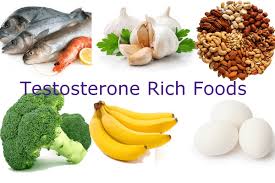
11 Top Testosterone boosting foods for men

testostorone rich foods

Have you been working out hard in the gym with no results? Have you wondered what could be the reason? We are all aware that workout does a lot of good to our body. A regular workout does everything from increasing your odds of living longer to supporting your memory function and for men, a good workout can also boost your testosterone.

While testosterone is the primary sex hormone in men, it is also responsible for everything from muscle development to hair growth to mood regulation to sex drive. So yeah, it’s pretty important when it comes to your health and well-being.

But, at times despite the work out the testosterone levels could be low and hence the desired results from the workout is not visible. But, there is nothing to worry. One can increase their testosterone levels naturally by eating the right foods.

Here is a list of testosterone boosting foods

  1. Brazil Nuts: This tree nut is an excellent natural source of the mineral selenium and a great testosterone booster. The high selenium content is mainly responsible for Brazil nuts positive benefit on T levels. Brazil nuts also have a good ratio of fats. These nuts contain zinc, amino acid Arginine and fatty acids which are needed to make hormone testosterone. Arginine is a precursor to nitric oxide, important for vasodilatation and known to increasing testicular blood flow for better hormone production. Brazil nuts are packed with the most bio-active form of Arginine. Just have 3-6nuts per day and boost your T levels.
  2. Beans: Are rich source of fibre, protein and zinc. Beans pack a bigger shot of zinc than any other member of the veg family. Add it to a food that’s high in protein and fibre\ and low in fat, and you have a winning combo. You can opt for baked beans, lima beans, navy beans, and kidney beans –All are good choices.
  3. Eggs: Testosterone is synthesized from cholesterol, and as such, food containing cholesterol is a good source of building blocks for testosterone. Start your day with three or four eggs or egg whites cooked in olive oil coconut oil. You can also opt for boiled eggs too.
  4. Cruciferous Veggies: Elevated oestrogens levels lead to fat accumulation and can interfere with muscle growth. Broccoli, cauliflower, cabbage may help a man’s body excrete excess oestrogens and increase the amount of testosterone available to cells. Indole-3-carbinol, a compound found in cruciferous vegetables, may increase the excretion of estradiol (one oestrogen hormone) thus increasing the testosterone production. Since these veggies are rich in fibre..it also helps you to keep full and thus helps in fat loss too.

5 Garlic: Garlic is an active ingredient, allicin, enhances testosterone levels and inhibits cortisol, a hormone that competes with testosterone by limiting its actions and breaking down muscle tissue. Season some foods with garlic, but eating crushed garlic cloves provides the most direct benefit.

6 Oyster: Oyster is loaded with Protein, magnesium, lots of zinc. Along with increasing physical endurance, oysters pack more zinc than almost any other food source. Just six oysters give you almost seven times the recommended daily allowance of zinc, and zinc plays a key role in muscle growth and testosterone levels.
Eat a serving of oysters once a week — raw or cooked but not fried.

  1. Pumpkin seeds: They are good source of zinc -a mineral that plays a role in thousands of different enzymatic reactions in the body, including those involved in testosterone production. Sprinkle more testosterone-boosting pumpkin seeds into your diet by adding them to oatmeal, yogurt, and salads, and even add them into your protein shakes.
  2. Coconut: Coconut can not only help your diet taste like a tropical meal, it can also keep your T-score at healthy levels. That’s because the giant nut is a source of saturated fat, which plays a role in testosterone production. A healthy person can take up to 8-10 percent of their calories from saturated fat to help keep testosterone at its peak without any major concern over increasing your risk of heart issues.

9 Wheat Bran: Who would have thought that brown wheat bran could help peak up your T-levels? But the fibre-rich bran of the wheat kernel is an excellent source of the mineral magnesium.  One study found that magnesium was more effective at boosting testosterone if paired with high-intensity exercise. Add wheat bran to your flour or oatmeal, pancake batter, and protein shakes.

10 Pomegranate: This beautiful red fruit has been used medicinally for centuries. With high levels of antioxidants, vitamins A, C, E and iron, researchers have found one glass of pomegranate juice/one fruit a day can increase testosterone levels between 16 percent and 30 percent, can improve mood and increase libido too.

11. Whey protein- or ricotta cheese: This is high in protein and low in fat.-This not only fix your protein dose but also helps in increasing testosterone production restricting body’s production of cortisol hormone. So Have it as post workout meal or grab as mid snack.

So, stack these foods if you haven’t already and enhance your workout and overall physical health!


  • « Previous Page
  • 1
  • …
  • 48
  • 49
  • 50
  • 51
  • 52
  • …
  • 64
  • Next Page »

Search

Recent Posts

  • Water Intake Pre, During and Post Workout
  • India Leads in Longevity: GOQii Sanjeevini Named Top 40 in $101M XPRIZE
  • The Importance Of Knowing If You’re Thirsty Or Hungry
  • Best Foods To Alleviate Irritable Bowel Syndrome
  • ALL ABOUT VERTIGO!

Stay Updated

Archives

  • December 2025 (9)
  • November 2025 (15)
  • October 2025 (20)
  • September 2025 (6)
  • August 2025 (6)
  • July 2025 (12)
  • June 2025 (18)
  • May 2025 (16)
  • April 2025 (23)
  • March 2025 (23)
  • February 2025 (22)
  • January 2025 (26)
  • December 2024 (26)
  • November 2024 (25)
  • October 2024 (22)
  • September 2024 (24)
  • August 2024 (31)
  • July 2024 (21)
  • June 2024 (26)
  • May 2024 (31)
  • April 2024 (27)
  • March 2024 (29)
  • February 2024 (26)
  • January 2024 (25)
  • December 2023 (15)
  • November 2023 (11)
  • October 2023 (20)
  • September 2023 (22)
  • August 2023 (20)
  • July 2023 (22)
  • June 2023 (24)
  • May 2023 (24)
  • April 2023 (24)
  • March 2023 (23)
  • February 2023 (20)
  • January 2023 (16)
  • December 2022 (12)
  • November 2022 (15)
  • October 2022 (15)
  • September 2022 (12)
  • August 2022 (10)
  • July 2022 (17)
  • June 2022 (11)
  • May 2022 (10)
  • April 2022 (6)
  • March 2022 (6)
  • February 2022 (13)
  • January 2022 (12)
  • December 2021 (7)
  • November 2021 (3)
  • October 2021 (6)
  • September 2021 (3)
  • August 2021 (8)
  • July 2021 (7)
  • June 2021 (15)
  • May 2021 (16)
  • April 2021 (10)
  • March 2021 (7)
  • February 2021 (4)
  • January 2021 (4)
  • December 2020 (3)
  • November 2020 (4)
  • October 2020 (10)
  • September 2020 (3)
  • August 2020 (3)
  • July 2020 (2)
  • June 2020 (4)
  • May 2020 (10)
  • April 2020 (12)
  • March 2020 (10)
  • February 2020 (4)
  • January 2020 (4)
  • December 2019 (3)
  • November 2019 (7)
  • October 2019 (5)
  • September 2019 (4)
  • August 2019 (9)
  • July 2019 (9)
  • June 2019 (11)
  • May 2019 (4)
  • April 2019 (9)
  • March 2019 (8)
  • February 2019 (9)
  • January 2019 (8)
  • December 2018 (9)
  • November 2018 (3)
  • October 2018 (3)
  • September 2018 (5)
  • August 2018 (10)
  • July 2018 (6)
  • June 2018 (13)
  • May 2018 (8)
  • April 2018 (18)
  • March 2018 (9)
  • February 2018 (8)
  • January 2018 (15)
  • December 2017 (12)
  • November 2017 (19)
  • October 2017 (13)
  • September 2017 (15)
  • August 2017 (4)
  • July 2017 (8)
  • June 2017 (7)
  • May 2017 (6)
  • April 2017 (8)
  • March 2017 (6)
  • February 2017 (7)
  • January 2017 (9)
  • December 2016 (10)
  • November 2016 (7)
  • October 2016 (7)
  • September 2016 (7)
  • August 2016 (11)
  • July 2016 (9)
  • June 2016 (9)
  • May 2016 (12)
  • April 2016 (17)
  • March 2016 (17)
  • February 2016 (8)
  • January 2016 (6)
  • December 2015 (2)
  • November 2015 (9)
  • October 2015 (7)
  • September 2015 (9)
  • August 2015 (11)
  • July 2015 (9)
  • June 2015 (12)
  • May 2015 (9)
  • April 2015 (13)
  • March 2015 (8)
  • February 2015 (5)
  • January 2015 (12)
  • December 2014 (14)
  • November 2014 (11)
  • October 2014 (6)
  • September 2014 (13)
  • August 2014 (12)
  • July 2014 (6)
  • June 2014 (2)
  • May 2014 (7)
  • April 2014 (5)

From “Laddu Nawin” to Fit and Fierce: How a 25-Year-Old Insurance Advisor Shed 20 Kilos and Gained His Life Back

When 25-year-old Nawin Yadav from Hyderabad walked into his office every morning, he carried more than just his files and policy papers. He had the weight of fatigue, sluggish energy, and an ever-growing belly that was becoming the butt of jokes. “People … [Read More...]

“I’ve Challenged Myself to Live 100 Years” – The Story of Chandubhai Savani’s Second Chance at Life

At 67, most people start slowing down. Not Chandubhai Savani. A resident of Surat, Chandubhai, thought life was on track. “My life was going well till I had my bypass surgery,” he says. That surgery, back in 2021, was a wake-up call.  Medication was routine, but exercise wasn’t. His diet? What he calls ‘normal.’ “I […]

From Shimla’s Slopes to Chandigarh’s Sidewalks: Surinder Kaur Bhalla’s Journey from Chaos to Control

Some journeys start with a plan. Others begin with a stumble literally. Surinder Bhalla, a government professional, born and raised in the scenic hill town of Shimla, had always lived a life of movement. “In Shimla, you walked everywhere,” she reflects. “Walking was never an exercise. It was just life.” But after shifting to Chandigarh, […]

Ananda Mukherjee Health Story

From Terminal Illness To Complete Wellness! Ananda Mukherjee Health Story

As we observe World Cancer Day under the powerful theme ‘United by Unique’ (2025-2027)**, we are reminded that every individual’s journey with cancer is distinct, yet united by shared resilience, hope, and the collective fight against this disease. This theme places people at the centre of care and their stories at the heart of the […]

  • HOME
  • HEALTHY LIVING
  • FITNESS
  • HEALTHY RECIPES
  • USER STORIES
  • KARMA
  • BUY GOQii

Copyright ©2016 GOQii