GOQii

Blog

  • HOME
  • HEALTHY LIVING
  • FITNESS
  • HEALTHY RECIPES
  • USER STORIES
  • KARMA
  • BUY GOQii

Search Results for: hormone

January 30, 2025 By Pallavi Barnwal Leave a Comment

Is Your Relationship Abusive?

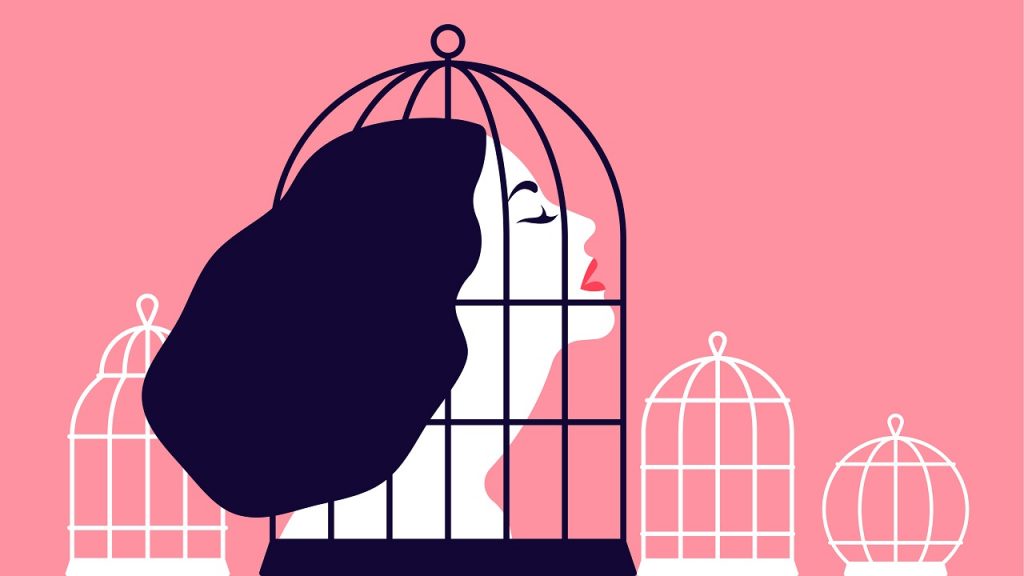
abusive relationshipShweta Mishra, aged 21, met her ex-boyfriend at a friend’s party. They soon became close and started seeing each other. The guy had recently gotten out of one relationship and used to get very abusive at times. He would get drunk and talk about his ex-girlfriend which badly affected her self-esteem, to the point where she started considering herself ugly. He would also call her names and say that she was with him only because she wanted money. She started doubting her own attractiveness and self-worth slowly. His abusive behaviour did not end there. He would get jealous if she talked to any other guy and even forbid her to talk to the attractive ones.

He would try to touch her inappropriately when he was drunk which she detested. One day, it got much worse than the other days. He was badly drunk and started touching her inappropriately. She had started hating the smell of alcohol to the point that it made her nauseous. She said a repeated no but he went on groping her. That night she had the worst breakdown ever. The worst part was that he blamed her for being frigid and difficult the next day and told her that now she would make him the bad guy.

Shweta started having a series of breakdowns where she would hate herself. She started scratching herself as she felt ‘dirty’ and ‘ugly’. She would feel his face on her body and want to cut herself. Finally, she decided to walk out of the relationship to preserve herself. But even after months, she still has trust-issues in relationships. She had several episodes of breakdowns even after that when she hurt herself to ease the pain.

Does the above scenario sound familiar? Have you been mistaking an abusive relationship for ‘love’? If so, read on.

Love in young age is full of hormones, tumultuous changes, confusion and chaos. Adolescents and young adults often find themselves lost when it comes to finding out information on safe sex practices or healthy relationships. Popular media promotes eve-teasing, stalking, possessiveness and ownership behaviour as ‘love’. With increasing peer pressure to have a girlfriend or a boyfriend, a young mind which is already grappling with questions of self-worth is seduced with the idea of having someone as a partner. Most victims choose to continue being in abusive relationships just to avoid the shame of ‘breaking-up’. The communication gap between parents and children while growing up makes the situation even more difficult.

So how do you recognise these signs of abuse?

Emotional abuse or psychological abuse is categorized by a pattern of behaviour that leaves another person feeling isolated, degraded or worthless. It is a way for the abuser to maintain power and control in the relationship. Psychological pain can be just as bruising as a slap or punch, even if it leaves no physical mark. Let us talk about these in detail.

  • Intimidation: can be subtle and includes veiled or indirect threats. The partner could be watching each movement, checking on your whereabouts, checking your phone or springing up on you unexpectedly. This can have a damaging effect on a person’s overall sense of safety and lead to anxiety.
  • Explicit Threats: Sometimes, intimidation is not so subtle. We all know the infamous acid attacks on the victims who had the courage to say no to their spurned lovers. There are far too many instances of the partner threatening the girl with self-harm or suicide in case she leaves him.
  • Slut Shaming: This is another form of abuse which could leave the abused trapped, unwanted and ashamed. ‘If you don’t go out with me, I will tell everyone what we did in bed.’ Worse, the abuser could get explicit photos or videos of the abused and blackmail the partner into doing things they might not be ready for.
  • Name Calling: Abuser might call the partner ugly, fat, dark, stupid or similar such which eventually leads them to believe that it is true. The sense of self in teenage years is still fragile and such behaviour might lead to withdrawal and depression.
  • The Silent Treatment: Sometimes the abuser might use non-communication as a form of punishment to coerce the other partner. They might completely ignore the partner till they give in to their wishes. There are abusers who refuse to acknowledge the presence of their partners in public and are responsive when alone.
  • Constant Criticism: ‘You can’t wear that!’ or ‘You cannot hang out with those friends’ or ‘You cannot go there’ is something which abusers use to erode the self-esteem of the other person. This may make one feel unacceptable and feel bad about themselves.
  • Sexual Abuse: Any sexual contact or activity with an intimate partner that makes a person feel uncomfortable, with the purpose of controlling through fear, threats, coercion, manipulation or violence. This may be with or without the presence of physical violence at the time of the act or within the relationship. These happen mostly as there is lack of parental consent and the victims do not want to talk about it due to fear, guilt and shame. The victims could be both men and women, young adults who are in same-sex relationship, all ages – tween and upwards. Most such victims who were forced to have sex are less likely to use condoms. The perpetrator is frequently an intimate partner. Date rapes, forced oral sex, unwanted touching – all constitute part of sexual abuse.

If you have faced any of the above, it might be time to walk out of the relationship. This is not always easy but try talking to someone you trust – a friend, sibling or trustworthy adult. And always remember – IT IS NOT YOUR FAULT.

We hope this article helps you! Do leave your thoughts in the comments below. For more articles by our Sexual Wellness Expert Pallavi Barnwal, check out Healthy Reads.

#BeTheForce 

Disclaimer: Reader discretion is advised. This content is for an older, mature audience who seek to improve their health and wellness. GOQii is not responsible for any misrepresentation of this information.
January 15, 2025 By Sunita Arora 1 Comment

11 Unhealthy Habits That Are Destroying Your Health

unhealthy habitsOld habits die hard and that’s true. Habits are stored in our subconscious mind. We keep on carrying out tasks or habits, without even realizing we are doing it. While some habits help us complete day to day activities, there are some which aren’t good for our health, especially the ones which affect our diet. It is crucial to follow habits which have a positive impact on health. It is time to identify unhealthy habits and get rid of them for good health’s sake.


Unhealthy Habits You Need to Stop 

  1. Skipping Breakfast: For some people, skipping breakfast is an easy way to cut calories. However, if you skip breakfast, you’ll probably overeat during lunch. Secondly, in the morning, our metabolic rate is high. To maintain it, we need to give enough fuel to our body in the form of breakfast. So you should not skip your morning meal at any cost.
  2. Emotional Eating: If you are stressed or if you’ve had a bad day, call a friend, listen to music, write in a journal or try going for a walk. These options are better than binge-eating junk food due to emotional reasons.
  3. Including Unhealthy Drinks: At some point, we all reach out for a soft drink after a meal. It has somehow become a norm. Sweetened/Aerated drinks increase your daily calorie intake and cause other health issues. Instead, drink lemon water, coconut water or buttermilk. In fact, you can make your own healthy energy drinks!
  4. Eating Out Frequently: Avoid the habit to grab something unhealthy when going out for a long day. Take healthier shortcuts! Eat a vegetable sandwich, protein salad, whole grain crackers & veggies with humus. You can even carry fresh fruits.
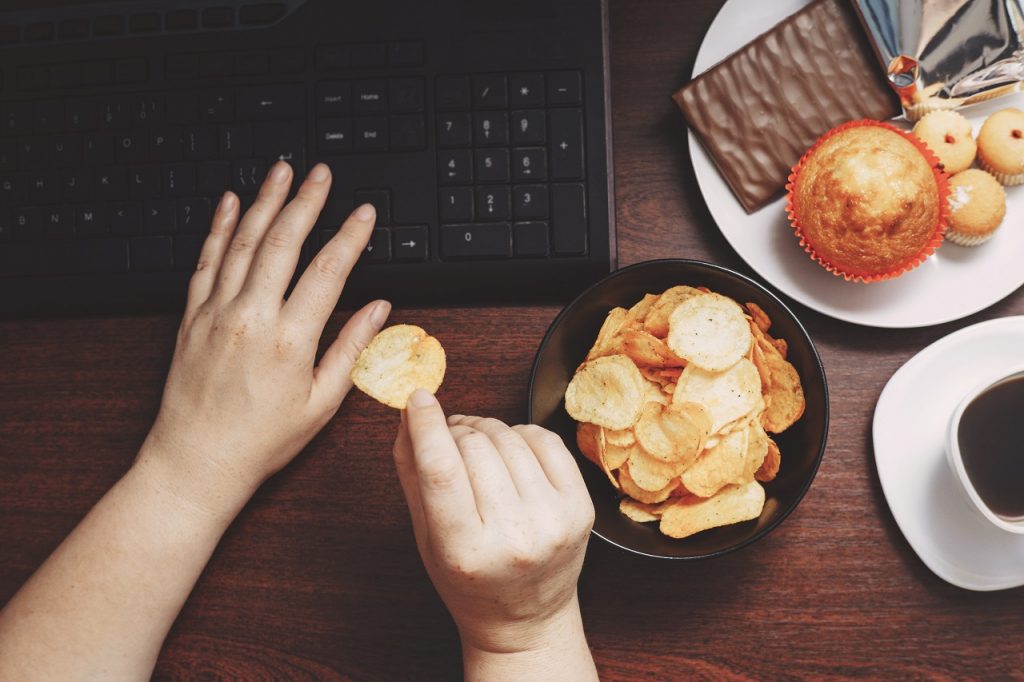
  5. Munching While Watching TV or During Long Drives: Try to avoid unnecessary munching while watching your favorite program or when you are on a long drive or a road trip. Instead of having processed foods like chips, cookies, etc. you can have a handful of nuts, air popcorn, seed trail-mix and unsalted peanuts.
  6. Lack of Sleep: Sleep works as nutrition for the brain. Our body needs 8-9 hours of sleep every night. Less than 8 hour of sleep triggers a cortisol spike and hampers our metabolism and contributes to weight gain. Shut your computer, mobile, and TV at least an hour before sleeping.
  7. Long Gap Between Meals: There shouldn’t be a huge time gap between meals. When you are on a weight loss journey, you shouldn’t just be careful about the food you eat but the time you eat as well! Many studies show that, if you are not eating at the right time, you might not be able to achieve your weight loss goals. The ideal gap between breakfast – Lunch & lunch –dinner should not exceed 4 hours.
  8. Eating Late at Night: You should not eat dinner very late as it promotes weight gain. Your last meal or your dinner should always be 3 hours before bedtime.
  9. Consuming Extra Salt: Eating a lot of salt can cause an increase in water weight and fat in your body. If you eat too much salt, extra water gets stored in your body which can raise your blood pressure.  Higher blood pressure leads to heart attacks, strokes and kidney diseases. Avoid sauces, pickles, sprinkling extra on salad & curd in your meals.
  10. Eating Heavy Meals Close to Bedtime: Avoid eating heavy meals close to bedtime, it can cause acidity, severe heartburn and make difficult to fall asleep. Also avoid tea, coffee, and chocolate in the evening because caffeine can stay in our system for 5-6 hrs and suppress the sleep hormone.
  11. Putting Calorie Restrictions: Eating more calories than your body needs will lead to weight gain. Whereas, eating lesser calories than your body needs will lead to weight loss. However, restricting calories too much may slow down metabolism, can cause fatigue, nutrient deficiencies and lower immunity too.

These 11 unhealthy habits can contribute to weight gain, affect metabolism and can be extremely detrimental to your health. Avoid them and adopt a healthier lifestyle. For more tips on living a healthier lifestyle, check out Healthy Reads or ask an expert by subscribing for Personalised Health Coaching here.

We hope this article has helped you. Do leave your thoughts in the comments below!

#BeTheForce

January 9, 2025 By Palak Mittal Leave a Comment

Why Do We Feel Hungrier During Winter?

hungrier during winterIt’s normal to find a nice thick blanket, cozy up to a pillow and snack away on something warm to quell those hunger pangs that don’t seem to end during winter. This is often complemented with sudden weight gain and you’re left wondering where that excess weight came from. Well, there are several reasons for feeling hungrier during winter and we’re about to explore them.

Reasons for Feeling Hungrier During Winter

  1. High metabolism: During winter, our metabolism is quite high as the body tries to keep itself warm due to those teeth sputtering chill. The body produces more heat in order to combat the chill outside which is known as thermogenesis. To carry out this function, it requires extra calories which get burnt during the process, hence need extra food.
  2. Food Produces Heat: In cold weather, our body needs more calories to keep itself warm with the help of some involuntary activities like shivering. Hence, the body craves more food. When these extra calories start burning, it makes the body warm. Here, we need to remember not to satisfy the cravings with high sugar or high-fat foods as they raise blood sugar levels causing weight gain.
  3. Winter Comes With Multiple Choices: It’s the best time of the year for multiple reasons. One of those being food! Vegetables and fruits flood the markets. Plus, a lot of winter recipes are prepared with rich ingredients which induce weight gain. One can’t help but indulge in sweets this season brings. Not feeling hungry is definitely not an option
  4. Seasonal Affective Disorder (SAD): As the days are shorter, we generally prefer staying indoors which can lead to Vitamin D deficiency and also lower levels of serotonin (happy hormone which generates because of exposure to daylight). These deficiencies typically causes Seasonal Emotional Disturbance or Seasonal Affective Disorder – SAD : a sort of depression related to the shorter days of winter, which affects many of us. It is seen that individuals stricken from SAD crave more carbohydrates, as these facilitate the body’s use of tryptophan (amino acid) which can be converted into serotonin to spike up lower levels in the blood.
  5. Lazy Mornings: It becomes really difficult to get out of your cozy bed during winter mornings to go out for a walk, workout or even work. People prefer lying comfortably in bed, watching a TV show while binging on snacks endlessly. This increase in snacking and lack of physical activity make us gain extra kilos.

 Tips to Avoid Eating More  

  • Whenever you crave for food, try choosing some healthy options like salads, soups, sautéed veggies combined with proteins as these are high in fibre and gives a feeling of fullness.
  • Go out during the day to expose your body to the sun for some vitamin D and to boost your serotonin levels.
  • Perform your regular exercises as it helps in boosting your mood and avoids indulgence in unnecessary snacking.
  • Go out with friends or play with a pet if you are stressed. Don’t look at food as an alternative coping mechanism. 

The bottom line is – eat mindfully and enjoy winters! We hope this article helps you make healthier choices. For more winter tips, check out Healthy Reads or ask a GOQii Coach by subscribing for Personalised Health Coaching here.

#BeTheForce

January 8, 2025 By GOQii 2 Comments

Struggling with Sleep? Your Circadian Rhythm Might Be to Blame

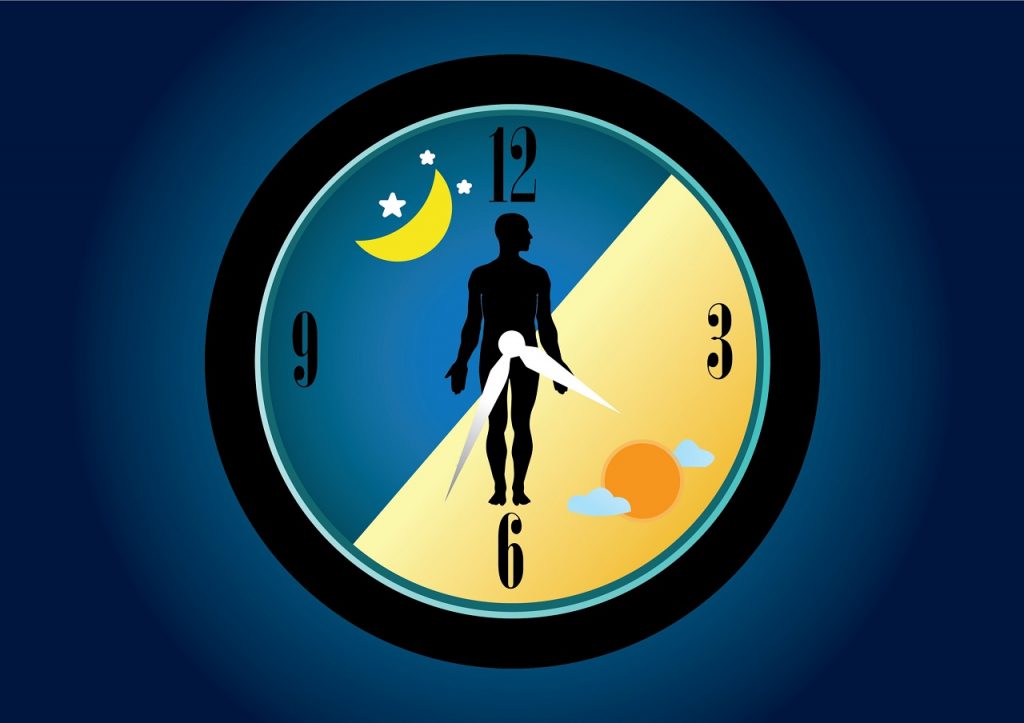
circadian rhythmCircadian Rhythms are 24 hour cycles that are part of the body’s internal clock, which aid essential functions and processes. For instance, the sleep-wake cycle is a well known circadian rhythm. Different parts of the body follow circadian rhythms that are connected to the master clock of the brain. The master clock is affected by the environment, which is why the circadian rhythm is tied to the day and night cycle.

While following your body’s natural clock can help you reap some amazing benefits, doing the opposite can create many health problems. Researchers also believe that circadian rhythms play an important role in the diverse aspects of physical and mental health.

How Does It Affect You?  

Circadian rhythms work best when the body processes are optimized at various points during a 24-hour period. It works with the mental and physical systems throughout the body. The digestive system produces proteins to suit the timings of the meals, and the endocrine system regulates the hormones to suit normal energy expenditure. 

During the day, when you are exposed to sunlight, the master clock sends signals to generate alertness which keeps us awake and active. As night falls, the master clock helps in the production of melatonin, a hormone that promotes sleep, and sends signals that helps us to sleep through the night. When we sleep well at night, it helps us be active during the day.

Straying away from your body’s clock can give rise to serious sleeping problems. Without proper signalling from the body’s internal clock, a person can struggle to fall asleep and wake up during the night, or being unable to sleep as long as they want in the morning. This leaves a person with little energy, attentiveness, focus, etc. 

In addition, studies have found out that Circadian rhythm disruptions as potential contributors to obstructive sleep apnea (OSA), a sleep disorder marked by repeated lapses in breathing. OSA reduces the body’s oxygen levels and causes numerous sleep interruptions through the night.

Types of Sleep-Wake Disorders 

  1. Delayed Sleep Phase Syndrome: This type of circadian rhythm disruption is associated with people who stay up late at night and sleep late in the morning. The main cause is unknown but may be related to genetics, underlying physical conditions and a person’s behaviour.
  2. Jet Lag Disorder: This happens when a person crosses a lot of time zones in a short period of time during intercontinental flights. They are likely to suffer from sleeping problems and fatigue from jet lag.
  3. Irregular Sleep–Wake Disorder: People with this rare disorder have no consistent pattern for their sleep and may have many naps or short sleeping periods throughout the day. It may affect the brain and cause dementia. 
  4. Shift Work Sleep Disorder: commonly affects those who work non-traditional hours, outside the typical 9am to 5pm work day. Shift work schedules go against most people’s internal body clocks or circadian rhythms. 
  5. Non 24 hour Sleep-Wake Disorder: This condition occurs in people who are blind and are not able to receive light. Their body follows a 24 hour cycle, but their sleeping hours change backwards by minutes or hours at a time.

Tips To Maintain Your Circadian Rhythm 

  • Exposure to sunlight: It is good to walk early in the day so that you can get good exposure to natural light and take in some Vitamin D.
  • Avoid caffeine: Stimulants like caffeine can keep you awake and can disturb the circadian rhythm. If you have trouble sleeping, avoid caffeine after noon. 
  • Eat a protein rich breakfast: Protein gives you the strength to be active throughout the day.
  • Avoid stress: Keep a positive attitude. Be assertive instead of aggressive, meditate, do yoga and eat healthy well-balanced meals.
  • Get daily exercise: Take a brisk walk early morning and keep yourself active throughout the day. This can help your internal clock and make it easier to fall asleep at night.
  • Take a short nap in the afternoon: Short naps can relax us while long naps throw our sleep off schedule.
  • Limit light before sleep: Artificial lighting can interfere with the circadian rhythm. Therefore, dim the lights and turn off all electronic devices one hour before bedtime.

Researchers believe that chronic disruptions in circadian rhythms could affect the immune system leading to weight gain, impulsive slower thinking and other physiological and behavioral changes from the observation made in people who work in shifts and those who are often jet lagged. 

If this article intrigued you and you’d like to know more, check out our article on the Circadian Rhythm Diet and how it helps. To balance your sleep-wake cycle or ensure better sleep quality, reach out to a GOQii Coach by subscribing to Personalised Health Coaching here.

#BeTheForce 

Disclaimer: The information provided in this blog is for general awareness and educational purposes only. It is not intended to replace professional medical advice, diagnosis, or treatment. Always consult a qualified healthcare provider for personalised medical guidance or concerns related to your health.

  • « Previous Page
  • 1
  • …
  • 9
  • 10
  • 11
  • 12
  • 13
  • …
  • 64
  • Next Page »

Search

Recent Posts

  • Water Intake Pre, During and Post Workout
  • India Leads in Longevity: GOQii Sanjeevini Named Top 40 in $101M XPRIZE
  • The Importance Of Knowing If You’re Thirsty Or Hungry
  • Best Foods To Alleviate Irritable Bowel Syndrome
  • ALL ABOUT VERTIGO!

Stay Updated

Archives

  • December 2025 (9)
  • November 2025 (15)
  • October 2025 (20)
  • September 2025 (6)
  • August 2025 (6)
  • July 2025 (12)
  • June 2025 (18)
  • May 2025 (16)
  • April 2025 (23)
  • March 2025 (23)
  • February 2025 (22)
  • January 2025 (26)
  • December 2024 (26)
  • November 2024 (25)
  • October 2024 (22)
  • September 2024 (24)
  • August 2024 (31)
  • July 2024 (21)
  • June 2024 (26)
  • May 2024 (31)
  • April 2024 (27)
  • March 2024 (29)
  • February 2024 (26)
  • January 2024 (25)
  • December 2023 (15)
  • November 2023 (11)
  • October 2023 (20)
  • September 2023 (22)
  • August 2023 (20)
  • July 2023 (22)
  • June 2023 (24)
  • May 2023 (24)
  • April 2023 (24)
  • March 2023 (23)
  • February 2023 (20)
  • January 2023 (16)
  • December 2022 (12)
  • November 2022 (15)
  • October 2022 (15)
  • September 2022 (12)
  • August 2022 (10)
  • July 2022 (17)
  • June 2022 (11)
  • May 2022 (10)
  • April 2022 (6)
  • March 2022 (6)
  • February 2022 (13)
  • January 2022 (12)
  • December 2021 (7)
  • November 2021 (3)
  • October 2021 (6)
  • September 2021 (3)
  • August 2021 (8)
  • July 2021 (7)
  • June 2021 (15)
  • May 2021 (16)
  • April 2021 (10)
  • March 2021 (7)
  • February 2021 (4)
  • January 2021 (4)
  • December 2020 (3)
  • November 2020 (4)
  • October 2020 (10)
  • September 2020 (3)
  • August 2020 (3)
  • July 2020 (2)
  • June 2020 (4)
  • May 2020 (10)
  • April 2020 (12)
  • March 2020 (10)
  • February 2020 (4)
  • January 2020 (4)
  • December 2019 (3)
  • November 2019 (7)
  • October 2019 (5)
  • September 2019 (4)
  • August 2019 (9)
  • July 2019 (9)
  • June 2019 (11)
  • May 2019 (4)
  • April 2019 (9)
  • March 2019 (8)
  • February 2019 (9)
  • January 2019 (8)
  • December 2018 (9)
  • November 2018 (3)
  • October 2018 (3)
  • September 2018 (5)
  • August 2018 (10)
  • July 2018 (6)
  • June 2018 (13)
  • May 2018 (8)
  • April 2018 (18)
  • March 2018 (9)
  • February 2018 (8)
  • January 2018 (15)
  • December 2017 (12)
  • November 2017 (19)
  • October 2017 (13)
  • September 2017 (15)
  • August 2017 (4)
  • July 2017 (8)
  • June 2017 (7)
  • May 2017 (6)
  • April 2017 (8)
  • March 2017 (6)
  • February 2017 (7)
  • January 2017 (9)
  • December 2016 (10)
  • November 2016 (7)
  • October 2016 (7)
  • September 2016 (7)
  • August 2016 (11)
  • July 2016 (9)
  • June 2016 (9)
  • May 2016 (12)
  • April 2016 (17)
  • March 2016 (17)
  • February 2016 (8)
  • January 2016 (6)
  • December 2015 (2)
  • November 2015 (9)
  • October 2015 (7)
  • September 2015 (9)
  • August 2015 (11)
  • July 2015 (9)
  • June 2015 (12)
  • May 2015 (9)
  • April 2015 (13)
  • March 2015 (8)
  • February 2015 (5)
  • January 2015 (12)
  • December 2014 (14)
  • November 2014 (11)
  • October 2014 (6)
  • September 2014 (13)
  • August 2014 (12)
  • July 2014 (6)
  • June 2014 (2)
  • May 2014 (7)
  • April 2014 (5)

From “Laddu Nawin” to Fit and Fierce: How a 25-Year-Old Insurance Advisor Shed 20 Kilos and Gained His Life Back

When 25-year-old Nawin Yadav from Hyderabad walked into his office every morning, he carried more than just his files and policy papers. He had the weight of fatigue, sluggish energy, and an ever-growing belly that was becoming the butt of jokes. “People … [Read More...]

“I’ve Challenged Myself to Live 100 Years” – The Story of Chandubhai Savani’s Second Chance at Life

At 67, most people start slowing down. Not Chandubhai Savani. A resident of Surat, Chandubhai, thought life was on track. “My life was going well till I had my bypass surgery,” he says. That surgery, back in 2021, was a wake-up call.  Medication was routine, but exercise wasn’t. His diet? What he calls ‘normal.’ “I […]

From Shimla’s Slopes to Chandigarh’s Sidewalks: Surinder Kaur Bhalla’s Journey from Chaos to Control

Some journeys start with a plan. Others begin with a stumble literally. Surinder Bhalla, a government professional, born and raised in the scenic hill town of Shimla, had always lived a life of movement. “In Shimla, you walked everywhere,” she reflects. “Walking was never an exercise. It was just life.” But after shifting to Chandigarh, […]

Ananda Mukherjee Health Story

From Terminal Illness To Complete Wellness! Ananda Mukherjee Health Story

As we observe World Cancer Day under the powerful theme ‘United by Unique’ (2025-2027)**, we are reminded that every individual’s journey with cancer is distinct, yet united by shared resilience, hope, and the collective fight against this disease. This theme places people at the centre of care and their stories at the heart of the […]

  • HOME
  • HEALTHY LIVING
  • FITNESS
  • HEALTHY RECIPES
  • USER STORIES
  • KARMA
  • BUY GOQii

Copyright ©2016 GOQii


