GOQii

Blog

  • HOME
  • HEALTHY LIVING
  • FITNESS
  • HEALTHY RECIPES
  • USER STORIES
  • KARMA
  • BUY GOQii

Search Results for: holi

May 17, 2024 By Dr. Viral Thakkar 1 Comment

Hypertension: Know it to Avoid it

Hypertension Day John, 38, is caught in the grind of a demanding job that consumes his weekdays with 12-hour shifts, tight deadlines, and constant pressure. His stressful work environment leaves him perpetually exhausted and struggling to get enough sleep. To cope with the relentless stress, John turns to partying over the weekends, indulging in late nights and heavy drinking as a way to escape his hectic routine and enjoy his financial success.

However, a few days ago, his life took an alarming turn when he was diagnosed with hypertension, with his blood pressure reading at 170/100 mmHg. The news left John tense and scared, realising that his health was at serious risk. His doctor suggested lifestyle modifications as the first step towards managing his condition.

Determined to take responsibility for his well-being, John began researching ways to improve his health. He discovered a holistic approach to wellness that includes personalised coaching, fitness tracking, and health insights. Through expert guidance, he learned strategies to manage his hypertension, leading him towards a healthier lifestyle and helping him combat the impact of his stressful job and sleepless nights.

Understanding Blood Pressure

Blood pressure is the force exerted by the blood against the walls of the blood vessels. The pressure depends on the heart’s workload and the resistance within the arteries. A normal blood pressure reading is 120 (systolic)/80 (diastolic) mmHg, while hypertension is diagnosed when readings consistently exceed 140/90 mmHg. Since blood pressure fluctuates throughout the day, at least three separate readings taken two hours apart are required to confirm chronic hypertension.

Types of Hypertension

  1. Primary Hypertension: May result from factors like plasma volume and hormonal regulation of blood pressure, or lifestyle and environmental influences.
  2. Secondary Hypertension: Develops as a complication of other conditions such as diabetes, thyroid disorders, kidney disease, sleep apnoea, or certain medications.

What Can Lead to Hypertension?

  • Stress – Chronic stress contributes to high blood pressure.
  • Underlying Health Conditions – Diabetes, cardiovascular disease, chronic kidney disease, and high cholesterol can increase risk.
  • Alcohol & Tobacco Use – Both can significantly raise blood pressure and cause other health issues.
  • Age & Gender – Hypertension is more common in individuals over 60, though lifestyle factors are causing an increase in younger adults. Men are more prone at a younger age, whereas older women experience a rise in BP due to hormonal changes.
  • Obesity & Poor Diet – Excess weight and consumption of processed, fatty, and high-salt foods increase the risk.
  • Lack of Physical Activity – A sedentary lifestyle can worsen heart health.
  • Genetic Factors – A family history of high blood pressure may contribute, but healthy habits can override genetic predispositions.

If you fall into any of these categories, it’s time to take proactive steps to maintain your health.

Your Daily Routine for Managing Hypertension

  1. Start your morning on a positive note – Be grateful, relax, and avoid rushing into stressful tasks.
  2. Eat a balanced diet – Include whole foods, fresh vegetables, fruits, lean proteins, and healthy fats while avoiding junk food.
  3. Reduce salt intake – The WHO recommends limiting salt to under 5g per day to reduce hypertension risk.
  4. Exercise regularly – Aim for at least 45 minutes of moderate activity daily.
  5. Avoid smoking & alcohol – Eliminating these habits can significantly lower blood pressure.
  6. Maintain a healthy weight – Strive to achieve and sustain a healthy BMI.
  7. Practice relaxation techniques – Pranayama, yoga, and meditation help reduce stress and improve heart health.
  8. Monitor your blood pressure – Regular check-ups help detect issues early and prevent complications.

Why Managing Hypertension is Important

Long-term hypertension can cause arterial damage, leading to complications such as:

  • Heart Disease – Increases the risk of heart attacks and heart failure.
  • Stroke – Can result from restricted blood flow to the brain.
  • Aneurysm – A bulge in an artery that can burst, leading to severe internal bleeding.
  • Kidney Failure – High blood pressure can damage kidney function over time.
  • Hypertensive Retinopathy – Can cause vision loss or blindness.

The best way to prevent and manage hypertension is to prioritise both mental and physical well-being. By reducing stress, eating healthily, staying active, and monitoring your blood pressure, you can take control of your heart health and prevent serious complications.

Have you made changes to manage hypertension? Share your experience in the comments below!

#BeTheForce

⚠ Medication should always be taken as per your doctor’s advice, but remember—lifestyle modifications are the key to long-term health!

Disclaimer: The information provided in this blog is for general awareness and educational purposes only. It is not intended to replace professional medical advice, diagnosis, or treatment. Always consult a qualified healthcare provider for personalised medical guidance or concerns related to your health.


May 14, 2024 By Arooshi Garg 1 Comment

Tips to eat healthy and stay healthy while vacationing!

beach-coast-flip-flops

Summer months is at its peak and the end of school sessions and the start of holidays! Many of us opt for a vacation to unwind. Going on vacation is an exciting time! It is a time to relax and enjoy your time off. However, the change in your routine can affect your eating habits so it’s important to plan ahead. Here are some tips to fully enjoy your vacation and stay healthy on it as well:

  1. Carry healthy snacking options with you. Homemade roasted peanuts, chana, figs, dates, fresh fruits, seed trail-mix, baked soya chips, almonds, and walnuts, energy bars made with simple ingredients such as jaggery, peanuts, nuts and dates!
  2. If you can’t avoid outside food then be mindful of portion sizes and have lesser portions of calorie-rich foods like rice and pasta.
  3. Follow the plate rule. Always pick up a quarter plate for your major meals. That will ensure that you don’t overfill your plate. Follow the thumb rule: Always fill half your plate with fruits and veggies.
  4. Many restaurants/hotels have buffet food stations where food can be cooked to your liking. Ask for a stir-fry with lots of vegetables served with a tomato or garlic sauce/olive oil dressing.
  5. If your room has a mini fridge, pick up some fresh fruit and raw veggies at the local grocery store. Pack whole grain, high fibre cereal and a few re-usable/disposable cups, bowls and spoons. Now you have the ingredients for a fast and healthy meal.
  6. Always carry a bottle of cold water in your bag. Vacations can add more hours of sun-time than you are used to which can dehydrate you, having a water bottle handy helps you prevent any heat stroke, dehydration. For extra flavour, add fresh berries, mint leaves or slices of orange, lemon, lime or cucumber. Try having more of local refreshing drinks like coconut water, kokam etc.
  7. Post your meals squeeze half a lemon in plain drinking water and drink on! Will be a good digestive drink and will help you keep light!
  8. Avoid picking up salads with heavy/creamy dressings and go for simple, green salad, fresh sliced raw veggies like cucumber, tomato, beetroot and carrots.
  9. Choose the GPRS rule which opts for more of grilled, poached, roasted and steamed foods rather than picking foods which are deep fried.
  10. While eating at a buffet, browse all the items and pick only 3-4 best items that will make way to your plate and stomach for that meal. Avoid tasting too many things, or overloading your plate with more food.
  11. Enjoy fresh fruits for dessert. Try the local, seasonal fresh fruit such as mangoes, jackfruit, papayas and pineapples. Treat yourself to a sweet dessert only once in a while, or split dessert with a friend.
  12. Always enjoy the local cuisine and fresh foods available rather than choosing your preferred foods. Give a visit to local markets. They are the ideal place to get a real experience of local culture. It is also a great place to find fresh, flavorful, whole foods, traditional food items. They are always fresh and bubbling with healthy nutrients.
  13. Limit your alcohol intake and opt for more of healthier drinks. Alcohol can dehydrate you and make you lethargic the next day. Choose more of water-based drinks rather than opting for soda.
  14. After a tiring sightseeing day and lots of outside eating, de-stress your body with a cup of warm lemon water, or a cup of green tea easily available in hotel rooms. You can also carry some carom seeds with you and drink warm ajwain water (carom seeds) before dozing off!
  15. Look for sports or recreational activities around your destination. Swimming, tennis, hiking, trekking, kayaking, cycling, or a simple walk around can help you have some adventure and stay active through your holiday.

Going on a vacation is a great time to enjoy a relaxing time with friends and family. Staying on track with healthy eating is easy when you plan ahead and choose wisely. Hope these tips help you stay healthy, fit and enjoy your holidays to the max! Do let us know how you manage to stay healthy on a vacation in the comments below! You can find more tips such as this one, here. You can also get these healthy tips directly from a GOQii Coach by subscribing for Personalised Health Coaching here.

#BeTheForce 

May 6, 2024 By Dr. Viral Thakkar Leave a Comment

Safe Pregnancy

safe pregnancy

It is said that a child gives birth to a mother.

Bringing a new life in this world is a huge responsibility. The woman bears’ the responsibility of creating the new generation. It is sad to see that something so essential and pertinent is taken lightly today. And no wonder, that the instances of risk pregnancy have steadily risen.

 You are at risk if you-

  • Have a history of chronic hypertension, diabetes, heart disorders, breathing problems, Hypothyroid
  • Your age is above 35 years
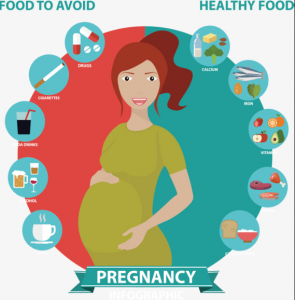
  • Smoke cigarettes, drink alcohol or consume drugs- before and during pregnancy
  • Malnutrition like anaemia
  • Mental health issues like stressful life and depression
  • Had complications like abnormal placenta position, fetal growth fetal growth restriction and Rh (rhesus) sensitization — a potentially serious condition that can occur when your blood group is Rh negative and your baby’s blood group is Rh positive.
  • Have a history of surgery on your uterus, including multiple C-sections, multiple abdominal surgeries or surgery for uterine tumours (fibroids)
  • Pregnancy risks are higher for women carrying twins or higher order multiples.

What can you do?

To ensure a healthy pregnancy for you and your baby’s health, ensure you prepare your body. Be sure that you and your partner both want a child. The mental state of a mother plays a very important role in the health of the baby and mother too, and hence the partner also should be equally involved. Nowadays we see a lot of couple marking as ‘WE’ are Pregnant as it is very important that both are involved together. Sit in a quiet place, contemplate and decide.

Eat right! Food rich in folic acid, protein, calcium and iron goes a long way to ensure a healthy pregnancy. If you love smoking and drinking, please adopt a baby! Spare the new life!

safe pregnancy 1

Get your body to move and groove! Exercise! Yoga and pranayama ensure holistic health and pregnancy is a part of it. However, if you are pregnant, consult your healthcare provider for appropriate yoga poses or any exercise.

Pregnancy or not, happy thoughts ensure good health. While you are eating right and exercising, include some smiles- you are in the process to get life into this world! Meditate for this and keep stress at bay!

 A Specialised Tests which you want to know about!

  • Lab tests might be conducted for urinary tract infections and screen you for infectious diseases such as HIV, syphilis, etc.
  • Specialized or targeted ultrasound targets a suspected problem, such as abnormal development.
  • Amniocentesis can identify certain genetic conditions, as well as neural tube defects — serious abnormalities of the brain or spinal cord.
  • Chorionic villus sampling (CVS) can identify certain genetic conditions.
  • Also known as percutaneous umbilical blood sampling, can identify certain genetic disorders, blood conditions and infections.
  • Ultrasound for cervical length might use an ultrasound to measure the length of your cervix at prenatal appointments to determine if you’re at risk of preterm labour.
  • A biophysical profile is used to check on a baby’s well-being. It might involve only an ultrasound to evaluate fetal well-being or, depending on the results of the ultrasound, also fetal heart rate monitoring (non-stress test).

Some prenatal diagnostic tests such as amniocentesis and chorionic villus sampling carry a small risk of pregnancy loss. The decision to pursue prenatal testing is up to you and your partner. Discuss the risks and benefits with your healthcare provider.


Rush to the hospital if you have

  • Severe headaches
  • Vaginal bleeding
  • Pain or cramping in the lower abdomen
  • Watery vaginal discharge — in a gush or a trickle
  • Regular or frequent contractions — a tightening sensation in the abdomen
  • Decreased fetal activity
  • Pain or burning with urination
  • Changes in vision, including blurred vision

If you have any condition different from the norm, it is best to speak with your healthcare provider. Discuss nutrition, healthy weight or any ailment you might have. Your health care provider might also discuss your risk of having a baby with a genetic condition. If you are pregnant, do not take any medicine without the advice of your health care provider- allopathy, homoeopathy, ayurvedic or any pathy!

#BeTheForce

April 26, 2024 By Vandana Juneja Leave a Comment

Millets: The Super Grain of Summer – Your Ally in Health and Coolness

With summer’s warmth intensifying, it’s time to rethink our dietary choices to ensure we stay vibrant and well-hydrated. Amongst a myriad of nutritional options, millets emerge as a veritable treasure trove of health benefits, rightfully earning their status as the season’s super grain. So let’s embark on an exploratory journey into the realm of millets, our potential partners in beating the heat.



Understanding Millets: The Ancient Grain for Modern Times

Belonging to a family of small-seeded grasses, millets are more than just a culinary choice—they’re a heritage, cultivated as a staple across Asia and Africa for centuries. With a spectrum ranging from pearl and foxtail to finger millet and sorghum, each variety offers a unique burst of flavor and a wealth of nutrition.

The Summer Advantage of Millets: Beyond Just Beating the Heat

Natural Coolants: These humble grains possess natural cooling properties, making them the ideal choice for sultry days. Rich in composition that balances body heat, millets are not just about sustenance; they’re about keeping you naturally cool and preventing the discomfort of heat waves.

Dietary Powerhouses: Don’t let their size fool you; millets are nutritional giants. Packed with protein, fiber, vitamins, and minerals, they ensure your body receives a holistic blend of nutrients, fortifying your health and vitality.

Guardians of Digestion: With a fiber content that champions digestion, millets can keep the common summer woes of constipation and indigestion at bay. They’re the friends your gut needs when the heat threatens to disrupt your digestive harmony.

Allies in Weight Management: Those on the journey of weight maintenance or reduction will find a loyal ally in millets. Their satiating fiber keeps hunger pangs in check, helping you manage your appetite and caloric intake effortlessly.

A Haven for the Gluten-Sensitive: As gluten intolerance becomes more prevalent, millets rise to the occasion as a stellar gluten-free substitute. They pave the way for culinary diversity, ensuring that dietary restrictions don’t limit the joy of eating.

Revamping Summer Diets with Millets: A Guide to Your Seasonal Well-being

Sorghum Millet (Jowar): A robust grain, jowar is a staple in the culinary world, commonly transformed into hearty rotis and bread. Loaded with nutrients like policosanols, sorghum is a protein and fiber-rich grain that aids in cholesterol management and weight loss. It’s a viable wheat alternative for those with gluten intolerance, offering rich sources of vitamin B1 and essential macro nutrients to boost metabolism.

Sorghum Upma: Soak and grind sorghum, then cook it with onions, tomatoes, green chilies, ginger, and veggies. This gluten-free upma is not only delicious but also nutritionally rich and perfect for a summer meal.

Kodo Millet (Koda or Arke Millet): Renowned for its nutrient density, kodo millet is an excellent alternative to traditional grains like rice and wheat. It’s rich in proteins, fiber, complex carbs, calcium, and polyphenols. Known for its cooling properties, kodo millet is ideal for summer consumption, contributing to lower sugar levels, weight management, and blood pressure control.

Kodo Millet Pulao: Soak the millet, then prepare it with onions, garlic, chili, tomatoes, carrots, peas, and spices. A simple pressure cook delivers a fluffy and aromatic dish ready in under an hour.

Foxtail Millet (Kangni): Foxtail millet is a powerhouse, teeming with complex carbs, proteins, fibers, and a spectrum of vital minerals and vitamins. With its low-fat content and gluten-free attribute, it’s perfect for those with dietary restrictions. Its health benefits are numerous, acting as a brain booster, bone strengthened, energy provider, and beauty enhancer.

Foxtail Millet Dosa Recipe: Begin your journey with a simple and nutritious Foxtail Millet Dosa. Soak foxtail millet, urad dal (black gram), and poha (flattened rice) for 4-6 hours. Grind these into a smooth batter, season with salt, and let it ferment overnight. When ready, heat a skillet, pour the batter thinly and cook until golden brown on each side. Serve this crispy dosa hot with your favorite chutney for a delightful meal.

Finger Millet (Ragi): A staple among health enthusiasts, Finger Millet, or Ragi, is celebrated for its high protein and amino acid content. This gluten-free grain is an excellent substitute for rice or wheat, packed with calcium, iron, and fibre, promoting bone health, aiding digestion, and helping regulate blood sugar levels. Incorporate ragi into your diet through porridge, rotis, and dosas for sustained energy and improved well-being.

Ragi Buttermilk Malt Recipe: For a refreshing drink, try the Ragi Buttermilk Malt. Mix ragi flour with water and cook with mustard seeds, asafoetida (hing), chili, and curry leaves until the mixture thickens. Separately, season buttermilk with salt, combine it with the cooked ragi mixture, bring to a boil, and serve hot. This nutritious malt drink is both comforting and healthy.

Barnyard Millet (Sanwa Rice): Known as Sanwa rice, Barnyard Millet is rich in protein, calcium, iron, and B vitamins. Its low carbohydrate content and gluten-free properties make it an ideal choice for those managing gluten sensitivities, diabetes, or cardiovascular conditions. Barnyard millet is often used as a nutritious rice substitute and is best prepared as porridge to maximize its health benefits.

Barnyard Millet Khichdi Recipe: For a wholesome meal, try Barnyard Millet Khichdi. Rinse and soak barnyard millet and mung dal for 30 minutes. In a cooker, sauté onions, ginger, garlic, and chili. Add tomatoes, turmeric, and salt. Stir in the soaked millet and dal, add water, and pressure cook for 3-4 whistles. Garnish with fresh coriander and serve hot for a nutritious and comforting dish.

These millet recipes not only offer a variety of health benefits but also introduce new flavors and textures to your diet, making your culinary experience both enjoyable and healthy.

Adding millets to your summer diet brings numerous health advantages and provides tasty, nutritious meals. Whether you aim to stay cool, boost digestion, manage your weight, or just try new recipes, millets are a flexible and healthy option for the warmer months. Dive into the benefits of millets this summer to enrich your nutrition and rejuvenate your body.

We hope this article helps you. For further information or guidance, reach out to our certified experts by subscribing to GOQii’s Personalised Health Coaching here.

#BeTheForce 

  • « Previous Page
  • 1
  • …
  • 13
  • 14
  • 15
  • 16
  • 17
  • …
  • 36
  • Next Page »

Search

Recent Posts

  • 6 Health Benefits of Playing Sports
  • Foods to Manage Blood Sugar Naturally: A Complete Guide to Better Blood Sugar Control
  • The Lazy Person’s Guide to Staying Healthy: 5 Micro-Habits That Take Less Than 2 Minutes
  • Healthy Eating: Comforting Chilli Bean Soup Recipe for the Monsoon
  • The Truth About the ‘Beer Belly’: What Alcohol Really Does to Your Metabolism

Stay Updated

Archives

  • August 2026 (8)
  • July 2026 (25)
  • June 2026 (22)
  • May 2026 (20)
  • April 2026 (24)
  • March 2026 (18)
  • February 2026 (14)
  • January 2026 (14)
  • December 2025 (19)
  • November 2025 (15)
  • October 2025 (20)
  • September 2025 (6)
  • August 2025 (6)
  • July 2025 (9)
  • June 2025 (18)
  • May 2025 (16)
  • April 2025 (22)
  • March 2025 (26)
  • February 2025 (21)
  • January 2025 (25)
  • December 2024 (22)
  • November 2024 (22)
  • October 2024 (20)
  • September 2024 (22)
  • August 2024 (27)
  • July 2024 (15)
  • June 2024 (23)
  • May 2024 (26)
  • April 2024 (27)
  • March 2024 (27)
  • February 2024 (23)
  • January 2024 (21)
  • December 2023 (14)
  • November 2023 (10)
  • October 2023 (19)
  • September 2023 (21)
  • August 2023 (16)
  • July 2023 (16)
  • June 2023 (21)
  • May 2023 (20)
  • April 2023 (19)
  • March 2023 (23)
  • February 2023 (19)
  • January 2023 (15)
  • December 2022 (11)
  • November 2022 (15)
  • October 2022 (15)
  • September 2022 (12)
  • August 2022 (9)
  • July 2022 (17)
  • June 2022 (11)
  • May 2022 (10)
  • April 2022 (6)
  • March 2022 (6)
  • February 2022 (13)
  • January 2022 (11)
  • December 2021 (7)
  • November 2021 (3)
  • October 2021 (6)
  • September 2021 (3)
  • August 2021 (8)
  • July 2021 (7)
  • June 2021 (15)
  • May 2021 (16)
  • April 2021 (10)
  • March 2021 (7)
  • February 2021 (4)
  • January 2021 (4)
  • December 2020 (3)
  • November 2020 (4)
  • October 2020 (10)
  • September 2020 (3)
  • August 2020 (3)
  • July 2020 (2)
  • June 2020 (4)
  • May 2020 (10)
  • April 2020 (12)
  • March 2020 (10)
  • February 2020 (4)
  • January 2020 (4)
  • December 2019 (3)
  • November 2019 (7)
  • October 2019 (5)
  • September 2019 (4)
  • August 2019 (9)
  • July 2019 (9)
  • June 2019 (11)
  • May 2019 (4)
  • April 2019 (8)
  • March 2019 (8)
  • February 2019 (9)
  • January 2019 (8)
  • December 2018 (9)
  • November 2018 (3)
  • October 2018 (3)
  • September 2018 (5)
  • August 2018 (10)
  • July 2018 (6)
  • June 2018 (13)
  • May 2018 (8)
  • April 2018 (17)
  • March 2018 (9)
  • February 2018 (8)
  • January 2018 (15)
  • December 2017 (12)
  • November 2017 (19)
  • October 2017 (13)
  • September 2017 (15)
  • August 2017 (4)
  • July 2017 (8)
  • June 2017 (7)
  • May 2017 (6)
  • April 2017 (8)
  • March 2017 (6)
  • February 2017 (7)
  • January 2017 (9)
  • December 2016 (10)
  • November 2016 (7)
  • October 2016 (7)
  • September 2016 (7)
  • August 2016 (11)
  • July 2016 (9)
  • June 2016 (9)
  • May 2016 (12)
  • April 2016 (17)
  • March 2016 (17)
  • February 2016 (8)
  • January 2016 (6)
  • December 2015 (2)
  • November 2015 (9)
  • October 2015 (7)
  • September 2015 (9)
  • August 2015 (11)
  • July 2015 (9)
  • June 2015 (11)
  • May 2015 (9)
  • April 2015 (13)
  • March 2015 (8)
  • February 2015 (5)
  • January 2015 (12)
  • December 2014 (14)
  • November 2014 (11)
  • October 2014 (6)
  • September 2014 (13)
  • August 2014 (12)
  • July 2014 (6)
  • June 2014 (2)
  • May 2014 (7)
  • April 2014 (4)

From Burnout to Balance: How Dr. Ranjit Reclaimed His Health

Dr Ranjit Bhatt has spent years tending to others. A practising doctor in Odisha, his days were packed with patients, surgeries, and emergencies. From the outside, it looked like a life lived in service. But on the inside, something wasn’t right. “I had no … [Read More...]

From Shimla’s Slopes to Chandigarh’s Sidewalks: Surinder Kaur Bhalla’s Journey from Chaos to Control

Some journeys start with a plan. Others begin with a stumble literally. Surinder Bhalla, a government professional, born and raised in the scenic hill town of Shimla, had always lived a life of movement. “In Shimla, you walked everywhere,” she reflects. “Walking was never an exercise. It was just life.” But after shifting to Chandigarh, […]

“I’ve Challenged Myself to Live 100 Years” – The Story of Chandubhai Savani’s Second Chance at Life

At 67, most people start slowing down. Not Chandubhai Savani. A resident of Surat, Chandubhai, thought life was on track. “My life was going well till I had my bypass surgery,” he says. That surgery, back in 2021, was a wake-up call.  Medication was routine, but exercise wasn’t. His diet? What he calls ‘normal.’ “I […]

Ananda Mukherjee Health Story

From Terminal Illness To Complete Wellness! Ananda Mukherjee Health Story

As we observe World Cancer Day under the powerful theme ‘United by Unique’ (2025-2027)**, we are reminded that every individual’s journey with cancer is distinct, yet united by shared resilience, hope, and the collective fight against this disease. This theme places people at the centre of care and their stories at the heart of the […]

  • HOME
  • HEALTHY LIVING
  • FITNESS
  • HEALTHY RECIPES
  • USER STORIES
  • KARMA
  • BUY GOQii

Copyright ©2016 GOQii