GOQii

Blog

  • HOME
  • HEALTHY LIVING
  • FITNESS
  • HEALTHY RECIPES
  • USER STORIES
  • KARMA
  • BUY GOQii

Search Results for: heart

November 3, 2025 By Urvi Gohil 4 Comments

5 Simple Lifestyle Changes To Manage Hypertension

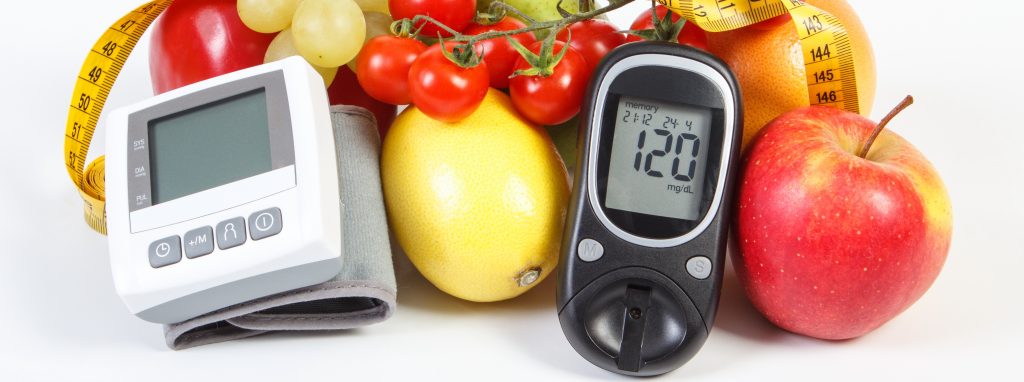
manage hypertensionBy now, anyone conscious about their health is aware of hypertension. In case you’re unfamiliar, hypertension is simply another name for high blood pressure. Blood pressure is the force exerted by blood against the walls of the blood vessels. This force depends on vascular resistance and how hard the heart has to work. Hypertension is a major risk factor for cardiovascular diseases, including stroke, heart attack, heart failure, and aneurysm.

An optimal blood pressure level is a reading under 120/80 mmHg, while a reading over 140/90 mmHg is generally considered high. It is crucial to keep blood pressure under control, and lifestyle management is the first-line treatment for hypertension.

5 Lifestyle Changes to Manage Hypertension

1. Cut Down on Alcohol & Quit Smoking
Drinking too much alcohol can raise blood pressure to unhealthy levels. Having more than three drinks in one sitting temporarily spikes blood pressure, and frequent drinking can lead to long-term increases. Heavy drinkers should gradually reduce their alcohol intake over 1-2 weeks to prevent sudden blood pressure surges.
Similarly, smoking can raise blood pressure immediately after each cigarette. Quitting smoking helps to normalise BP, reduces the risk of heart disease, and significantly improves overall health.

2. Managing Stress Effectively
Your body produces stress hormones when faced with pressure or anxiety, causing your heart to beat faster and blood vessels to narrow—leading to temporary blood pressure spikes. While these return to normal once stress subsides, frequent episodes of high stress can damage blood vessels, the heart, and kidneys.

          How to manage stress:

    • Exercise regularly—30 minutes, 3-5 times a week, helps reduce stress.
    • Try yoga & meditation—Deep breathing and mindfulness can help regulate stress levels.
    • Get enough sleep—Quality rest is essential for keeping BP under control.
    • Maintain social connections—Engaging in enjoyable activities and staying socially active reduces stress.

3. Reduce Sodium Intake:
Even a small reduction in sodium can significantly improve heart health and lower blood pressure by 5-6 mmHg in hypertensive individuals.

          Recommended Daily Sodium Intake:

    • Limit sodium to 2300 mg per day (ideal for general adults)
    • 1500 mg per day is ideal for those with high BP (less than one teaspoon of salt)

          How to reduce sodium:

    • Read food labels and choose low-sodium options
    • Avoid processed & packaged foods (e.g., noodles, soups, crisps, biscuits)
    • Use herbs & spices instead of salt to add flavour
    • Gradually reduce salt intake so your palate adjusts over time

4. Increase Fruit & Vegetable Intake
A diet rich in whole grains, fruit, vegetables, and low-fat dairy—while avoiding saturated fats and cholesterol—can lower blood pressure by 11 mmHg.

This approach is called the DASH (Dietary Approaches to Stop Hypertension) Diet, which emphasises:

  • Fruits & vegetables—Great sources of potassium, which counteracts sodium.
  • Whole grains—Support heart health and lower BP naturally.
  • Low-fat dairy—Helps regulate blood pressure.
  • Beetroot—A powerhouse for reducing BP (add it to smoothies!).

⚠ If you have blood sugar concerns, consult your doctor before consuming beetroot.

5. Exercise Regularly
Making exercise a habit is one of the best ways to naturally lower BP. You don’t need to hit the gym—just ensuring regular movement is enough.

Engage in moderate exercise (e.g., brisk walking, jogging, cycling, swimming) for 30 minutes a day, at least 5 days a week. Even small activities—taking the stairs, stretching, or walking short distances—help maintain heart health. Always consult a doctor or health coach before starting a new fitness routine if you have high BP.

By incorporating these five simple lifestyle changes, you can effectively manage hypertension while improving overall health. Making small but consistent changes in your diet, exercise, and stress management will lead to long-term benefits for your heart and well-being.

Which lifestyle change has worked best for you? Share your experience in the comments below!

#BeTheForce

Disclaimer: The information provided in this blog is for general awareness and educational purposes only. It is not intended to replace professional medical advice, diagnosis, or treatment. Always consult a qualified healthcare provider for personalised medical guidance or concerns related to your health.
October 30, 2025 By Priyanka Mangla 3 Comments

The Early Signs & Symptoms of Diabetes

symptoms of diabetesDiabetes has become one of the most common lifestyle disorders affecting both, urban and rural areas alike. You can attribute this to overeating, obesity, stressful, busy and sedentary lifestyles which lead to the early symptoms of diabetes. This also includes lack of proper nutrition which leads to disturbed glucose metabolism. Heredity is also a major factor in the development of the disease. It is usually misunderstood that eating only refined sugar in excess will lead to diabetes but that’s not the case. Excess intake of proteins and fats also leads to development of diabetes because ultimately they are also metabolized and converted to glucose.
Diabetes is characterized by the elevated levels of glucose in the blood and urine. It is of 2 types:

  • Type 1: is present since birth due to complete absence of insulin 
  • Type 2: Develops later in life due to the deficiency of insulin

There are other variants too like gestational diabetes which occur during  pregnancy. Read more about it here: https://goqii.com/blog/what-gestational-diabetes-can-do-to-you-your-unborn-child/ 

Since untreated or uncontrolled diabetes gradually starts affecting the functioning of major organs of the body, like the heart, kidneys, brain, nervous system, eyes, etc. it is important to diagnose and manage diabetes as early as possible.  

How Can You Diagnose It? 

It is diagnosed by a blood test, in which the blood glucose in the fasting state (normal values range between 80-120 mg/100 ml of blood) and 2 hours after having the meal (normal values, 140 mg/100 ml of blood) are measured. Now, even before getting your blood glucose tested, there are certain signs and symptoms which our body shows which indicate the development of diabetes. 

Early Signs and Symptoms of Diabetes

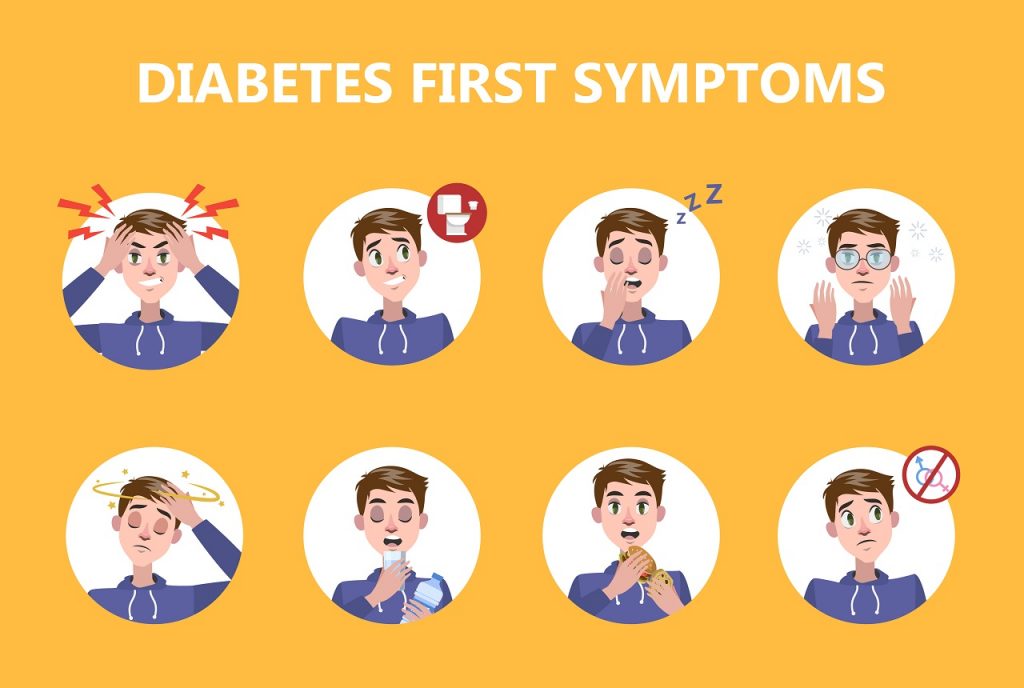
  1. 3P’s: Polyphagia (increased hunger), polydipsia (increased thirst), polyuria (increased urination). Remember these 3 P’s and look out if you are experiencing these. 
  2. Loss of weight: In spite of increased hunger, there will be a very sharp loss of weight, which again is a warning symptom. This is happening because the glucose is getting lost in the urine, also due to insufficient insulin, the available glucose is not getting utilized to provide energy and to function, the body has started utilizing the glucose which is stored in the muscles and organs. 
  3. Getting tired: Loss of weight due to this condition leads to early tiredness. The person gets tired easily both mentally and physically. 
  4. Dry mouth: Despite drinking more water, there will be dryness in the mouth. 
  5. Paleness: appears because of anemia.
  6. Frequent infections and delayed healing of wounds: happens due to excess of glucose in the blood. 
  7. Loss of libido. 

In its early stages, we can easily prevent it from progressing further to a full blown Diabetes Mellitus with: 

  • Regular exercise: for a minimum of 30 minutes to maintain optimum weight. Engage yourself in light games. 
  • Proper diet: Which includes salads with meals (this slows down digestion and prevents an immediate spike in blood sugar levels) and excluding refined sugar, alcohol, smoking and high fat foods. 
  • Yoga & meditation: take care of the stress levels and curb the disease from getting any worse. Pranayama (Breath Control) and certain yoga asanas like Cobra Pose (Bhujangasana), Shoulder Stand (Sarvangasana) and various others help in stimulating the pancreas to produce insulin . 

There are certain home remedies which can be used as a supportive measure. I want to discuss here the two most important ones. 

  1. Bitter gourd (Karela): is highly beneficial in the treatment of diabetes. It contains an insulin-like principle, known as plant-insulin which has been found effective in lowering the blood and urine sugar levels.
  2. Java Plum (Jamun): The seeds contain a glycoside ‘jamboline’ which has the power to check the pathological conversion of starch into sugar in cases of increased production of glucose. In the Homoeopathic system of medicine, we have a very effective medicine prepared from this fruit to treat diabetes. 

We hope this article helps you manage Diabetes and helps you spot the early signs and symptoms. Do leave your thoughts in the comments below! For more articles on managing Diabetes, check out Healthy Reads. 

For further guidance and motivation by certified experts, join the GOQii Diabetes Care program. It’s India’s only diabetes program that is driven by Smart Science and Personal Coaching to improve Fasting Blood Sugar (FBS), Postprandial Blood Sugar (PP), and reduce HbA1c levels. You can subscribe here: https://store.goqii.com/diabetescare.

#BeTheForce Against Diabetes! 

Disclaimer: The information provided in this blog is for general awareness and educational purposes only. It is not intended to replace professional medical advice, diagnosis, or treatment. Always consult a qualified healthcare provider for personalised medical guidance or concerns related to your health. Images shown are for representation purposes only and may not depict the exact recommendations or outcomes.

October 28, 2025 By GOQii 9 Comments

How Important Is Cardio For Weight Loss?

cardio and weight lossYou are well aware of the fact that you lose weight when you burn more calories irrespective of how much you eat. The best way to lose weight is to follow a combination of cardio, strength training and a healthy diet.


Cardio is one of the key components because:

  • You burn more calories at one time.
  • Getting your heart rate into your target heart rate zone means your blood is pumping, you’re breathing hard, and you’re sweating and burning calories.
  • You can easily add intensity to increase your calorie burn. With cardio, it’s easy to increase your calorie burn with small changes, for instance running or walking faster, jumping higher, climbing hills or trying new activities that your body isn’t used to.
  • It adds to your overall calorie deficit. Burning calories with exercise means you don’t have to cut as many calories from your diet.
  • You can do cardio most days of the week. With strength training, your muscles require rest to recover and grow stronger. Cardio can be done most days of the week without worrying about injury or over-training.

The Best Cardio Exercises

While you know that cardio is important for weight loss, which exercises are best and how much do you really need for weight loss?

The truth is, there really isn’t any best cardio exercise. The best activity is the one you’ll do on a regular basis. So, finding something you like is critical to reaching your weight loss goals. That said, some exercises offer more intensity than others.

  • Impact activities: Exercises that involve some impact, like walking, will usually boost your heart rate quicker than no-impact activities like swimming or cycling.
  • High impact activities: High impact, or exercises that involve running or jumping, will often burn more calories than lower impact things like walking.
  • Whole body activities: When you involve both the upper and lower body, such as an aerobic activity which is also is known as cross training, it’s often easier to get the heart rate up and burn more calories.

That doesn’t mean you shouldn’t bother with low impact exercise. Both types of activities offer opportunities to burn calories and doing both gives you a well-rounded cardiovascular endurance development.

To get an idea of just how much cardio can do for you, check out the following list of common exercises. Below is the number of calories burned for a 150-pound person in 30 minutes:

  1. Step aerobics: 340 calories
  2. Stationary bike: 238 calories
  3. Swimming: 270 calories
  4. Walking 4 mph: 170 calories
  5. Running 5 mph: 270 calories
  6. kickboxing: 400 calories

Everything from walking to kickboxing can burn a significant number of calories!

How Much Do You Need?

It’s tough to know exactly how much cardio we need for weight loss. The American College of Sports Medicine and the American Heart Association recommend about 60 minutes of moderate to vigorous intensity activity on most days of the week. But, the truth is how much cardio you need varies from person to person and depends on factors such as:

  • How many calories you eat
  • How hard you exercise
  • Metabolism, age and gender
  • Fitness levels
  • Body fat percentage and weight
  • Exercise schedule

That said, here are some tips for setting up an effective cardio program:

  1. If you’re a beginner, start with 3 days of the cardio exercise of your choice, working at a level you can handle.
  2. Add time each week to work your way up to 30 to 45 minutes of continuous exercise.
  3. As you get stronger, try interval training once a week to help boost endurance and burn more calories.
  4. Work your way up to 5 to 6 days of cardio and try to vary what you do and how hard you work.

It will help you lose weight but it is most effective when combined with strength training and a healthy, low-calorie diet and adequate rest.

How Much Do You Need To Build Muscle?

You may think you shouldn’t do cardio exercise if you’re trying to gain muscle. But, cardio isn’t just for weight loss. It also helps condition the heart and lungs and promotes health and well-being. If your goal is to gain muscle, you won’t need tons of cardio. But, doing at least three 20-minute sessions a week won’t hurt your goals and will help you reap the benefits of cardio without burning too many calories. These are some simple necessities for cardio in weight loss. After reading this, I am sure all your misconceptions about weight training and weight loss are cleared!

If you want to begin working out or want to take your workouts to the next level, book a GOQii PRO class through the GOQii App and join our certified experts for a live, interactive session.

For more on weight loss, click here. Do let us know your thoughts in the comments below.

#BeTheForce 

Disclaimer: The information provided in this blog is for general awareness and educational purposes only. It is not intended to replace professional medical advice, diagnosis, or treatment. Always consult a qualified healthcare provider for personalised medical guidance or concerns related to your health. Images shown are for representation purposes only and may not depict the exact recommendations or outcomes.

October 25, 2025 By Vrushali Athavle 4 Comments

SWEET POTATO – Best Workout Meal

sweet-potato

You must have heard of protein shakes and eggs as good work out meals. But, have you heard of Sweet Potatoes as a workout meal?

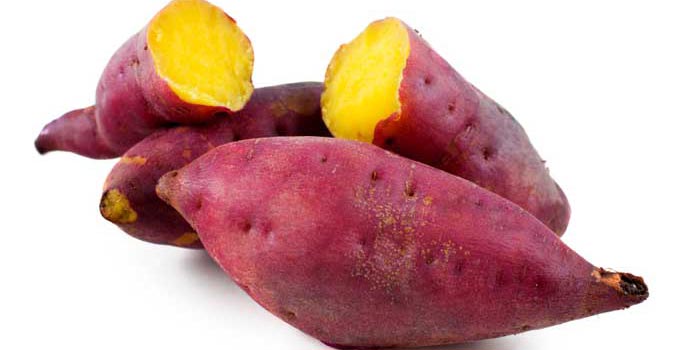
Well, the Sweet potato is a large, starchy, sweet tasting tuberous root vegetable which is usually consumed by people only during fast.  But, apart from having it as a fasting food, the other best time to consume sweet potato is either before or after your regular ‘moderate to intense’ workouts.

Referring to my previous blog on “Pre and Post Workout meals” where I mentioned the importance of having carbohydrates before your workout to keep you energetic throughout the exercise regime and post workout to replenish the depleted stores and to help the recovery process faster, SWEET POTATO is one of the best choices. One should have approximately 100 gms of boiled sweet potatoes.

How does it work?

Sweet potatoes have natural sugar and complex carbohydrates which are slowly released into the bloodstream, helping to ensure a balanced and regular source of energy without sudden blood sugar spikes. When you consume them before a workout, it gives you a slow and steady form of energy and hence keep’s you energetic throughout the workout. Post workout sweet Potatoes help to replenish the glycogen stores which are lost during the workout.

Also, there are lots of water-soluble nutrients and electrolytes which are lost during your workouts. To replenish them, SWEET POTATO is the best choice once again. It is a treasure trove of vitamins and minerals. Let us have a look at all of them:

Magnesium:  It is called a relaxation and anti-stress mineral. This clearly says that grab on the sweet potato to relieve stress (mental or physical).

Potassium: Helps in relaxing muscle contractions, reducing swellings and controlling kidney activities.

Vitamin B 6: Helps maintain healthy brain and normal nerve function. It also helps in forming red blood cell.

Vitamin C (powerful healer): This vitamin not only helps to ward off cold and flu viruses but also plays a crucial role in bone and tooth formation, digestion and blood cell formation. Helps wound healing, produces collagen which helps maintain skin’s elasticity thus keeping you young and beautiful.

Vitamin A (a powerful antioxidant): Keep’s your eyesight perfect and keeps your immune system boosted to fight against any diseases.

Vitamin D: It is crucial to maintaining your overall health as it is critical for the immune system. It plays an important role in keeping our energy levels boosted, controls mood swings and helps to build healthy bones, heart, nerves, skin and teeth and also it supports the thyroid gland to function effectively.

Iron: Necessary for red and white blood cell production

Apart from using it as the best workout food, sweet potato serves as a great choice for people who are trying to lose weight. Isn’t that great? Let’s look into it.

  • Sweet potato is high on fibre. Fibre is bulky and hence will occupy a lot of space in your stomach making you feel full for a long period of time, thus preventing one from overeating. i.e. You won’t feel hungry for a long time.
  • Sweet potato has high water content so just like fibre; water takes up a lot of room in your stomach making you feel full and will prevent overeating and snacking between meals. This will help both in your weight loss goals and will also help you prevent the weight from coming back on.
  • Lastly, it is low on calories, so people keeping a watch on calories can just go for it.

To conclude, include sweet potatoes in your routine and not only during the fast as it is one of the best workout meals and also helps with weight loss.  If sweet potato is eaten along with its skin, which is an excellent source of insoluble fibre, it may prevent constipation and diverticulitis. It also contains soluble fibre which may help control cholesterol.

We hope this article helps you! Find more articles on fitness and nutrition here. You can also get all this information and more, directly from a GOQii Coach by subscribing to Personalised Health Coaching here.

#BeTheForce

Disclaimer: The information provided in this blog is for general awareness and educational purposes only. It is not intended to replace professional medical advice, diagnosis, or treatment. Always consult a qualified healthcare provider for personalised medical guidance or concerns related to your health. Images shown are for representation purposes only and may not depict the exact recommendations or outcomes.

  • « Previous Page
  • 1
  • …
  • 5
  • 6
  • 7
  • 8
  • 9
  • …
  • 140
  • Next Page »

Search

Recent Posts

  • India Leads in Longevity: GOQii Sanjeevini Named Top 40 in $101M XPRIZE
  • The Importance Of Knowing If You’re Thirsty Or Hungry
  • Best Foods To Alleviate Irritable Bowel Syndrome
  • ALL ABOUT VERTIGO!
  • PCOS and Anxiety: Discover Relief with the 54321 Technique

Stay Updated

Archives

  • December 2025 (8)
  • November 2025 (15)
  • October 2025 (20)
  • September 2025 (6)
  • August 2025 (6)
  • July 2025 (12)
  • June 2025 (18)
  • May 2025 (16)
  • April 2025 (23)
  • March 2025 (23)
  • February 2025 (22)
  • January 2025 (26)
  • December 2024 (26)
  • November 2024 (25)
  • October 2024 (22)
  • September 2024 (24)
  • August 2024 (31)
  • July 2024 (21)
  • June 2024 (26)
  • May 2024 (31)
  • April 2024 (27)
  • March 2024 (29)
  • February 2024 (26)
  • January 2024 (25)
  • December 2023 (15)
  • November 2023 (11)
  • October 2023 (20)
  • September 2023 (22)
  • August 2023 (20)
  • July 2023 (22)
  • June 2023 (24)
  • May 2023 (24)
  • April 2023 (24)
  • March 2023 (23)
  • February 2023 (20)
  • January 2023 (16)
  • December 2022 (12)
  • November 2022 (15)
  • October 2022 (15)
  • September 2022 (12)
  • August 2022 (10)
  • July 2022 (17)
  • June 2022 (11)
  • May 2022 (10)
  • April 2022 (6)
  • March 2022 (6)
  • February 2022 (13)
  • January 2022 (12)
  • December 2021 (7)
  • November 2021 (3)
  • October 2021 (6)
  • September 2021 (3)
  • August 2021 (8)
  • July 2021 (7)
  • June 2021 (15)
  • May 2021 (16)
  • April 2021 (10)
  • March 2021 (7)
  • February 2021 (4)
  • January 2021 (4)
  • December 2020 (3)
  • November 2020 (4)
  • October 2020 (10)
  • September 2020 (3)
  • August 2020 (3)
  • July 2020 (2)
  • June 2020 (4)
  • May 2020 (10)
  • April 2020 (12)
  • March 2020 (10)
  • February 2020 (4)
  • January 2020 (4)
  • December 2019 (3)
  • November 2019 (7)
  • October 2019 (5)
  • September 2019 (4)
  • August 2019 (9)
  • July 2019 (9)
  • June 2019 (11)
  • May 2019 (4)
  • April 2019 (9)
  • March 2019 (8)
  • February 2019 (9)
  • January 2019 (8)
  • December 2018 (9)
  • November 2018 (3)
  • October 2018 (3)
  • September 2018 (5)
  • August 2018 (10)
  • July 2018 (6)
  • June 2018 (13)
  • May 2018 (8)
  • April 2018 (18)
  • March 2018 (9)
  • February 2018 (8)
  • January 2018 (15)
  • December 2017 (12)
  • November 2017 (19)
  • October 2017 (13)
  • September 2017 (15)
  • August 2017 (4)
  • July 2017 (8)
  • June 2017 (7)
  • May 2017 (6)
  • April 2017 (8)
  • March 2017 (6)
  • February 2017 (7)
  • January 2017 (9)
  • December 2016 (10)
  • November 2016 (7)
  • October 2016 (7)
  • September 2016 (7)
  • August 2016 (11)
  • July 2016 (9)
  • June 2016 (9)
  • May 2016 (12)
  • April 2016 (17)
  • March 2016 (17)
  • February 2016 (8)
  • January 2016 (6)
  • December 2015 (2)
  • November 2015 (9)
  • October 2015 (7)
  • September 2015 (9)
  • August 2015 (11)
  • July 2015 (9)
  • June 2015 (12)
  • May 2015 (9)
  • April 2015 (13)
  • March 2015 (8)
  • February 2015 (5)
  • January 2015 (12)
  • December 2014 (14)
  • November 2014 (11)
  • October 2014 (6)
  • September 2014 (13)
  • August 2014 (12)
  • July 2014 (6)
  • June 2014 (2)
  • May 2014 (7)
  • April 2014 (5)

From “Laddu Nawin” to Fit and Fierce: How a 25-Year-Old Insurance Advisor Shed 20 Kilos and Gained His Life Back

When 25-year-old Nawin Yadav from Hyderabad walked into his office every morning, he carried more than just his files and policy papers. He had the weight of fatigue, sluggish energy, and an ever-growing belly that was becoming the butt of jokes. “People … [Read More...]

“I’ve Challenged Myself to Live 100 Years” – The Story of Chandubhai Savani’s Second Chance at Life

At 67, most people start slowing down. Not Chandubhai Savani. A resident of Surat, Chandubhai, thought life was on track. “My life was going well till I had my bypass surgery,” he says. That surgery, back in 2021, was a wake-up call.  Medication was routine, but exercise wasn’t. His diet? What he calls ‘normal.’ “I […]

From Shimla’s Slopes to Chandigarh’s Sidewalks: Surinder Kaur Bhalla’s Journey from Chaos to Control

Some journeys start with a plan. Others begin with a stumble literally. Surinder Bhalla, a government professional, born and raised in the scenic hill town of Shimla, had always lived a life of movement. “In Shimla, you walked everywhere,” she reflects. “Walking was never an exercise. It was just life.” But after shifting to Chandigarh, […]

Ananda Mukherjee Health Story

From Terminal Illness To Complete Wellness! Ananda Mukherjee Health Story

As we observe World Cancer Day under the powerful theme ‘United by Unique’ (2025-2027)**, we are reminded that every individual’s journey with cancer is distinct, yet united by shared resilience, hope, and the collective fight against this disease. This theme places people at the centre of care and their stories at the heart of the […]

  • HOME
  • HEALTHY LIVING
  • FITNESS
  • HEALTHY RECIPES
  • USER STORIES
  • KARMA
  • BUY GOQii

Copyright ©2016 GOQii

