GOQii

Blog

  • HOME
  • HEALTHY LIVING
  • FITNESS
  • HEALTHY RECIPES
  • USER STORIES
  • KARMA
  • BUY GOQii

Search Results for: hair

January 16, 2025 By Dr. Viral Thakkar 39 Comments

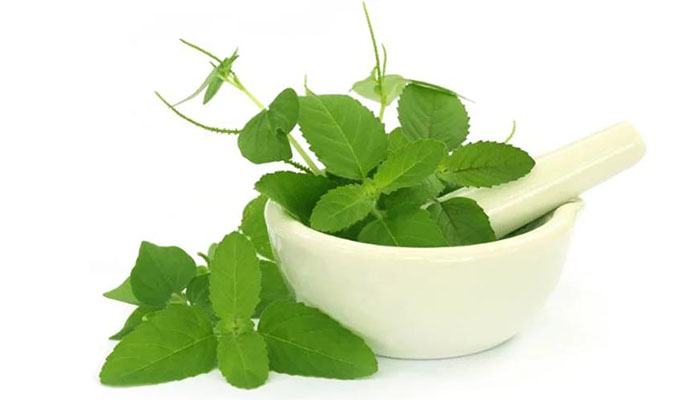
Tulsi or Basil: Queen of Herbs

1

I have always wondered why ‘Tulsi’ is given so much importance in India. I recall my aunts and great-grand aunts narrating stories about Tulsi being the consort of Lord Vishnu. As an inquisitive child, I questioned this. “How can a plant be a consort? A plant is a plant! Period! It gives oxygen and takes in carbon dioxide.”
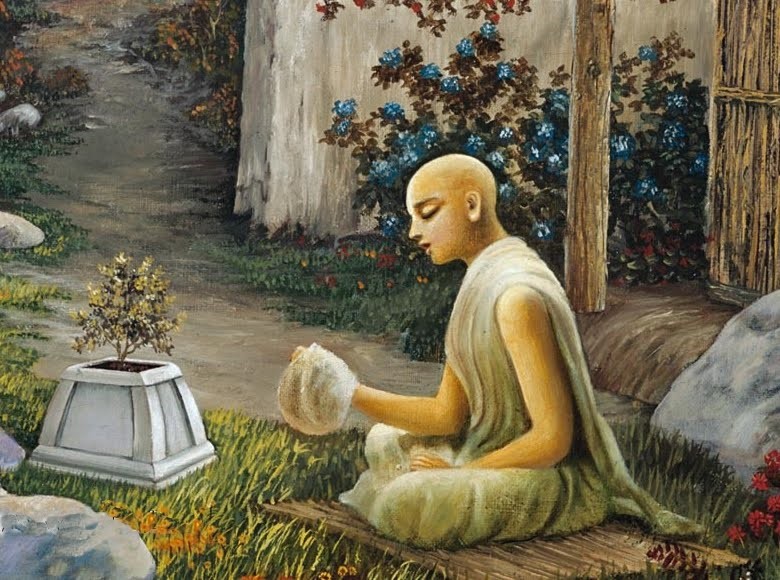
tulsi

Today, as a doctor, I understand that the significance of many plants is rooted in folklore. Unfortunately, while the stories remain, the importance is often forgotten.

In this article, I delve into the significance of Tulsi – The Holy Basil, also known as the Queen of Herbs! It is grown in almost every Indian household for religious purposes. However, I suggest we grow it not just for spiritual reasons but also for its remarkable medicinal properties—saving us from hefty medical bills for minor ailments!
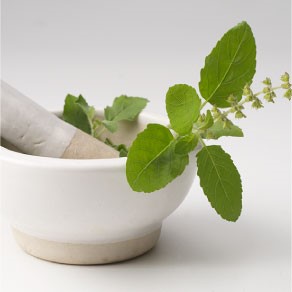
Tulsi 2

Why is Tulsi Known as the Queen of Herbs?

Tulsi is

  • Antibacterial
  • Antiviral
  • Antifungal
  • Antipyretic
  • Antioxidant
  • Antiseptic
  • Anti-cancer

Health benefits of Tulsi

  1. Cold & Cough Relief
    Tulsi’s antiviral and antibacterial properties make it effective for colds and coughs. Combine tulsi juice with ginger and betel leaf juice, mixed in honey, and consume twice or thrice a day. For severe coughs, add a pinch of black pepper powder and black salt to the mixture.
  2. Fever Reduction
    Tulsi’s antipyretic properties help manage fevers from malaria, influenza, or colds. Juice 10-12 tulsi leaves, mix with honey, and consume thrice daily.
  3. Detoxification
    Regularly consuming 10 tulsi leaves with jaggery for 15 days helps control worm formation in the abdomen. For ringworm, apply tulsi juice mixed with camphor twice daily on the affected area.
  4. Liver Health
    Mixing juice from 15-20 tulsi leaves with aloe vera supports liver health and detoxification.
  5. Oral Health
    • Apply a mixture of tulsi leaves and clove powder on teeth for instant pain relief.
    • Use dried tulsi leaves mixed with mustard oil as toothpaste to prevent bad breath and maintain gum health.
  6. Kidney Health
    Tulsi acts as a diuretic and detoxifier, reducing uric acid levels and aiding in breaking down kidney stones. Consume tulsi juice with honey daily for six months for relief.
  7. Skin and Hair Care
    • Tulsi purifies the blood, reducing acne and blemishes.
    • Its antifungal properties soothe itchy scalps and reduce hair fall. Mix powdered tulsi in coconut oil and apply it regularly for healthier hair.
  8. Stress Relief
    Consuming 10-12 tulsi leaves daily can help alleviate stress, thanks to its calming properties.

Environmental Benefits

According to Shyamkant Padoley, an eminent botanist, “Tulsi gives out oxygen for 20 hours and ozone for four hours a day, along with nascent oxygen that absorbs harmful gases like carbon monoxide, carbon dioxide, and sulfur dioxide from the environment.”

A Part of Your Daily Diet

Incorporating tulsi into your daily diet is easy, cost-effective, and side-effect-free. Let Tulsi become your go-to natural remedy for better health and well-being!

If you found this article helpful, share your thoughts in the comments below! Explore more tips on natural remedies and healthy living on Healthy Reads. To learn more about personalised health guidance, subscribe to GOQii’s Personalised Health Coaching here.

#BeTheForce

December 11, 2024 By Anusha Subramanian Leave a Comment

Feeding Your Emotions? Why You Need To Stop Emotional Eating

Feeding Your Emotions? Why You Need To Stop Emotional EatingRemember the old adage – Eat to Live and not Live to Eat? We don’t always eat simply to satisfy hunger. Sometimes, we turn to food for comfort, stress relief, or as a reward. It becomes an activity we do out of habit, like nail-biting, hair twirling, or finger tapping. Recent trends show that we often turn to food in response to certain emotions. For instance, eating chocolates or sweets when we’re sad or depressed. Whether you feel angry, sad, bored, or even excited—food can act as a buffer against these emotions. But is emotional eating good for you?

Emotional eaters know it’s easier to suppress feelings with each bite rather than confront them. Unfortunately, emotional eating doesn’t solve emotional problems. It usually makes you feel worse. Afterwards, not only does the original emotional issue remain, but you also feel guilty for overeating. This compounds the problem, as you stop learning healthier ways to deal with your emotions, struggle to control your weight, and feel increasingly powerless over both food and your feelings.

Where Do You Start To Stop Emotional Eating?

Before addressing how to stop emotional eating, have you ever wondered why we turn to food when emotionally distressed? When we eat, certain chemicals are released in the body which significantly impact our emotional health. Food and mood are intricately connected. For instance, we feel sadder when hungry due to lack of neurochemicals in the brain. Through eating, we experience changes in serotonin, endorphins and dopamine levels – all of which influence mood. Sugar, for example, increases serotonin in the brain, helping us feel more balanced and stable. Anti-depressants work on a similar chemical mechanism to improve mood. So, coming back to the point – what can you do to address this?

Recognise What Triggers You To Eat Emotionally

As mentioned earlier, people eat for many reasons. Which situations, places or feelings make you turn to food for comfort? Each time you feel a craving, ask yourself, “Am I really hungry, or am I responding to something else?” If hunger isn’t the reason, identifying the real cause can be challenging.

By tracking your food intake and associated emotions regularly, you might notice patterns, such as a tendency to overeat on Mondays. Ask yourself, “What is it about Mondays that leads to overeating? Stress from getting the kids to school? Frustration over returning to work? Lack of holidays?” Notice if you tend to snack in the evenings. Is it out of boredom, loneliness, anger, sadness, anxiety, or an unhappy relationship? Once you identify your emotional eating triggers, the next step is finding healthier ways to manage your feelings.

Find Ways To Fulfil Yourself Emotionally

Understanding the cycle of emotional eating and identifying triggers is only the beginning. The next step is finding healthier alternatives to fulfill yourself emotionally.

Here are some options to try:

  • Call someone who always makes you feel better
  • Play with your kids or pets
  • Look at a favourite photo or cherished memento whenever you feel low, depressed or lonely
  • If you’re anxious, expend your energy by dancing to your favorite song or squeezing a stress ball
  • Take a brisk walk for fresh air
  • If you’re exhausted, treat yourself to a hot cup of tea, take a bath, go to a spa for a massage, or light some scented candles and wrap yourself in a warm blanket
  • Take a break or go on a weekend getaway
  • If you’re bored, read a good book, watch a show, explore the outdoors, or try an enjoyable activity like painting or playing an instrument.

Form Healthier Habits

Last step to deal with emotional eating requires long term modification i.e. healthy lifestyle habits. When you’re physically strong, relaxed, and well rested, you’re able to handle the challenges that life throws at you in a better way. But, when you’re already exhausted and overwhelmed, any little hiccup has the potential to send you off the rails and straight towards the kitchen>refrigerator>food. Exercise, sleep, and other healthy lifestyle habits will help you get through difficult times without emotional eating. Make daily exercise a priority.

Physical activity does wonders for your mood and your energy levels, and it’s also a powerful stressbuster. Give yourself permission to take at least 30 minutes every day to relax, decompress, and unwind. This is your time to take a break from your responsibilities and recharge your batteries for the next day. Connect with others. Don’t underestimate the importance of close relationships and social activities. Spending time with positive people who enhance your life will help protect you from the negative effects of stress.

With an arsenal of activities like trekking, journaling, or exploring hobbies, you can gradually overcome emotional eating. Success won’t come overnight, but accepting your mistakes and moving forward is key to breaking the cycle.

If you need help dealing with emotional eating, our experts are hereto guide you. Speak to a GOQii Coach to overcome emotional eating and achieve your weight loss goals. Subscribe for Personalised Health Coaching here.

For more tips on weight loss, explore Healthy Reads. If this article helped you or someone you know, let us know your thoughts in the comments below!

#BeTheForce

Disclaimer: The information provided in this blog is for general awareness and educational purposes only. It is not intended to replace professional medical advice, diagnosis, or treatment. Always consult a qualified healthcare provider for personalised medical guidance or concerns related to your health.

December 10, 2024 By GOQii Leave a Comment

Feeding Your Emotions? Why You Need To Stop Emotional Eating

Feeding Your Emotions? Why You Need To Stop Emotional EatingRemember the old adage – Eat to Live and not Live to Eat? We don’t always eat simply to satisfy hunger. Sometimes, we turn to food for comfort, stress relief, or as a reward. It becomes an activity we do out of habit, like nail-biting, hair twirling, or finger tapping. Recent trends show that we often turn to food in response to certain emotions. For instance, eating chocolates or sweets when we’re sad or depressed. Whether you feel angry, sad, bored, or even excited—food can act as a buffer against these emotions. But is emotional eating good for you?


Emotional eaters know it’s easier to suppress feelings with each bite rather than confront them. Unfortunately, emotional eating doesn’t solve emotional problems. It usually makes you feel worse. Afterwards, not only does the original emotional issue remain, but you also feel guilty for overeating. This compounds the problem, as you stop learning healthier ways to deal with your emotions, struggle to control your weight, and feel increasingly powerless over both food and your feelings.

Where Do You Start To Stop Emotional Eating?

Before addressing how to stop emotional eating, have you ever wondered why we turn to food when emotionally distressed? When we eat, certain chemicals are released in the body which significantly impact our emotional health. Food and mood are intricately connected. For instance, we feel sadder when hungry due to lack of neurochemicals in the brain. Through eating, we experience changes in serotonin, endorphins and dopamine levels – all of which influence mood. Sugar, for example, increases serotonin in the brain, helping us feel more balanced and stable. Anti-depressants work on a similar chemical mechanism to improve mood. So, coming back to the point – what can you do to address this?

Recognize What Triggers You To Eat Emotionally

As mentioned earlier, people eat for many reasons. Which situations, places or feelings make you turn to food for comfort? Each time you feel a craving, ask yourself, “Am I really hungry, or am I responding to something else?” If hunger isn’t the reason, identifying the real cause can be challenging.

By tracking your food intake and associated emotions regularly, you might notice patterns, such as a tendency to overeat on Mondays. Ask yourself, “What is it about Mondays that leads to overeating? Stress from getting the kids to school? Frustration over returning to work? Lack of holidays?” Notice if you tend to snack in the evenings. Is it out of boredom, loneliness, anger, sadness, anxiety, or an unhappy relationship? Once you identify your emotional eating triggers, the next step is finding healthier ways to manage your feelings.

Find Ways To Fulfill Yourself Emotionally

Understanding the cycle of emotional eating and identifying triggers is only the beginning. The next step is finding healthier alternatives to fulfill yourself emotionally.

Here are some options to try:

  • Call someone who always makes you feel better
  • Play with your kids or pets
  • Look at a favorite photo or cherished memento whenever you feel low, depressed or lonely
  • If you’re anxious, expend your energy by dancing to your favorite song or squeezing a stress ball
  • Take a brisk walk for fresh air
  • If you’re exhausted, treat yourself to a hot cup of tea, take a bath, go to a spa for a massage, or light some scented candles and wrap yourself in a warm blanket
  • Take a break or go on a weekend getaway
  • If you’re bored, read a good book, watch a show, explore the outdoors, or try an enjoyable activity like painting or playing an instrument.

Form Healthier Habits

Last step to deal emotional eating requires long term modification i.e. healthy lifestyle habits. When you’re physically strong, relaxed, and well rested, you’re able to handle the challenges that life throws at you in a better way. But, when you’re already exhausted and overwhelmed, any little hiccup has the potential to send you off the rails and straight towards the kitchen>refrigerator>food. Exercise, sleep, and other healthy lifestyle habits will help you get through difficult times without emotional eating. Make daily exercise a priority.

Physical activity does wonders for your mood and your energy levels, and it’s also a powerful stressbuster. Give yourself permission to take at least 30 minutes every day to relax, decompress, and unwind. This is your time to take a break from your responsibilities and recharge your batteries for the next day. Connect with others. Don’t underestimate the importance of close relationships and social activities. Spending time with positive people who enhance your life will help protect you from the negative effects of stress.

With an arsenal of activities like trekking, journaling, or exploring hobbies, you can gradually overcome emotional eating. Success won’t come overnight, but accepting your mistakes and moving forward is key to breaking the cycle.

If you need help dealing with emotional eating, our experts are hereto guide you. Speak to a GOQii Coach to overcome emotional eating and achieve you weight loss goals. Subscribe for Personalised Health Coaching here.

For more tips on weight loss, explore Healthy Reads. If this article helped you or someone you know, let us know your thoughts in the comments below!

#BeTheForce

November 27, 2024 By Saba Mirza Leave a Comment

Effective Home Remedies For Sinus Congestion

sinus congestion If you’ve suffered from sinus congestion at any point in your life, you’re well aware of how painful an experience it can be. Let’s deep dive into what it exactly is as well as learn some home remedies for sinus congestion.

What is Sinus Congestion?

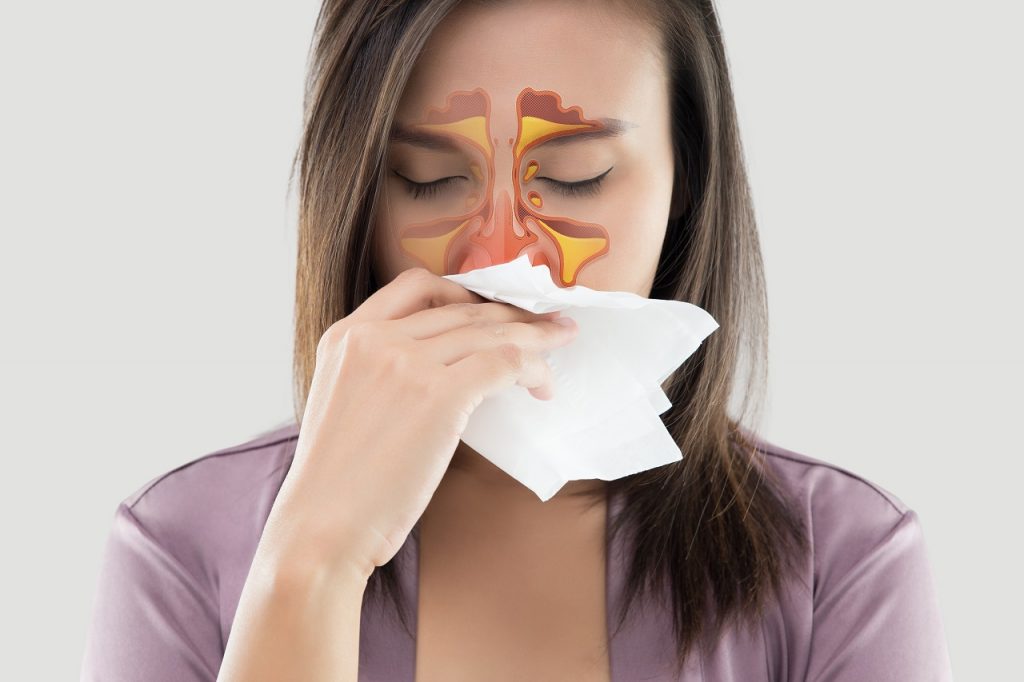
Sinus congestion is a condition in which the cavities around your nasal passage get inflamed and congested. Symptoms appear in the form of a stuffy nose, pain around the nose, cheeks, jaw or forehead. One may even experience swollen or watery eyes and a sore throat. There’s a surge in sinus congestion cases during winters primarily due to the dry, cold weather accompanied by an increase in pollutants and allergens in the environment. If there are no obstructive pathologies for the sinus blockage like polyps or deviated nasal septum, then a few home remedies for sinus congestion can help us soothe the inflamed nasal passage and reduce the intensity of the symptoms.

Effective Home Remedies You Should Try

1. Maintain Humidity: Dryness in cold weather is amplified when you are using a room heater. Dry air makes the mucus thick. This clogs sinus cavities and causes pain and pressure on the surrounding tissues. Using a humidifier while running a room heater and keeping yourself hydrated can help in reducing the viscosity of the mucus, making it easy to drain it out and open the cavities up.

2. Drink Warm Fluids: Warming your body with hot soups, curries and teas is an ancient measure, followed traditionally and ritually for ages! This is found to be quite effective in alleviating the symptoms of sinus congestion. Here are a few simple remedies which can be easily prepared at home:

  • Ginger-Turmeric Tea: Boil one-quarter teaspoon of dry ginger and turmeric in one cup of water and have that tea by adding lemon and pepper. It is very effective in soothing the sore respiratory mucosa and boosting immunity levels.
  • Immunity Booster: Take 2 black peppers, 2 cloves, 2 cardamoms, a small piece of cinnamon, small piece of ginger, Tulsi leaves, 2 garlic cloves and ½ teaspoon of ajwain. Boil it till the water becomes half in quantity, strain it and then have it hot with honey (preferably organic). Have this immunity booster drink two to three times a day. It will help you fight off various bacterial and viral infections.
  • Whole Leaves Green Tea: Being rich in antioxidants and polyphenols, green tea is found to be one of the most effective immunity booster and detox drink!

3. Warm Compresses: Apply warm compresses by covering your face with a clean, warm and wet cloth which will moisten the nasal passages, thin out the mucus plug and help in easing its drain, thus opening the cavities up!

4. Steam Inhalation: Steam inhalation is found to be quite effective in moistening the air passages and reducing the congestion by loosening the mucus. Use a bowl of hot water, add a few drops of an essential oil like menthol, eucalyptus or lemon juice and cover yourself with a thick towel to trap the steam inside!

5. Nasal Irrigation: Nasal irrigation simply means flushing out the nasal pathway with a saline solution. It helps remove allergens, irritants and excess mucus! You can use a nasal irrigation system like a Neti Pot, squeeze bottle or bulb syringes filled with saline solution, which you can get at a medical store. You can also make a saline solution at home by mixing 3 teaspoons of salt and 1 teaspoon of baking soda. Use sea salt or pickling salt and not iodized salt or table salt which is added with additives. Store it in airtight container!

  • How to Do Saline Irrigation: Put the above mixture into a clean Neti Pot or bulb syringe and stand near a sink. Place the spout in the top nostril and pour or gently spray a liberal amount of solution into one nostril, while tilting the head at 45 degrees, so that it flows through the nasal cavity and out of the other nostril! Blow your nose to get rid of any remaining water. Repeat the process on the other nostril.

6. Eliminate the Causative Factors: Factors which can aggravate the symptoms are allergens like smoke, dust particles, perfumes, hair spray, cleaning products and anything which releases fumes! Try to keep the air around you clean from all these irritants!

While these home remedies for sinus congestion are effective, they only tackle the symptoms. If the issue persists, you should consult your doctor. For more home remedies, you can check out Healthy Reads or ask a GOQii Coach by subscribing for Personalised Health Coaching here.

#BeTheForce 

  • « Previous Page
  • 1
  • …
  • 4
  • 5
  • 6
  • 7
  • 8
  • …
  • 41
  • Next Page »

Search

Recent Posts

  • ALL ABOUT VERTIGO!
  • PCOS and Anxiety: Discover Relief with the 54321 Technique
  • Navigating the Maze of Nutrition: Finding Clarity Amidst Confusion
  • Get children active and keep them healthy
  • What Gestational Diabetes Can Do To You & Your Unborn Child

Stay Updated

Archives

  • December 2025 (5)
  • November 2025 (15)
  • October 2025 (20)
  • September 2025 (6)
  • August 2025 (6)
  • July 2025 (12)
  • June 2025 (18)
  • May 2025 (16)
  • April 2025 (23)
  • March 2025 (23)
  • February 2025 (22)
  • January 2025 (26)
  • December 2024 (26)
  • November 2024 (25)
  • October 2024 (22)
  • September 2024 (24)
  • August 2024 (31)
  • July 2024 (21)
  • June 2024 (26)
  • May 2024 (31)
  • April 2024 (27)
  • March 2024 (29)
  • February 2024 (26)
  • January 2024 (25)
  • December 2023 (15)
  • November 2023 (11)
  • October 2023 (22)
  • September 2023 (22)
  • August 2023 (20)
  • July 2023 (22)
  • June 2023 (24)
  • May 2023 (24)
  • April 2023 (24)
  • March 2023 (23)
  • February 2023 (20)
  • January 2023 (16)
  • December 2022 (12)
  • November 2022 (15)
  • October 2022 (15)
  • September 2022 (12)
  • August 2022 (10)
  • July 2022 (17)
  • June 2022 (11)
  • May 2022 (10)
  • April 2022 (6)
  • March 2022 (6)
  • February 2022 (13)
  • January 2022 (12)
  • December 2021 (7)
  • November 2021 (3)
  • October 2021 (6)
  • September 2021 (3)
  • August 2021 (8)
  • July 2021 (7)
  • June 2021 (15)
  • May 2021 (16)
  • April 2021 (10)
  • March 2021 (7)
  • February 2021 (4)
  • January 2021 (4)
  • December 2020 (3)
  • November 2020 (4)
  • October 2020 (10)
  • September 2020 (3)
  • August 2020 (3)
  • July 2020 (2)
  • June 2020 (4)
  • May 2020 (10)
  • April 2020 (12)
  • March 2020 (10)
  • February 2020 (4)
  • January 2020 (4)
  • December 2019 (3)
  • November 2019 (7)
  • October 2019 (5)
  • September 2019 (4)
  • August 2019 (9)
  • July 2019 (9)
  • June 2019 (11)
  • May 2019 (4)
  • April 2019 (9)
  • March 2019 (8)
  • February 2019 (9)
  • January 2019 (8)
  • December 2018 (9)
  • November 2018 (3)
  • October 2018 (3)
  • September 2018 (5)
  • August 2018 (10)
  • July 2018 (6)
  • June 2018 (13)
  • May 2018 (8)
  • April 2018 (18)
  • March 2018 (9)
  • February 2018 (8)
  • January 2018 (15)
  • December 2017 (12)
  • November 2017 (19)
  • October 2017 (13)
  • September 2017 (15)
  • August 2017 (4)
  • July 2017 (8)
  • June 2017 (7)
  • May 2017 (6)
  • April 2017 (8)
  • March 2017 (6)
  • February 2017 (7)
  • January 2017 (9)
  • December 2016 (10)
  • November 2016 (7)
  • October 2016 (7)
  • September 2016 (7)
  • August 2016 (11)
  • July 2016 (9)
  • June 2016 (9)
  • May 2016 (12)
  • April 2016 (17)
  • March 2016 (17)
  • February 2016 (8)
  • January 2016 (6)
  • December 2015 (2)
  • November 2015 (9)
  • October 2015 (7)
  • September 2015 (9)
  • August 2015 (11)
  • July 2015 (9)
  • June 2015 (12)
  • May 2015 (9)
  • April 2015 (13)
  • March 2015 (8)
  • February 2015 (5)
  • January 2015 (12)
  • December 2014 (14)
  • November 2014 (11)
  • October 2014 (6)
  • September 2014 (13)
  • August 2014 (12)
  • July 2014 (6)
  • June 2014 (2)
  • May 2014 (7)
  • April 2014 (5)

From “Laddu Nawin” to Fit and Fierce: How a 25-Year-Old Insurance Advisor Shed 20 Kilos and Gained His Life Back

When 25-year-old Nawin Yadav from Hyderabad walked into his office every morning, he carried more than just his files and policy papers. He had the weight of fatigue, sluggish energy, and an ever-growing belly that was becoming the butt of jokes. “People … [Read More...]

“I’ve Challenged Myself to Live 100 Years” – The Story of Chandubhai Savani’s Second Chance at Life

At 67, most people start slowing down. Not Chandubhai Savani. A resident of Surat, Chandubhai, thought life was on track. “My life was going well till I had my bypass surgery,” he says. That surgery, back in 2021, was a wake-up call.  Medication was routine, but exercise wasn’t. His diet? What he calls ‘normal.’ “I […]

From Shimla’s Slopes to Chandigarh’s Sidewalks: Surinder Kaur Bhalla’s Journey from Chaos to Control

Some journeys start with a plan. Others begin with a stumble literally. Surinder Bhalla, a government professional, born and raised in the scenic hill town of Shimla, had always lived a life of movement. “In Shimla, you walked everywhere,” she reflects. “Walking was never an exercise. It was just life.” But after shifting to Chandigarh, […]

Ananda Mukherjee Health Story

From Terminal Illness To Complete Wellness! Ananda Mukherjee Health Story

As we observe World Cancer Day under the powerful theme ‘United by Unique’ (2025-2027)**, we are reminded that every individual’s journey with cancer is distinct, yet united by shared resilience, hope, and the collective fight against this disease. This theme places people at the centre of care and their stories at the heart of the […]

  • HOME
  • HEALTHY LIVING
  • FITNESS
  • HEALTHY RECIPES
  • USER STORIES
  • KARMA
  • BUY GOQii

Copyright ©2016 GOQii

