GOQii

Blog

  • HOME
  • HEALTHY LIVING
  • FITNESS
  • HEALTHY RECIPES
  • USER STORIES
  • KARMA
  • BUY GOQii

Search Results for: green tea

August 19, 2016 By Neha Kapoor 1 Comment

Guide to pick healthy dishes from different cuisines

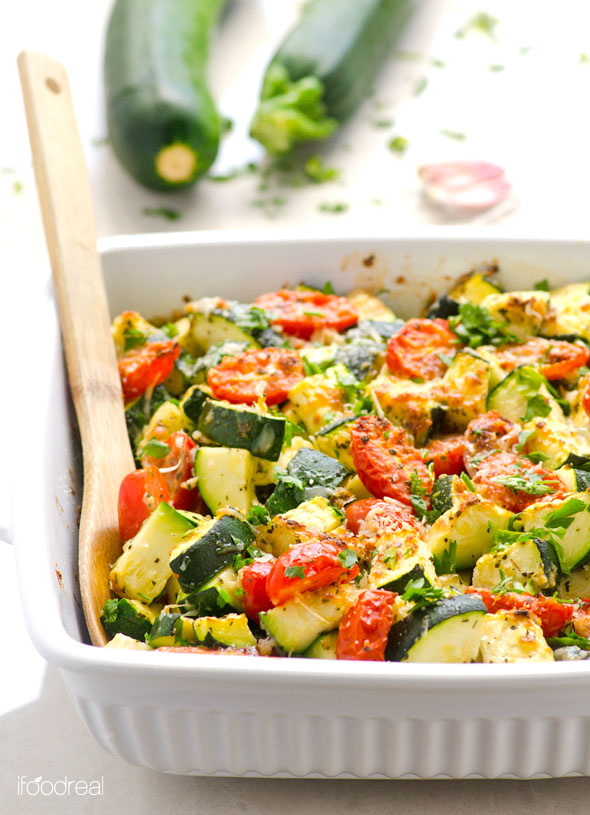
spoon-garlic-parmesan-zucchini-tomato-bake-recipe

Eating out is a fashion or trend?

Today, most of us enjoy eating out and going to the restaurant is very common trend.

If you are a regular restaurant visitor you need to discipline yourself as it takes toll on your weight and impacts your health.

The biggest problems we faced while eating out are increased fascination towards outside food and eating in large portions. You can make the outing healthier by selecting the right food for yourself from different cuisines. It will help you in making eating out a joyful experience. This joyful journey starts with our very own “GPRS tool’ which resolves and simplifies all your food related queries.

G-Grilled, P- Poached, R-Roasted, S- Steamed

Select healthier meals from

 (I) North Indian Food

We all love to try different cuisines among which North Indian foods is quite famous.

When we you go out choose low fat gravies and food without the cheese. Prefer more starters which have been roasted or grilled chose tandoori food.

1- Avoid curries which contains the highest amounts of fat. If you need to opt for it take out the pieces from it and have it ignoring the gravy. Food like (Lentils made in Butter) dal makhnai and other preparation with cream are rich in fat. Whenever you tend to eat it avoid top portion and take from the bottom as fat floats on the top and can impact our weight leading to various diseases. Eat in moderation.

2- Avoid friend breads (parathas ,puris). And Pulao. Opt for chapatti and steamed rice or tandori roti which is preferable to bread made of refined flour.

3- Have more baked products.

(II) South Indian meals

1- Go for big Idlis or large plain dosa. If possible go for lentil (dal) based filling avoid potato based fillings as they are contain fat layer.

2- Lentil based puffs (Dal Vada) well squeezed and drained on tissue also makes a good choice. Complement it with good veggies and green salad.

3- Non -Veg chicken, fish, prawns along with measured portion of grains/cereals is a good choice.

4- Keep yourself away from deserts as they are rich in sugar.

Today’s trendy and kids favorite Chinese food.

1- Start meals always with large helping soups without thickening sweet corn, noodles etc.

2- Go easy on fluid appetizer.

3- Order steamed rice instead of fried rice.

4- Always follow half plate rule. Fill mostly half the plate with green veggies and salad.

5- Light stir fried vegetables, tofu, chicken, fish, are good choices and very must satisfactory.

6- Reduce high salt food as it contains too much of sodium.

(III) Italian Cuisine

  • Skip bread and breadsticks. Ask for olives or a salad. Choose grilled sea food, lean meats, and breasts of chicken with extra vegetables added to it.
  • Chose a thin crust Pizza over the regular one. Two slices are good to eat.
  • Opt for tomato gravy as white gravies are rich in fat and serves extra calories.
  • Add a dash of parmesan cheese or olives to add taste and make you feel satiated.

Greek and Lebanese

1- Go for chicken kebabs/fish with salad. Resist pitas and wraps as they have high carbs.

2- Avoid heavy deserts.

Mexican food

1- Order sour cream and guacamole on the side and top it with low fat salad.

2- Order soft food rather than crispy as the food is fried for the crispness.

3- Go easy on Nachos and cheese. Order low fat soups.

4-  Good choices include rice and beans and tamales, tostadas and stuffed with vegetables and shrimp or chicken.

I assure you this blog is going to help everyone reading it to make the right and healthy choices while they are out in restaurants. Keep enjoying life but, not at the cost of your health.
July 14, 2016 By Azra Faizan 4 Comments

Skip the Chips …..But not the CRISPS ….

borugula-upma

We all have an inner child in us, which chooses to surface every time there are chips or other oily fried snacks in the vicinity.

Many of us indulge in these chips/crunchy cravings of ours while we are around our kids. And this is true from my own personal experience.

So why give up our crunchy snacks, and why make are kids give it up too. Kids don’t know the difference between healthy and junk, all they want is tasty snacks – and as my son adorably describes all crispy snacks – “Food that makes noise”.

All we need to do is change our perception, and put in a little effort, and I can assure you or your child would never want to pick up that packet of potato chips again.

I’ve put together a list of healthy snacks to satisfy our crispy cravings. Always remember any snack should be served in a small or medium sized bowl, as moderation is a key to good health.

I understand the time constraints that many of you face, and would want the easiest and quickest possible recipes available, so I’ve styled by list starting with the easiest and ending with recipes that require a bit more effort to make. I assure you all the recipes are extremely satisfying with the added bonus of being packed with healthy nutrients.

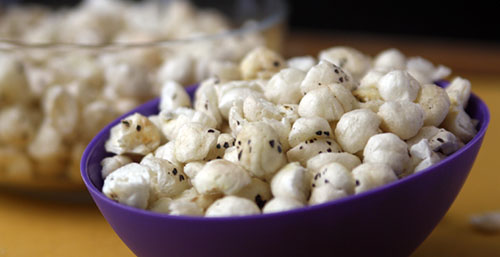
  1. Roasted Fox nuts : Popularly called Makhana in India, it’s the easiest of the lot and packed with health benefits. Why open a packet of cheese puffs, if you have Fox nuts at hand. Just heat a teaspoon of ghee or oil, add a hand full of fox nuts and roast for 2 – 3 minutes. And Enjoy.

roasted-makhana

Shelf life –Fox nuts lose their crunch if stored too long and are best eaten on the same day. But they are so easy to make, that it’s not even a bother to make daily if required.

  1. Popcorn – Popcorn is an all-time favourite and can go both ways on your health balance. Buy a pack of pre-seasoned, ready to pop, packet of microwave popcorn and you are loading yourself with excessive salt and preservatives and most probably even trans fats. Whereas pop a cup of natural popcorn on your stove with a teaspoon of butter or oil and you have a wonderful, light and healthy snack which you can season any way you want.

Popcorn1

Shelf life – can be kept in an airtight container for 1 – 2 days.

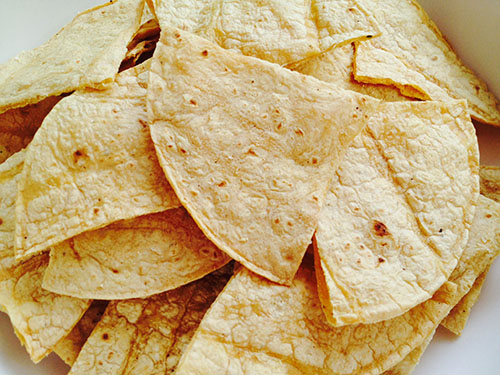
  1. Chapati (Roasted wheat bread) crisps – An alternate to your packet of air filled, trans fats laden packet of potato chips.

Crispy-Baked-Tortilla-Chips

Just cut up some day old chapattis (whole wheat breads) into triangles or squares or however you like. Toss it with 2 teaspoons of oil and any spice or seasoning you want – I prefer mine with garlic powder, a pinch of salt, pepper and oregano. Bake in a preheated oven at 160°C for 10 – 12 minutes, toss once check for crunchiness and bake for another 6 – 8 minutes. And Enjoy.

This recipe can also be made with whole wheat pita bread.

Shelf life – can be kept in an airtight container for up to two days – that is if they last that long.

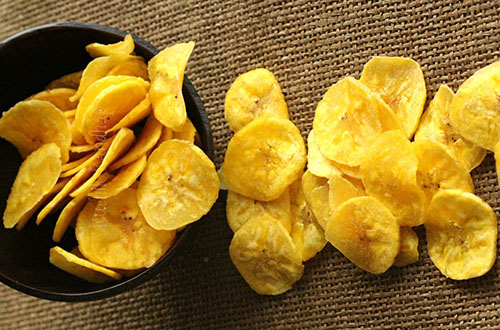
  1. Baked Sweet potato or banana chips –

Yes chips, I know I initially said skip the chips, but I meant the fried kind. There is nothing wrong in baking your chips. And trust me the sweet potato ones are the best. Because of their mildly sweet flavor, they hardly require any salt.

Turn the oven to 200°C and line a baking tray with foil.

Thinly slice your sweet potato and put in a bowl of chilled water. Pat the sweet potato slices dry with some kitchen paper or a clean towel and arrange on the tray.
Mix with 2 tsp of oil and lightly stir to coat all sides.
Spread them out again so they are mainly in contact with the foil.
Bake for 8 – 10 minutes until golden brown, turning once half way through. Keep an eye on them towards the end as they can quickly turn from done to burnt.

Shelf life – 2 – 3 days in an airtight container.

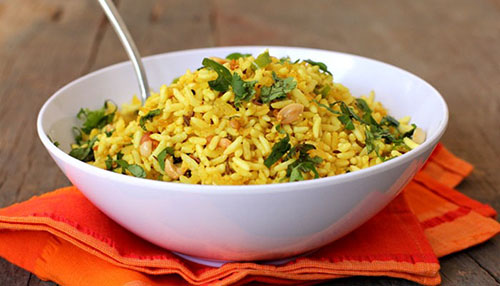
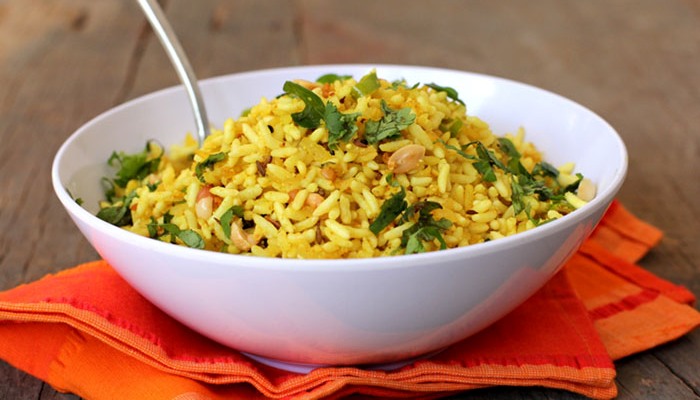
  1. Puffed Rice Mixture (Kurmura chivda) – This is a favorite with my son, and he actually prefers these over a packet of store bought snacks or banana chips. And I am not kidding. The best part of this recipe is you can add whatever you like.

borugula-upma1111

1 – 2 cups of Mouri or Puffed Rice (As much as you want)

Hand full of Roasted Chickpea/Roasted peanuts/Roasted Foxnuts

  • 2 tsp oil
  • Mustard seeds
  • Cumin seeds
  • Curry leaves
  • Flax seeds & sesame seeds
  • Turmeric powder
  • Chilli powder and salt

Heat oil in a pan, temper with mustard seeds, curry leaves, cumin seeds, flax seeds and sesame seeds (you can even add chopped green chilies if you prefer it spicier). Add all the dry spices and then add the puffed rice or Kurmura and roast thoroughly till is gives of a nice aroma and is well coated with the spices. Turn of the heat and add the whole grams/peanuts/foxnuts or a bit of everything.

Shelf life – 4 -5 days in an air tight container

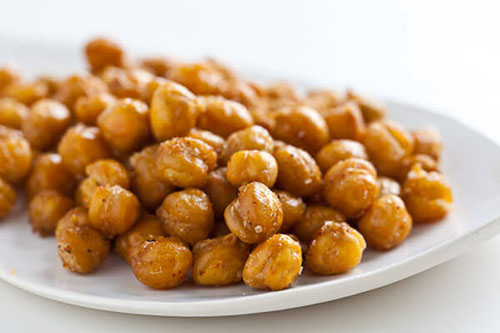
  1. Roasted chickpeas – This is a more recent addition to my list, tried it after I read a bit about it on the net, and wasn’t really convinced how chickpeas would taste in a crunchy form, or if they would even turn crunchy. But all my doubts were put to rest after I actually tried and tasted it. It’s the best protein packed snack I can recommend to anyone be it someone looking for weight loss, weight gain, muscle gain or just for plain munching. The recipe is also pretty simple to follow.
  • 1 cup boiled chickpeas – not made very soft, or you could say semi – boiled.
  • 2 tbsp oil

Seasonings of your choice.

roasted-chickpeas-garbanzo-beans-3144


Boil your chickpeas after soaking them overnight and boil either in a sauce pan with sufficient water. Or in a pressure cooker for a 1 -2 whistles. Drain and dry the boiled chick peas thoroughly, the lesser the moisture the quicker it takes to roast. Mix with oil and salt. Roast in a preheated oven at 200 °C for 15 minutes, toss and roast for another 10 minutes or until crunchy. Mix with other seasonings of spices.

After the success of the recipe I thought to myself why stick with only chickpeas and tried the same recipe with some other pulses as well. Like whole green gram (moong), White peas (Vatanas) and green peas. All of these turn crunchy and are tasty the same way.

You could also make a crunchy pulse mix to munch in the evenings.

Shelf Life – 1 – 2 days in an airtight container – though mine didn’t last that long.

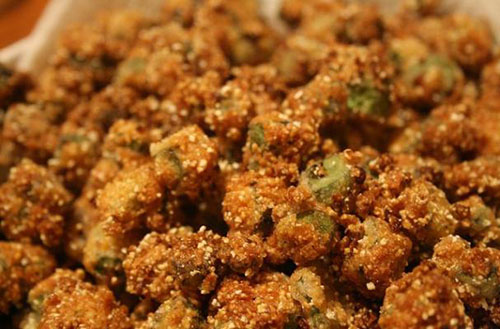
  1. Baked crispy Okra – this one is actually more of a lunch side than a snack, but still falls in the crispy category. And again usually made to special requests from my little one.

okra_3

It’s actually a traditional recipe in Gujarat in Western India. This is normally deep fried. All I’ve done is just baked it instead of frying it with the same results.

Okra (Bhindi) sliced into thin strips

  • 1 tbsp Chickpea Flour
  • 1 tsp oil
  • Salt
  • Red chilli powder
  • Dry Mango powder (Amchur)
  • Cumin seed (Jeera) powder

Mix all the ingredient with the Okra and keep for 30 minutes, spread out on a greased oven dish and bake at 160 °c in a pre – heated oven for 10 minutes. Stir once and bake again for 10 minutes or until crispy.

Shelf life – Eat on the same day prepared as it doesn’t keep

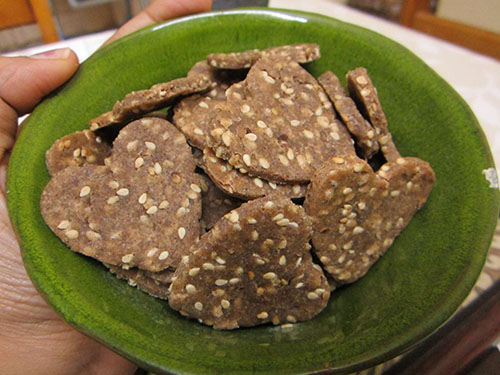
  1. Multigrain / sweet potato / pumpkin crackers.

MultiGrain_Crackers_With_Sesame_Seeds_Chives_And_Chili_Flakes

Last but not the least, homemade crackers, with the added goodness of pumkin or sweet potato. I love these, they are extremely healthy, but yes they are also a bit tedious.

  • 1 cup whole wheat flour
  • 1/2 cup ragi/nachni flour (or any flour blend you chose to use)
  • 2 tbsp toasted flaxseed (ground or whole)
  • 1 teaspoons baking powder
  • 1/2 teaspoon salt
  • 3 tablespoons butter
  • 1 cup of sweet potato puree (two small boiled sweet potatoes mashed with 1/4 cup milk)
  • 1 teaspoon sugar
  • 1 tsp garlic powder (optional)
  • 2 tsp mixed herbs (optional)
  • pepper or paprika (optional)
  • sesame seed to top
  • kalonji (nigella) seeds to top

Method:

Preheat oven to 170 degrees.

Sift flour, baking powder, sugar and salt together into a large bowl. Place sifted flour mixture, butter, flax seeds and herbs and spices in the bowl of your food processor and pulse for a few times, until the mixture resembles bread crumbs.

Add the sweet potato puree and pulse a few more times.

The dough should blend together.If you find that it has dried a little you could add a bit of milk but, be careful not to make it too soft. Knead the dough with your hand and divide it into 4 – 5 large portions.

Roll each portion as thin as you can, an easy tip for rolling thin portions is to roll them in between wax paper or cling wrap. If you want to top them with sesame seeds, sprinkle sesame seeds on top and roll once with your rolling pin to seal the seeds. Cut into any desired shape and bake in the preheated oven for 10 minutes.

You can also store half the dough in the freezer for later use.

Shelf – life – keeps easily for a week in an airtight container.

NOTE: All recipes are a regular in my kitchen and have passed quality and taste tests by my 3 year old son.

June 24, 2016 By Trupti Hingad 2 Comments

Best Yoga Asanas for Hypothyrodism

3

One of the biggest battle for most people is ‘Weight Loss’. 90 % of the people are stressed and spend sleepless nights over not losing weight. The question in most individual’s mind is despite doing exercise and eating right why is it that I am unable to lose weight or maintain it?

Healthy foods, controlled portion sizes, regular exercise and peaceful sleep — these are the ingredients for losing weight.

One of the reason for not being able to lose weight could also be –Hypothyroidism, a condition where your thyroid gland function is impaired. Underactive thyroid gland plays a vital role in affecting the weight reduction journey.

It’s difficult for someone with hypothyroidism to lose or maintain a healthy weight balance as T3, the active thyroid hormone is low. T3 is a powerful hormone that regulates the body’s metabolism. The most important thing you can do for weight loss and for your overall health —is to get proper treatment for your hypothyroidism.

Losing weight is never easy, but, people can control it and shouldn’t struggle to lose weight. However, making a few dietary changes and regular exercise or Yoga may help in weight loss.

Here are some of the important yoga asanas which boosts the function of your thyroid gland and helps in weight loss.

To learn more about making positive changes in life get GOQii Subscription.

1.  VIPRITKARNI:

It is a Mudra.Viprit means: reverse and karni means “by which”. Viparitakarni helps to balance the functioning of thyroid and eases the complication caused by hypoactive thyroid. This is also one of the important Asanas for thyroid disorder. This can be done for 2minutes maximum.It is also called as half shoulder stand.

Method: 

Lie down on your back. Arms alongside of the body. As you inhale bend your knees and raise the legs and buttocks. Bring the palms under your hips to support the buttocks. Elbows remain on the floor. Straighten the legs vertically upwards. Relax the muscles of feet, legs, and hips. Shoulder and neck relaxed on the mat. Breathe normal. Remain in the position for few seconds and gradually increase it to 1-2min. Exhale, bend the knees towards your forehead and slowly lower the buttocks and legs and return to the starting position.

Limitation: Avoid with High BP and dizziness

viparita_karani_mudra-184x300

2. SETUBHANDASANA (BRIDGE POSE)

This asana provides appropriate stretch on the back and suitable massage to the neck. It helps to regulate the functions of thyroid gland thereby helpful in releasing thyroxin hormone.This can be done for 2-3 min maximum.

Lie flat on your back with arms at your sides, palms down. Bend your knees and place your feet flat on the floor. Keep your feet hip width apart, parallel to each other, and as close to the buttocks as possible. Simultaneously, press your upper arms and feet into the floor and begin lifting your hips towards the ceiling. Try to distribute your weight equally on the inside and outside of your feet.

Now, move your breastbone towards your chin, keeping your chin lifted only slightly as not to flatten the back of the neck. Firm your tailbone in towards the pubis and move your pubis slightly towards the belly. In order to keep the lower back extended, keep the knees over the ankles, perpendicular to the floor. Your buttocks should be firm, but not clasped.

Lift your hips as high as you are able without breaking position. If you are having trouble holding posture, you can clasp your hands behind your back and firm you arms into the floor, shoulder blades shifted down along the spine. Hold this pose for 5 to 15 breaths.

To come out of Bridge Pose, release on an exhalation, rolling your spine slowly down onto the floor.

Limitations: Avoid doing this pose if you are suffering from neck and back injuries.

setu-bandhasana

3. MATSYASANA (Fish pose):

Matsya means fish, in the final pose, the asana take the form of fish. Hence the name is Matsyasana. Matsyasana provides adequate stretching to the neck region thereby stimulate the thyroid gland. It increases blood supply to trunk and neck region.

This can be done for 1-2 minute maximum

Method:

Sit in Padmasana, lean back,using elbow and arms to help balance yourself, until your had rest comfortably on the mat and your body forms a low arc. Use a low cushion for comfort at first, if necessary. Now extend your arms and grasp your toes on either side. Breathe normal. Rest till you can hold the posture. Exhale using the support of elbow come to the original position.

Limitations: Knee joint problems, piles, dislocation of knee joints.

5732d9a9ab3cd

4. USTRASANA (Camel pose): This can be done maximum for 2 minutes.

Method: This asana also give stretch to the neck.

Assume a sitting posture as in kneeling. Support the body on the toes and knees and gradually lean backward, after having fixed the arms from behind, the palms to the ground, the fingers pointing outward and the thumbs towards the toes. Keep arms straight then slowly life the pelvis while taking in the breath. Press the body above the waist slowly both outward and upward, throwing the neck downward. Breathe normal. Exhaling slowly come back to original position.

Limitations: Those who have undergone any recent operation at the chest or abdomen, people with hernia problems, severe hypertension and low back must be cautious.

MG_8461-as-Smart-Object-1

5.  SARVANGASANA (Shoulder stand pose): Sarvangasana is the most important pose to stimulate thyroid gland and control thyroxin. This is the most effective yoga pose where blood flow from legs to head region due to its inverted condition thereby helps in curing of thyroid. This can be done maximum for 3 minutes.

Method:

Lie flat on the back with the feet together, the arms by the sides, and palms flat on the ground.Using the arms as levers, raise the legs and back to a vertical position.

Bend the elbows and use the arms as props to steady the back by pressing it with the palms.The trunk and legs should extend straight up, forming a right angle with the neck, the chest pressing against the chin.

Limitations: Excess obesity, Myopia, severe spinal problems, pregnancy.

sarvangasana9

6. SIMHASANA: Simhasana or the Lion Pose resembles a squatting lion in the final pose. In Sanskrit, ‘Simha’ means ‘Lion’ and ‘asana’ means ‘pose. It is an excellent pose for thyroid gland.

Sit in the kneeling position or Vajrasana. Move the knees apart so that they make almost a right angle between them.Tuck your palms, under your thighs. The palms should face downwards and point towards the body. An alternate way is to keep the palms on the knees stretched and spread wide apart.

Bend forward slightly, resting the weight of the body on the arms.Now, tilt the head backwards. Keep the eyes wide open. Open your mouth and draw the tongue forward and downwards as much as you can.

Gaze at the space between the eyebrows with eyes wide open. This is called Bhrumadhya Drishti. In Hatha Yoga Pradeepika, an alternate gaze for the eyes is given as Nasikagra Drishti or gazing at the tip of the nose.

Breathe normally and deeply in this position. During exhalation make a sound ‘ahhh…’, to imitate the breathing of a lion with tongue outside. You may also roar like a lion, few times in this position. Relax your muscles in the back, abdomen and chest in the final position.

Remain in this final position for as long as comfortable.In some variations, the tongue can also be moved from side to side making the sound ‘ahhh…’

Limitations: For those with weak knee or ankle joints, this asana should be practiced with caution.

This can be practiced for maximum 3 minutes.

Diet is equally important and utmost care should be paid to it. I have herewith chalked out diet tips which is a mix of yogic and modern diet.

Simhasana-yoga-pose

Yogic Diet tips for thyroid disorders

  • Diet with high fiber content should be taken.
  • Avoid excess eating of fats and carbohydrates.
  • Give more and more thrust on green and leafy vegetables.
  • Focus on eating seasonal fruits.
  • Ginger greatly enhances thyroid function. Chew ginger or have ginger tea.
  • Black walnut contains iodine, which nourishes the thyroid gland.
  • Foods like curd, fish, meat, eggs, radish, and oatmeal contain good amount of iodine. So take these foods regularly to control thyroid problems
  • It is recommended that you have Gomutra (Cow urine):Its anti-inflammatory, Anti- Bacterial, antibiotic and antimicrobial. It acts as an antidote. 10-15drops can be taken on an empty stomach in the morning. It works best if taken with Ashwagandha.
  • Bask in Sun: take sunlight /sun bath between 7am -8am.
  • Have 1 tbsp cold pressed virgin Coconut oil. It improves the function of thyroid hormone
  • Take foods such as carrots, pumpkin, sprouts, spinach, wheat grass seaweeds because of its iodine content.

Thyroid diet prevention & precaution

  • Cruciferous veggies can be eaten in limited quantity and should be cooked.Non veg foods such as fish —healthy omega 3 fatty acids present in oily fishes like salmon, tuna, sardines can be eaten. Even eggs are healthy protein rich options to be taken in meals.
  • Spicy foods should by far be avoided as they are tamasic and interferes with keeping the mind calm and in a balance state which is very necessary to deal emotionally with the people having thyroid.
  • Refined and Preserved foods should be avoided to keep the weight in check.
  • Caffiene should be avoided because it hampers the healing properties of thyroid medications. 

Begin with these yoga practices and maintain your thyroid hormones function and achieve a successful weight loss. Bring on a “new you” with these yoga Asanas.

Please Note: Sarvangasana and Vipritkarni needs to practice under guidance.

June 17, 2016 By Sushma Tharanth 2 Comments

The 6 tastes- the balanced nutrition in your diet

How to have a balanced diet

Did you know that the taste has a direct energetic effect on digestion?

The sense of tasteis a natural guide towards proper nutrition.For ages, humans relied largely upon taste to discover healthy foods in nature and avoid toxicity. Every taste has a long term effect on our metabolism after digestion is complete, and all the nutrients have been assimilated in the tissue. There are six tastes in nature by which all foods can be categorized. These are sweet,salty,bitter, pungent and astringent. These six tastes are unique and naturally guide us towards body’s nutritional needs. Each taste has its own therapeutic effects and changing impact on our body from the time it enters the body till it is absorbed.

taste 2

Let us know these tastes in detail…….

Sweet- The sweet taste is highly nourishing, infact the most nourishing of all tastes. Sweet food is excellent for building the bodies seven vital tissuesplasma, blood, fat, muscles, bones, marrow and reproductive fluids. Sweet food also increases the saliva, soothes mucous membranes and burning sensations, relieves thirst and has beneficial effects on skin, hair, voice and fertility. Sweet taste is found in milk and milk products, legumes like beans and lentils, sweet fruits like mango, banana, and certain cooked vegetables such as carrots, sweet potatoes and beets. The source being carbohydrates, protein and fat.

Sour- The sour taste wakes people up and ensures their thoughts and emotions become clear. Sour food stimulates and boosts digestion, helps circulation and elimination, strengthens the heart, maintains acidity, sharpens the senses, and helps to extract the iron from food.Sour taste is commonly found in citrus fruits like lemon and oranges, yoghurt, cheese and sour creams and fermented foods like wine and vinegar. The source being organic acids, ascorbic acid, citric acid and acetic acid.

Salty-The salty taste provides solidity and structure to people, improves digestion, liquefies the mucous, maintains mineral balance, aids in elimination of waste and calms the nerves. It also improves the radiance of the skin and promotes overall growth in the body. Salt is mainly found in minerals and not in plants, such as sea salt, rock salt, sea vegetables like sea weed and kelp. The source being mineral salt.

Pungent- The pungent tasteis the hottest of all six tastes. The pungent taste in food stimulates our digestion, boosts food intake and makes sure our waste products are burnt. Pungent food ensures that we think quickly and clears the sinuses, promotes sweating, aids circulation, improves metabolism and relieves muscle pain. The pungent taste is found in certain vegetables such as chilly peppers, garlic and onions, and in spices like black pepper, ginger and cayenne. The source being essential oils.

Bitter- Bitter is a dehydrating taste, thus increasing the strength and vigor in an individual. Though the bitter taste is often not an appealing one, it stimulates the appetite and helps to bring out the flavor of other tastes. It is a powerful detoxification agent, and has antibiotic, anti-parasitic and antiseptic qualities. It is also helpful in reducing the weight, skin rashes, burning sensation and nausea. Bitter taste is found in green leafy vegetables such as spinach, green cabbage, bitter guard, herbs and spices like fenugreek and turmeric, coffee, tea, and certain fruits such as grapefruit, olives and bitter melon. The source being alkaloids.

Astringent-Astringent taste is classified more in relation to its effect on the tongue than its actual taste. It has a very cooling effect on the body. Astringent taste is found in legumes like beans and lentils, fruits such as cranberries, pomegranate, pears, vegetables such asbroccoli, cauliflower, asparagus andturnip. Grains such as rye and quinoa, spices such as turmeric, coffee and tea. The source being Tannins.

One should incorporate all these six tastes in each meal, which keeps one balanced and satisfy each of the major dietary building blocks. This can thus avoid food cravings and over consumption of certain foods.

  • « Previous Page
  • 1
  • …
  • 53
  • 54
  • 55
  • 56
  • 57
  • 58
  • Next Page »

Search

Recent Posts

  • India Leads in Longevity: GOQii Sanjeevini Named Top 40 in $101M XPRIZE
  • The Importance Of Knowing If You’re Thirsty Or Hungry
  • Best Foods To Alleviate Irritable Bowel Syndrome
  • ALL ABOUT VERTIGO!
  • PCOS and Anxiety: Discover Relief with the 54321 Technique

Stay Updated

Archives

  • December 2025 (8)
  • November 2025 (15)
  • October 2025 (20)
  • September 2025 (6)
  • August 2025 (6)
  • July 2025 (12)
  • June 2025 (18)
  • May 2025 (16)
  • April 2025 (23)
  • March 2025 (23)
  • February 2025 (22)
  • January 2025 (26)
  • December 2024 (26)
  • November 2024 (25)
  • October 2024 (22)
  • September 2024 (24)
  • August 2024 (31)
  • July 2024 (21)
  • June 2024 (26)
  • May 2024 (31)
  • April 2024 (27)
  • March 2024 (29)
  • February 2024 (26)
  • January 2024 (25)
  • December 2023 (15)
  • November 2023 (11)
  • October 2023 (20)
  • September 2023 (22)
  • August 2023 (20)
  • July 2023 (22)
  • June 2023 (24)
  • May 2023 (24)
  • April 2023 (24)
  • March 2023 (23)
  • February 2023 (20)
  • January 2023 (16)
  • December 2022 (12)
  • November 2022 (15)
  • October 2022 (15)
  • September 2022 (12)
  • August 2022 (10)
  • July 2022 (17)
  • June 2022 (11)
  • May 2022 (10)
  • April 2022 (6)
  • March 2022 (6)
  • February 2022 (13)
  • January 2022 (12)
  • December 2021 (7)
  • November 2021 (3)
  • October 2021 (6)
  • September 2021 (3)
  • August 2021 (8)
  • July 2021 (7)
  • June 2021 (15)
  • May 2021 (16)
  • April 2021 (10)
  • March 2021 (7)
  • February 2021 (4)
  • January 2021 (4)
  • December 2020 (3)
  • November 2020 (4)
  • October 2020 (10)
  • September 2020 (3)
  • August 2020 (3)
  • July 2020 (2)
  • June 2020 (4)
  • May 2020 (10)
  • April 2020 (12)
  • March 2020 (10)
  • February 2020 (4)
  • January 2020 (4)
  • December 2019 (3)
  • November 2019 (7)
  • October 2019 (5)
  • September 2019 (4)
  • August 2019 (9)
  • July 2019 (9)
  • June 2019 (11)
  • May 2019 (4)
  • April 2019 (9)
  • March 2019 (8)
  • February 2019 (9)
  • January 2019 (8)
  • December 2018 (9)
  • November 2018 (3)
  • October 2018 (3)
  • September 2018 (5)
  • August 2018 (10)
  • July 2018 (6)
  • June 2018 (13)
  • May 2018 (8)
  • April 2018 (18)
  • March 2018 (9)
  • February 2018 (8)
  • January 2018 (15)
  • December 2017 (12)
  • November 2017 (19)
  • October 2017 (13)
  • September 2017 (15)
  • August 2017 (4)
  • July 2017 (8)
  • June 2017 (7)
  • May 2017 (6)
  • April 2017 (8)
  • March 2017 (6)
  • February 2017 (7)
  • January 2017 (9)
  • December 2016 (10)
  • November 2016 (7)
  • October 2016 (7)
  • September 2016 (7)
  • August 2016 (11)
  • July 2016 (9)
  • June 2016 (9)
  • May 2016 (12)
  • April 2016 (17)
  • March 2016 (17)
  • February 2016 (8)
  • January 2016 (6)
  • December 2015 (2)
  • November 2015 (9)
  • October 2015 (7)
  • September 2015 (9)
  • August 2015 (11)
  • July 2015 (9)
  • June 2015 (12)
  • May 2015 (9)
  • April 2015 (13)
  • March 2015 (8)
  • February 2015 (5)
  • January 2015 (12)
  • December 2014 (14)
  • November 2014 (11)
  • October 2014 (6)
  • September 2014 (13)
  • August 2014 (12)
  • July 2014 (6)
  • June 2014 (2)
  • May 2014 (7)
  • April 2014 (5)

From “Laddu Nawin” to Fit and Fierce: How a 25-Year-Old Insurance Advisor Shed 20 Kilos and Gained His Life Back

When 25-year-old Nawin Yadav from Hyderabad walked into his office every morning, he carried more than just his files and policy papers. He had the weight of fatigue, sluggish energy, and an ever-growing belly that was becoming the butt of jokes. “People … [Read More...]

“I’ve Challenged Myself to Live 100 Years” – The Story of Chandubhai Savani’s Second Chance at Life

At 67, most people start slowing down. Not Chandubhai Savani. A resident of Surat, Chandubhai, thought life was on track. “My life was going well till I had my bypass surgery,” he says. That surgery, back in 2021, was a wake-up call.  Medication was routine, but exercise wasn’t. His diet? What he calls ‘normal.’ “I […]

From Shimla’s Slopes to Chandigarh’s Sidewalks: Surinder Kaur Bhalla’s Journey from Chaos to Control

Some journeys start with a plan. Others begin with a stumble literally. Surinder Bhalla, a government professional, born and raised in the scenic hill town of Shimla, had always lived a life of movement. “In Shimla, you walked everywhere,” she reflects. “Walking was never an exercise. It was just life.” But after shifting to Chandigarh, […]

Ananda Mukherjee Health Story

From Terminal Illness To Complete Wellness! Ananda Mukherjee Health Story

As we observe World Cancer Day under the powerful theme ‘United by Unique’ (2025-2027)**, we are reminded that every individual’s journey with cancer is distinct, yet united by shared resilience, hope, and the collective fight against this disease. This theme places people at the centre of care and their stories at the heart of the […]

  • HOME
  • HEALTHY LIVING
  • FITNESS
  • HEALTHY RECIPES
  • USER STORIES
  • KARMA
  • BUY GOQii

Copyright ©2016 GOQii