GOQii

Blog

  • HOME
  • HEALTHY LIVING
  • FITNESS
  • HEALTHY RECIPES
  • USER STORIES
  • KARMA
  • BUY GOQii

Search Results for: grains

September 3, 2024 By Sheryl Afonso Leave a Comment

What’s Good For Health: Packaged Cereals or a Traditional Indian Breakfast?

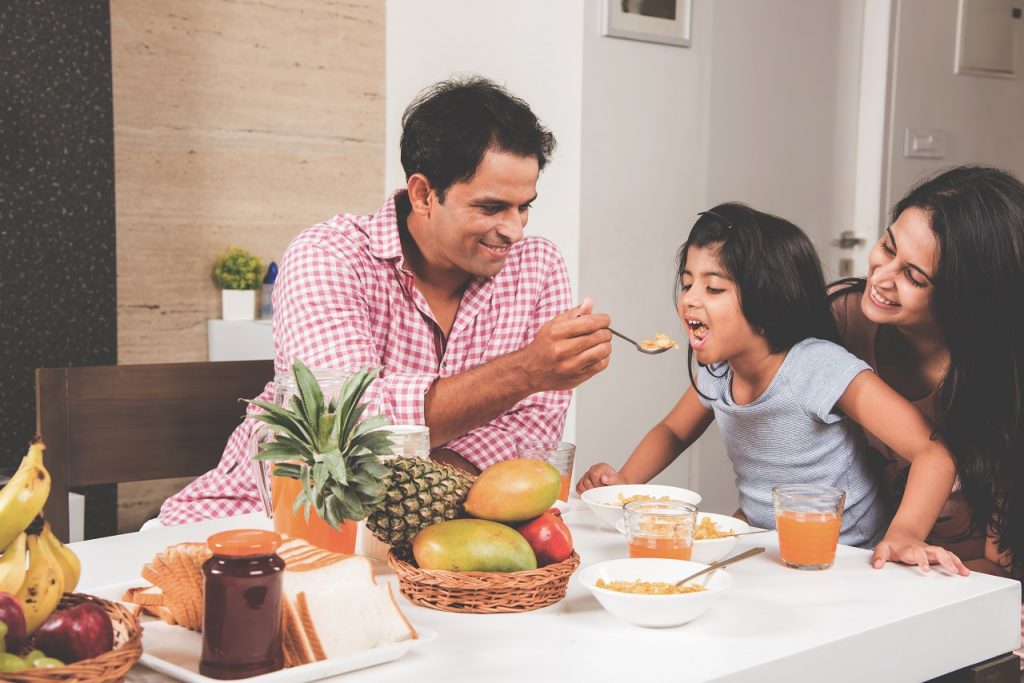
traditional indian breakfastThe global food industry has made preparing meals a breeze. No longer do families need to stress about time-consuming, skillful cooking and the intricate assembling of cereals, pulses, veggies, spices, and herbs to put on a wholesome meal on the table. The array of packaged breakfast cereals available in supermarkets has spoiled us for choice in terms of variety and taste. There’s one for each day of the week and plenty to choose from for special occasions when friends stay over too! Gone are the days when you had to slog it out in your kitchen – chopping, slicing, dicing, soaking, grinding, mixing, fermenting, steaming, and plating – not only to satiate hungry tummies but also to earn compliments on your culinary skills! Oats, muesli, wheat flakes, corn flakes, oatmeal, Weetabix, rice krispies, and the like have replaced uttapams, poha, upma, sabudana khichdi, theplas, appams, chillas, paniyarams, dalia, teezan, and other wholesome delights in Indian homes. 

Why Shouldn’t You Opt For Packaged Cereals? 

While “time is of essence” is the mantra that dual-income families often use to justify their breakfast choice, long-term health is an unconscious sacrifice they may be making. Here’s why breakfast cereals may not deliver all that the package label promises:

  1.  Refined Grains: Refining is an industrial polishing process that cereals undergo to extend their shelf life. It strips away the nutrient-rich bran and germ portions of the cereal, leaving you with a grain that’s missing essential B-vitamins, fibre, magnesium, and vitamin E. 
  2. Sugar overload: The addictive taste of breakfast cereals often comes from added sugar. A quick glance at the ingredient list will show that sugar is frequently the second or third ingredient. Starting your day with a sugar-laden breakfast can cause your energy levels to crash within an hour, leading to early snacking, overeating, and potential weight issues.
  3. Misleading labels: Terms like “low-fat,” “multigrain,” “added bran,” “fortified with vitamins,” and “whole wheat” can be misleading. Each of these terms may hide the fact that the cereal has been stripped of nutrition and then minimally replenished. For example, a “low-fat” option may actually be a “high-carbohydrate” disaster, and “multigrain” may be just a blend of refined grains.

Nutritionists and researchers emphasize the benefits of breakfast, including weight management, improved concentration at school and work, better academic performance, healthier food choices throughout the day, and superior nutritional status.

These outcomes are enhanced when you follow established nutritional guidelines of complex carbohydrate-protein-fat combination meals to start your day. However, commercial breakfast cereals often lack dietary fiber – a complex carbohydrate that keeps you full longer, reduces cholesterol absorption, and prevents spikes in blood glucose levels. The preservatives, colors, flavors, and additives in these packaged boxes bring their own set of concerns.

Why Should You Opt for a Traditional Indian Breakfast? 

A traditional Indian breakfast, on the other hand, offers good-quality complete protein through cereal-pulse combination items (dosas, idlis), fiber (carrots and beans added to upma), healthy monounsaturated fats (groundnuts in poha and sabudana khichdi), iron and calcium (ragi in teezan), and probiotics (dhokla, idlis, and lassi/curd with parathas). The spices used in these dishes are increasingly recognized for their health benefits and contribute antioxidant and anti-inflammatory properties.

Tempted nutritionally? So, what’s stopping you from exploring the myriad ways to tickle your family’s taste buds by whipping out your grandma’s recipe and, in the process, living as robustly as she did? While time constraints may make you hesitant to switch to a healthier Indian breakfast menu, don’t be disheartened—planning is all it takes to sneak in a nutritious meal at the start of your day! Make a menu plan for the next day or the week ahead, and you’ll be on your way to a healthier you in no time! It’s worth the effort. Desi is the way to go… Breakfast like a king!

We hope this article helps you switch to a healthy traditional Indian breakfast! If you enjoyed reading this article, let us know in the comments below. For more on nutrition, check out Healthy Reads.

To get these nutritional tips or recipes directly from your GOQii Coach, subscribe for Personalised Health Coaching here.

Eat healthy and #BeTheForce 
August 28, 2024 By Vinod Kumar 3 Comments

8 Surprising Health Benefits of Black Rice

‘Rice’ is a staple in many Asian cultures. As people become more health-conscious and super foods gain popularity, the conversations around different rice varieties has also grown, especially among health enthusiast

White rice has taken a backseat as more people are turning to alternatives like red, brown, quinoa, and black rice. Yes, you read that right—black rice!

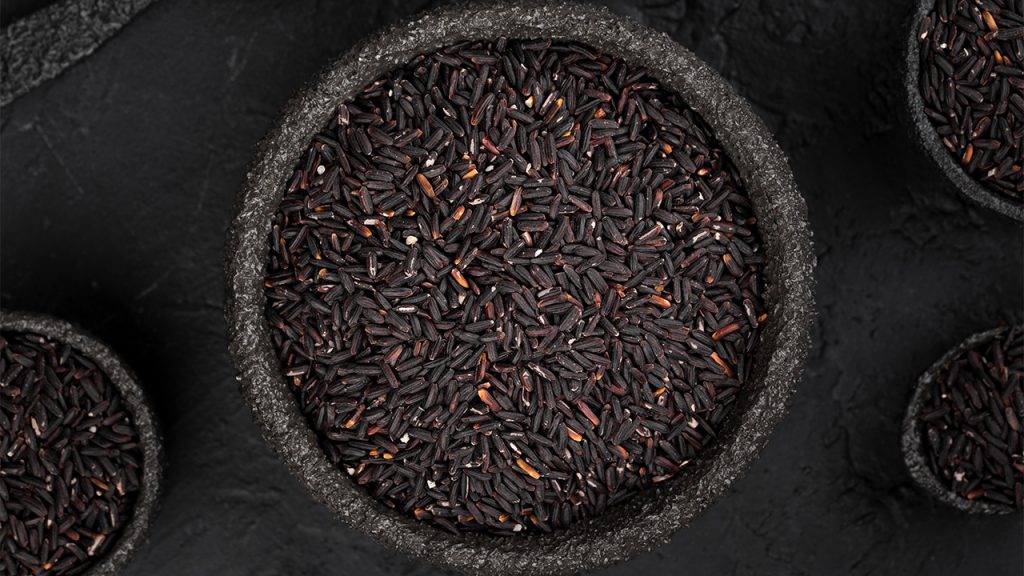
Black Rice, also known as ‘Forbidden Rice,’ is a highly nutritious variety that has been cultivated in India for centuries. It’s mainly grown in the North East (known as Chak Hao) and the southern regions (called Kavuni in Tamil) of India.

Simply put, when choosing rice, the darker the color, the more nutrients it contains. By that measure, Black Rice is the gold standard among rice varieties.

Let’s explore some of the surprising health benefits of this remarkable rice.

  1. Rich in Antioxidants: Black rice is a grain which is super rich and loaded with Antioxidants. The Anthocyanin content found in black rice is way more than most grains and this is what makes this grain stand out in comparison to other superfoods like quinoa, red rice, etc. Studies have shown that the Anthocyanin antioxidants in grains help the body to protect against heart diseases, cancer and many more.
  2. Rich in Fibre: Black rice is loaded with fibre and minerals. A typical bowl of 100gms of black rice serving has over 4.9 grams of fibre. This is double the amount of fibre available in brown rice. So, if you are looking to include some rich fibre in your diet then it is better to start consuming Black Rice than any other varieties of rice.
  1. Has anti-inflammatory properties: Black rice is a natural healing food. Research has shown Black rice to reduce inflammatory compounds in your body and increase the anti-inflammatory compounds. This increase in the anti-inflammatory compounds help in reducing inflammation in various diseases like cancer, arthritis and allergies.
  1. A natural detoxifying agent for your body: Black rice is a rich and natural detoxifying agent. Studies have shown that the phytonutrients in black rice help detoxify your body and remove harmful toxins from your liver. So, next time you throw a party, have a detox week by consuming Black rice.
  1. A gluten-free grain: Black rice, like other varieties of rice, is naturally gluten-free. So, if you are allergic to gluten and have the Celiac disease (Gluten insensitivity), then you should consider having black rice in your daily diet plan.
  1. Helps fight diabetes: Black Rice bran contains fibre, which in turn helps glucose to be absorbed by your body over a longer period of time. Research has proven that eating whole grains like Black Rice helps your body lower the risk of type 2 diabetes and also keeps your weight in check in addition to boosting your energy levels. So, if you are diabetic then you should consider substituting Black Rice to white rice in your daily diet as it way better and helps fight diabetes.
  1. Aids in weight loss: Black Rice is a whole grain and super rich in fibers. This combination helps your body reduce signals of hunger thus helping in preventing overeating. In addition, researchers have found out that whole grains like Black Rice help prevent insulin resistance in your body which leads to and is related to the risk of becoming overweight/obese. If you are someone who is looking to reduce your weight, consider including Black Rice in your weight loss regime.
  1. Promotes heart health: A healing food like Black Rice has been shown to reduce the atherosclerotic plaque formation in the arteries which is the main reason for a heart attack and stroke. In addition to this Black Rice also helps to reduce the 2 common factors in heart disease, namely LDL, triacylglycerol and total cholesterol. Consider including Black Rice to promote a healthy heart and keep heart-related ailments at bay.

Hope you like this article, do let me know your views and any other health benefits I may have missed in the comments section below. For more insights on nutrition and wellness, speak to a certified expert by subscribing to GOQii’s Personalised Health Coaching here.

#BeTheForce

August 21, 2024 By Madhu Soni 3 Comments

Health, Fitness and Nutrition For Senior Citizens

senior citizensDoes old age mark the end of physical fitness? If you retire from work, with reduced responsibilities, does it mean you can retire from exercise as well? At any given age, physical fitness and exercise play a crucial role in leading a healthy lifestyle, especially for senior citizens. Whether you’re young or old, working out and keeping yourself active shouldn’t stop as exercise is important even when you’re a senior citizen.


Here are a few benefits of working out for Senior Citizens

  • Prevents Diseases & Chronic Conditions: Being regular with any kind of physical activity helps keep away diseases like diabetes, heart ailments and cancer.
  • Reduced Risk of Fall: With old age, the risk of falling increases, which can have a disastrous effect on being independent. Exercise improves the strength and flexibility of the body and as a result, it improves balance and coordination.
  • Improved Mental Health: Exercise induces endorphins – the happy hormone, which helps to feel good and keeps stress away. Exercise has a direct impact on sleep. Insomnia and disrupted sleep patterns which are common aspects with senior citizens is taken care of with regular exercise.
  • Social Engagement: Responsibilities reduce with age and so does the social life. Being regular with any kind of activity, be it yoga or a laughter club, helps to interact with people of the same age with similar problems. Now, they have their own tribe and this brings in confidence as it deals with depression and loneliness.
  • Better Cognitive Function: Fine-tuned motor skills improve cognitive functions which lower the risk of deteriorating memory, thinking, behavior and the ability to perform daily activities.
  • Keeps Weight in Check: Metabolism slows down in old age and as a result, losing weight becomes a challenge. Regular exercise helps in increasing metabolism and losing weight.

Get Started With an Activity

  • Walking: Be it brisk walking or a stroll in the park, walking improves stamina and makes you feel good!
  • Yoga: It helps in improving flexibility and mental health.
  • Workout at Fitness Studios: Use body weight to keep fit and meet like-minded people!
  • Swimming: Ideal for those having aching joints as it is not weight bearing. Swimming will help you tone your body and improve stamina.
  • Cycling: Low impact sport which is good for the cardiovascular system.
  • Resistance Bands: Improves muscle strength, balance, coordination and range of motion.
  • Laughter Clubs: Laughter is the best medicine. Visiting laughter clubs will help you stay positive and stress-free.

Points to be Kept in Mind:

  • Get a clearance from your Doctor about your fitness regime
  • Start with warm ups and end with cool down to prevent injuries
  • Always start slow and gradually increase the intensity
  • At any point if discomfort or pain is felt, stop immediately and consult your Doctor

Nutrition for Senior Citizens

Eating the right food in old age is very important as weak bones, lower immunity, poor digestion are all a part of the routine. Hence, eating healthy is very important.

Tips for Healthy Eating:

  • Have five to six small meals during the day to help in better digestion and absorption
  • Since appetite reduces with age, care should be taken to include sufficient proteins like whole grains, eggs, milk products, chicken, fish, etc.
  • Eat a good amount of fruits as they are rich in antioxidants
  • Including salads helps to keep constipation at bay due to their fiber content
  • Stay hydrated with sufficient amount of water
  • Avoid processed food

Eating right and exercising can help you stay youthful and active even in old age! We hope this article helps. Leave your thoughts in the comments below!

For more on healthy living, check out Healthy Reads. To get the right tips and guidance from an expert, subscribe for GOQii’s Personalised Health Coaching here.

Wish you all a Happy and Healthy Senior Citizens Day!

#BeTheForce

Disclaimer: The information provided in this blog is for general awareness and educational purposes only. It is not intended to replace professional medical advice, diagnosis, or treatment. Always consult a qualified healthcare provider for personalised medical guidance or concerns related to your health.

July 30, 2024 By Swati Savla Leave a Comment

Managing Diabetes: Dietary Choices and Lifestyle Adjustments for Controlling Blood Sugar

Diabetes is a chronic metabolic disorder that impairs the body’s ability to regulate blood sugar levels. In recent years, the global prevalence of diabetes has surged, with nearly one in ten people affected, making it one of the fastest-growing lifestyle disorders. It’s also a contributor to other health issues such as heart disease, obesity, retinopathy, and nephropathy. However, with lifestyle modifications like improved diet, increased physical activity, stress management, and proper sleep, along with timely medication, it is possible to reverse this condition.

Let us explore some basic food groups and functional foods that can be integrated into daily meals to help prevent blood sugar spikes:

Whole Grains: Oats, millets, brown rice, buckwheat, and quinoa are rich in fiber and complex carbohydrates, slowing digestion and controlling blood sugar.

First-Class Proteins: Dried beans, lentils, yogurt, non-fat milk, nuts, seeds, eggs, lean meats, and especially fatty fish, which are rich in Omega-3 fatty acids, are excellent sources of high-quality protein. These foods not only help you feel fuller for longer, thus reducing carbohydrate consumption during meals, but the Omega-3 fatty acids they contain also help prevent various heart diseases.

 Fruits: All fruits are suitable for consumption, but it is crucial to control portion sizes and consume them at appropriate times of the day, separate from main meals.

Vegetables: Both starchy and non-starchy types, particularly leafy greens, are low in carbohydrates and ideal for controlling overeating and post-meal sugar spikes.

Healthy Fats: Avocados, olive oil, nuts, fatty fish, flaxseeds, and cold-pressed oils are heart-healthy and help mitigate complications from diabetes.

Key spices from the kitchen also play a vital role in managing blood sugar levels:

Cinnamon: Commonly used in Indian cooking, just 1/4th teaspoon of cinnamon can enhance insulin release and improve insulin sensitivity.

Garlic: Rich in Vitamin B6 and Vitamin C, garlic aids carbohydrate metabolism and acts as a powerful antioxidant to prevent diabetes onset.

Turmeric: Known for its anti-inflammatory properties, turmeric helps reduce the oxidative stress associated with diabetes.

When managing diabetes, consider these three key elements:

Portion Control: Essential in managing intake of the beneficial foods without overindulging.

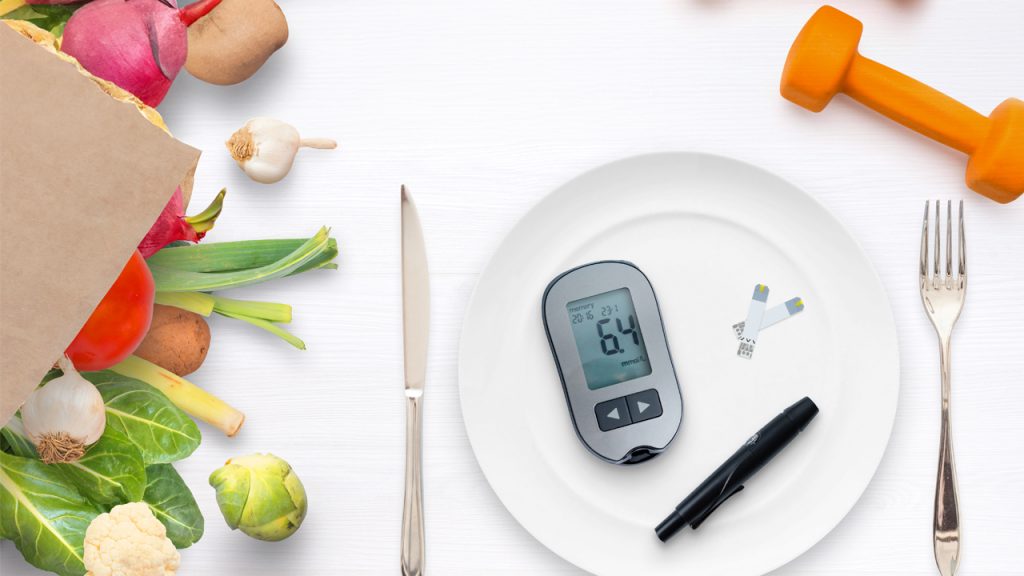
Type of Food: Adhering to the ‘My Plate’ concept, meals should consist of about 50% fiber (vegetables), 25% proteins, 10-15% fats, and minimal carbohydrates.

Meal Frequency and Timing: Spread your daily intake across two or three main meals to maintain consistent energy levels and prevent blood sugar spikes.

Incorporating the right food choices, engaging in daily physical activity, and maintaining a regular sleep schedule are fundamental strategies for preventing and potentially reversing diabetes.

We hope this article helps you. For further information or guidance, reach out to our certified experts by subscribing to GOQii’s Personalised Health Coaching here.

#BeTheForce 

Disclaimer: The information provided in this blog is for general awareness and educational purposes only. It is not intended to replace professional medical advice, diagnosis, or treatment. Always consult a qualified healthcare provider for personalised medical guidance or concerns related to your health.

  • « Previous Page
  • 1
  • …
  • 10
  • 11
  • 12
  • 13
  • 14
  • …
  • 44
  • Next Page »

Search

Recent Posts

  • 4 Reasons Why Affirmations Are Not Working For You
  • The Social Side of GLP-1: Navigating “Food Culture” and Peer Pressure
  • Leaky Gut: Symptoms and Causes
  • Muscle Is Your Insurance Policy: Why Strength Predicts Lifespan More Than Cardio
  • The Fiber Gap: Managing Digestion on GLP-1 Therapy

Stay Updated

Archives

  • March 2026 (1)
  • February 2026 (14)
  • January 2026 (14)
  • December 2025 (19)
  • November 2025 (15)
  • October 2025 (20)
  • September 2025 (6)
  • August 2025 (6)
  • July 2025 (12)
  • June 2025 (18)
  • May 2025 (16)
  • April 2025 (22)
  • March 2025 (23)
  • February 2025 (22)
  • January 2025 (25)
  • December 2024 (22)
  • November 2024 (23)
  • October 2024 (21)
  • September 2024 (24)
  • August 2024 (30)
  • July 2024 (21)
  • June 2024 (26)
  • May 2024 (31)
  • April 2024 (27)
  • March 2024 (29)
  • February 2024 (25)
  • January 2024 (21)
  • December 2023 (15)
  • November 2023 (11)
  • October 2023 (19)
  • September 2023 (22)
  • August 2023 (18)
  • July 2023 (22)
  • June 2023 (24)
  • May 2023 (24)
  • April 2023 (23)
  • March 2023 (23)
  • February 2023 (19)
  • January 2023 (15)
  • December 2022 (11)
  • November 2022 (15)
  • October 2022 (15)
  • September 2022 (12)
  • August 2022 (10)
  • July 2022 (17)
  • June 2022 (11)
  • May 2022 (10)
  • April 2022 (6)
  • March 2022 (6)
  • February 2022 (13)
  • January 2022 (11)
  • December 2021 (7)
  • November 2021 (3)
  • October 2021 (6)
  • September 2021 (3)
  • August 2021 (8)
  • July 2021 (7)
  • June 2021 (15)
  • May 2021 (16)
  • April 2021 (10)
  • March 2021 (7)
  • February 2021 (4)
  • January 2021 (4)
  • December 2020 (3)
  • November 2020 (4)
  • October 2020 (10)
  • September 2020 (3)
  • August 2020 (3)
  • July 2020 (2)
  • June 2020 (4)
  • May 2020 (10)
  • April 2020 (12)
  • March 2020 (10)
  • February 2020 (4)
  • January 2020 (4)
  • December 2019 (3)
  • November 2019 (7)
  • October 2019 (5)
  • September 2019 (4)
  • August 2019 (9)
  • July 2019 (9)
  • June 2019 (11)
  • May 2019 (4)
  • April 2019 (8)
  • March 2019 (8)
  • February 2019 (9)
  • January 2019 (8)
  • December 2018 (9)
  • November 2018 (3)
  • October 2018 (3)
  • September 2018 (5)
  • August 2018 (10)
  • July 2018 (6)
  • June 2018 (13)
  • May 2018 (8)
  • April 2018 (18)
  • March 2018 (9)
  • February 2018 (8)
  • January 2018 (15)
  • December 2017 (12)
  • November 2017 (19)
  • October 2017 (13)
  • September 2017 (15)
  • August 2017 (4)
  • July 2017 (8)
  • June 2017 (7)
  • May 2017 (6)
  • April 2017 (8)
  • March 2017 (6)
  • February 2017 (7)
  • January 2017 (9)
  • December 2016 (10)
  • November 2016 (7)
  • October 2016 (7)
  • September 2016 (7)
  • August 2016 (11)
  • July 2016 (9)
  • June 2016 (9)
  • May 2016 (12)
  • April 2016 (17)
  • March 2016 (17)
  • February 2016 (8)
  • January 2016 (6)
  • December 2015 (2)
  • November 2015 (9)
  • October 2015 (7)
  • September 2015 (9)
  • August 2015 (11)
  • July 2015 (9)
  • June 2015 (12)
  • May 2015 (9)
  • April 2015 (13)
  • March 2015 (8)
  • February 2015 (5)
  • January 2015 (12)
  • December 2014 (14)
  • November 2014 (11)
  • October 2014 (6)
  • September 2014 (13)
  • August 2014 (12)
  • July 2014 (6)
  • June 2014 (2)
  • May 2014 (7)
  • April 2014 (5)

From “Laddu Nawin” to Fit and Fierce: How a 25-Year-Old Insurance Advisor Shed 20 Kilos and Gained His Life Back

When 25-year-old Nawin Yadav from Hyderabad walked into his office every morning, he carried more than just his files and policy papers. He had the weight of fatigue, sluggish energy, and an ever-growing belly that was becoming the butt of jokes. “People … [Read More...]

“I’ve Challenged Myself to Live 100 Years” – The Story of Chandubhai Savani’s Second Chance at Life

At 67, most people start slowing down. Not Chandubhai Savani. A resident of Surat, Chandubhai, thought life was on track. “My life was going well till I had my bypass surgery,” he says. That surgery, back in 2021, was a wake-up call.  Medication was routine, but exercise wasn’t. His diet? What he calls ‘normal.’ “I […]

From Shimla’s Slopes to Chandigarh’s Sidewalks: Surinder Kaur Bhalla’s Journey from Chaos to Control

Some journeys start with a plan. Others begin with a stumble literally. Surinder Bhalla, a government professional, born and raised in the scenic hill town of Shimla, had always lived a life of movement. “In Shimla, you walked everywhere,” she reflects. “Walking was never an exercise. It was just life.” But after shifting to Chandigarh, […]

Ananda Mukherjee Health Story

From Terminal Illness To Complete Wellness! Ananda Mukherjee Health Story

As we observe World Cancer Day under the powerful theme ‘United by Unique’ (2025-2027)**, we are reminded that every individual’s journey with cancer is distinct, yet united by shared resilience, hope, and the collective fight against this disease. This theme places people at the centre of care and their stories at the heart of the […]

  • HOME
  • HEALTHY LIVING
  • FITNESS
  • HEALTHY RECIPES
  • USER STORIES
  • KARMA
  • BUY GOQii

Copyright ©2016 GOQii

