GOQii

Blog

  • HOME
  • HEALTHY LIVING
  • FITNESS
  • HEALTHY RECIPES
  • USER STORIES
  • KARMA
  • BUY GOQii

Search Results for: food

June 20, 2024 By Tasneem Jawadwala 16 Comments

Healthy Weight Gain Tips

Weight Gain

We’ve heard one too many instances of people having great success with weight loss! In fact, every time I visit the gym, I come across many such success stories. However, I can’t help this sinking feeling that the real strugglers are the ones who want to gain weight and build muscles.

Are you one of them? Ever wondered what you’re doing wrong despite indulging in healthy food, doing every possible workout, and trying to increase your appetite? Let’s see how you can gain healthy weight. But before that…

Let’s See What You’re Doing Wrong

1. Protein: Gym trainers and dieticians often suggest including more protein, some in the form of powders and others suggest natural sources such as eggs, Sattu, curd, cottage cheese, and the likes. However, calculating the right amount of protein required is often missed. One requires around 1.25g/kg ideal body weight proteins to build up muscles. For example, if you are 60kg, then the required amount of protein required by you on a daily basis to build muscles is 75g.

If you aren’t having enough or the required amount of protein, you will not see a difference. Hence, take some time out and consult professionals who can help you calculate. To gain healthy weight and build muscles, you also need to watch your carbs, antioxidants, and workouts.

2. Carbohydrates: I’ve noticed this as a trend. Most people place so much emphasis on proteins that they forget about carbs. Did you know that if approximately 60% of your diet isn’t from carbohydrate sources, your body will utilize protein to supply energy? Which means your body will not have enough proteins for tissue building.

3. Antioxidants: Fruits and salads are often flawed to be used as a weight-loss diet. Vegetables and fruits are the best source of antioxidants that help in tissue repairs, prevent injuries and inflammation. So, include vegetables and fruits with Selenium, Zinc, Vitamin C, and Vitamin E in your diet on a daily basis.

4. Workout: Your workout should focus more on strength training; however, ensure that you still do some cardio. Cardio will help your heart and lungs function better, which in turn will prevent you from falling ill during your program.

Foods That Help in Healthy Weight Gain and Muscle Building

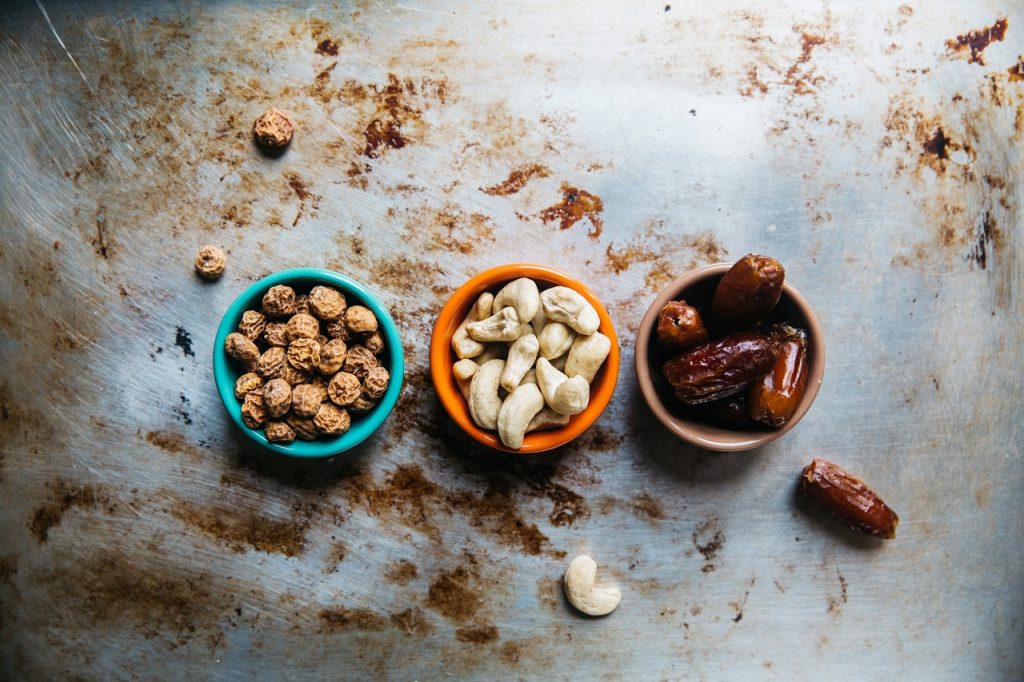
  • Dates: They are loaded with iron, natural sugar and antioxidants. Eat 4-5 dates before your workout as dates provide you with instant energy and prevent muscle damage.
  • Sweet Nuts or Pulse balls (Chikkis): This is a sweet dish made up of pulses, nuts or seeds. It is nothing but roasted whole gram, peanuts or sesame seeds and jaggery. It’s a perfect combination of proteins and carbohydrates. Munching on them as mid-meal snacks work as an energy booster.
  • Nut Shakes: A big serving of dry fruits is difficult to consume at a time, but having them in a powdered form with milk will supply your body with good amounts of protein.
  • Fruit Smoothie: Eating fruits with curd will help add some antioxidants to your protein dose. This is probably the tastiest and most delicious way to consume fruits!
  • Combination of Cereals and Pulses: Just eating a pulse at a time will really not help as it doesn’t provide us with good quality proteins. But, when combined with a cereal, it will provide the benefits of both protein and carbohydrates. Options like Dal Paratha (Pulse Flat Breads), Puranpoli (Sweet Jaggery Flat Breads), Khichdi (mix of pulses, rice and vegetables cooked together), and Idli (steamed rice pan cakes) should be considered.
  • Adding Vegetables to Meat: Eating a separate serving of vegetable becomes difficult. The meal size may exceed if we have 1 serving of vegetable for vitamins & minerals and 1 serving of non-veg preparation for proteins. The best option in my opinion is to combine a non-vegetarian source with vegetables. For instance, Spinach (Palak) Chicken, Tomato Omelet, and Capsicum Stuffed with Mince.
  • Peanut Butter: People often go overboard with regular butter and get major changes in lipid profile but no change in weight. Ideally, one should apply peanut butter on their bread slices for the right fats and protein combination.

The key rule for healthy weight gain is to go for nutrient-dense meals. These healthy compact meals do not require an extreme appetite boost. Focus on healthy weight gain and be patient while you are in a weight gain program as it’s easy to cut on fats but takes time to add on muscles. Remember, it took 9 months to give you around 3kg of weight at birth. Stay at it and be patient.

We hope this article helps you! For more, check out Healthy Reads or you can speak to a GOQii Coach directly for expert guidance and motivation. Subscribe for Personalised Health Coaching here.

#BeTheForce
June 18, 2024 By Mitali Ambekar 7 Comments

Cashew Nuts & it’s benefits

cashew-nuts

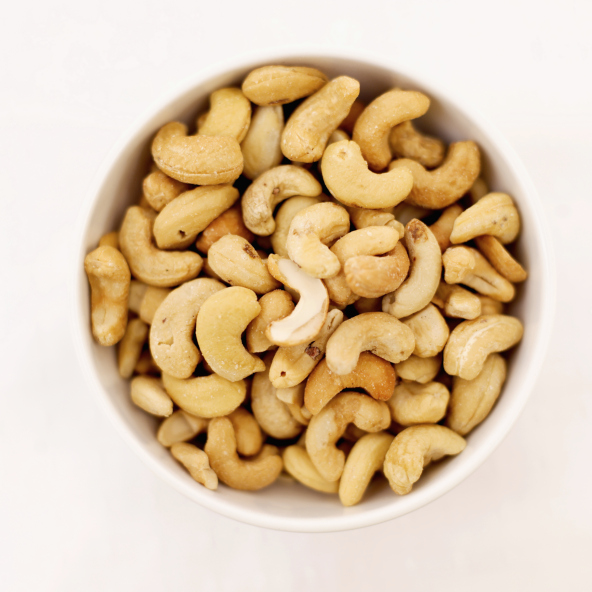
Cashew nuts are a favourite among all. These nuts are easily available and versatile, fitting perfectly into various occasions. They can be carried in your pocket and enjoyed on the go, as their fat content keeps you full for a longer time and helps you avoid snacking on unhealthy refined foods.

Originally native to Brazil, cashew nuts were brought to India by Portuguese explorers and now are widely grown in the coastal areas.

Despite being a healthy food, cashews are often avoided because they are perceived as high in fats and thus deemed unsuitable for frequent consumption, especially by those with heart conditions. However, these concerns are based on myths. Cashew are safe and healthy to consume. They contain monounsaturated fatty acid, Oleic acid which helps  lower bad cholesterol (LDL) and increase good cholesterol (HDL).

Cashew nuts also contain several B-complex vitamins like Pyridoxine, Pantothenic Acid, Riboflavin & Niacin. These vitamins play a major role in the metabolism of Carbohydrates, Proteins & Fats. Each has specific health benefits: Pyridoxine helps protect the heart by inhibiting cholesterol deposits, Niacin combats Dermatitis (a skin infection), Pantothenic acid relieves stress and promotes good skin & hair, and Riboflavin prevents acne and supports healthy eyes.

Given the numerous benefits of cashew nuts, there’s no reason to avoid them. While they are high in calories, moderation and proper timing can allow you to reap their benefits, including a healthy heart, good skin, healthy eyes, and anti-stress properties.

Cashews are best enjoyed as a snack. Roast them and have about a fistful between meals, pre- or post-workout, during or after a trek or game.

If you found this article on the benefits of cashew nuts helpful and would like to share your thoughts or have more questions, please feel free to leave a comment below. For further insights and tips on maintaining a nutritious diet, checkout Healthy Reads or speak to a certified expert by subscribing to GOQii’s Personalised Health Coaching here.

#BeTheForce

June 17, 2024 By Hajra Mithani Leave a Comment

How To Control And Fight Hunger Cravings

hunger cravingsFor many of us, our lifestyle has become sedentary, leading to increased mental and emotional stress which often results in binge eating. When we are stressed, we find outlets to overcome it, and the first thing that comes to mind is eating! A sedentary lifestyle coupled with irregular sleep leads to hunger cravings which ultimately results in gorging on unhealthy food such as junk food, chocolates, refined foods, bakery products, juices, soft drinks, pizza, etc., leading to weight gain. Let’s take a deeper look. 
How Much Time Does It Take Food To Get Digested? 

  • After having a meal, our GI tract slowly empties by pushing food through the stomach. From there, it goes to the small intestine where it gets absorbed and then it reaches the large intestine. It takes approximately 2 hours for this entire process.
  • Hunger cravings occur 2 hours after having a meal when the food gets digested. So, our brain picks up messages from the stomach and tells us that it’s time for our next meal.
  • This entire system is regulated by two hormones in our body known as hunger hormones – Ghrelin and Leptin.
  • Ghrelin stimulates appetite and is produced in the stomach when it’s empty, promoting fat storage.
  • Leptin controls appetite and signals the brain to stop eating.
  • If we eat after every 2 hours, ghrelin will not be released, and there won’t be any overeating.

Tip To Control Hunger Cravings 

  1. Eat before you feel hungry at an interval of 2 hours.
  2. Have 6 meals in a day: 3 main meals and 3 mid-meals. Eat slowly and have a fruit as a mid-meal, avoiding fruits with the main meals.
  3. Snack on nuts like foxnuts, almonds, walnuts, peanuts, and a mixture of various seeds to help you stay full.
  4. Add spices and chillies to your food as they increase satiety.
  5. Avoid fasting: Skipping meals can cause your body to go into a fat-storing starvation mode, making it harder to burn calories.
  6. Have jaggery, jaggery powder, stevia leaves and honey to curb sugar cravings. 
  7. Include proteins in all your meals. Proteins are the building blocks of our body. They take longer to digest than carbohydrates and are considered to be more satiating than carbs and fats. They keep your energy levels up and appetite down.
  8. Eat fiber-rich foods since they help regulate bowel movements and make you feel fuller for a longer duration. They don’t add calories to your diet and cannot be converted to glucose. Include leafy green vegetables, fruits with the peel like apple, pear, plum and even berries, sweet potatoes with skin, potatoes, oatmeal, fenugreek seeds, chia seeds, flax seeds, cinnamon powder, drumstick, garden cress seeds, sesame seeds, peanuts, figs, raisins and prunes.
  9. Quench your thirst to control your appetite by drinking plenty of water. Drink 12-15 glasses of water throughout the day. Have 1 glass of water before and 1 after a meal, as water is a no calorie quencher. You’ll be able to decrease your hunger before you start eating so you aren’t starving at the table. In case you don’t like the taste of plain water, have green tea, cinnamon tea, buttermilk, coconut water, lemon water or detox water.
  10. Exercise for 30 mins every day: It lowers the level of ghrelin. It increases the feeling of fullness, boosts your metabolism, and helps in burning more calories. Indulge in yoga, pilates, cardio, stretching, skipping, dancing, etc. 
  11. Maintain a regular wake up and sleep schedule: To avoid midnight hunger pangs, don’t stay awake for a long time post-dinner. Have soups, salads and protein-rich meals for dinner to avoid eating junk food. Make a habit of having 1 tsp flax seeds post-dinner since they have fibers that will make you feel satiated.

We hope this article helps you understand your hunger cravings and how to curb them. For more tips on controlling hunger cravings, check out Healthy Reads or ask a GOQii Coach by subscribing for Personalised Health Coaching here.

#BeTheForce 

June 15, 2024 By Geetika Patni 7 Comments

Mindful eating: Control portions and be wise! – Part 3


portion-control-plate

In my previous two blogs, I discussed the concept of Mindful Eating and the harmful effects of Mindless Eating. In my second blog, I explained why eating slowly is crucial to enjoy your meal fully (check it out here). Today, continuing this 5-part series on Mindful Eating, I will take you through portion control and why it is a must.

Appetite is complex and dieting is a challenge.

With every passing year, it gets more harrowing. We end up blaming the food industry, which has, over the years, increased portions per package and per serving size by whopping 2-7 times than the recommended value. Most of these take-away food products and dishes don’t fit in a healthy eating plan.

Mindful eating is the key to fix this chaos. When we can’t change anyone else (i.e. food industry), we can still change ourselves.

The art of being in present when you are eating your food is termed as Mindful Eating. Eating mindfully has tremendous benefits – you really learn to taste food and realize your real favourites and dislike, thus knowing what foods best fuel your exercise, work and leisure. If you enjoy eating or your food experience, you tend to enjoy life better. The by-product of this mindfulness is also a healthy weight loss and maintenance, and even the reversal of lifestyle disorders.

Among the many advantages of this healthy practice, my favourite one is learning to eat when hungry and stop when full, avoiding overeating at any given time. I have maintained my weight for years by effectively practicing portion control.

This is difficult, yet the easiest way to lose weight, keep it off, and moreover, it’s a lifestyle change – something that can change this whole obesity epidemic. We all struggle with food. This may be the solution to eating our favourite food, yet controlling the portions and being fair to our bodies.

portion-control-1

Portion control is easily achieved when you slow down your pace of eating. When you eat slowly, you become aware of when your stomach gets full and you also know how much to serve yourself and when to stop. Portion size and eating speed can be well explained through the famous ‘French Paradox’ which says that despite high intake of calorie-rich and fatty foods in France as compared to the US, the incidence of heart disease and overweight is relatively low in France.

It is well-documented fact that the French eat much slower than the Americans, thus ending up taking smaller portions. Sensible eating, therefore, works miraculously for the weight-watchers.

In this blog, I am sharing some good tricks and hacks that will help you prevent overeating and eliminate the need to diet ever.

When you first go through the list, pick up only 2 tasks which you can practice as your healthy habits. As you succeed, take up new ones gradually and implement them consistently to build in mindful eating approach for life.

portion-control1

Here’s how to practice portion control- 

      A) At home or for your regular eating

  1. Replace your food plates with smaller plates or use a side plate as your main plate. The food portion has grown bigger, and by choosing a small plate (law of size-metrics), you will reduce your consumption.
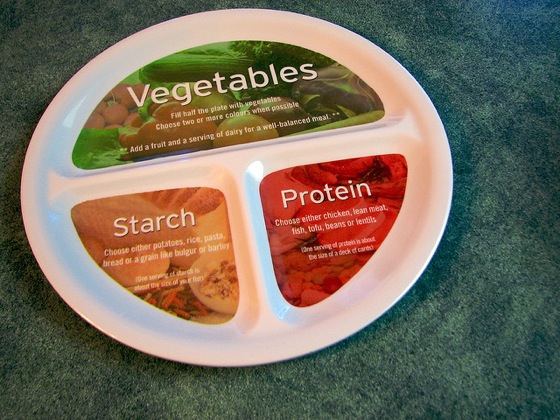
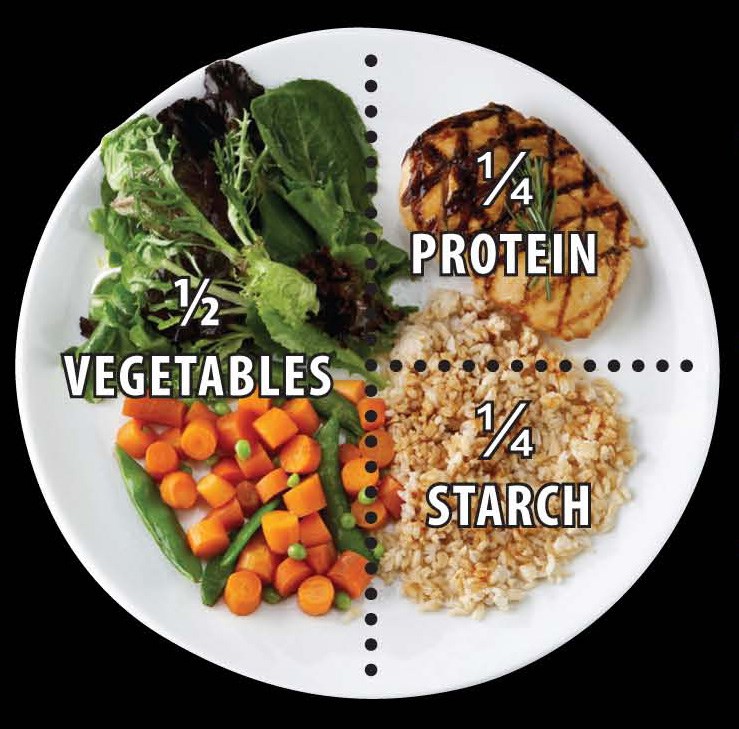
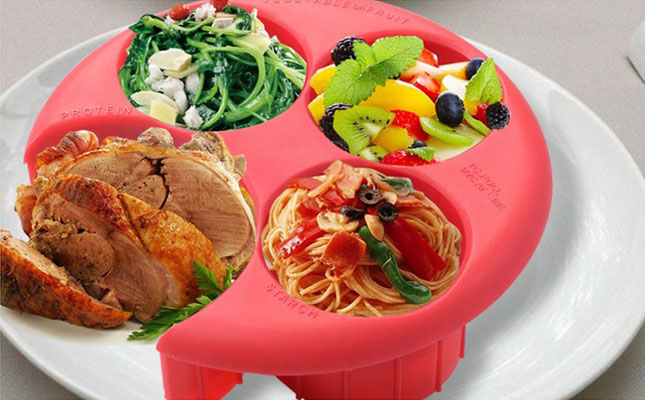
  1. Serve backwards – visualize your plate has 2 compartments. First fill up one half of it with veggies, both raw and cooked, and then serve other half of your plate with a portion of proteins (dal/curd) and carbs (rice/roti) combined. Eating veggies make you feel full, so serving it first on your plate and eating in larger portion quickly drives up the fullness quotient.
  1. Sit Down to eat- even if it is a snack. You are making your meal more organized by sitting down when dining, and this habit will prevent on-the-go munching that you may be unknowingly overdoing.
  • Deep breathe before you start your meal. This works as ‘ringing the bell’ –bringing your attention to your next to-do task, which is feeding yourself. Gently inhale through your nose, filling your chest with air, drawing your shoulder upwards, and exhale through your mouth for a little longer. Now take your first bite or sip.
  • Dine! Don’t multitask- Eating while watching TV or while fiddling with your cell phone will distract you from your meal. And distraction will lead to over consumption. Put away all gadgets while eating and you’ll be surprised that going back to your smart phone after 20 minutes is so refreshing. Plus, the added bonus of having a satisfying meal.
  • Have liquid first – A glass of water or a bowl of healthy soup. Starting your meal with fluids will fill up your belly to prevent over eating. It will irrigate the lining of your digestive tract, making your meals easier to flow down, and, probably quench your thirst, which may be the real reason behind your rumbling belly.
  • Eat slowly – to finish a meal in no less than 20 minutes. You may realize you don’t need the second helping if you eat your meals slowly.
  • Get Smart with leftovers – Because no one is judging how clean your plate is. If you are done with dinner, don’t stuff yourself just so that you don’t have to pack up the remaining food. Wrapping up remaining food is a smart way (as leftovers taste better too!) or downsizing your cooking is another idea to prevent over consumption.
  • Snack from a bowl– and not from a bag or box. You may end up eating 50% more if the snack you are having is hidden from your view. Pour a serving in a bowl and then munch.

portion-control

If you buy a bag of trail mix that reads 10 servings, divide the contents of the bag into 10 smaller bags or label it bold – ‘to be finished in 10 attempts’.

  • Out of sight-out of mouth – Keep tempting treats like chips, cookies, candies, and ice creams out of sight – high up in the kitchen cabinet or in the back line of the pantry shelf. Putting a fruit bowl, dark chocolate, dates, and nuts in the front row and within reach easily gets you to practice snacking.
  • Follow IN/OUT rule – When at home, the rule is to eat nutritious, balanced, and wholesome meals, avoiding all treats (White Sugar/breads/pasta/creamy desserts, and fried foods). When outside treat yourself to your favourite delicacies (but in moderation, lest you slip down the slope). This way you will be able to eat super healthy most of the time, and the occasional indulgences will soothe your soul.

Here are few suggestions to practice portion control outside home

When dining out –

  • Plan Ahead – Right when you start from home, put up a portion in head- “I’ll have only 2 glass of wine today”, “I’ll eat only 1 plate of pasta tonight”. When a plan is there, you only need to work on your determination during the action, so it makes sense to make a quick portion note prior to stepping out.
  • Survey the spread first (or read menu carefully) – By getting a sense of what are the foods available, you avoid heaping on excess of usual offerings because you didn’t realize earlier that the ‘can’t miss items’ were at the end of the line. So make your plate with intention and eat only what you really want to eat.
  • Order to serve your salad or soup first and entrée only after the appetizers are done with. A lot of food on the table and in sight will promote over eating.
  • Split and Share –the entrée with your dining partner. If eating alone, try doubling up your appetizer and skipping the main course altogether.
  • Indulge wisely – If you intend to end your meal with drinks or dessert, eat only half of your capability. Yes, it’s your treat meal! But a firm moderation now will prevent you from guilt trip later.
  • Split and share desserts too – or skip them totally and order yourself an unsweetened coffee/hot beverage to end the meal. Some metabolic push there! Plus you can always have a cube of dark chocolate when you reach home.
  • If Ice cream melts you away – Choose inedible dishes- say a cup over a cone, as your ice cream serving dish. Or if a cone gets you carried away, choose a kiddie, regular or sugar cone, as a waffle cone will increase your portion considerably. Avoid toppings or go for fruit based ones.
  • Tall and slim – Research says drinking from tall and slim glasses will cut down the portion of your drink by 20%, and so does avoiding exotic mixed liquor drinks. It’s that easy!
  • If you are travelling – Avoid heading to a restaurant directly. Instead take a pit stop at a fruit vendor first. A healthy snack before a meal will not spoil it, but help you portion mindfully.

Eating in moderation and compensating with a good round (or extra round) of exercising keeps one in balance. Avoid overeating and practice mindfulness – your ideal weight is just this one healthy habit away!

In my fourth blog, I shall talk about emotional eating. Very often, we find ourselves overeating or better to say indulge in mindless eating such as stress eating. Too happy indulge in over eating, too sad again indulge in over eating to feel good. The blog will take you through some pointers on how to avoid stress eating and satisfy your needs with mindfulness.

To be continued…

#BeTheForce

  • « Previous Page
  • 1
  • …
  • 69
  • 70
  • 71
  • 72
  • 73
  • …
  • 245
  • Next Page »

Search

Recent Posts

  • Water Intake Pre, During and Post Workout
  • India Leads in Longevity: GOQii Sanjeevini Named Top 40 in $101M XPRIZE
  • The Importance Of Knowing If You’re Thirsty Or Hungry
  • Best Foods To Alleviate Irritable Bowel Syndrome
  • ALL ABOUT VERTIGO!

Stay Updated

Archives

  • December 2025 (9)
  • November 2025 (15)
  • October 2025 (20)
  • September 2025 (6)
  • August 2025 (6)
  • July 2025 (12)
  • June 2025 (18)
  • May 2025 (16)
  • April 2025 (22)
  • March 2025 (23)
  • February 2025 (22)
  • January 2025 (26)
  • December 2024 (24)
  • November 2024 (25)
  • October 2024 (22)
  • September 2024 (24)
  • August 2024 (31)
  • July 2024 (21)
  • June 2024 (26)
  • May 2024 (31)
  • April 2024 (27)
  • March 2024 (29)
  • February 2024 (26)
  • January 2024 (25)
  • December 2023 (15)
  • November 2023 (11)
  • October 2023 (20)
  • September 2023 (22)
  • August 2023 (20)
  • July 2023 (22)
  • June 2023 (24)
  • May 2023 (24)
  • April 2023 (24)
  • March 2023 (23)
  • February 2023 (20)
  • January 2023 (16)
  • December 2022 (12)
  • November 2022 (15)
  • October 2022 (15)
  • September 2022 (12)
  • August 2022 (10)
  • July 2022 (17)
  • June 2022 (11)
  • May 2022 (10)
  • April 2022 (6)
  • March 2022 (6)
  • February 2022 (13)
  • January 2022 (12)
  • December 2021 (7)
  • November 2021 (3)
  • October 2021 (6)
  • September 2021 (3)
  • August 2021 (8)
  • July 2021 (7)
  • June 2021 (15)
  • May 2021 (16)
  • April 2021 (10)
  • March 2021 (7)
  • February 2021 (4)
  • January 2021 (4)
  • December 2020 (3)
  • November 2020 (4)
  • October 2020 (10)
  • September 2020 (3)
  • August 2020 (3)
  • July 2020 (2)
  • June 2020 (4)
  • May 2020 (10)
  • April 2020 (12)
  • March 2020 (10)
  • February 2020 (4)
  • January 2020 (4)
  • December 2019 (3)
  • November 2019 (7)
  • October 2019 (5)
  • September 2019 (4)
  • August 2019 (9)
  • July 2019 (9)
  • June 2019 (11)
  • May 2019 (4)
  • April 2019 (9)
  • March 2019 (8)
  • February 2019 (9)
  • January 2019 (8)
  • December 2018 (9)
  • November 2018 (3)
  • October 2018 (3)
  • September 2018 (5)
  • August 2018 (10)
  • July 2018 (6)
  • June 2018 (13)
  • May 2018 (8)
  • April 2018 (18)
  • March 2018 (9)
  • February 2018 (8)
  • January 2018 (15)
  • December 2017 (12)
  • November 2017 (19)
  • October 2017 (13)
  • September 2017 (15)
  • August 2017 (4)
  • July 2017 (8)
  • June 2017 (7)
  • May 2017 (6)
  • April 2017 (8)
  • March 2017 (6)
  • February 2017 (7)
  • January 2017 (9)
  • December 2016 (10)
  • November 2016 (7)
  • October 2016 (7)
  • September 2016 (7)
  • August 2016 (11)
  • July 2016 (9)
  • June 2016 (9)
  • May 2016 (12)
  • April 2016 (17)
  • March 2016 (17)
  • February 2016 (8)
  • January 2016 (6)
  • December 2015 (2)
  • November 2015 (9)
  • October 2015 (7)
  • September 2015 (9)
  • August 2015 (11)
  • July 2015 (9)
  • June 2015 (12)
  • May 2015 (9)
  • April 2015 (13)
  • March 2015 (8)
  • February 2015 (5)
  • January 2015 (12)
  • December 2014 (14)
  • November 2014 (11)
  • October 2014 (6)
  • September 2014 (13)
  • August 2014 (12)
  • July 2014 (6)
  • June 2014 (2)
  • May 2014 (7)
  • April 2014 (5)

From “Laddu Nawin” to Fit and Fierce: How a 25-Year-Old Insurance Advisor Shed 20 Kilos and Gained His Life Back

When 25-year-old Nawin Yadav from Hyderabad walked into his office every morning, he carried more than just his files and policy papers. He had the weight of fatigue, sluggish energy, and an ever-growing belly that was becoming the butt of jokes. “People … [Read More...]

“I’ve Challenged Myself to Live 100 Years” – The Story of Chandubhai Savani’s Second Chance at Life

At 67, most people start slowing down. Not Chandubhai Savani. A resident of Surat, Chandubhai, thought life was on track. “My life was going well till I had my bypass surgery,” he says. That surgery, back in 2021, was a wake-up call.  Medication was routine, but exercise wasn’t. His diet? What he calls ‘normal.’ “I […]

From Shimla’s Slopes to Chandigarh’s Sidewalks: Surinder Kaur Bhalla’s Journey from Chaos to Control

Some journeys start with a plan. Others begin with a stumble literally. Surinder Bhalla, a government professional, born and raised in the scenic hill town of Shimla, had always lived a life of movement. “In Shimla, you walked everywhere,” she reflects. “Walking was never an exercise. It was just life.” But after shifting to Chandigarh, […]

Ananda Mukherjee Health Story

From Terminal Illness To Complete Wellness! Ananda Mukherjee Health Story

As we observe World Cancer Day under the powerful theme ‘United by Unique’ (2025-2027)**, we are reminded that every individual’s journey with cancer is distinct, yet united by shared resilience, hope, and the collective fight against this disease. This theme places people at the centre of care and their stories at the heart of the […]

  • HOME
  • HEALTHY LIVING
  • FITNESS
  • HEALTHY RECIPES
  • USER STORIES
  • KARMA
  • BUY GOQii

Copyright ©2016 GOQii