
GOQii

Blog

  • HOME
  • HEALTHY LIVING
  • FITNESS
  • HEALTHY RECIPES
  • USER STORIES
  • KARMA
  • BUY GOQii

Search Results for: doctor

January 10, 2024 By Kusum Soni 3 Comments

Quick Tips to Reduce Joint Pains During Winter

Joint pains during winterDo you experience joint pains during winter? While common for some people, the exact nature of cold-induced joint pain is uncertain but we’ve noticed that the symptoms often worsen.

It could be that muscles, ligaments and joints just get stiffer with lower temperatures, as the human body will conserve more heat, more blood would be circulated to the heart and lungs. So when this happens, muscles and blood vessels in the arms, shoulders, knees and other joints will contract, leading to pain. Even muscles lose their range of motion.

Reasons for Joint Pains during Winter

  • The pain receptors become more sensitive during winter.
  • The drop in atmospheric pressure causes joint tissues to swell, building tension between joints, causing pain.
  • Increase in muscle spasms in colder temperatures also worsens the pain and stiffness in joints.
  • The cold causes fine blood capillaries in the joints and extremities, like fingers and toes, to shrink or contract, amplifying the pain. 
  • Less sunlight during winters means lower Vitamin D levels which leads to weakened bones and joints.

Remedies for Relief 

  1. Dress Warm: Keep yourselves, especially your feet warm. Wear two or three pairs of thin clothing instead of one pair of heavy warm clothes to conserve body heat.
  2. Stay Active: Exercising is another way to get rid of all joint and muscle stiffness during winter time without overdoing it. Because this will improve blood circulation to your extremities and provide warmth and the necessary micronutrients to relieve pain.
  3. Localized Heating: Use an electric heating pad, hot water bag or an electric blanket to keep yourself warm while resting or sleeping.
  4. Warm baths: Swimming in a heated pool is great exercise and it soothes your joints. You can also get great relief from warm water or steam bath. Avoid piping hot water.
  5. Vitamin D: is essential for bone health. Lack of it can cause body aches. This deficiency may be due to lack of exposure to sunlight. Spending some time under the sun is a great way to replenish Vitamin D and get rid of joint aches. Food sources for Vitamin D include fatty fish, cheese, egg yolk, milk, nuts and seeds, soya products, and legumes. To enable absorption of Vitamin D from food or sunlight, include magnesium rich foods like entire green leafy vegetables (which are abundant in winters), pumpkin seeds, sunflower seeds, almonds, walnuts, avocado and bananas etc.
  6. Omega-3 Fatty Acids: are anti-inflammatory and highly beneficial in reducing inflammation in joints. So include avocados, flaxseeds, walnuts and fish in your diet. You’ll also find good Omega-3 in flax seeds, walnuts, chia seeds, pumpkin seeds, and sunflower seeds as well. 

A Quick Home Remedy

A mixture of turmeric, fenugreek/methi seeds and ginger has a positive impact on reducing joint pains and arthritis because of the anti-inflammatory properties. 

Ingredients

  • Ginger powder – 20 gm
  • Methi seeds – 50 gm
  • Turmeric powder – 50 gm

How to have: Take half or one tablespoon in the morning, preferably on an empty stomach for wonderful results.

Enjoy winter while following the above tips, for joint pains during winter. If you face extreme discomfort in your joints, do consult a doctor for Bone and Joint health.

For more tips and remedies for winter, check out Healthy Reads or ask a GOQii Coach by subscribing for Personalised Health Coaching here.

#BeTheForce 
January 9, 2024 By Neha Kapoor 5 Comments

6 Magical Herbs That Can Help You Sleep

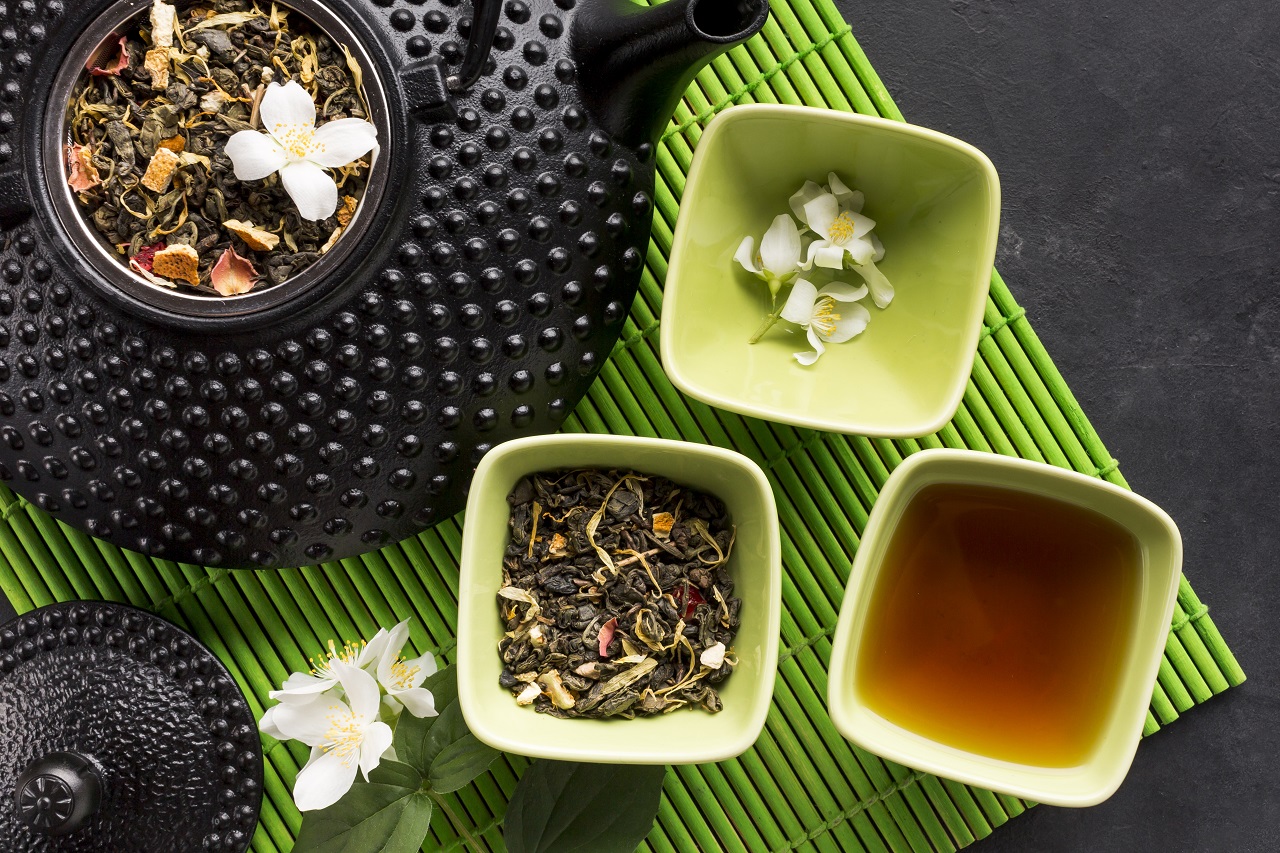
6 Magical Herbs To Help You Sleep There are many people who face severe issues of sleep disorder and it is difficult for them to fall asleep. Sleep is a key component of good health. They say humans need at least 8 hours of sleep a night to rejuvenate and restore their bodies. Unfortunately, in the days of stress, chaos, constant electronic bombardment, adrenal fatigue, and hormonal craziness, we are seeing people generally getting less sleep, and the sleep they do get, tends to be interrupted in some way. This means the sleep quality and quantity have a lot to be desired. Thankfully, we have these 6 magical herbs which can help you relax, rejuvenate, and come to a quiet place of rest and relaxation.


6 Magical Herbs To Help You Sleep

1. Ashwagandha (Winter Cherry)

It is an adaptogen with strong affinities towards the nervous system. It helps the body deal with stress and hormone fluctuations caused by stress, especially helping regulate cortisol levels at night time. Cortisol is what wakes you up at 2 am thinking about a million things at once and not being able to fall back asleep. Taking 500mg of Ashwagandha daily can help your body even out stress hormone levels which can help you get a good night sleep. It has also been shown to ease anxiety and depression.

2. Chamomile

It is a wonderful calming herb. It relaxes both the body (muscles) and the mind. It is also a wonderful, gentle sedative. It is safe and effective for children. Chamomile tea sipped by a breastfeeding mother can soothe the baby after breastfeeding. Toddlers can sip chamomile tea with a little bit of honey before bedtime to calm them down. Adults can drink 1-2 cups of chamomile tea at the end of the day to help calm down before bedtime. Steep chamomile in hot water for 10 minutes in a tightly capped jar, strain and enjoy.

Chamomile oil can also be put in bath water (5-6 drops) to soothe overwrought nerves, diluted to 2% to make an excellent massage oil, or used as an inhalant.

Dose: Tea, 1 cup 2-3x daily; Tincture, 30 drops 3 x daily.

3. Lavender

Everyone knows that Lavender is great for relaxing and calming the mind and body. The essential oil can be diffused in the evenings alone or combined with other relaxing essential oils to bring on a state of peace and relaxation. The leaves can be drunk as a tea, or added to food. It is great for insomnia, agitation and restlessness. Lavender is a gentle strengthening tonic for the nervous system as well. A few drops of lavender oil added to a bath before bedtime are recommended for persons with sleep disorders. Additionally, the oil may be used as a compressor massage oil or simply inhaled to alleviate insomnia.

Dose: Tea, 1 cup 2-3 x daily; Essential oil may be inhaled, massaged into the skin (use 10 drops essential oil per ounce of vegetable oil), or added to baths (3-10 drops).

4. Passionflower

It’s a great herb for people who wake frequently throughout the night. It is a safe herb for most (excluding excessive use in pregnancy, especially in the first trimester), including children and can be taken in large doses frequently. It is used to promote a deep restful sleep and ease anxiety. Take 30-60 drops of passionflower tincture an hour before hitting the bed, and again at bedtime if you are not yet tired. The herb can be combined with others to make a wonderful night time tea as well. Passionflower is used for minor sleep problems in both children and adults (Bruneton, 1995). It is an excellent sedative with no side effects even when used in large doses (Spaick, 1978).

Dose: Tea, 1 cup 3x daily; Tincture, 30-60 drops 3-4x daily.

5. Lemon balm

It is used primarily to lift the mood and promote calmness and relaxation. Since depression is often related to insomnia, probably because of a lack of serotonin, lemon balm can help you achieve sleep by promoting mental and physical health. Several studies have confirmed its sedative effects, however, it should be noted that too high of a dosage (1800 milligrams) increases anxiety.

To make it into a mild, uplifting, and relaxing tea. You will need:

  • 2 tablespoons of dried lemon balm, or 8-10 tablespoons of fresh lemon balm
  • 2 teaspoons dried chamomile
  • Honey to taste (optional)
  • 8 ounces of fresh water

Directions: Place the loose herbs in a mug and cover with 8 ounces of boiling water. Steep for 5 minutes, strain, and drink 30-45 minutes before bed.

6. California Poppy

This is a great herb for insomnia due to restlessness and anxiety (and it’s safe and gentle enough for children). This herb not only helps you to fall asleep, it improves the quality of your sleep as well. A tincture is the most powerful way to take this. Try 30-40 drops twice daily (the second dose close to bedtime).

These herbs can be combined to make a lovely relaxing night time tea that works for your specific needs. That is the great thing about herbs, some speak to you more than others. Those are typically the herbs that you should do some more work with to see if they suit you!

Before you try any of these herbs, have a word with your doctor, dietitian or nutritionist. You can also speak to our Coaches and Experts by subscribing for GOQii’s Personalised Health Coaching here.

For more articles on sleep and sleep tips, check out Healthy Reads.

#BeTheForce

January 7, 2024 By Unnati Chheda 2 Comments

Are Cruciferous Vegetables Bad For Thyroid?

cruciferous vegetables

Vegetables have always been considered healthy and they can be consumed by everyone. As vegetables are loaded with vitamins, minerals, antioxidants, fiber and the best part is they are low in calories as well, we assume that we can eat liberal amounts of this food group. But, have we ever thought that any of these vegetables can interfere or play around with our hormones as well? Yes, they do! Let’s talk about Cruciferous vegetables and how it impacts thyroid function. 

What Is Thyroid & How Does It Affect Our Health?

Thyroid hormones carry out a large number of functions in our body, like maintaining body temperature, regulating other body organs like the brain, heart and muscles as well as body metabolism which in turn regulates our body weight. The most common disorders related to the thyroid gland are hypothyroidism and hyperthyroidism.

  • Hypothyroidism: is a condition in which the thyroid gland is unable to produce a sufficient amount of thyroid hormones. One of the reasons for hypothyroidism is iodine deficiency. Iodine is required for synthesis of thyroid hormones, thus its deficiency can cause hypothyroidism. Lack of thyroid hormones leads to weight gain, feeling lethargic, constipation, hair loss, impaired memory and sensitivity to cold.
  • Hyperthyroidism: is a condition in which there is increased production and release of thyroid hormones. Excess of thyroid hormones leads to weight loss, restlessness, irritability, hair fall, muscle weakness and intolerance to heat.

How Do Cruciferous Vegetables Affect Thyroid? 

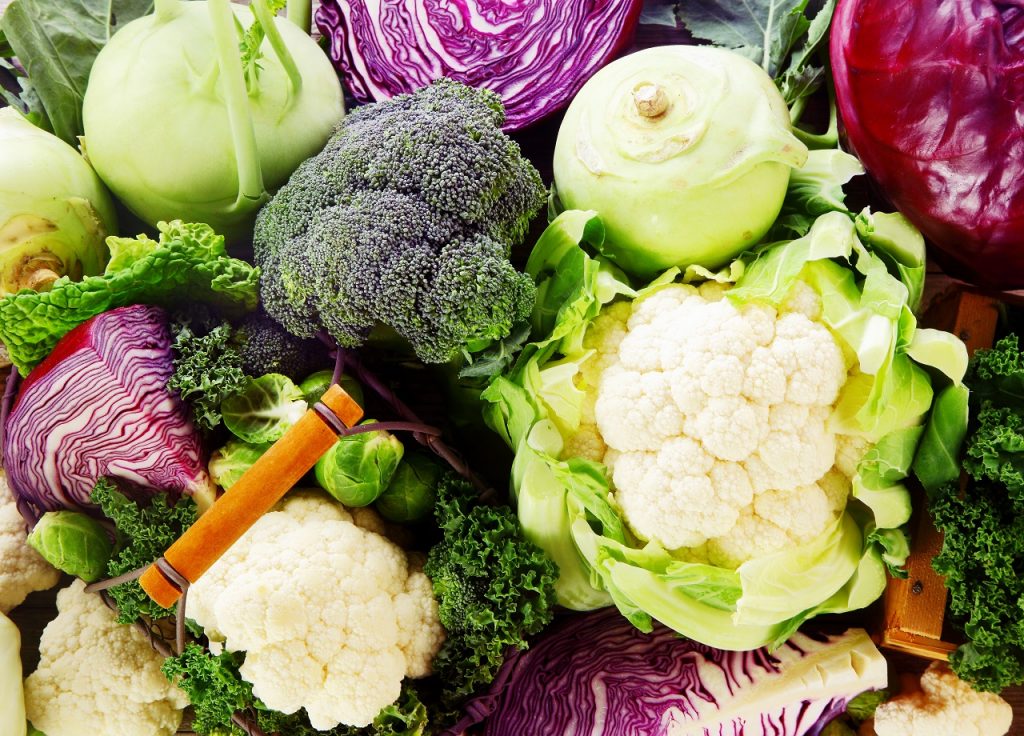
Cruciferous, also known as Brassica vegetables, come from the plant family known as Cruciferae or Brassicaceae. Most commonly consumed cruciferous vegetables include  broccoli, brussel sprouts, cabbage, cauliflower, collard greens, kale, mustard greens, turnips, bok choy, Chinese cabbage, radish, watercress, rutabagas, spinach and lettuce. These nutrient packed vegetables are loaded with Vitamin A, Vitamin C, Vitamin K and they are also good sources of antioxidants and fiber. These vegetables are beneficial for weight loss, fighting cancers and reducing inflammation. But, when we talk about thyroid, it has a negative role to play with respect to hypothyroidism.

Goitrogens are naturally occurring chemicals found in cruciferous vegetables when consumed in raw form. They are healthy and vitamin rich. But, if you have a thyroid condition, you should be aware of it. Goitrogens in cruciferous vegetables interfere with thyroid function by reducing the body’s ability to use iodine. As discussed earlier, our body needs iodine for production of thyroid hormones, hence, iodine deficiency can lead to hypothyroidism. Consumption of cruciferous vegetables increases the symptoms of hypothyroidism and people suffering from this condition should  avoid consuming cruciferous vegetables.

But, in the case of hyperthyroidism, they have a positive role to play by inhibiting the production of thyroid hormone and keeping it in check. So people suffering from hyperthyroidism can consume cruciferous vegetables without restrictions.

You Can Still Enjoy Them With Small Adjustments 

Or we can say we can minimise the negative effects of cruciferous vegetables and even people suffering from hypothyroidism can consume them in moderation. Just follow these simple tips:

  • Cooking cruciferous vegetables, instead of consuming them raw, helps in reducing the levels of goitrogens. Cooking methods like steaming, blanching and fermenting can be used.
  • Increasing iodine intake by adding iodine-rich sources like seafood, eggs, dairy products and iodized salt (less than half a teaspoon of iodized salt can fulfill our daily iodine requirement).
  • Increasing selenium intake as selenium helps in removing free radicals generated in the thyroid gland, preventing any damage to the thyroid gland. Some of the selenium-rich sources include brazil nuts, fish, meat, sunflower seeds, tofu, baked beans, portobello mushrooms, whole grain pasta and cheese.

Please Note: Even after having cooked goitrogens in the diet, if it gets difficult to balance your thyroid condition, you may have to cut out cruciferous vegetables from your diet. It is  better to consult your doctor, nutritionist or dietitian to make sure your diet is well balanced. Apart from avoiding cruciferous vegetables, maintaining an active lifestyle, a protein and fiber rich diet will help us boost metabolism and shed down extra weight gained due to hypothyroidism.

We hope this article was informative and helps you. To know more about how to manage thyroid issues with lifestyle changes, speak to an expert by subscribing for GOQii’s Personalised Health Coaching here.

#BeTheForce 

Disclaimer: The information provided in this blog is for general awareness and educational purposes only. It is not intended to replace professional medical advice, diagnosis, or treatment. Always consult a qualified healthcare provider for personalised medical guidance or concerns related to your health.

January 5, 2024 By Sunita Arora 1 Comment

Gond Ladoo: Your Much Needed Winter Essential

Gond Ladoo

As winter knocks at your door, you might have noticed your Granny prepare Gond Ladoo. It is loved by both kids and adults alike. Gond Ladoo is the best warming food during winter and is quite a healthy snack especially in North India. It contains natural Gond (edible gum) which is extracted from the bark of trees.

Benefits of Gond Ladoo During Winter

  • It helps to keep the body warm in falling temperatures.
  • It prevents the body from cold, seasonal virus infections and keeps one safe from winter illnesses.
  • It helps improve eyesight.
  • It boosts immunity and improves stamina if prepared with Jaggery (Gud).
  • It is enriched with protein, fiber, calcium, and magnesium which makes bones and tissues strong.
  • Anti-inflammatory and good for arthritis as it lubricates the joints and provides relief for back & joint pain.
  • Due to high fiber it is effective in treating constipation.
  • It also improves sexual inadequacy or weakness in men.
  • Nourishing food for pregnant women as it helps in strengthening bones and prevents back pain after birth.
  • The combo of fat, fiber and protein is good for lactating mothers to meet the extra calories requirement and to speed up recovery. It increases milk production as well.
  • It is a wholesome, nourishing food for winter if someone lacks energy and feels tired.

Generally, Gond Ladoo is prepared with desi ghee, gond, coconut, lots of chunky nuts and dry fruits. Want to try it out if you haven’t already? Here’s the recipe!

What You Will Need:

  • Wheat Flour – 1 and ¼ cup
  • Gond (edible gum) – 4 tbsp
  • Dry Dates Powder – ¼ Cup
  • Jaggery Powder – ¼ Cup
  • Cardamom Powder – 1 tsp
  • Coconut Powder – 2 tbsp
  • Almond and Cashew Powder – 3-4 tbsp
  • Poppy Seeds (Khus Khus) – 1 tbsp
  • Dried Ginger Powder (optional) – ¼ tsp
  • White Pepper Powder (optional) – ¼ tsp
  • Desi Ghee (clarified butter) – 8-10 tbsp

How to Prepare

  1. Take a Kadhai, add 2 tbsp of ghee and roast all the Gond till it gets puffed and becomes crispy. Take it aside and grind the Puffed Gond in a mixer.
  2. Now add the dates powder Jaggery powder, cardamom powder, nut powder, poppy seeds, ginger powder, and white pepper powder and grind all together in a grinder.
  3. In the same Kadhai, add 2 more tbsp of ghee and roast wheat flour on low flame till it turns golden brown and you get a nice aroma!
  4. Add the previous mixture to the kadhai with wheat flour and mix well. Cook for 5-7 minutes more and add the remaining ghee.
  5. The whole mixture should look wet. Take it off the gas.
  6. Grease your palm with a few drops of ghee and start moulding them into a Ladoo shape. You can use a little more ghee while rolling them. 
  7. You can store these Gond Ladoos in an airtight container easily for a month and serve it anytime.

Please note that excessive intake may cause mild abdominal discomfort and increase your calorie intake as well. You must eat only one Ladoo in the morning or evening with warm milk.

If you have an allergy to any of the ingredients above, avoid eating this. If you’re unsure, please consult your doctor before you prepare.

We hope you enjoy this recipe and the winter season as well. For more healthy recipes, check out Healthy Reads or ask a GOQii Coach by subscribing for Personalised Health Coaching here.

#BeTheForce 

  • « Previous Page
  • 1
  • …
  • 30
  • 31
  • 32
  • 33
  • 34
  • …
  • 85
  • Next Page »

Search

Recent Posts

  • ALL ABOUT VERTIGO!
  • PCOS and Anxiety: Discover Relief with the 54321 Technique
  • Navigating the Maze of Nutrition: Finding Clarity Amidst Confusion
  • Get children active and keep them healthy
  • What Gestational Diabetes Can Do To You & Your Unborn Child

Stay Updated

Archives

  • December 2025 (5)
  • November 2025 (15)
  • October 2025 (20)
  • September 2025 (6)
  • August 2025 (6)
  • July 2025 (12)
  • June 2025 (18)
  • May 2025 (16)
  • April 2025 (23)
  • March 2025 (23)
  • February 2025 (22)
  • January 2025 (26)
  • December 2024 (26)
  • November 2024 (25)
  • October 2024 (22)
  • September 2024 (24)
  • August 2024 (31)
  • July 2024 (21)
  • June 2024 (26)
  • May 2024 (31)
  • April 2024 (27)
  • March 2024 (29)
  • February 2024 (26)
  • January 2024 (25)
  • December 2023 (15)
  • November 2023 (11)
  • October 2023 (22)
  • September 2023 (22)
  • August 2023 (20)
  • July 2023 (22)
  • June 2023 (24)
  • May 2023 (24)
  • April 2023 (24)
  • March 2023 (23)
  • February 2023 (20)
  • January 2023 (16)
  • December 2022 (12)
  • November 2022 (15)
  • October 2022 (15)
  • September 2022 (12)
  • August 2022 (10)
  • July 2022 (17)
  • June 2022 (11)
  • May 2022 (10)
  • April 2022 (6)
  • March 2022 (6)
  • February 2022 (13)
  • January 2022 (12)
  • December 2021 (7)
  • November 2021 (3)
  • October 2021 (6)
  • September 2021 (3)
  • August 2021 (8)
  • July 2021 (7)
  • June 2021 (15)
  • May 2021 (16)
  • April 2021 (10)
  • March 2021 (7)
  • February 2021 (4)
  • January 2021 (4)
  • December 2020 (3)
  • November 2020 (4)
  • October 2020 (10)
  • September 2020 (3)
  • August 2020 (3)
  • July 2020 (2)
  • June 2020 (4)
  • May 2020 (10)
  • April 2020 (12)
  • March 2020 (10)
  • February 2020 (4)
  • January 2020 (4)
  • December 2019 (3)
  • November 2019 (7)
  • October 2019 (5)
  • September 2019 (4)
  • August 2019 (9)
  • July 2019 (9)
  • June 2019 (11)
  • May 2019 (4)
  • April 2019 (9)
  • March 2019 (8)
  • February 2019 (9)
  • January 2019 (8)
  • December 2018 (9)
  • November 2018 (3)
  • October 2018 (3)
  • September 2018 (5)
  • August 2018 (10)
  • July 2018 (6)
  • June 2018 (13)
  • May 2018 (8)
  • April 2018 (18)
  • March 2018 (9)
  • February 2018 (8)
  • January 2018 (15)
  • December 2017 (12)
  • November 2017 (19)
  • October 2017 (13)
  • September 2017 (15)
  • August 2017 (4)
  • July 2017 (8)
  • June 2017 (7)
  • May 2017 (6)
  • April 2017 (8)
  • March 2017 (6)
  • February 2017 (7)
  • January 2017 (9)
  • December 2016 (10)
  • November 2016 (7)
  • October 2016 (7)
  • September 2016 (7)
  • August 2016 (11)
  • July 2016 (9)
  • June 2016 (9)
  • May 2016 (12)
  • April 2016 (17)
  • March 2016 (17)
  • February 2016 (8)
  • January 2016 (6)
  • December 2015 (2)
  • November 2015 (9)
  • October 2015 (7)
  • September 2015 (9)
  • August 2015 (11)
  • July 2015 (9)
  • June 2015 (12)
  • May 2015 (9)
  • April 2015 (13)
  • March 2015 (8)
  • February 2015 (5)
  • January 2015 (12)
  • December 2014 (14)
  • November 2014 (11)
  • October 2014 (6)
  • September 2014 (13)
  • August 2014 (12)
  • July 2014 (6)
  • June 2014 (2)
  • May 2014 (7)
  • April 2014 (5)

From “Laddu Nawin” to Fit and Fierce: How a 25-Year-Old Insurance Advisor Shed 20 Kilos and Gained His Life Back

When 25-year-old Nawin Yadav from Hyderabad walked into his office every morning, he carried more than just his files and policy papers. He had the weight of fatigue, sluggish energy, and an ever-growing belly that was becoming the butt of jokes. “People … [Read More...]

“I’ve Challenged Myself to Live 100 Years” – The Story of Chandubhai Savani’s Second Chance at Life

At 67, most people start slowing down. Not Chandubhai Savani. A resident of Surat, Chandubhai, thought life was on track. “My life was going well till I had my bypass surgery,” he says. That surgery, back in 2021, was a wake-up call.  Medication was routine, but exercise wasn’t. His diet? What he calls ‘normal.’ “I […]

From Shimla’s Slopes to Chandigarh’s Sidewalks: Surinder Kaur Bhalla’s Journey from Chaos to Control

Some journeys start with a plan. Others begin with a stumble literally. Surinder Bhalla, a government professional, born and raised in the scenic hill town of Shimla, had always lived a life of movement. “In Shimla, you walked everywhere,” she reflects. “Walking was never an exercise. It was just life.” But after shifting to Chandigarh, […]

Ananda Mukherjee Health Story

From Terminal Illness To Complete Wellness! Ananda Mukherjee Health Story

As we observe World Cancer Day under the powerful theme ‘United by Unique’ (2025-2027)**, we are reminded that every individual’s journey with cancer is distinct, yet united by shared resilience, hope, and the collective fight against this disease. This theme places people at the centre of care and their stories at the heart of the […]

  • HOME
  • HEALTHY LIVING
  • FITNESS
  • HEALTHY RECIPES
  • USER STORIES
  • KARMA
  • BUY GOQii

Copyright ©2016 GOQii


