GOQii

Blog

  • HOME
  • HEALTHY LIVING
  • FITNESS
  • HEALTHY RECIPES
  • USER STORIES
  • KARMA
  • BUY GOQii

Search Results for: diabetes

October 16, 2024 By Soni Thakur 11 Comments

7 Reasons Why Pulses Are Good For You!

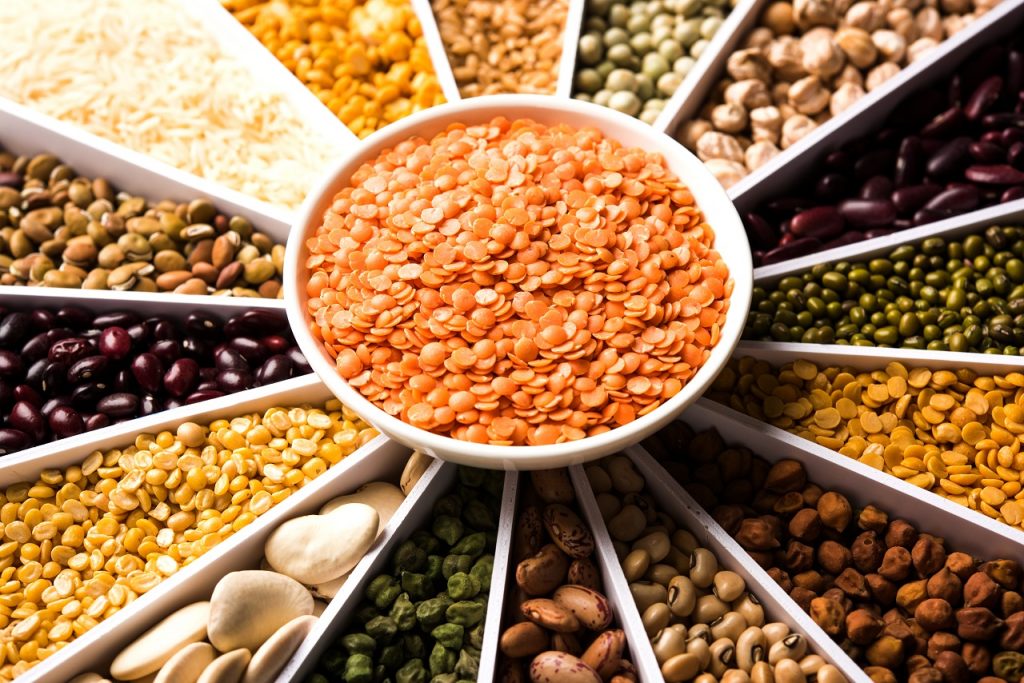
pulses As we celebrate World Food Day this year, focusing on the theme of “Right to Food for a Better Life and a Better Future,” it’s important to highlight the crucial role that pulses can play in achieving food security and promoting better health. Pulses have always been a significant part of the Indian diet, valued for their rich nutritional content, affordability, and availability. They are an excellent source of plant-based protein, fiber, vitamins, and minerals, making them a vital tool in nourishing populations globally.

There are hundreds of varieties of pulses grown worldwide—like Lentils, Dry Beans (Common Beans), Black eyed peas (Cowpeas), Chickpeas, Pigeon peas (Toor Dal), and Kidney Beans—that are not only nutritious but also sustainable and accessible to all. This makes pulses a key to ensuring the right to food and building a better future for everyone.

If “Pulses” was an abbreviation, it could easily stand for:

P – Protein Rich

U – Universally Distributed

L – Low Cost

S – Source of Dietary Fiber

E – Easily Available

Despite being seen as a “poor man’s food” due to their low cost, pulses are a nutritional powerhouse that shouldn’t be ignored. Here’s why pulses are essential for a healthier life and a sustainable future:

7 Reasons to Include Pulses in Your Diet:

  1. Good for all age groups: From infants to the elderly, pulses provide essential nutrients that promote growth, development, and tissue repair, supporting a better quality of life for all.
  2. Affordable and Accessible: Pulses are widely available and affordable for all income groups. This makes them a vital food for ensuring the right to nutritious food, aligning perfectly with the theme of World Food Day.
  3. Heart-Healthy: Low in saturated and trans fat, pulses can help lower cholesterol levels, reduce blood pressure, and maintain a healthy weight. Their heart-healthy benefits contribute to a better life for millions globally.
  4. Reduce Risk of Chronic Illness: Regular consumption of pulses may reduce the risk of chronic diseases such as Diabetes, Cancer, and Heart disease, making them a powerful ally in promoting long-term health.
  5. Long Shelf Life: Pulses, being dried seeds, can be stored for long periods, reducing food waste and loss. This supports global efforts toward food security and sustainability, a core focus of World Food Day.
  6. Rich in Antioxidants: Pulses like Red Kidney Beans are packed with antioxidants that help fight inflammation and boost metabolism, ensuring a healthy body and mind.
  7. Improves Protein Quality When Paired with Cereals: Pulses improve the protein quality of meals when combined with cereals, making them an excellent source of balanced nutrition, especially for those who rely on plant-based diets.

Pulses: A Path to a Better Future

Pulses are not just nutritious and affordable—they also play a significant role in sustainable agriculture. They require fewer resources like water and fertilizers, making them eco-friendly and vital in reducing our environmental footprint. By embracing pulses, we support a sustainable food system that helps ensure everyone’s right to food, paving the way for a better future.

This World Food Day, let’s recognize the value of pulses as a versatile, nutritious, and sustainable food source for all. These reasons should inspire you to stock your kitchen with a variety of pulses and embrace their benefits!

We hope this article helps you! Do leave your thoughts in the comments below! For more articles on nutrition, explore Healthy Reads or speak to a GOQii Coach by subscribing for Personalised Health Coaching here.

#BeTheForce 

Disclaimer: The information provided in this blog is for general awareness and educational purposes only. It is not intended to replace professional medical advice, diagnosis, or treatment. Always consult a qualified healthcare provider for personalised medical guidance or concerns related to your health.

October 8, 2024 By Jigna Sheth 1 Comment

Foods To Eat During Navratri For Better Immunity

navratri fastingNavratri is one of the most celebrated festivals in India and the ways of celebrating it are different in each part. In North and Western India, 9 days of fasting is kept. In Southern India, fasting is not strictly followed but food is made omitting onion and garlic. In Bengal and other parts of Eastern India, along with fasting, Durga Puja is celebrated on a large scale. Also, the much awaited Gujarati special Dandiya and Garba is celebrated during Navratri. Navratri fasting rules vary in all the communities.

Along with fasting, it’s important to keep an eye on our immunity to ensure we stay healthy. Below is a list of foods that can be consumed during Navratri and will help in boosting immunity at the same time.

Foods For Immunity During Navratri Fasting 

Below is a list of foods which can be consumed during Navratri and will help in boosting immunity at the same time.

  1. Water chestnut flour (Singhare ka atta): Singhara is very beneficial because it has refreshing properties. It is rich in protein, iron and magnesium. It has antioxidant properties, treats urine infection, cures indigestion and nausea, relieves cough, helps to combat hypertension, improves the blood and is beneficial for the skin and hair. 
  2. Special rice for fasting made with Millets (Sama ke chawal): It is high in calcium, potassium, digestible fiber, phosphorus and amino acids. Sama Rice is gluten free and has less calories and sugar. Hence, it can be consumed by a diabetic person. It is also a rich source of minerals and vitamins, providing essential ingredients.
  3. Buckwheat flour (Kuttu ka atta): It is a rich source of B Vitamins which improve the skin health and overall functioning of organs. It is immensely rich in fiber – which is extremely important for cleansing the digestive tract. Rich in essential fatty acids, kuttu helps maintain blood pressure and cholesterol levels. To avoid any side effects because of its warm potency, add curd to its flour.
  4. Amaranth Flour (Rajgira ka atta): It is the only grain which contains Vitamin C. It is full of antioxidants, Vit E, Protein, Iron, magnesium, phosphorus and potassium. Has twice the amount of calcium as milk, thereby reducing the risk of osteoporosis. It is good for Diabetes and improves Cholesterol levels.
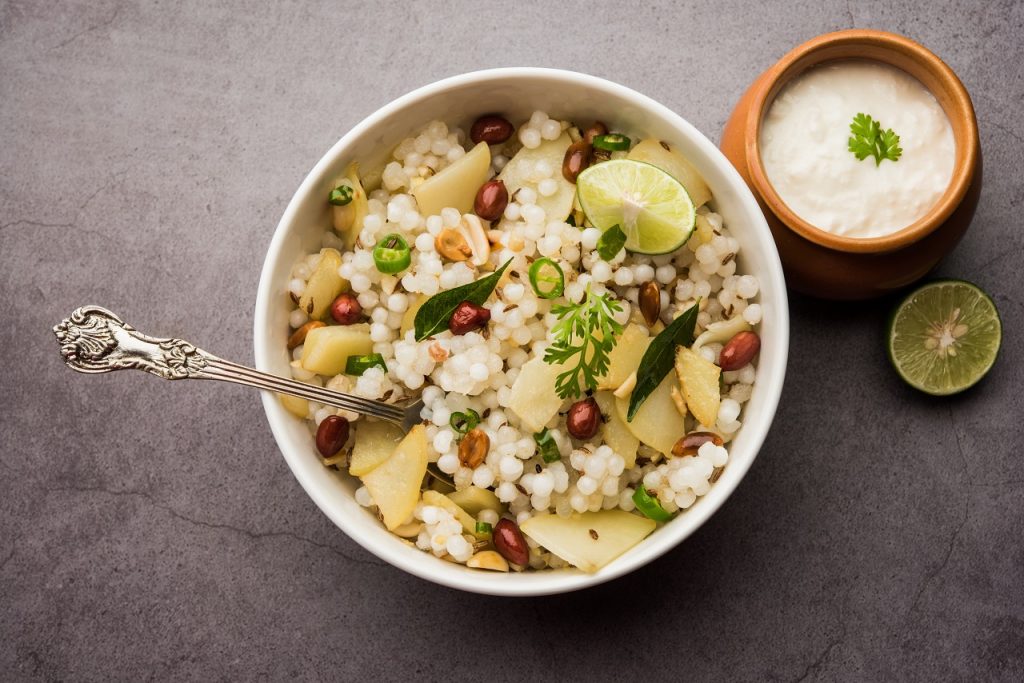
  5. Sago (Sabudana): contains an abundance of Calcium and Vitamin K in it. These two contents make it the perfect food for maintaining bone health and building muscle. It helps in treating anemia and controlling High blood pressure. It is a great source of energy, that is why most of the people opt for it during fasting.
  6. Lotus seeds (Makhana): are low in calories and high in fiber. That’s why it is recommended for diabetic patients too. It regulates appetite, controls untimely cravings, improves gut health, and has an anti-ageing effect. 
  7. Colocasia (Arbi): It is rich in Fiber, has anti-cancer properties and reduces risk of heart health. They are an excellent source of Vitamin C and promote eye health. Helps in delaying the aging process, improves the skin and reduces fatigue.
  8. Nuts and seeds: are an amazing source of many nutrients. Loaded with antioxidants, contain good fats and are rich in fiber. Just a handful of them provide a punch of vitamins, minerals and fats, all of which work together to improve overall health. Include flaxseeds, pumpkin seeds, sunflower seeds, peanuts, cashews, etc. but avoid salted or masala variants and do not consume them if you have allergies to nuts.
  9. Milk, curd and yoghurt: Low fat dairy products cut calories, saturated fat and cholesterol, while protein, calcium, and most other vitamins and minerals remain high in them. It is a good source of Vitamin D. It improves both Dental and Bone health. A glass of plain milk is equivalent to one small meal.
  10. Seasonal fruits: are naturally low in fat, sodium, and calories. Neither of them have cholesterol. They are packed with fiber and micronutrients. They are a good source of antioxidants and Vitamin C – which means better immunity! 
  11. Coconut water and fresh lime water: are the best way to prevent dehydration and are nutrient dense at the same time. They are low in calories, high in Potassium, Calcium and Magnesium. They are energy boosters and a great source of Vitamin C.
  12. Sendha namak ( Rock Salt) and Arrowroot flour: Rock salt provides all the essential trace minerals and greatly improves the body’s immune system. It helps in stabilizing blood pressure because of low sodium content. Arrowroot is a gluten free, powerhouse of B Vitamins and it improves digestive health.
  13. Spices and herbs: vary in all the households. Black pepper powder, coriander leaves, green chillies, shredded coconut flakes can be used to maintain good health! 

Before trying the above food, remember that portion control is a must. Too much of anything can have a negative impact even if that food is good for you. Don’t indulge and overeat. Avoid deep frying completely. Shallow frying or pan frying is still permissible. The best method of preparing these foods is steaming, roasting, sauteing and grilling! 

We hope this article on Navratri fasting foods helps you make smarter choices and eat healthy! For more special Navratri articles and recipes, check out Healthy Reads or you can speak directly to a GOQii Coach by subscribing for Personalised Health Coaching here.

#BeTheForce 

September 29, 2024 By Dr. Viral Thakkar 2 Comments

Your Heart and You: Signs of Heart Disease to Watch Out For

heart diseaseMishita, 55 years old, had been feeling low and depressed for a few months. For the past 2 days, she began experiencing slight restlessness, palpitations, and a suffocating feeling followed by mild chest pain radiating to her left shoulder. Being alone, she called her daughter to share these symptoms. Her daughter immediately alerted a neighbour who had basic knowledge about heart symptoms and helped save Mishita from a major heart attack. Early signs of arteriosclerosis were detected, and with lifestyle changes, Mishita is now happy, healthy, and almost off medication!
How & When Does Heart Disease Develop?

Heart disease often develops over time due to an unhealthy lifestyle. Early signs or symptoms can manifest long before a serious heart issue arises. In my practice, I have seen that the body, including the heart, will give several signs before it deteriorates. It’s up to you how much you listen to your body.

Heart disease describes a range of conditions affecting the heart. It could relate to blood vessels, such as coronary artery disease—especially arteriosclerosis (narrowing of the arteries that supply blood to the heart, which can lead to myocardial infarction)—or arrhythmias (irregular heartbeats due to issues with the heart’s electrical system). Some people are born with heart conditions, such as congenital heart defects. Two major factors that affect heart health are a person’s physiological and emotional constitution.

Psychoneuroimmunology has proven that individuals who are sad, depressed, unhealthy, or unhappy are at greater risk for heart attacks and other diseases. Emotional, mental, and physical well-being are key to leading a healthy life.

Signs To Watch Out For

I’ll be discussing common symptoms of a heart attack, as the number of people affected continues to rise. If you experience any of the following symptoms at any age, it’s crucial to seek medical advice:

  • Chest Pain: Discomfort or pain in the chest, which can be felt on the left, center, or sometimes even the right side, and may radiate to the left shoulder, upper back, jaw, or chin. There are many causes of chest pain unrelated to the heart, but it remains the most common symptom of poor blood flow to the heart cells, leading to a heart attack (myocardial infarction).
  • It can feel like crushing pain or mild discomfort.
  • It might feel heavy, or like the heart is being squeezed. Some may feel a sharp, burning sensation in the chest or upper stomach area.
  • Chest pain may occur during activity, after emotional experiences, or at rest, and may improve with rest or nitroglycerin.
  • Bad indigestion can also cause chest pain, but it doesn’t necessarily indicate heart trouble. However, any symptoms are the body’s way of communicating, so do not ignore them.

Additional symptoms to be aware of include extreme anxiety, fainting, dizziness, nausea, vomiting, palpitations (feeling like your heart is beating too fast or irregularly), shortness of breath, and heavy sweating.

For individuals with comorbidities such as diabetes, hypertension, or high cholesterol, symptoms may include fatigue, shortness of breath, general weakness, or changes in skin color.

Symptoms That Need Cardiac Attention

  1. Shortness of Breath: When the heart can’t pump blood as well as it should, blood backs up in the veins that go from the lungs to the heart. Fluid leaks into the lungs and causes shortness of breath. This is a symptom of heart failure. One may notice shortness of breath during activity, while resting or when lying flat on the back – it might wake you up from sleep.
  2. Continuous coughing or wheezing could be a sign that the fluid is building up in the lungs. One may also cough up mucus that is pink or bloody.
  3. Swelling in the Legs, Ankles, or Feet: because the blood flow slows and backs up in the veins in the legs. This causes fluid to build up in the tissues. One may also experience swelling in the stomach or notice some weight gain. This is mostly seen in congestive cardiac failure.
  4. Narrowed Blood Vessels could mean a higher risk of a heart attack & can occur when cholesterol and other fatty material (plaque) builds upon the walls of the arteries. It is also the cause of hypertension.
  5. Fatigue: Tiredness can have many causes. It could be a sign of heart trouble when one feels so tired that regular activities are not conducted or when the feeling is sudden and leads to severe weakness
  6. Palpitations: If the heart can’t pump blood normally, it may beat faster to try to keep up. It might feel that the heart is racing or throbbing. A fast or uneven heartbeat can also be a sign of arrhythmia. This is a problem with your heart rate or rhythm.

The heart is an organ that never rests until you do. Maintaining a healthy lifestyle is essential for maintaining heart health. Your diet, sleep, stress levels, emotional state, and physical activity all play key roles in your heart’s well-being. If you experience any of the symptoms mentioned above, seek medical attention immediately.

Don’t let the rhythm of your heart be disturbed. In most heart-related cases, prevention is the only cure!

Watch out for Part 2 of this article. For more on heart health, check out Healthy Reads or speak to a certified expert by subscribing to GOQii’s Personalised Health Coaching here.

#BeTheForce

Disclaimer: The information provided in this blog is for general awareness and educational purposes only. It is not intended to replace professional medical advice, diagnosis, or treatment. Always consult a qualified healthcare provider for personalised medical guidance or concerns related to your health.

September 26, 2024 By Hardika Vira 1 Comment

Learn and know the symptoms of Poly Cystic Ovarian Syndrome (PCOS)

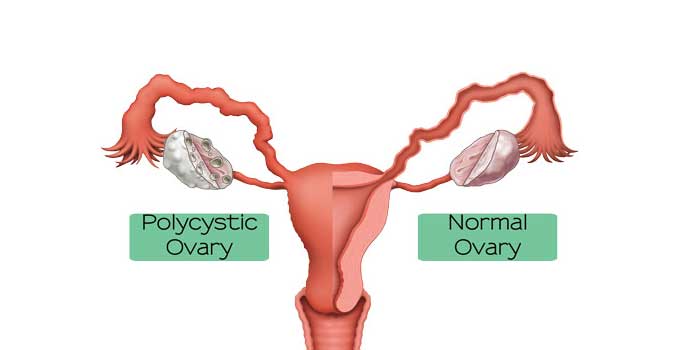
PCOYou must have come across many women among your friends, neighbourhood and even within your family suffering from PCOS, a common endocrine disorder among women of reproductive age. Women with PCOS may have enlarged ovaries that contain small collections of fluid — called follicles — located in each ovary, as seen during an ultrasound exam.



A woman diagnosed with PCOS often feels like she has acquired a severe condition, worrying that she will not be able to conceive, her menstrual cycle will remain irregular, and she will continuously gain weight. These negative thoughts and stress can further worsen the condition. When they visit gynecologists, the treatment often involves oral contraceptives, hormonal pills, insulin sensitizers, and diuretics, which treat the symptoms but do not reverse the condition.

In my 4 years of practice as a dietician, I have encountered many women with PCOS, and by purely implementing lifestyle changes, I have successfully helped them reverse PCOS. Many have also been able to conceive and deliver healthy babies.

To help you better understand and relate to this condition, here is some important information about PCOS and ways to reverse it.

Signs and Symptoms of PCOS:

  1. Irregular or no menses, leading to weight gain
  2. Acne and oily skin
  3. Hirsutism Facial hair growth, abnormal hair growth and distribution
  4. Obesity, which increases insulin resistance and hormonal imbalance
  5. Dandruff or excessive flaky skin
  6. Skin discoloration
  7. Hypercholesterolemia due to poor diet and lifestyle
  8. Hypertension, due to weight gain, which puts pressure on the arteries
  9. Diabetes caused by insulin resistance, leading to weight gain

Causes:

  1. Obesity: Especially abdominal obesity
  2. Stress: Stress and lack of sleep lead to excessive production of cortisol, a stress hormone that raises blood sugar levels and insulin resistance, contributing to belly fat accumulation
  3. Lack of exercise: Physical activity improves insulin sensitivity and glucose uptake, while the release of endorphins (feel-good hormones) reduces cortisol levels
  4. Excessive intake of aerated drinks: These drinks contain high-fructose corn syrup (HFCS), which is not metabolized properly and gets stored as fat, particularly in the abdominal area

What Should the Treatment Be?

A simple lifestyle change can work wonders. A good exercise regime, regular and balanced meal patterns, and a stress-free life can reverse PCOS.

So you would want to know what should be done and how, right?

Some Do’s and Don’ts:                                                                        

1. Meal patterns:

  • Consume whole grain products over refined ones
  • Stop consuming aerated drinks
  • Include a variety of colored vegetables rich in fiber, vitamins, and minerals
  • Drink at least 2-3 liters of water a day
  • Include foods rich in Omega 3 fatty acids like flaxseeds, almonds, nuts, and fatty fish
  • Consume at least 3-4 servings of soy per week, as it is rich in phytoestrogen, which helps improve estrogen levels in women. Processed soy is better as processing removes natural inhibitors.
  • Avoid alcohol consumption

2. Physical activity:

Engage in at least 30 minutes to 1 hour of physical activity daily. This helps produce endorphins, reducing cortisol levels and relieving stress. Exercise also improves glucose uptake, normalizes blood sugar levels, reduces insulin resistance, aids in weight control, increases HDL cholesterol, and lowers blood pressure.

3. Stress reduction:

Stress plays a major role in acquiring lifestyle related disorders

It is very important to keep your stress levels under control.

Ways to reduce stress levels:

  • Getting enough good sleep each day
  • Practicing pranayama (deep breathing exercises)
  • Meditation
  • Pursing hobbies or sports
  • Spending time with loved ones

By maintaining an active body, a peaceful mind, and healthy eating habits, you can reverse many lifestyle-related disorders. The power to change lies within you, and taking small steps towards a better lifestyle can make all the difference.

We hope this article provided valuable insights into managing PCOS. If you’ve found these tips helpful or have your own experiences to share, let us know in the comments below! For more articles on reversing PCOS and improving your overall well-being, check out Healthy Reads, or speak to a certified expert by subscribing to GOQii’s Personalised Health coaching here.

#BeTheForce

Disclaimer: The information provided in this blog is for general awareness and educational purposes only. It is not intended to replace professional medical advice, diagnosis, or treatment. Always consult a qualified healthcare provider for personalised medical guidance or concerns related to your health.

  • « Previous Page
  • 1
  • …
  • 22
  • 23
  • 24
  • 25
  • 26
  • …
  • 82
  • Next Page »

Search

Recent Posts

  • 4 Reasons Why Affirmations Are Not Working For You
  • The Social Side of GLP-1: Navigating “Food Culture” and Peer Pressure
  • Leaky Gut: Symptoms and Causes
  • Muscle Is Your Insurance Policy: Why Strength Predicts Lifespan More Than Cardio
  • The Fiber Gap: Managing Digestion on GLP-1 Therapy

Stay Updated

Archives

  • March 2026 (1)
  • February 2026 (14)
  • January 2026 (14)
  • December 2025 (19)
  • November 2025 (15)
  • October 2025 (20)
  • September 2025 (6)
  • August 2025 (6)
  • July 2025 (12)
  • June 2025 (18)
  • May 2025 (16)
  • April 2025 (22)
  • March 2025 (23)
  • February 2025 (22)
  • January 2025 (25)
  • December 2024 (22)
  • November 2024 (23)
  • October 2024 (21)
  • September 2024 (24)
  • August 2024 (30)
  • July 2024 (21)
  • June 2024 (26)
  • May 2024 (31)
  • April 2024 (27)
  • March 2024 (29)
  • February 2024 (25)
  • January 2024 (21)
  • December 2023 (15)
  • November 2023 (11)
  • October 2023 (19)
  • September 2023 (22)
  • August 2023 (18)
  • July 2023 (22)
  • June 2023 (24)
  • May 2023 (24)
  • April 2023 (23)
  • March 2023 (23)
  • February 2023 (19)
  • January 2023 (15)
  • December 2022 (11)
  • November 2022 (15)
  • October 2022 (15)
  • September 2022 (12)
  • August 2022 (10)
  • July 2022 (17)
  • June 2022 (11)
  • May 2022 (10)
  • April 2022 (6)
  • March 2022 (6)
  • February 2022 (13)
  • January 2022 (11)
  • December 2021 (7)
  • November 2021 (3)
  • October 2021 (6)
  • September 2021 (3)
  • August 2021 (8)
  • July 2021 (7)
  • June 2021 (15)
  • May 2021 (16)
  • April 2021 (10)
  • March 2021 (7)
  • February 2021 (4)
  • January 2021 (4)
  • December 2020 (3)
  • November 2020 (4)
  • October 2020 (10)
  • September 2020 (3)
  • August 2020 (3)
  • July 2020 (2)
  • June 2020 (4)
  • May 2020 (10)
  • April 2020 (12)
  • March 2020 (10)
  • February 2020 (4)
  • January 2020 (4)
  • December 2019 (3)
  • November 2019 (7)
  • October 2019 (5)
  • September 2019 (4)
  • August 2019 (9)
  • July 2019 (9)
  • June 2019 (11)
  • May 2019 (4)
  • April 2019 (8)
  • March 2019 (8)
  • February 2019 (9)
  • January 2019 (8)
  • December 2018 (9)
  • November 2018 (3)
  • October 2018 (3)
  • September 2018 (5)
  • August 2018 (10)
  • July 2018 (6)
  • June 2018 (13)
  • May 2018 (8)
  • April 2018 (18)
  • March 2018 (9)
  • February 2018 (8)
  • January 2018 (15)
  • December 2017 (12)
  • November 2017 (19)
  • October 2017 (13)
  • September 2017 (15)
  • August 2017 (4)
  • July 2017 (8)
  • June 2017 (7)
  • May 2017 (6)
  • April 2017 (8)
  • March 2017 (6)
  • February 2017 (7)
  • January 2017 (9)
  • December 2016 (10)
  • November 2016 (7)
  • October 2016 (7)
  • September 2016 (7)
  • August 2016 (11)
  • July 2016 (9)
  • June 2016 (9)
  • May 2016 (12)
  • April 2016 (17)
  • March 2016 (17)
  • February 2016 (8)
  • January 2016 (6)
  • December 2015 (2)
  • November 2015 (9)
  • October 2015 (7)
  • September 2015 (9)
  • August 2015 (11)
  • July 2015 (9)
  • June 2015 (12)
  • May 2015 (9)
  • April 2015 (13)
  • March 2015 (8)
  • February 2015 (5)
  • January 2015 (12)
  • December 2014 (14)
  • November 2014 (11)
  • October 2014 (6)
  • September 2014 (13)
  • August 2014 (12)
  • July 2014 (6)
  • June 2014 (2)
  • May 2014 (7)
  • April 2014 (5)

From “Laddu Nawin” to Fit and Fierce: How a 25-Year-Old Insurance Advisor Shed 20 Kilos and Gained His Life Back

When 25-year-old Nawin Yadav from Hyderabad walked into his office every morning, he carried more than just his files and policy papers. He had the weight of fatigue, sluggish energy, and an ever-growing belly that was becoming the butt of jokes. “People … [Read More...]

“I’ve Challenged Myself to Live 100 Years” – The Story of Chandubhai Savani’s Second Chance at Life

At 67, most people start slowing down. Not Chandubhai Savani. A resident of Surat, Chandubhai, thought life was on track. “My life was going well till I had my bypass surgery,” he says. That surgery, back in 2021, was a wake-up call.  Medication was routine, but exercise wasn’t. His diet? What he calls ‘normal.’ “I […]

From Shimla’s Slopes to Chandigarh’s Sidewalks: Surinder Kaur Bhalla’s Journey from Chaos to Control

Some journeys start with a plan. Others begin with a stumble literally. Surinder Bhalla, a government professional, born and raised in the scenic hill town of Shimla, had always lived a life of movement. “In Shimla, you walked everywhere,” she reflects. “Walking was never an exercise. It was just life.” But after shifting to Chandigarh, […]

Ananda Mukherjee Health Story

From Terminal Illness To Complete Wellness! Ananda Mukherjee Health Story

As we observe World Cancer Day under the powerful theme ‘United by Unique’ (2025-2027)**, we are reminded that every individual’s journey with cancer is distinct, yet united by shared resilience, hope, and the collective fight against this disease. This theme places people at the centre of care and their stories at the heart of the […]

  • HOME
  • HEALTHY LIVING
  • FITNESS
  • HEALTHY RECIPES
  • USER STORIES
  • KARMA
  • BUY GOQii

Copyright ©2016 GOQii
