GOQii

Blog

  • HOME
  • HEALTHY LIVING
  • FITNESS
  • HEALTHY RECIPES
  • USER STORIES
  • KARMA
  • BUY GOQii

Search Results for: carb

June 30, 2023 By Palak Mittal 11 Comments

How To Break a Weight Loss Plateau

weight loss plateau

You have been working hard on your weight loss journey by following a healthy, low-calorie diet and improving your exercise habits. Your reward has been watching your weight go down on the weighing scale. Now, at some point, your weight stops decreasing! The weighing scale doesn’t tip in your favor anymore and you’re left frustrated! Don’t worry. You’ve just hit a weight loss plateau.

It’s pretty common and nothing to get discouraged about. It is normal for weight loss to slow down and even stall. But, by understanding what causes a weight loss plateau, you can decide how to respond and avoid backsliding on your new healthy habits.

Here are some ways you can overcome a weight loss plateau to stay on track and keep going!

How Can You Overcome a Weight Loss Plateau?

When you reach a plateau, you may have lost all of the weight you can on your current diet and exercise plan. Ask yourself if you’re satisfied with your current weight or if you want to lose more. In which case, you’ll need to adjust your weight loss program.

If you’re committed to lose more weight, try these tips for getting past the plateau:

1. Drop Your Calorie Intake

To cut down fat, a calorie deficit diet is needed. Consume fewer calories than you burn per day. Maintain a food journal to track your calories. Then slowly reduce your calorie intake by 500 calories per day to boost fat loss. Fat percentage can be measured either by using callipers or with the BCA machine.

2. Rotate Your Workout Routine

Have you been addicted to the treadmill and cross training for the past 4 months? It’s time to switch! Once your muscles become familiar with the same old workout, it makes your regular routine less effective. To see a change in body fat, you have to get outside your fitness comfort zone. Introduce High Intensity Interval Training (HIIT) to burn body fat effectively. Try a total-body circuit. Instead of a basic sprint interval, you’ll work your entire body which will boost your metabolism. Also note that you need to progress slowly and deliberately when incorporating high-intensity exercise into your routine. Doing too much too fast can leave you too sore, tired or even injured.

3. Eat More Protein
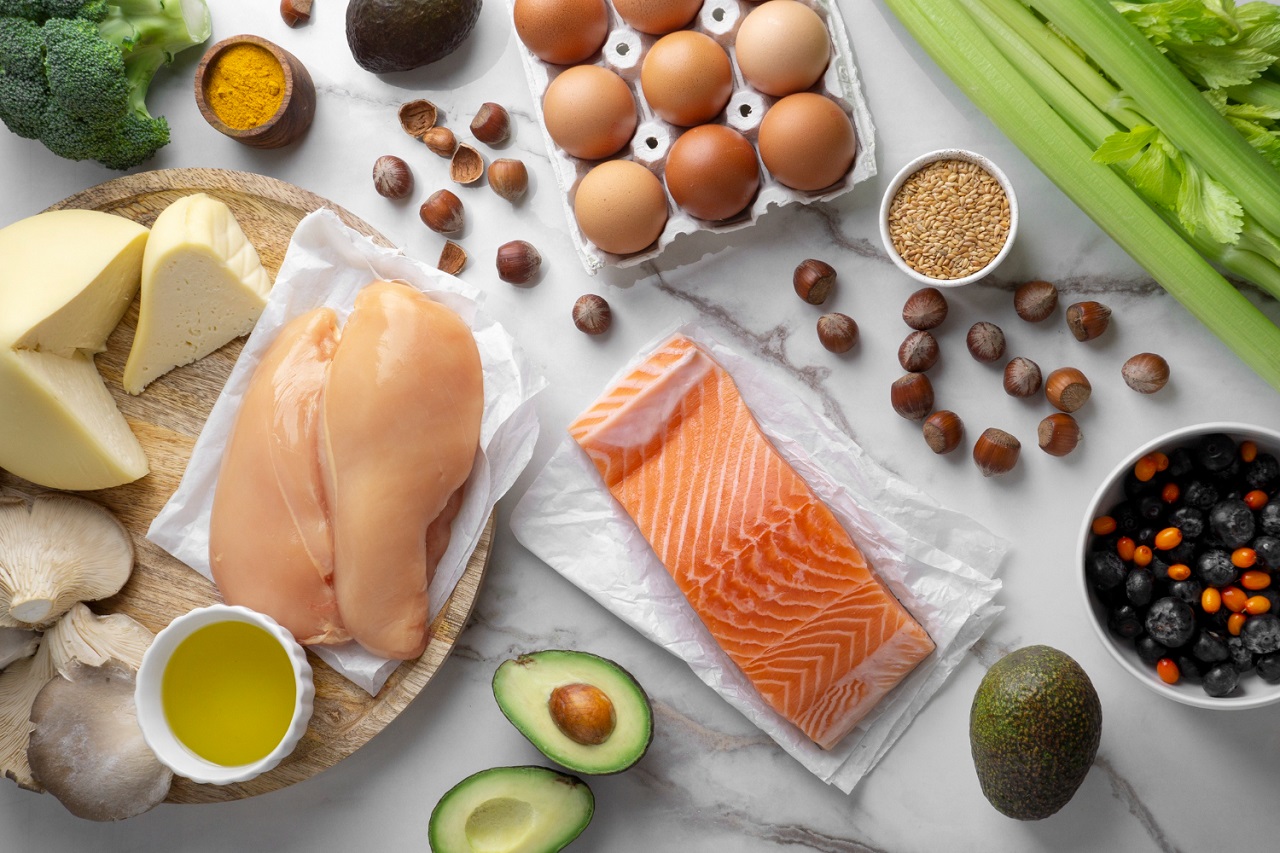
Weight Loss Plateau - Eat more proteinProtein is essential to fat loss, as it maintains your muscle during a calorie deficit. It keeps you satiated, which prevents overeating and snacking on junk food. Also, it boosts your calorie burn throughout the day because takes more energy to digest as compared to carbs or fat. Eat at least one gram of protein per pound of bodyweight every day and get your protein from whole sources like nuts, eggs, lean meats, yogurts, and quality protein powders.

4. Eat More Healthy Fats

To lose more fat, eat more fat. This might seem absurd but healthy fats such as animal fats, real butter, coconut oil, nuts, and avocados actually make you leaner and more muscular—they keep you full & maintain your good testosterone levels. Eating healthy fats force you to lower your carbohydrate intake. Get at least 30 percent of your calories from good sources of fat and never consume artificial fats, which can cause health problems like heart disease.

5. Stay Hydrated

Hydration is important as your body often craves food even when you are mildly dehydrated. We are often confused whether we are thirsty or hungry because the symptoms of hunger and thirst are similar. Aim to drink 2-3L of water per day plus additional fluids lost during activity.

6. Try Intermittent Fasting

Intermittent fasting increases fat oxidation, which promotes more fat loss. Also, fasting along with exercise boosts the insulin sensitivity, helping your body send nutrients to muscle rather than fat. Fasting during a calorie-restricted diet can lead to weight loss.

7. Get Plenty of Sleep

Insufficient sleep can interfere with weight loss by reducing your metabolic rate and shifting your hormone levels to promote hunger and fat storage. Hence, have at least 7-8hrs of good quality sleep.

8. Eat Your Veggies

Breaking weight loss - Eat more veggiesVegetables are loaded with important nutrients and are low in calories and carbs. The fiber in your greens aids digestion and also provide your body the essential antioxidants it needs. Including them might help you break through the weight loss plateau.

9. Don’t Rely on a Weighing Scale

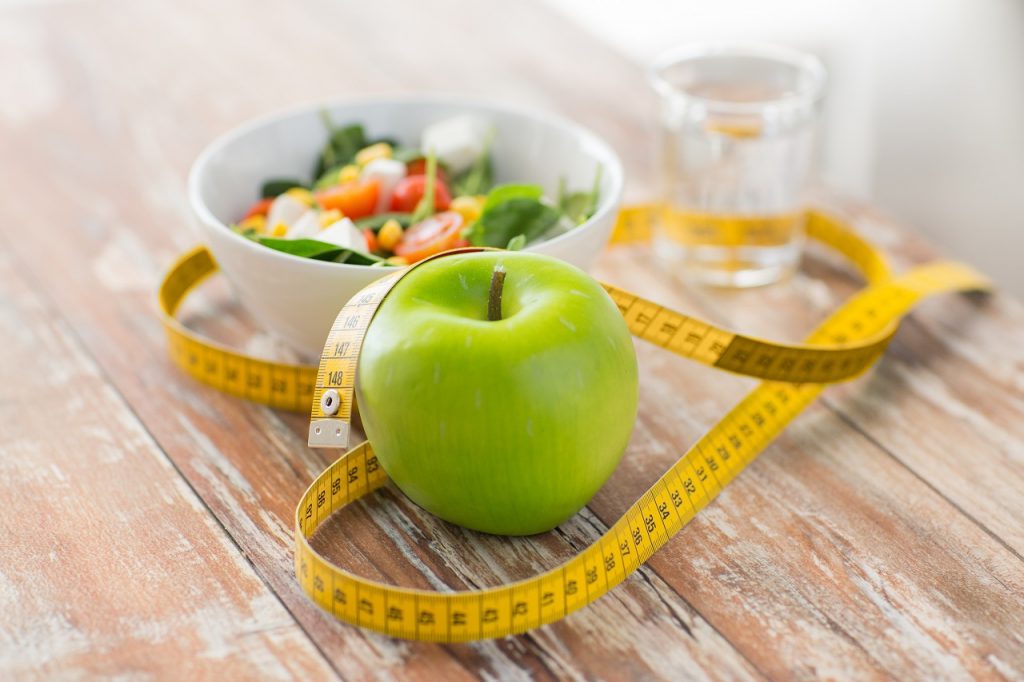
The numbers flashing on your weighing scale might be misleading because it does not reflect the loss of body fat. Instead, focus on how you feel, whether your old clothes fit you or if your measurements have changed.

10. Check for Medical Conditions

If you’re still stuck on the weight loss plateau despite all your efforts, then you might need to check for a medical condition. Check your thyroid levels, hormonal imbalance, PCOD, or for Vitamin deficiencies such as Vitamin D or B12. You will first need to correct a medical issue to lose more weight.

Stress also plays a part in weight loss as it raises the level of cortisol in the body which in turn increases weight. Most important of all, don’t get demotivated and work towards your goals. The weight loss plateau is a part of the journey and with the right direction, you can overcome it!

If this article helped you, let us know your thoughts in the comments below! You can also find more articles on weight loss here. If you want to overcome a weight loss plateau and need some advice or guidance, reach out to our experts by subscribing to GOQii’s Personalised Health Coaching here.

#BeTheForce
June 18, 2023 By Neha Kapoor 5 Comments

Rise From Calorie Counting To Be Your Own Dietitian

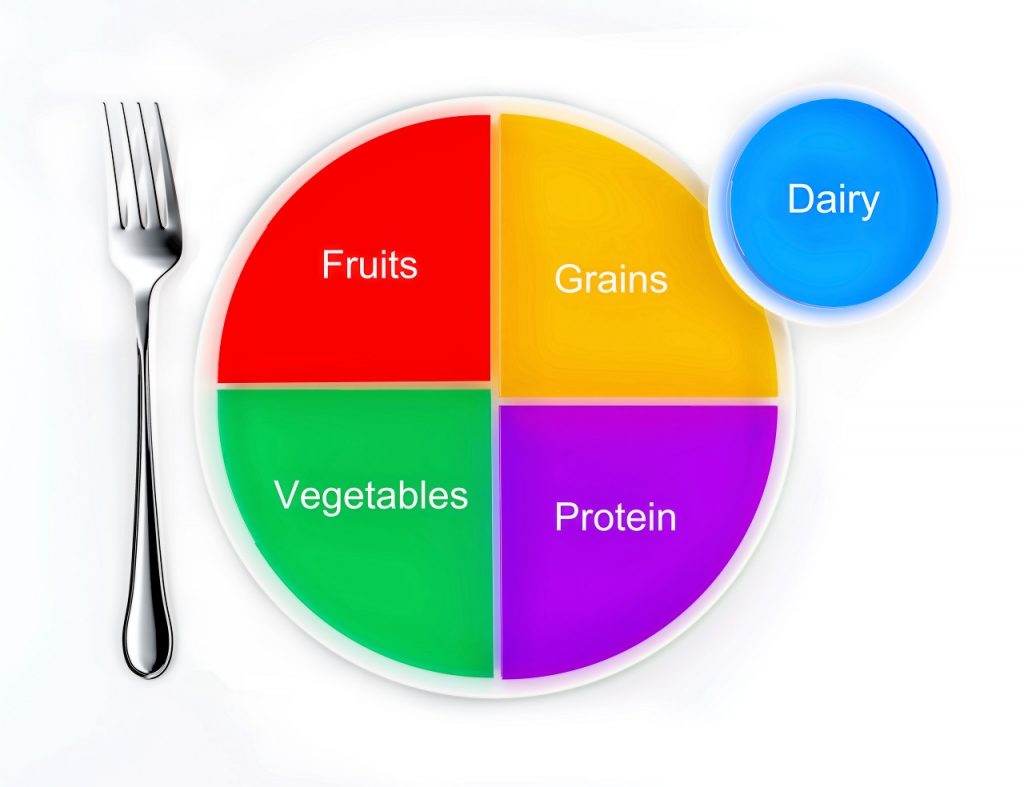
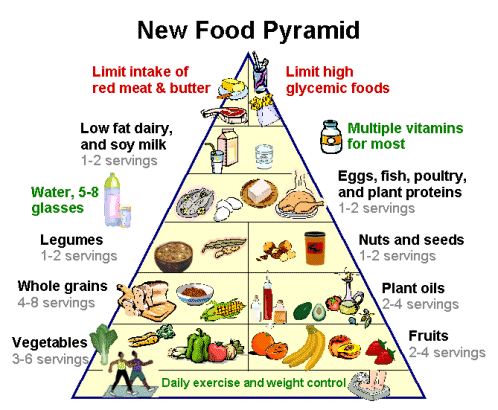
food pyramidDo you know the long kept “Secret of Diet”? Have you heard about it? In this article I would like to share it with you. It is a mantra to facilitate weight loss, regulate diabetes, hypertension and many such diseases taking good care of your immune system as well as vital organs. I am sure you must be familiar with these idioms i.e. “Food Pyramid” and “My plate”. If you are, I will be representing it from a different perspective. These are our main tools to plan a daily diet.
The Importance of Food Pyramid & My plate

The main idea behind the design of the food pyramid is to make our healthy eating experience much easier. When starting a new healthy diet, people need to know if they are consuming the right amount of the basic nutrients such as protein, fat, and carbohydrate, which is where the importance of the food pyramid and my plate comes in.

The food pyramid contains several sections of foods which are usually grouped according to their nutrient’s similarity. This actually helps you with a larger option to choose from. This way, you are not stuck to one particular food when there’s a whole world of options out there.

How To Use It? 

  1. Keeping this picture in front of you can help in making healthier choices with the number of servings you should ideally take in a day.
  2. Now next step is to understand My Plate which makes things pretty clear.

My Plate

The beauty of My Plate is in using a plate icon to “measure” the relative portion sizes of what you’re eating.

  • My Plate is a food icon that serves as a powerful reminder to make healthy food choices and to build a healthy plate at mealtimes.
  • It is a visual cue that identifies the five basic food groups that are: Fruits-20%, Vegetables-30%, Protein group-20%, and grains 30% and a bowl of dairy products.

What to Put on Your Plate?

  • Eating the My Plate way means filling half your plate with vegetables and fruits, adding slightly more veggies than fruits (Due to sugar content).
  • Go for a colourful mix. You’ll get plenty of nutrients that way.
  • You should fill the other half of your plate with lean protein and grains, using slightly more grain than protein. For instance, lean cuts of chicken and other meat, fish, beans and peas, tofu, eggs, nuts and seeds (use sparingly).
  • Whole grains should make up at least half of your grains. That means choosing brown rice instead of white rice, whole wheat flour or multigrain or millets instead refined flours for instance. If weight loss is a goal make grains 20%.
  • The My Plate icon also shows a glass of milk/ buttermilk near your “plate.” It’s a reminder to include dairy (mostly fat-free or low-fat) in your diet. A2 or organic milk is essentially chemical-free and healthier as the cows are fed grass or organically cultivated fodder. Calcium-fortified soy milk also counts.

Dietary Guidelines of My Plate

Making food choices for a healthy lifestyle can be as simple as using these tips. Use the ideas in this list to balance your calories (energy coming from food), to choose foods to eat more often, and to cut back on foods to eat less often.

  1. Enjoy your food, but eat less: Take the time to fully enjoy your food as you eat it. Eating too fast or when your attention is elsewhere may lead to eating too many calories (overeating). Pay attention to hunger and fullness cues before, during, and after meals. Use them to recognize when to eat and when you’ve had enough.
  2. Avoid oversized portions: Use a smaller plate, bowl, and glass. Portion out foods before you eat. When eating out, choose a smaller size option, share a dish, or take a part of your meal home.
  3. Foods to eat more often: Eat more vegetables, fruits, whole grains, and fat-free or 1% milk and dairy products. These foods have the nutrients you need for health – including potassium, calcium, vitamin D, and fiber. Make them the basis for meals and snacks.
  4. Make half your plate salad and vegetables: Choose red, orange, and dark-green vegetables like tomatoes, sweet potatoes, and broccoli, along with other vegetables for your meals. Add salad to meals.
  5. Switch to fat-free or low-fat (1%) milk: They have the same amount of calcium and other essential nutrients as whole milk, but fewer calories and less saturated fat.
  6. Make half your grains whole grains: To eat more whole grains, substitute a whole-grain product for a refined product-such as eating whole wheat bread instead of white bread or brown rice instead of white rice, whole wheat flour or millets instead refined ones.
  7. Foods to eat less often: Cut back on foods high in solid fats, added sugars, and salt. They include cakes, cookies, ice cream, candies, sweetened drinks, pizza, and fatty meats like ribs, sausages, bacon, and hot dogs. Use these foods as occasional treats, not everyday foods. Natural sugars like jaggery, honey, pure maple syrup are better choices.
  8. Compare sodium in foods: Use the Nutrition Facts label to choose lower sodium versions of foods like soup, bread, and frozen meals. Select canned foods labelled “low sodium,” ”reduced sodium,” or “no salt added.”
  9. Drink water instead of sugary drinks: Cut calories by drinking water or unsweetened beverages. Soda, energy drinks, and sports drinks are a major source of added sugar, and calories, in American diets.

Do give it a try and share your experience in the comments below. After getting familiar with this tool, we really don’t need any diet charts. Stick the pictures in your kitchen and plan any day meal without any hassle.

You can find more useful information on nutrition here. You can also get this information directly from an expert by subscribing to GOQii’s Personalised Health Coaching here.

#BeTheForce 

June 12, 2023 By Mohammed Tufail Qureshi 1 Comment

All You Need To Know About Creatine

CreatineIf you regularly workout in the gym chances are that often you could get some sorts of advice in terms of what you should be eating, which is the right protein supplement that you should take, etc. Getting advice is one thing and but, nobody should take any supplement or put anything in their body without weighing the benefits and risks first. This goes for everything from beer to marshmallows to the amazing amino acid called Creatine.
What Is Creatine?

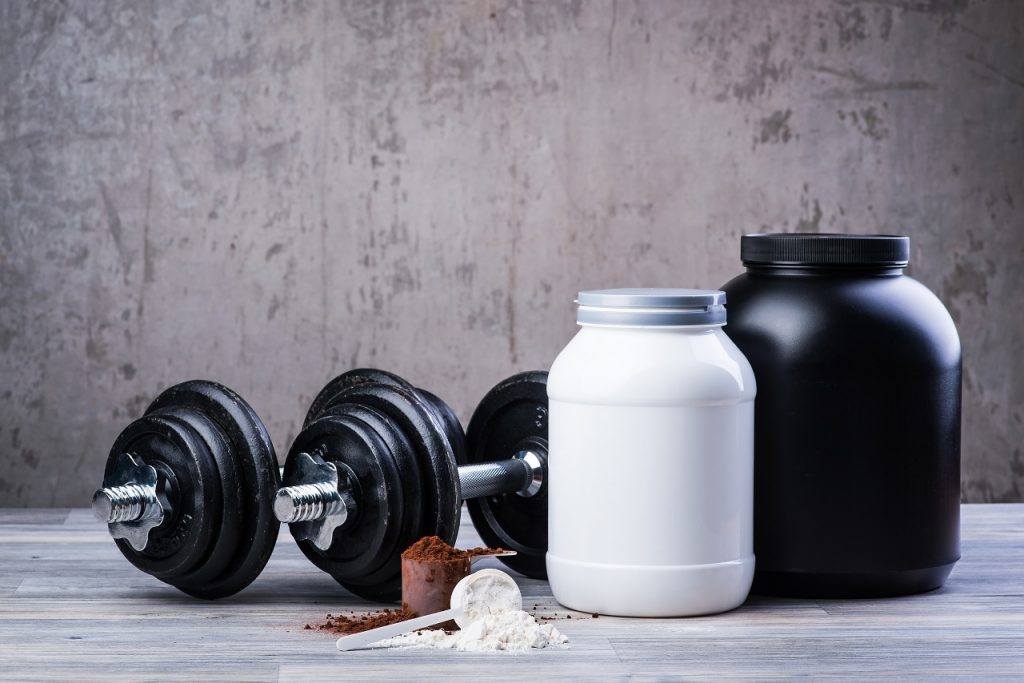
Creatine is a combination of three different amino acids, glycine, arginine, and methionine. Creatine is a well known substance, and while it offers benefits in terms of muscle and strength gain, it can also generate an energy boost that assists muscle recovery and decreases muscle fatigue.

When you take creatine in the powder form – it is in your blood stream for about 1 – 1.5 hours. For muscle growth, the creatine must be absorbed into the muscles. If you are working out and deplete your creatine supply in your muscles and you have creatine available in the blood stream, your muscles can replenish their creatine supply from the creatine in your blood.

How Does Creatine Help You? 

It is a naturally present nutrient in foods like meat, to some extent in certain types of fish but in low quantity. It gets stored in the muscle & regenerates ATP to produce explosive power output. Everyone from gym users, bodybuilders, power sports players to endurance athletes can see lean muscle gains, increased endurance, speedy recovery and improved performance with creatine.

When Should You Take Creatine? 

It is recommended to take creatine monohydrate with a simple carbohydrate source to help it absorb more quickly. A good time to take creatine would be right after your workout and early morning after waking up. It is highly absorbed post workout and first thing in the morning.

On rest days, creatine can help muscle recovery and can be consumed early morning after waking up along with simple carbs.

Creatine draws water to the muscles, so if you are not drinking enough water, dehydration and muscle cramps can be an issue. Also, due to the accumulation of creatine in the small intestine, you may experience stomach pains, diarrhea and an upset stomach. So drinking water and proper dosage is highly recommended.

Best taken in a cycle, 2 months on and 1 month off – 5gm/day.

If this article helped you, let us know in the comments below. You can find more articles on fitness here. To get more expert advice like this, speak to a GOQii Coach by subscribing to Personalised Health Coaching here.

#BeTheForce

June 5, 2023 By Hajra Mithani 1 Comment

Dietary Supplements For Bodybuilding: Who Needs Them and When

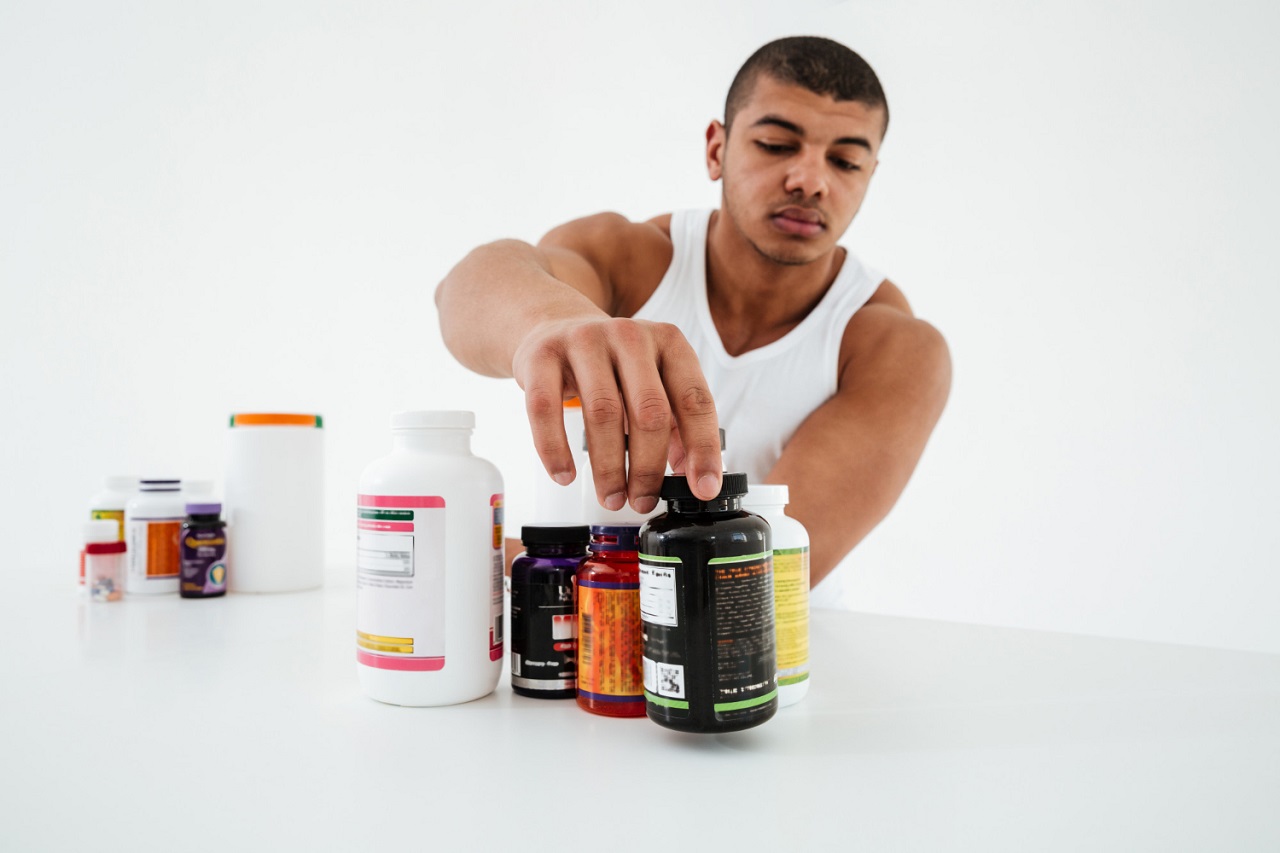
dietary supplementsWith everyone focusing on their health, we’re also getting to hear about dietary supplements which improve our health or build our bodies and we’re probably consuming them without knowing their uses or side effects as well. There are many young athletes who want to excel at their respective sport but most of them haven’t mastered the art of proper eating behaviors to sustain a healthy lifestyle. Influenced by peers, social media or ads which claim incredible effects, there are many people who are turning to these dietary supplements. 
What Are Dietary Supplements? 

Nutritional or dietary  supplements are basically taken to meet our nutritional requirements. These include: 

  • Whey Protein 
  • Casein 
  • BCAA (Brand Chain Amino Acid) 
  • L-Arginine 

1. Whey Protein
Whey is essentially a milk protein consisting of essential amino acids which are absorbed quickly by the body. It is one of the safest proteins out there and can be used by beginners as well as bodybuilders. It’s purpose is to fulfill your daily protein requirement whether you workout or don’t. It promotes lean muscle mass growth and helps with muscle protein synthesis. Just ensure that you buy it from authentic sources because of adulteration and avoid any variants which have added sugars. If your purpose is to lose weight, start with a weight training regime along with whey protein consumption. Ideal time to consume whey is within 15 mins after your workout.

2. Creatine
It is an amino acid found in the muscle cells which is responsible for producing energy through the anaerobic pathway. It boosts power, helps improve strength, increase lean muscle mass and helps the muscle recover more quickly during exercise. There should be a good intake of water and the person must follow a proper diet for creatine to be absorbed by the body. Creatine supplements should not be taken along with food. Creatine doesn’t give instant effect and it should be taken in regular cycles. This is not for everyone though. Avoid using it if you’re a beginner as your muscle density isn’t built as much as an intermediate or advanced level bodybuilder. It should be taken post your workout within 20-30 minutes. Please note that too much creatine can harm your body so use it in moderation.  

3. BCAA
BCAA are a group of 3 essential amino acids: leucine, isoleucine and valine. They increase protein synthesis and muscle growth, reduce fatigue, reduce tiredness after exercising, prevent muscle loss, rapidly absorbed by the body and provide additional fuel for working muscles.

The ideal time to consume BCAA is during exercises when sports drinks/carbohydrates are not required. It can be mixed with water and consumed.

4. L-Arginine
It is needed in the synthesis of most of the proteins and hence it helps increase muscle mass. In simpler terms, it expands your blood vessels, allowing more blood flow to reach your muscles which help you get a good pump during your workout. It’s great as a pre-workout supplement as it supports your body during workouts. A bodybuilder, strength or endurance athlete can take L-Arginine. The ideal time to consume L-Arginine is 30 minutes before a workout.  

All of the above supplements are readily available on the GOQii Health Store – within the GOQii App. Remember that supplements cannot replace proper meals. So follow a proper diet and back it up with dietary supplements depending on your goal.

We hope this article helps you! Find more articles on fitness and nutrition here. You can also get all this information and more, directly from a GOQii Coach by subscribing to Personalised Health Coaching here. 

#BeTheForce

  • « Previous Page
  • 1
  • …
  • 42
  • 43
  • 44
  • 45
  • 46
  • …
  • 95
  • Next Page »

Search

Recent Posts

  • 4 Reasons Why Affirmations Are Not Working For You
  • The Social Side of GLP-1: Navigating “Food Culture” and Peer Pressure
  • Leaky Gut: Symptoms and Causes
  • Muscle Is Your Insurance Policy: Why Strength Predicts Lifespan More Than Cardio
  • The Fiber Gap: Managing Digestion on GLP-1 Therapy

Stay Updated

Archives

  • March 2026 (1)
  • February 2026 (14)
  • January 2026 (14)
  • December 2025 (19)
  • November 2025 (15)
  • October 2025 (20)
  • September 2025 (6)
  • August 2025 (6)
  • July 2025 (12)
  • June 2025 (18)
  • May 2025 (16)
  • April 2025 (22)
  • March 2025 (23)
  • February 2025 (22)
  • January 2025 (25)
  • December 2024 (22)
  • November 2024 (23)
  • October 2024 (21)
  • September 2024 (24)
  • August 2024 (30)
  • July 2024 (21)
  • June 2024 (26)
  • May 2024 (31)
  • April 2024 (27)
  • March 2024 (29)
  • February 2024 (25)
  • January 2024 (21)
  • December 2023 (15)
  • November 2023 (11)
  • October 2023 (19)
  • September 2023 (22)
  • August 2023 (18)
  • July 2023 (22)
  • June 2023 (24)
  • May 2023 (24)
  • April 2023 (23)
  • March 2023 (23)
  • February 2023 (19)
  • January 2023 (15)
  • December 2022 (11)
  • November 2022 (15)
  • October 2022 (15)
  • September 2022 (12)
  • August 2022 (10)
  • July 2022 (17)
  • June 2022 (11)
  • May 2022 (10)
  • April 2022 (6)
  • March 2022 (6)
  • February 2022 (13)
  • January 2022 (11)
  • December 2021 (7)
  • November 2021 (3)
  • October 2021 (6)
  • September 2021 (3)
  • August 2021 (8)
  • July 2021 (7)
  • June 2021 (15)
  • May 2021 (16)
  • April 2021 (10)
  • March 2021 (7)
  • February 2021 (4)
  • January 2021 (4)
  • December 2020 (3)
  • November 2020 (4)
  • October 2020 (10)
  • September 2020 (3)
  • August 2020 (3)
  • July 2020 (2)
  • June 2020 (4)
  • May 2020 (10)
  • April 2020 (12)
  • March 2020 (10)
  • February 2020 (4)
  • January 2020 (4)
  • December 2019 (3)
  • November 2019 (7)
  • October 2019 (5)
  • September 2019 (4)
  • August 2019 (9)
  • July 2019 (9)
  • June 2019 (11)
  • May 2019 (4)
  • April 2019 (8)
  • March 2019 (8)
  • February 2019 (9)
  • January 2019 (8)
  • December 2018 (9)
  • November 2018 (3)
  • October 2018 (3)
  • September 2018 (5)
  • August 2018 (10)
  • July 2018 (6)
  • June 2018 (13)
  • May 2018 (8)
  • April 2018 (18)
  • March 2018 (9)
  • February 2018 (8)
  • January 2018 (15)
  • December 2017 (12)
  • November 2017 (19)
  • October 2017 (13)
  • September 2017 (15)
  • August 2017 (4)
  • July 2017 (8)
  • June 2017 (7)
  • May 2017 (6)
  • April 2017 (8)
  • March 2017 (6)
  • February 2017 (7)
  • January 2017 (9)
  • December 2016 (10)
  • November 2016 (7)
  • October 2016 (7)
  • September 2016 (7)
  • August 2016 (11)
  • July 2016 (9)
  • June 2016 (9)
  • May 2016 (12)
  • April 2016 (17)
  • March 2016 (17)
  • February 2016 (8)
  • January 2016 (6)
  • December 2015 (2)
  • November 2015 (9)
  • October 2015 (7)
  • September 2015 (9)
  • August 2015 (11)
  • July 2015 (9)
  • June 2015 (12)
  • May 2015 (9)
  • April 2015 (13)
  • March 2015 (8)
  • February 2015 (5)
  • January 2015 (12)
  • December 2014 (14)
  • November 2014 (11)
  • October 2014 (6)
  • September 2014 (13)
  • August 2014 (12)
  • July 2014 (6)
  • June 2014 (2)
  • May 2014 (7)
  • April 2014 (5)

From “Laddu Nawin” to Fit and Fierce: How a 25-Year-Old Insurance Advisor Shed 20 Kilos and Gained His Life Back

When 25-year-old Nawin Yadav from Hyderabad walked into his office every morning, he carried more than just his files and policy papers. He had the weight of fatigue, sluggish energy, and an ever-growing belly that was becoming the butt of jokes. “People … [Read More...]

“I’ve Challenged Myself to Live 100 Years” – The Story of Chandubhai Savani’s Second Chance at Life

At 67, most people start slowing down. Not Chandubhai Savani. A resident of Surat, Chandubhai, thought life was on track. “My life was going well till I had my bypass surgery,” he says. That surgery, back in 2021, was a wake-up call.  Medication was routine, but exercise wasn’t. His diet? What he calls ‘normal.’ “I […]

From Shimla’s Slopes to Chandigarh’s Sidewalks: Surinder Kaur Bhalla’s Journey from Chaos to Control

Some journeys start with a plan. Others begin with a stumble literally. Surinder Bhalla, a government professional, born and raised in the scenic hill town of Shimla, had always lived a life of movement. “In Shimla, you walked everywhere,” she reflects. “Walking was never an exercise. It was just life.” But after shifting to Chandigarh, […]

Ananda Mukherjee Health Story

From Terminal Illness To Complete Wellness! Ananda Mukherjee Health Story

As we observe World Cancer Day under the powerful theme ‘United by Unique’ (2025-2027)**, we are reminded that every individual’s journey with cancer is distinct, yet united by shared resilience, hope, and the collective fight against this disease. This theme places people at the centre of care and their stories at the heart of the […]

  • HOME
  • HEALTHY LIVING
  • FITNESS
  • HEALTHY RECIPES
  • USER STORIES
  • KARMA
  • BUY GOQii

Copyright ©2016 GOQii