GOQii

Blog

  • HOME
  • HEALTHY LIVING
  • FITNESS
  • HEALTHY RECIPES
  • USER STORIES
  • KARMA
  • BUY GOQii

Search Results for: carb

December 20, 2023 By Trupti Hingad Leave a Comment

Breathe Easy Through Pregnancy: A Guide to Prenatal Breathing Techniques

As you enter motherhood after conceiving, there are a lot of tips given to pregnant women on what to eat, how to stand, sit, how to sleep and so on.

But, one of the most important things to learn during pregnancy is how to breathe. The correct breathing technique makes a world of a difference because it helps every cell. Hence mother-to-be can master the techniques throughout pregnancy. Breathing is very important during pregnancy as it ensures efficient removal of waste from the body as well as get a plentiful supply of oxygen for both the mother and child. Effective breathing purifies and calms the nervous system and induces a feeling of pleasant well-being.

One can learn the following practices throughout pregnancy so that at the time of labour they become second nature.

Let me list down the types of breathing that can be practised during pregnancy.

Equal Breathing: While standing, sitting or lying down, breathe in fully, slowly and rhythmically, without jerks, using the whole respiratory system of the abdomen, chest, pharynx and nose. Breathe out an equal number of counts. Concentrate on breathing in = life-giving air and breathing out. A feeling of peacefulness or quietness floods in. This technique has a great advantage to relax during labour. This gentle breathing helps to relax the uterine muscles and diverts the mind.

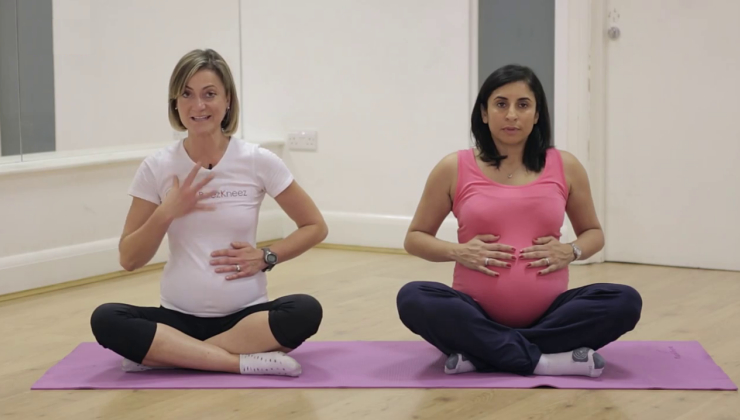
Diaphragmatic Breathing: While lying down on the back, flex the knees and keep the feet flat on the ground or bed. Keep one hand on the abdomen and keep one beside you. Slowly concentrate on the abdomen rising rhythmically with each inhalation and relaxation during exhalation. Thus, feel the abdomen rising and falling with breathing. Count up to ten seconds. Do not use force or jerks while inhaling. It helps to deal with stress for the Mother-to-be. The diaphragm muscle is supposed to rhythmically massage the organs of the body. The massage gently encourages blood flow, lymph flow, nutrient delivery, and waste removal in the organs and all tissues of the body, including tissues in the womb.  It also helps one deal with Shortness of Breath.

Chest Level Breathing: Place your hands on your chest, below your collarbone. In addition, you can have your partner place one hand at the same level on your back. Now breathe in and out through your mouth up to your hands, a shallow, slow and gentle breath. The rib cage and thoracic cavity expand to the sides, front and back for each inhalation and exhalation.  Do about 10-12 breaths in 30 seconds. If you exceed 12 breaths, then slow down.

Jaw Level Breathing – “OUT”: The jaw level breathing entails simply saying the word OUT with stress on T. Do not worry about your breathing; it will take care of itself as you say the word. Count about 20-25 breaths in 30 seconds.

Rechaka Pranayam or Expulsion Breathing: Breathing out and maximizing exhalation is a secret of relaxation while in labour. Breathe in for a count of four seconds or as convenient and slowly breath out for double the count. Again, take one breath in and breathe out for double the count. This can be done whenever a contraction is felt in the first stage of labour, while the opening of the cervix is dilating. An alternative to the same is to breathe in air and while exhaling, hum Aum or any pleasing sound. Singing works on the same principle of exhalation. Mental relaxation and peace are felt.

Blowing: At times breathing in from the nose, blowing out through the mouth and repeating the whole procedure, helps a great deal. Retaining breath and thrashing around with anxiety and clutching onto things can cause tension, exhaustion and discomfort. The secret is to LET GO! You are in a partnership with your baby to help them to emerge gracefully.

The Second Stage of Labour: When the mouth of the uterus is dilated completely, is the time of actual active pushing, not before that. When the contractions come, the breathing technique at that time would be to take a breath, hold it in and push down hard as if one is expelling a hard bowel movement. While the contraction lasts, again take in a deep breath, hold it in and push as long as possible. Do these two or three times during a contraction. Between contraction, the mother should relax in abdominal breathing. Continue till the baby is out. Soon you will hear the cry of your baby.

During the Third Stage of Labour: This stage of delivery is of the placenta. Breathe normally. It usually separates and comes within five or fifteen minutes. Slight uterine contractions may be felt during this period as the placenta slips out. This is the time to relax well. There should be relaxed joyful feeling throughout.

Benefits of Breathing Exercise:

  1. Calm deep breathing can help you deal with morning sickness in early pregnancy
  2. Deep breathing can help you fall in deep and rejuvenating sleep. Deep breathing with active visualization of images of your muscle groups relaxing can put your body in a state of relaxation. After this, one can imagine the healthy growth of both the mother and the child to help you fall into a happy sleep.
  3. Regular and proper breathing can help you deal with labour pain easily.
  4. Breathing can help transport nutrients and oxygen well to the baby and result in healthy baby growth
  5. Breathing can help you deal with, stress, depression, feeling low and unwanted advice from others during pregnancy as well.

NOTE: If you every feels dizzy during breathing practices, cover your nose and mouth with your palms and blow out once. Then breath normally. This will re-establish the proper balance of oxygen and carbon dioxide in your body and relieve dizziness if it is experienced.

If this article helped you, let us know your thoughts in the comments below. You can find more articles on women’s care here. To keep a track of your pregnancy, you can also download the GOQii App here and access the Women’s Care Feature.

For more tips on how to manage your health during pregnancy, reach out to your GOQii Coach by subscribing for Personalised Health Coaching here.

#BeTheForce 
December 11, 2023 By Kusum Soni Leave a Comment

Can You Reverse NAFLD With Dietary Changes

NAFLD

Liver is the largest gland in the human body and is also known as the Chemical Factory of the body. More than 500 vital functions have been identified with the liver, ranging from fighting infection, breakdown of fats, filtering blood of toxins, storing vitamins, iron, to manufacturing proteins and hormones, and helping clot your blood. Like any other organ in the body, this busy organ can also have issues, which is a condition called Non-alcoholic fatty liver disease (NAFLD). Normally, the liver stores some fat. However, in some cases when the liver stores more than healthy fat, that extra fat causes inflammation, which is known as NAFLD. 

Usually, there are no symptoms of NAFLD in the early stages. When it does, they may include, enlarged liver, fatigue or pain in the upper right abdomen. In most cases, fatty liver disease is diagnosed after blood tests show elevated levels of liver enzymes released from damaged liver cells, namely Alanine aminotransferase test (ALT) and aspartate aminotransferase test (AST).

Luckily, lifestyle changes such as dietary intervention and increased physical activity are the first-line treatment and support not only for NAFLD but also associated diseases such as obesity, insulin resistance, diabetes and dyslipidemia. And, gradual weight loss can take the pressure off the liver, allowing it to regenerate itself.

Dietary Changes To Reverse NAFLD

1. Complex Carbs
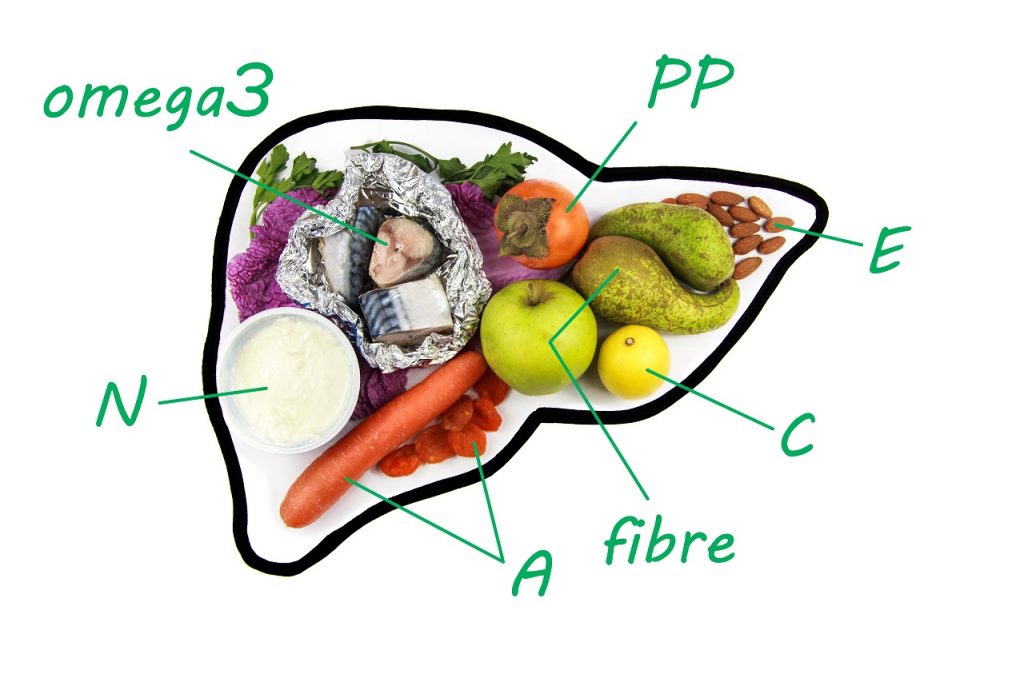
Complex Carbohydrates are packed with dietary fibre and micronutrients which help in appetite regulation as it takes longer to digest plus DF prevents absorption of fats in the intestine, thereby helping you lose weight, and also lowering the amount of fat in your liver.

  • Include Whole Grains in the form of chapati, upma, dosa, idli, porridge, khichdi, etc.
  • Include sprouted or boiled whole pulses.
  • Seasonal vegetables and Fruits.
  • Reduce sugar intake as it stimulates de novo lipogenesis and finally development of nonalcoholic fatty liver disease (NAFLD) & nonalcoholic steatohepatitis (NASH). So, replace packaged drinks with fresh coconut water/lime water; biscuits with nuts/roasted chana; reduce tea quantity to half cup every time you drink and no sauce/jam /salad dressing .
  • Soluble fiber Supplementation 

2. Fats
Increased fat intake has been linked to insulin resistance, impaired postprandial lipid metabolism and the development or progression of NAFLD. So, reduce intake  of ‘Visible fat’, & try to limit oil/fat intake to less than 500 ml/person/month. Choose Extra Virgin/Filtered /kachhi ghani oils (mustard, sesame, groundnut, Olive oil, Canola oil etc.) in place of refined oils to have anti-inflammatory and insulin sensitizing effects.

  • Complete No for Trans fatty acids and saturated fats . So, no fried or gravy foods/eating out /packaged food.
  • Choose healthy Invisible Fats rich in Omega 3 fatty acids such as nuts, avacado, flaxseeds, chia seeds, sabja seeds, etc.

3. Protein Source
A fair increase in protein intake combined with a low-GI diet, is associated with improved weight-loss maintenance due to its satiating effect and increased thermogenic effect of protein metabolism. So, include options like nuts, low-fat dairy, beans, whole pulses, fish, and poultry, sprouts/roasted chana/nuts/ Sattu drink, nuts smoothie (without sugar), etc. Cut meat intake to once a week. Prefer white/lean meats such as fish/poultry. And completely avoid Red meats as they are high in cholesterol & saturated fats because many studies have associated it with increased risk of liver related diseases and cancer, whereas white meat has been associated with reduced risk.

4. Herbs and supplements
Certain herbs and supplements have shown to play a key role in glucose and fat metabolism, insulin signalling, and energy balance, thereby helping in reversing the fatty liver condition. This may include Apple Cider Vinegar, Fenugreek Seeds, Flaxseed, Nigella Seeds, Milk Thistle, Coffee, Quercetin, Resveratrol etc. 

Having discussed the dietary changes, this journey is incomplete without the inclusion of at least 30 mins of physical Activity, 4-5 days a week, management of  Sleep and Stress issues. Do consult your dietitian/nutritionist to help fine-tune your diet so you are not aggravating your condition.

We hope this article helps you reverse NAFLD. Do leave your thoughts in the comments below. For more information to help you reverse NAFLD, check out Healthy Reads or speak to a certified expert by subscribing to GOQii’s Personalised Health Coaching here. 

#BeTheForce 
December 2, 2023 By Jyoti Dhawan 2 Comments

Why Electrolytes are so important for our body?

067-healthy-food-4-health-benefits-of-milk-and-dairy-products

Ever wondered what to drink during and after an exercise session, more importantly if you are an athlete training intensely for your next run or next match or a practice session; well the options are galore like plain water, sports drinks, energy drinks, fruit juice?

Which among these is the best and why? Are sports drinks better than plain water? Do they have some super energy ingredient or a magic formula that boosts performance?

Well the answer is yes, they do contain, not a magic formula but, a balanced proportion of ELECTROLYTES! So what are these electrolytes…let us understand their role and function in the human body.

Electrolytes are minerals which when dissolved in water; break into small electrically-charged particles called ions. These can either be positively-charged (anode) or negatively-charged (cathode) ions. Our body needs a balanced number of cathodes and anodes to stay healthy.

The most important electrolytes required by the human body are sodium, potassium, magnesium, calcium, chloride and phosphate. These are present in all body cells and fluids and play a vital role in maintaining proper hydration and balance of water within and between body cells. Each electrolyte has certain specific functions-

  • Calcium is responsible for building and maintaining strong bones, also plays a vital role in muscle and nerve functions, especially muscle contraction and nerve impulse transmission i.e. transport of signals up and down the nerves which in turn directs the muscles to act
  • Sodium is the dominant positive ion which regulates body’s water content and also aids nerve communication.
  • Chloride is found in blood and fluid outer layer of cells; along with sodium it helps control body’s water content.
  • Potassium is needed to maintain normal functions of cells and muscles.
  • Magnesium helps convert blood sugar into energy, also supports over 300 enzyme reactions.
  • Phosphate facilitates absorption of calcium in bones as well as regulates the blood pH level.

As athletes train and perform. They sweat and lose fluids as well as electrolytes in the process. Drinking water replenishes hydration but, not electrolytes. In fact, drinking only water can sometimes dangerously dilute electrolytes in the body and worsen existing imbalance. This imbalance can manifest in form of symptoms like fatigue, muscle cramps, nausea, stomach cramps, stiff and achy joints, and even confusion and impaired judgement. In severe cases, seizures and even heart failure can occur. In other words, electrolyte depletion and imbalance can severely affect an athlete’s performance.

What can be done to prevent an electrolyte imbalance?

Sports drinks definitely play a role in reinstating electrolyte balance but, these are laden with sugar adding extra calories. A better way can be to indulge in foods rich in particular electrolytes like-

  • A salty meal like soup before a strenuous exercise session can help retain fluid and maintain hydration during exercise
  • Tomatoes, Olives, Lettuce help to replenish chloride
  • A large Banana contains 450-600 mg of Potassium
  • Melons, oranges, raisins or prunes, sweet potatoes, peas and beans are rich in sodium
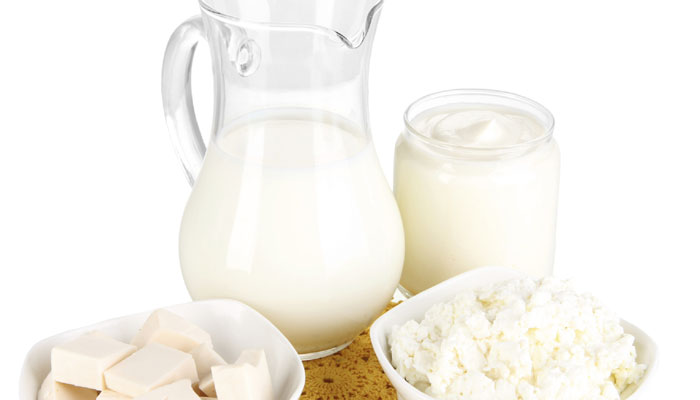
  • Research shows that milk contains a mix of carbohydrates, calcium, sodium, potassium and good protein which aids muscle recovery.

Inclusion of these calcium rich foods like milk and cereal, yoghurt or latte in your diet helps a lot in creating Electrolyte balance.

We hope these insights into the importance of electrolytes in our body shed light on their crucial role. If you found this information helpful, feel free to share your thoughts in the comments below. For a deeper understanding of nutrition and health, explore Healthy Reads. For further information or guidance, reach out to our certified experts by subscribing to GOQii’s Personalised Health Coaching here.

#BeTheForce
November 23, 2023 By Farida Gohil 2 Comments

Top four reasons why diets fail?

494985-belly-fat

The battle of the bulge is on –any movement on the scale yet? “Losing weight is one of the top resolutions made every year, yet only 20 percent of people achieve successful weight-loss and maintenance,” says Jessica Bartfield, MD, internal medicine who specializes in nutrition and weight management at the Loyala Centre for Metabolic Surgery & Bariatric Care.

Despite the fact that two-thirds of Americans say they are on a diet to improve their health, very few are actually decreasing in size. According to Bartfield, “Dieting is a skill, much like riding a bicycle, and requires practice and good Instructions.” But, this is not a case unique to the Americans alone, it is the case with most people on the heavier side and who go on diets to lose weight. Their constant complaint is that they do not lose weight.

Here are top four reasons why dieters don’t lose weight?

  1. Underestimating Calories Consumed

Most people underestimate the number of calories they eat per day. Writing down everything that you eat-including drinks and “bites” or “tastes” of food – can help increase self-awareness. Pay attention to serving sizes and use measuring cups and spoons as serving utensils to keep portions reasonable. Foods eaten outside of the home tends to be in much larger portion sizes and much higher in calories. So try and look up nutrition information of your favourite take-out meal or restaurant and select a healthy meal before picking up the phone or going out to eat.

  1. Overestimating Activity and Calories burned

Typically you need to cut 500 calories per day to lose 1 lb (pound) per week. This is very difficult to achieve through exercise alone, and would require 60 minutes or more of vigorous activity every day. A more attainable goal would be to try and increase activity throughout the day and get a total of 30 minutes of moderate to vigorous exercise most days of the week. Buy a tracker to track your steps; try to increase your goal of 10,000 steps per day. But, be careful – exercise is not an excuse to eat more!

  1. Poor Timing of Meals

You need a steady stream of glucose throughout the day to maintain optimal energy and to prevent metabolism from slowing down. Eat breakfast everyday within one hour of waking up, then eat a healthy snack or meal every two to three hours. Try not to go longer than 5 hours without eating a healthy snack or meal to keep your metabolism steady.

  1. Inadequate sleep

Studies have shown that people who get fewer than six hours of sleep have higher levels of ghrelin, which is a hormone that stimulates appetite, particularly for high-carbohydrate/high-calorie foods. In addition, less sleep raises levels of cortisol, a stress hormone which can lead to weight gain.

Avoid doing the above mentioned, avoid go on diets and have a normal balanced meal daily and you will be able to maintain your weight and health.

Good health practices are more than just learnt, they become a regular habit and a way of life.

If you found these tips valuable and have more questions or thoughts to share, drop a comment below! Explore more insights on maintaining a healthy diet through Healthy Reads. For personalized information and guidance, subscribe to GOQii’s Personalised Health Coaching here.

#BeTheForce

  • « Previous Page
  • 1
  • …
  • 36
  • 37
  • 38
  • 39
  • 40
  • …
  • 95
  • Next Page »

Search

Recent Posts

  • 4 Reasons Why Affirmations Are Not Working For You
  • The Social Side of GLP-1: Navigating “Food Culture” and Peer Pressure
  • Leaky Gut: Symptoms and Causes
  • Muscle Is Your Insurance Policy: Why Strength Predicts Lifespan More Than Cardio
  • The Fiber Gap: Managing Digestion on GLP-1 Therapy

Stay Updated

Archives

  • March 2026 (1)
  • February 2026 (14)
  • January 2026 (14)
  • December 2025 (19)
  • November 2025 (15)
  • October 2025 (20)
  • September 2025 (6)
  • August 2025 (6)
  • July 2025 (12)
  • June 2025 (18)
  • May 2025 (16)
  • April 2025 (22)
  • March 2025 (23)
  • February 2025 (22)
  • January 2025 (25)
  • December 2024 (22)
  • November 2024 (23)
  • October 2024 (21)
  • September 2024 (24)
  • August 2024 (30)
  • July 2024 (21)
  • June 2024 (26)
  • May 2024 (31)
  • April 2024 (27)
  • March 2024 (29)
  • February 2024 (25)
  • January 2024 (21)
  • December 2023 (15)
  • November 2023 (11)
  • October 2023 (19)
  • September 2023 (22)
  • August 2023 (18)
  • July 2023 (22)
  • June 2023 (24)
  • May 2023 (24)
  • April 2023 (23)
  • March 2023 (23)
  • February 2023 (19)
  • January 2023 (15)
  • December 2022 (11)
  • November 2022 (15)
  • October 2022 (15)
  • September 2022 (12)
  • August 2022 (10)
  • July 2022 (17)
  • June 2022 (11)
  • May 2022 (10)
  • April 2022 (6)
  • March 2022 (6)
  • February 2022 (13)
  • January 2022 (11)
  • December 2021 (7)
  • November 2021 (3)
  • October 2021 (6)
  • September 2021 (3)
  • August 2021 (8)
  • July 2021 (7)
  • June 2021 (15)
  • May 2021 (16)
  • April 2021 (10)
  • March 2021 (7)
  • February 2021 (4)
  • January 2021 (4)
  • December 2020 (3)
  • November 2020 (4)
  • October 2020 (10)
  • September 2020 (3)
  • August 2020 (3)
  • July 2020 (2)
  • June 2020 (4)
  • May 2020 (10)
  • April 2020 (12)
  • March 2020 (10)
  • February 2020 (4)
  • January 2020 (4)
  • December 2019 (3)
  • November 2019 (7)
  • October 2019 (5)
  • September 2019 (4)
  • August 2019 (9)
  • July 2019 (9)
  • June 2019 (11)
  • May 2019 (4)
  • April 2019 (8)
  • March 2019 (8)
  • February 2019 (9)
  • January 2019 (8)
  • December 2018 (9)
  • November 2018 (3)
  • October 2018 (3)
  • September 2018 (5)
  • August 2018 (10)
  • July 2018 (6)
  • June 2018 (13)
  • May 2018 (8)
  • April 2018 (18)
  • March 2018 (9)
  • February 2018 (8)
  • January 2018 (15)
  • December 2017 (12)
  • November 2017 (19)
  • October 2017 (13)
  • September 2017 (15)
  • August 2017 (4)
  • July 2017 (8)
  • June 2017 (7)
  • May 2017 (6)
  • April 2017 (8)
  • March 2017 (6)
  • February 2017 (7)
  • January 2017 (9)
  • December 2016 (10)
  • November 2016 (7)
  • October 2016 (7)
  • September 2016 (7)
  • August 2016 (11)
  • July 2016 (9)
  • June 2016 (9)
  • May 2016 (12)
  • April 2016 (17)
  • March 2016 (17)
  • February 2016 (8)
  • January 2016 (6)
  • December 2015 (2)
  • November 2015 (9)
  • October 2015 (7)
  • September 2015 (9)
  • August 2015 (11)
  • July 2015 (9)
  • June 2015 (12)
  • May 2015 (9)
  • April 2015 (13)
  • March 2015 (8)
  • February 2015 (5)
  • January 2015 (12)
  • December 2014 (14)
  • November 2014 (11)
  • October 2014 (6)
  • September 2014 (13)
  • August 2014 (12)
  • July 2014 (6)
  • June 2014 (2)
  • May 2014 (7)
  • April 2014 (5)

From “Laddu Nawin” to Fit and Fierce: How a 25-Year-Old Insurance Advisor Shed 20 Kilos and Gained His Life Back

When 25-year-old Nawin Yadav from Hyderabad walked into his office every morning, he carried more than just his files and policy papers. He had the weight of fatigue, sluggish energy, and an ever-growing belly that was becoming the butt of jokes. “People … [Read More...]

“I’ve Challenged Myself to Live 100 Years” – The Story of Chandubhai Savani’s Second Chance at Life

At 67, most people start slowing down. Not Chandubhai Savani. A resident of Surat, Chandubhai, thought life was on track. “My life was going well till I had my bypass surgery,” he says. That surgery, back in 2021, was a wake-up call.  Medication was routine, but exercise wasn’t. His diet? What he calls ‘normal.’ “I […]

From Shimla’s Slopes to Chandigarh’s Sidewalks: Surinder Kaur Bhalla’s Journey from Chaos to Control

Some journeys start with a plan. Others begin with a stumble literally. Surinder Bhalla, a government professional, born and raised in the scenic hill town of Shimla, had always lived a life of movement. “In Shimla, you walked everywhere,” she reflects. “Walking was never an exercise. It was just life.” But after shifting to Chandigarh, […]

Ananda Mukherjee Health Story

From Terminal Illness To Complete Wellness! Ananda Mukherjee Health Story

As we observe World Cancer Day under the powerful theme ‘United by Unique’ (2025-2027)**, we are reminded that every individual’s journey with cancer is distinct, yet united by shared resilience, hope, and the collective fight against this disease. This theme places people at the centre of care and their stories at the heart of the […]

  • HOME
  • HEALTHY LIVING
  • FITNESS
  • HEALTHY RECIPES
  • USER STORIES
  • KARMA
  • BUY GOQii

Copyright ©2016 GOQii


