GOQii

Blog

  • HOME
  • HEALTHY LIVING
  • FITNESS
  • HEALTHY RECIPES
  • USER STORIES
  • KARMA
  • BUY GOQii

Search Results for: acid reflux

April 2, 2024 By Mamta Joshi 2 Comments

Is it Safe to Include Grains in Your Diet?

grainsCan you imagine a plate of food without grains? It has been a staple for us since forever! There’s always that crushing sense of dissatisfaction if grain-based foods are missing from our plates even for a single day. As a large component of our diet for the longest time, why is it that most people are now moving towards a ‘no grains’ diet or keeping it to a minimum? One of the reasons people avoid grains is due to digestive issues – common ones being acid reflux, bloating, gas, abdominal cramps, flatulence, etc.

Are Grain Really Hard to Digest?  

Studies and various researches have revealed that there are some factors listed here which make grains hard to digest.

  • Fiber: Insoluble Fiber is that part of the grain that the body can’t break down and digest into a simpler form. Instead, it passes through the body undigested. On one hand, insoluble fibers are good for us as they work as cleaning agents of our digestive system and on the other, they may cause gastrointestinal discomfort in some with weak digestive health.
  • Anti-Nutrients: Grains also contain anti-nutrients like Phytic acid and lectins which reduce the absorption of minerals like calcium, iron, magnesium, copper and zinc from a meal and may cause mineral deficiency. Humans need minerals to perform various functions, from building bones to transmitting nerve impulses, to make hormones and maintain a normal heartbeat.
  • Enzyme Inhibitors: Various types of enzyme inhibitors are found in grains including protease inhibitors and amylase inhibitors. Enzyme inhibitors can block enzymes action. Enzymes kick-start the digestion process. Presence of enzyme inhibitors confines the digestion process to act properly and timely. This results in rotting of such food which further leads to situations such as bloating, gas trouble and cramps.
  • Disaccharides: Simple sugars or monosaccharides are directly absorbed into the bloodstream, while disaccharides are two single sugars that are linked together. Grains contain disaccharide that needs to be broken down first before being absorbed in the bloodstream. Disaccharide is broken down into monosaccharide by enzymes called disaccharidases which are present in the brush like border called villi of the small intestine wall. Any kind of inflammatory damage to the cells in the small intestine lead to disaccharidase enzyme not being produced and lead to disaccharide intolerance. Disaccharide intolerance is the inability to break apart the disaccharide into two single sugars and absorb them. This often leads to uncomfortable digestive symptoms.
  • Complex Protein: Grains contain the complex protein Gluten that the body can’t easily break down. The human body needs food to be in the simplest form in order to absorb and use it. While most people won’t have much difficulty digesting whole grains, some with conditions such as gluten intolerance may experience adverse effects when eating gluten-containing grains. Gluten intolerance causes digestive issues such as bloating, gas and diarrhoea. Celiac disease is a more serious condition in which gluten causes the immune system to attack the small intestine. Gluten is also known to cause Leaky Gut. Gluten is present in barley, rye and wheat.

Tips to Make Grains Digestion Friendly

  1. Fiber absorbs water. One should drink plenty of liquids to ensure that the fiber absorbs enough water to pass through the system easily.
  2. Most of the anti-nutrients are found in the skin and anti-nutrients are water-soluble. Hence, soaking grains reduces the anti-nutrients effect. It’s recommended that grains must be soaked in water and should be washed before cooking (e.g. rice) so that the anti-nutrients are separated.
  3. Sprouting or germination reduces phytate in grains and degrades lectins and protease inhibitors.
  4. Fermentation of grains leads to a significant reduction in phytate and lectins (idli, sourdough bread). Fermenting helps break down the tough outer cover of a grain, making it easier to digest and reinforce the gut flora with pro-digestive microbes.
  5. Incorporate probiotics like yogurt, kimchi, kombucha and kefir along with grain-based foods to improve overall digestion and heal the gut.
  6. Chewing is the first step of digestion. The more you chew, the more saliva gets secreted that has digestive enzyme amylase present in it which makes digestion easier. Chewing makes food small enough for the digestive juices in the stomach to further digest it effectively.
  7. In case of gluten sensitivity, avoid gluten-containing grains such as wheat, barley and rye. Go for gluten-free grains like oats, quinoa, rice and sorghum to subside the symptoms. When the gut heals, the symptoms subside. 

While you may experience issues with some grains, that doesn’t mean you should avoid the entire food group. Maintaining a diet diary can help find the trigger and then you can consult a medical professional, dietician, a nutritionist for changes or speak to a certified expert by subscribing to GOQii’s Personalised Health Coaching here.

We hope this article helps you make a positive change in your eating habits.

#BeTheForce 

September 24, 2023 By Saba Mirza 7 Comments

Natural Mouth Fresheners

mouth-freshner

Many a times, when I ask my players to avoid having sweets or fruits immediately after a meal, their usual reply is, ‘oh! But, this is a very Indian thing. We don’t feel complete finishing the meal without a sweet or a fruit. We are accustomed to this post meal sweets ritual since ages and we need that to refresh the mouth and the breath from the typical smell of our spice rich meals!’ Or else, most say they need to keep chewing some mint flavored gum or some artificially flavored mouth freshener when they are working for long hours or while traveling.

But, how about replacing these artificially flavored, preservatives added, empty calorie loaded mouth fresheners with more real, natural, very nutritious breath fresheners which are present in abundance in the nature and which are readily available in your kitchen cabinet?

Here I am enlisting few of them:

  1. Water: Dry mouth is the foremost reason behind that foul smelling breath. Drinking water more often keeps your mouth moist and promotes the release of saliva, the enzymes which keep cleansing the mouth from the growth and collection of foul smelling bacteria. You can make it more refreshing by infusing the water with cut pieces of lemon, mint leaves and a small piece of ginger. Keep it overnight in the fridge and drink that water in the morning.
  2. Fennel Seeds: Many of our elders still use these very refreshing seeds as an after meal ritual. Apart from giving a distinctive sweet taste to your mouth, they are excellent to prevent flatulence and acid reflux and promote the secretion of gastric juices for better absorption. Roast them, store in an air tight jar and chew them after meals.
  3. Mint Leaves: Why to go for an artificially scented mint flavored mouth freshener, when you can have the original and much more nutritious mint leaves in your kitchen garden or in your refrigerator. Chew the raw leaves or drink a mint tea by boiling them in water and experience an instant freshness in your breath.
  4. Parsley Leaves: Chew on the raw Parsley after meals or garnish your curries with it. Recent studies suggest that this ancient herb may help in reducing the ‘garlic breath’ through a process of ‘enzymatic deodorization’.
  5. Lemon Candies: These refreshing and nutritious treats come in handy when you experience prolonged mouth dryness. You can create lemon ice cubes by mixing lemon juice with water. As they melt in your mouth, the lemon’s tartness triggers saliva production, effectively moistening your mouth and providing a refreshing sensation.
  6. Cinnamon: Chewing on cinnamon sticks kill the bad smelling bacteria by releasing essential oils in the mouth, and it’s peculiar taste is great to freshen you up. You can make cinnamon mouthwash as well by boiling few sticks in water and using the cooled down water for mouth wash.
  7. Citrus fruits like oranges and berries: These antioxidant rich fruits are again great to cleanse your mouth by destroying the toxins and the germs. Start your day with a fruit or have them as mid meal snacks, as these are the times when the mouth is usually dry for a longer time.

If the bad breath is not because of any underlying illness like tonsillitis or other buccal (oral) cavity infection, these are the sure way to feel refreshed throughout the day.

The bottom line is to figure out the reason behind that bad breath (like dry mouth, bad bacteria) and choose the right method or ingredient for yourself to get rid of the bad breath.

We trust you found these natural breath fresheners beneficial. If you’re looking for personalised guidance on holistic health, consider subscribing to GOQii’s Personalised Health Coaching here. Share your thoughts in the comments below and explore more health topics in Healthy Reads.

#BeTheForce

March 22, 2023 By Poonam Goyal 5 Comments

What Alkaline Water Does To Your Body!


A few days back, I was at a store. I came across water filters that claimed they increase energy and regulate the body’s pH level. It tempted me. To add something more healthy to my regimen, I purchased an expensive filter without knowing what I was really buying. Now that I have read up a little on Alkaline Water, I want to share my thoughts on it.

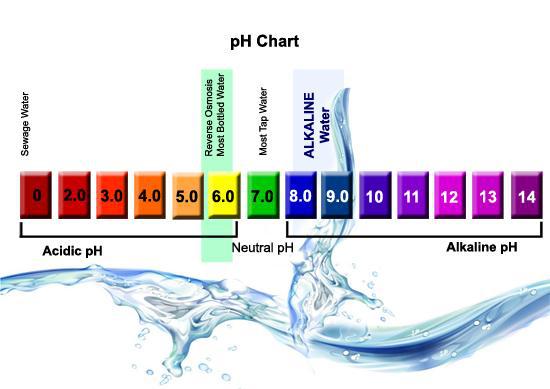
First, let’s understand what Alkaline Water is and how different it is from regular water. Certainly, it boils down to the pH levels. Liquids with a pH closer to 0 are very acidic while liquids with a pH close to 14 are very alkaline. Pure water is neutral and has a pH of 7.0 whereas Alkaline Water has a pH between 7-9.5.

In today’s fast paced world, our gastric acid levels have increased. Due to our dependence on processed foods, artificial additives, refined sugar, increasing stress levels and reduced physical activity, there’s an imbalance in the acid and alkaline environment in our body. So we are moving towards quick fixes like alkaline water.

Advantages Of Alkaline Water

  • The most important health benefit of alkaline water is to fight acid reflux, which is a common health concern these days
  • It makes us feel more energetic as our body is able to absorb it more quickly
  • Healthier gut, as higher pH water protects us from dangerous microorganisms due to its negative oxidation-reduction potential (ORP).
  • Provides antioxidants
  • Protection from contaminated water

Disadvantages Of Alkaline Water

  • Digestive malfunction – drinking alkaline water can cause steep changes in the levels of pH and can hinder the digestion process
  • Can cause a condition called hypochlorhydria, that is the reduced absorption of calcium in our body
  • Presence of too many ions in the body can result in acute dehydration at the cellular level
  • Exert pressure on the kidney to bring the pH level to ideal

Artificial Alkaline Water

Lot of water ionizers are available in the market these days. In essence, what they do is split the water molecules with electricity to create alkaline water. We get them in the form of water filters or filter bottles.

All water found in nature has a pH that perfectly corresponds to the minerals in water. When we drink alkaline water, our body assumes it is receiving alkaline minerals like calcium and magnesium. The problem with ionized water is that the body thinks it is receiving more alkaline minerals than what are actually present in the water.

Before the body is stressed by the artificial alkalinity, the first 30 days might make you feel better due to the presence of antioxidants and hydration. Other side effects can be erratic heart behavior, hypertension, UTI, infections etc.

It is also advised that if we are drinking ionized water or artificially alkaline water, we should measure our bodies pH daily and regulate the consumption accordingly.

Few Interesting Facts About Our Body’s pH

  • Our body regulates blood pH in a very narrow range because all the enzymes are designed to work at pH 7.4. If the pH varies too much it will not be able to function
  • We cannot change the pH of our blood but our diet does affect the pH of our urine. Normally urine is at pH 6, which is acidic but normal and shows our kidney is working fine
  • The pH of the stomach acid or gastric acid is 1.5 – 3.5 which is required for the proper digestion of our food . Alkaline ions might cancel the acid and neutralize it
  • It is the job of the lungs, liver and kidney to maintain a normal pH of our body
  • The most common minerals found in water are calcium, potassium, copper, manganese, magnesium and iron. According to World Health Organisation(WHO), water contributes to 1-20% of the dietary intake of some trace minerals

How to Make Your Body Alkaline Naturally

  • Start your day with a glass of lemon water
  • Add a tsp of natural baking soda to water and drink it the first thing in the morning.  It helps neutralise stomach acids and provides relief from indigestion in adults
  • Add some cucumber slices to water to make it alkaline
  • Store water in a copper vessel and drink it in the morning
  • Drink cumin water or cumin tea. Cumin water generally stimulates the secretion of digestive enzymes and accelerates the digestion process, thus helping you fight gut issues
  • Vegetable juice will not only make your body alkaline but add various nutrients to your diet too
  • Start your day with a glass of water with 1-2 tbsp of Aloe Vera juice added to it. Aloe Vera juice alkalizes the body, balancing overly acidic dietary habits
  • Drink natural coconut water. The pH acidic level in the body turns alkaline when you drink coconut water and that’s why it’s good for acidity
  • Add more fruits and vegetables in your diet. According to the Institute of medicine 20% of water comes from food sources

Naturally occurring alkaline water is undoubtedly good for health but what we get in the present times is water that is artificially made alkaline. If our goal is to be healthy, why would we drink or eat anything artificial?

If you found this article helpful, let us know in the comments below. To explore more, click here. You can also get this information directly from a GOQii Coach. All you need to do is subscribe for Personalised Health Coaching here.

#BeTheForce

February 23, 2023 By Trupti Hingad 4 Comments

Which Is The Best Sleep Position?

Best Sleep PositionEvery wondered which is the best sleep position? The position you sleep in plays a vital role in improving the quality of your sleep. How do you sleep? Do you prefer sleeping on your back, side or stomach? Sleeping in the wrong position can have detrimental effects on your health. Let’s take a deeper look into these problems. Poor sleep posture could potentially cause back and neck pain, fatigue, sleep apnea, muscle cramping, impaired circulation, headaches, heartburn, tummy troubles, and even premature wrinkles.



What Is The Best Sleep Position? 

  1. Sleeping On Your Stomach: About 7% of people sleep on their stomach. In this position, the neck and spine are not in a neutral position and this can put pressure on nerves and cause numbness, tingling, and nerve pain. It is best to choose another sleep position if you are a stomach sleeper. If you can’t break the habit, prop your forehead up on a pillow, so your head and spine remain in a neutral position and you have room to breathe.
  2. Sleeping On Your Back: on a regular basis may lead to lower back pain. If you have any existing pain, it can make the pain worse. Sleeping on your back if you suffer from snoring or sleep apnea may aggravate these conditions. Snoozing on your back can cause the tongue to block the breathing tube, making it a dangerous position for those who suffer from sleep apnea. Sleeping on your back with your head slightly elevated is the best sleep position for people suffering from heartburn. Also, this position does not lead to neck pain, like your neck, back and spine is in a neutral position.
  3. Soldier Position: In this position, the person sleeps on his/her back with hands close to the body. Approximately 8% of people sleep this way and this is not a good position to sleep in for people who snore. This position may also prevent you from getting a restful night’s sleep.
  4. Starfish Position: People who sleep in a starfish position sleep on their backs with their arms up over their head. Approximately 5% of people sleep this way. Compared to people who sleep on their backs, people who sleep in the starfish position are more prone to snoring and sleep problems.
  5. Sleeping On The Side: Approximately 41% of people sleep this way, curled up on their sides with their knees bent. This is one of the best positions, also good for pregnant women because it facilitates circulation to both mom and the fetus. The position may be good for those who snore and also helps decrease acid reflux since your spine is elongated. It also wards off back and neck pain. This position may lead to wrinkles because half of your face pushes against a pillow, so use soft, silken pillows to avoid wrinkles on the face.
  6. Fetal Position: Side sleepers who sleep with their legs bent and curled toward their torsos are the ones who sleep in the so-called fetal position. If sleeping this way hurts your hips, placing a pillow between your knees may help relieve the pressure. This position can leave you feeling a bit sore in the morning, particularly if you have arthritis in your joints or back. Prevent these woes by straightening out your body as much as you can, instead of tucking your chin into your chest and pulling your knees up high.

Sleeping positions which might help if you have sleeping issues

  • Do you snore? If you do, it is best to sleep on your side to minimize the risk of snoring. Sleeping on your back may aggravate snoring. If you can’t break the habit and want to sleep on your back, stack a few pillows underneath your head to reduce the risk of snoring.
  • Does your back hurt? Sleeping on your stomach or back, may aggravate your pain. Switch to side sleeping to minimize your risk of back pain. For further relief, put a pillow between your knees to keep your hips in alignment.
  • Are you pregnant? Sleeping on your stomach or back will be uncomfortable or impossible. You will be most comfortable sleeping on your side. Favour your left side to maximize circulation for both you and your baby. Placing a pillow under your belly can help relieve back pain.

So choose your sleeping position wisely and have a good mattress accompanied by soft pillows to wake up fresh and healthy! We hope this article helps you. Share your favorite sleeping position in the comments below! For more on sleep, click here or speak to an expert by subscribing for GOQii’s Personalised Health Coaching here: https://goqiiapp.page.link/bsr

#BeTheForce 

  • « Previous Page
  • 1
  • 2
  • 3
  • 4
  • 5
  • 6
  • …
  • 8
  • Next Page »

Search

Recent Posts

  • 10 Everyday Habits That Could Be Hurting Your Health
  • Why Good Nutrition Matters: Benefits of Healthy Eating for a Healthy Life
  • Monsoon Health Tips: How to Boost Your Immunity During Seasonal Changes
  • Yoga for Healthy Ageing: Simple Practices to Add Life to Your Years
  • Calming Your Mind: Breathing Techniques for ADHD

Stay Updated

Archives

  • June 2026 (22)
  • May 2026 (20)
  • April 2026 (24)
  • March 2026 (18)
  • February 2026 (14)
  • January 2026 (14)
  • December 2025 (19)
  • November 2025 (15)
  • October 2025 (20)
  • September 2025 (6)
  • August 2025 (6)
  • July 2025 (11)
  • June 2025 (18)
  • May 2025 (16)
  • April 2025 (22)
  • March 2025 (27)
  • February 2025 (21)
  • January 2025 (25)
  • December 2024 (22)
  • November 2024 (23)
  • October 2024 (20)
  • September 2024 (23)
  • August 2024 (29)
  • July 2024 (20)
  • June 2024 (25)
  • May 2024 (26)
  • April 2024 (27)
  • March 2024 (27)
  • February 2024 (23)
  • January 2024 (21)
  • December 2023 (14)
  • November 2023 (10)
  • October 2023 (19)
  • September 2023 (22)
  • August 2023 (18)
  • July 2023 (21)
  • June 2023 (23)
  • May 2023 (20)
  • April 2023 (19)
  • March 2023 (23)
  • February 2023 (19)
  • January 2023 (15)
  • December 2022 (11)
  • November 2022 (15)
  • October 2022 (15)
  • September 2022 (12)
  • August 2022 (10)
  • July 2022 (17)
  • June 2022 (11)
  • May 2022 (10)
  • April 2022 (6)
  • March 2022 (6)
  • February 2022 (13)
  • January 2022 (11)
  • December 2021 (7)
  • November 2021 (3)
  • October 2021 (6)
  • September 2021 (3)
  • August 2021 (8)
  • July 2021 (7)
  • June 2021 (15)
  • May 2021 (16)
  • April 2021 (10)
  • March 2021 (7)
  • February 2021 (4)
  • January 2021 (4)
  • December 2020 (3)
  • November 2020 (4)
  • October 2020 (10)
  • September 2020 (3)
  • August 2020 (3)
  • July 2020 (2)
  • June 2020 (4)
  • May 2020 (10)
  • April 2020 (12)
  • March 2020 (10)
  • February 2020 (4)
  • January 2020 (4)
  • December 2019 (3)
  • November 2019 (7)
  • October 2019 (5)
  • September 2019 (4)
  • August 2019 (9)
  • July 2019 (9)
  • June 2019 (11)
  • May 2019 (4)
  • April 2019 (8)
  • March 2019 (8)
  • February 2019 (9)
  • January 2019 (8)
  • December 2018 (9)
  • November 2018 (3)
  • October 2018 (3)
  • September 2018 (5)
  • August 2018 (10)
  • July 2018 (6)
  • June 2018 (13)
  • May 2018 (8)
  • April 2018 (18)
  • March 2018 (9)
  • February 2018 (8)
  • January 2018 (15)
  • December 2017 (12)
  • November 2017 (19)
  • October 2017 (13)
  • September 2017 (15)
  • August 2017 (4)
  • July 2017 (8)
  • June 2017 (7)
  • May 2017 (6)
  • April 2017 (8)
  • March 2017 (6)
  • February 2017 (7)
  • January 2017 (9)
  • December 2016 (10)
  • November 2016 (7)
  • October 2016 (7)
  • September 2016 (7)
  • August 2016 (11)
  • July 2016 (9)
  • June 2016 (9)
  • May 2016 (12)
  • April 2016 (17)
  • March 2016 (17)
  • February 2016 (8)
  • January 2016 (6)
  • December 2015 (2)
  • November 2015 (9)
  • October 2015 (7)
  • September 2015 (9)
  • August 2015 (11)
  • July 2015 (9)
  • June 2015 (11)
  • May 2015 (9)
  • April 2015 (13)
  • March 2015 (8)
  • February 2015 (5)
  • January 2015 (12)
  • December 2014 (14)
  • November 2014 (11)
  • October 2014 (6)
  • September 2014 (13)
  • August 2014 (12)
  • July 2014 (6)
  • June 2014 (2)
  • May 2014 (7)
  • April 2014 (4)

From Shimla’s Slopes to Chandigarh’s Sidewalks: Surinder Kaur Bhalla’s Journey from Chaos to Control

Some journeys start with a plan. Others begin with a stumble literally. Surinder Bhalla, a government professional, born and raised in the scenic hill town of Shimla, had always lived a life of movement. “In Shimla, you walked everywhere,” she reflects. … [Read More...]

From “Laddu Nawin” to Fit and Fierce: How a 25-Year-Old Insurance Advisor Shed 20 Kilos and Gained His Life Back

When 25-year-old Nawin Yadav from Hyderabad walked into his office every morning, he carried more than just his files and policy papers. He had the weight of fatigue, sluggish energy, and an ever-growing belly that was becoming the butt of jokes. “People had even started calling me Laddu Nawin,” he says with a laugh, but […]

From Burnout to Balance: How Dr. Ranjit Reclaimed His Health

Dr Ranjit Bhatt has spent years tending to others. A practising doctor in Odisha, his days were packed with patients, surgeries, and emergencies. From the outside, it looked like a life lived in service. But on the inside, something wasn’t right. “I had no control over my schedule. I’d sleep late, eat at odd hours, […]

Ananda Mukherjee Health Story

From Terminal Illness To Complete Wellness! Ananda Mukherjee Health Story

As we observe World Cancer Day under the powerful theme ‘United by Unique’ (2025-2027)**, we are reminded that every individual’s journey with cancer is distinct, yet united by shared resilience, hope, and the collective fight against this disease. This theme places people at the centre of care and their stories at the heart of the […]

  • HOME
  • HEALTHY LIVING
  • FITNESS
  • HEALTHY RECIPES
  • USER STORIES
  • KARMA
  • BUY GOQii

Copyright ©2016 GOQii