GOQii

Blog

  • HOME
  • HEALTHY LIVING
  • FITNESS
  • HEALTHY RECIPES
  • USER STORIES
  • KARMA
  • BUY GOQii

September 21, 2024 By Dr Manali Rao 1 Comment

Everything You Need to Know about Alzheimer’s

alzheimer's dayIf you’ve read ‘The Notebook’ by Nicholas Parks, later adapted into a film by the same name, you might have a fair idea of what Alzheimer’s really is. The book is centered around Allie and Noah, an all-time romantic couple. There’s a beautiful scene in the film where Noah, who is an old man now, narrates a story to Allie about a couple and how their love blossomed through hardships. Amazed by this story, Allie only realizes later that this story is about them. Noah read this to her as he had promised before the disease set in. The disease was Alzheimer’s!

shutterstock_574038220

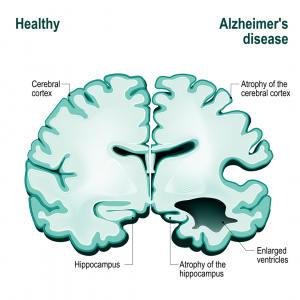
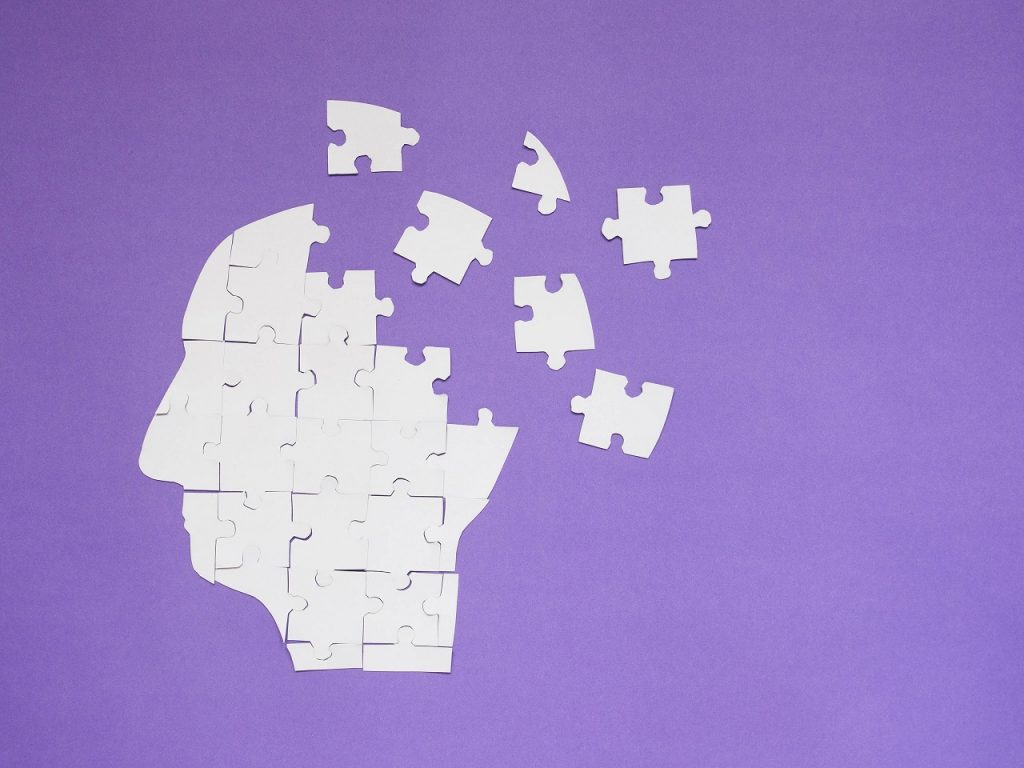
Alzheimer’s is a progressive neurological disorder which results in memory loss, personality changes, global cognitive dysfunction and functional impairments. It is the leading cause of dementia in the elderly. The disease begins at a slow rate. Initially, it captures the brain and slowly overcomes human thoughts, activities, and language as well. People start having trouble in remembering things and the one evident sign is forgetting the names of people.

What Causes Alzheimer’s?

The exact etiology is unknown, but a few risk factors can be marked out.

  • Age: Incidence and prevalence increases after the age of 60
  • Family History: First-degree relatives at greater risk
  • Genetic: ApoEepsilon 4 gene
  • Lack of Sleep
  • Regular and high consumption of junk food

Clinical Features 

  1. Progressive memory loss and decline of higher mental functions
    Example: problem-solving small issues, confusion in time, date and month, the problem faced in doing family activities of daily routine, misplacing things, poor judgment and problem in speaking and writing as well
  2. Difficulty in naming and understanding what others are speaking
  3. Apraxia: The inability to carry out skilled motor activities, inability to recognize objects, places and people
  4. Behavioral changes: Agitation, aggression, wandering and persecutory delusions, loss of insight, depression
  5. Loss of inhibition leading to inappropriate social behavior
  6. In advanced stages, a person may be mute, inactive and can succumb to different infections
  7. Inability to recognize color and visual picture
  8. In case there is an underlying cause, additional clinical features may be present

Management

The most important management for Alzheimer’s is support – Physical, mental and moral support from family members and caregivers.

  • Antioxidants (Vitamin E) can slow the decline of cognitive function
  • Drugs like anticholinesterase inhibitors (like donepezil, rivastigmine, galantamine), memantine, N-methyl-D aspartate (NMDA) receptor antagonist
  • Ginkgo biloba, a plant extract has been shown to be useful
  • Treatment of the underlying cause, if any

3-7

Alzheimer’s and Ayurveda

According to the principles of Ayurveda, Alzheimer’s is caused as a result of the imbalance in vata – this imbalance is quite common as a person begins to grow in age. It affects the vata – in the tissues of the central nervous system of the body – mainly the brain which then slowly becomes imbalanced.

Treatment begins with a Vata balancing diet. Withania Somnifera (Ashwagandha) in the powdered form along with either ghee or milk is included in the patient’s daily diet. This helps charge and soothe the Vata. Herbs such as Brahmi and Ashwagandha that serve as nerve tonics are mainly used.

An oil massage daily, prior to a bath is also considered significant in this form of treatment. Ayurveda specialized preparations for Alzheimer’s treatment that are made from rice have proved highly beneficial to the patients besides providing the required nutrients to the old age person.

How Can Turmeric Help?

Turmeric or Haldi, as it’s known in Hindi, is a part of almost every Indian recipe. It is known all over the world for its antibacterial, anti-inflammatory, anti-tumor, anti-spasmodic, anti-allergic properties and hence is used in medicines, cosmetics etc.

Curcumin that is found in turmeric has radical scavenging properties thereby preventing damage that can be caused to the cells of our body by free radicals. Alzheimer’s alleviation could be based upon the ability of curcumin to combat the development of amyloid plaque (accumulation of protein) in the brain leading to inflammation and impairment of cells.

Prevention

There’s no real guarantee when it comes to preventing Alzheimer’s. The only way to minimize your chances is by living a healthy and balanced lifestyle.

  1. Make sure you don’t stop learning new things. Continuous learning like a musical instrument, a new language or any subject that you didn’t have knowledge about keeps the memory intact.
  2. Forget your phone and start memorizing important numbers like bank accounts, mobile numbers, life insurance/investment policy numbers, credit and debit card numbers, passwords and recalling them when needed is an easy way of jogging your memory.
  3. Make sure you get your hands on challenging puzzles like Sudoku, different crosswords, etc.
  4. Consumption of antioxidants via diet/supplements is helpful in preserving memory function.

We hope this blog helped you lean more about Alzheimer’s and what we can do in case a loved one is ever affected by it. Do leave your thoughts in the comments below!

For more informative topics, check out Healthy Reads or speak to an expert by subscribing for Personalised Health Coaching here.

#BeTheForce
Disclaimer: The information provided in this blog is for general awareness and educational purposes only. It is not intended to replace professional medical advice, diagnosis, or treatment. Always consult a qualified healthcare provider for personalised medical guidance or concerns related to your health.

August 4, 2024 By Divya Thampi Leave a Comment

Suicidal Thinking: Facts You Must Know To Save a Life!

suicidal thinking“Psychache” – It is a term coined by experts studying suicide. It refers to the unbearable psychological pain experienced by people, who consider suicide. Contrary to popular belief, suicide is less about attention seeking, manipulation or selfishness and more about an attempt to save oneself from excruciating pain (mostly psychological). People in the throes of suicide ideation, engage in such thinking especially when they are flooded by feelings of guilt, shame, worthlessness, inadequacy, social exclusion, anxiety, humiliation and ending their own life seems like the only way to save themselves from what appears to be inescapable suffering.

When feeling this way, the individual’s perception of reality is constricted and sometimes collapsing, thus making it hard for them to access logical thinking and rational consideration of the pros and cons of suicide. This probably answers some of the questions that pop up in our heads about suicide, like – How can people ignore their survival instinct? Why can’t they see that things will get better? What stops them from reaching out for help?

Most people are tempted to argue and attempt to convince a suicidal person that suicide is not a solution to their problems. Unfortunately, the more we argue using cold logic, the more we deny the pain experienced by the person, aggravating the feelings of isolation and hopelessness they experience and thus the argument has the exact opposite effect, almost adding to the person’s conviction that they should go ahead with the suicide.

suicidal thinking

Some Common Myths About Suicidal Thinking

The key to understanding suicide is to understand suicidal thinking. The following myths and facts might help you save a life!

Myth #1: People who say that they are going to suicide are looking for attention.
Fact: Suicide is an extreme step that a person is driven to by deep feelings of helplessness, hopelessness and desolation. If someone says that they plan to suicide, believe them, and do not dismiss it as attention seeking behavior. Threatening suicide is a way of asking for help. Support them by listening and offering to help. The support may prevent them from taking this step.

Myth #2: All suicidal people have some or the other mental illness.
Fact
: Though some people are diagnosed with a mental disorder, concluding that an individual is suicidal because of depression or other mental illnesses, is actually overlooking the real issue. Not all people with mental illnesses attempt suicide and not all who attempt suicide have had a history of mental illness.

Myth #3: The only people who can help a suicidal person are mental health professionals.
Fact: Any person who can listen non-judgmentally and provide support can effectively intervene. Professionals often involve friends and family for interventions.

Myth #4: If a person tells you about their suicidal thinking, you shouldn’t betray their confidence by telling others about it.
Fact: If you become aware that someone is considering suicide, you must inform a family member or friends who care, so that they can provide support. Informing loved ones is an important step in preventing suicides. Knowing that others care for them and that they are valued and wanted, discourages people from taking the extreme step.

Myth #5: If you suspect that a person may be considering suicide, never directly ask them whether they have had suicidal thoughts.
Fact: People worry that asking a person whether they have had suicidal thoughts can plant the idea of suicide in their head. On the contrary, asking to find out whether a person is thinking about suicide may allow the person to share their concerns and worries, and prevent them from deciding to die. It also lets them know that you care and worry about their safety.

Myth #6: Once a person decides to suicide nothing can stop them.
Fact: Most people who consider suicide are unsure about the choice. More than 90% of suicides are preventable. “Should I hang in there for one more day?” is a question that they end up asking themselves often. If one feels supported while feeling suicidal, and gets help in finding therapy or other support services, it can prevent them from taking such a decision now and in the future.

Myth #7: Improvement after a suicidal crisis, is equal to no more suicide risk.
Fact:
The weeks and months that follow a suicidal crisis are the most high-risk period because when the person who attempted suicide starts to feel stronger, they feel more capable of taking actions required to carry through the suicidal intention.

In the next part of this blog, we will help you understand suicidal thinking and ways to provide support to those who need it. Keep your loved ones close!

#BeTheForce

July 19, 2024 By Divya Thampi 1 Comment

The One Practice That Can Change Your Life

As she drifts between sleep and wakefulness, her mind brings along a sense of dread; just like a faithful pet would bring a rag doll, and wait, panting in anticipation, for her to wake up. Even before she can start to tell the difference between her own snores and the chimes of the alarm clock, the phone nudges her with notifications about the never-ending list of things to be done. She almost falls off her bed, phone in hand, stumbling from one task to another, trying to keep up with the demands of the day. She races against time, determined to make progress. But as the clock ticks on, her attempts to swim through the sea of distractions, hardly seem to work. She finishes her day feeling exhausted, with a nagging sense that very little has been achieved.

If such stress laden days, sound all too familiar, you are not alone. But knowing that many of us feel this way, hardly brings any reprieve from reality. However, one simple daily practice has the potential to change this experience quite drastically.

How Would You Like Your Day To Begin?

Before we talk about that practice, let’s look at what kind of day we would ideally like to spend – Personally, I would like to wake up feeling rested and refreshed, feeling excited and hopeful and in spite of the zillion things that need to be completed during the day, I would like to feel at peace with myself. Does that resonate with you? If it does, read ahead!

What’s That ONE Thing?

The one activity that could change the way we start and end our day, is Meditation. According to the Buddhist definition ‘Meditation practices are techniques that encourage and develop concentration, clarity, emotional positivity, and a calm seeing of the true nature of things.’

It is the one activity which will not change the circumstances or the people of your life, but has the potential to change the weather inside your mind. In 10 to 20 minutes, it could help your internal weather to change from grey, cloudy and chilly to pleasantly sunny, warm and hopeful. 

How Meditation Helps!

When you meditate regularly, you get better at holding your attention in the present moment. This automatically leads to less distraction. It also improves your ability to process sensory information. Personally, I find myself more capable of holding back angry retorts and loosening the hold of obsessive thoughts, much more now than when meditation was not a part of my life. This is not surprising given the research which shows that regular meditation enlarges the pre-frontal cortex (the part of the brain responsible for logical thinking, and decision making) and reduces the Amygdala activation (the key brain structure known as the emotional or fear center of the brain), leading to improved emotional regulation! According to Dr. Keith Holden, in his book “Power of the mind in health and healing”- “Regular meditation may even help prevent age-related brain atrophy, which has the potential to protect against memory loss and improve brain function as you age.”

In broader terms, a regular meditation practice helps you feel better about yourself, bring more harmony in your relationships, develop your ability to perform better at work, improve your creative thinking and foster the ability to stay calm in the face of uncertainty, not to mention adding to your overall sense of well being.meditation

Yes, You Are Already Good At It! 

Before I started practicing meditation, I used to think that it is meant for people who have a lot of time at hand. For someone who has retired from work life for instance, or someone who doesn’t have much to do. But I couldn’t be farther from the truth on both fronts! (being retired from work life doesn’t mean one is not busy). Meditation is beneficial for every single one of us. The busier you are, the more beneficial it is for you. You may not realise it, but whenever you are in a state of “flow” i.e. when you feel happily engrossed in a task, that you feel competent to do, and enjoy doing – you are meditating; you are meditating on that one task, with absolute focused attention and there’s this feeling of being in a different plane. You are meditating every time you sleep deeply. So, you are already practicing certain forms of meditation in your life and are good at it. Hence saying that “meditation is not my cup of tea” doesn’t hold water (or tea).

Conclusion

There’s no aspect of your life that goes untouched by the benefits of meditation. As an emotional wellness coach and counsellor, I get to hear hundreds of mental health concerns from people on a regular basis. No matter what the complaints are, meditation almost always features in the list of ways in which people can overcome those issues and move towards short term and long mental wellness. So, when do you plan to start?

We hope this article helps you! If you want to begin your meditation practice, check out some interesting articles on Healthy Reads. To get more meditation tips from a certified expert, subscribe to Personalised Health Coaching here.

#BeTheForce 
June 6, 2024 By Divya Thampi Leave a Comment

What I Learned About Bringing A Real Change In Self

It wasn’t long ago that two of us friends visited a common friend and her family. As we all got chatting on a particularly interesting topic, I grew excited and participated enthusiastically. Everyone seemed to have a good time and I went back in good spirits pondering about some of the things we spoke about.

A few weeks later the friend who had accompanied me for the visit, gently pointed out to me that I had dominated the conversation that evening; chiming in more often than was necessary, cutting off others in my enthusiasm. As he shared his observation, I could feel the blood rushing to my head. Every cell in my body demanded that I put this friend in his place by giving free reign to the hurtful words that awaited their release from the tip of my tongue.

All through the din of my internal battle drums, a very quiet voice from somewhere close to my heart, stopped me. It calmly pointed out that may be this friend was not so completely wrong. But I still hadn’t reached a place of unconditional self-acceptance so as to receive such feedback with grace and gratitude. I was foaming at the mouth instead.

Just about managing to hold back the venom that was ready to spew through my words, I sat through the next 5 minutes in stoic silence letting my loving friend squirm in discomfort, though he deserved better for his courage and honesty. With the passing of minutes I managed to calm down sufficiently to be decent to him. We even managed to finish our coffee and share a few smiles before going off our different ways.

That evening I sat with my journal painfully writing down an honest account of what had happened on that particular evening — the evening of the get-together, when I was supposed to have been behaving like a self-centred loud mouth. As I sifted through the scenes, it became clear that my friend had been spot on in his feedback.

As all of us had engaged in discussing and debating on an interesting topic, I had kept pushing my point of view, expressing my thoughts and increasing my volume just a wee bit, enough to suppress any attempts by others to oppose me, not pausing for breath; almost as if I was scared that if I paused someone may take my place as the Prima donna.

I remembered observing and ignoring fleeting expressions of frustration and impatience on the listeners faces, as they experienced themselves being cut off half way through their sentences. I recalled the grace with which they chose to listen to me rather than express their irritation. I even remember having the nagging feeling that I should stop, slow down, pause and let others participate, but something kept egging me on. This “something” is what I was scared to confront. Because according to my judgment this “something” — the need to feel important, made me a pathetic person.

I felt embarrassment and anger course through me — Embarrassment about my appalling behaviour and anger towards myself for not doing better. After a few hours of internal battle, I came out relatively unscathed, resolving to work on changing my behaviour. I am glad to say that I have made progress since then.

As I looked back on that evening of introspection and asked – why was the experience so painful? What was it that helped me come out a better person, through it? This is what I learnt.

I had experienced shame and anger at the beginning because I had been judgmental about myself, telling myself that I was expected to be thoughtful and considerate at all times. Effectively I was holding myself up to standards that I may never be able to live up to — of not making mistakes. However after calming down with a few deep breaths, I had told myself what I tell many of my clients, who are trying to bring about change in themselves — You are more than your words and actions; acknowledging a flaw in a behaviour does not imply that you are a bad person. I had practiced with great difficulty what I preach to my clients — self-compassion and self-love.

I had held myself lovingly through the pain of knowing that in those moments I must have behaved like a selfish inconsiderate idiot, but had also assured myself that I still wasn’t any of that; that it was a behaviour demonstrated in a moment of ignorance and poor judgment; that I was capable of bringing about change. I had reminded myself that pain is the strongest indicator of growth.

Self-compassion and self-love had saved the day. And I will admit that it is not always easy to practice these. I had help — help in the form of all those friends and family who, in my life journey, not only showed me compassion but also let me know that I was loved, through my moments of weakness and strength; help in the form of those masters and authors who made themselves the instrument of change and generously laid out their life experiments for others like me, to learn from; help in the form of clients who dug deep into their being, to come up with the courage to care for themselves despite their flaws. I was grateful to them for allowing me to witness the transformation they brought in themselves with such love, for instilling in me the confidence that true personal growth needs a mix of honesty, courage, love and self-compassion and for giving me the inspiration to grow.

As I write this I wish and hope that more of us can practice self-compassion and self-love because we need it, we deserve it and because I am convinced that the only way we can bring about substantial change and growth in ourselves, is through love and compassion.

#BeTheForce 

  • « Previous Page
  • 1
  • 2
  • 3
  • 4
  • 5
  • …
  • 9
  • Next Page »

Search

Recent Posts

  • Navigating the Maze of Nutrition: Finding Clarity Amidst Confusion
  • Get children active and keep them healthy
  • What Gestational Diabetes Can Do To You & Your Unborn Child
  • Breathing – A Forgotten Art
  • The Incredible Benefits Of Milk You Might Not Know

Stay Updated

Archives

  • December 2025 (3)
  • November 2025 (15)
  • October 2025 (20)
  • September 2025 (6)
  • August 2025 (6)
  • July 2025 (12)
  • June 2025 (18)
  • May 2025 (16)
  • April 2025 (23)
  • March 2025 (23)
  • February 2025 (22)
  • January 2025 (26)
  • December 2024 (26)
  • November 2024 (25)
  • October 2024 (22)
  • September 2024 (24)
  • August 2024 (31)
  • July 2024 (21)
  • June 2024 (26)
  • May 2024 (31)
  • April 2024 (27)
  • March 2024 (29)
  • February 2024 (26)
  • January 2024 (25)
  • December 2023 (15)
  • November 2023 (11)
  • October 2023 (22)
  • September 2023 (22)
  • August 2023 (20)
  • July 2023 (22)
  • June 2023 (24)
  • May 2023 (24)
  • April 2023 (24)
  • March 2023 (23)
  • February 2023 (20)
  • January 2023 (16)
  • December 2022 (12)
  • November 2022 (15)
  • October 2022 (15)
  • September 2022 (12)
  • August 2022 (10)
  • July 2022 (17)
  • June 2022 (11)
  • May 2022 (10)
  • April 2022 (6)
  • March 2022 (6)
  • February 2022 (13)
  • January 2022 (12)
  • December 2021 (7)
  • November 2021 (3)
  • October 2021 (6)
  • September 2021 (3)
  • August 2021 (8)
  • July 2021 (7)
  • June 2021 (15)
  • May 2021 (16)
  • April 2021 (10)
  • March 2021 (7)
  • February 2021 (4)
  • January 2021 (4)
  • December 2020 (3)
  • November 2020 (4)
  • October 2020 (10)
  • September 2020 (3)
  • August 2020 (3)
  • July 2020 (2)
  • June 2020 (4)
  • May 2020 (10)
  • April 2020 (12)
  • March 2020 (10)
  • February 2020 (4)
  • January 2020 (4)
  • December 2019 (3)
  • November 2019 (7)
  • October 2019 (5)
  • September 2019 (4)
  • August 2019 (9)
  • July 2019 (9)
  • June 2019 (11)
  • May 2019 (4)
  • April 2019 (9)
  • March 2019 (8)
  • February 2019 (9)
  • January 2019 (8)
  • December 2018 (9)
  • November 2018 (3)
  • October 2018 (3)
  • September 2018 (5)
  • August 2018 (10)
  • July 2018 (6)
  • June 2018 (13)
  • May 2018 (8)
  • April 2018 (18)
  • March 2018 (9)
  • February 2018 (8)
  • January 2018 (15)
  • December 2017 (12)
  • November 2017 (19)
  • October 2017 (13)
  • September 2017 (15)
  • August 2017 (4)
  • July 2017 (8)
  • June 2017 (7)
  • May 2017 (6)
  • April 2017 (8)
  • March 2017 (6)
  • February 2017 (7)
  • January 2017 (9)
  • December 2016 (10)
  • November 2016 (7)
  • October 2016 (7)
  • September 2016 (7)
  • August 2016 (11)
  • July 2016 (9)
  • June 2016 (9)
  • May 2016 (12)
  • April 2016 (17)
  • March 2016 (17)
  • February 2016 (8)
  • January 2016 (6)
  • December 2015 (2)
  • November 2015 (9)
  • October 2015 (7)
  • September 2015 (9)
  • August 2015 (11)
  • July 2015 (9)
  • June 2015 (12)
  • May 2015 (9)
  • April 2015 (13)
  • March 2015 (8)
  • February 2015 (5)
  • January 2015 (12)
  • December 2014 (14)
  • November 2014 (11)
  • October 2014 (6)
  • September 2014 (13)
  • August 2014 (12)
  • July 2014 (6)
  • June 2014 (2)
  • May 2014 (7)
  • April 2014 (5)

From “Laddu Nawin” to Fit and Fierce: How a 25-Year-Old Insurance Advisor Shed 20 Kilos and Gained His Life Back

When 25-year-old Nawin Yadav from Hyderabad walked into his office every morning, he carried more than just his files and policy papers. He had the weight of fatigue, sluggish energy, and an ever-growing belly that was becoming the butt of jokes. “People … [Read More...]

“I’ve Challenged Myself to Live 100 Years” – The Story of Chandubhai Savani’s Second Chance at Life

At 67, most people start slowing down. Not Chandubhai Savani. A resident of Surat, Chandubhai, thought life was on track. “My life was going well till I had my bypass surgery,” he says. That surgery, back in 2021, was a wake-up call.  Medication was routine, but exercise wasn’t. His diet? What he calls ‘normal.’ “I […]

From Shimla’s Slopes to Chandigarh’s Sidewalks: Surinder Kaur Bhalla’s Journey from Chaos to Control

Some journeys start with a plan. Others begin with a stumble literally. Surinder Bhalla, a government professional, born and raised in the scenic hill town of Shimla, had always lived a life of movement. “In Shimla, you walked everywhere,” she reflects. “Walking was never an exercise. It was just life.” But after shifting to Chandigarh, […]

Ananda Mukherjee Health Story

From Terminal Illness To Complete Wellness! Ananda Mukherjee Health Story

As we observe World Cancer Day under the powerful theme ‘United by Unique’ (2025-2027)**, we are reminded that every individual’s journey with cancer is distinct, yet united by shared resilience, hope, and the collective fight against this disease. This theme places people at the centre of care and their stories at the heart of the […]

  • HOME
  • HEALTHY LIVING
  • FITNESS
  • HEALTHY RECIPES
  • USER STORIES
  • KARMA
  • BUY GOQii

Copyright ©2016 GOQii