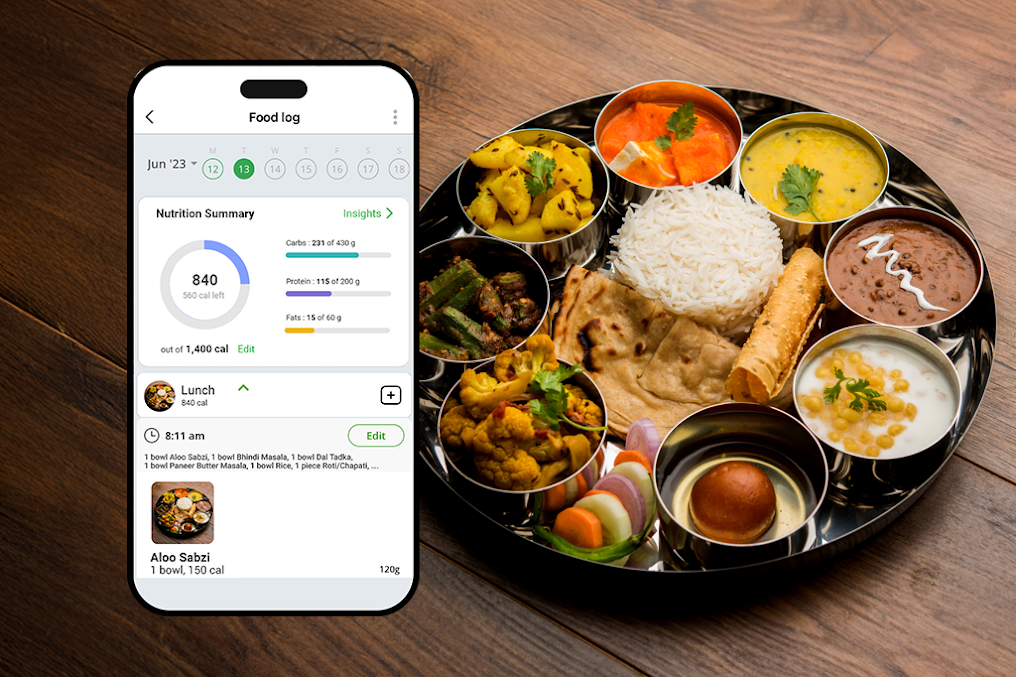
 When it comes to maintaining a healthy lifestyle, keeping track of what you eat is essential. However, traditional methods of food logging can be tedious, time-consuming, and often inaccurate, leading many to abandon the practice altogether.
Enter GOQii NutriGenius AI, a groundbreaking feature that simplifies food tracking through the power of advanced technology. By combining computer vision and machine learning, NutriGenius AI makes logging your meals as easy as taking a photo. After using it for a week, I can confidently say this innovation is a significant leap forward in wellness technology. Here’s why NutriGenius AI is not just convenient but truly transformative.
The Challenges of Traditional Food Tracking
Manually logging meals typically involves searching extensive food databases, estimating portion sizes, and inputting data—a process that is both cumbersome and prone to errors. This complexity often discourages consistent use, despite the importance of understanding one’s dietary habits for better health management.
Recognizing these challenges, GOQii developed NutriGenius AI to streamline the process, making it more user-friendly and accurate.
 How NutriGenius AI Transforms Food Logging
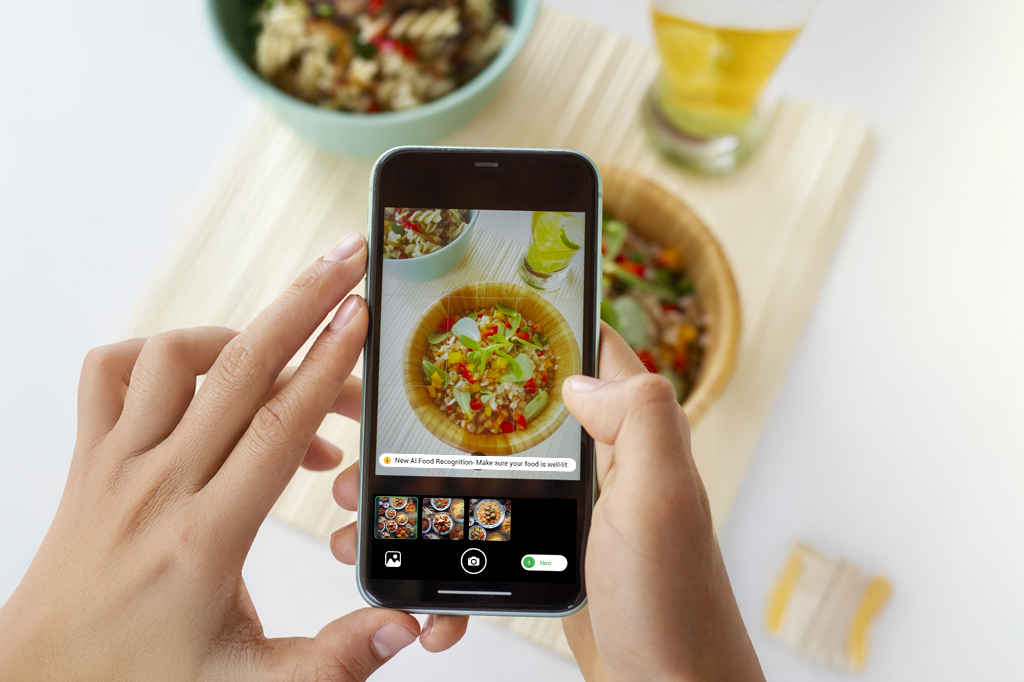
Imagine sitting down to a meal, snapping a quick photo with your phone, and instantly receiving a detailed breakdown of the nutritional content. NutriGenius AI utilizes sophisticated computer vision and machine learning algorithms to identify food items on your plate and calculate their nutritional values with remarkable accuracy.
During my trial, I photographed various meals, and each time, NutriGenius AI promptly recognized the items and provided comprehensive nutritional information. This seamless experience felt almost magical and significantly reduced the effort required for food tracking.
Key Benefits of NutriGenius AI
- Eliminates Guesswork
With an accuracy rate exceeding 90%, NutriGenius AI removes the uncertainty from portion estimation and food identification, ensuring reliable data for your dietary records.
- Facilitates Mindful Eating
Access to real-time nutritional information empowers you to make informed dietary choices effortlessly, promoting healthier eating habits without the need for restrictive diets.
- Encourages Consistency
The simplicity of photographing your meals makes it easy to maintain a consistent food log, even for snacks, fostering better long-term dietary awareness.
- Saves Time
Transforming a traditionally time-consuming task into a quick, three-second action allows you to integrate food tracking seamlessly into your daily routine.
User Experience with NutriGenius AI
The GOQii app is designed with user-friendliness in mind, and NutriGenius AI enhances this experience by providing valuable insights into your eating patterns. For instance, I discovered that my lunches were higher in carbohydrates than anticipated, while my breakfasts lacked sufficient protein. These revelations enabled me to adjust my diet accordingly, making NutriGenius AI feel like a personal nutrition coach.
A New Era in Health and Wellness
NutriGenius AI represents a significant advancement in how we approach health. By removing the obstacles associated with traditional food logging, GOQii empowers individuals to take control of their wellness journeys. This tool is not merely about counting calories; it’s about fostering awareness and facilitating informed decisions.
Its seamless integration into busy lifestyles makes it accessible for professionals, parents, and anyone aiming to improve their health without added stress.
The Future of Health Technology
The development of NutriGenius AI involved collaboration with leading technologies to achieve optimal accuracy. By combining multiple models and continuously refining the system with user data, NutriGenius AI is designed to become increasingly precise over time.
This approach exemplifies how integrating various technological solutions can lead to innovative advancements in health and wellness. NutriGenius AI is a testament to GOQii’s commitment to leveraging cutting-edge technology to enhance user experience and promote preventive healthcare.
NutriGenius AI is more than just a convenient feature; it’s a transformative tool that simplifies food tracking and promotes healthier living. By integrating advanced technologies and focusing on user-friendly design, GOQii has set a new standard in wellness tech. This innovation not only addresses the challenges of traditional food logging but also paves the way for future developments in health technology.
GOQii NutriGenius AI is a game-changer for anyone striving to lead a healthier life. With its advanced AI-powered food recognition and seamless integration, it transforms the way we approach nutrition and calorie tracking. Whether you’re a busy professional, a parent, or someone looking to improve your diet, NutriGenius AI offers a smarter, easier way to take charge of your wellness journey.
Experience the future of health tracking—download the GOQii app today and take the first step toward a healthier you!
#BeTheForce

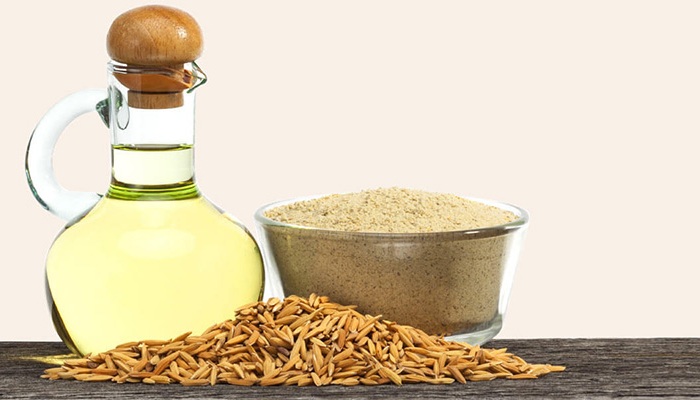 ‘Good health is a boon’ According to the World Health Organisation (WHO), Health is “a state of mental, physical and social well-being, not merely the absence of any disease or infirmity”. What we eat, how it’s prepared, and when we consume it all play vital roles in our health. Oil, a key ingredient in Indian cuisine, greatly influences our health depending on the type and amount used. Choosing the right oil is especially important for those with busy lifestyles. As the second-largest rice producer globally, India produces around 100 MMT of rice annually. Rice bran oil, extracted from rice husk and germ, has a high smoke point of 232°C (450°F), a long shelf life, and a mild flavor, making it ideal for high-temperature cooking like stir-frying and deep-frying. According to the latest recommendations by the National Institute of Nutrition (NIN) and the Indian Council of Medical Research (ICMR), the ideal oil composition is 27-33% saturated fat, 33-40% monounsaturated fat, and 27-33% polyunsaturated fat. Rice bran oil closely matches this recommendation with a composition of SFA (24%), MUFA (42%), and PUFA (34%), offering a balanced fatty acid profile.