GOQii

Blog

  • HOME
  • HEALTHY LIVING
  • FITNESS
  • HEALTHY RECIPES
  • USER STORIES
  • KARMA
  • BUY GOQii

June 29, 2024 By Luke Coutinho 3 Comments

All you want to know about Inflammation

When you think pain, think inflammation.
 
Inflammation is a good thing. It’s your body’s way of rising up to fight out germs/bacteria/infections, heal bruises when you fall, heal torn ligaments/tissues/tendons etc.
 Once it does its job of fighting out these invaders or foreign organisms, the inflammation should reduce back down to normal.
 The problem arises when that does not happen.

Have a torn ligament or muscle pull that you are struggling to heal? Seen the best doctors, therapists, etc. and still not fixed? Struggling with arthritis and joint pain? 
Check your CRP (C-Reactive protein) levels and focus on reducing inflammation. The cure is in reducing inflammation.

Many of us live with chronic inflammation and that’s dangerous. It’s also one of the reason people struggle to lose weight, experience excruciating joint pains,
 age faster than normal, 
feel tired through the day, 
higher chances of cancer and heart disease, suffer from 
Fibromalgia/Headaches/Migraines, 
have higher chances of Alzheimer’s/Dementia, struggle with diabetes,
 feel depressed and low.

Silent inflammation like the ones described above can destroy your nerves and cellular health, suppressing and weakening your immune system, leading to deadly diseases like cancer, etc.


What’s scary is the fact that you can be extremely healthy and fit, but silent inflammation could be eating into you from inside, which is one of the many explainable reasons why cancer or heart attacks can strike down a healthy and young human being.
 Checking cholesterol levels, Vitamin D3, B12, SGOT, and SGTP is imperative, but what most people miss out on is checking their CRP levels (C-Reactive protein). This is an important protein level to check, and a simple blood test will cover that for you. This level will tell you volumes about the amount of inflammation you have in your body.

In my years of experience, what stands out in a cancer report of a person is an increase in CRP levels and white blood cells, and the immediate action is to reduce inflammation through food and lifestyle change.
 Diseases breathe in inflamed environments, in environments that are acidic, and in environments where there is less oxygen supply to the cells.

Overtraining causes inflammation.
 Vigorous exercise, inconsistent exercise, and high-intensity training that is not planned for your body type will make your CRP levels soar and kill your immunity, which is why many trainers ask their clients to take a Vitamin C and E post workouts.

Running marathons without proper nutrition causes massive inflammation.
 Stress causes inflammation (chronic stress).
 Improper nutrition (high-fat foods, sugar, artificial sweeteners, doughnuts, white sugar, aerated drinks, salty foods, packaged foods), and smoking causes inflammation. (I’ve seen CRP levels fall in a smoker’s blood report within 10 days of kicking the butt)

. 

How to keep your inflammation in check:

Smart and moderate exercise such as meditation and controlling your stress and BP levels, nuts and seeds, 
green leafy veggies and fruits,
 good fats (like nuts, olive oil, coconut oil) helps in keeping your inflammation under check. Finally, I should not be saying this, but it has been proven that a small amount of alcohol can actually lower CRP levels. Vitamin D3
 and Curcumin (turmeric extract) are some of the best spice-based inflammation fighters.

Understanding and managing inflammation is crucial for maintaining good health and preventing chronic diseases. By incorporating anti-inflammatory foods, regular exercise, and stress management into your routine, you can significantly reduce inflammation and improve your overall well-being.

We hope this article helps you. For further information or guidance, reach out to our certified experts by subscribing to GOQii’s Personalised Health Coaching here.

#BeTheForce 
Disclaimer: The information provided in this blog is for general awareness and educational purposes only. It is not intended to replace professional medical advice, diagnosis, or treatment. Always consult a qualified healthcare provider for personalised medical guidance or concerns related to your health.

June 28, 2024 By Anusha Subramanian Leave a Comment

Monsoon Magic: Navigating the Lush Trails of Sahyadri Safely

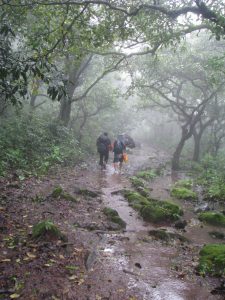
Trekking in the Sahyadri ranges during the monsoon season offers a mesmerizing experience with lush green landscapes, cascading waterfalls, and the fresh aroma of wet earth. The monsoons transform the Sahyadri into a verdant paradise, attracting numerous trekkers and nature lovers.

So, what makes trekking so enjoyable and rejuvenating? Is it so difficult that only a select few can do it? These questions are best answered by experiencing a trek first hand. For those still trying to decide whether to venture into trekking, let me give you a sneak preview.

While trekking, you may find yourself stuck or simply in awe of the untouched beauty around you. This beauty, often missed while traveling by car, embeds itself permanently in your memory. Trekking involves confronting new situations throughout the day, making each little thing a cherished memory for life. Human togetherness becomes simple in the face of this challenging lifestyle for otherwise confused and unprepared minds.

Trekking during the monsoon season comes with its own set of challenges and requires careful planning and preparation. The trails can be slippery due to rain and mud, increasing the risk of slips and falls. Streams and rivers can swell suddenly, making crossings risky. Visibility can also be reduced during heavy rains, which may lead to disorientation.

Essential Skills and Preparation

Contrary to popular belief, trekking is not tough. If you know how to walk, you can trek. However, this doesn’t mean venturing into unknown territories alone. Walking along a trail with a backpack doesn’t require exceptional skills but does require physical fitness, planning, the right clothes, shoes, and above all, common sense.

A first-time trekker should start with easy, effortless trails of about an hour and gradually work up to longer, more difficult treks. The difficulty of any trek depends on the terrain’s hilliness and altitude. Most walking trips tailored for moderately active people cover gentle terrain at low altitudes, with optional shorter routes and breaks along the trails. This applies to treks in Maharashtra or in South India.


Respecting Nature and Safety

Respecting nature and the environment is crucial while trekking. Living in harmony with nature during a trek rewards you with an enriching feeling of rejuvenation.

Here are some tips for safe trekking in the Sahyadris’ during the monsoons:

Proper Gear: Equip yourself with good quality, non-slip trekking shoes, a waterproof jacket, and quick-dry clothing. A sturdy walking stick can also provide additional support on slippery trails. Choose a well-fitted backpack with multiple pockets, padded shoulder straps, and large zipper closures. The base should sit on your hips, and the top should be at least one hand-width below the base of your neck.

Essentials in Your Day Pack: At least 2 litres water, Swiss Army knife, Map if you have one, compass, a rain jacket or a poncho is a must.

Stay Informed: Check the weather forecast before setting out and be prepared for quick weather changes. Avoid trekking during a heavy downpour or when thunderstorms are predicted.

Experienced Company: It’s safer to trek with experienced and certified guides who know the area well and can navigate safely through challenging terrain. Avoid going with information posted by groups on social Media.

First Aid Skills: A basic first aid course is beneficial. At the very least, know how to bandage a wound and detect signs of dehydration and heatstroke. However, in the absence of not knowing first aid, ensure your guide is first aid trained.

Emergency Preparedness: Carry a basic first aid kit, a whistle for emergency signals, and keep your mobile phone fully charged for emergencies. Inform someone about your trekking plans and expected return time.

Environmental Awareness: Be mindful of the flora and fauna. The monsoon is a crucial breeding season for many species, and it’s important to tread carefully and respect wildlife habitats.

Trekking in the Sahyadri during the monsoons can be a thrilling and rejuvenating experience if done with caution and respect for nature. With the right preparations and safety measures, you can enjoy the breath taking beauty of the rain-soaked Sahyadri safely.

Happy Trekking!

#BeTheForce

June 26, 2024 By Trupti Hingad 10 Comments

Urine Colour – Can be a good indicator of health

1 (2)

In my previous blog, I discussed how your poop describes your health status. In this blog, I shall tell you how your pee says a lot about your health.

In a day, we all visit the bathroom many times to pee, but seldom does it cross our mind to check our pee colour before we flush it out of sight.

Urine, or pee, is the body’s way of expelling waste products in a liquid form, mainly composed of water, salt, and chemicals called urea and uric acid.

The kidney creates urine by flushing out toxins and other bad substances from the blood. Various factors such as medications, food, and illness can affect urine colour or odour.When there is a malfunction, the urine may contain clues to the problem. The colour of the urine can be a helpful indicator.

Ideally, the colour of urine should be pale yellow, indicating you are well hydrated. The pale yellow colour is due to a pigment produced by the body called – UROCHROME and UROBILIN.

Let’s understand how the colour of the urine describes your health. There are three main causes for abnormal urine colour

  • Food that you eat
  • Drugs or Medication that you take
  • Health Issues

What does the colour of Urine Indicate?

Transparent: If the pee colour is completely clear, its sign of over hydration. Sometimes excess hydration may lead to dilution of salts in the body.

Brown colour: Shades of brown in your urine may indicate dehydration. It can also signal liver disease, where bile salts that should be processed and eliminated through stool end up in the urine.

Note: If you eat a lot of aloe, fava beans, or rhubarb, these foods can also turn your urine brown.

Red colour: Foods like beets and blackberries can cause red urine. If the red color persists, it could be a sign of blood in the urine, which may be due to kidney disease, urinary tract infections (UTI), or cancers. In such cases, consult a doctor immediately.

Blue or Green colour: Consumption of asparagus can lead to green urine. Certain medications, genetic diseases, and UTIs can also cause blue or green urine.

Orange: An orange color may be due to medications such as high-dose vitamin B2, the UTI drug phenazopyridine, or the antibiotic isoniazid.

Dark yellow: Dark yellow urine indicates significant dehydration. It can also be linked to high intake of B vitamins, especially B12, resulting in this dramatic hue change.

Cloudy or milky: Cloudy or milky urine most often indicates the presence of white blood cells, suggesting an infection.

Bubbles/frothy urine: Excessive bubbles or frothing that occurs every time you urinate can indicate an excess of protein in your urine.

Does your urine smell?

Pee doesn’t usually have a strong smell. However, some foods, especially asparagus, contain a smelly sulfur compound that can change the odor. Vitamin B-6 supplements can also affect the smell. When you’re dehydrated and your pee gets very concentrated, it can smell strongly of ammonia. A strong ammonia smell may indicate a UTI, and a sweet smell could be a sign of excess sugar and diabetes.

How often should you urinate?

It varies for everyone, but normally people need to empty their bladder up to 8 times a day. If you suddenly need to pee more often than usual, it could be a sign of a health problem such as a UTI, diabetes, an enlarged prostate in men, vaginitis in women, or interstitial cystitis.

Urine is something that most of us must take a look and prevent any conditions by prevailing. By understanding what your urine color indicates, you can take steps to maintain your health and seek medical advice when necessary.

Keep yourself well hydrated and stay healthy!!

We hope this article helps you. Understanding the color and characteristics of your urine can provide valuable insights into your health. By paying attention to these signs, you can take proactive steps to maintain your well-being. Keep yourself well-hydrated and consult a healthcare professional if you notice any unusual changes in your urine or speak to a certified expert by subscribing to GOQii’s Personalised Health Coaching here.

#BeTheForce

June 22, 2024 By Jyoti Kumawat 1 Comment

Heal yourself with the magic of “MUSIC THERAPY”

musik

There is nothing more soothing than music. If you’re stressed, tired or unable to sleep, listening to music can make you feel better almost immediately. This effect is a type of Music Therapy.

The concept of music therapy is not new, especially in India. Music has long been an integral part of Ayurveda, the holistic science promoting a happy and healthy lifestyle. The Vedas, particularly the Samveda, are rich in music mantras and ragas.

Great composers of Indian classical music have practiced music therapy for centuries. It is even said that the classical music maestro Thyagaraja brought a dead person back to life with his composition.

How does it work?

Music stimulates the pituitary gland, which in turn affects the nervous system and the blood flow. Healing with music is believed to work by vibrating the cells of the body, which can effectively change a person’s consciousness and promote health.

Personally, I love music and have always considered it my medicine. Whether I am stressed or confused, music always gives me the right direction. Having experienced a lot of positivity through Music, I wanted to share how music can be a positive healer.

The Power of Music Therapy

Music therapy uses music and sounds to:

  • Help express emotions
  • Cope with symptoms of a disease and its treatment
  • Improve emotional and physical well being
  • Develop self-confidence and self-esteem
  • Re-kindle a sense of creativity
  • Help relax and feel comfortable

You don’t need to have musical expertise to benefit from music therapy. The technique consists of various interventions and planned programs that vary depending on the situation. The type of music is important—soothing music, ragas, relaxing music, and motivational music all have different effects.

Types of Interventions:

A typical music therapy session may include different interventions, which can be grouped into four types:

  1. Performing/Playing: This can include singing or playing an instrument
  2. Composing: This includes any group or individual songwriting process, which can be simple or complex as needed
  3. Improvising: Creating music on the spot or in the moment
  4. Receiving/Listening: This can include a music and relaxation experience, a lyric analysis intervention, or a “moving to music” experience, such as gait training

A “typical” music therapy session may incorporate multiple interventions or just one long, in-depth one. The key is that each intervention is designed to target a specific therapeutic goal and objective.

Benefits of Music Therapy :

The right kind of music helps one relax and refresh. Even while working, light music can improve efficiency. It helps control negative aspects of our personalities like worry, bias, and anger, and can help cure headaches, abdominal pain, and tension. Music therapy is one of the most effective ways of controlling emotions, blood pressure, and restoring liver function. It can also reduce insomnia, schizophrenia, and epilepsy.

Here are some additional benefits:

  1. Coping with work-related stress
  2. Enhancing social skills in children with autism
  3. Symptom management in cancer care
  4. Treatment of tension headaches
  5. Promoting health and wellness
  6. Helping people undergoing chemotherapy and radiotherapy
  7. Providing physical and psychological support for people with cancer
  8. Assisting people at the end of life
  9. Alleviating cancer pain
  10. Supporting children and young people
  11. Reducing stress
  12. Improving parent-child interactions
  13. Encouraging conversation among people with middle to late-stage Alzheimer’s disease

Music therapy is a powerful tool for healing and improving well-being. Whether you are dealing with stress, health issues, or just need a way to relax, music can be a wonderful companion and healer.

I would like to end this blog with a quote:

“If I should ever die, God forbid, let this be my epitaph:
THE ONLY PROOF HE NEEDED
FOR THE EXISTENCE OF GOD
WAS MUSIC”

― Kurt Vonnegut

We hope this article has enlightened you on the incredible healing power of music therapy. If you have any personal experiences with music therapy or have questions, please feel free to share your thoughts in the comments below.

#BeTheForce

  • « Previous Page
  • 1
  • …
  • 8
  • 9
  • 10
  • 11
  • 12
  • …
  • 78
  • Next Page »

Search

Recent Posts

  • Best Foods To Alleviate Irritable Bowel Syndrome
  • ALL ABOUT VERTIGO!
  • PCOS and Anxiety: Discover Relief with the 54321 Technique
  • Navigating the Maze of Nutrition: Finding Clarity Amidst Confusion
  • Get children active and keep them healthy

Stay Updated

Archives

  • December 2025 (6)
  • November 2025 (15)
  • October 2025 (20)
  • September 2025 (6)
  • August 2025 (6)
  • July 2025 (12)
  • June 2025 (18)
  • May 2025 (16)
  • April 2025 (23)
  • March 2025 (23)
  • February 2025 (22)
  • January 2025 (26)
  • December 2024 (26)
  • November 2024 (25)
  • October 2024 (22)
  • September 2024 (24)
  • August 2024 (31)
  • July 2024 (21)
  • June 2024 (26)
  • May 2024 (31)
  • April 2024 (27)
  • March 2024 (29)
  • February 2024 (26)
  • January 2024 (25)
  • December 2023 (15)
  • November 2023 (11)
  • October 2023 (22)
  • September 2023 (22)
  • August 2023 (20)
  • July 2023 (22)
  • June 2023 (24)
  • May 2023 (24)
  • April 2023 (24)
  • March 2023 (23)
  • February 2023 (20)
  • January 2023 (16)
  • December 2022 (12)
  • November 2022 (15)
  • October 2022 (15)
  • September 2022 (12)
  • August 2022 (10)
  • July 2022 (17)
  • June 2022 (11)
  • May 2022 (10)
  • April 2022 (6)
  • March 2022 (6)
  • February 2022 (13)
  • January 2022 (12)
  • December 2021 (7)
  • November 2021 (3)
  • October 2021 (6)
  • September 2021 (3)
  • August 2021 (8)
  • July 2021 (7)
  • June 2021 (15)
  • May 2021 (16)
  • April 2021 (10)
  • March 2021 (7)
  • February 2021 (4)
  • January 2021 (4)
  • December 2020 (3)
  • November 2020 (4)
  • October 2020 (10)
  • September 2020 (3)
  • August 2020 (3)
  • July 2020 (2)
  • June 2020 (4)
  • May 2020 (10)
  • April 2020 (12)
  • March 2020 (10)
  • February 2020 (4)
  • January 2020 (4)
  • December 2019 (3)
  • November 2019 (7)
  • October 2019 (5)
  • September 2019 (4)
  • August 2019 (9)
  • July 2019 (9)
  • June 2019 (11)
  • May 2019 (4)
  • April 2019 (9)
  • March 2019 (8)
  • February 2019 (9)
  • January 2019 (8)
  • December 2018 (9)
  • November 2018 (3)
  • October 2018 (3)
  • September 2018 (5)
  • August 2018 (10)
  • July 2018 (6)
  • June 2018 (13)
  • May 2018 (8)
  • April 2018 (18)
  • March 2018 (9)
  • February 2018 (8)
  • January 2018 (15)
  • December 2017 (12)
  • November 2017 (19)
  • October 2017 (13)
  • September 2017 (15)
  • August 2017 (4)
  • July 2017 (8)
  • June 2017 (7)
  • May 2017 (6)
  • April 2017 (8)
  • March 2017 (6)
  • February 2017 (7)
  • January 2017 (9)
  • December 2016 (10)
  • November 2016 (7)
  • October 2016 (7)
  • September 2016 (7)
  • August 2016 (11)
  • July 2016 (9)
  • June 2016 (9)
  • May 2016 (12)
  • April 2016 (17)
  • March 2016 (17)
  • February 2016 (8)
  • January 2016 (6)
  • December 2015 (2)
  • November 2015 (9)
  • October 2015 (7)
  • September 2015 (9)
  • August 2015 (11)
  • July 2015 (9)
  • June 2015 (12)
  • May 2015 (9)
  • April 2015 (13)
  • March 2015 (8)
  • February 2015 (5)
  • January 2015 (12)
  • December 2014 (14)
  • November 2014 (11)
  • October 2014 (6)
  • September 2014 (13)
  • August 2014 (12)
  • July 2014 (6)
  • June 2014 (2)
  • May 2014 (7)
  • April 2014 (5)

From “Laddu Nawin” to Fit and Fierce: How a 25-Year-Old Insurance Advisor Shed 20 Kilos and Gained His Life Back

When 25-year-old Nawin Yadav from Hyderabad walked into his office every morning, he carried more than just his files and policy papers. He had the weight of fatigue, sluggish energy, and an ever-growing belly that was becoming the butt of jokes. “People … [Read More...]

“I’ve Challenged Myself to Live 100 Years” – The Story of Chandubhai Savani’s Second Chance at Life

At 67, most people start slowing down. Not Chandubhai Savani. A resident of Surat, Chandubhai, thought life was on track. “My life was going well till I had my bypass surgery,” he says. That surgery, back in 2021, was a wake-up call.  Medication was routine, but exercise wasn’t. His diet? What he calls ‘normal.’ “I […]

From Shimla’s Slopes to Chandigarh’s Sidewalks: Surinder Kaur Bhalla’s Journey from Chaos to Control

Some journeys start with a plan. Others begin with a stumble literally. Surinder Bhalla, a government professional, born and raised in the scenic hill town of Shimla, had always lived a life of movement. “In Shimla, you walked everywhere,” she reflects. “Walking was never an exercise. It was just life.” But after shifting to Chandigarh, […]

Ananda Mukherjee Health Story

From Terminal Illness To Complete Wellness! Ananda Mukherjee Health Story

As we observe World Cancer Day under the powerful theme ‘United by Unique’ (2025-2027)**, we are reminded that every individual’s journey with cancer is distinct, yet united by shared resilience, hope, and the collective fight against this disease. This theme places people at the centre of care and their stories at the heart of the […]

  • HOME
  • HEALTHY LIVING
  • FITNESS
  • HEALTHY RECIPES
  • USER STORIES
  • KARMA
  • BUY GOQii

Copyright ©2016 GOQii