GOQii

Blog

  • HOME
  • HEALTHY LIVING
  • FITNESS
  • HEALTHY RECIPES
  • USER STORIES
  • KARMA
  • BUY GOQii

Archives for September 2024

September 25, 2024 By Sunita Arora Leave a Comment

5 Ways To Keep Your Lungs Healthy

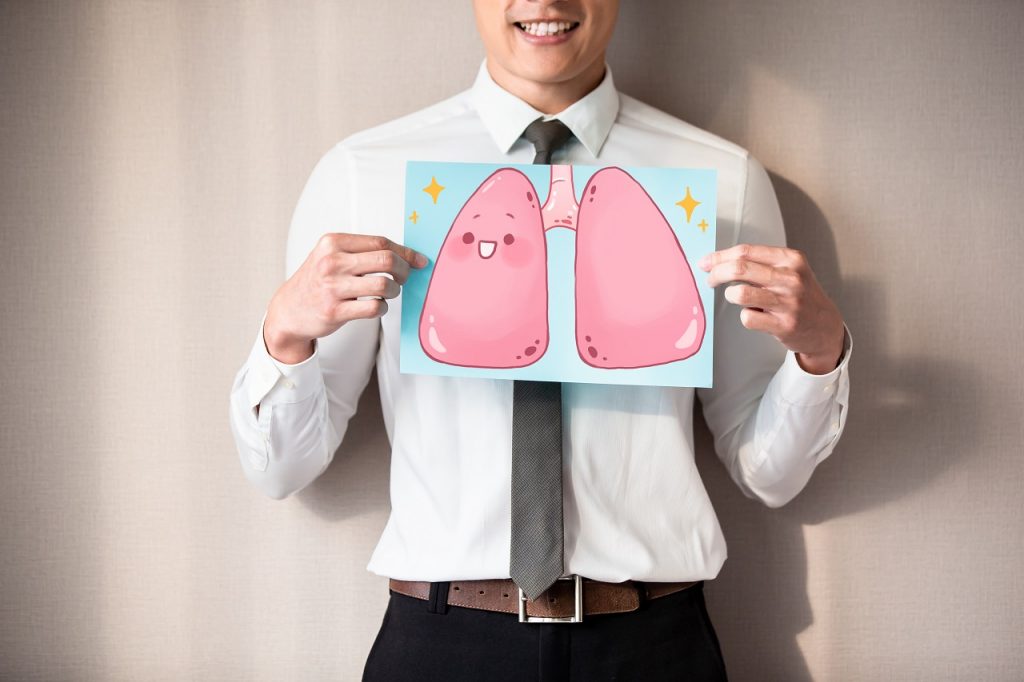
keep your lungs healthyWhile the heart often gets much attention, healthy lungs are equally important for overall well-being. Lung infections can arise as complications of other chronic conditions, and maintaining lung health is critical. According to the World Health Organization (WHO), exposure to air pollution contributes to 4.2 million deaths worldwide each year. Additionally, cigarette smoking is responsible for one in every five deaths in the United States. Although the body has natural defenses to protect the lungs, there are additional steps we can take to keep them functioning optimally.

How To Keep Your Lungs Healthy 

1. Practice Deep Breathing
Lung capacity tends to diminish as we age, but specific deep breathing exercises can help maintain lung function. Breathing exercises benefit both healthy individuals and those with respiratory issues. Two effective techniques include:

  • Diaphragmatic breathing: This technique helps build lung capacity and is particularly beneficial for individuals with COPD. Inhale through your nose for two seconds, allowing air to fill the abdomen, and exhale for two seconds.
  • Pursed-lip breathing: Inhale through your nose and exhale slowly through pursed lips. This technique can help improve air exchange.

2. Detox Your Lungs
Though our lungs are self-cleaning organs, a few simple practices can enhance lung function:

  • Garlic and honey: Start your day with 1-2 crushed cloves of garlic with a tsp of raw honey to help break down mucus.
  • Lemon water and cayenne pepper: Drink 250ml of lemon water with a pinch of cayenne pepper in the morning to loosen mucus. 
  • Fenugreek seed water: Drinking fenugreek seed water and chewing the soaked seeds can aid in clearing mucus. 
  • Steam inhalation: Inhale steam with peppermint and eucalyptus oil for 5 minutes twice daily.
  • Castor oil massage: Massaging your chest with warm castor oil can help alleviate congestion and clear mucus.

3. Get Fit & Stay Active
Regular exercise strengthens the muscles and increases the body’s need for oxygen, leading to an increased breathing rate. This process improves circulation and helps the body eliminate excess carbon dioxide produced during exercise. Staying active keeps your lungs healthy and enhances overall respiratory function.

4. Stay Hydrated
Keeping your airways moist is essential for optimal lung function, especially for those with breathing problems. Staying well-hydrated ensures the mucosal lining in the lungs remains thin, allowing them to function more effectively.

5. Prevent Infection & Avoid Exposure To Pollutants
Sometimes respiratory infections become very serious. To safeguard your lungs from various infections you should: 

  • Wash your hands often with soap and water or use alcohol-based sanitizer
  • Maintain good oral hygiene, brush your teeth twice a day and see your dentist every six months
  • Avoid crowded places during cold and flu season. Get yourself vaccinated against influenza and pneumonia every year
  • Minimize exposure to outdoor air if the quality is not good and avoid exercising outdoors on bad air days
  • Don’t exercise near heavy traffic to avoid inhaling polluted air
  • Avoid exposure to indoor pollutants which worsen lung disease. Make your home and car smoke-free
  • Dust the furniture at least twice a week. Keep your home clean as much you can, use natural cleaning products and make sure you have adequate air ventilation at home.
  • Instead of using synthetic air fresheners and candles, you can use an aromatherapy diffuser, essential oils like lavender oil, peppermint oil, rosemary oil, etc.
  • Stop smoking as soon as possible because it causes chronic inflammation in the lungs and destroys lung tissues which can lead to chronic bronchitis and lung cancer.

In addition to these practices, incorporating anti-inflammatory and antioxidant-rich foods into your diet can further support lung health. Include foods like turmeric, green tea, cherries, blueberries, olives, walnuts, beans, and lentils to help reduce lung inflammation.

We hope this article helps you. To know more ways to keep your lungs healthy, check out Healthy Reads or speak to a certified expert by subscribing to GOQii’s Personalised Health Coaching here.

#BeTheForce 

Disclaimer: The information provided in this blog is for general awareness and educational purposes only. It is not intended to replace professional medical advice, diagnosis, or treatment. Always consult a qualified healthcare provider for personalised medical guidance or concerns related to your health.


September 24, 2024 By Falguni Bhojak 2 Comments

5 Yoga Asanas To Relieve Bloating and Gas

Relieve BloatingMost of us feel bloated after a heavy meal or when we have some digestive problems or when we are stressed out. There is a feeling of fullness and tightness in the abdomen which may cause abdominal pain. Practising yoga improves digestion by increasing blood flow to your digestive tract and twisting poses compress and massage your internal organs, which help relieve bloating and gas. 

Poses To Aid Digestion and Relieve Bloating 

Try the yoga asanas below to help improve digestion and relieve bloating: 

1. Apanasana
This asana is also known as the ‘wind relieving pose’. It not only helps to release the build-up of gas and improve digestion but also helps in detoxifying the entire system.Apanasana

  • Lie down on your back and place your hands on the knees
  • As you exhale, hug your knees to your chest
  • Rock your knees from side to side to maximize stretch
  • Do this for five to ten breaths and release your knees
  • When you inhale, loosen your grip to allow your legs to move away from your stomach 

2. Supta Matsyendrasana
Also known as the Spinal Twist, this pose is great for digestion as it helps your blood flow through your body, especially your gut.Supta Matsyendrasana

  • Lying on your back, bring your arms out to the sides with the palms facing down in a T position. Bend the right knee and place the right foot on the left knee
  • Exhale and drop the right knee over to the left side of your body, twisting the spine and lower back
  • Gently push your right knee using your left hand to touch the ground
  • Make sure your right arm is extended out to the side at shoulder height
  • Breathe and hold for 6-10 breaths
  • To release, inhale and roll the hips back to the floor, and exhale the leg back down to the floor. Repeat the same process on the other side.

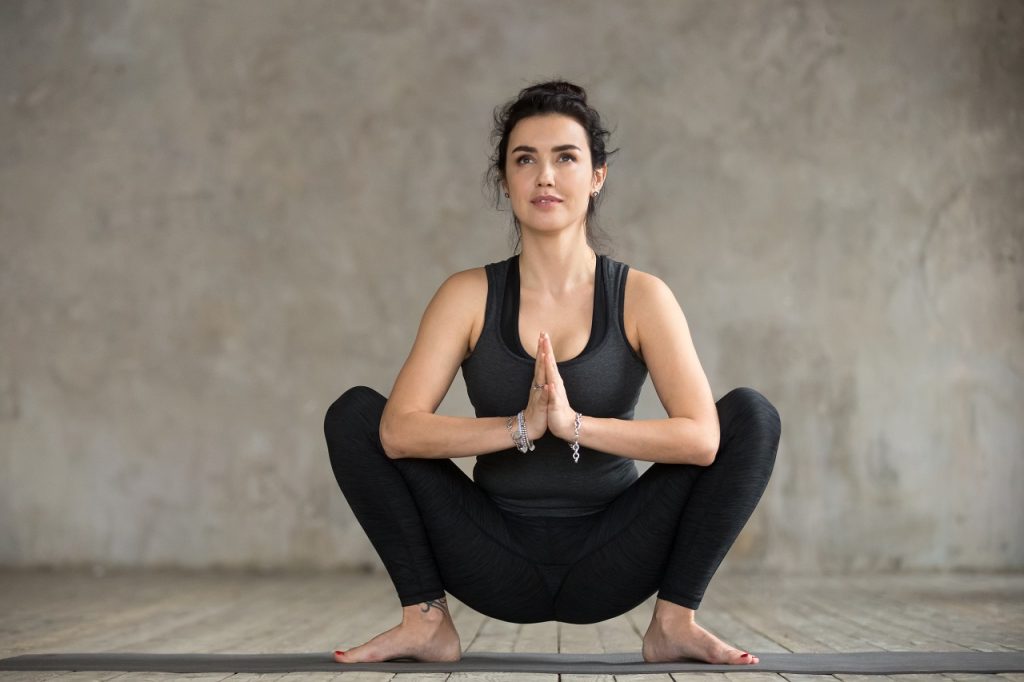
3. Malasana
Also known as the Garland Pose, it is good for digestion as it helps you release all the gas out of your system that is blocking your intestines from functioning normally.  Malasana Relieve Bloating

  • Begin in the Mountain Pose (Tadasana), with your feet slightly wider than hip distance apart
  • Bend your knees deeply, sinking down until your hips are lower than your knees, a few inches off the floor
  • Bring your palms together at heart center and wedge your elbows one at a time, to the inside of your knees
  • Push your elbows into your knees to open your hips and gently press the inside of your knees into your elbows
  • Stay in this pose for 30 seconds to a minute
  • To get out of the pose, either sit back onto your buttocks or push back up to standing

4. Setu Bandha Sarvangasana
Also known as the Bridge Pose, it will open up your gut, allowing blood to flow smoothly and subsequently, will help relieve bloating and pain. Setu Bandha Sarvangasana

  • Lying on your back, place your feet flat on the floor
  • Fold your knees and keep your feet hip distance apart on the floor, 10-12 inches from your pelvis, with knees and ankles in a straight line
  • Keep your arms beside your body, palms facing down
  • On inhalation, press the back of your shoulders and your feet into the floor and lift your hips up
  • Lengthen your tailbone, slide your shoulder blades down your back and keep your neck neutral
  • Keep your bottom firm up in this pose; Keep your thighs and feet parallel
  • Hold the pose at the top for 30 seconds each time before releasing
  • To come out of the pose, release the arms and roll your spine down while breathing out

5. Chakravakasana
This pose, also known as the Cat-Cow Stretch, helps relieve bloating by stretching and contracting the abdomen with each motion.Chakravakasana

  • Keep your hands and knees in the table pose, and your spine neutral
  • First begin with the Cow Pose by inhaling as you drop your belly towards the mat. Lift your chin and chest, and look up towards the ceiling
  • As you exhale, come into the Cat Pose while rounding your spine outward, tucking in your tailbone, and drawing your pubic bone forward
  • Release your head toward the floor, but don’t force your chin to your chest
  • Inhale as you come back into the Cow Pose and exhale as you return to the Cat Pose
  • Hold each pose for a breath before moving into the other one. Do this for 15-20 breaths

We hope these yoga asanas help you relieve bloating, gas and any other associated pains. Before you begin any yoga practice, do consult your doctor, physician or personal trainer. Kindly ensure that you perform these asanas under proper guidance if you’re a beginner. 

For more on yoga, check out Healthy Reads or speak to a certified expert by subscribing to GOQii’s Personalised Health Coaching here.

#BeTheForce 

Disclaimer: The information provided in this blog is for general awareness and educational purposes only. It is not intended to replace professional medical advice, diagnosis, or treatment. Always consult a qualified healthcare provider for personalised medical guidance or concerns related to your health.

September 23, 2024 By Hardika Vira 180 Comments

Uric acid and seven ways to reduce it

uric acid

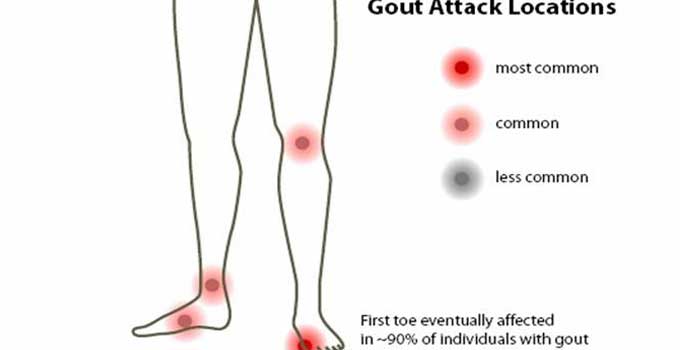
You may have heard people mention they suffer from ‘Gout.’ Gout is a condition marked by abnormal metabolism of uric acid, leading to excessive amounts of uric acid in the tissues and blood.

Uric acid is a byproduct of the metabolic breakdown of purine nucleotides. High levels of uric acid in the bloodstream can result in gout. It is also linked to other health issues, such as kidney stones and diabetes.

Normal uric acid levels range between 3.5 and 7.2 milligrams per deciliter of blood (mg/dL).

Here are seven tips to help reduce uric acid levels:

  1. Increase Water Intake – Staying hydrated is key to flushing out uric acid. When your body is well-hydrated, uric acid crystals are less likely to form. Drink at least 3-4 liters of water daily to help eliminate uric acid from your system. You can also include buttermilk, coconut water, lemon water, and green tea to boost your overall fluid intake.
  2. Reduce Purine-Rich Foods – Uric acid is formed by the breakdown of purines, a type of protein. While purines are naturally produced by the body, they are also found in foods like red meat, mushrooms, baked goods containing yeast, and fermented products. Opt for foods like lentils, split dals, milk, and egg whites to maintain healthy protein intake.
  3. Eat High Fiber Food – Fiber helps absorb uric acid in the bloodstream, allowing it to be easily eliminated through the kidneys. Good sources of fiber include fruits, vegetables, whole grains, and whole grain products, which should be chosen over refined products.
  4. Avoid Caffeine and Alcohol – Caffeine (found in coffee, tea, and certain soft drinks) and alcohol hinder the excretion of uric acid by binding to it. Reducing your intake of these can improve uric acid removal from your system.
  5. Consume Vitamin C-Rich Foods – Vitamin C aids in the excretion of uric acid. Citrus fruits, bell peppers, cabbage, amla (Indian gooseberry), and guava are excellent sources of Vitamin C and can help lower uric acid levels.
  6. Limit Sugar Intake – Excess sugar can interfere with the excretion of uric acid. Studies have shown that drinking 300 ml of sweetened beverages daily can increase the risk of gout by 13%.
  7. Try Apple Cider Vinegar – Apple cider vinegar contains acetic acid, which turns alkaline in the body, helping to dissolve uric acid crystals and preventing them from recurring. It also reduces joint inflammation and swelling, improving joint flexibility.

Reducing uric acid levels is crucial for managing gout and preventing associated health issues like kidney stones and diabetes. By making these simple lifestyle adjustments, you can lower your uric acid naturally and maintain better overall health. Do try these tips and share your thoughts in the comments below! For more health tips, speak to a certified expert by subscribing to GOQii’s Personalised Health Coaching here.

#BeTheForce

Disclaimer: The information provided in this blog is for general awareness and educational purposes only. It is not intended to replace professional medical advice, diagnosis, or treatment. Always consult a qualified healthcare provider for personalised medical guidance or concerns related to your health.
September 21, 2024 By Dr Manali Rao 1 Comment

Everything You Need to Know about Alzheimer’s

alzheimer's dayIf you’ve read ‘The Notebook’ by Nicholas Parks, later adapted into a film by the same name, you might have a fair idea of what Alzheimer’s really is. The book is centered around Allie and Noah, an all-time romantic couple. There’s a beautiful scene in the film where Noah, who is an old man now, narrates a story to Allie about a couple and how their love blossomed through hardships. Amazed by this story, Allie only realizes later that this story is about them. Noah read this to her as he had promised before the disease set in. The disease was Alzheimer’s!

shutterstock_574038220

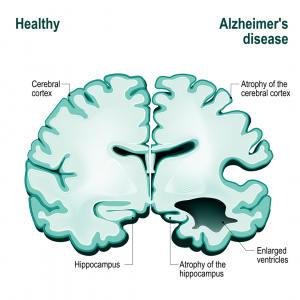
Alzheimer’s is a progressive neurological disorder which results in memory loss, personality changes, global cognitive dysfunction and functional impairments. It is the leading cause of dementia in the elderly. The disease begins at a slow rate. Initially, it captures the brain and slowly overcomes human thoughts, activities, and language as well. People start having trouble in remembering things and the one evident sign is forgetting the names of people.

What Causes Alzheimer’s?

The exact etiology is unknown, but a few risk factors can be marked out.

  • Age: Incidence and prevalence increases after the age of 60
  • Family History: First-degree relatives at greater risk
  • Genetic: ApoEepsilon 4 gene
  • Lack of Sleep
  • Regular and high consumption of junk food

Clinical Features 

  1. Progressive memory loss and decline of higher mental functions
    Example: problem-solving small issues, confusion in time, date and month, the problem faced in doing family activities of daily routine, misplacing things, poor judgment and problem in speaking and writing as well
  2. Difficulty in naming and understanding what others are speaking
  3. Apraxia: The inability to carry out skilled motor activities, inability to recognize objects, places and people
  4. Behavioral changes: Agitation, aggression, wandering and persecutory delusions, loss of insight, depression
  5. Loss of inhibition leading to inappropriate social behavior
  6. In advanced stages, a person may be mute, inactive and can succumb to different infections
  7. Inability to recognize color and visual picture
  8. In case there is an underlying cause, additional clinical features may be present

Management

The most important management for Alzheimer’s is support – Physical, mental and moral support from family members and caregivers.

  • Antioxidants (Vitamin E) can slow the decline of cognitive function
  • Drugs like anticholinesterase inhibitors (like donepezil, rivastigmine, galantamine), memantine, N-methyl-D aspartate (NMDA) receptor antagonist
  • Ginkgo biloba, a plant extract has been shown to be useful
  • Treatment of the underlying cause, if any

3-7

Alzheimer’s and Ayurveda

According to the principles of Ayurveda, Alzheimer’s is caused as a result of the imbalance in vata – this imbalance is quite common as a person begins to grow in age. It affects the vata – in the tissues of the central nervous system of the body – mainly the brain which then slowly becomes imbalanced.

Treatment begins with a Vata balancing diet. Withania Somnifera (Ashwagandha) in the powdered form along with either ghee or milk is included in the patient’s daily diet. This helps charge and soothe the Vata. Herbs such as Brahmi and Ashwagandha that serve as nerve tonics are mainly used.

An oil massage daily, prior to a bath is also considered significant in this form of treatment. Ayurveda specialized preparations for Alzheimer’s treatment that are made from rice have proved highly beneficial to the patients besides providing the required nutrients to the old age person.

How Can Turmeric Help?

Turmeric or Haldi, as it’s known in Hindi, is a part of almost every Indian recipe. It is known all over the world for its antibacterial, anti-inflammatory, anti-tumor, anti-spasmodic, anti-allergic properties and hence is used in medicines, cosmetics etc.

Curcumin that is found in turmeric has radical scavenging properties thereby preventing damage that can be caused to the cells of our body by free radicals. Alzheimer’s alleviation could be based upon the ability of curcumin to combat the development of amyloid plaque (accumulation of protein) in the brain leading to inflammation and impairment of cells.

Prevention

There’s no real guarantee when it comes to preventing Alzheimer’s. The only way to minimize your chances is by living a healthy and balanced lifestyle.

  1. Make sure you don’t stop learning new things. Continuous learning like a musical instrument, a new language or any subject that you didn’t have knowledge about keeps the memory intact.
  2. Forget your phone and start memorizing important numbers like bank accounts, mobile numbers, life insurance/investment policy numbers, credit and debit card numbers, passwords and recalling them when needed is an easy way of jogging your memory.
  3. Make sure you get your hands on challenging puzzles like Sudoku, different crosswords, etc.
  4. Consumption of antioxidants via diet/supplements is helpful in preserving memory function.

We hope this blog helped you lean more about Alzheimer’s and what we can do in case a loved one is ever affected by it. Do leave your thoughts in the comments below!

For more informative topics, check out Healthy Reads or speak to an expert by subscribing for Personalised Health Coaching here.

#BeTheForce

Disclaimer: The information provided in this blog is for general awareness and educational purposes only. It is not intended to replace professional medical advice, diagnosis, or treatment. Always consult a qualified healthcare provider for personalised medical guidance or concerns related to your health.

  • « Previous Page
  • 1
  • 2
  • 3
  • 4
  • …
  • 6
  • Next Page »

Search

Recent Posts

  • Navigating the Maze of Nutrition: Finding Clarity Amidst Confusion
  • Get children active and keep them healthy
  • What Gestational Diabetes Can Do To You & Your Unborn Child
  • Breathing – A Forgotten Art
  • The Incredible Benefits Of Milk You Might Not Know

Stay Updated

Archives

  • December 2025 (3)
  • November 2025 (15)
  • October 2025 (20)
  • September 2025 (6)
  • August 2025 (6)
  • July 2025 (12)
  • June 2025 (18)
  • May 2025 (16)
  • April 2025 (23)
  • March 2025 (23)
  • February 2025 (22)
  • January 2025 (26)
  • December 2024 (26)
  • November 2024 (25)
  • October 2024 (22)
  • September 2024 (24)
  • August 2024 (31)
  • July 2024 (21)
  • June 2024 (26)
  • May 2024 (31)
  • April 2024 (27)
  • March 2024 (29)
  • February 2024 (26)
  • January 2024 (25)
  • December 2023 (15)
  • November 2023 (11)
  • October 2023 (22)
  • September 2023 (22)
  • August 2023 (20)
  • July 2023 (22)
  • June 2023 (24)
  • May 2023 (24)
  • April 2023 (24)
  • March 2023 (23)
  • February 2023 (20)
  • January 2023 (16)
  • December 2022 (12)
  • November 2022 (15)
  • October 2022 (15)
  • September 2022 (12)
  • August 2022 (10)
  • July 2022 (17)
  • June 2022 (11)
  • May 2022 (10)
  • April 2022 (6)
  • March 2022 (6)
  • February 2022 (13)
  • January 2022 (12)
  • December 2021 (7)
  • November 2021 (3)
  • October 2021 (6)
  • September 2021 (3)
  • August 2021 (8)
  • July 2021 (7)
  • June 2021 (15)
  • May 2021 (16)
  • April 2021 (10)
  • March 2021 (7)
  • February 2021 (4)
  • January 2021 (4)
  • December 2020 (3)
  • November 2020 (4)
  • October 2020 (10)
  • September 2020 (3)
  • August 2020 (3)
  • July 2020 (2)
  • June 2020 (4)
  • May 2020 (10)
  • April 2020 (12)
  • March 2020 (10)
  • February 2020 (4)
  • January 2020 (4)
  • December 2019 (3)
  • November 2019 (7)
  • October 2019 (5)
  • September 2019 (4)
  • August 2019 (9)
  • July 2019 (9)
  • June 2019 (11)
  • May 2019 (4)
  • April 2019 (9)
  • March 2019 (8)
  • February 2019 (9)
  • January 2019 (8)
  • December 2018 (9)
  • November 2018 (3)
  • October 2018 (3)
  • September 2018 (5)
  • August 2018 (10)
  • July 2018 (6)
  • June 2018 (13)
  • May 2018 (8)
  • April 2018 (18)
  • March 2018 (9)
  • February 2018 (8)
  • January 2018 (15)
  • December 2017 (12)
  • November 2017 (19)
  • October 2017 (13)
  • September 2017 (15)
  • August 2017 (4)
  • July 2017 (8)
  • June 2017 (7)
  • May 2017 (6)
  • April 2017 (8)
  • March 2017 (6)
  • February 2017 (7)
  • January 2017 (9)
  • December 2016 (10)
  • November 2016 (7)
  • October 2016 (7)
  • September 2016 (7)
  • August 2016 (11)
  • July 2016 (9)
  • June 2016 (9)
  • May 2016 (12)
  • April 2016 (17)
  • March 2016 (17)
  • February 2016 (8)
  • January 2016 (6)
  • December 2015 (2)
  • November 2015 (9)
  • October 2015 (7)
  • September 2015 (9)
  • August 2015 (11)
  • July 2015 (9)
  • June 2015 (12)
  • May 2015 (9)
  • April 2015 (13)
  • March 2015 (8)
  • February 2015 (5)
  • January 2015 (12)
  • December 2014 (14)
  • November 2014 (11)
  • October 2014 (6)
  • September 2014 (13)
  • August 2014 (12)
  • July 2014 (6)
  • June 2014 (2)
  • May 2014 (7)
  • April 2014 (5)

From “Laddu Nawin” to Fit and Fierce: How a 25-Year-Old Insurance Advisor Shed 20 Kilos and Gained His Life Back

When 25-year-old Nawin Yadav from Hyderabad walked into his office every morning, he carried more than just his files and policy papers. He had the weight of fatigue, sluggish energy, and an ever-growing belly that was becoming the butt of jokes. “People … [Read More...]

“I’ve Challenged Myself to Live 100 Years” – The Story of Chandubhai Savani’s Second Chance at Life

At 67, most people start slowing down. Not Chandubhai Savani. A resident of Surat, Chandubhai, thought life was on track. “My life was going well till I had my bypass surgery,” he says. That surgery, back in 2021, was a wake-up call.  Medication was routine, but exercise wasn’t. His diet? What he calls ‘normal.’ “I […]

From Shimla’s Slopes to Chandigarh’s Sidewalks: Surinder Kaur Bhalla’s Journey from Chaos to Control

Some journeys start with a plan. Others begin with a stumble literally. Surinder Bhalla, a government professional, born and raised in the scenic hill town of Shimla, had always lived a life of movement. “In Shimla, you walked everywhere,” she reflects. “Walking was never an exercise. It was just life.” But after shifting to Chandigarh, […]

Ananda Mukherjee Health Story

From Terminal Illness To Complete Wellness! Ananda Mukherjee Health Story

As we observe World Cancer Day under the powerful theme ‘United by Unique’ (2025-2027)**, we are reminded that every individual’s journey with cancer is distinct, yet united by shared resilience, hope, and the collective fight against this disease. This theme places people at the centre of care and their stories at the heart of the […]

  • HOME
  • HEALTHY LIVING
  • FITNESS
  • HEALTHY RECIPES
  • USER STORIES
  • KARMA
  • BUY GOQii

Copyright ©2016 GOQii