GOQii

Blog

  • HOME
  • HEALTHY LIVING
  • FITNESS
  • HEALTHY RECIPES
  • USER STORIES
  • KARMA
  • BUY GOQii

Archives for April 2023

April 20, 2023 By GOQii Leave a Comment

Good Gut Health: Why It Matters

Good gut health - why it matters

Our gut, or digestive system, is a complex network of organs and tissues that work together to break down food and absorb nutrients. But did you know that the health of your gut can impact much more than just your digestion? 

Why Does Good Gut Health Matter? 

As per the GOQii India Fit Report 2022 – 2023, we found that 23% of Seniors suffered from acidity and indigestion issues. 27% older adults reported facing issues with constipation. We also noticed that acidity issues among women have increased from 12% in 2021 to 20% in 2022.

Maintaining good gut health can help combat the aforementioned issues. It is essential for overall health and well-being. Here are a few more reasons why good gut health is necessary. 

  • Digestion: The most obvious role of the gut is in digestion. When we eat, food is broken down into smaller molecules that can be absorbed into the bloodstream and used by our body for energy and other functions. A healthy gut can break food down more efficiently, leading to better nutrient absorption and improved overall health.
  • Immune function: Did you know that the gut is home to a large portion of the body’s immune system? This is because the gut is exposed to a wide range of harmful pathogens and bacteria that can cause illness. A healthy gut can help protect against these invaders, keeping the body healthy and disease-free.
  • Mental health: Recent research has suggested that the gut and brain are closely connected and that the health of the gut can impact mental health and well-being. The gut produces many of the same neurotransmitters that are involved in mood regulation, such as serotonin and dopamine. In fact, some studies have even shown that certain probiotics can improve symptoms of anxiety and depression.
  • Hormone regulation: The gut is also involved in hormone regulation, which can impact many aspects of our health. For example, the gut produces hormones that regulate appetite, metabolism, and energy balance. A healthy gut can help ensure that these hormones are balanced, leading to better overall health.
  • Energy production: The gut is also involved in the production of energy. Specifically, the gut microbiota (the community of microorganisms that live in the gut) produce short-chain fatty acids that can be used as a source of energy by the body. A healthy gut can produce more of these beneficial fatty acids, leading to increased energy and better overall health.

What Can You Do To Improve Your Gut Health? 

  1. Eat a balanced diet that is high in fiber and low in processed foods
  2. Avoid foods that can damage the gut, such as sugar and refined carbohydrates
  3. Exercise regularly to support a healthy gut
  4. Take a high-quality probiotic supplement to support the gut microbiota
  5. Reduce stress, as chronic stress can damage the gut and impact overall health.

By taking care of your gut through eating the right meals, exercising and reducing stress, you can improve your digestion, immune function, mental health, hormone regulation, and energy production. So take care of your gut and your body will thank you for it! 

If this article helped you, let us know in the comments below. You can browse through more articles on Gut Health here. To get this information directly from an expert, speak to a GOQii Coach by subscribing for Personalised Health Coaching here. 

#BeTheForce 

April 19, 2023 By Tabassum Parveen 2 Comments

Should You Fast During Ramadan if You Are Diabetic?

diabetes and ramadan

Just a few days back, I was walking down a lane when I came across a person who fainted and fell before me. I got curious and learned that the man was fasting and he had recently been diagnosed with diabetes. He was given immediate medical support and revived.

This incident primarily occurred because he was unaware about the disease. He fell unconscious because the blood glucose levels of his body spiked up while fasting due to the change in medical timings and improper meals. It got me thinking if it is really safe for a diabetic to fast during Ramadan.

What Is Diabetes?

To keep it short, Diabetes is a condition where the blood sugar level is high due to the lack of Insulin – a hormone produced by the Pancreas. Insulin converts glucose into energy and supplies it to every single cell present in the body. The 3 main type of Diabetes include Type 1, Type 2 and Gestational.

In Type 1, the Pancreas stop working and in Type 2, the body produces a little Insulin or does not use it properly. This results in several health problems. Gestational Diabetes often occurs during pregnancy and it generally goes away after delivery.

Should You Fast During Ramadan If You’re Diabetic? 

During this holy month, the Muslim community observes a fast, eating only before sunrise (Suhoor) and after sunset (Iftar). They are not allowed to eat or drink anything in between. However, there is an exception towards people with medical ailments.

Diabetics and those at lower or moderate risks may choose to fast but there certainly isn’t a choice for those at higher risks. If you do choose to fast, keep an eye over blood sugar levels throughout the day. Most importantly, consult a doctor before fasting to avoid medical emergencies.

What Happens To Diabetics When They Fast?

Monitoring your blood glucose level while fasting is crucial for a diabetic. When healthy individuals consume food, Insulin is released by the Pancreas and it stores Glucose in the Liver and Glycogen in the Muscles which balance out the Blood Glucose Levels and maintain it at optimal range.

This process tends to malfunction during fasting which results in lack of Insulin in the blood, leading to either of the two conditions called Hyperglycemia or Hypoglycemia.

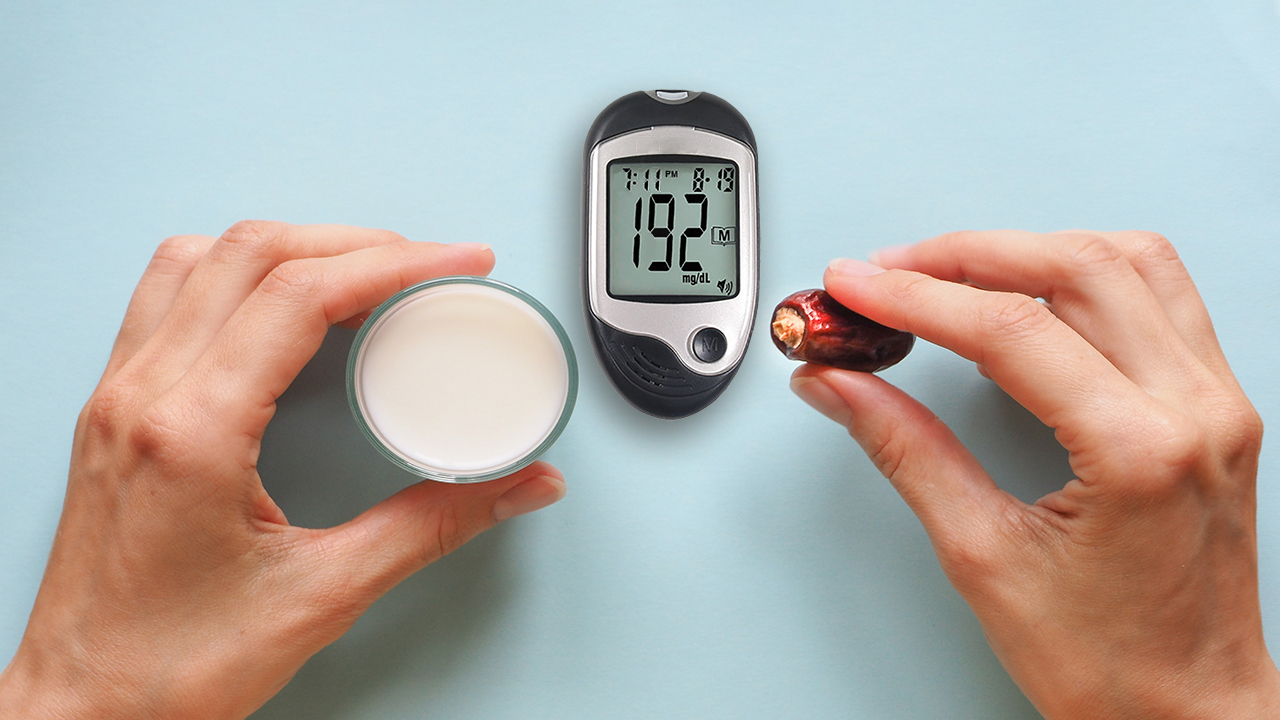
  • Hypoglycemia: This is a serious health condition where blood glucose levels drop below 70mg/dl. It requires immediate medical attention. If a person who is fasting feels shakiness or experiences headaches, sweating or lack of concentration, they must break their fast immediately to avoid any severe complications. Complications may range from seizures, coma to death. A bar of chocolate, a sugary drink or a small bowl of curd rice with sugar must be consumed if Blood Sugar Levels are exceptionally low. If a person breaks their fast on such an emergency, visit a doctor immediately.
  • Hyperglycemia: This occurs when your sugar levels are as high as or more than 200mg/dl.  Common symptoms include extreme thirst, tiredness, and frequent urination. In such a situation, take advice from your doctor if you should continue your fast or not. Hyperglycemia affects each part of your body. If larger blood vessels are affected, you may face risks of stroke or a heart attack. On the contrary, if smaller blood vessels are affected, then you may face issues with your eyes, nerves and kidneys.
  • Diabetic Ketoacidosis: This is a condition where Blood Glucose Levels go extremely high and a person experiences abdominal pain, rapid breathing, nausea and vomiting. It requires immediate medical attention. In such situations, it is best to consult with a doctor.
  • Dehydration: While fasting, one may experience dehydration, especially those who work outdoors under the scorching heat of the sun. Due to lack of fluids, sugar may accumulate in the system, resulting in high blood sugar levels which can make you pass urine frequently. To overcome such dehydration during Ramadan, try to drink plenty of water after Iftar till Suhoor.

Managing Diabetes While Fasting During Ramadan

Fasting during the holy month of Ramadan is an individual’s decision. It can be managed with lifestyle changes, advice from a doctor and frequent monitoring. A few things you should consider are:

1. Pre-Diabetic Health Checkup: A Health checkup and monitoring your glucose levels before the month of Ramadan is necessary. You can also try fasting before Ramadan to see if you can manage it. Check your medication timings and discuss it with your doctor if you choose to fast.

If you consume medicines at Suhoor and keep a fast the entire day, chances are that your blood glucose levels might drop. Your blood glucose levels might even spike in the evening when you break your fast due to the intake of meals. Hence, discuss your medication timings and keep a glucometer handy to avoid medical emergencies.

2. Nutrition: If you are diabetic, ensure that both your meals are balanced. Opt for low Glycemic Index foods and Complex Carbs which digest slowly. Go for high fiber foods at Suhoor to manage blood glucose levels during fasts. Foods such as oats, Talbina (barley-based dish), brown rice, pasta and a bowl of vegetable salads work best.

Sorghum (Jowar) or Pearl Millet (Bajra) flattened bread (rotis) with Curd Raita is the best choice. A glass of buttermilk is also a good option. You can have Basil Seeds Water during Suhoor as it is rich in antioxidants, protein, good fats and fiber, all of which help in controlling diabetes.

A little protein in the form of chicken, fish, beans and legumes can also be included as they keep you full for a longer period of time and get absorbed slowly. However, people with kidney problems should take extra care to increase protein intake.

During Iftar, break your fast slowly. Chew properly and consume small amounts of food at different intervals as glucose levels may spike up if you consume a large meal at once. Have a small bowl of fruit salad or a glass of lassi (yogurt based drink) before heavy meals. Choose baked or grilled foods as compared to something fried and oily.

Sprouted salads, boiled chickpeas, or fruits are good options to include before you begin your meal. Don’t forget to hydrate yourself. Avoid sugary drinks or caffeinated beverages and choose fresh fruit juices such as beetroot juice or herbal iced tea.

We hope this article helps you stay healthy and maintain a fast without any complications or medical emergencies. If a medical emergency should arise, visit your doctor immediately.

If you found this article to be helpful, let us know your thoughts in the comments below. You can browse through more articles related to diabetes here.

If you need help or support managing Diabetes, join GOQii’s Diabetes Care Program. It’s India’s only diabetes program that is driven by Smart Science and Personal Coaching to improve Fasting Blood Sugar (FBS), Postprandial Blood Sugar (PP), and reduce HbA1c levels. You can subscribe here.

#BeTheForce
April 18, 2023 By Mrinali Dwivedi 2 Comments

What Should You Eat and Avoid During Summer?

what should you eat and avoid during summersThe rising temperature often leaves us irritated and low on appetite. We may feel it’s because of the heat, but often, our lifestyle and food habits are also responsible for this change. In this view, continuing with wrong food choices may lead to skin eruptions, profuse sweating, summer strokes and gastric disturbances like indigestion, diarrhoea, bloating, stomach aches, vomiting and dehydration. Let’s look at what we should eat and avoid during summer! 

What Should You Eat? 

  • Fluids: It’s no secret that water is required in ample amounts during summer to keep ourselves hydrated and replenish the lost water via sweating. But it doesn’t have to be plain water. Include the lesser boring and interesting options of Aam panna, coconut water, infused waters and lemon water to fulfill the daily fluid requirements along with the goodness of vital minerals!
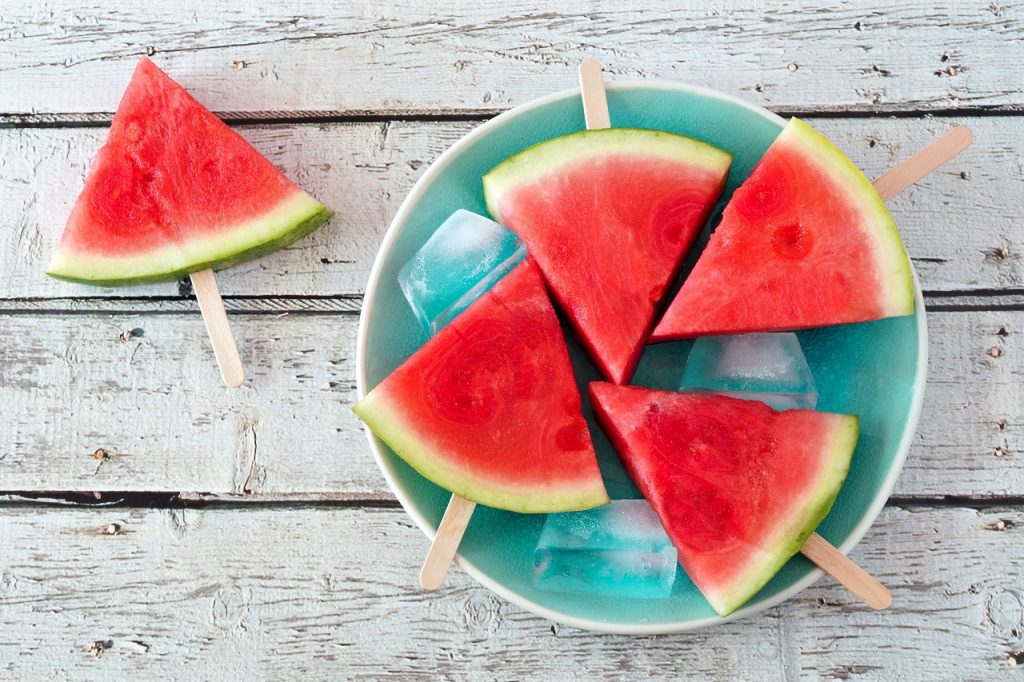
  • Melons and cucumbers: Water melons, musk melons and cucumbers are found abundantly during summers. They are profusely watery and chock-a-block with vitamins, minerals, fiber and essential antioxidants. Having them will make sure you avoid dehydration and summer strokes.
  • Leafy and gourd vegetables: These are easily digestible vegetables and contain all the necessary minerals and vitamins needed to keep your strength during summers intact. You may never see anyone overeating a leafy or a gourd vegetable. Light on the stomach and simpler to process by the body, make them the staples of summers.
  • Onion and garlic: Allium and Sulphur compounds from onion and garlic are antidotes to heat strokes. They are age old methods to cure summer sickness and work just right till date. Include them in your meals and witness the headache caused because of being out for long in the sun wearing off.
  • Curd or buttermilk: Packed with calcium, protein and probiotics, yoghurt can be the rescue for all digestive troubles and generally running it smoothly. Make a bowl of plain home made curd or buttermilk with fresh mint, cumin and black salt, a regular in summer afternoons.
  • Sabja seeds: These seeds soaked for 10 minutes in water are a potent ease to the digestive system. They cool the body down from the inside like a whiff of cool air would do from the outside. Besides that, it is also a source of essential fatty acids like omega 3 and fiber.

What Should You Avoid? 

  • Commercially sold ice creams: The idea of avoiding ice creams during summers might sound bizarre, yet, there can be healthier options for this chilled indulgence. Conventionally, ice creams contain high amounts of fat and sugar that make them difficult to digest and easier to cause weight gain. Also, due to frequent change in the temperature of cold storages, ice creams often develop disease causing bacteria and should be avoided during summers. Consuming ice cream just after being exposed to sunlight might cause sore throat and fever due to sudden temperature fluctuation. Having home frozen yoghurt, kulfis or crushed fruit pulps can be occasional substitutes.
  • Hot drinks: While the external heat has already led our body temperatures to rise, consuming anything beyond room temperature causes further increase in the overall temperature and results in disturbances of the digestive system causing bloating and bitter burping. Keep beverages like hot tea and coffees to the bare minimum.
  • Fried foods: Fried and greasy foods are not easy to digest and often leave us bloated. Fried food makes the skin oily during the humid times, giving rise to skin problems like acne and also harms the digestive system.
  • Spicy foods: Capsaicin found in chilies adversely boosts the body heat and results in excessive sweating, leading to dehydration and sickness. When the body is already fighting off heat, adding hot and spicy food irritates the stomach lining and may cause hyper acidity and belching.
  • Meat: It is known to all that meat and meat products are not easy to digest. Excessive consumption of meat in the summer season increases the pressure on the digestive system. It contains high amounts of fat, proteins and carbohydrates which heat up the body while digesting it.
  • Over indulging on mangoes: Excess of anything is bad and mangoes are no exception to this rule! Filled with healthy antioxidants and vitamins, mangoes are a must have for summers. However, they are high in natural sugar and overindulgence can cause skin infections, increase in body heat and a number of undesirable symptoms such as diarrhoea, upset stomach, and headaches, etc.

We hope this article helps you understand what you should eat and avoid during summer. If it helped, let us know your thoughts in the comments below.

You can find more articles on staying healthy during the summer here or you can also get these tips directly from an expert by subscribing for Personalised Health Coaching here.

#BeTheForce 

April 17, 2023 By Priyanka Mangla 10 Comments

6 Tricks To Help You Make Exercise A Habit

exercise a habitMore often than not, when you’ve begun a new exercise routine to get in shape, your intentions don’t often match your actions. You begin to realize there’s a big gap between having an intention of achieving something and actually doing the work to fulfil that intention. There’s no need to beat yourself about it. There’s always a way to bridge that gap. Let’s look at a few tricks that can help you make exercise a habit!  
How to Make Exercise a Habit 

  1. Set a Goal and Send a Reminder to Yourself: I wanted to exercise because I always wanted to stay fit like a soldier – this was my goal. I set a reminder on my phone for 5 AM as “Stay fit like a soldier “. This served as my morning alarm as well. Setting a goal where you remind yourself everyday will never let you sleep without ensuring that you exercised that day. 
  2. Challenge a Friend: The day you plan to start exercising, challenge your friend. I texted my friend, “hey, in the next 30 days, I am going to increase my stamina from 6/10 to 10/10 “. Believe me, your friend will never let you forget that you need to exercise daily.
  3. Use the 21/90 Rule: This rule says that It takes 21 days to create a habit. It takes 90 days to create a lifestyle. You just don’t skip a day for 21 straight days. In these 3 weeks, exercise will become your habit. And once you are able to do it, you will continue doing it for another 90 days.
  4. Reward Yourself With 1 Rest Day: Keep 1 day as your ”rest day “. This is important for your muscle recovery too.
  5. Make It Pleasurable: The music of your choice will do the magic! You will love your exercise without getting bored. This is actually something I do and enjoy a lot.  
  6. Take Baby Steps: Last but the most useful trick – When I started exercising, I had full “josh”, I forgot to count the sets and reps and just exercised with lots of energy. I had in mind, the more I will do, the sooner I will get the results. But the reverse happened. I had no energy for Day 2. So, this served as a lesson – doing too much, in the beginning, leads to burnout; which may lead to quitting the habit. So, the key is, start with light intensity exercises for 15-30 minutes in the beginning. Our only aim is to be regular. “One workout at a time. One day at a time. One meal at a time“ – Chalene Johnson.

Now that you’re aware of these simple tricks, let’s aim at making exercise a habit! Enjoy your exercise to enjoy the glow of good health.

If this article helped you, let us know your thoughts in the comments below. You can read more articles on motivation and fitness here. If you want to be consistent or begin working out, get the right guidance from an expert through a live, interactive, fun-fueled session on GOQii PRO. Book a class now through the GOQii App.  

#BeTheForce! 

  • « Previous Page
  • 1
  • 2
  • 3
  • 4
  • 5
  • 6
  • Next Page »

Search

Recent Posts

  • Navigating the Maze of Nutrition: Finding Clarity Amidst Confusion
  • Get children active and keep them healthy
  • What Gestational Diabetes Can Do To You & Your Unborn Child
  • Breathing – A Forgotten Art
  • The Incredible Benefits Of Milk You Might Not Know

Stay Updated

Archives

  • December 2025 (3)
  • November 2025 (15)
  • October 2025 (20)
  • September 2025 (6)
  • August 2025 (6)
  • July 2025 (12)
  • June 2025 (18)
  • May 2025 (16)
  • April 2025 (23)
  • March 2025 (23)
  • February 2025 (22)
  • January 2025 (26)
  • December 2024 (26)
  • November 2024 (25)
  • October 2024 (22)
  • September 2024 (24)
  • August 2024 (31)
  • July 2024 (21)
  • June 2024 (26)
  • May 2024 (31)
  • April 2024 (27)
  • March 2024 (29)
  • February 2024 (26)
  • January 2024 (25)
  • December 2023 (15)
  • November 2023 (11)
  • October 2023 (22)
  • September 2023 (22)
  • August 2023 (20)
  • July 2023 (22)
  • June 2023 (24)
  • May 2023 (24)
  • April 2023 (24)
  • March 2023 (23)
  • February 2023 (20)
  • January 2023 (16)
  • December 2022 (12)
  • November 2022 (15)
  • October 2022 (15)
  • September 2022 (12)
  • August 2022 (10)
  • July 2022 (17)
  • June 2022 (11)
  • May 2022 (10)
  • April 2022 (6)
  • March 2022 (6)
  • February 2022 (13)
  • January 2022 (12)
  • December 2021 (7)
  • November 2021 (3)
  • October 2021 (6)
  • September 2021 (3)
  • August 2021 (8)
  • July 2021 (7)
  • June 2021 (15)
  • May 2021 (16)
  • April 2021 (10)
  • March 2021 (7)
  • February 2021 (4)
  • January 2021 (4)
  • December 2020 (3)
  • November 2020 (4)
  • October 2020 (10)
  • September 2020 (3)
  • August 2020 (3)
  • July 2020 (2)
  • June 2020 (4)
  • May 2020 (10)
  • April 2020 (12)
  • March 2020 (10)
  • February 2020 (4)
  • January 2020 (4)
  • December 2019 (3)
  • November 2019 (7)
  • October 2019 (5)
  • September 2019 (4)
  • August 2019 (9)
  • July 2019 (9)
  • June 2019 (11)
  • May 2019 (4)
  • April 2019 (9)
  • March 2019 (8)
  • February 2019 (9)
  • January 2019 (8)
  • December 2018 (9)
  • November 2018 (3)
  • October 2018 (3)
  • September 2018 (5)
  • August 2018 (10)
  • July 2018 (6)
  • June 2018 (13)
  • May 2018 (8)
  • April 2018 (18)
  • March 2018 (9)
  • February 2018 (8)
  • January 2018 (15)
  • December 2017 (12)
  • November 2017 (19)
  • October 2017 (13)
  • September 2017 (15)
  • August 2017 (4)
  • July 2017 (8)
  • June 2017 (7)
  • May 2017 (6)
  • April 2017 (8)
  • March 2017 (6)
  • February 2017 (7)
  • January 2017 (9)
  • December 2016 (10)
  • November 2016 (7)
  • October 2016 (7)
  • September 2016 (7)
  • August 2016 (11)
  • July 2016 (9)
  • June 2016 (9)
  • May 2016 (12)
  • April 2016 (17)
  • March 2016 (17)
  • February 2016 (8)
  • January 2016 (6)
  • December 2015 (2)
  • November 2015 (9)
  • October 2015 (7)
  • September 2015 (9)
  • August 2015 (11)
  • July 2015 (9)
  • June 2015 (12)
  • May 2015 (9)
  • April 2015 (13)
  • March 2015 (8)
  • February 2015 (5)
  • January 2015 (12)
  • December 2014 (14)
  • November 2014 (11)
  • October 2014 (6)
  • September 2014 (13)
  • August 2014 (12)
  • July 2014 (6)
  • June 2014 (2)
  • May 2014 (7)
  • April 2014 (5)

From “Laddu Nawin” to Fit and Fierce: How a 25-Year-Old Insurance Advisor Shed 20 Kilos and Gained His Life Back

When 25-year-old Nawin Yadav from Hyderabad walked into his office every morning, he carried more than just his files and policy papers. He had the weight of fatigue, sluggish energy, and an ever-growing belly that was becoming the butt of jokes. “People … [Read More...]

“I’ve Challenged Myself to Live 100 Years” – The Story of Chandubhai Savani’s Second Chance at Life

At 67, most people start slowing down. Not Chandubhai Savani. A resident of Surat, Chandubhai, thought life was on track. “My life was going well till I had my bypass surgery,” he says. That surgery, back in 2021, was a wake-up call.  Medication was routine, but exercise wasn’t. His diet? What he calls ‘normal.’ “I […]

From Shimla’s Slopes to Chandigarh’s Sidewalks: Surinder Kaur Bhalla’s Journey from Chaos to Control

Some journeys start with a plan. Others begin with a stumble literally. Surinder Bhalla, a government professional, born and raised in the scenic hill town of Shimla, had always lived a life of movement. “In Shimla, you walked everywhere,” she reflects. “Walking was never an exercise. It was just life.” But after shifting to Chandigarh, […]

Ananda Mukherjee Health Story

From Terminal Illness To Complete Wellness! Ananda Mukherjee Health Story

As we observe World Cancer Day under the powerful theme ‘United by Unique’ (2025-2027)**, we are reminded that every individual’s journey with cancer is distinct, yet united by shared resilience, hope, and the collective fight against this disease. This theme places people at the centre of care and their stories at the heart of the […]

  • HOME
  • HEALTHY LIVING
  • FITNESS
  • HEALTHY RECIPES
  • USER STORIES
  • KARMA
  • BUY GOQii

Copyright ©2016 GOQii



