GOQii

Blog

  • HOME
  • HEALTHY LIVING
  • FITNESS
  • HEALTHY RECIPES
  • USER STORIES
  • KARMA
  • BUY GOQii

May 11, 2023 By Hajra Mithani Leave a Comment

5 Eating Habits To Avoid Before You Sleep

eating habits

Did the lockdown, work from home and everything in between during the pandemic, affect our sleep schedule? The GOQii IndiaFit Report found that there was a drop in the overall sleeping hours we experienced. From an average of 7.6 hours of sleep in 2019, we dropped to 6.8 hours in 2022. This change has led to lots of disturbed sleep or even worse – insomnia.

Lack of quality sleep can contribute to issues such as indigestion, acidity and even mental health issues such as anxiety and depression. Apart from practices like meditation, mindfulness, exercise and deep breathing techniques, even what you eat can impact your sleep. So if you’re aiming for a good night’s rest but are unable to achieve it, here are some eating habits you should avoid for a good night’s rest! 

Avoid These 5 Eating Habits Before You Sleep 

  1. Junk Food: Pizza, burgers and fries, etc. have refined flours and simple sugars which take longer to digest, disturbing your digestive system at night causing disrupted sleep. Because of their high sodium count, they can leave you feeling bloated, causing sleep-stealing discomfort. Also, you might feel thirstier after consuming junk food. Foods high in calories are digested slowly and may cause stomach upset, cramping, bloating or heartburn if eaten before bed.
  2. Sugars: Sugary food gives you an extra dose of unwanted energy, which is not needed at night. When you eat a lot of sugar before bed, your blood sugar climbs high and then falls rapidly as your body releases hormones to bring the levels under control. This swing in hormones and blood sugar levels impairs sleep. The other reason to avoid starchy or sugary food is it gives you immense energy in a very short period making the body highly active.
  3. Spicy food: Eating items like chillies before bedtime can cause indigestion which makes it difficult to sleep well. It is speculated that this may be due to capsaicin, an active ingredient in chili peppers, affecting sleep via changes in body temperature. Eating spicy food too close to bed causes acidity and worsen symptoms of gastroesophageal reflux disease (GERD). Some studies have claimed that spicy food can trigger brain waves that cause nightmares and you end up tossing and turning all night. So it might not be a good idea to gorge on to those peri-peri fries for dinner.
  4. Caffeine: It is a stimulant that increases your heart rate and alertness – the opposite effect you want when you’re trying to sleep. The role of caffeine (found in coffee, tea, chocolate, cocoa) is to make a drowsy soul active and attentive. Caffeine delays and shortens the sleeping duration of individuals. Dark chocolate has polyphenol, but it’s also a surprising source of caffeine. 20gm dark chocolate has about a quarter of the caffeine as a cup of coffee, and about half the caffeine as a cup of green or black tea. It takes 6-10 hours to eliminate caffeine, which means enjoy a dark chocolate treat at around 4 pm if you plan to sleep at 10 pm. 
  5. Alcohol: It suppresses melatonin – the hormone that regulates your internal clock and thus disrupts the circadian rhythm of the body negatively, the reason you wake up in the middle of your sleep. Alcohol also makes you dehydrated and often thirsty in the middle of the night with frequent washroom trips. It interferes with the body’s other sleep-wake regulator – its internal sleep drive. Alcohol increases levels of adenosine, a chemical that regulates sleep by rising naturally in the body. It’s adenosine-boosting effects make you sleep at times other than your natural timings, thus disturbing your natural sleep-wake cycle. 

If this article helped you catch up on your much needed hours of rest, let us know in the comments below! You can learn more about sleep here or you can discuss this topic further with a GOQii Coach by subscribing for Personalised Health Coaching here. 

#BeTheForce 

May 10, 2023 By Seema Mukund 19 Comments

How Cardamom Can Help You Fight Hypertension!

cardamomCardamom, also known as the ‘Queen of Spices’, is a strong aromatic spice used in some traditional recipes in India and also some exotic dishes. This is not only used in cooking, but also has therapeutic value. This green pod is commonly grown in the mountainous regions of India and some countries in Asia. It usually comes in 2 varieties, Green (used for sweets and desserts) and Black (used for preparing garam masala). This minty, earthy spice is commonly known as ‘Elaichi” in North India and ‘Yelakki” in South India.

It is consumed in the following forms:

  • As pods with seeds inside
  • Ground powder
  • Essential Oil
  • Capsule (herbal supplement)

How Does Cardamom Help Fight Against Hypertension? 

There are many studies conducted so far that have suggested that Cardamom supplementation will help in controlling blood pressure. 

  • Its natural phytonutrients have antioxidant and anti-inflammatory properties. It increases the dilation of blood vessels and helps in easy flow of blood through the arteries, which in turn increases blood circulation and helps control blood pressure.
  • Another probable reason is that it acts like a natural diuretic, a substance that promotes urination to remove water that builds up in the body and controls the sodium and potassium levels that elevate the blood pressure. 
  • Cardamom essential oil is magical! It has a refreshing and soothing fragrance that helps elevate mood. It reduces anxiety and depression and produces a calming effect. This reduces stress induced blood pressure.
  • It is also rich in fiber, helps to control cholesterol and in turn, controls blood pressure. 

How Can You Incorporate It In Your Food? 

Cardamom is very versatile. It is usually added in teas, milk, milkshakes, deserts and is also used as a mouth freshener. The calorific content, fat percentage of the foods should be taken into account while including it for reducing blood pressure. (You may consult your GOQii Coach for it).

Some other methods that can be used to control blood pressure using Cardamom are:

  • Add a pinch of cardamom in 1 glass of warm water and have in the morning
  • Crush 1 cardamom and brew with Tea/ coffee
  • Add ¼ tsp of cardamom powder to breakfast cereals like oats and muesli
  • Sprinkle fresh cardamom powder on top of salads
  • Chew on 1 Elaichi seeds for 5 minutes after every meal
  • You can mix cardamom powder with 1 cup curd/buttermilk and have it along with your meal or as a mid-morning snack
  • As a natural detox: ½ lemon + ½ tsp cardamom powder + salt in 1 glass water
  • Cardamom oil is used in aromatherapy: As a diffuser, in a massage blend oil

We hope this article helps you! For more on nutrition and controlling lifestyle diseases, click here or speak to a GOQii Coach by subscribing for Personalised Health Coaching here. 

#BeTheForce 

May 9, 2023 By Megha Mahajan 4 Comments

Can Pranayama Techniques Cool Your Body During Summer?

Can pranayama cool your body during summer

Are you using lots of water, cool drinks, air-conditioning or beach parties to beat the heat this summer? Would you be interested to know about an easy and inexpensive way to chill instead? If yes, then read this article to learn three different breathing techniques to cool down your body. Yes! You read it right. All you need to do is breathe! Here’s how Pranayama techniques can cool your body during summer! 

Pranayama Techniques To Cool Your Body 

Try these breathing techniques and beat the heat naturally with Pranayama!

1. Increased Rate & Depth of Breathing

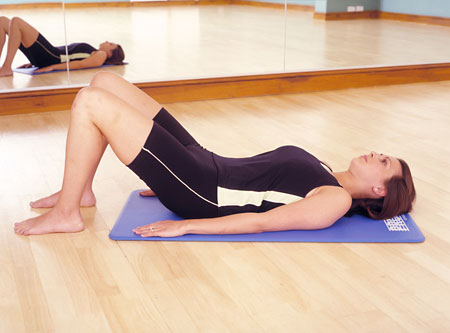
Preferably lie down in Shavasana and practice deep diaphragmatic breathing, allowing the belly to rise with each inhalation. Make sure to increase your breathing rate too. A modified version of doing it is panting like a dog. Just open your mouth and stick out your tongue as far as it can go, then start panting. Make sure that your stomach goes in or contracts immediately with each exhalation. 

Why does it work?
We sweat a lot during the summers. The evaporation of sweat cools down our body. In the same ways, with an increased rate and depth of breathing, we exhale a lot more water vapour. It enhances the cooling effect of the body. Now you know why dogs don’t sweat? They stick out their tongue and release the heat. More breaths and less movement ensures the double advantage of cooling your pace.

2. Sheetali Pranayama

Stick your tongue out and roll it like a straw. Inhale air through this straw as if you were sipping in a cool beverage on a hot summer day. Exhale through the nose. Sheetkari pranayama is a modified version of Sheetali, which can be done if you are unable to roll your tongue. Here you have to open your mouth with clenched teeth to inhale through them and exhale through the nose.

Why does it work?
When we breathe in through the nose, the air gets warmed up on its path to the lungs to match the internal body temperature. While we breathe in through the mouth, this doesn’t happen. On the contrary, the air gets moistened when we inhale through the mouth, enhancing its cooling effects.

3. Left Nostril Breathing

Use your right-hand fingers to block the right nostril and breathe through the left nostril. An easier way to activate the left nostril breathing is to insert a cotton plug in the right ear.

Why does it work?
Our body temperature is maintained by the movement of air through the right and left channels. The right channel is associated with sun, heat and activity. Whereas the left channel is associated with the moon, cool and rest. It is like the accelerator and brake pedals of a car. Applying the brakes gently slows down and cools off the overheated car engines. Similarly, when we deliberately breathe in through the left nostril, the brakes get applied to activate the parasympathetic nervous system to produce a cooling and calming effect on the body.

And there it is! We hope these 3 pranayama techniques will help you cool your body during these hot summer days. Try them and let us know your experience in the comments below.

Get more summer tips here or you can also speak to an expert by subscribing to GOQii’s Personalised Health Coaching here.

#BeTheForce 

May 8, 2023 By Farhat Khan 14 Comments

Active Rest For Muscle Building

Active Rest

Yes, you heard it right. Rest is an essential part of any training program. Even when it comes to classes or work, we recognize that a few days leave can be recharging and renewing. For athletes, this can be harder, as they may feel guilty for taking a day, a week or a month off their training plan. Whether you are training for a competition or feeling extra motivated, more is not always better. Rest days are just as important as exercise. In fact, a successful fitness regimen isn’t complete without rest days.

What is Active Rest?

In terms of Rest days, there are 2 types of rest days

  • Passive Rest
  • Active Rest

Passive rest means a day of total rest without any physical activity, whereas Active rest means including low-intensity exercise that promotes blood flow to the muscles, helping them to recover better and faster.

Active rest is the sweet spot between being idle and training intensely. The goal of Active rest is to help your body heal from exercising by reducing the likelihood of inflammation and soreness. It allows your body to recover and repair. On your Active rest day you need to be active enough to increase blood flow, but gentle enough to allow your muscles to heal. 

Benefits of Active Rest

Whenever we use our muscles for exercising, our body turns glucose into Lactic acid; this is how our muscles get the energy to perform. Once our muscles stop working, the lactic acid our body remains in our muscles and causes that dreaded post-workout soreness. Active rest helps lactic acid move out of our muscles and dissolve into our bloodstream, so it’s not around to cause us pain afterward. The increased blood flow also makes it to our joints, reducing the chance of joint and muscle inflammation. It is essential for muscle growth. Exercise creates microscopic tears in your muscle tissues. But during rest, cells called fibroblasts repair it. This helps the tissue heal and grow, resulting in stronger muscles.

Active rest is also known to improve our mood and keep us from getting the post-workout blues, while also alleviating any fatigue. Plus, it’s great for our heart since it increases our heart rate and builds endurance.

Planning an Active Rest Day

An active rest day should include a different activity from your usual workout at the gym. You shouldn’t be working at maximum effort. Rather, go slow and don’t push yourself too hard.

Examples of active recovery exercises include:

  1. Stretching: is a simple and effective way to maintain increased blood flow and relaxation.
  2. Yoga: lengthens our muscles and tendons, aids in their recovery, and helps our body develop better mobility and flexibility.
  3. Meditation: is a great way to rest and refresh your mind. If sitting still for extended periods isn’t for you, there are alternative ways of meditating that keep your body busy and your mind free, such as doing the dishes or knitting.
  4. Swimming: is a low-impact exercise that’s easy on your joints and muscles.
  5. Walking or Jogging: is one of the best forms of Active Rest. Walking or jogging at a leisurely pace can enhance blood flow and help with recovery.
  6. Cycling: at a leisurely pace is an excellent way to get in an active recovery. It is low-impact and doesn’t put pressure on the joints. One can cycle either on a stationary bike or on a bicycle outdoors.
  7. Myofascial release with a foam roller: Active rest doesn’t only include movement. One also can stretch and roll a foam roller over parts of your body and get many of the same benefits. If your muscles are sore, foam rolling can help relieve tightness, reduce inflammation, and increase your range of motion.

A Word of Caution

Active rest day exercises are generally considered safe. During active recovery, make sure you aren’t working harder than about 50 percent of your maximum effort. This will give your body the chance it needs to rest. You may find that you feel less tight, sore, and even have more energy to exercise after active recovery. If you’re injured, in pain, or very fatigued, your body may need passive recovery which means total rest.

We hope this article helps you make the most of your workout and recovery. Do let us know your thoughts in the comments below.

You can find more information on muscle building here. You can also get these tips and know more about Active Rest or set up your own fitness routine by speaking to a GOQii Coach. All you need to do is subscribe to GOQii’s Personalised Health Coaching here.

#BeTheForce 

  • « Previous Page
  • 1
  • …
  • 91
  • 92
  • 93
  • 94
  • 95
  • …
  • 202
  • Next Page »

Search

Recent Posts

  • Best Foods To Alleviate Irritable Bowel Syndrome
  • ALL ABOUT VERTIGO!
  • PCOS and Anxiety: Discover Relief with the 54321 Technique
  • Navigating the Maze of Nutrition: Finding Clarity Amidst Confusion
  • Get children active and keep them healthy

Stay Updated

Archives

  • December 2025 (6)
  • November 2025 (15)
  • October 2025 (20)
  • September 2025 (6)
  • August 2025 (6)
  • July 2025 (12)
  • June 2025 (18)
  • May 2025 (16)
  • April 2025 (23)
  • March 2025 (23)
  • February 2025 (22)
  • January 2025 (26)
  • December 2024 (26)
  • November 2024 (25)
  • October 2024 (22)
  • September 2024 (24)
  • August 2024 (31)
  • July 2024 (21)
  • June 2024 (26)
  • May 2024 (31)
  • April 2024 (27)
  • March 2024 (29)
  • February 2024 (26)
  • January 2024 (25)
  • December 2023 (15)
  • November 2023 (11)
  • October 2023 (22)
  • September 2023 (22)
  • August 2023 (20)
  • July 2023 (22)
  • June 2023 (24)
  • May 2023 (24)
  • April 2023 (24)
  • March 2023 (23)
  • February 2023 (20)
  • January 2023 (16)
  • December 2022 (12)
  • November 2022 (15)
  • October 2022 (15)
  • September 2022 (12)
  • August 2022 (10)
  • July 2022 (17)
  • June 2022 (11)
  • May 2022 (10)
  • April 2022 (6)
  • March 2022 (6)
  • February 2022 (13)
  • January 2022 (12)
  • December 2021 (7)
  • November 2021 (3)
  • October 2021 (6)
  • September 2021 (3)
  • August 2021 (8)
  • July 2021 (7)
  • June 2021 (15)
  • May 2021 (16)
  • April 2021 (10)
  • March 2021 (7)
  • February 2021 (4)
  • January 2021 (4)
  • December 2020 (3)
  • November 2020 (4)
  • October 2020 (10)
  • September 2020 (3)
  • August 2020 (3)
  • July 2020 (2)
  • June 2020 (4)
  • May 2020 (10)
  • April 2020 (12)
  • March 2020 (10)
  • February 2020 (4)
  • January 2020 (4)
  • December 2019 (3)
  • November 2019 (7)
  • October 2019 (5)
  • September 2019 (4)
  • August 2019 (9)
  • July 2019 (9)
  • June 2019 (11)
  • May 2019 (4)
  • April 2019 (9)
  • March 2019 (8)
  • February 2019 (9)
  • January 2019 (8)
  • December 2018 (9)
  • November 2018 (3)
  • October 2018 (3)
  • September 2018 (5)
  • August 2018 (10)
  • July 2018 (6)
  • June 2018 (13)
  • May 2018 (8)
  • April 2018 (18)
  • March 2018 (9)
  • February 2018 (8)
  • January 2018 (15)
  • December 2017 (12)
  • November 2017 (19)
  • October 2017 (13)
  • September 2017 (15)
  • August 2017 (4)
  • July 2017 (8)
  • June 2017 (7)
  • May 2017 (6)
  • April 2017 (8)
  • March 2017 (6)
  • February 2017 (7)
  • January 2017 (9)
  • December 2016 (10)
  • November 2016 (7)
  • October 2016 (7)
  • September 2016 (7)
  • August 2016 (11)
  • July 2016 (9)
  • June 2016 (9)
  • May 2016 (12)
  • April 2016 (17)
  • March 2016 (17)
  • February 2016 (8)
  • January 2016 (6)
  • December 2015 (2)
  • November 2015 (9)
  • October 2015 (7)
  • September 2015 (9)
  • August 2015 (11)
  • July 2015 (9)
  • June 2015 (12)
  • May 2015 (9)
  • April 2015 (13)
  • March 2015 (8)
  • February 2015 (5)
  • January 2015 (12)
  • December 2014 (14)
  • November 2014 (11)
  • October 2014 (6)
  • September 2014 (13)
  • August 2014 (12)
  • July 2014 (6)
  • June 2014 (2)
  • May 2014 (7)
  • April 2014 (5)

From “Laddu Nawin” to Fit and Fierce: How a 25-Year-Old Insurance Advisor Shed 20 Kilos and Gained His Life Back

When 25-year-old Nawin Yadav from Hyderabad walked into his office every morning, he carried more than just his files and policy papers. He had the weight of fatigue, sluggish energy, and an ever-growing belly that was becoming the butt of jokes. “People … [Read More...]

“I’ve Challenged Myself to Live 100 Years” – The Story of Chandubhai Savani’s Second Chance at Life

At 67, most people start slowing down. Not Chandubhai Savani. A resident of Surat, Chandubhai, thought life was on track. “My life was going well till I had my bypass surgery,” he says. That surgery, back in 2021, was a wake-up call.  Medication was routine, but exercise wasn’t. His diet? What he calls ‘normal.’ “I […]

From Shimla’s Slopes to Chandigarh’s Sidewalks: Surinder Kaur Bhalla’s Journey from Chaos to Control

Some journeys start with a plan. Others begin with a stumble literally. Surinder Bhalla, a government professional, born and raised in the scenic hill town of Shimla, had always lived a life of movement. “In Shimla, you walked everywhere,” she reflects. “Walking was never an exercise. It was just life.” But after shifting to Chandigarh, […]

Ananda Mukherjee Health Story

From Terminal Illness To Complete Wellness! Ananda Mukherjee Health Story

As we observe World Cancer Day under the powerful theme ‘United by Unique’ (2025-2027)**, we are reminded that every individual’s journey with cancer is distinct, yet united by shared resilience, hope, and the collective fight against this disease. This theme places people at the centre of care and their stories at the heart of the […]

  • HOME
  • HEALTHY LIVING
  • FITNESS
  • HEALTHY RECIPES
  • USER STORIES
  • KARMA
  • BUY GOQii

Copyright ©2016 GOQii