GOQii

Blog

  • HOME
  • HEALTHY LIVING
  • FITNESS
  • HEALTHY RECIPES
  • USER STORIES
  • KARMA
  • BUY GOQii

December 17, 2024 By GOQii 1 Comment

8 Tips To Keep Your Skin Healthy During Winter

8 Tips To Keep Your Skin Healthy During Winter Nobody likes it when their skin feels and looks tight, dry and flaky. But, winter creates these problems for the skin. Cold air, harsh winds and pumped-up indoor heat can increase facial tissue sensitivity and leave the skin dry. But don’t worry! We have some tips to keep your skin healthy this winter!



8 Tips To Keep Your Skin Healthy

  1. Hydrate: It would be a great idea to make sure that you have lots and lots of water to keep your cells alive. It indirectly will affect your skin to keep it amazingly glowing. Ideally, you need to drink 2-3l of water a day.
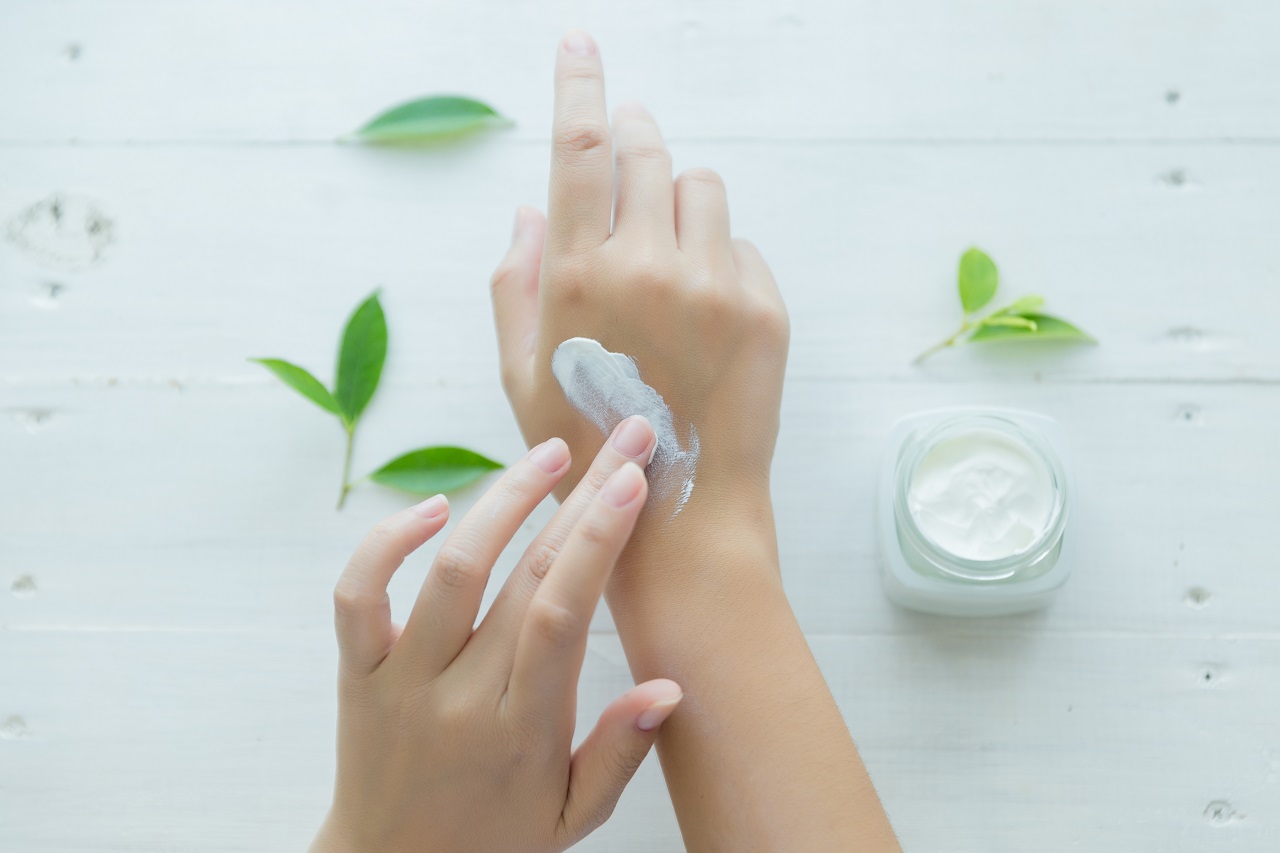
  2. Moisturize: Use the right moisturizer for your skin type and an oil-free skin serum underneath for additional hydration. For dry skin, using moisturizer with ingredients such as safflower oil, soya bean oil, sweet almond oil, carrot oil, Shea butter or evening primrose oil on a regular basis will help in correcting the lack of oil and hydration deep within the skin. It will help you get that moist, supple and smooth skin. Oils like Coconut oil, Olive Oil, or Mustard Oil, can be applied 10-15 mins before bathing.
  3. Cover Up: Avoid prolonged exposure to cold air. Wear hats, scarfs, and gloves for your hands to avoid them. Slipping on a cotton glove over a moisturized hand will help you protect your skin.
  4. Eat Right: Add more of Omega 3 fatty acids, and foods full of mono-unsaturated fats such as fish, nuts, olive oil, flax seeds, sardines and avocados to your diet. These foods are great for healthy skin.
  5. Include More Vit C: Eat more foods that are rich in Vitamin C as they can help boost your body’s collagen, a protein that maintains skin and other connective tissues.
  6. Handle With Care: To prevent chapping parched hands, use wipe-off, soap-free cleansers and alcohol-free hand sanitizers.
  7. Right Clothing: If your skin does get irritated, wear breathable soft fabrics, such as cotton instead of polyester or itchy woollens. Less fitting clothes will also prevent your skin from irritation due to perspiration and chaffing.
  8. Lastly, winter can also mean reduced sun exposure. Sunlight is very important not only for the skin but for the whole body as well to produce Vitamin D and get enough calcium that way. So consult a doctor if you have a deficiency.

These tips will help you keep your skin healthy through the winter season! We hope this article helps! Do leave your thoughts in the comments below.

For more tips to stay healthy during winter, check out Healthy Reads or speak to an expert by subscribing for GOQii’s Personalised Health Coaching here.

#BeTheForce

February 26, 2024 By Neha Goyal Leave a Comment

7 Reasons Why You Should Avoid Caffeinated Drinks During Winter

Avoid Caffeinated Drinks

Caffeine is a natural stimulant most commonly found in tea, coffee and cacao plants. Billions of people rely on caffeine to start their day and to get through their night shift or afternoon slump. It works by stimulating the brain and the central nervous system, helping you stay alert, reducing the onset of tiredness. Nothing is as comforting on a chilly morning as a hot cup of tea with a cozy blanket. For most people, intake of these caffeinated drinks increases during winter as they believe it provides warmth to beat the cold. But is that really so? Is there a reason to avoid caffeinated drinks? Let’s find out! 

How Caffeine Works

While caffeine is considered safe, drinking too much raises some concerns. When you drink any caffeinated drink, your gut absorbs it very quickly and sends it to your bloodstream. From there, as it reaches your brain, it starts blocking the effects of a neurotransmitter called adenosine. Adenosine relaxes your brain and makes you feel tired. So by blocking its receptors, caffeine helps you stay awake and alert. But with alertness comes anxiety as well. At the same time, caffeine also stimulates our stress or “fight & flight” hormones.

Reasons To Avoid Caffeinated Drinks During Winter 

  1. Dehydration: During winter, most people feel less thirsty and their water intake automatically reduces. All caffeinated drinks are diuretic and tend to flush out water from the body through urine, making it deficient in not just water but also vitamins and minerals that are required for the smooth functioning of the body.
  2. Amplified Heart Rate and Blood Pressure: Winter is not a good time for people with heart conditions and high blood pressure. They are always advised to stay away from low temperatures as it can constrict their blood vessels and lead to high blood pressure. Caffeine being a stimulant also increases heart rate and blood pressure. So it may increase difficulties for such people.
  3. Empty Calories: Most caffeinated drinks are loaded with sugar and give you not just empty calories but a sugar crash later, which might make you feel more lethargic after some time.
  4. Effect on Digestion: Being a stimulant, caffeine increases gut motility or the contraction of muscles that propel the contents in the gastrointestinal tract. This might be a reason why you feel like having tea or coffee with or after a heavy meal. But this actually isn’t good because it reduces the time your food stays in each part of your digestive system, not letting the nutrients fully absorb. In fact, too much can lead to diarrhea which is followed by dehydration.
  5. Pregnancy & Lactation: Caffeine can easily cross the placenta and can reach breast milk. So, women who consume caffeinated drinks may need to limit their intake to avoid risk of miscarriage or low birth weight.
  6. Interaction with Medication: Our body flushes out caffeine generally within 6-8 hours but while in the system, it can react with your medication and supplements, causing poor absorption or side effects.
  7. Suppresses Appetite: Now this can be both good and bad for all weight watchers. Research shows that caffeine acts as an appetite suppressant but increases higher plasma levels of PYY & Leptin (anorexic hormones). It might make you eat less calories, but with less food, there is less nutrition as well. So beware of consuming too much caffeine, as our body needs more nutrition to maintain immunity.

Now, the purpose of all this information was not to coax you off caffeine but to ensure you control your intake. Controlled amounts can have some benefits too! Make sure you drink the right quantity and the right version. 1-2 cups of black tea, green tea and black coffee are better options than sugary and cream filled versions. Also ensure that you drink your last cup 6-8 hours before you sleep. 

We hope this article on why you should avoid caffeinated drinks in winter helps you! Do let us know your thoughts in the comments below. For more on nutrition, check out Healthy Reads or speak to an expert by subscribing for GOQii’s Personalised Health Coaching here.

#BeTheForce 

January 24, 2024 By Palak Mittal Leave a Comment

5 Winter Fruits That Will Boost Your Immunity

winter fruitsAs winter sets in, the focus on fortifying our immunity becomes paramount. The cool breeze may bring a chill, but the seasonal shift offers an array of winter fruits that can naturally boost your immune system. Let’s explore these nutritional powerhouses and how they contribute to your well-being.

Why Do We Lose Immunity During Winter? 

There are a few reasons which contribute to compromised immunity during winter. These include: 

  • Inadequate sunlight which leads to Vitamin D deficiency
  • Cool air which troubles our respiratory tract by narrowing blood vessels in the body
  • Drop in temperature lowers the immune response
  • Lack of outdoor activities also triggers the multiplication of viruses as people live in close proximity.

Nutritional Winter Fruits To Build Immunity 

  1. Oranges: If you are an orange lover, then you might wait for winters for this particular fruit. Oranges being a citrus fruit, is not only juicy and pulpy, but is a good source of Vitamin C and calcium. It not only boosts immunity but helps in fighting cancer, improves skin and aids weight loss.
  2. Guava: is a crunchy, sweet and delicious fruit rich in Vitamin C. The fibre present in Guava helps in digestion and reduces constipation. Eating a guava on an empty stomach daily helps to clear bowels and aids weight loss. It fights against free radicals present in the body as well.
  3. Pears: This sweet light green coloured fruit which is white from the inside is not only sweet but juicy as well. It is rich in anti-inflammatory properties with the abundance of Vitamin C and E. People use pears for making jams and jellies too.
  4. Sweet Lime (Mosambi): it is a member of the citrus family like oranges. It is abundant in Vitamin C and it is advised to drink its unstrained juice to retain its fibre with no added sugar to get its maximum benefits. It helps in promoting immunity by fighting infections.
  5. Kiwi: is a sour and sweet fruit which has a juicy pulp inside. It is rich not only in Vitamin C but is an excellent source of potassium, Vitamin K, fibre and folate. It aids in digestion too.

We hope this article on 5 winter fruits helps you. Before you add any of these to your diet, do consult your doctor, nutritionist or dietitian. For more winter tips, check out Healthy Reads or reach out to our certified experts by subscribing to GOQii’s Personalised Health Coaching here.

Eat healthy and #BeTheForce 

January 21, 2024 By Vandana Juneja 6 Comments

Remedies For Leg Pain During Winter

leg pain during winterAs winter sets in, there are many health issues that some people face, and one of them is feeling immense stiffness and soreness in the legs leading to being less active. Is it normal to feel these aches and pain? or is it a serious health concern? Let’s find out the reason for leg pain during winter. 

Why do we feel pain and stiffness in Winter?

According to various studies, the cold causes your muscles to lose heat and contract, this makes you feel tight especially around the joints, and eventually you tend to lose range of motion and your nerves can also be easily pinched.

Another theory says a drop in barometric pressure in winters, cause the tendons, muscles and surrounding tissues to expand. Because of the confined space within the body, this can cause pain, especially in joints affected by arthritis.

In general, during winters, we limit our movement due to the cold weather, don’t exercise much, and keep ourselves wrapped up in blankets to stay warm, eat calorie dense food and put on a few extra kilos! All these factors also attribute to increased sensation of pain and stiffness in the legs.

Whatever the reason, it is a fact that many people have “flare ups” or aggravated symptoms of aches and pains in their body especially the lower limbs. Though you may not take it as a serious health concern, one should work towards preventing and dealing with it, so that the aches and pain do not aggravate and restrict your mobility in winters.

Tips to Reduce Leg Pain During Winter

1. Keep Yourself Warm with Proper Clothing
Use cotton, wool or fleece long-sleeved clothing since these materials work the best at maintaining body heat. Wear slim-fitting clothes for your underlayer, so that you don’t look bulky and can easily move your limbs. Don’t forget to wear your woolen cap, gloves, scarf and overcoat (if really cold); with a warm pair of socks and shoes while going out for a walk or even for an outing. Long woolen socks are advised to keep your legs warm. There are woolen thermals available that cover your legs from mid thigh to ankle and are very comfortable. Keeping your muscles warm is important to feel good and comfortable. The right kind of shoe will prevent any kind of injury from a fall or slip.

2. Stay Active
It is important to stay active and exercise your joints and muscles to reduce pain and stiffness during winters. Exercise increases blood circulation, boosts production of your body’s synovial fluid, which lubricates your joints and makes movement easy and comfortable. Plus, a good workout releases your body’s natural feel-good compounds (happy hormones: endorphins, dopamine and serotonin), resulting in reduced perception of pain and boosting your mood and overall sense of well-being. Walking and stationary cycling are good low-impact options to improve blood flow and leg strength. Just remember to warm-up a bit first and skip high-impact exercises if they bother your joints.

Some exercises you should be doing at regular intervals are:

  • Ankle Circles: This exercise is great to warm the muscles in the lower legs before starting a full exercise routine. Ankle circles also increase joint flexibility. The technique can easily be performed while sitting or standing and holding a chair or railing for support.
  • Leg Raises While Sitting: This exercise will improve your quadriceps strength and can be easily done while watching T.V. or sitting with friends/ family. Sit with your thighs well placed on a chair, back touching the backrest and then raise your foot up till it is in line with the thigh. Repeat both sides, 10 times each, twice a day.
  • Calf Raises: By strengthening the calf muscles, you can comfortably climb up and down stairs or walk on elevated terrain. Use a chair for support, and stand on a large book or small stool. Rise up on the toes and hold for five seconds, then lower, repeat five to ten times. Drop the heels to the floor to stretch the calves. Hold for five seconds and relax.
  • Standing Leg Raises: This exercise strengthens the muscles in the lower back, buttocks, hips, and thighs. Stand sideways behind a chair while holding the chair back for support. Lift the outer leg to the side while keeping it straight from the hip to the heel. Keeping the back straightened, hold for five seconds, and lower. With the same leg, stand straight and move the leg back while keeping it straightened. Hold for five seconds and relax. Repeat the process with the other leg. Perform 10 repetitions with each leg, then repeat.
  • Knee Ups: High Knees are a cardio-intensive exercise performed at a fast pace. It engages your core, strengthens all the muscles in your legs, gets your heart rate up and improves momentum, coordination and flexibility. Stand with your feet hip-width apart. Lift up your left knee to your chest. Switch to lift your right knee to your chest. Continue the movement, alternating legs and moving at a sprinting or walking pace for 4-5 minutes.

Similarly there are many other exercises that you can do at home to avoid leg pain during winter, depending upon your current physical health. For instance, squats/wall squats, straight leg raises, prone leg raises, lunges, etc.

3. Add Anti-Inflammatory Components to your Daily Diet
It is important to include anti-inflammatory foods in your daily diet, to reduce inflammation, pain and stiffness in the joints and muscles. You can include super foods such as Ginger, Turmeric, Chilly Peppers, Mint and Virgin Olive Oil. Choose colourful foods like blueberries, blackberries, cherries, spinach, kale and broccoli. Opt for Salmon, Tuna, Sardines, nuts and seeds. Avoid processed foods, excess sugar and salt; high intake of alcohol.

4. Get Enough Vitamin D
During winter, Vitamin D levels naturally dip as we get less exposure to sunlight. Low levels of Vitamin D increase sensitivity to pain. Vitamin D-rich foods such as salmon, tuna, mackerel, cheese and egg yolks are important since Vitamin D helps your body absorb calcium from food, which is another important mineral for bone health that can help reduce pain. Get your levels checked and ask your doctor about supplements if your levels are low.

5. Hydrate Well
We tend to drink less water during winter, leading to dehydration and even the slightest of dehydration can cause increased sensitivity to pain. Drink at least 2-2.5 litres of water daily. You can have lukewarm water if not comfortable with water at room temperature.

6. Treat Yourself to a Massage
Massaging the legs increases the blood and lymphatic circulation, relaxes and normalises the soft tissues (muscle, connective tissue, tendons, ligaments), which releases nerves and deeper connective tissues; hence reducing spasm in the muscles and overall pain sensation. There are many essential oils that you can use to massage gently on your muscles as they have anti-inflammatory and analgesic properties, like lavender oil, eucalyptus oil, peppermint oil, rosemary oil. Other commonly used oils for massage include – coconut oil, sesame oil, mustard oil, almond oil and olive oil.

The mentioned tips, should keep the leg pain during winter away! So leave the quilts and start moving! Eat right, hydrate well, stay active, enjoy and level up this beautiful winter weather! But if your symptoms aggravate, despite all precautions, do consult your doctor.

Do you have a special remedy you use for aches and pains during winter? Share them with us in the comments below. For more winter tips, check out Healthy Reads or ask a GOQii Coach by subscribing for Personalised Health Coaching here.

#BeTheForce 

  • « Previous Page
  • 1
  • 2
  • 3
  • 4
  • 5
  • Next Page »

Search

Recent Posts

  • ALL ABOUT VERTIGO!
  • PCOS and Anxiety: Discover Relief with the 54321 Technique
  • Navigating the Maze of Nutrition: Finding Clarity Amidst Confusion
  • Get children active and keep them healthy
  • What Gestational Diabetes Can Do To You & Your Unborn Child

Stay Updated

Archives

  • December 2025 (5)
  • November 2025 (15)
  • October 2025 (20)
  • September 2025 (6)
  • August 2025 (6)
  • July 2025 (12)
  • June 2025 (18)
  • May 2025 (16)
  • April 2025 (23)
  • March 2025 (23)
  • February 2025 (22)
  • January 2025 (26)
  • December 2024 (26)
  • November 2024 (25)
  • October 2024 (22)
  • September 2024 (24)
  • August 2024 (31)
  • July 2024 (21)
  • June 2024 (26)
  • May 2024 (31)
  • April 2024 (27)
  • March 2024 (29)
  • February 2024 (26)
  • January 2024 (25)
  • December 2023 (15)
  • November 2023 (11)
  • October 2023 (22)
  • September 2023 (22)
  • August 2023 (20)
  • July 2023 (22)
  • June 2023 (24)
  • May 2023 (24)
  • April 2023 (24)
  • March 2023 (23)
  • February 2023 (20)
  • January 2023 (16)
  • December 2022 (12)
  • November 2022 (15)
  • October 2022 (15)
  • September 2022 (12)
  • August 2022 (10)
  • July 2022 (17)
  • June 2022 (11)
  • May 2022 (10)
  • April 2022 (6)
  • March 2022 (6)
  • February 2022 (13)
  • January 2022 (12)
  • December 2021 (7)
  • November 2021 (3)
  • October 2021 (6)
  • September 2021 (3)
  • August 2021 (8)
  • July 2021 (7)
  • June 2021 (15)
  • May 2021 (16)
  • April 2021 (10)
  • March 2021 (7)
  • February 2021 (4)
  • January 2021 (4)
  • December 2020 (3)
  • November 2020 (4)
  • October 2020 (10)
  • September 2020 (3)
  • August 2020 (3)
  • July 2020 (2)
  • June 2020 (4)
  • May 2020 (10)
  • April 2020 (12)
  • March 2020 (10)
  • February 2020 (4)
  • January 2020 (4)
  • December 2019 (3)
  • November 2019 (7)
  • October 2019 (5)
  • September 2019 (4)
  • August 2019 (9)
  • July 2019 (9)
  • June 2019 (11)
  • May 2019 (4)
  • April 2019 (9)
  • March 2019 (8)
  • February 2019 (9)
  • January 2019 (8)
  • December 2018 (9)
  • November 2018 (3)
  • October 2018 (3)
  • September 2018 (5)
  • August 2018 (10)
  • July 2018 (6)
  • June 2018 (13)
  • May 2018 (8)
  • April 2018 (18)
  • March 2018 (9)
  • February 2018 (8)
  • January 2018 (15)
  • December 2017 (12)
  • November 2017 (19)
  • October 2017 (13)
  • September 2017 (15)
  • August 2017 (4)
  • July 2017 (8)
  • June 2017 (7)
  • May 2017 (6)
  • April 2017 (8)
  • March 2017 (6)
  • February 2017 (7)
  • January 2017 (9)
  • December 2016 (10)
  • November 2016 (7)
  • October 2016 (7)
  • September 2016 (7)
  • August 2016 (11)
  • July 2016 (9)
  • June 2016 (9)
  • May 2016 (12)
  • April 2016 (17)
  • March 2016 (17)
  • February 2016 (8)
  • January 2016 (6)
  • December 2015 (2)
  • November 2015 (9)
  • October 2015 (7)
  • September 2015 (9)
  • August 2015 (11)
  • July 2015 (9)
  • June 2015 (12)
  • May 2015 (9)
  • April 2015 (13)
  • March 2015 (8)
  • February 2015 (5)
  • January 2015 (12)
  • December 2014 (14)
  • November 2014 (11)
  • October 2014 (6)
  • September 2014 (13)
  • August 2014 (12)
  • July 2014 (6)
  • June 2014 (2)
  • May 2014 (7)
  • April 2014 (5)

From “Laddu Nawin” to Fit and Fierce: How a 25-Year-Old Insurance Advisor Shed 20 Kilos and Gained His Life Back

When 25-year-old Nawin Yadav from Hyderabad walked into his office every morning, he carried more than just his files and policy papers. He had the weight of fatigue, sluggish energy, and an ever-growing belly that was becoming the butt of jokes. “People … [Read More...]

“I’ve Challenged Myself to Live 100 Years” – The Story of Chandubhai Savani’s Second Chance at Life

At 67, most people start slowing down. Not Chandubhai Savani. A resident of Surat, Chandubhai, thought life was on track. “My life was going well till I had my bypass surgery,” he says. That surgery, back in 2021, was a wake-up call.  Medication was routine, but exercise wasn’t. His diet? What he calls ‘normal.’ “I […]

From Shimla’s Slopes to Chandigarh’s Sidewalks: Surinder Kaur Bhalla’s Journey from Chaos to Control

Some journeys start with a plan. Others begin with a stumble literally. Surinder Bhalla, a government professional, born and raised in the scenic hill town of Shimla, had always lived a life of movement. “In Shimla, you walked everywhere,” she reflects. “Walking was never an exercise. It was just life.” But after shifting to Chandigarh, […]

Ananda Mukherjee Health Story

From Terminal Illness To Complete Wellness! Ananda Mukherjee Health Story

As we observe World Cancer Day under the powerful theme ‘United by Unique’ (2025-2027)**, we are reminded that every individual’s journey with cancer is distinct, yet united by shared resilience, hope, and the collective fight against this disease. This theme places people at the centre of care and their stories at the heart of the […]

  • HOME
  • HEALTHY LIVING
  • FITNESS
  • HEALTHY RECIPES
  • USER STORIES
  • KARMA
  • BUY GOQii

Copyright ©2016 GOQii