
GOQii

Blog

  • HOME
  • HEALTHY LIVING
  • FITNESS
  • HEALTHY RECIPES
  • USER STORIES
  • KARMA
  • BUY GOQii

January 30, 2026 By Roopa Tandur 2 Comments

Why Do We Gain Weight During Winter?

gain weight during winterHave you noticed that you tend to gain weight during winter? While there are many factors at play here, is it true for everybody? If you’re one of those who gain weight during winter, it is best to know why it happens and take necessary measures to prevent it!

Let’s Analyse Why We Gain Weight During Winter

  1. Less Water Intake: As we aren’t thirsty and neither do we sweat as much as we do during summer, we tend to drink very little water which makes us lethargic and fatigued. The usual signs like dry and flaky skin is an indicator that one is not having enough water. We use moisturisers instead and not increase water intake which gives more room for frequent infection and dehydration leading to headache and dry cough
  2. Not Exercising Enough: With the pleasant winter chills, it is a little difficult to get off the couch or bed. This leads to fewer calories being burned and as a result, weight gain!
  3. Increased Production of Melatonin: Less sunlight and shorter days affect our hormones and some people tend to produce more of the hormone melatonin which controls our sleep-wake cycle. This increased production of melatonin induces sleep when it is not the time to sleep, making one lazy, lacking motivation and energy. It also increases appetite and leads to eating more.
  4. Increase in Metabolism: While this sounds great, it doesn’t really support your weight loss goals during winter. The sudden increase in metabolism will burn more calories to keep you warm but it will also make you hungrier.
  5. Staying Indoors: makes us lazy and bored. When bored, we begin binge-watching followed by binge-eating comfort or fried food which is high in sugar and salt. It doesn’t take a genius to figure that this contributes to weight gain as well.  

How Do We Prevent Gaining Weight This Season?

There is an effective way to break the vicious cycle of more sleep, less healthy food and little to no exercise! Here’s how you can avoid gaining weight during winter.

  1. Choose Foods Wisely: Choose healthy, home-cooked meals such as soups. Opt for green tea. You can even add natural spices to your meals which are warm and benefit your health. Choose foods which can be paired with others or can be eaten any time of the day. Swap options like sauces available in markets to homemade hummus or dips.
  2. Pick a Hobby: Concentrate on other things like hobbies, sports, painting or reading books. You can even clean your house if you’ve been postponing it. Do something that engages you instead of finding comfort in food.
  3. Time Your Sleep: Maintain sleep timings which will set your circadian rhythm and help you stay active through the day or take power naps in the afternoon instead of sleeping for long hours
  4. Exercise: Plan indoor activities and exercises like yoga, skipping, stair activities which will help you be active more regularly. In fact, you can tune in to GOQii Play and browse some indoor workouts by fitness experts or yoga and meditation by yoga specialists. You can even opt for making group plans which have less chances of failure. If you can’t find a group, join our LIVE, interactive, GOQii PRO sessions conducted by experts within the GOQii App. 

That’s all! Mind what you eat, sleep on time and exercise regularly to not gain weight during winter. We hope you found this article useful! Please leave your thoughts in the comments below.

For more on weight loss, fitness and being healthy, check out Healthy Reads or ask a GOQii Coach by subscribing for Personalised Health Coaching here.

#BeTheForce 

Disclaimer: The information provided in this blog is for general awareness and educational purposes only. It is not intended to replace professional medical advice, diagnosis, or treatment. Always consult a qualified healthcare provider for personalised medical guidance or concerns related to your health.
November 19, 2025 By Swati Savla Leave a Comment

5 Healthy Winter Vegetables For A Healthier You!

healthy winter vegetables

The chilly winters are here. This season brings us the most colorful fruits and vegetables in the market. All of them are rich in a variety of nutrients and flavors. The major reason for increasing our intake of this fresh produce is to build our immunity against the flu and cold viruses as well as stock our body with enough nutrients to last a few months post winter as well! Here’s my list of the 5 must have healthy winter vegetables! 

Must Have Healthy Winter Vegetables 

1. Mustard Greens
The famous ‘sarson ka saag’ is our go-to-immunity winter dish. Ever thought why? This low calorie, high fiber leafy green is also an excellent source of Vitamins B1, B2, B6, C, E, K, folic acid and minerals like calcium, carotenes, manganese, copper, magnesium, protein, potassium, and iron. This wide variety of Vitamins and Minerals perform many essential functions like blood clotting which makes it heart healthy, improving bone health and thus, reducing the risk of arthritis and osteoporosis. It also improves eyesight. The folic acid content is at par with levels needed for a healthy pregnancy and menopause. Last but not the least, the high fiber aids good bowel movements, easing hemorrhoids and constipation. Some other leafy greens like spinach and methi are also at their best in this season. 

2. Carrots
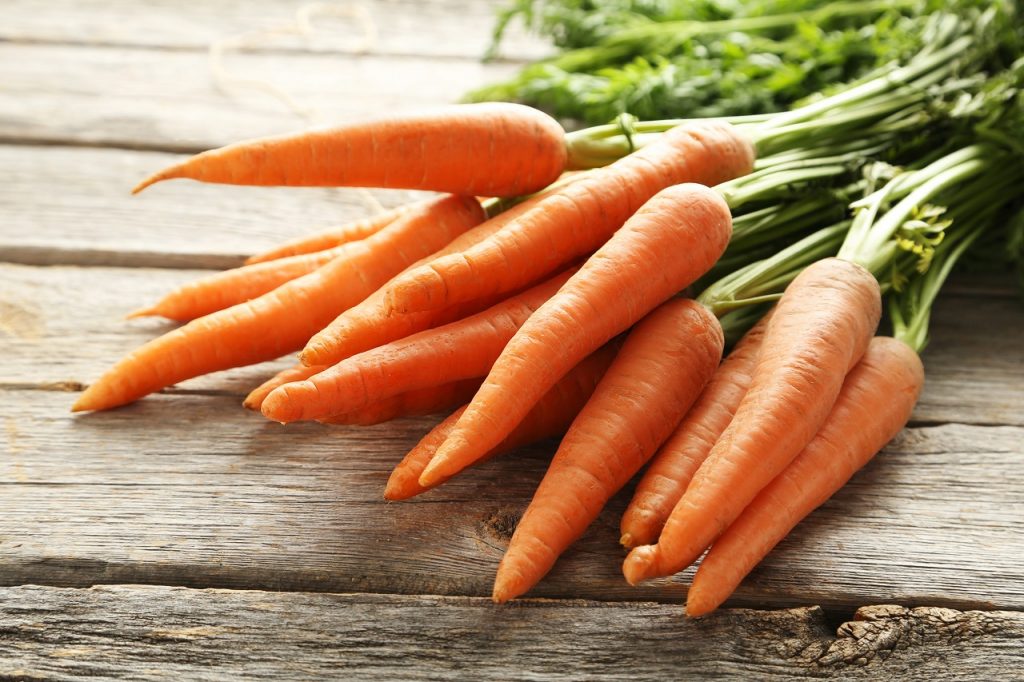
This crunchy powerfood, especially the red variety available during winter, contains a good amount of vitamins and nutrients such as Vitamin A, B2, B3, C, D, E and K. We all know about it’s benefits for a good eyesight and healthy skin because of it’s beta carotene. Little do we know that it contains high amounts of Lycopene, an antioxidant which helps prevent cancer, diabetes and heart diseases. Eating raw carrots or drinking carrot juice can help regularise blood flow, provide relief from pain and make you feel less fatigued during menstruation days owing to the carotene and iron content – making it a must have healthy winter vegetable. 

3. White Radish
Do you enjoy relishing hot Mooli ke Parathe in winter? Then you’re definitely benefiting from the Vitamins A, B6, C & E and minerals like potassium, phosphorus and zinc present in White Radish. This entire range of Vitamins and minerals gives our whole body an immunity boost. It has shown to have anti-congestive properties, which clear mucus from the throat and respiratory tract due to the common cold and cough in this season. The combination of phosphorus and zinc, helps get rid of dryness, acne and rashes on the skin and the high water content of radish keeps you well hydrated. Don’t forget to use the green leaves of this root vegetable to perk up the health benefits!

4. Beetroot
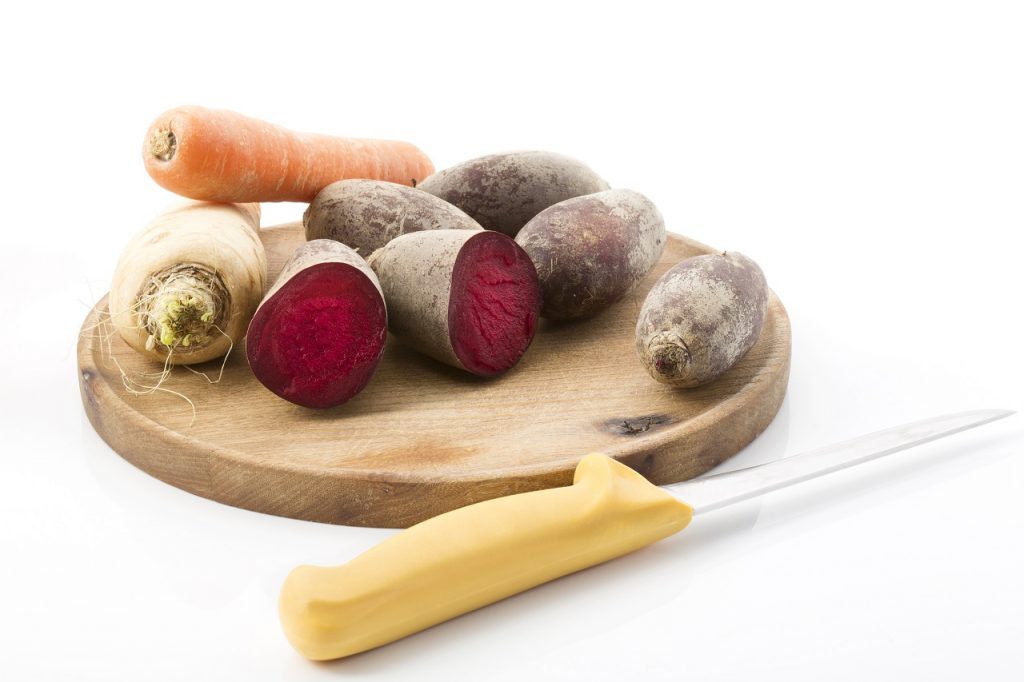
This vibrant and colorful veggie contains essential nutrients like folate (Vitamin B9), manganese, potassium, iron, and Vitamin C.  Plus, they’re one of the most delicious, healthy winter vegetables out there! The red color which indicates the high iron content which helps in improving the total blood count and Vitamin C boosts immunity and improves our WBC’s.

Very importantly, Betaine present in beets can protect the liver from inflammation and damage caused by toxins and chronic alcohol consumption. It helps break down fatty acids in the liver and may help in treating non-alcoholic fatty liver disease. To add to it, they’re completely safe for consumption by diabetics as well! Puzzled? Well, yes. The Glycemic Index of beets is of medium range (61) but the glycemic load they provide is only 5. Which means although they release blood sugar levels slightly fast after consumption, the total carbs present in them are comparatively very low. 

5. Sweet Potato
Winter comes and you get to see hand carts on the streets filled with this excellent and inexpensive food item. These orange-hued delights are loaded with twice the fiber when compared to other types of potatoes. B6 content in it reduces homocysteine which has been linked to heart attacks. Vitamin C and antioxidants protect us from flu viruses and common colds. They also aid in the formation of blood cells. Sweet potatoes contain a good amount of Magnesium, essential for blood pressure regulation and nerve relaxation which in turn helps reduce stress. Plus, since they’re fairly low on the glycemic index, they’re beneficial for diabetics and also great for filling up without getting weighed down. 

We hope these healthy winter vegetables help you level up your health and build immunity during this season! For more on nutrition and winter, check out Healthy Reads or reach out to our certified experts by subscribing to GOQii’s Personalised Health Coaching here.

Eat healthy and #BeTheForce 

Disclaimer: The information provided in this blog is for general awareness and educational purposes only. It is not intended to replace professional medical advice, diagnosis, or treatment. Always consult a qualified healthcare provider for personalised medical guidance or concerns related to your health. Images shown are for representation purposes only and may not depict the exact recommendations or outcomes.

February 11, 2025 By Navnee Garg Leave a Comment

Load Up On Carrots During Winter! Here’s Why!

carrots during winterWe’ve often advised people to eat seasonal fruits and for good reason! Seasonal veggies are a good source of vitamins, minerals and antioxidants which are required by the body during winter. There are many vegetables but one of them, which is a must-have during these chilly days is the carrot! Carrots are one of the most loved vegetables not only in India but all over the world. The reason is very evident, it not only serves as a salad but a lot more than that. This orange-coloured root is an ultimate health food with many health benefits. Let’s explore the health benefits of carrots during winter!

Why You Should Eat Carrots During Winter  

  1. Carrots help you get beautiful skin and can help in protecting you from cancer, especially lung cancer. As the temperature drops, this crunchy & colourful vegetable gives you a boost of antioxidants too.
  2. As a rich source of Vitamin A, it helps treat vision loss. So during winter, you can definitely ditch your Vitamin A pills.
  3. The Vitamin A in carrots also help the liver secrete bile and flush out toxins in the body, acting as a Natural Detox.
  4. Carrots contain high amounts of soluble fibers, which indirectly helps in managing cholesterol levels. No more guilt! You can easily binge on your favorite carrot cake during winter.
  5. Carrots are infused with natural pesticides, Falcarcinol, which is anti-fungal in nature. It protects you from any kind of fungal diseases. If your kids eat carrots, you don’t need to worry about them catching any kind of fungal infection. 
  6. Carrots aren’t boring! There are many variations you can try with this root – be it dips, juices or soups – carrots are definitely a hit with your taste buds! 
  7. Carrot tops are enriched in nutrients such as potassium, phytonutrients and they also contain around 6 times more Vitamin C than what the root does.
  8. Carrots have reserved their place in the list of the World’s Healthiest Foods. Undoubtedly, this crunchy root deserves it too.

 Tips to Add Carrots To Your Diet 

  • Soup It: Add grated carrots to your soups and clear broths to add roughage in diet
  • Crunch It: Raw carrots are enjoyed the best while soaking under the Sun during winters. Great way to boost up the vitamin quotient.
  • Lick It Up: Our very own Gajar ka Achar or Gajar ka Paani is every grandmother’s special recipe.
  • Bake It: The versatility of carrots gets it added even in bakery products. Add shredded carrot while baking muffins, cakes or breads to make a delightful dessert.

DO NOT throw away the carrot tops. Surprisingly, these carrot tops can be replaced with all the herbs in all kinds of dishes adding taste and Nutrition adequately. 

We hope you’re all set to enjoy the crunch this season. Any more queries in mind?  Please feel free to type them down in the comments section below, because, We Carrot about You!

For more topics on the health benefits of foods, check out Healthy Reads or ask a GOQii Coach by subscribing for Personalised Health Coaching here.

Eat Health and #BeTheForce 

February 3, 2025 By GOQii 5 Comments

Why You Need To Consume More Water During Winter

consume more water during winterWinter can be a dreadful experience if you don’t have the resistance to withstand cold. While searching for things to keep us warm from the outside and within, consuming water is quite low on our winter checklist. But there are many reasons why you need to consume more water during winter – one of them being that we get more dehydrated during winter.



Why Do We Feel More Dehydrated During Winter? 

It’s a fact that we get more dehydrated in winter when compared to summer. This is because when the surrounding temperature drops, we cling to the heater or cover ourselves with layers of clothing to keep us warm. This artificial heat causes dehydration.

Though we do not sweat during this season, water vapor is still lost from our body through our breath. Winter can even accelerate dehydration because of the lifesaving mechanism that’s functional in our body which constricts our blood vessels in cold weather, in turn conserving heat and maintaining body temperature.

Shrinking blood vessels increase blood pressure, making our kidneys produce more urine which means less blood to fill in the veins and arteries and frequent visits to the loo, hence, increasing the risk of dehydration. Dehydration causes muscle fatigue, cramps, loss of coordination and even a stroke. A dehydrated body is easily prone to flu and winter cold.

Basically, during winters we refrain from having enough water. With the days being short, it makes us exercise less and our food intake grows. When our body is well hydrated, its efficiency to break down fat for energy increases so that we have better control of our appetite.

The other concern is that of water retention due to the body not being well hydrated during winter. This takes place when our body starts feeling the scarcity of water and it starts holding back water leading to water retention.

How do I know if I am dehydrated? – Thirst is our body’s way of saying “I am on the verge of dehydration”. You can even be watchful of how clear or light colored your urine is. If it is dark, hydrate immediately.

How Do I Consume More Water During Winter?

  1. Drink Warm Water: 90% of the excuses that we give for not having water in winter is that it makes us feel cold. The best solution here is to drink lukewarm water, which would not only soothe your throat but will also replenish your water stores while boosting your metabolism
  2. Balance Tea and Coffee With Water: Caffeine and alcohol are diuretics (they cause us to lose more water through urine), so try to have a glass of water before having your evening tea/coffee. Have another glass after a few mins of after having your tea/coffee This way, we can replenish our body’s water store.
  3. Include Water Based Food In Your Menu: Vegetables and fruits are naturally rich in water, which also provide vital minerals and vitamins. Soups are the best way to go! Try this Chilli Bean Soup to keep you warm.
  4. Drink Water Throughout Your Exercise: Make it a point to have water before, during and after your exercise. Due to the cold climate, there are very fewer chances of sweating too much or feeling too thirsty, mind it your body needs it!
  5. Make Water Interesting: Many find drinking plain water very boring. If you are one of them, then you can add natural flavors to water (not free calories though) by adding some fruits or herbs which give the water some mild taste and make it delicious to sip on.

In conclusion, I would say be it summer, monsoon or winter, our body remains same through the year. So keep sipping and always stay hydrated! If you have difficulty keeping track of your water intake, you can log and track your daily water intake via the GOQii App as well as set reminders to drink water.

We hope this article helps you consume more water. For more on staying healthy during winter, check out Healthy Reads or ask a GOQii Coach by subscribing for Personalised Health Coaching here.

#BeTheForce 

Disclaimer: The information provided in this blog is for general awareness and educational purposes only. It is not intended to replace professional medical advice, diagnosis, or treatment. Always consult a qualified healthcare provider for personalised medical guidance or concerns related to your health.

  • 1
  • 2
  • 3
  • …
  • 5
  • Next Page »

Search

Recent Posts

  • 4 Reasons Why Affirmations Are Not Working For You
  • The Social Side of GLP-1: Navigating “Food Culture” and Peer Pressure
  • Leaky Gut: Symptoms and Causes
  • Muscle Is Your Insurance Policy: Why Strength Predicts Lifespan More Than Cardio
  • The Fiber Gap: Managing Digestion on GLP-1 Therapy

Stay Updated

Archives

  • March 2026 (1)
  • February 2026 (14)
  • January 2026 (14)
  • December 2025 (19)
  • November 2025 (15)
  • October 2025 (20)
  • September 2025 (6)
  • August 2025 (6)
  • July 2025 (12)
  • June 2025 (18)
  • May 2025 (16)
  • April 2025 (22)
  • March 2025 (23)
  • February 2025 (22)
  • January 2025 (25)
  • December 2024 (22)
  • November 2024 (23)
  • October 2024 (21)
  • September 2024 (24)
  • August 2024 (30)
  • July 2024 (21)
  • June 2024 (26)
  • May 2024 (31)
  • April 2024 (27)
  • March 2024 (29)
  • February 2024 (25)
  • January 2024 (21)
  • December 2023 (15)
  • November 2023 (11)
  • October 2023 (19)
  • September 2023 (22)
  • August 2023 (18)
  • July 2023 (22)
  • June 2023 (24)
  • May 2023 (24)
  • April 2023 (23)
  • March 2023 (23)
  • February 2023 (19)
  • January 2023 (15)
  • December 2022 (11)
  • November 2022 (15)
  • October 2022 (15)
  • September 2022 (12)
  • August 2022 (10)
  • July 2022 (17)
  • June 2022 (11)
  • May 2022 (10)
  • April 2022 (6)
  • March 2022 (6)
  • February 2022 (13)
  • January 2022 (11)
  • December 2021 (7)
  • November 2021 (3)
  • October 2021 (6)
  • September 2021 (3)
  • August 2021 (8)
  • July 2021 (7)
  • June 2021 (15)
  • May 2021 (16)
  • April 2021 (10)
  • March 2021 (7)
  • February 2021 (4)
  • January 2021 (4)
  • December 2020 (3)
  • November 2020 (4)
  • October 2020 (10)
  • September 2020 (3)
  • August 2020 (3)
  • July 2020 (2)
  • June 2020 (4)
  • May 2020 (10)
  • April 2020 (12)
  • March 2020 (10)
  • February 2020 (4)
  • January 2020 (4)
  • December 2019 (3)
  • November 2019 (7)
  • October 2019 (5)
  • September 2019 (4)
  • August 2019 (9)
  • July 2019 (9)
  • June 2019 (11)
  • May 2019 (4)
  • April 2019 (8)
  • March 2019 (8)
  • February 2019 (9)
  • January 2019 (8)
  • December 2018 (9)
  • November 2018 (3)
  • October 2018 (3)
  • September 2018 (5)
  • August 2018 (10)
  • July 2018 (6)
  • June 2018 (13)
  • May 2018 (8)
  • April 2018 (18)
  • March 2018 (9)
  • February 2018 (8)
  • January 2018 (15)
  • December 2017 (12)
  • November 2017 (19)
  • October 2017 (13)
  • September 2017 (15)
  • August 2017 (4)
  • July 2017 (8)
  • June 2017 (7)
  • May 2017 (6)
  • April 2017 (8)
  • March 2017 (6)
  • February 2017 (7)
  • January 2017 (9)
  • December 2016 (10)
  • November 2016 (7)
  • October 2016 (7)
  • September 2016 (7)
  • August 2016 (11)
  • July 2016 (9)
  • June 2016 (9)
  • May 2016 (12)
  • April 2016 (17)
  • March 2016 (17)
  • February 2016 (8)
  • January 2016 (6)
  • December 2015 (2)
  • November 2015 (9)
  • October 2015 (7)
  • September 2015 (9)
  • August 2015 (11)
  • July 2015 (9)
  • June 2015 (12)
  • May 2015 (9)
  • April 2015 (13)
  • March 2015 (8)
  • February 2015 (5)
  • January 2015 (12)
  • December 2014 (14)
  • November 2014 (11)
  • October 2014 (6)
  • September 2014 (13)
  • August 2014 (12)
  • July 2014 (6)
  • June 2014 (2)
  • May 2014 (7)
  • April 2014 (5)

From “Laddu Nawin” to Fit and Fierce: How a 25-Year-Old Insurance Advisor Shed 20 Kilos and Gained His Life Back

When 25-year-old Nawin Yadav from Hyderabad walked into his office every morning, he carried more than just his files and policy papers. He had the weight of fatigue, sluggish energy, and an ever-growing belly that was becoming the butt of jokes. “People … [Read More...]

“I’ve Challenged Myself to Live 100 Years” – The Story of Chandubhai Savani’s Second Chance at Life

At 67, most people start slowing down. Not Chandubhai Savani. A resident of Surat, Chandubhai, thought life was on track. “My life was going well till I had my bypass surgery,” he says. That surgery, back in 2021, was a wake-up call.  Medication was routine, but exercise wasn’t. His diet? What he calls ‘normal.’ “I […]

From Shimla’s Slopes to Chandigarh’s Sidewalks: Surinder Kaur Bhalla’s Journey from Chaos to Control

Some journeys start with a plan. Others begin with a stumble literally. Surinder Bhalla, a government professional, born and raised in the scenic hill town of Shimla, had always lived a life of movement. “In Shimla, you walked everywhere,” she reflects. “Walking was never an exercise. It was just life.” But after shifting to Chandigarh, […]

Ananda Mukherjee Health Story

From Terminal Illness To Complete Wellness! Ananda Mukherjee Health Story

As we observe World Cancer Day under the powerful theme ‘United by Unique’ (2025-2027)**, we are reminded that every individual’s journey with cancer is distinct, yet united by shared resilience, hope, and the collective fight against this disease. This theme places people at the centre of care and their stories at the heart of the […]

  • HOME
  • HEALTHY LIVING
  • FITNESS
  • HEALTHY RECIPES
  • USER STORIES
  • KARMA
  • BUY GOQii

Copyright ©2016 GOQii
