GOQii

Blog

  • HOME
  • HEALTHY LIVING
  • FITNESS
  • HEALTHY RECIPES
  • USER STORIES
  • KARMA
  • BUY GOQii

May 29, 2024 By Vrushali Athavle 1 Comment

TULSI – Solution to all ailments

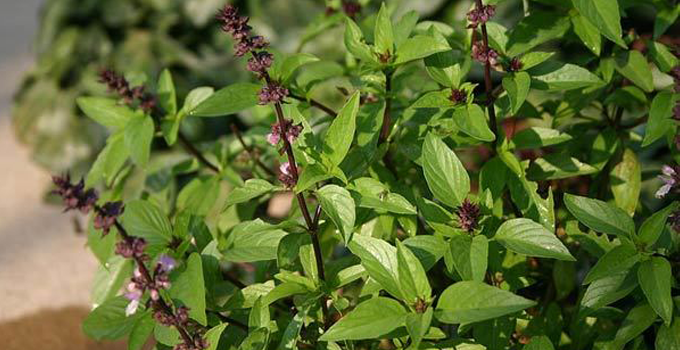
tulsi-leavesTulsi or Basil leaves is a small light green to dark purple coloured plant, which is often seen to be grown in front off or near houses in a special pot or special small masonry structures in almost every Indian home. Whether you like keeping plants at home or not, this sacred and medicinal plant is seen in every house. It is considered sacred in India and a manifestation of goddess Tulsi, a consort of God Vishnu.

Talking about its medicinal properties, Tulsi is classified as an adaptogen: It adapts itself to whatever ailment the body is experiencing. Name any body part, beginning from your head, eyes, mouth, throat, stomach, or kidney, Tulsi has a cure for it.

Its anti-bacterial, anti-fungal, anti-oxidant and anti-inflammatory properties make it a much talked about the herbal plant in medicine.

Let’s quickly go through some of them:

  • Head: In heating summer, by applying the paste of crushed Tulsi and Chandan will give you immediate cooling and relief from headaches.
  • Eyes:  Dark Tulsi is known to be rich in Vitamin A and hence no doubt that it helps in curing eye soreness and night blindness.
  • Mouth: Soaking Tulsi seeds in water at night and consuming it in the morning along with milk will surely give you relief from mouth ulcers. I have tried this and it has benefited me by giving immediate relief.
  • Teeth: A paste made by sun drying the tulsi leaves and mixing them with mustard oil is known to maintain dental health and gives you relief from bad mouth odour.
  •  Nose, throat, and chest: Water boiled with basil leaves and a pinch of salt should be used to gargle to get relief from a sore throat. Almost all the ayurvedic cough syrups and expectorants have tulsi as their main component, as it is known to melt the mucus giving relief to bronchitis and asthma patients.
  • Fever: A hot and tasty tulsi decoction made by adding cardamom, clove, coriander seeds, Jeshthamadh or Jashthamadh or Mulethi with a small amount of jaggery helps to bring down fever after one has drunk the decoction in small portions.
  •  Kidney: In case of renal stone the juice of basil leaves and honey, if taken regularly for 6 months will flush them via the urinary tract.

 The flavonoids in tulsi leaves are believed to reduce the risk of platelets forming clots on the arterial wall, preventing coronary heart disease and heart attacks.

Tulsi juice is also beneficial in treating many of the skin infections like ringworm and other skin diseases.

Note: These are only general guidelines as a first aid. It is always better to see a doctor depending upon the intensity of the case.

We hope this article helps you understand the incredible benefits of Tulsi. Have you tried incorporating Tulsi into your daily routine? Let us know in the comments below. For more tips on natural remedies and nutrition, check out Healthy Reads or speak to a certified expert by subscribing to GOQii’s Personalised Health Coaching here.

#BeTheForce

May 26, 2024 By Geetika Patni 8 Comments

Mindful Eating: The best habit ever!

Mindful-eating

Most humans eat more than their bodies require. Especially with the massive choice of culinary delights available, the eye appealing desserts, the way food is plated etc…it works on our minds to a level that we crave it. And that’s OK. Everyone loves good food too, who doesn’t.

The problem is, we eat too much of it and there reaches a point when the body does not know what to do with the crazy amounts of food we eat, so when you see your belly/tummy, mid riff, waist starting to expand, that’s your body telling you, ‘you are eating too much’. 

What next? Fad Diets? Time and again it has been proved that fad diets don’t work. With a fad diet plan, you will lose weight – and gain it back eventually, and in between you may end up even damaging your metabolism, digestion and your wonderful relationship with food.

But then isn’t it true? that ‘Abs are made in the Kitchen’ and that ‘Weight Management is 70% nutrition’. Indeed it is! The hidden answer to this dilemma lies in – Mindful Eating.

mindful-eating

Technical definition says, “Mindful eating is allowing yourself to become aware of the positive and nurturing opportunities that are available through food selection and preparation by respecting your own inner wisdom”. 

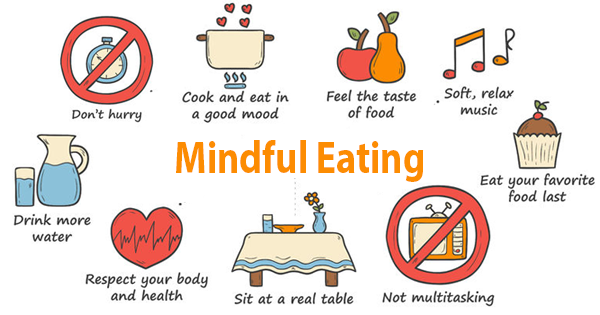
In easier terms – It is an art of staying aware of, not only-what you are eating, but also how you are eating. In this article, I’ll help you understand the broad prospects of nurturing yourself with the art of mindful eating. And to do so, let’s first understand the contradiction – Mindless eating.

You are eating mindless when you are –

1) Overeating (Unable to practice portion control) –

Over eating is the most common act of mindless eating and in my experience, 90% of the players who want to lose weight – overeat during one or the other meal.

Portion control is very important but why is practicing portion control so difficult? That’s because we miss recognizing the internal cues our body provides (and yes it does send those signals!) to make us stop eating when it’s time. And why does this happen? That’s because we fail to pay attention to the task we are doing, in this context it is – eating. Implementing simple habits like keeping away gadgets while eating, using smaller plates, and taking a deep breath before you start your meal, can help you to practice portion control effectively.

2) Eating Fast

This one doesn’t need an example. If you are a fast eater you know it. Eating at your best speed to win a 1 minute food challenge is entirely different than doing it every day for every meal. Eating fast can also lead to weight gain and metabolic disorders like insulin resistance and arthritis. Small discomforts such as teeth bites and ulcers in the mouth, dental cavities, and acne outbursts can also be traced back to the habit of eating fast. And you may be blaming your gassy gut to your food choices, but do ponder upon if it’s related to your speed of eating too. Ideally you must aim to finish every meal in 20 minutes. This is the time range for our fullness hormones – Leptin, Ghrelin and some neuropeptides – to reach our brain and signal the satiety centre to feel full and stop eating.

Tricks like taking an intermission break after every few bites, using your non dominant hand to eat, chewing every bite thoroughly (32 times is dramatic, I know, 20 will do), using chopsticks for a change and/or using baby forks/spoons to finish your meal, can help you learn the art of eating slow and mindfully.

3) Emotional Eating

Emotional eating is as simple as the term sounds – eating to fulfil an emotion and not the stomach. It is also termed as ‘Head hunger’. If your hunger feels sudden and urgent and you have a craving for only fries or sugary treats, you can’t stop yourself to eat and then feel guilty afterwards, it is Head hunger – caused by emotions like boredom, anger, frustration, anxiety etc.

On the other hand if you are ‘Stomach Hungry’ you will know it easily for it will come gradually and you can still postpone it. There will be a stomach growl and it will get satisfied with any food (yes even salads!) You won’t feel guilty even after eating it heartily. And best part is you’ll know when to stop when you are feeding your body (but cannot- when fuelling your emotions).

Staying mindful of your hunger triggers and enjoying the meals to nourish your system, rather than feelings, is important, as this can make or break your relationship with food. Emotional eating whereas can cultivate poor self-esteem, unwanted weight gain and the plethora of troubles related to Obesity. Overcoming emotional eating requires a good amount of practice, patience and discipline and some tricks like distraction through work to pass off the emotional storm.

4) Disconnecting 

Eating each and every food that you can lay your hands on, without making a choice is what I call as ‘Disconnecting’. That’s odd! This doesn’t correlate.

Let me explain – If you belong to a club excelling in eating each and every ‘thing’ without knowing what it can do to you, where it came from and without acknowledging the feelings it produces in you (whether good or bad) you are disconnected from your foods, your meals and your nourishment – the very thing which helps you run your day and which prevents you from sufferings and sicknesses.

Disconnecting is a very subtle mindless eating practice but has profound effect on your weight and most importantly on your vital organs and their metabolic functioning. (Like a seemingly harmless can of diet-coke can wreak havoc on your pancreas and production of Insulin!)

Moreover, as we age, the mindless habit of Disconnecting does rapid harm to our system, to the extent of jeopardizing our longevity!

Hence, it is extremely important to make the ‘connect’ with your food choices. Attempt to learn or acknowledge the ingredients of the dish you are eating, which food group it belongs to, combining it in ways you can enhance (or deplete) it’s nutritional quotient, and most importantly how you truly feel having it.

In this 5 part series on ‘Mindful Eating’, I will take you through all the aspects of Mindful eating. In the second part tomorrow I will talk about slowing down while eating, how helpful can it be and some tips to help you eat slowly.

In essence, food is meant to be enjoyed and to nourish you. Adding the seasoning of Mindful eating to it, will pique up your health and wellness quotient.

To be Continued…………………

#BeTheForce 

May 23, 2024 By Arooshi Garg 5 Comments

Jaggery and its Benefits!

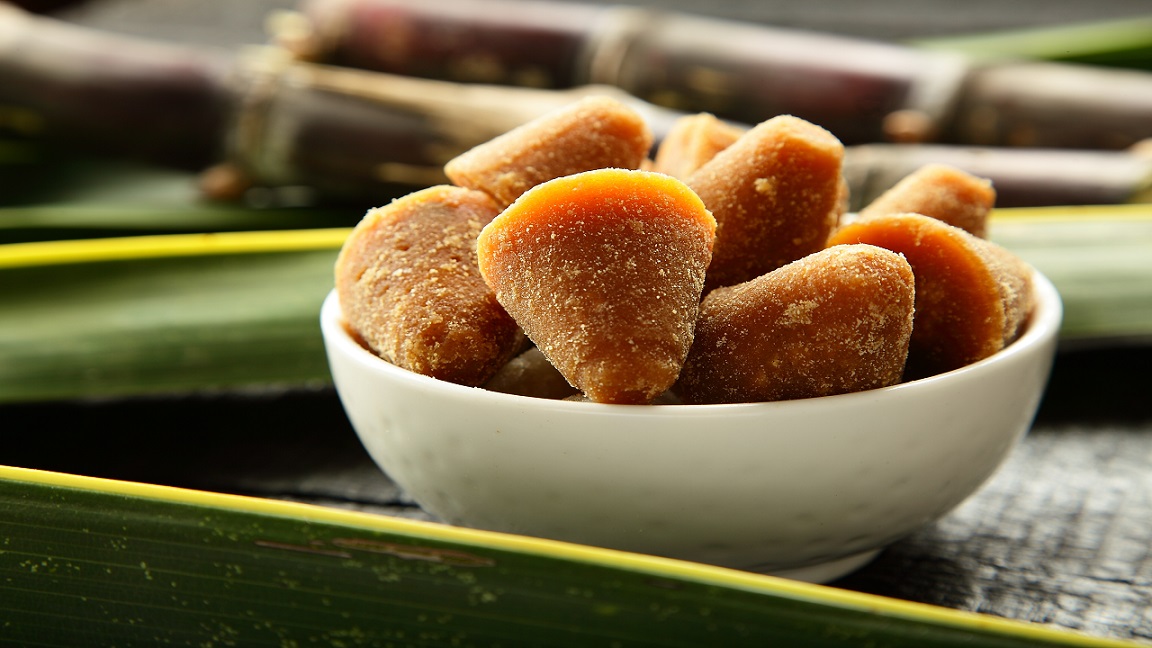
Benefits of JaggeryJaggery is one of the most common ingredients found in Indian kitchens. Apart from being one of the best natural sweeteners, it also offers a plethora of health benefits. It is good for your cardiac health, digestion, improved metabolism, blood circulation, respiratory system, menstrual cramp or pains, sexual potency and stronger immunity.

About 70-80% of the world’s Jaggery production takes place in India, where it is commonly called gur/gud. It is primarily made from Sugarcane but nowadays it can be made from coconut sap and date palm as well.

How is Jaggery Made?

Jaggery is made by first extracting juice from Sugarcane. The canes or palms are pressed to extract the sweet juice or sap. The juice is then allowed to stand in big containers so that any sediment settles to the bottom. It is then strained to produce a clear liquid.

The juice is then concentrated by placing in a very large, flat-bottomed pan and boiled. During this process, the Jaggery is stirred and the impurities are skimmed off the top until only a yellow, dough-like paste remains. This paste is then transferred to containers where it cools into Jaggery blocks.


Jaggery vs Refined Sugar

Jaggery contains more nutrients than refined sugar because of its molasses content. Molasses is a nutritious by-product of the sugar making process, which is usually removed when making refined sugar. Molasses adds plenty of micro-nutrients to the final product. Hence, it is more nutritious as compared to white refined sugar!

10 Benefits of Eating Jaggery

  1. Prevents and Treats Common Cold: Consumption of Jaggery helps fight symptoms of a cold and cough. Mixing a small piece of it in warm water or tea can help greatly.
  2. Immunity Booster: Loaded with antioxidants and minerals like zinc and selenium, which helps curb free-radicals responsible for inflammation, Jaggery helps boost resistance against infections, hence building stronger immunity.
  3. Detoxifies the Liver & Other Organs: It plays a major role in detoxifying internal organs such as liver, stomach, intestines, kidneys, etc. by flushing out harmful toxins from the body. Certain compounds present in Jaggery activate the digestive enzymes in our body, which help us digest food properly and also help reduce indigestion/bloating.
  4. Combats Menstrual Pain and PMS: It is helpful in providing relief from cramps. In case you experience mood swings, irritation before your period, you should eat a small piece as it increases the levels of hemoglobin, maintains the hydration levels in our body in heavy-flow during periods and helps in releasing more Endorphins during periods (this helps relax our body). During periods, consume a solution of a glass of lukewarm water and Jaggery. It will help you tackle period cramps for the day.
  5. Body Pain & Aches: Do you suffer from aches and pains in your joints? Eating Jaggery can provide you with immense relief. Add some grated ginger in boiling water and strain. Add a small piece of Jaggery and drink this regularly to reduce joint pain. You can even drink it with a glass of milk everyday to help strengthen the bones. This can help prevent joint and bone problems such as Arthritis.
  6. Prevents Constipation: It activates the digestive enzymes in the body, stimulates bowel movements and helps prevent as well as relieve constipation. A cup of warm water with organic Jaggery and half a lemon’s juice is one of the best home remedy to cure constipation.
  7. Prevents Anaemia: Rich in iron and folate, it helps prevent anaemia by ensuring that a normal level of red blood cells is maintained. It also helps in increasing haemoglobin content of blood. This is especially beneficial for pregnant women.
  8. Acts as a Cooling Agent: Eating a small piece of it everyday helps in maintaining normal body temperature, which helps in keeping your stomach cool. Experts recommend drinking GurSharbat (soaked in ice cold water) during the summer months to cool off.
  9. Prevents Respiratory Problems: By consuming Jaggery regularly, you can prevent many respiratory problems such as asthma, bronchitis, etc. Eating it with sesame seeds is beneficial for the respiratory system and preventing allergies related to it.
  10. Regulates Blood Pressure: Jaggery contains potassium and sodium, which play an important role in the maintenance of pH levels in the body. It ensures that a normal level of blood pressure is properly maintained.

Quick Til Ladoo/Bars Recipe

You will need:

  • 1 Cup White Sesame Seeds
  • 1 Cup Jaggery
  • 1 tbsp ghee
  • ¼ tsp Cardamom Powder
  • Nuts of your choice

Method:

  • Roast sesame seeds on medium heat till light brown
  • Heat ghee in pan and add Jaggery
  • Simmer on slow flame till it melts
  • Put off flame and add the roasted til (and crushed nuts) and mix well
  • Grease your palms with ghee and make small balls or set in a plate and cut bars out of it

We hope this article equips you with valuable insights into the amazing benefits of jaggery. Incorporating this natural sweetener into your diet can enhance your cardiac health, digestion, immunity, and overall well-being. If you found this information helpful, we’d love to hear your thoughts in the comments below. For more interesting tips on diet and nutrition, check out Healthy Reads. For further information or guidance, reach out to our certified experts by subscribing to GOQii’s Personalised Health Coaching here.

#BeTheForce
May 17, 2024 By Dr. Viral Thakkar 1 Comment

Hypertension: Know it to Avoid it

Hypertension Day John, 38, is caught in the grind of a demanding job that consumes his weekdays with 12-hour shifts, tight deadlines, and constant pressure. His stressful work environment leaves him perpetually exhausted and struggling to get enough sleep. To cope with the relentless stress, John turns to partying over the weekends, indulging in late nights and heavy drinking as a way to escape his hectic routine and enjoy his financial success.



However, a few days ago, his life took an alarming turn when he was diagnosed with hypertension, with his blood pressure reading at 170/100 mmHg. The news left John tense and scared, realising that his health was at serious risk. His doctor suggested lifestyle modifications as the first step towards managing his condition.

Determined to take responsibility for his well-being, John began researching ways to improve his health. He discovered a holistic approach to wellness that includes personalised coaching, fitness tracking, and health insights. Through expert guidance, he learned strategies to manage his hypertension, leading him towards a healthier lifestyle and helping him combat the impact of his stressful job and sleepless nights.

Understanding Blood Pressure

Blood pressure is the force exerted by the blood against the walls of the blood vessels. The pressure depends on the heart’s workload and the resistance within the arteries. A normal blood pressure reading is 120 (systolic)/80 (diastolic) mmHg, while hypertension is diagnosed when readings consistently exceed 140/90 mmHg. Since blood pressure fluctuates throughout the day, at least three separate readings taken two hours apart are required to confirm chronic hypertension.

Types of Hypertension

  1. Primary Hypertension: May result from factors like plasma volume and hormonal regulation of blood pressure, or lifestyle and environmental influences.
  2. Secondary Hypertension: Develops as a complication of other conditions such as diabetes, thyroid disorders, kidney disease, sleep apnoea, or certain medications.

What Can Lead to Hypertension?

  • Stress – Chronic stress contributes to high blood pressure.
  • Underlying Health Conditions – Diabetes, cardiovascular disease, chronic kidney disease, and high cholesterol can increase risk.
  • Alcohol & Tobacco Use – Both can significantly raise blood pressure and cause other health issues.
  • Age & Gender – Hypertension is more common in individuals over 60, though lifestyle factors are causing an increase in younger adults. Men are more prone at a younger age, whereas older women experience a rise in BP due to hormonal changes.
  • Obesity & Poor Diet – Excess weight and consumption of processed, fatty, and high-salt foods increase the risk.
  • Lack of Physical Activity – A sedentary lifestyle can worsen heart health.
  • Genetic Factors – A family history of high blood pressure may contribute, but healthy habits can override genetic predispositions.

If you fall into any of these categories, it’s time to take proactive steps to maintain your health.

Your Daily Routine for Managing Hypertension

  1. Start your morning on a positive note – Be grateful, relax, and avoid rushing into stressful tasks.
  2. Eat a balanced diet – Include whole foods, fresh vegetables, fruits, lean proteins, and healthy fats while avoiding junk food.
  3. Reduce salt intake – The WHO recommends limiting salt to under 5g per day to reduce hypertension risk.
  4. Exercise regularly – Aim for at least 45 minutes of moderate activity daily.
  5. Avoid smoking & alcohol – Eliminating these habits can significantly lower blood pressure.
  6. Maintain a healthy weight – Strive to achieve and sustain a healthy BMI.
  7. Practice relaxation techniques – Pranayama, yoga, and meditation help reduce stress and improve heart health.
  8. Monitor your blood pressure – Regular check-ups help detect issues early and prevent complications.

Why Managing Hypertension is Important

Long-term hypertension can cause arterial damage, leading to complications such as:

  • Heart Disease – Increases the risk of heart attacks and heart failure.
  • Stroke – Can result from restricted blood flow to the brain.
  • Aneurysm – A bulge in an artery that can burst, leading to severe internal bleeding.
  • Kidney Failure – High blood pressure can damage kidney function over time.
  • Hypertensive Retinopathy – Can cause vision loss or blindness.

The best way to prevent and manage hypertension is to prioritise both mental and physical well-being. By reducing stress, eating healthily, staying active, and monitoring your blood pressure, you can take control of your heart health and prevent serious complications.

Have you made changes to manage hypertension? Share your experience in the comments below!

#BeTheForce

⚠ Medication should always be taken as per your doctor’s advice, but remember—lifestyle modifications are the key to long-term health!

Disclaimer: The information provided in this blog is for general awareness and educational purposes only. It is not intended to replace professional medical advice, diagnosis, or treatment. Always consult a qualified healthcare provider for personalised medical guidance or concerns related to your health.

  • « Previous Page
  • 1
  • …
  • 6
  • 7
  • 8
  • 9
  • 10
  • …
  • 19
  • Next Page »

Search

Recent Posts

  • India Leads in Longevity: GOQii Sanjeevini Named Top 40 in $101M XPRIZE
  • The Importance Of Knowing If You’re Thirsty Or Hungry
  • Best Foods To Alleviate Irritable Bowel Syndrome
  • ALL ABOUT VERTIGO!
  • PCOS and Anxiety: Discover Relief with the 54321 Technique

Stay Updated

Archives

  • December 2025 (8)
  • November 2025 (15)
  • October 2025 (20)
  • September 2025 (6)
  • August 2025 (6)
  • July 2025 (12)
  • June 2025 (18)
  • May 2025 (16)
  • April 2025 (23)
  • March 2025 (23)
  • February 2025 (22)
  • January 2025 (26)
  • December 2024 (26)
  • November 2024 (25)
  • October 2024 (22)
  • September 2024 (24)
  • August 2024 (31)
  • July 2024 (21)
  • June 2024 (26)
  • May 2024 (31)
  • April 2024 (27)
  • March 2024 (29)
  • February 2024 (26)
  • January 2024 (25)
  • December 2023 (15)
  • November 2023 (11)
  • October 2023 (20)
  • September 2023 (22)
  • August 2023 (20)
  • July 2023 (22)
  • June 2023 (24)
  • May 2023 (24)
  • April 2023 (24)
  • March 2023 (23)
  • February 2023 (20)
  • January 2023 (16)
  • December 2022 (12)
  • November 2022 (15)
  • October 2022 (15)
  • September 2022 (12)
  • August 2022 (10)
  • July 2022 (17)
  • June 2022 (11)
  • May 2022 (10)
  • April 2022 (6)
  • March 2022 (6)
  • February 2022 (13)
  • January 2022 (12)
  • December 2021 (7)
  • November 2021 (3)
  • October 2021 (6)
  • September 2021 (3)
  • August 2021 (8)
  • July 2021 (7)
  • June 2021 (15)
  • May 2021 (16)
  • April 2021 (10)
  • March 2021 (7)
  • February 2021 (4)
  • January 2021 (4)
  • December 2020 (3)
  • November 2020 (4)
  • October 2020 (10)
  • September 2020 (3)
  • August 2020 (3)
  • July 2020 (2)
  • June 2020 (4)
  • May 2020 (10)
  • April 2020 (12)
  • March 2020 (10)
  • February 2020 (4)
  • January 2020 (4)
  • December 2019 (3)
  • November 2019 (7)
  • October 2019 (5)
  • September 2019 (4)
  • August 2019 (9)
  • July 2019 (9)
  • June 2019 (11)
  • May 2019 (4)
  • April 2019 (9)
  • March 2019 (8)
  • February 2019 (9)
  • January 2019 (8)
  • December 2018 (9)
  • November 2018 (3)
  • October 2018 (3)
  • September 2018 (5)
  • August 2018 (10)
  • July 2018 (6)
  • June 2018 (13)
  • May 2018 (8)
  • April 2018 (18)
  • March 2018 (9)
  • February 2018 (8)
  • January 2018 (15)
  • December 2017 (12)
  • November 2017 (19)
  • October 2017 (13)
  • September 2017 (15)
  • August 2017 (4)
  • July 2017 (8)
  • June 2017 (7)
  • May 2017 (6)
  • April 2017 (8)
  • March 2017 (6)
  • February 2017 (7)
  • January 2017 (9)
  • December 2016 (10)
  • November 2016 (7)
  • October 2016 (7)
  • September 2016 (7)
  • August 2016 (11)
  • July 2016 (9)
  • June 2016 (9)
  • May 2016 (12)
  • April 2016 (17)
  • March 2016 (17)
  • February 2016 (8)
  • January 2016 (6)
  • December 2015 (2)
  • November 2015 (9)
  • October 2015 (7)
  • September 2015 (9)
  • August 2015 (11)
  • July 2015 (9)
  • June 2015 (12)
  • May 2015 (9)
  • April 2015 (13)
  • March 2015 (8)
  • February 2015 (5)
  • January 2015 (12)
  • December 2014 (14)
  • November 2014 (11)
  • October 2014 (6)
  • September 2014 (13)
  • August 2014 (12)
  • July 2014 (6)
  • June 2014 (2)
  • May 2014 (7)
  • April 2014 (5)

From “Laddu Nawin” to Fit and Fierce: How a 25-Year-Old Insurance Advisor Shed 20 Kilos and Gained His Life Back

When 25-year-old Nawin Yadav from Hyderabad walked into his office every morning, he carried more than just his files and policy papers. He had the weight of fatigue, sluggish energy, and an ever-growing belly that was becoming the butt of jokes. “People … [Read More...]

“I’ve Challenged Myself to Live 100 Years” – The Story of Chandubhai Savani’s Second Chance at Life

At 67, most people start slowing down. Not Chandubhai Savani. A resident of Surat, Chandubhai, thought life was on track. “My life was going well till I had my bypass surgery,” he says. That surgery, back in 2021, was a wake-up call.  Medication was routine, but exercise wasn’t. His diet? What he calls ‘normal.’ “I […]

From Shimla’s Slopes to Chandigarh’s Sidewalks: Surinder Kaur Bhalla’s Journey from Chaos to Control

Some journeys start with a plan. Others begin with a stumble literally. Surinder Bhalla, a government professional, born and raised in the scenic hill town of Shimla, had always lived a life of movement. “In Shimla, you walked everywhere,” she reflects. “Walking was never an exercise. It was just life.” But after shifting to Chandigarh, […]

Ananda Mukherjee Health Story

From Terminal Illness To Complete Wellness! Ananda Mukherjee Health Story

As we observe World Cancer Day under the powerful theme ‘United by Unique’ (2025-2027)**, we are reminded that every individual’s journey with cancer is distinct, yet united by shared resilience, hope, and the collective fight against this disease. This theme places people at the centre of care and their stories at the heart of the […]

  • HOME
  • HEALTHY LIVING
  • FITNESS
  • HEALTHY RECIPES
  • USER STORIES
  • KARMA
  • BUY GOQii

Copyright ©2016 GOQii