GOQii

Blog

  • HOME
  • HEALTHY LIVING
  • FITNESS
  • HEALTHY RECIPES
  • USER STORIES
  • KARMA
  • BUY GOQii

May 28, 2026 By GOQii Leave a Comment

The Science of Staying Healthy During Extreme Summer Heat

The Big Question: How does extreme summer heat affect the body, and how can I stay healthy?

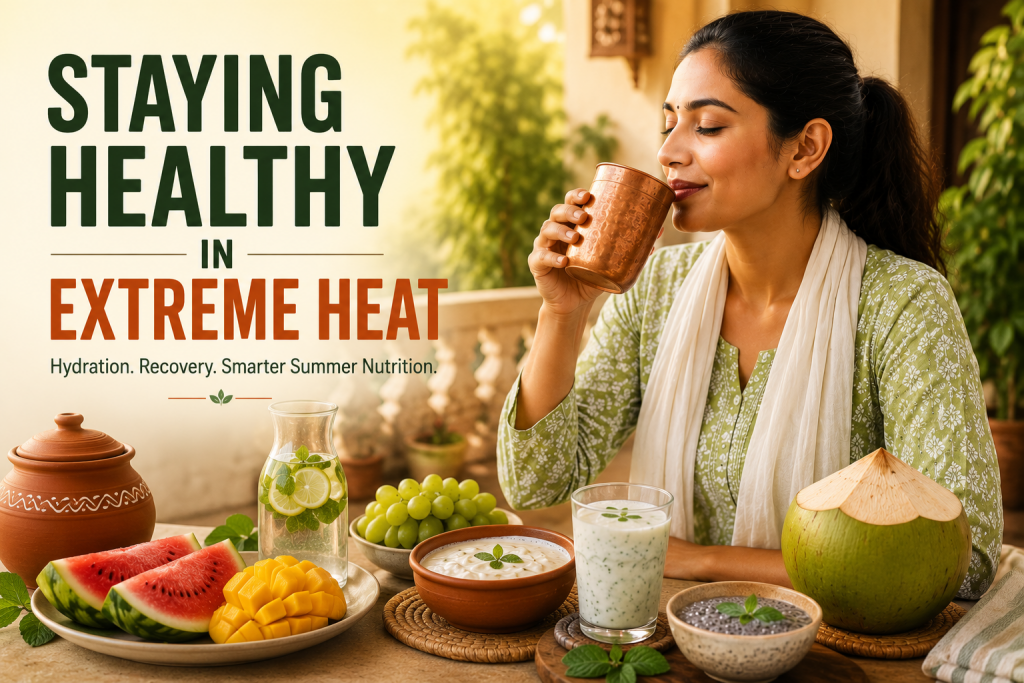
Extreme summer heat does more than simply make you sweat; it places intense systemic stress on your circulation, digestion, and cellular recovery. During heatwaves, the body rapidly loses water, sodium, potassium, and trace electrolytes, which can impair cognitive function and physical performance. Clinical data shows that supporting the body with electrolyte-rich fluids, gut-friendly probiotics, water-dense seasonal fruits, and light movement helps maintain hydration efficiency and drastically reduces the risk of heat-induced fatigue, bloating, and dehydration.

Indian summers are becoming increasingly intense, and the physiological effects go far beyond mere discomfort.

Extreme heat places significant stress on the body’s cooling systems. As temperatures rise, the body works overtime to regulate its internal temperature through sweating, increased circulation, and fluid redistribution. This creates a ripple effect that impacts your hydration, digestion, sleep quality, appetite, energy levels, and mental focus.

During severe heatwaves, many individuals notice they feel unusually tired, bloated, irritable, and lightheaded. Yet, the most common responses skipping meals, consuming excessive ice-cold drinks, or relying heavily on sugary packaged juices actually worsen the problem.

Staying healthy during extreme summer heat requires more than just drinking plain water. The body needs proper electrolyte balance, gut-friendly nutrition, and smarter hydration strategies to cope with thermal stress effectively. Here is how you can support your body naturally during peak summer months.

Why Summer Heat Exhausts the Body Faster Than You Realise

During hot weather, the body prioritizes cooling itself down. Blood circulation shifts closer to the skin surface to release heat, while sweating increases fluid and electrolyte loss throughout the day.

This creates several physiological challenges simultaneously:

  • Rapid sodium and potassium depletion
  • Sluggish digestion and reduced appetite
  • Severe tension headaches and brain fog
  • Poor sleep architecture and reduced recovery capacity

In fact, losing just 2% of your total body water volume can measurably impair concentration, physical performance, circulation, and cognitive function. This is why summer fatigue often feels much deeper than simple thirst.

The goal is not just “drinking more water.” It is helping the body maintain hydration efficiency and internal balance.

  1. Hydrate Smarter – Not Just More

One of the biggest hydration mistakes during summer is consuming massive amounts of plain water without replenishing electrolytes. Excessive sweating causes the body to lose sodium, potassium, magnesium, and trace minerals. Without replacing these minerals, cellular hydration drops, leading to dizziness and muscle cramps.

  • Coconut Water (Natural Electrolyte Support): Coconut water naturally contains high levels of potassium and electrolytes that help support hydration balance. It is especially useful after prolonged outdoor exposure or physical activity.
  • Sabja/Sweet Basil Seeds (Cooling and Hydrating): Often confused with chia seeds, Sabja seeds absorb massive amounts of water and improve hydration retention while creating a natural cooling effect in the body.
  • The Action Step: Soak Sabja seeds in water for 15 minutes before adding them to buttermilk, curd, lemon water, or smoothies.
  1. Support Your Gut During Heatwaves

Summer heat can significantly affect your gastrointestinal tract. As blood circulation shifts toward the skin to release heat, digestive efficiency temporarily slows down. This is why many people experience bloating, acidity, and constipation during the summer.

  • Add Probiotic-Rich Foods: Curd and buttermilk help support beneficial gut bacteria and improve digestive comfort. Adding roasted jeera (cumin), mint, or a pinch of hing (asafoetida) to buttermilk further reduces bloating naturally. Healthy digestion is deeply connected to overall good gut health, immunity, and energy levels.
  • The Action Step (Jeera Water): Cumin contains compounds that stimulate digestive enzyme activity. Boil 1 teaspoon of jeera in water, strain it, and consume it warm after meals to support gastric comfort.
  1. Eat Water-Rich Seasonal Foods

Summer fruits help replenish both hydration and antioxidants naturally. Water-rich fruits support skin health, cellular recovery, and sustained energy levels.

✅ Best Seasonal Choices to Eat

❌ Drinks to Avoid
Watermelon & Muskmelon Packaged fruit juices
Litchi & Grapes Sugary sodas and colas
Jamun Heavy dairy-based milkshakes
Mangoes (Soaked in water first) Caffeinated energy drinks

Mango Tip: Soaking mangoes in water for 20-30 minutes before consumption reduces their surface heat (phytic acid) and drastically improves digestive comfort.

  1. Avoid Heavy, Greasy Meals

Digesting large, oily, or heavily spiced meals generates additional metabolic heat inside the body (the thermic effect of food). This often increases sluggishness, acidity, and fatigue.

  • The Action Step: Focus on lighter meals, seasonal water-rich vegetables (like bottle gourd), curd-based dishes, and balanced fiber portions. Jowar and barley-based (sattu) preparations also exert a cooling effect on the body.
  1. Keep Moving – Even During Summer

Many people become completely sedentary during extreme heat, but prolonged inactivity worsens circulation, joint stiffness, and metabolic sluggishness. Regular movement helps improve heat regulation, insulin sensitivity, and energy production. It also supports metabolic flexibility, helping the body adapt more efficiently to environmental stress.

  • The Action Step: Aim for early morning walks, light stretching, yoga, swimming, or moderate indoor workouts. Strictly avoid exercising outdoors during peak afternoon heat hours (12 PM to 4 PM).
  1. Prioritise Sleep and Recovery

Summer heat often disrupts sleep quality, especially when the body struggles to regulate its core temperature overnight. Poor sleep worsens fatigue, dehydration, and hormonal balance, impairing the body’s natural recovery systems.

  • The Action Step: Improve sleep quality by keeping the bedroom cool, reducing screen exposure at night, and avoiding excessively heavy dinners. Managing heat stress naturally helps support overall stress regulation and nervous system recovery.

The Bigger Picture: Summer Health Is About Recovery

Protecting your health during heatwaves is not about restrictive dieting or avoiding food entirely. It is about supporting the body’s natural cooling and recovery systems intelligently. Small daily habits—like smarter hydration, electrolyte balance, gut-friendly foods, and light movement can make a massive difference in how your body handles thermal stress.

Pro Tip: Use the GOQii App to track your hydration, meals, activity levels, sleep quality, and recovery patterns during the summer. Your GOQii Personalised Health Coach can help you create a customised summer nutrition and hydration strategy suited specifically to your lifestyle and body type!

Frequently Asked Questions (FAQs)

  1. Why does appetite decrease during summer?

During extreme heat, the body reduces appetite temporarily to minimise additional heat generation during digestion (known as the thermic effect of food). This is a natural protective mechanism.

  1. Are Sabja seeds and chia seeds the same?

No. Sabja (sweet basil) seeds absorb water much faster and are traditionally known in Ayurveda for their extreme cooling properties, while chia seeds have a different nutritional profile and do not naturally cool the body.

  1. Why are electrolytes important during summer?

Sweating causes the loss of sodium, potassium, and other trace minerals essential for cellular hydration, muscle function, and energy levels. Drinking only plain water cannot replace these lost minerals.

  1. Why do I feel more tired during hot weather?

Heat stress increases dehydration, elevates circulation demands (as the heart pumps harder to cool the skin), depletes electrolytes, and disrupts sleep. All of these factors combined contribute to profound summer fatigue.

#BeTheForce

Disclaimer: This article is intended for educational purposes only. If you experience severe dehydration, heat exhaustion, dizziness, or persistent gastrointestinal symptoms, consult a healthcare professional immediately.
May 7, 2026 By Tabassum Parveen 4 Comments

Beat the Heat With Simple Lifestyle Changes!

lifestyle changes for summerIf you are a kid, summer is the most awaited season of the year because it spells the beginning of long vacations. But as an adult, the scorching summer heat brings a completely different set of worries.


Between commuting to work and managing daily chores, the extreme heat puts you at risk for dehydration, heat exhaustion, and sun damage. However, surviving the summer does not mean you have to stay locked indoors all day.

By understanding how the heat impacts your system and making a few strategic lifestyle adjustments, you can stay cool, energized, and healthy all season long.

What Happens to Your Body During Summer?

Your body works overtime in the heat to maintain its core temperature. When the mercury rises, you might experience:

  • Dehydration: Sweating depletes your body of water and essential electrolytes, which can cause headaches, confusion, dry eyes, heart palpitations, and disrupted sleep.
  • Low Blood Pressure: Heat causes your blood vessels to dilate (expand). Your heart has to work much harder to pump blood throughout the body, which can leave you feeling dizzy or lightheaded.
  • Muscle Cramps & Lethargy: Because your body is utilizing so much energy just to keep your core temperature down, you may feel unusually exhausted or experience muscle spasms.
  • Skin Irritation: Trapped sweat under the skin can lead to heat rashes, prickly heat, and severe itchiness.
  • Nausea & Heatstroke: Prolonged exposure to extreme heat can overwhelm your body’s cooling system, putting dangerous pressure on your cardiovascular system and leading to heat exhaustion.

Fortunately, these issues can be easily avoided by adopting a few simple, daily habits.

4 Lifestyle Tweaks to Stay Cool

  1. Upgrade Your Hydration Strategy

Drinking water is the absolute key to summer health, but plain water is not always enough.

  • Drink at least 2 to 3 liters of fluid a day. Keep a bottle handy and ensure you are drinking water the right way by sipping slowly rather than gulping.
  • Replenish lost electrolytes naturally by opting for fresh fruit juices, sugarcane juice, buttermilk, or coconut water.
  • Pro-Tip: Make your own natural ORS (Oral Rehydration Solution) drink by adding a pinch of salt, a piece of jaggery, basil seeds, and a squeeze of lemon to your water bottle.
  1. Dress for the Weather

Choosing the right clothes will significantly help your body regulate its temperature.

  • Stick to light, breathable fabrics like pure cotton, khadi, or linen, which absorb sweat and allow air to circulate.
  • Opt for light colors that reflect the sun’s rays, and avoid dark colors that absorb and trap heat.
  • Avoid synthetic fabrics like silk, nylon, or polyester, which trap heat against your skin and increase the risk of fungal infections.
  1. Adjust Your Face and Skincare Routine

The sun’s harmful UV rays can cause severe tanning, premature aging, and pigmentation if proper care isn’t taken.

  • Avoid direct sun exposure between 10:00 AM and 4:00 PM, as this is when UV radiation is at its strongest.
  • If you must step out, apply a broad-spectrum sunscreen and wear physical protection like a wide-brimmed hat or sunglasses to maintain healthy, glowing skin.
  • The best time to venture outdoors is early in the morning or late in the evening. Safe sun exposure during these times is actually essential for Vitamin D synthesis, bone strength, and mood regulation!
  1. Be Gentle With Your Hair

Your scalp sweats heavily during the summer, leaving your hair frizzy and dry. While washing your hair every single day might feel refreshing, it actually strips the natural oils from your scalp, resulting in dryness, dandruff, and unwanted hair fall. Wash your hair every alternate day with a mild shampoo, and try massaging your scalp with cooling oils to increase blood flow to the roots.

Foods That Help You Beat the Heat

Your diet plays a massive role in your internal body temperature. Load up on these natural coolants:

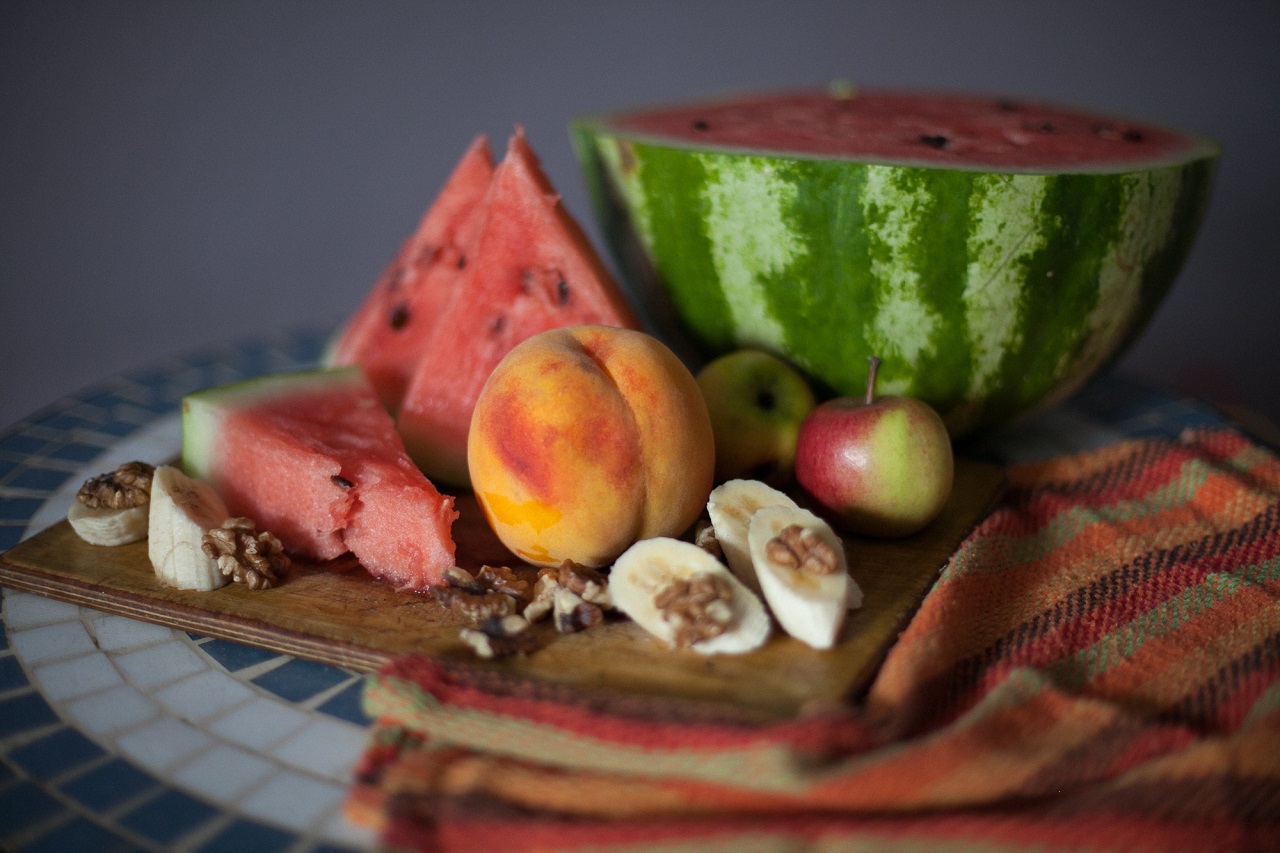
  • Watermelon: Containing over 90% water and rich in Vitamins A and C, it keeps you hydrated and protects your cardiovascular system.
  • Cucumber: Made up of 95% water, cucumbers act as a natural body coolant while delivering essential minerals like potassium and magnesium.
  • Onion: You may have heard the old myth about carrying an onion in your pocket to prevent heatstroke. While keeping it in your pocket won’t do much, eating raw onions definitely helps! Onions contain quercetin, an antioxidant that helps soothe heat rashes and regulates body temperature.
  • Coconut Water: The ultimate summer drink! It is loaded with essential minerals like potassium, calcium, manganese, and magnesium, making it the perfect natural way to stay hydrated and replenish lost electrolytes.
  • Basil Seeds (Sabja): These tiny seeds have a powerful cooling effect on the digestive tract and boast excellent anti-inflammatory properties.
  • Yoghurt & Curd: A strong gut equals strong immunity. Consuming 2-3 servings of yogurt, lassi, or buttermilk cools the stomach and provides healthy probiotics.
  • Barley Water: A glass of barley water with a drop of lemon is an excellent summer coolant and provides a great amount of dietary fiber.

Foods to Avoid During Summer

The scorching heat drastically slows down your digestive system. Give your gut a break by limiting:

  • Heavy Spices: Spices like nutmeg, excessive chilies, ginger, pepper, and cinnamon are “thermogenic” (heat-generating) and can cause stomach upset in the summer.
  • Junk and Deep-Fried Foods: Heavy, oily foods are difficult to digest and increase the risk of indigestion and lethargy.
  • High-Fat Dairy: Limit heavy cheeses or excessive ghee, which can slow digestion and trigger acne breakouts in sweaty weather.
  • Dehydrating Beverages: Limit excessive tea, coffee, and aerated soft drinks. Caffeine acts as a diuretic, which flushes essential water out of your body when you need it most.

Surviving the summer heat is all about working with your body, not against it. By switching to breathable fabrics, prioritizing electrolyte-rich hydration, and choosing water-dense, cooling foods, you can sail through the season feeling fresh and energetic.

Incorporate these changes and you’re all geared to beat the heat this Summer! Get more summer tips here or speak to a GOQii Coach by subscribing for Personalised Health Coaching here.

Frequently Asked Questions (FAQs)

  1. Why do I feel so tired during the summer?
    Lethargy during summer is very common. Your body uses a massive amount of energy trying to regulate its internal core temperature by sweating and dilating blood vessels. Combined with mild dehydration, this energy drain makes you feel sluggish.
  2. Is it bad to drink ice-cold water when coming in from the heat?
    Yes. Chugging ice-cold water when your body temperature is highly elevated can shock your system, cause a sudden sore throat, and disrupt your digestion by constricting blood vessels in the stomach. It is always better to drink cool or room-temperature water.
  3. Does eating raw onion actually prevent heatstroke?
    While carrying an onion in your pocket is a myth, consuming raw onions in salads or meals is highly beneficial in summer. Onions contain quercetin, which acts as a natural antihistamine, and they help cool the body internally while protecting against heat-induced ailments.

#BeTheForce

Disclaimer: This article is intended for educational and informational purposes only and should not be considered a substitute for professional medical advice. If you experience symptoms of severe heat exhaustion or heatstroke such as a lack of sweating, confusion, vomiting, or a rapid pulse seek emergency medical attention immediately.

May 12, 2023 By Vaishali Vibhute 3 Comments

Benefits Of Eating Watermelon During Summer

watermelon

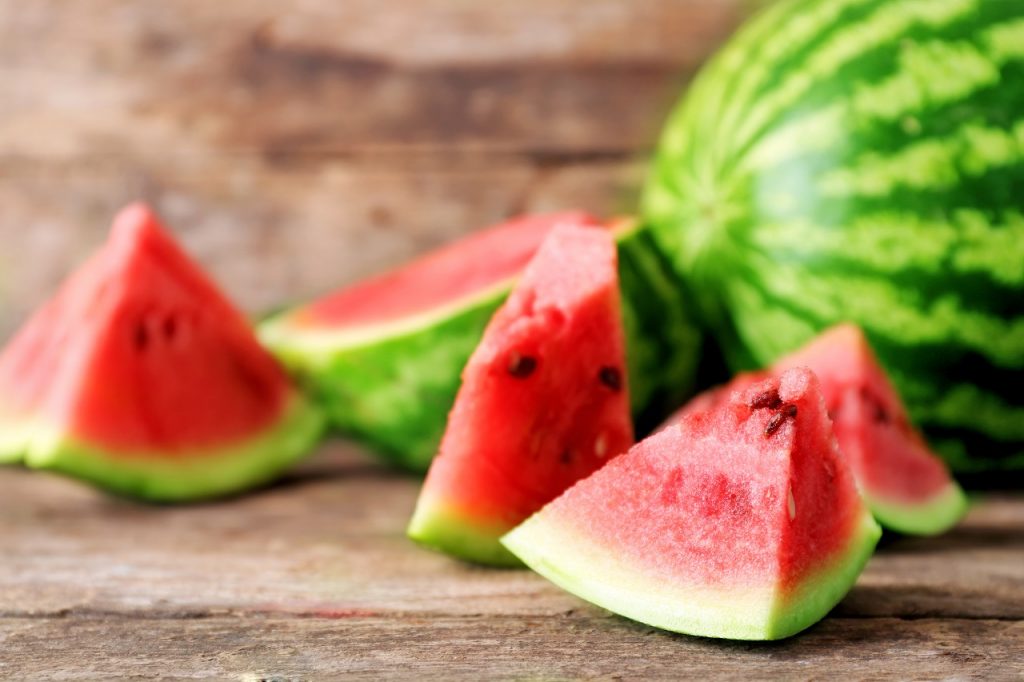
Summers are incomplete without the red and juicy watermelon. Watermelon is a large, sweet, and refreshingly low calorie fruit. It is grown in a favorable climate from tropical to temperate regions worldwide. Besides cantaloupe, honeydew and cucumber, watermelon is a member of the Cucurbitaceae family. All parts of this fruit are edible.

There are lots of nutrients from the seeds to the white flesh closest to the rind. The rind contains more amino acid citrulline than the flesh. Rind is edible after cooking. Watermelon rinds are often cooked as vegetables in most parts of India. Watermelon seeds are also loaded with nutrients. They are high in protein, fiber, vitamin B and omega 3 fatty acid.

Healthy Reasons To Eat Watermelon 

Each bite contains 92% water and 6% sugar. It’s name makes perfect sense, as it consists mostly of water. So apart from keeping you hydrated, what else does this healthy summer fruit offer? 

  • Rich in nutrients: It is an excellent source of a wide variety of nutrients specially Vitamin A, Vitamin C, Potassium, Dietary Fiber and Antioxidant Compounds.

Nutrients present in 100gm of watermelon are as follows :

Sr.No. Nutrients Units Quantity
1 Energy Cal 30
2 Carbohydrate Gm 7.5 including 6.2 gm sugar
3 Fiber Gm 0.4
4 Magnesium Mg 10
5 Potassium Mg 112
6 Choline Mg 6.3
7 Vitamin A Mcg 27
8 B – carotene Mcg 467
9 Lycopene Mcg 4532
10 Vitamin C Mg 8.3

One ounce i.e 28.5gm of seeds provide around 8gm of protein.

  • It helps you to shed extra kilos: Watermelon is the best fruit to eat if someone is trying to lose weight. It is rich in lycopene. It will increase your body’s Arginine level, an amino acid, which helps burn fat quickly. Due to its low calorie and highwater content, it keeps a person full for a long time and helps promote weight loss.
  • Good for eyes: Lycopene, an antioxidant present in watermelon keeps the eyes healthy and protects against age related macular degeneration (AMD).
  • Keeps your kidney healthy: Watermelon is a natural diuretic. Potassium present in watermelon removes toxic substances from the body and reduces the percentage of uric acid present in the blood.
  • Prevents constipation: It is high in water and a good source of fiber that helps prevent constipation and promotes good bowel movement.
  • Promotes a healthy heart: It is the best source of Citrulline – an amino acid that our body converts to Arginine, an essential amino acid that plays a key role in relaxing blood vessels and helps improve blood flow. It also helps control blood sugar and helps lower blood pressure.
  • Keeps your skin and hair healthy: Watermelon contains vitamin C, which the body needs to produce collagen – a protein that keeps your skin supple and hair strong.
  • Helps in cancer prevention: Being a source of numerous antioxidants and flavonoids, watermelon consumption helps in protecting against certain types of cancer such as colon, breast and lung cancer.
  • Helps with sore muscles: Due to the presence of amino acid, citrulline in watermelon, muscle soreness can be treated. Watermelon may enhance performance and speed of recovery post exercise.
  • Reduce asthmatic attack: An antioxidant lycopene present in watermelon helps reduce asthmatic flares up in both children and adults.
  • Keeps you energetic: Potassium present in watermelon has electrolyte properties that leaves you feeling energetic for a long time.
  • Enhances the immune system: Vitamins and antioxidants present in this fruit, aids the production of RBC (red blood cells) which keep the immune system strong.
  • Good for the brain and nervous system: Being rich in Choline, an antioxidant present in this fruit, helps in learning, memory and brain development.

It is the best cooling fruit to eat during the summer season. Apart from the above benefits, Watermelon also has Vitamin B6 and potassium. Potassium maintains water balance in the body while Vitamin B6 improves immunity. Citrulline prevents muscle cramps. Remember that Juicing breaks down the fiber, making sugar easier to absorb and you may not get the benefit of fiber. People with diabetes should consider eating fresh, whole watermelon rather than drinking the juice.

We hope this article helps you head to the market and pick this amazing fruit now! Find more tips on nutrition and healthy summer eating here or speak to a GOQii Coach by subscribing for Personalised Health Coaching here.  

#BeTheForce 

Search

Recent Posts

  • Why Good Nutrition Matters: Benefits of Healthy Eating for a Healthy Life
  • Monsoon Health Tips: How to Boost Your Immunity During Seasonal Changes
  • Yoga for Healthy Ageing: Simple Practices to Add Life to Your Years
  • Calming Your Mind: Breathing Techniques for ADHD
  • Healthy Oats & Besan Pancake Recipe for a Nutritious Breakfast

Stay Updated

Archives

  • June 2026 (21)
  • May 2026 (20)
  • April 2026 (24)
  • March 2026 (18)
  • February 2026 (14)
  • January 2026 (14)
  • December 2025 (19)
  • November 2025 (15)
  • October 2025 (20)
  • September 2025 (6)
  • August 2025 (6)
  • July 2025 (11)
  • June 2025 (18)
  • May 2025 (16)
  • April 2025 (22)
  • March 2025 (27)
  • February 2025 (21)
  • January 2025 (25)
  • December 2024 (22)
  • November 2024 (23)
  • October 2024 (20)
  • September 2024 (23)
  • August 2024 (29)
  • July 2024 (20)
  • June 2024 (25)
  • May 2024 (26)
  • April 2024 (27)
  • March 2024 (27)
  • February 2024 (23)
  • January 2024 (21)
  • December 2023 (14)
  • November 2023 (10)
  • October 2023 (19)
  • September 2023 (22)
  • August 2023 (18)
  • July 2023 (21)
  • June 2023 (23)
  • May 2023 (20)
  • April 2023 (19)
  • March 2023 (23)
  • February 2023 (19)
  • January 2023 (15)
  • December 2022 (11)
  • November 2022 (15)
  • October 2022 (15)
  • September 2022 (12)
  • August 2022 (10)
  • July 2022 (17)
  • June 2022 (11)
  • May 2022 (10)
  • April 2022 (6)
  • March 2022 (6)
  • February 2022 (13)
  • January 2022 (11)
  • December 2021 (7)
  • November 2021 (3)
  • October 2021 (6)
  • September 2021 (3)
  • August 2021 (8)
  • July 2021 (7)
  • June 2021 (15)
  • May 2021 (16)
  • April 2021 (10)
  • March 2021 (7)
  • February 2021 (4)
  • January 2021 (4)
  • December 2020 (3)
  • November 2020 (4)
  • October 2020 (10)
  • September 2020 (3)
  • August 2020 (3)
  • July 2020 (2)
  • June 2020 (4)
  • May 2020 (10)
  • April 2020 (12)
  • March 2020 (10)
  • February 2020 (4)
  • January 2020 (4)
  • December 2019 (3)
  • November 2019 (7)
  • October 2019 (5)
  • September 2019 (4)
  • August 2019 (9)
  • July 2019 (9)
  • June 2019 (11)
  • May 2019 (4)
  • April 2019 (8)
  • March 2019 (8)
  • February 2019 (9)
  • January 2019 (8)
  • December 2018 (9)
  • November 2018 (3)
  • October 2018 (3)
  • September 2018 (5)
  • August 2018 (10)
  • July 2018 (6)
  • June 2018 (13)
  • May 2018 (8)
  • April 2018 (18)
  • March 2018 (9)
  • February 2018 (8)
  • January 2018 (15)
  • December 2017 (12)
  • November 2017 (19)
  • October 2017 (13)
  • September 2017 (15)
  • August 2017 (4)
  • July 2017 (8)
  • June 2017 (7)
  • May 2017 (6)
  • April 2017 (8)
  • March 2017 (6)
  • February 2017 (7)
  • January 2017 (9)
  • December 2016 (10)
  • November 2016 (7)
  • October 2016 (7)
  • September 2016 (7)
  • August 2016 (11)
  • July 2016 (9)
  • June 2016 (9)
  • May 2016 (12)
  • April 2016 (17)
  • March 2016 (17)
  • February 2016 (8)
  • January 2016 (6)
  • December 2015 (2)
  • November 2015 (9)
  • October 2015 (7)
  • September 2015 (9)
  • August 2015 (11)
  • July 2015 (9)
  • June 2015 (11)
  • May 2015 (9)
  • April 2015 (13)
  • March 2015 (8)
  • February 2015 (5)
  • January 2015 (12)
  • December 2014 (14)
  • November 2014 (11)
  • October 2014 (6)
  • September 2014 (13)
  • August 2014 (12)
  • July 2014 (6)
  • June 2014 (2)
  • May 2014 (7)
  • April 2014 (4)

From Shimla’s Slopes to Chandigarh’s Sidewalks: Surinder Kaur Bhalla’s Journey from Chaos to Control

Some journeys start with a plan. Others begin with a stumble literally. Surinder Bhalla, a government professional, born and raised in the scenic hill town of Shimla, had always lived a life of movement. “In Shimla, you walked everywhere,” she reflects. … [Read More...]

From “Laddu Nawin” to Fit and Fierce: How a 25-Year-Old Insurance Advisor Shed 20 Kilos and Gained His Life Back

When 25-year-old Nawin Yadav from Hyderabad walked into his office every morning, he carried more than just his files and policy papers. He had the weight of fatigue, sluggish energy, and an ever-growing belly that was becoming the butt of jokes. “People had even started calling me Laddu Nawin,” he says with a laugh, but […]

From Burnout to Balance: How Dr. Ranjit Reclaimed His Health

Dr Ranjit Bhatt has spent years tending to others. A practising doctor in Odisha, his days were packed with patients, surgeries, and emergencies. From the outside, it looked like a life lived in service. But on the inside, something wasn’t right. “I had no control over my schedule. I’d sleep late, eat at odd hours, […]

Ananda Mukherjee Health Story

From Terminal Illness To Complete Wellness! Ananda Mukherjee Health Story

As we observe World Cancer Day under the powerful theme ‘United by Unique’ (2025-2027)**, we are reminded that every individual’s journey with cancer is distinct, yet united by shared resilience, hope, and the collective fight against this disease. This theme places people at the centre of care and their stories at the heart of the […]

  • HOME
  • HEALTHY LIVING
  • FITNESS
  • HEALTHY RECIPES
  • USER STORIES
  • KARMA
  • BUY GOQii

Copyright ©2016 GOQii