GOQii

Blog

  • HOME
  • HEALTHY LIVING
  • FITNESS
  • HEALTHY RECIPES
  • USER STORIES
  • KARMA
  • BUY GOQii

June 24, 2021 By Jigna Sheth 1 Comment

9 Bad Habits That Are Affecting Your Immunity

immunityWith the second wave of the pandemic, it becomes increasingly important to take care of one’s health. While there is no cure for the virus, building immunity can be an effective preventive measure you can take along with the vaccine to ensure that you remain healthy. While we have discussed things we should do in order to improve immunity, today, let’s discuss bad habits that are destroying your immunity. 

9 Bad Habits That Destroy Immunity 

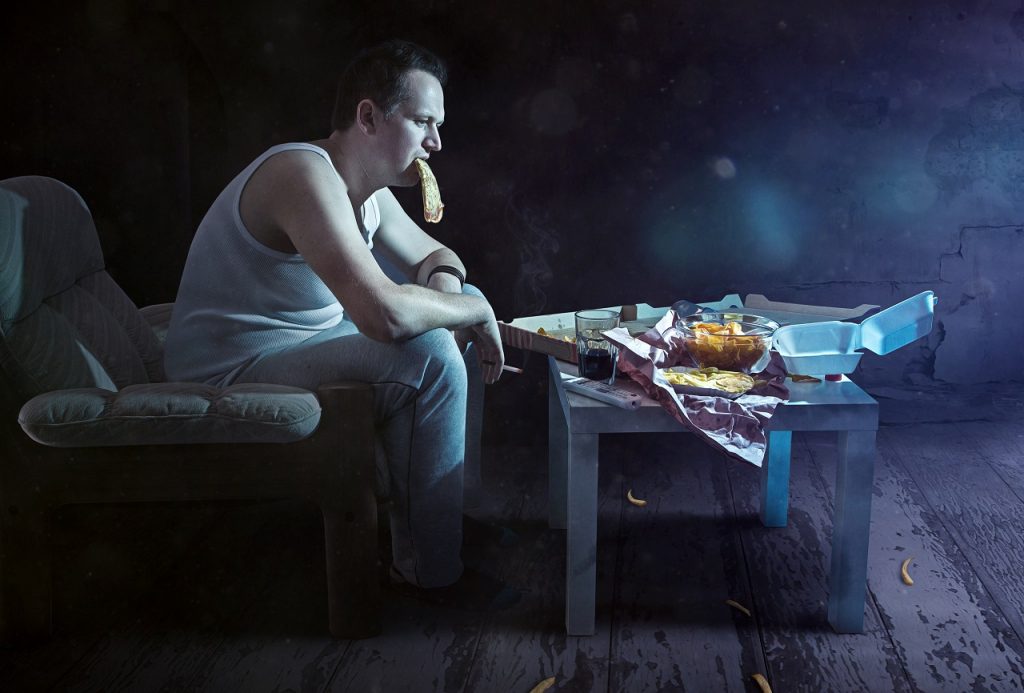
  1. Not Getting Enough Sleep: Adequate sleep helps the body rest and prepare to fight infections, bacteria, viruses, and other triggers. If you aren’t getting enough sleep, your body doesn’t have the chance to fight diseases as effectively,  Aim for 7-8 hours of sleep daily to keep the immune system at its prime.
  2. Lack of Exercise: Exercise plays a significant role as this is a very powerful stimulant of the immune system. It enhances the ability to create antibodies and T-cells, which are white blood cells that help the body fight disease. As little as 30 minutes of walking for 5 days a week can help your immune system perform at its best. You can also try these exercises: https://goqii.com/blog/5-simple-exercises-you-can-do-at-home/  
  3. Poor Nutrition: Quality of food is very important and often overlooked cause of immune depletion. Our food supply contains many unhealthy, toxic chemicals which can cause havoc in our bodies. Over time, this depletes the immune system, and if not corrected, will continue to get worse.  It can also cause you to be overweight, a condition that makes you more susceptible to disease. A healthy diet should include plenty of fruits, vegetables, whole grains, and low-fat milk. Try these foods to build your immunity: https://goqii.com/blog/7-foods-that-boost-immunity/ 
  4. Stress: High-stress levels can create a hormonal imbalance in our body, weakening the immune system and making us more susceptible to illness. Stress produces the hormone cortisol which impairs the function of infection-fighting T-cells. To de-stress and stay healthy, we must exercise for 30 minutes a day or practice deep breathing and meditation— all these can diminish the effects of stress.
  5. Excess Alcohol: Regularly overindulging in alcoholic drinks can have a negative effect on our immune system. Drinking too much can wear away the linings of our mouth and oesophagus. It also makes our white blood cells less effective at attacking harmful bacteria and lowers our body’s ability to produce cells that identify and kill bacteria and viruses.  
  6. Smoking: damages the first lines of defense, the linings of our mouth and our nose, which are actually part of our immune system. This makes us more susceptible to cold and flu. Our lungs can be very badly affected by smoking. Coughs, colds, wheezing and asthma are just the start. Smoking can cause fatal diseases such as pneumonia and lung cancer. Smoking causes 84% of deaths from lung cancer and 83% of deaths from chronic obstructive pulmonary disease (COPD).
  7. Not Drinking Enough Water: Our body needs water for every function it performs and so does our immune system. It needs proper hydration to function. Water flushes out harmful toxins and helps our body fight off infection. Plus, it affects our energy levels and even the quality of our sleep. Drinking 3l of water regularly helps one stay well hydrated and healthy. 
  8. High Sugar Intake: Sugary snacks are also bad for our immune system. The blood cells need vitamin C to fight off viruses and because glucose (from sugar) is so similar in structure to vitamin C, when we ingest too much sugar it actually starts competing with vitamin C for space in our immune cells. Thereby limiting our intake of sugar can help to keep our immune system fighting fit. To satisfy your sweet tooth, eat a piece of dark chocolate or dates or sweets made from jaggery. 
  9. Frequent Use of Supplements: A proper balanced diet provides us with all the essential nutrients. We should opt for supplements only when excessive deficiency is seen and it must be stopped after having a prescribed dosage. Too much of supplements may interfere with normal bodily functions, leading to side effects such as nausea, diarrhoea, stomach cramps, gastrointestinal issues, fatigue and probably mild nerve damage.

If the above-mentioned habits have been a part of your daily lifestyle, you need to stop indulging in them now! It’s time to make a complete lifestyle change, build immunity and focus more on preventive healthcare. 

We hope this article helps you! Do leave your thoughts in the comments below. For more topics and information on coronavirus, building immunity, home workouts and nutrition, check out Healthy Reads or tune in to sessions by experts on GOQii Play. 

To get these tips directly from your GOQii Coach, sign up for personalized coaching now: https://goqiiapp.page.link/wssu 

#BeTheForce 

June 22, 2021 By Shikha Singh 13 Comments

How To Build Immunity To Safeguard Against COVID & Other Monsoon Illnesses

monsoon illnessesCOVID-19 should not be considered as the only disease that will attack our body during monsoon. You can be susceptible to other monsoon illnesses such as vector borne ones like dengue, malaria, seasonal influenza (H1N1) and Chikungunya. You need to understand that not all fever is COVID-related. It could also be Typhoid, Jaundice, Malaria or Common Cold. While these deadly diseases are all around us, the only best measure to safeguard ourselves is “Immunity”. 

Tips To Build Immunity & Safeguard Against COVID & Other Monsoon Illnesses

We are well aware of the symptoms of common diseases and everything should not be related to COVID-19. This constant fear will not let us differentiate between other diseases. Here are some points you can look at to manage monsoon illnesses.

  1. Wash your hands frequently and avoid touching your face. Any infection, be it viral, bacterial or fungal, might be contagious. Maintaining self-hygiene is important.
  2. Take enough morning sunlight: Between 7am to 11am suits the best as UV rays are not very harsh at this time.
  3. Avoid oily and greasy food: We tend to eat stuff like pakodas and fried items during monsoon. Instead, choose healthy options like hot soup, green tea, ginger tea with popcorn and roasted lotus seeds.
  4. Good sleep: At least 7-8 hours of undisturbed sleep to rejuvenate our body.
  5. Exercise regularly: Minimum of 15 mins of exercise and daily walks to be incorporated in routine.
  6. Load up on antioxidants: Eat well washed bright coloured yellow and orange fruits and green leafy vegetables, as they are rich in antioxidants.
  7. Flush your system well with water: A minimum of 2.5-3L of water is a must. Be it in any form like coconut, lime, infused with fruits or spices, green tea and concoctions.
  8. Strengthen your gut: With pre and probiotics, like curd, pickles, fermented foods and kimchi.
  9. Increase protein intake: To prepare your body and avoid weaknesses.
  10. Respect Indian spices: Spices are rich in minerals and antioxidant properties. They help flush sinus infections too! 
  11. Detox your body: With fasting, which gives rest to our digestive system to improve the performance of other organs. This should be under supervision if diabetic or indicative of other comorbidities.

You should be fine as long as you follow the above 11 pointers. If you show any symptoms, it’s best to consult with your doctor before panicking. Certain illnesses like cold, fever and diarrhoea are common during the monsoon. Check with an expert and avoid self-medication. It would be wise to check your blood oxygen levels (SpO2) from time to time as well. You can use the GOQii Smart Vital that has sensors to detect body temperature, SpO2, blood pressure and heart rate. 

We hope this article helps you. If you find these tips useful, let us know in the comments below! For more on managing COVID, you can check out Healthy Reads or tune in to classes by experts on GOQii Play. 

To get these tips directly from your GOQii Coach, subscribe to personalized coaching now: https://goqiiapp.page.link/wssu  

#BeTheForce 

June 15, 2021 By Dr. Naina Sudarshan Leave a Comment

How Long After Getting Infected Can You Get The COVID Vaccine?

COVID Vaccine

It has been a daunting journey for over fourteen months where many have lost their family and friends due to the pandemic. Going through the COVID-19 journey has been a rancorous experience to many, especially during the second wave. Now, there’s hope for survival with the coming of the COVID vaccine.

How Does Vaccination Help?  

According to the World Health Organization (WHO), vaccination is a simple, safe and effective way of protecting people against harmful diseases, before they come into contact with them. It uses our body’s natural defenses to build resistance to specific infections and makes our immune system stronger. So basically, vaccines do the same action as when we are exposed and are infected with the disease causing organism. But here, the symptoms may be very mild as they will be injecting the weakened version of disease causing organism or a part of the same organism, so our immune system gets trained on how to respond if the actual disease causing organism invades us. 

Whenever our body is infected with any of these microorganisms, our body fights against it. Our immune system remembers the specific virus or bacteria by producing its antibodies so that we can fight against it without getting symptoms for the next time when we are exposed to same type of virus or bacteria. But some of these antibodies may not last long enough to protect us from getting infected again in the future. Though a lot of research has been conducted on COVID-19, as far as we know, the antibodies of COVID-19 in our body may not last long. So, getting a vaccine is recommended, regardless of whether you were infected with COVID-19 or not. 

Can You Get The COVID Vaccine If You Were Infected? 

As the COVID vaccines have rolled out, people who were not infected are getting them but people who have already been infected might have questions related to the COVID vaccine such as – Can I get the vaccine? If yes, how long do I need to wait to get the vaccine after being infected with COVID-19? How long will I not get infected again if I don’t take the vaccine? Let’s look at the official recommendations.

As per the National Expert Group on Vaccine Administration for COVID-19 (NEGVAC) in India, based on the current situation of the pandemic, guidelines have been given on how long you need to defer the COVID-19 vaccine after getting infected with it.

  • Someone who had tested positive for COVID-19 should wait for 3 months to get their COVID Vaccine after recovery. 
  • If you have received the 1st dose of the COVID Vaccine and then got infected before completing the 2nd dose of vaccination, you also need to wait for 3 months to get your 2nd dose after recovering from the infection.
  • People who got infected with the virus and were treated with monoclonal antibodies or convalescent plasma need to defer getting vaccinated for 3 months after getting discharged from the hospital.

These guidelines are accepted by the Ministry Of Health and Family Affairs, India. Please note that the earlier recommendation to get the vaccine post COVID-19 infection was just four weeks before. So, the above recommendations are the latest updates recommended by NEGVAC, accepted by the Ministry of Health in India, which applies to all States and Union Territories. However, if you, or anyone in your family or friends who had COVID-19 positive with severe complications and comorbidities, or have undergone any major surgeries during this period or after the 1st dose of the vaccine, it is advised to talk to the doctor who treated you before taking the COVID Vaccine, keeping your safety in mind.

After getting the vaccine, remember not to stop the protocols of wearing  a clean mask, sanitizing and washing the hands often, social distancing, avoiding crowded places, having healthy food, regular exercise, good quality sleep and managing stress. Don’t forget, just getting a vaccine cannot guarantee that we will not get infected in the future. All these precautions can save us from being the victims of the next wave. 

Hope this article helps you! To read more on COVID-19 and managing its symptoms, check out Healthy Reads or tune in to LIVE sessions by experts on GOQii Play. 

To get these tips and queries directly answered by a GOQii Coach, subscribe to personalized coaching here:  https://goqiiapp.page.link/wssu 

Stay home, stay safe and #BeTheForce 

June 7, 2021 By Roopa Tandur Leave a Comment

Critical Signs & Symptoms of Low Blood Oxygen Levels

low blood oxygen levelsBlood Oxygen levels, also known as oxygen saturation or SpO2, is the amount of oxygenated haemoglobin circulating in the blood i.e it indicates how well the body carries oxygen to all parts of the body. Most of the oxygen in the body is carried by the red blood cells, which collect oxygen from the lungs and deliver it to different parts of the body. Oxygen levels above 95-100 are considered normal and a value between 91-94 requires regular monitoring (prone breathing helps improve levels in this situation), values below 91 indicates hypoxemia, low blood oxygen levels. 

The second wave of COVID-19 is affecting the youth more than the elderly. Reports suggest that the younger generation is taking time to realize the infection in their bodies which is spreading the virus more rapidly. In spite of low blood oxygen levels, a person shows no signs – a condition known as happy hypoxia (low levels of oxygen at tissue levels). 

The most efficient way to measure blood oxygen level is through an ABG test, which requires a blood sample of a person and is done in a laboratory. So, an alternative test can be done using a small device known as a pulse oximeter – a small device which is clipped on a person’s finger. It measures the blood oxygen by light absorption through a person’s pulse. This is not very accurate compared to the ABG test as it depends on many factors like dirty fingers, nail polish and poor circulation to the extremities. 

Symptoms of Low Oxygen Levels 

  • Shortness of breath or breathlessness is an uncomfortable condition which makes it difficult to get air fully into the lungs
  • Throbbing headache: lack of oxygen in the brain causes sudden and rapid increase in blood pressure in the brain, leading to throbbing headache
  • Restlessness is a feeling to constantly move, not being able to calm the mind or a combination of both.
  • Dizziness and confusion is a feeling of lightheadedness or a feeling of fainting while confusion is a situation when a person is not able to think straight. Dizziness is a temporary feeling which might come and go while confusion affects a person’s thinking capacity. Extremely low levels of oxygen can also lead to loss of consciousness or inability to stay awake or even get up.
  • Rapid breathing: Low oxygen levels in the blood causes shortness of breath and a hunger for air. Because of incomplete exhalation, carbon-di-oxide concentration increases in the body causing rapid breathing
  • Chest pain: Not getting enough oxygen into the lungs creates an urge to breathe deep and this repeated action causes pain and discomfort in the chest.
  • High blood pressure: Low levels of oxygen in the blood narrows down the pulmonary arteries which squeezes the blood into a narrow space, leading to increased blood pressure. 
  • Changes in colour of skin, lips or the extremities to blue or cherry red or shades varying between the two known as cyanosis usually happens when oxygen levels are extremely low and the person feels too cold to touch. 
  • Lack of coordination also called coordination impairment happens when there is disruption in communication between the brain and the rest of the body. Walking does not require much effort on a regular basis but when a person has low oxygen levels, they might wobble or have difficulty in lifting their legs. This usually happens when there is less oxygen supply to the brain.
  • Visual disorders: Lack of oxygen supply to the eyes causes blurred vision, burning, excessive tearing and scratching. Excessive tear production is due to inflammation of the glands in the eyes or blockage of tear ducts. There could also be redness of the eyes due to inflammation of the conjunctiva. 
  • Sense of euphoria is a feeling of excitement and happiness. Some people show symptoms of a high, which you usually have when taking drugs or side effects of any medicine. This is due to the lack of oxygen which creates confusion and people fail to realize their oxygen levels are low.
  • Rapid heartbeat: The heart sends electrical signals which make it beat and pump blood. This signal begins in the upper right chamber of the heart called the Sino Atrial Node, also the pacemaker which controls heartbeat. These electrical signals are controlled by the Autonomic Nervous System and low oxygen levels make the ANS transmit these signals at a faster rate and increase the demand for more oxygen causing rapid heart rate

The above-mentioned symptoms and the complications can easily be prevented when a person is alert and knows the symptom and measures their blood oxygen levels or SpO2 on a regular basis. SpO2, along with other symptoms of COVID-19 such as high body temperature can be easily monitored through the GOQii Smart Vital. As the new wave of COVID is said to affect children, you might also consider getting the GOQii Smart Vital Junior for your kids and imbibe healthy habits in them from a young age! 

We hope this article helps. For more on COVID-19, check out Healthy Reads or tune in to LIVE sessions by experts on GOQii Play. To get these tips and support directly from your GOQii Coach, subscribe to personalized coaching now: https://goqiiapp.page.link/wssu 

Stay home, stay safe and #BeTheForce 

  • « Previous Page
  • 1
  • …
  • 8
  • 9
  • 10
  • 11
  • 12
  • …
  • 14
  • Next Page »

Search

Recent Posts

  • ALL ABOUT VERTIGO!
  • PCOS and Anxiety: Discover Relief with the 54321 Technique
  • Navigating the Maze of Nutrition: Finding Clarity Amidst Confusion
  • Get children active and keep them healthy
  • What Gestational Diabetes Can Do To You & Your Unborn Child

Stay Updated

Archives

  • December 2025 (5)
  • November 2025 (15)
  • October 2025 (20)
  • September 2025 (6)
  • August 2025 (6)
  • July 2025 (12)
  • June 2025 (18)
  • May 2025 (16)
  • April 2025 (23)
  • March 2025 (23)
  • February 2025 (22)
  • January 2025 (26)
  • December 2024 (26)
  • November 2024 (25)
  • October 2024 (22)
  • September 2024 (24)
  • August 2024 (31)
  • July 2024 (21)
  • June 2024 (26)
  • May 2024 (31)
  • April 2024 (27)
  • March 2024 (29)
  • February 2024 (26)
  • January 2024 (25)
  • December 2023 (15)
  • November 2023 (11)
  • October 2023 (22)
  • September 2023 (22)
  • August 2023 (20)
  • July 2023 (22)
  • June 2023 (24)
  • May 2023 (24)
  • April 2023 (24)
  • March 2023 (23)
  • February 2023 (20)
  • January 2023 (16)
  • December 2022 (12)
  • November 2022 (15)
  • October 2022 (15)
  • September 2022 (12)
  • August 2022 (10)
  • July 2022 (17)
  • June 2022 (11)
  • May 2022 (10)
  • April 2022 (6)
  • March 2022 (6)
  • February 2022 (13)
  • January 2022 (12)
  • December 2021 (7)
  • November 2021 (3)
  • October 2021 (6)
  • September 2021 (3)
  • August 2021 (8)
  • July 2021 (7)
  • June 2021 (15)
  • May 2021 (16)
  • April 2021 (10)
  • March 2021 (7)
  • February 2021 (4)
  • January 2021 (4)
  • December 2020 (3)
  • November 2020 (4)
  • October 2020 (10)
  • September 2020 (3)
  • August 2020 (3)
  • July 2020 (2)
  • June 2020 (4)
  • May 2020 (10)
  • April 2020 (12)
  • March 2020 (10)
  • February 2020 (4)
  • January 2020 (4)
  • December 2019 (3)
  • November 2019 (7)
  • October 2019 (5)
  • September 2019 (4)
  • August 2019 (9)
  • July 2019 (9)
  • June 2019 (11)
  • May 2019 (4)
  • April 2019 (9)
  • March 2019 (8)
  • February 2019 (9)
  • January 2019 (8)
  • December 2018 (9)
  • November 2018 (3)
  • October 2018 (3)
  • September 2018 (5)
  • August 2018 (10)
  • July 2018 (6)
  • June 2018 (13)
  • May 2018 (8)
  • April 2018 (18)
  • March 2018 (9)
  • February 2018 (8)
  • January 2018 (15)
  • December 2017 (12)
  • November 2017 (19)
  • October 2017 (13)
  • September 2017 (15)
  • August 2017 (4)
  • July 2017 (8)
  • June 2017 (7)
  • May 2017 (6)
  • April 2017 (8)
  • March 2017 (6)
  • February 2017 (7)
  • January 2017 (9)
  • December 2016 (10)
  • November 2016 (7)
  • October 2016 (7)
  • September 2016 (7)
  • August 2016 (11)
  • July 2016 (9)
  • June 2016 (9)
  • May 2016 (12)
  • April 2016 (17)
  • March 2016 (17)
  • February 2016 (8)
  • January 2016 (6)
  • December 2015 (2)
  • November 2015 (9)
  • October 2015 (7)
  • September 2015 (9)
  • August 2015 (11)
  • July 2015 (9)
  • June 2015 (12)
  • May 2015 (9)
  • April 2015 (13)
  • March 2015 (8)
  • February 2015 (5)
  • January 2015 (12)
  • December 2014 (14)
  • November 2014 (11)
  • October 2014 (6)
  • September 2014 (13)
  • August 2014 (12)
  • July 2014 (6)
  • June 2014 (2)
  • May 2014 (7)
  • April 2014 (5)

From “Laddu Nawin” to Fit and Fierce: How a 25-Year-Old Insurance Advisor Shed 20 Kilos and Gained His Life Back

When 25-year-old Nawin Yadav from Hyderabad walked into his office every morning, he carried more than just his files and policy papers. He had the weight of fatigue, sluggish energy, and an ever-growing belly that was becoming the butt of jokes. “People … [Read More...]

“I’ve Challenged Myself to Live 100 Years” – The Story of Chandubhai Savani’s Second Chance at Life

At 67, most people start slowing down. Not Chandubhai Savani. A resident of Surat, Chandubhai, thought life was on track. “My life was going well till I had my bypass surgery,” he says. That surgery, back in 2021, was a wake-up call.  Medication was routine, but exercise wasn’t. His diet? What he calls ‘normal.’ “I […]

From Shimla’s Slopes to Chandigarh’s Sidewalks: Surinder Kaur Bhalla’s Journey from Chaos to Control

Some journeys start with a plan. Others begin with a stumble literally. Surinder Bhalla, a government professional, born and raised in the scenic hill town of Shimla, had always lived a life of movement. “In Shimla, you walked everywhere,” she reflects. “Walking was never an exercise. It was just life.” But after shifting to Chandigarh, […]

Ananda Mukherjee Health Story

From Terminal Illness To Complete Wellness! Ananda Mukherjee Health Story

As we observe World Cancer Day under the powerful theme ‘United by Unique’ (2025-2027)**, we are reminded that every individual’s journey with cancer is distinct, yet united by shared resilience, hope, and the collective fight against this disease. This theme places people at the centre of care and their stories at the heart of the […]

  • HOME
  • HEALTHY LIVING
  • FITNESS
  • HEALTHY RECIPES
  • USER STORIES
  • KARMA
  • BUY GOQii

Copyright ©2016 GOQii