GOQii

Blog

  • HOME
  • HEALTHY LIVING
  • FITNESS
  • HEALTHY RECIPES
  • USER STORIES
  • KARMA
  • BUY GOQii

June 5, 2026 By GOQii Leave a Comment

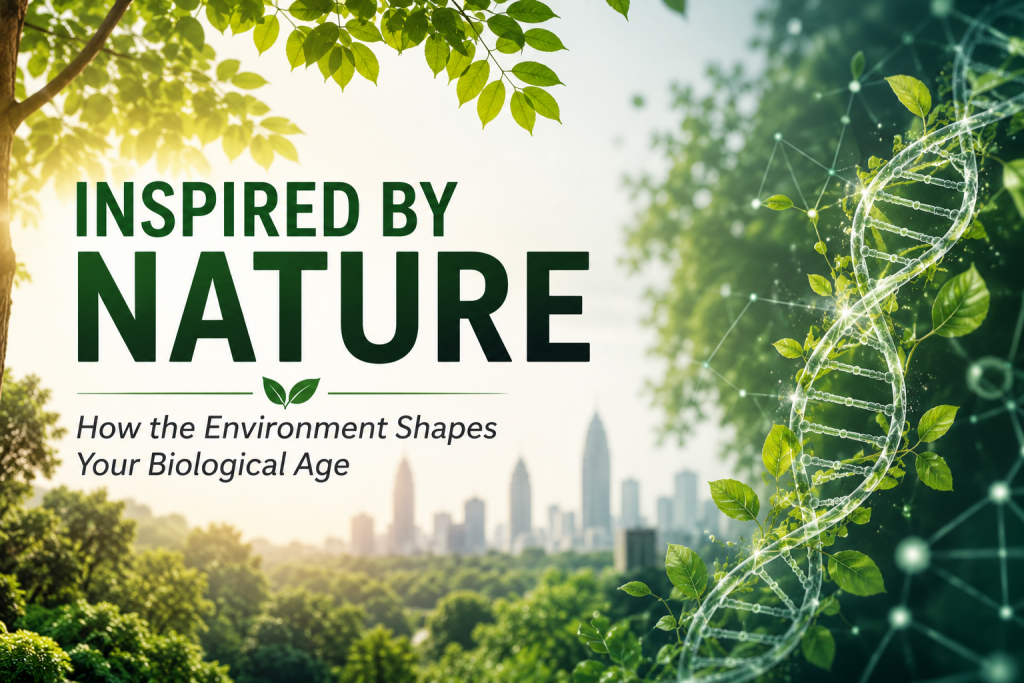
Inspired By Nature: How the Environment Shapes Your Biological Age

The Big Question: How does our environment impact our biological age and long-term health?
The World Environment Day 2026 theme, “Inspired by Nature. For Climate. For Our Future.”, reminds us that the health of the planet and the health of people are deeply connected. Environmental factors such as air pollution, extreme heat, and poor environmental quality don’t just affect ecosystems they actively influence inflammation, oxidative stress, and the rate at which our bodies age. The good news is that nature-inspired habits, such as eating nutrient-rich foods, moving regularly, and spending more time outdoors, can help build cellular resilience and support healthy ageing.

The planet doesn’t communicate through words. It communicates through signals: rising temperatures, heatwaves, poor air quality, and rapidly changing weather patterns.

Observed every year on June 5th, World Environment Day is the United Nations’ largest platform for environmental awareness and action. The 2026 theme, “Inspired by Nature. For Climate. For Our Future.”, encourages us to look towards nature not only for macro environmental solutions but also for micro lessons in building healthier lives.

What many people don’t realise is that the exact same environment shaping the future of our planet is also shaping the future of our health. The air we breathe, the spaces we live in, and the lifestyle choices we make all directly influence how our bodies function, recover, and age over time.

The Environment Shapes Your Biological Age

Most people know their chronological age the exact number of years they have lived. But your biological age reflects how efficiently your body’s cells, tissues, and organs are actually functioning.

While genetics certainly play a role, lifestyle and environmental factors such as air quality, nutrition, daily movement, sleep hygiene, and stress can significantly influence how well your body ages. This growing understanding has led scientists to heavily explore the impact of what some experts describe as cellular pollution—the biological stress caused directly by environmental exposures and modern, urban lifestyles.

Air Pollution, Oxidative Stress & Healthy Ageing

Air pollution remains one of the most significant environmental health challenges worldwide. Tiny, microscopic particles known as PM2.5 can enter the lungs, cross into the bloodstream, and contribute heavily to systemic inflammation and oxidative stress.

Oxidative stress occurs when harmful free radicals accumulate faster than your body can naturally neutralise them. Over time, this damages cellular health and increases the wear and tear associated with premature ageing. Long-term oxidative stress is directly linked to chronic inflammation, cardiovascular strain, and severely reduced cellular efficiency.

Understanding and managing oxidative stress is a vital part of maintaining long-term health and resilience. Environmental stressors can also heavily affect the body’s energy-producing systems. To build a defense, it is crucial to support your mitochondrial health, as cellular energy plays a foundational role in healthy ageing.

Nature May Be Part of the Solution

The encouraging news is that nature doesn’t only influence our health it can also help restore it. Research increasingly suggests that spending time in natural, green environments actively supports stress reduction, mental wellbeing, and cardiovascular health.

Whether it is walking through a local park, spending time near trees, gardening, or simply getting outdoors more often, small interactions with nature yield incredibly meaningful benefits. Nature isn’t just something we protect; it is also something that protects us.

3 Ways to Build Cellular Resilience

Rather than focusing on extreme detoxes or quick fixes, you should focus on building your body’s natural resilience to environmental stressors.

Resilience Strategy The Action The Biological Benefit
1. Nutrient-Dense Diet Eat colourful plant foods (berries, spinach, turmeric) Neutralises oxidative stress & supports gut health
2. Daily Movement Walk, cycle, or do strength training Boosts metabolic flexibility & cardiovascular circulation
3. Outdoor Time Spend time in green spaces Lowers cortisol, reduces stress & supports mental wellbeing
  1. Eat More Colourful Plant Foods

Brightly coloured fruits and vegetables contain powerful antioxidants that help protect your cells from oxidative stress. Include foods such as berries, spinach, beetroot, carrots, tomatoes, turmeric, and leafy greens. A healthy, antioxidant-rich diet also supports overall wellbeing and good gut health, which plays a massive role in maintaining strong immunity.

  1. Move Your Body Daily

Regular movement supports cardiovascular health, circulation, metabolic function, and recovery. Walking, swimming, strength training, or cycling can all help build resilience over time. Supporting your metabolic flexibility helps the body adapt much more efficiently to both physical and environmental stressors.

  1. Spend More Time Outdoors

One of the simplest ways to reconnect with nature is to consciously spend more time outside. Whether it is a morning walk, an outdoor exercise session, or simply sitting in a green space away from screens, regular exposure to natural environments supports both physical and mental recovery.

The future of environmental health and human health are deeply, irreversibly connected. The exact same habits that support a healthier planet often support healthier people: walking instead of driving short distances, reducing unnecessary waste, eating more whole foods, and spending time outdoors.

This World Environment Day, remember that climate action is not only about protecting ecosystems. It is also about protecting the environment within. Because when we care for nature, we end up caring for ourselves, too.

Pro Tip: Use the GOQii App to track your daily activity, hydration, sleep, and nutrition habits. Small, consistent lifestyle choices can help build the resilience your body needs to thrive in an increasingly complex environment!

Frequently Asked Questions (FAQs)

  1. Can environmental pollution affect biological ageing?

Yes. Research suggests that long-term exposure to pollution contributes to systemic inflammation and oxidative stress, both of which actively accelerate biological ageing and cellular wear and tear.

  1. What is oxidative stress?

Oxidative stress occurs when harmful free radicals (unstable molecules) accumulate in the body faster than your natural antioxidants can neutralise them, potentially damaging healthy cells, DNA, and tissues.

  1. Does spending time in nature improve health?

Absolutely. Studies show that access to green spaces and nature supports mental wellbeing, drastically reduces cortisol (stress) levels, improves cardiovascular health, and boosts overall quality of life.

  1. What are simple ways to reduce environmental stress on the body?

Eating a nutrient-rich and antioxidant-heavy diet, staying physically active, spending time outdoors in clean air, prioritising sleep, and reducing unnecessary exposure to urban pollutants can all help support long-term health and resilience.

#BeTheForce

Disclaimer: This article is intended for educational purposes only. If you suffer from chronic respiratory conditions or environmental allergies, please consult your physician regarding the safest ways to manage physical activity outdoors.
May 31, 2026 By GOQii Leave a Comment

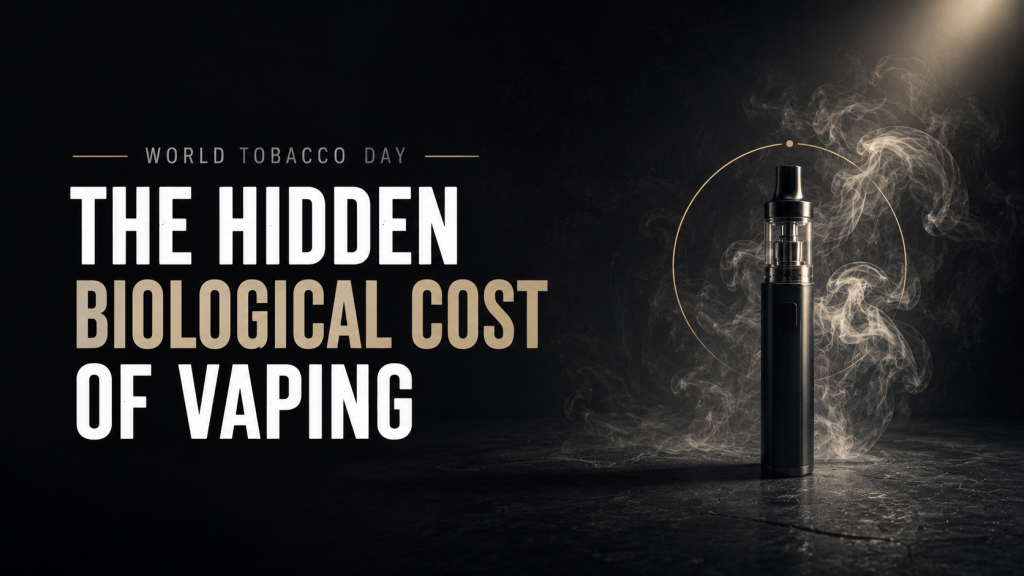
The Hidden Biological Cost of Vaping

The Big Question: If e-cigarettes don’t have tobacco, how do they accelerate biological ageing?

The World No Tobacco Day 2026 theme, “Unmasking the Appeal,” highlights how vaping and modern nicotine products are marketed to younger audiences through sleek branding and social media. While many believe e-cigarettes are safer than smoking, research shows that vaping exposes the body to severe oxidative stress, heavy metals, and ultrafine chemical particles. This combination damages blood vessels, impairs lung function, and accelerates cellular biological ageing, actively reducing your long-term healthspan.

Observed every year on May 31st, World No Tobacco Day is a global initiative led by the World Health Organization (WHO) to raise awareness about the dangers of tobacco and nicotine addiction.

But nicotine culture today no longer looks the way it once did.

The 2026 campaign theme “Unmasking the Appeal” directly challenges how vaping is being normalised among younger generations. Lured by candy flavours, sleek designs, and influencer-driven marketing, many young adults have bought into the biggest myth surrounding vaping: that it is “just harmless water vapour.”

It is not. Here is the hidden biological cost of the modern vaping epidemic.

Vaping Is Banned in India – But the Problem Remains

India took a massive step for public health by banning e-cigarettes in 2019 under the Prohibition of Electronic Cigarettes Act, which prohibits the manufacture, import, sale, distribution, storage, and advertisement of vape products.

However, despite the strict ban, vaping devices remain accessible through illegal online channels and informal retail networks. The danger here is not just nicotine addiction; it is the growing normalisation of vaping among younger populations who are entirely unaware of the oxidative stress, cardiovascular strain, and long-term cellular damage these devices cause.

Why Vaping Is Not Harmless

Unlike traditional combustible cigarettes, vape devices heat chemical liquids into an aerosol that is inhaled deep into the lungs. This aerosol contains a toxic payload of nicotine salts, ultrafine particles, artificial flavouring chemicals, heavy metals, and inflammatory compounds.

While vaping may expose users to fewer combustion-related toxins (like tar) than traditional cigarettes, it still places massive, unnatural stress on the human body.

3 Ways Vaping Accelerates Biological Ageing

Biological age reflects how efficiently your cells and organs function not simply how many birthdays you have had chronologically. Vaping actively accelerates that cellular ageing process in three distinct ways:

  1. Oxidative Stress and Cellular Damage

The heated chemicals inhaled during vaping increase oxidative stress throughout the body. Oxidative stress introduces free radicals that directly damage your DNA, blood vessels, cell membranes, and mitochondrial function. Over time, this accelerates cellular ageing and increases the risk of cardiovascular disease and metabolic dysfunction. Vaping-related oxidative stress also impairs cellular energy production, affecting how efficiently your body recovers and performs.

  1. Blood Vessel and Lung Damage

Nicotine is a potent vasoconstrictor it causes blood vessels to physically shrink and tighten, reducing healthy circulation and increasing strain on the heart. Simultaneously, repeated exposure to heated aerosol particles inflames the lung tissue and reduces oxygen exchange. Over time, this contributes to:

  • Breathlessness and reduced endurance
  • Elevated resting blood pressure
  • Delayed workout recovery
  • Premature skin ageing (due to reduced oxygen flow to the epidermis)
  1. Dopamine Addiction and Constant Nicotine Exposure

Vaping often becomes highly addictive because of how easily and frequently it can be used. Vapes utilize “nicotine salts,” which absorb rapidly into the bloodstream, creating intense, repeated dopamine spikes that reinforce dependency patterns.

Unlike traditional cigarettes, vape devices allow for continuous micro-dosing, discreet indoor usage, and frequent consumption throughout the day. This strengthens behavioural addiction loops linked to stress, boredom, and anxiety. Supporting stress regulation becomes an essential part of long-term nicotine recovery.

What Happens When You Quit?

The most encouraging news is that the human body is remarkably resilient. It begins repairing itself surprisingly quickly after nicotine exposure stops:

  • Within 20 Minutes: Your elevated heart rate and blood pressure begin returning toward normal levels.
  • Within 24 Hours: Nicotine levels in the bloodstream drop significantly, flushing out the toxin.
  • Within 2–12 Weeks: General circulation and lung function begin to measurably improve, making physical movement easier.
  • Within 1–9 Months: Breathing, cardiovascular endurance, and respiratory recovery continue improving as the cilia in your lungs stabilize and clear out mucus.

The Bigger Picture

Modern vaping culture is relentlessly marketed as cleaner, safer, more advanced, and socially acceptable. But beneath the slick branding, vaping exposes the body to severe addiction, systemic inflammation, oxidative stress, and accelerated biological wear.

Protecting your long-term health is not just about avoiding disease decades later. It is about protecting your daily energy, your cardiovascular endurance, and your healthy ageing right now.

Pro Tip: Breaking the cycle of nicotine addiction requires more than just willpower. Use the GOQii App to track your recovery, movement, sleep quality, and heart rate variability (HRV) trends while reducing nicotine use. Your GOQii Personalised Health Coach can help you build healthier routines to manage cravings and support long-term behavioural change naturally!

Frequently Asked Questions (FAQs)

  1. Is vaping safer than smoking?

While vaping may expose users to fewer combustion-related toxins (like tar and carbon monoxide) than traditional cigarettes, it is not harmless. It still carries significant health risks, including severe oxidative stress, lung inflammation, and cardiovascular strain.

  1. Why are vapes so addictive?

Vapes often contain “nicotine salts” that absorb rapidly into the bloodstream without the harsh throat burn of traditional tobacco. This creates faster dopamine reinforcement and stronger, more frequent dependency patterns.

  1. Does vaping affect fitness and workouts?

Yes. Vaping directly reduces lung efficiency, constricts blood vessels, and limits oxygen delivery to the muscles. This severely impairs cardiovascular endurance and delays post-workout recovery.

  1. Can the body recover after quitting vaping?

Yes. Circulation, lung function, and recovery capacity begin improving within just weeks after quitting nicotine exposure, drastically reducing your long-term disease risk.

#BeTheForce

Disclaimer: This article is intended for educational purposes only. Nicotine addiction is a medical condition. If you are struggling with smoking or vaping cessation, consult a healthcare professional for evidence-based support.

May 26, 2026 By GOQii Leave a Comment

Why Mitochondrial Health Determines How Well You Age

Quick Answer

Mitochondria are microscopic structures inside your cells responsible for producing ATP—the body’s primary source of usable energy. As mitochondrial efficiency declines with age, the body produces less energy and more oxidative stress, increasing the risk of fatigue, metabolic dysfunction, cognitive decline, and chronic disease. Lifestyle habits like exercise, quality sleep, balanced nutrition, and metabolic health practices can help support healthier mitochondrial function and long-term longevity.

When people think about longevity and healthy ageing, they usually focus on the heart, brain, hormones, or metabolism. We track cholesterol levels, blood sugar, body fat percentage, and fitness scores.

But deep inside nearly every cell in your body sits a microscopic system that quietly determines how well you age, recover, think, move, and produce energy every single day.

These structures are called mitochondria your body’s cellular energy engines.

From muscle contractions and brain function to immunity and recovery, almost every biological process depends on the energy mitochondria generate. And as longevity science evolves, researchers are increasingly discovering that ageing is not just about the passage of time it is also about the gradual decline of the body’s ability to efficiently produce and use energy.

Persistent fatigue, brain fog, poor recovery, declining stamina, and reduced physical resilience are often some of the earliest signs that your cellular energy systems are under stress.

What Do Mitochondria Actually Do?

Mitochondria convert nutrients from the food you eat into ATP (Adenosine Triphosphate), the molecule your cells use as fuel to function.

But their role extends far beyond energy production.

Mitochondria also help regulate:

  • Cellular repair
  • Inflammation
  • Metabolic rate
  • Oxidative stress
  • Muscle performance
  • Immune signalling
  • Brain function

The human body contains trillions of mitochondria. Organs and tissues that require the highest amounts of energy—like the brain, heart, liver, and skeletal muscles contain the greatest mitochondrial density.

When mitochondria function efficiently, the body is better able to:

  • produce stable energy,
  • recover effectively,
  • maintain metabolic flexibility,
  • and support long-term cellular health.

Why Mitochondrial Health Declines With Age

As we age, mitochondrial efficiency naturally begins to decline. Clinical research suggests mitochondrial function may decrease by nearly 8% per decade after the age of 30.

When mitochondria become less efficient:

  • ATP production decreases,
  • oxidative stress increases,
  • and cells struggle to repair themselves effectively.

This creates a ripple effect throughout the body.

According to a landmark study published in Cell by Nunnari & Suomalainen (2012), mitochondrial dysfunction is strongly associated with:

  • Type 2 diabetes
  • Cardiovascular disease
  • Neurodegenerative disorders
  • Chronic inflammation
  • Accelerated biological ageing

One of the earliest signs of mitochondrial decline is persistent fatigue. The body simply cannot generate energy as efficiently as it once could.

Over time, this may also contribute to:

  • slower recovery,
  • reduced muscle performance,
  • impaired cognitive function,
  • and lower physical resilience.

Why Modern Lifestyles Are Exhausting Our Cells

Modern lifestyles place enormous stress on mitochondrial health.

Long hours of sitting, chronic stress, poor sleep, ultra-processed foods, excessive screen exposure, smoking, alcohol overconsumption, and low physical activity all increase oxidative stress inside the body.

At the same time, constant overfeeding and sedentary behaviour reduce the body’s demand for efficient energy production.

In simple terms:
your cells stop adapting because they are rarely challenged.

This is one reason why many people feel constantly tired despite consuming more calories than ever before.

The issue is not always a lack of food—it is often inefficient cellular energy production.

4 Ways to Support Mitochondrial Health Naturally

The encouraging news is that mitochondria are highly adaptable. Lifestyle habits can directly influence both the number of mitochondria you have and how efficiently they function.

  1. Exercise: The Most Powerful Mitochondrial Stimulus

Physical activity is one of the strongest triggers for mitochondrial biogenesis—the process through which the body creates new mitochondria.

When you exercise, your cells are forced to adapt to rising energy demands. In response, the body increases mitochondrial density and efficiency.

Research published by Hood et al. (2019) showed that regular exercise significantly improves mitochondrial function, endurance, and metabolic health.

The Action Step:

Combine:

  • aerobic exercise,
  • brisk walking,
  • cycling,
  • and strength training

to improve both cardiovascular fitness and muscular energy efficiency.

Even consistent daily movement can create meaningful long-term changes in cellular health.

  1. Prioritise Deep Sleep and Recovery

Sleep is when much of the body’s cellular repair and recovery takes place.

Poor sleep increases oxidative stress, disrupts hormonal regulation, impairs insulin sensitivity, and reduces mitochondrial efficiency over time.

Chronically sleeping less than 6 hours a night may significantly affect:

  • energy production,
  • recovery,
  • cognitive performance,
  • and inflammatory regulation.

The Action Step:

Support mitochondrial recovery by:

  • maintaining a consistent sleep schedule,
  • reducing screen exposure before bed,
  • avoiding heavy late-night meals,
  • and creating a cooler, darker sleep environment.
  1. Eat for Cellular Energy

Mitochondria depend on several nutrients to produce energy efficiently and protect cells from oxidative damage.

The Action Step:

Focus on nutrient-dense foods rich in:

  • B Vitamins → support energy metabolism
  • Magnesium → required for ATP production
  • Omega-3 fatty acids → help protect mitochondrial membranes
  • Coenzyme Q10 (CoQ10) → supports cellular energy transfer
  • Antioxidants → help neutralise oxidative stress

Foods like leafy greens, nuts, seeds, fatty fish, berries, legumes, and colourful vegetables provide many of these essential compounds naturally.

  1. Build Metabolic Flexibility

Healthy mitochondria are metabolically flexible they can efficiently switch between burning glucose and fat depending on energy demand.

Sedentary lifestyles, constant snacking, poor sleep, and insulin resistance reduce this adaptability over time.

The Action Step:

Regular movement, balanced eating patterns, strength training, and avoiding constant grazing can help improve metabolic flexibility and cellular energy efficiency.

Habits That Damage Mitochondrial Health

Certain lifestyle behaviours accelerate mitochondrial dysfunction significantly.

Some of the biggest contributors include:

  • Chronic sleep deprivation
  • Smoking
  • Sedentary lifestyles
  • Excess refined sugar intake
  • Ultra-processed foods
  • Chronic psychological stress
  • Excess alcohol consumption

Over time, these habits increase oxidative stress and inflammation, impairing the body’s ability to produce and utilise energy efficiently.

The Bigger Picture: Energy Is the Foundation of Longevity

Longevity is not simply about living longer. It is about preserving energy, mobility, cognition, resilience, and independence as the years pass.

When mitochondrial health declines, the body becomes less efficient at:

  • repairing damage,
  • managing inflammation,
  • adapting to stress,
  • and sustaining physical and mental performance.

Protecting your mitochondria through movement, recovery, balanced nutrition, sleep, and metabolic health habits may be one of the most powerful long-term investments you can make in your healthspan.

Because ageing is not just about getting older.
It is also about how efficiently your cells continue producing energy over time.

Pro Tip: Use the GOQii App to track activity levels, sleep quality, movement patterns, and nutrition habits. Your GOQii Personalised Health Coach can help you build sustainable routines that naturally support mitochondrial health, energy production, and long-term vitality.

Frequently Asked Questions (FAQs)

1. Can you restore damaged mitochondria?
Yes. While you cannot completely stop the biological aging process, lifestyle interventions like regular cardiovascular exercise, intermittent fasting, and proper sleep can clear out damaged mitochondria (a process called mitophagy) and stimulate the creation of new, healthy ones.

2. What foods are bad for mitochondrial health?
Ultra-processed foods, foods containing trans fats, and excess refined sugars are highly damaging. They create an energy overload that mitochondria struggle to process, leading to high oxidative stress and cellular inflammation.

3. Is fatigue a sign of poor mitochondrial health?
Yes. Because mitochondria are responsible for producing ATP (cellular energy), chronic fatigue, brain fog, and extended muscle soreness after light activity are often primary indicators that your cells are not producing energy efficiently.

#BeTheForce

Disclaimer: This article is intended for educational purposes only. If you suffer from chronic fatigue syndrome or metabolic disorders, please consult your primary healthcare provider before adopting new exercise or dietary regimens.

April 10, 2026 By GOQii Leave a Comment

Inflammation: The Hidden Fire Behind Most Chronic Disease

Most people track cholesterol.
Many monitor blood sugar.

Very few think about inflammation.

And yet, chronic low-grade inflammation is now recognised as one of the most important underlying drivers of modern disease linking heart disease, diabetes, fatty liver, arthritis and even cognitive decline.

Think of it as a slow, internal fire.
Not something you feel immediately but something that quietly damages tissues over time.

What Is Chronic Inflammation?

Inflammation, in itself, is not the problem.

It is a natural defence mechanism. When you cut your finger or fight an infection, inflammation helps the body heal.

The issue begins when this response does not switch off.

Poor sleep, chronic stress, excess abdominal fat, smoking and diets high in ultra-processed foods can keep the body in a constant low-grade inflammatory state. This is often silent. There are no obvious symptoms.

But over time, the cumulative effect increases the risk of chronic disease.

What Does CRP Actually Tell You?

C-reactive protein (CRP) is a widely used blood marker that reflects inflammation in the body.

A more sensitive version, high-sensitivity CRP (hs-CRP), is commonly used to assess cardiovascular risk.

In general terms:

  • Below 1 mg/L → low risk
  • 1–3 mg/L → moderate risk
  • Above 3 mg/L → higher inflammatory burden

CRP does not diagnose a specific condition.
It indicates that the body is under physiological stress.

For meaningful interpretation, CRP should always be viewed alongside other markers such as blood glucose, lipid profile and body composition not in isolation.

Visceral Fat: More Than Stored Energy

Not all body fat behaves the same way.

Visceral fat- the fat stored deep around internal organs is metabolically active. It releases inflammatory chemicals directly into the bloodstream.

This is why central fat accumulation is strongly associated with:

  • cardiovascular disease
  • insulin resistance
  • type 2 diabetes

Importantly, you do not need to appear overweight to carry excess visceral fat. Even individuals with a “normal” weight may have elevated metabolic risk if they are sedentary or have poor lifestyle habits.

Reducing visceral fat is one of the most effective ways to lower chronic inflammation.

Ultra-Processed Foods and Oxidative Stress

Diet plays a central role in inflammation.

Ultra-processed foods typically high in refined carbohydrates, industrial oils and additives can lead to repeated blood sugar spikes and increased oxidative stress.

Oxidative stress damages cells and perpetuates inflammation.

Frequent consumption of:

  • packaged snacks
  • sugary beverages
  • deep-fried foods

combined with low physical activity creates a cycle that reinforces metabolic dysfunction over time.

Simple, Evidence-Based Ways to Reduce Inflammation

You do not need extreme interventions.
Consistency matters more than intensity.

  1. Walk after meals
    A 10–15 minute walk improves glucose regulation and reduces post-meal metabolic stress.
  2. Strength train regularly
    Resistance training improves insulin sensitivity and helps reduce visceral fat.
  3. Focus on whole foods
    Prioritise vegetables, fruits, lentils, nuts and seeds.
  4. Use traditional anti-inflammatory ingredients
    Turmeric, ginger and garlic offer well-documented benefits.
  5. Include omega-3 fats
    Sources such as fatty fish, flaxseeds and walnuts support both cardiovascular and cognitive health.
  6. Protect your sleep
    Poor sleep is a major driver of inflammation and hormonal imbalance.

Why This Matters

Chronic disease does not develop overnight.
It builds gradually often through processes like inflammation that go unnoticed for years.

Understanding inflammation helps connect the dots between conditions that are often treated separately:

  • heart disease
  • diabetes
  • obesity
  • cognitive decline

In many cases, they share the same underlying mechanisms.

The goal is not to eliminate inflammation entirely that is neither possible nor necessary.

The goal is to reduce the constant internal load.

To lower the heat.
Gradually. Consistently.

Because long-term health is not defined by one decision,
but by the patterns you repeat every day.

We hope this article helps you understand the silent signals your body might be sending. Do you have questions about managing inflammation, or have you noticed positive changes after adopting any of these habits? Drop your thoughts in the comments below! For personalized guidance on interpreting your health markers and building an anti-inflammatory lifestyle, speak to a certified expert by subscribing to GOQii’s Personalised Health Coaching here.

Frequently Asked Questions (FAQs)

1. What are the most common symptoms of chronic inflammation?
Unlike acute inflammation (which shows as visible redness or swelling), chronic inflammation is often “silent” and internal. However, common subtle warning signs include persistent fatigue, unexplained joint or muscle pain, stubborn weight gain (especially visceral fat around the belly), frequent digestive issues like bloating, and brain fog.

2. What is the best blood test to check for inflammation in the body?
The most common and reliable blood marker used by doctors to assess systemic inflammation and cardiovascular risk is the High-sensitivity C-reactive protein (hs-CRP) test. Generally, an hs-CRP level below 1 mg/L indicates low risk, while a level above 3 mg/L suggests a high inflammatory burden.

3. What foods cause the most inflammation?
Ultra-processed foods are the primary dietary drivers of chronic inflammation. This includes items high in refined sugars, high-fructose corn syrup, refined carbohydrates (like white bread and pastries), deep-fried foods, and industrial seed oils. These foods trigger rapid blood sugar spikes and oxidative stress, keeping the body’s inflammatory response constantly active.

4. How fast can you reduce inflammation with diet and lifestyle changes?
While chronic inflammation builds up over years, your body responds quickly to positive changes. Simple interventions—like taking a 15-minute walk after meals to control blood sugar, cutting out sugary beverages, and prioritizing 7-8 hours of sleep—can begin lowering inflammatory markers like hs-CRP within a few weeks to a few months.

5. Can regular exercise help reduce inflammation?
Yes. While intense, over-training can temporarily increase acute stress, regular and moderate exercise is highly anti-inflammatory. Strength training specifically helps burn away metabolically active visceral fat (which actively releases inflammatory chemicals), while daily movement improves insulin sensitivity and circulation.

#BeTheForce

Disclaimer: The information provided in this article is for educational and general informational purposes only and is not intended to serve as professional medical advice, diagnosis, or treatment. Inflammatory markers like hs-CRP must be interpreted by a qualified medical professional in the context of your overall health profile. Always consult with your doctor, physician, or a registered clinical dietitian before making significant changes to your diet, starting a new exercise routine, or if you are experiencing symptoms of chronic illness.

Search

Recent Posts

  • Cortisol and Chronic Stress: What Your Body Is Trying to Tell You
  • Menopause and Bone Health: How to Prevent Osteoporosis Before It’s Too Late
  • Embracing Tears: The Healing Power of Sadness
  • Unmasking the Label: What Hidden Additives May Be Doing to Your Gut
  • 5 Healthy Smoothies to Support Weight Loss: The Power of Fiber

Stay Updated

Archives

  • June 2026 (9)
  • May 2026 (20)
  • April 2026 (24)
  • March 2026 (18)
  • February 2026 (14)
  • January 2026 (14)
  • December 2025 (19)
  • November 2025 (15)
  • October 2025 (20)
  • September 2025 (6)
  • August 2025 (6)
  • July 2025 (12)
  • June 2025 (18)
  • May 2025 (16)
  • April 2025 (22)
  • March 2025 (27)
  • February 2025 (21)
  • January 2025 (25)
  • December 2024 (22)
  • November 2024 (23)
  • October 2024 (21)
  • September 2024 (23)
  • August 2024 (30)
  • July 2024 (20)
  • June 2024 (25)
  • May 2024 (28)
  • April 2024 (27)
  • March 2024 (27)
  • February 2024 (23)
  • January 2024 (21)
  • December 2023 (14)
  • November 2023 (10)
  • October 2023 (19)
  • September 2023 (22)
  • August 2023 (18)
  • July 2023 (22)
  • June 2023 (23)
  • May 2023 (20)
  • April 2023 (19)
  • March 2023 (23)
  • February 2023 (19)
  • January 2023 (15)
  • December 2022 (11)
  • November 2022 (15)
  • October 2022 (15)
  • September 2022 (12)
  • August 2022 (10)
  • July 2022 (17)
  • June 2022 (11)
  • May 2022 (10)
  • April 2022 (6)
  • March 2022 (6)
  • February 2022 (13)
  • January 2022 (11)
  • December 2021 (7)
  • November 2021 (3)
  • October 2021 (6)
  • September 2021 (3)
  • August 2021 (8)
  • July 2021 (7)
  • June 2021 (15)
  • May 2021 (16)
  • April 2021 (10)
  • March 2021 (7)
  • February 2021 (4)
  • January 2021 (4)
  • December 2020 (3)
  • November 2020 (4)
  • October 2020 (10)
  • September 2020 (3)
  • August 2020 (3)
  • July 2020 (2)
  • June 2020 (4)
  • May 2020 (10)
  • April 2020 (12)
  • March 2020 (10)
  • February 2020 (4)
  • January 2020 (4)
  • December 2019 (3)
  • November 2019 (7)
  • October 2019 (5)
  • September 2019 (4)
  • August 2019 (9)
  • July 2019 (9)
  • June 2019 (11)
  • May 2019 (4)
  • April 2019 (8)
  • March 2019 (8)
  • February 2019 (9)
  • January 2019 (8)
  • December 2018 (9)
  • November 2018 (3)
  • October 2018 (3)
  • September 2018 (5)
  • August 2018 (10)
  • July 2018 (6)
  • June 2018 (13)
  • May 2018 (8)
  • April 2018 (18)
  • March 2018 (9)
  • February 2018 (8)
  • January 2018 (15)
  • December 2017 (12)
  • November 2017 (19)
  • October 2017 (13)
  • September 2017 (15)
  • August 2017 (4)
  • July 2017 (8)
  • June 2017 (7)
  • May 2017 (6)
  • April 2017 (8)
  • March 2017 (6)
  • February 2017 (7)
  • January 2017 (9)
  • December 2016 (10)
  • November 2016 (7)
  • October 2016 (7)
  • September 2016 (7)
  • August 2016 (11)
  • July 2016 (9)
  • June 2016 (9)
  • May 2016 (12)
  • April 2016 (17)
  • March 2016 (17)
  • February 2016 (8)
  • January 2016 (6)
  • December 2015 (2)
  • November 2015 (9)
  • October 2015 (7)
  • September 2015 (9)
  • August 2015 (11)
  • July 2015 (9)
  • June 2015 (11)
  • May 2015 (9)
  • April 2015 (13)
  • March 2015 (8)
  • February 2015 (5)
  • January 2015 (12)
  • December 2014 (14)
  • November 2014 (11)
  • October 2014 (6)
  • September 2014 (13)
  • August 2014 (12)
  • July 2014 (6)
  • June 2014 (2)
  • May 2014 (7)
  • April 2014 (4)

From “Laddu Nawin” to Fit and Fierce: How a 25-Year-Old Insurance Advisor Shed 20 Kilos and Gained His Life Back

When 25-year-old Nawin Yadav from Hyderabad walked into his office every morning, he carried more than just his files and policy papers. He had the weight of fatigue, sluggish energy, and an ever-growing belly that was becoming the butt of jokes. “People … [Read More...]

“I’ve Challenged Myself to Live 100 Years” – The Story of Chandubhai Savani’s Second Chance at Life

At 67, most people start slowing down. Not Chandubhai Savani. A resident of Surat, Chandubhai, thought life was on track. “My life was going well till I had my bypass surgery,” he says. That surgery, back in 2021, was a wake-up call.  Medication was routine, but exercise wasn’t. His diet? What he calls ‘normal.’ “I […]

From Shimla’s Slopes to Chandigarh’s Sidewalks: Surinder Kaur Bhalla’s Journey from Chaos to Control

Some journeys start with a plan. Others begin with a stumble literally. Surinder Bhalla, a government professional, born and raised in the scenic hill town of Shimla, had always lived a life of movement. “In Shimla, you walked everywhere,” she reflects. “Walking was never an exercise. It was just life.” But after shifting to Chandigarh, […]

Ananda Mukherjee Health Story

From Terminal Illness To Complete Wellness! Ananda Mukherjee Health Story

As we observe World Cancer Day under the powerful theme ‘United by Unique’ (2025-2027)**, we are reminded that every individual’s journey with cancer is distinct, yet united by shared resilience, hope, and the collective fight against this disease. This theme places people at the centre of care and their stories at the heart of the […]

  • HOME
  • HEALTHY LIVING
  • FITNESS
  • HEALTHY RECIPES
  • USER STORIES
  • KARMA
  • BUY GOQii

Copyright ©2016 GOQii