GOQii

Blog

  • HOME
  • HEALTHY LIVING
  • FITNESS
  • HEALTHY RECIPES
  • USER STORIES
  • KARMA
  • BUY GOQii

December 14, 2024 By Urvi Gohil Leave a Comment

Healthy Eating: Vegetable and Paneer Kathi Roll

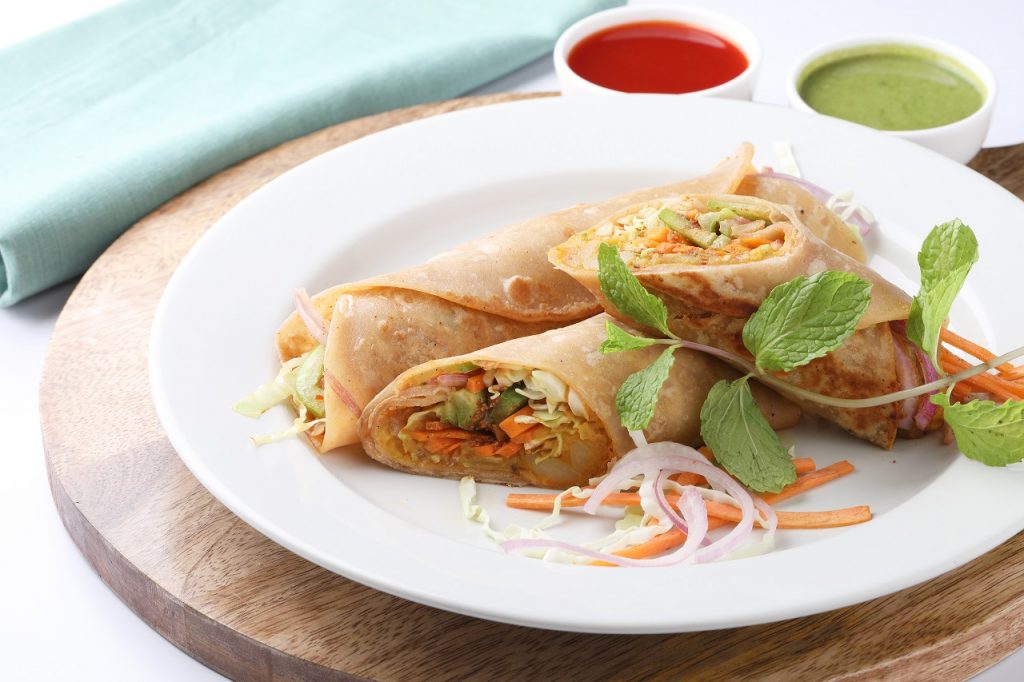
Vegetable and Paneer Kathi RollStill wondering what to do with all that leftover chapati from lunch or last night’s dinner? Don’t let it go to waste. Try this amazing Vegetable and Paneer Kathi Roll. If you don’t know, a Kathi is basically an Indian style wrap made with different stuffing. This recipe adds a protein twist to the traditional Kathi recipe making it healthier for you! 

What You Will Need 

  • Leftover chapati – 3 
  • Onion – 1 medium, sliced 
  • Tomato – 1 medium, sliced 
  • Carrot – 1 medium, sliced 
  • Capsicum – 1 medium, sliced
  • Cabbage – 1 cup, shredded 
  • Paneer – ½ cup, shredded 
  • Ginger garlic paste – 1 tbsp 
  • Haldi powder – 1 tsp 
  • Red chilli powder – 1 tbsp 
  • Garam masala powder – 1 tsp 
  • Jeera powder – 1 tsp 
  • Chat powder – ½ tsp 
  • Coriander mint chutney – ½ cup 
  • Curd – 2 tbsp 
  • Salt to taste 
  • Oil – 1 tbsp 

How To Prepare 

  1. Heat some oil in a pan, saute the garlic ginger paste for a while and then add onions (keep some uncooked, sliced onions away). Once the onions start to get soft, add all other veggies like carrot, tomato, capsicum and cabbage.
  2. Once the veggies are soft, it is time to add in all our spices. Mix it well and add the paneer.
  3. Cover the pan with a lid and allow it to cook for 3-5 mins.
  4. In a small bowl, mix the coriander mint chutney and curd, add some salt too.
  5. Take the leftover chapati, apply the chutney and curd paste on it.
  6. On one side of the chapati, place 1 big spoonful of the hot stuffing and place a few raw onion slices on it as well. Sprinkle some chat powder over it.
  7. Now start folding the chapati very tightly.
  8. Serve it hot along with green chutney.

Highlights of the Vegetable and Paneer Kathi Roll 

  • It’s a fiber rich meal, giving you satiety in less quantity.
  • Great meal idea for weight watchers, diabetics & everyone in the family.
  • Plus points are the high Vitamin A, Vitamin C, magnesium, potassium and folate from the roll.

We hope you try and enjoy this delicious Vegetable and Paneer Kathi Roll recipe. Do you have a special way of making this? Is there a recipe you’d like to see next? Let us know in the comments below! 

For more healthy recipes, check out Healthy Reads or ask a GOQii Coach by subscribing for Personalised Health Coaching here.

Eat healthy and #BeTheForce 

December 10, 2024 By GOQii Leave a Comment

Feeding Your Emotions? Why You Need To Stop Emotional Eating

Feeding Your Emotions? Why You Need To Stop Emotional EatingRemember the old adage – Eat to Live and not Live to Eat? We don’t always eat simply to satisfy hunger. Sometimes, we turn to food for comfort, stress relief, or as a reward. It becomes an activity we do out of habit, like nail-biting, hair twirling, or finger tapping. Recent trends show that we often turn to food in response to certain emotions. For instance, eating chocolates or sweets when we’re sad or depressed. Whether you feel angry, sad, bored, or even excited—food can act as a buffer against these emotions. But is emotional eating good for you?

Emotional eaters know it’s easier to suppress feelings with each bite rather than confront them. Unfortunately, emotional eating doesn’t solve emotional problems. It usually makes you feel worse. Afterwards, not only does the original emotional issue remain, but you also feel guilty for overeating. This compounds the problem, as you stop learning healthier ways to deal with your emotions, struggle to control your weight, and feel increasingly powerless over both food and your feelings.

Where Do You Start To Stop Emotional Eating?

Before addressing how to stop emotional eating, have you ever wondered why we turn to food when emotionally distressed? When we eat, certain chemicals are released in the body which significantly impact our emotional health. Food and mood are intricately connected. For instance, we feel sadder when hungry due to lack of neurochemicals in the brain. Through eating, we experience changes in serotonin, endorphins and dopamine levels – all of which influence mood. Sugar, for example, increases serotonin in the brain, helping us feel more balanced and stable. Anti-depressants work on a similar chemical mechanism to improve mood. So, coming back to the point – what can you do to address this?

Recognize What Triggers You To Eat Emotionally

As mentioned earlier, people eat for many reasons. Which situations, places or feelings make you turn to food for comfort? Each time you feel a craving, ask yourself, “Am I really hungry, or am I responding to something else?” If hunger isn’t the reason, identifying the real cause can be challenging.

By tracking your food intake and associated emotions regularly, you might notice patterns, such as a tendency to overeat on Mondays. Ask yourself, “What is it about Mondays that leads to overeating? Stress from getting the kids to school? Frustration over returning to work? Lack of holidays?” Notice if you tend to snack in the evenings. Is it out of boredom, loneliness, anger, sadness, anxiety, or an unhappy relationship? Once you identify your emotional eating triggers, the next step is finding healthier ways to manage your feelings.

Find Ways To Fulfill Yourself Emotionally

Understanding the cycle of emotional eating and identifying triggers is only the beginning. The next step is finding healthier alternatives to fulfill yourself emotionally.

Here are some options to try:

  • Call someone who always makes you feel better
  • Play with your kids or pets
  • Look at a favorite photo or cherished memento whenever you feel low, depressed or lonely
  • If you’re anxious, expend your energy by dancing to your favorite song or squeezing a stress ball
  • Take a brisk walk for fresh air
  • If you’re exhausted, treat yourself to a hot cup of tea, take a bath, go to a spa for a massage, or light some scented candles and wrap yourself in a warm blanket
  • Take a break or go on a weekend getaway
  • If you’re bored, read a good book, watch a show, explore the outdoors, or try an enjoyable activity like painting or playing an instrument.

Form Healthier Habits

Last step to deal emotional eating requires long term modification i.e. healthy lifestyle habits. When you’re physically strong, relaxed, and well rested, you’re able to handle the challenges that life throws at you in a better way. But, when you’re already exhausted and overwhelmed, any little hiccup has the potential to send you off the rails and straight towards the kitchen>refrigerator>food. Exercise, sleep, and other healthy lifestyle habits will help you get through difficult times without emotional eating. Make daily exercise a priority.
Physical activity does wonders for your mood and your energy levels, and it’s also a powerful stressbuster. Give yourself permission to take at least 30 minutes every day to relax, decompress, and unwind. This is your time to take a break from your responsibilities and recharge your batteries for the next day. Connect with others. Don’t underestimate the importance of close relationships and social activities. Spending time with positive people who enhance your life will help protect you from the negative effects of stress.

With an arsenal of activities like trekking, journaling, or exploring hobbies, you can gradually overcome emotional eating. Success won’t come overnight, but accepting your mistakes and moving forward is key to breaking the cycle.

If you need help dealing with emotional eating, our experts are hereto guide you. Speak to a GOQii Coach to overcome emotional eating and achieve you weight loss goals. Subscribe for Personalised Health Coaching here.

For more tips on weight loss, explore Healthy Reads. If this article helped you or someone you know, let us know your thoughts in the comments below!

#BeTheForce

December 9, 2024 By Neha Goyal 2 Comments

Pistachios – Your Powerful Nutritional Punch!

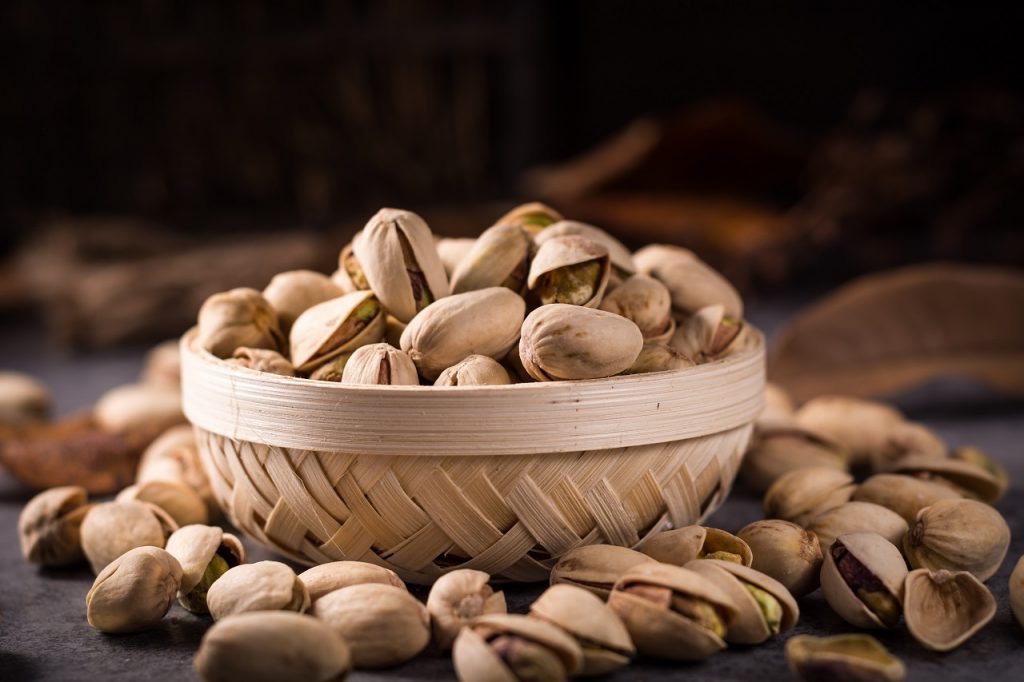
Pistachios - Your Powerful Nutritional Punch!Pistachios are edible seeds of the pistachio tree, member of the cashew family. They are nutrient-packed nuts that can be enjoyed both as a healthy snack or as part of a delicious recipe. Available both in the shell (in-shell) or with their shell already removed (shelled), they’re typically sold roasted and salted, although unsalted options are available, as well as some flavoured varieties, too.


How Does It Give a Powerful Nutritional Punch?

  • Loaded with Vitamins and Minerals: Pistachios are a rich source of protein, dietary fibre, several minerals such as phosphorus, potassium, calcium, iron, magnesium, manganese, zinc, copper, sodium and selenium. It is also a good source of vitamins like vitamin A, K, C, E, B6, B1, B2, B3, B9, and B5.
  • Good Source of Antioxidants: They contain more antioxidants than most nuts and seeds, second only to walnuts and pecans. You can literally “see” the nutrients through the various colours in pistachio. The green and yellow colour of the actual nut comes from lutein and zeaxanthin. The thin purple skin surrounding the nut is loaded with anthocyanins, the same type of antioxidants found in grapes and cranberries.
  • Lowest in Fat: A serving of pistachios has 13 grams of fat, of which about 1.7 grams are saturated, 3.5 grams are polyunsaturated, and 7 grams are monounsaturated fats. Compared to most other tree nuts, pistachios are one of the lowest in fat.
  • Cholesterol-Free: Pistachios have the highest phytosterol content (214 milligrams per 100 grams) amongst nuts. Phytosterols come from plants and because they have a similar structure to cholesterol, they compete with cholesterol for absorption by the body, ultimately limiting the amount of cholesterol absorbed.
  • Compared to other tree nuts, pistachios have a higher essential amino acid ratio and the highest percentage of branched-chain amino acids. Pistachios are a great plant-based protein option for everyone, but especially those eating a vegetarian or vegan diet.

Health Benefits of Eating Pistachios

  1. Heart Health: A number of studies have shown that pistachios significantly reduced total cholesterol and the “bad” LDL-cholesterol levels while increasing the “good” HDL-cholesterol level. They may increase antioxidant concentrations, which is linked to improved dilation of blood vessels as a result of a reduction in inflammation.
  2. Weight Management: It may seem counterintuitive but eating pistachios—a high-fat, calorie-dense food—has actually been associated with weight management. Pistachios are rich in fiber and protein, both of which increase satiety by helping you feel full and eat less .
  3. Gut Health: Pistachios are high in fiber, which moves through our digestive system mostly undigested. But some types of fiber are digested by the good bacteria in your gut, acting as prebiotics. Gut bacteria then ferment the fiber and convert it into inflammation-fighting short-chain fatty acids, & also results in decreased the number of lactic acid bacteria. It also increases the number of butyrate-producing bacteria in the gut more than eating almonds does.
  4. Blood Sugar Control: Despite having a higher carb content than most nuts, pistachios have a low glycemic index, meaning they don’t cause a large spike in your blood sugar. Also rich in fiber and healthy fats, antioxidants, magnesium, carotenoids and phenolic compounds, which are beneficial for blood sugar control.
  5. Good For Eye Health: Pistachios are rich in antioxidants lutein and zeaxanthin, which are essential for eye health, as they reduce the chances of developing eye conditions, including age-related macular degeneration (AMD) and cataracts.
  6. Prevents Cellular Damage: As our cells grow older, they accumulate oxidative damage due to the presence of free radicals, which can cause considerable damage to cells. Pistachios, being rich in antioxidants, including lutein, beta-carotene, and gamma-tocopherol, has oxidative damage-fighting benefits which also play a key role in reducing the risk of disease, such as cancer.

How to Include Pistachios in Your Diet?

One of the simplest ways to enjoy pistachios is as a snack on their own. You can also throw chopped pistachios on your yogurt or morning oatmeal or use them as a crunchy topping for your salads. Pair pistachios with a piece of fruit for your afternoon snack, their fiber, fat and protein will keep you satisfied.

Takeaway

Pistachios are very nutritious. Regularly eating pistachios may be a good way to improve health and wellbeing. But stick to plain, unsalted pistachio nuts in their shells and avoid eating more than 30gm a day. Before you begin eating them, do consult with your doctor, nutritionist or dietitian.

For more on nutrition and healthy eating, check out Healthy Reads or speak to an expert by subscribing for GOQii’s Personalised Health Coaching here.

#BeTheForce 

December 3, 2024 By Sunita Arora 3 Comments

Lower Blood Pressure Naturally With Dietary Changes

lower blood pressure naturallyHypertension, known as a silent killer, is simply the elevation of your blood pressure levels. It is majorly developed due to factors like a sedentary lifestyle, high salt intake due to processed and packaged food. But, the good news is that you can control it. You can manage to lower blood pressure naturally by making dietary and other lifestyle changes after consulting with your doctor. 

Foods That Help Lower Blood Pressure Naturally 

Let’s take a look at foods which are healthy and can help with the condition! 

  1. Green Tea: is associated with numerous health benefits. It is rich in polyphenols and catechins, which act as antioxidants to prevent cell damage, reduce inflammation, and protect heart health. Intake of green tea is associated with significantly lower levels of LDL, triglycerides, total cholesterol, and blood pressure. You can have 1-2 cups of green tea daily one hour after a meal to maintain your blood pressure and to improve insulin sensitivity.
  2. Olive Oil: is packed with antioxidants like tocopherols, β-carotene, lutein which helps in relieving inflammation and decreases the risk of cardiovascular diseases. It is rich in MUFA which promotes heart health and is linked with lowering blood pressure. In Indian cooking, you can safely use 1-2 teaspoon of extra virgin olive oil daily to sauté veggies, make salad dressings, etc.
  3. Fatty Fish: like salmon and tuna are rich with omega-3 fatty acids which aid in improving heart health. These fatty fishes and fish oil supplements are beneficial for lowering blood pressure, sugar levels and triglycerides. Consumption of fatty fish 2-3 times a week is good for heart health.
  4. Nuts: like walnuts, almonds are a rich source of monounsaturated fatty acids which lower total cholesterol, LDL (bad) cholesterol and blood pressure. It has minerals like magnesium and copper, Vitamin E, MUFA which protects against various heart diseases by reducing plaque formation and keeps your arteries clear. You can include 5-6 soaked almonds and 2-3 walnuts in your diet.
  5. Seeds: are the powerhouse of various nutrients, rich in Omega-3 and Omega-6 fatty acids which improve many heart disease risk factors including blood pressure, cholesterol, and triglycerides. Include flax seeds, chia seeds, sunflower seeds and hemp seeds in your diet. Just make a mixture of these seeds and have 1-2 tsp daily by mixing them with nuts or adding them to your smoothies or salads. 
  6. Berries: are packed with antioxidants like anthocyanins which protect the heart from oxidative stress and help in maintaining normal blood pressure. It also has polyphenols which improve blood pressure, insulin resistance and systemic inflammation. You can add a handful of strawberries, blackberries and raspberries in your diet.
  7. Banana: The American Heart Association encourages people to increase the consumption of foods that contain potassium. Eating foods that are rich in potassium helps in lowering blood pressure levels better than taking supplements. You can slice a banana in your favourite cereal or oatmeal, make a smoothie or a shake for a potassium-rich addition.
  8. Pomegranate: is rich in fibre, vitamins and minerals. Drinking a cup of pomegranate juice daily for four weeks can help lower blood pressure naturally. Early research suggests that drinking pomegranate juice helps to keep the arteries in the neck clear of the build-up of fatty deposits and improve blood flow to the heart.
  9. Tomato: is one of the important ingredients in our Indian cuisine which enhances the flavour and colour of dishes. Tomatoes are loaded with lycopene which reduces the risk of heart attack and stroke. New research claims that drinking a glass of unsalted tomato juice daily is a simple way to lower blood pressure and reduce the risk of heart disease. It also removes excess cholesterol, plaque from arteries and increases the level of HDL Cholesterol.
  10. Garlic: is a pearl for Hypertension patients. Daily consumption of garlic for an extended period can reduce LDL Cholesterol, triglycerides, and blood pressure significantly. It has allicin, allyl mercaptan, and diallyl disulphide which are very effective in controlling cholesterol and blood pressure. Eating 1-2 fresh, raw garlic is one among the herbal remedies for controlling high blood pressure.
  11. Oats: are a rich source of soluble and insoluble fiber. They are low in fat, low in sodium and contain beta-glucan, a type of fiber which lowers blood pressure. A review of 28 trials concluded that higher consumption of beta-glucan fiber may lower both systolic and diastolic blood pressure. Eating oats for breakfast/snacks in the form of oats porridge, oats upma, oats chila, is a great way to fuel up for the day.
  12. Beetroot: Drinking one glass of beetroot juice daily can significantly reduce blood pressure in people with hypertension. Due to the high concentration of nitrates, it relaxes blood vessels and dilates them, which helps the blood flow more easily and lowers blood pressure. Both raw beet juice and cooked beets are effective to lower blood pressure and decrease inflammation. 

Apart from the above food options, you need to  control what you eat. Avoid sauces, pickles, coffee, packaged food, etc. and cut your salt intake to half a teaspoon daily. Avoid smoking and consuming alcohol in excess as well. Before making any massive dietary changes, consult your doctor first!

We hope this article helps you! For more on hypertension and tips to lower blood pressure, tune in to live sessions by experts on GOQii Play or ask your GOQii Coach directly by subscribing to Personalised Health Coaching here.

To know how simple lifestyle changes can help your reverse high blood pressure, listen to our player Digvijay Singh’s journey as he discusses the lifestyle changes he made with our Founder & CEO Vishal Gondal.

#BeTheForce 

  • « Previous Page
  • 1
  • …
  • 8
  • 9
  • 10
  • 11
  • 12
  • …
  • 65
  • Next Page »

Search

Recent Posts

  • The Recovery Gap: Sleep Debt, Overwork and Silent Burnout Are Ageing You Faster
  • Sleep Well, Live Better: Lifestyle Habits That Improve Sleep Quality
  • Our Kidneys, Our Planet: How Environmental Health Impacts Your Body
  • Caution: Smoking is Injurious to health!!
  • The Sleep-Metabolism Connection: Why Rest is Your Best GLP-1 Partner

Stay Updated

Archives

  • March 2026 (7)
  • February 2026 (14)
  • January 2026 (14)
  • December 2025 (19)
  • November 2025 (15)
  • October 2025 (20)
  • September 2025 (6)
  • August 2025 (6)
  • July 2025 (12)
  • June 2025 (18)
  • May 2025 (16)
  • April 2025 (22)
  • March 2025 (23)
  • February 2025 (22)
  • January 2025 (25)
  • December 2024 (22)
  • November 2024 (23)
  • October 2024 (21)
  • September 2024 (24)
  • August 2024 (30)
  • July 2024 (21)
  • June 2024 (26)
  • May 2024 (31)
  • April 2024 (27)
  • March 2024 (28)
  • February 2024 (25)
  • January 2024 (21)
  • December 2023 (15)
  • November 2023 (11)
  • October 2023 (19)
  • September 2023 (22)
  • August 2023 (18)
  • July 2023 (22)
  • June 2023 (24)
  • May 2023 (24)
  • April 2023 (23)
  • March 2023 (23)
  • February 2023 (19)
  • January 2023 (15)
  • December 2022 (11)
  • November 2022 (15)
  • October 2022 (15)
  • September 2022 (12)
  • August 2022 (10)
  • July 2022 (17)
  • June 2022 (11)
  • May 2022 (10)
  • April 2022 (6)
  • March 2022 (6)
  • February 2022 (13)
  • January 2022 (11)
  • December 2021 (7)
  • November 2021 (3)
  • October 2021 (6)
  • September 2021 (3)
  • August 2021 (8)
  • July 2021 (7)
  • June 2021 (15)
  • May 2021 (16)
  • April 2021 (10)
  • March 2021 (7)
  • February 2021 (4)
  • January 2021 (4)
  • December 2020 (3)
  • November 2020 (4)
  • October 2020 (10)
  • September 2020 (3)
  • August 2020 (3)
  • July 2020 (2)
  • June 2020 (4)
  • May 2020 (10)
  • April 2020 (12)
  • March 2020 (10)
  • February 2020 (4)
  • January 2020 (4)
  • December 2019 (3)
  • November 2019 (7)
  • October 2019 (5)
  • September 2019 (4)
  • August 2019 (9)
  • July 2019 (9)
  • June 2019 (11)
  • May 2019 (4)
  • April 2019 (8)
  • March 2019 (8)
  • February 2019 (9)
  • January 2019 (8)
  • December 2018 (9)
  • November 2018 (3)
  • October 2018 (3)
  • September 2018 (5)
  • August 2018 (10)
  • July 2018 (6)
  • June 2018 (13)
  • May 2018 (8)
  • April 2018 (18)
  • March 2018 (9)
  • February 2018 (8)
  • January 2018 (15)
  • December 2017 (12)
  • November 2017 (19)
  • October 2017 (13)
  • September 2017 (15)
  • August 2017 (4)
  • July 2017 (8)
  • June 2017 (7)
  • May 2017 (6)
  • April 2017 (8)
  • March 2017 (6)
  • February 2017 (7)
  • January 2017 (9)
  • December 2016 (10)
  • November 2016 (7)
  • October 2016 (7)
  • September 2016 (7)
  • August 2016 (11)
  • July 2016 (9)
  • June 2016 (9)
  • May 2016 (12)
  • April 2016 (17)
  • March 2016 (17)
  • February 2016 (8)
  • January 2016 (6)
  • December 2015 (2)
  • November 2015 (9)
  • October 2015 (7)
  • September 2015 (9)
  • August 2015 (11)
  • July 2015 (9)
  • June 2015 (12)
  • May 2015 (9)
  • April 2015 (13)
  • March 2015 (8)
  • February 2015 (5)
  • January 2015 (12)
  • December 2014 (14)
  • November 2014 (11)
  • October 2014 (6)
  • September 2014 (13)
  • August 2014 (12)
  • July 2014 (6)
  • June 2014 (2)
  • May 2014 (7)
  • April 2014 (4)

From “Laddu Nawin” to Fit and Fierce: How a 25-Year-Old Insurance Advisor Shed 20 Kilos and Gained His Life Back

When 25-year-old Nawin Yadav from Hyderabad walked into his office every morning, he carried more than just his files and policy papers. He had the weight of fatigue, sluggish energy, and an ever-growing belly that was becoming the butt of jokes. “People … [Read More...]

“I’ve Challenged Myself to Live 100 Years” – The Story of Chandubhai Savani’s Second Chance at Life

At 67, most people start slowing down. Not Chandubhai Savani. A resident of Surat, Chandubhai, thought life was on track. “My life was going well till I had my bypass surgery,” he says. That surgery, back in 2021, was a wake-up call.  Medication was routine, but exercise wasn’t. His diet? What he calls ‘normal.’ “I […]

From Shimla’s Slopes to Chandigarh’s Sidewalks: Surinder Kaur Bhalla’s Journey from Chaos to Control

Some journeys start with a plan. Others begin with a stumble literally. Surinder Bhalla, a government professional, born and raised in the scenic hill town of Shimla, had always lived a life of movement. “In Shimla, you walked everywhere,” she reflects. “Walking was never an exercise. It was just life.” But after shifting to Chandigarh, […]

Ananda Mukherjee Health Story

From Terminal Illness To Complete Wellness! Ananda Mukherjee Health Story

As we observe World Cancer Day under the powerful theme ‘United by Unique’ (2025-2027)**, we are reminded that every individual’s journey with cancer is distinct, yet united by shared resilience, hope, and the collective fight against this disease. This theme places people at the centre of care and their stories at the heart of the […]

  • HOME
  • HEALTHY LIVING
  • FITNESS
  • HEALTHY RECIPES
  • USER STORIES
  • KARMA
  • BUY GOQii

Copyright ©2016 GOQii

