GOQii

Blog

  • HOME
  • HEALTHY LIVING
  • FITNESS
  • HEALTHY RECIPES
  • USER STORIES
  • KARMA
  • BUY GOQii

January 21, 2025 By Bharti Gupta Leave a Comment

What Is Psoriasis and How Can You Manage It?

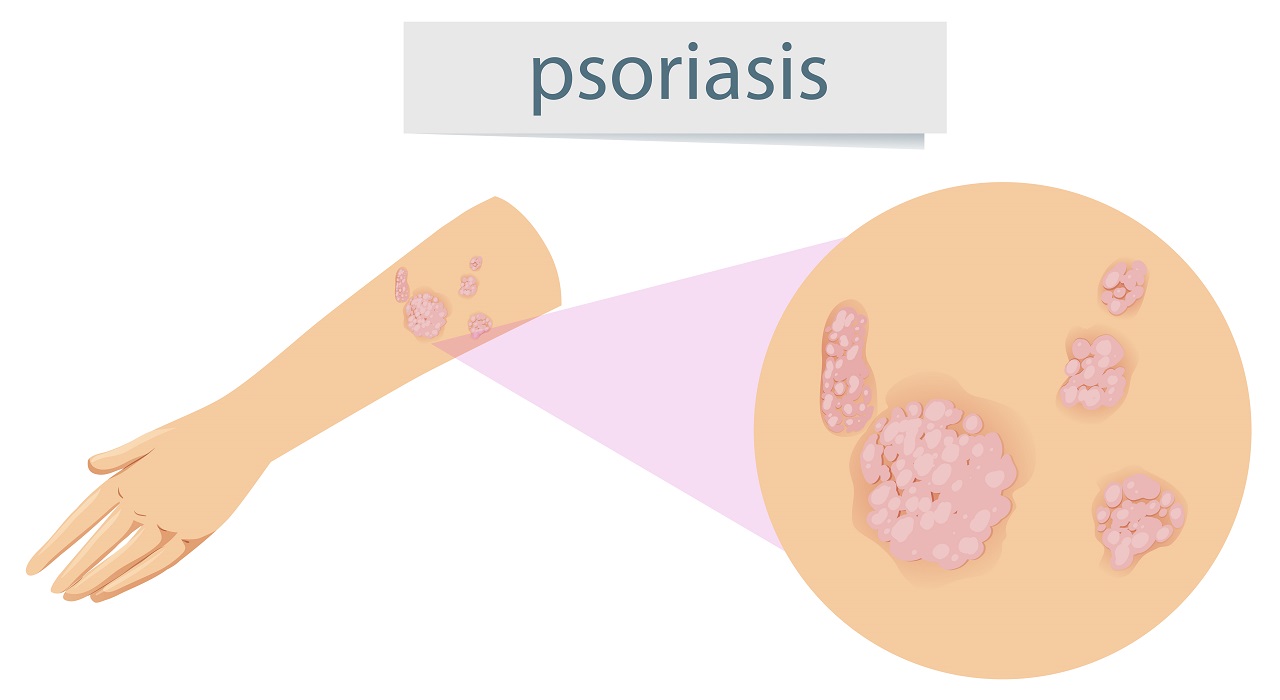
PsoriasisPsoriasis is a chronic skin disease characterized by red patches covered with white scales. The disease most commonly affects the skin of the elbows, knees, scalp, feet, and lumbosacral areas. It is a long-term autoimmune condition that accelerates the growth cycle of skin cells and causes inflammation due to immune system dysfunction.

Psoriasis tends to worsen during cold and dry seasons. While the exact cause of psoriasis is not fully understood, it is believed to result from various factors such as infections, obesity, certain medications, stress, alcohol abuse, endocrine disorders, severe sunburn, and an unhealthy lifestyle.

Most Common Symptoms

  • Dry or cracked skin that may bleed or itch
  • Small scaling spots, most commonly seen in children
  • Itching, burning, dryness or soreness
  • Thickened or pitted nails
  • Swollen or stiff joints
  • Crack on the soles of the feet
  • Recent changes in your life, such as illness or increased stress.

How Can You Manage It? 

Here are some effective tips to help you manage Psoriasis. 

  1. Limit Shower Time: Prolonged showers can increase moisture loss from the skin, making it irritated and dry, which should be avoided, especially in the case of psoriasis.
  2. Apply a Cool Compress: A cold compress, such as an ice or gel pack, can provide relief from itching associated with psoriasis.
  3. Salt Water Bath: Soaking in a saltwater bath helps soften scales and may ease inflammation and irritation. Add half a cup of Dead Sea salt to bathwater and soak for 15-20 minutes.
  4. Maintain a Healthy Weight: Being overweight increases inflammation in the body. Regular exercise and a low-calorie diet can help. Include cardio, strength training, and stair climbing in your routine to reduce the risk of inflammation.
  5. Exposure to Sunlight: A deficiency in vitamin D can aggravate psoriasis. Moderate exposure to sunlight can help improve symptoms.
  6. Have Apple Cider Vinegar (ACV): Thanks to its antiseptic properties, ACV may help alleviate itching or irritation, especially on the scalp. Mix 2 parts water with 1 part ACV, apply to the scalp, let it stay for 10 minutes, and rinse off with shampoo.
  7. Drink Plenty of Water: Staying hydrated keeps your skin healthy and reduces the number and severity of flare-ups.
  8. Add Olive Oil in the Bath: Rich in Omega-3 fatty acids and Vitamin E, olive oil helps soothe irritated skin. Add 2 teaspoons to your bathwater or apply a small amount directly to the affected area.
  9. Apply Raw Glycerin to Affected Areas: Psoriasis often leads to dry, scaly skin. Applying raw glycerin hydrates the skin and alleviates symptoms. The best time to apply is before bedtime.
  10. Manage Stress: Stress can trigger and worsen psoriasis. Practice deep breathing, yoga, meditation, or engage in hobbies to stay stress-free.
  11. Good Quality Sleep: Poor sleep worsens psoriasis symptoms by increasing stress levels. Ensure you get enough quality sleep to allow your body to rejuvenate and repair itself.

We hope these easy and effective tips help you manage psoriasis. If the issue persists or gets worse, seek out a medical professional or consult a GOQii Doctor by subscribing for Personalised Health Coaching here. 

Find more articles on skincare and healthy living here. 

#BeTheForce 

Disclaimer: The information provided in this blog is for general awareness and educational purposes only. It is not intended to replace professional medical advice, diagnosis, or treatment. Always consult a qualified healthcare provider for personalised medical guidance or concerns related to your health.

January 16, 2025 By Dr. Viral Thakkar 39 Comments

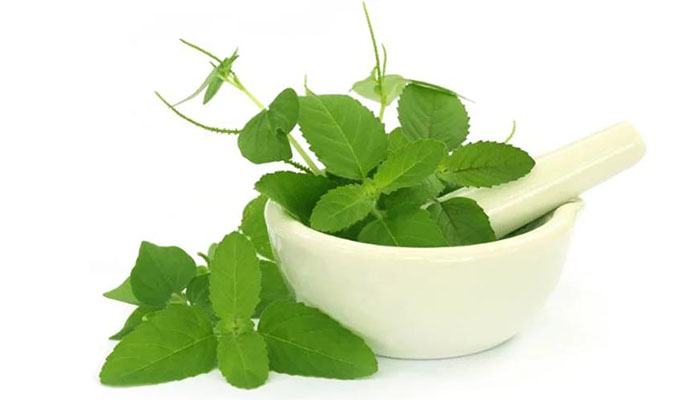
Tulsi or Basil: Queen of Herbs

1

I have always wondered why ‘Tulsi’ is given so much importance in India. I recall my aunts and great-grand aunts narrating stories about Tulsi being the consort of Lord Vishnu. As an inquisitive child, I questioned this. “How can a plant be a consort? A plant is a plant! Period! It gives oxygen and takes in carbon dioxide.”

tulsi

Today, as a doctor, I understand that the significance of many plants is rooted in folklore. Unfortunately, while the stories remain, the importance is often forgotten.

In this article, I delve into the significance of Tulsi – The Holy Basil, also known as the Queen of Herbs! It is grown in almost every Indian household for religious purposes. However, I suggest we grow it not just for spiritual reasons but also for its remarkable medicinal properties—saving us from hefty medical bills for minor ailments!

Tulsi 2

Why is Tulsi Known as the Queen of Herbs?

Tulsi is

  • Antibacterial
  • Antiviral
  • Antifungal
  • Antipyretic
  • Antioxidant
  • Antiseptic
  • Anti-cancer

Health benefits of Tulsi

  1. Cold & Cough Relief
    Tulsi’s antiviral and antibacterial properties make it effective for colds and coughs. Combine tulsi juice with ginger and betel leaf juice, mixed in honey, and consume twice or thrice a day. For severe coughs, add a pinch of black pepper powder and black salt to the mixture.
  2. Fever Reduction
    Tulsi’s antipyretic properties help manage fevers from malaria, influenza, or colds. Juice 10-12 tulsi leaves, mix with honey, and consume thrice daily.
  3. Detoxification
    Regularly consuming 10 tulsi leaves with jaggery for 15 days helps control worm formation in the abdomen. For ringworm, apply tulsi juice mixed with camphor twice daily on the affected area.
  4. Liver Health
    Mixing juice from 15-20 tulsi leaves with aloe vera supports liver health and detoxification.
  5. Oral Health
    • Apply a mixture of tulsi leaves and clove powder on teeth for instant pain relief.
    • Use dried tulsi leaves mixed with mustard oil as toothpaste to prevent bad breath and maintain gum health.
  6. Kidney Health
    Tulsi acts as a diuretic and detoxifier, reducing uric acid levels and aiding in breaking down kidney stones. Consume tulsi juice with honey daily for six months for relief.
  7. Skin and Hair Care
    • Tulsi purifies the blood, reducing acne and blemishes.
    • Its antifungal properties soothe itchy scalps and reduce hair fall. Mix powdered tulsi in coconut oil and apply it regularly for healthier hair.
  8. Stress Relief
    Consuming 10-12 tulsi leaves daily can help alleviate stress, thanks to its calming properties.

Environmental Benefits

According to Shyamkant Padoley, an eminent botanist, “Tulsi gives out oxygen for 20 hours and ozone for four hours a day, along with nascent oxygen that absorbs harmful gases like carbon monoxide, carbon dioxide, and sulfur dioxide from the environment.”

A Part of Your Daily Diet

Incorporating tulsi into your daily diet is easy, cost-effective, and side-effect-free. Let Tulsi become your go-to natural remedy for better health and well-being!

If you found this article helpful, share your thoughts in the comments below! Explore more tips on natural remedies and healthy living on Healthy Reads. To learn more about personalised health guidance, subscribe to GOQii’s Personalised Health Coaching here.

#BeTheForce
December 3, 2024 By Sunita Arora 3 Comments

Lower Blood Pressure Naturally With Dietary Changes

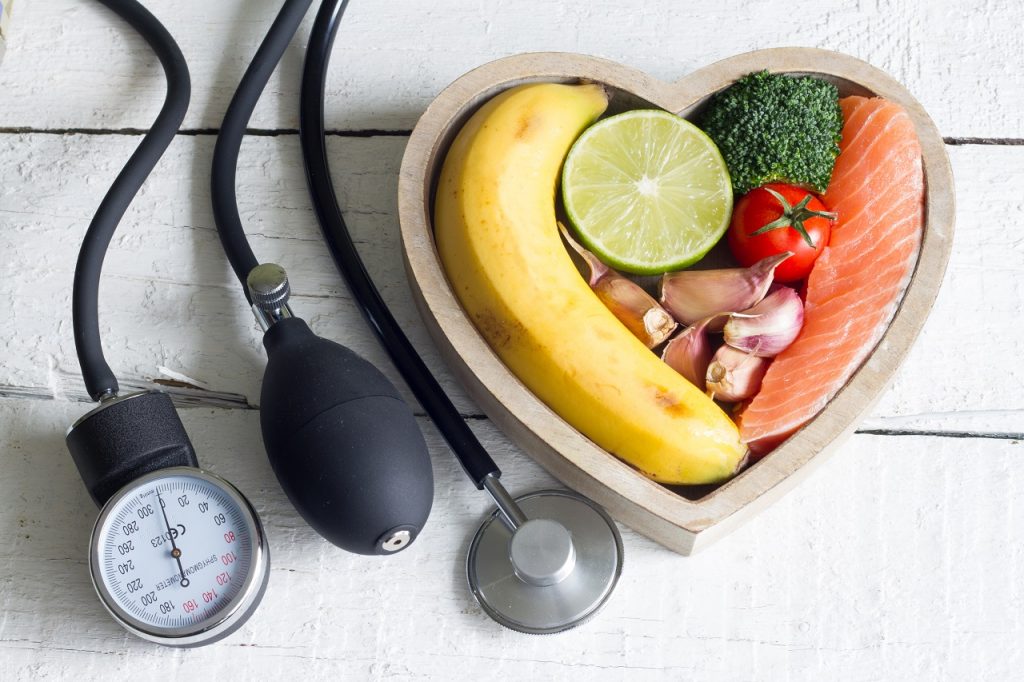
lower blood pressure naturallyHypertension, known as a silent killer, is simply the elevation of your blood pressure levels. It is majorly developed due to factors like a sedentary lifestyle, high salt intake due to processed and packaged food. But, the good news is that you can control it. You can manage to lower blood pressure naturally by making dietary and other lifestyle changes after consulting with your doctor. 

Foods That Help Lower Blood Pressure Naturally 

Let’s take a look at foods which are healthy and can help with the condition! 

  1. Green Tea: is associated with numerous health benefits. It is rich in polyphenols and catechins, which act as antioxidants to prevent cell damage, reduce inflammation, and protect heart health. Intake of green tea is associated with significantly lower levels of LDL, triglycerides, total cholesterol, and blood pressure. You can have 1-2 cups of green tea daily one hour after a meal to maintain your blood pressure and to improve insulin sensitivity.
  2. Olive Oil: is packed with antioxidants like tocopherols, β-carotene, lutein which helps in relieving inflammation and decreases the risk of cardiovascular diseases. It is rich in MUFA which promotes heart health and is linked with lowering blood pressure. In Indian cooking, you can safely use 1-2 teaspoon of extra virgin olive oil daily to sauté veggies, make salad dressings, etc.
  3. Fatty Fish: like salmon and tuna are rich with omega-3 fatty acids which aid in improving heart health. These fatty fishes and fish oil supplements are beneficial for lowering blood pressure, sugar levels and triglycerides. Consumption of fatty fish 2-3 times a week is good for heart health.
  4. Nuts: like walnuts, almonds are a rich source of monounsaturated fatty acids which lower total cholesterol, LDL (bad) cholesterol and blood pressure. It has minerals like magnesium and copper, Vitamin E, MUFA which protects against various heart diseases by reducing plaque formation and keeps your arteries clear. You can include 5-6 soaked almonds and 2-3 walnuts in your diet.
  5. Seeds: are the powerhouse of various nutrients, rich in Omega-3 and Omega-6 fatty acids which improve many heart disease risk factors including blood pressure, cholesterol, and triglycerides. Include flax seeds, chia seeds, sunflower seeds and hemp seeds in your diet. Just make a mixture of these seeds and have 1-2 tsp daily by mixing them with nuts or adding them to your smoothies or salads. 
  6. Berries: are packed with antioxidants like anthocyanins which protect the heart from oxidative stress and help in maintaining normal blood pressure. It also has polyphenols which improve blood pressure, insulin resistance and systemic inflammation. You can add a handful of strawberries, blackberries and raspberries in your diet.
  7. Banana: The American Heart Association encourages people to increase the consumption of foods that contain potassium. Eating foods that are rich in potassium helps in lowering blood pressure levels better than taking supplements. You can slice a banana in your favourite cereal or oatmeal, make a smoothie or a shake for a potassium-rich addition.
  8. Pomegranate: is rich in fibre, vitamins and minerals. Drinking a cup of pomegranate juice daily for four weeks can help lower blood pressure naturally. Early research suggests that drinking pomegranate juice helps to keep the arteries in the neck clear of the build-up of fatty deposits and improve blood flow to the heart.
  9. Tomato: is one of the important ingredients in our Indian cuisine which enhances the flavour and colour of dishes. Tomatoes are loaded with lycopene which reduces the risk of heart attack and stroke. New research claims that drinking a glass of unsalted tomato juice daily is a simple way to lower blood pressure and reduce the risk of heart disease. It also removes excess cholesterol, plaque from arteries and increases the level of HDL Cholesterol.
  10. Garlic: is a pearl for Hypertension patients. Daily consumption of garlic for an extended period can reduce LDL Cholesterol, triglycerides, and blood pressure significantly. It has allicin, allyl mercaptan, and diallyl disulphide which are very effective in controlling cholesterol and blood pressure. Eating 1-2 fresh, raw garlic is one among the herbal remedies for controlling high blood pressure.
  11. Oats: are a rich source of soluble and insoluble fiber. They are low in fat, low in sodium and contain beta-glucan, a type of fiber which lowers blood pressure. A review of 28 trials concluded that higher consumption of beta-glucan fiber may lower both systolic and diastolic blood pressure. Eating oats for breakfast/snacks in the form of oats porridge, oats upma, oats chila, is a great way to fuel up for the day.
  12. Beetroot: Drinking one glass of beetroot juice daily can significantly reduce blood pressure in people with hypertension. Due to the high concentration of nitrates, it relaxes blood vessels and dilates them, which helps the blood flow more easily and lowers blood pressure. Both raw beet juice and cooked beets are effective to lower blood pressure and decrease inflammation. 

Apart from the above food options, you need to  control what you eat. Avoid sauces, pickles, coffee, packaged food, etc. and cut your salt intake to half a teaspoon daily. Avoid smoking and consuming alcohol in excess as well. Before making any massive dietary changes, consult your doctor first!

We hope this article helps you! For more on hypertension and tips to lower blood pressure, tune in to live sessions by experts on GOQii Play or ask your GOQii Coach directly by subscribing to Personalised Health Coaching here.

To know how simple lifestyle changes can help your reverse high blood pressure, listen to our player Digvijay Singh’s journey as he discusses the lifestyle changes he made with our Founder & CEO Vishal Gondal.

#BeTheForce 

September 27, 2024 By Neha Morche 1 Comment

Aloe Vera- Wonders of the spiky green plant

AloeVeraCleopatra is known for her beauty, and one of the reasons for her immaculate beauty can be credited to the spiky green plant Aloe Vera, which she is understood to have used daily in gel form as part of her beauty regime. Today, this very plant is used in several personal care products and medicines. Dubbed affectionately as the ‘Plant of immortality’ by the Egyptians 6000 years ago, Aloe Vera has rejuvenating and healing properties. The ancient Greeks used it to cure everything from baldness to insomnia.

Aloe Vera, also known as a Wonder Plant, has tremendous benefits. No wonder it is wildly used in cosmetics, herbal remedies, and food supplements.

If you have observed the leaf of Aloe Vera closely, there is yellow latex found just under the skin and white-colored gel inside the leaf. Both of these have medicinal properties. It is rich in calcium, sodium, potassium, iron, zinc, manganese, folic acid, amino acid and Vitamin A, C, E, B1, B2, and B6.

Benefits :

  • Aloe Vera’s white gel contains enzymes, fiber, and amino acids, which help with digestion and digestive disorders like colitis and irritable bowel syndrome.
  • It has anti-bacterial, anti-viral properties to help boost the immune system and maintain oral hygiene.
  • It has laxative properties to relieve constipation.
  • Aloe Vera is anti-inflammatory and helps reduce inflammation of Rheumatoid Arthritis, an auto-immune disease affecting the entire body. The immune system attacks body tissues, especially the membranes lining the joint.
  • Aloe Vera juice can be used for lowering sugar levels. However, consult your doctor before consuming Aloe Vera juice
  • It has anti-carcinogenic properties to fight cancer.
  • Aloe Vera is rich in magnesium lactate, which works very well for chest congestion.
  • Vitamin C present in Aloe Vera is an excellent natural source to fight against cold and coughs.

Aloe Vera for the Skin :

  • Suitable for all skin types.
  • Aloe Vera gel has a soothing effect, reducing skin irritation when applied to the affected area.
  • Its anti-microbial properties help in curing acne, pimples and lightening the skin.

Aloe Vera for the Hair:

  • It contains Proteolitic enzymes, which help remove dead skin from the scalp and excess sebum to promote hair growth.
  • Its alkaline properties maintains the pH balance of the scalp to keep hair moisturized.
  • The anti-fungal property of Aloe Vera helps in reducing dandruff.
  • To keep hair soft and smooth, Aloe Vera gel can be added to regular conditioner and used daily.

Word of Caution:

Aloe Vera is packed with nutrients to treat the body naturally. However, certain treatments may cause adverse effects if not taken under supervision. Excessive intake may cause diarrhea and lower blood sugar, leading to potassium loss. It may also inhibit some drug reactions internally and cause allergic reactions on the skin.

With its numerous benefits for health, skin, and hair, Aloe Vera truly stands out as a wonder plant. Whether you use it topically or consume it in moderation, its natural properties can enhance your overall well-being. However, it’s essential to use it wisely and consult a healthcare professional if needed. Have you experienced the benefits of Aloe Vera? Let us know in the comments below! For more natural health tips, speak to a certified expert by subscribing to GOQii’s Personalised Health Coaching here.

#BeTheForce

Disclaimer: The information provided in this blog is for general awareness and educational purposes only. It is not intended to replace professional medical advice, diagnosis, or treatment. Always consult a qualified healthcare provider for personalised medical guidance or concerns related to your health.

  • « Previous Page
  • 1
  • 2
  • 3
  • 4
  • 5
  • Next Page »

Search

Recent Posts

  • PCOS and Anxiety: Discover Relief with the 54321 Technique
  • Navigating the Maze of Nutrition: Finding Clarity Amidst Confusion
  • Get children active and keep them healthy
  • What Gestational Diabetes Can Do To You & Your Unborn Child
  • Breathing – A Forgotten Art

Stay Updated

Archives

  • December 2025 (4)
  • November 2025 (15)
  • October 2025 (20)
  • September 2025 (6)
  • August 2025 (6)
  • July 2025 (12)
  • June 2025 (18)
  • May 2025 (16)
  • April 2025 (23)
  • March 2025 (23)
  • February 2025 (22)
  • January 2025 (26)
  • December 2024 (26)
  • November 2024 (25)
  • October 2024 (22)
  • September 2024 (24)
  • August 2024 (31)
  • July 2024 (21)
  • June 2024 (26)
  • May 2024 (31)
  • April 2024 (27)
  • March 2024 (29)
  • February 2024 (26)
  • January 2024 (25)
  • December 2023 (15)
  • November 2023 (11)
  • October 2023 (22)
  • September 2023 (22)
  • August 2023 (20)
  • July 2023 (22)
  • June 2023 (24)
  • May 2023 (24)
  • April 2023 (24)
  • March 2023 (23)
  • February 2023 (20)
  • January 2023 (16)
  • December 2022 (12)
  • November 2022 (15)
  • October 2022 (15)
  • September 2022 (12)
  • August 2022 (10)
  • July 2022 (17)
  • June 2022 (11)
  • May 2022 (10)
  • April 2022 (6)
  • March 2022 (6)
  • February 2022 (13)
  • January 2022 (12)
  • December 2021 (7)
  • November 2021 (3)
  • October 2021 (6)
  • September 2021 (3)
  • August 2021 (8)
  • July 2021 (7)
  • June 2021 (15)
  • May 2021 (16)
  • April 2021 (10)
  • March 2021 (7)
  • February 2021 (4)
  • January 2021 (4)
  • December 2020 (3)
  • November 2020 (4)
  • October 2020 (10)
  • September 2020 (3)
  • August 2020 (3)
  • July 2020 (2)
  • June 2020 (4)
  • May 2020 (10)
  • April 2020 (12)
  • March 2020 (10)
  • February 2020 (4)
  • January 2020 (4)
  • December 2019 (3)
  • November 2019 (7)
  • October 2019 (5)
  • September 2019 (4)
  • August 2019 (9)
  • July 2019 (9)
  • June 2019 (11)
  • May 2019 (4)
  • April 2019 (9)
  • March 2019 (8)
  • February 2019 (9)
  • January 2019 (8)
  • December 2018 (9)
  • November 2018 (3)
  • October 2018 (3)
  • September 2018 (5)
  • August 2018 (10)
  • July 2018 (6)
  • June 2018 (13)
  • May 2018 (8)
  • April 2018 (18)
  • March 2018 (9)
  • February 2018 (8)
  • January 2018 (15)
  • December 2017 (12)
  • November 2017 (19)
  • October 2017 (13)
  • September 2017 (15)
  • August 2017 (4)
  • July 2017 (8)
  • June 2017 (7)
  • May 2017 (6)
  • April 2017 (8)
  • March 2017 (6)
  • February 2017 (7)
  • January 2017 (9)
  • December 2016 (10)
  • November 2016 (7)
  • October 2016 (7)
  • September 2016 (7)
  • August 2016 (11)
  • July 2016 (9)
  • June 2016 (9)
  • May 2016 (12)
  • April 2016 (17)
  • March 2016 (17)
  • February 2016 (8)
  • January 2016 (6)
  • December 2015 (2)
  • November 2015 (9)
  • October 2015 (7)
  • September 2015 (9)
  • August 2015 (11)
  • July 2015 (9)
  • June 2015 (12)
  • May 2015 (9)
  • April 2015 (13)
  • March 2015 (8)
  • February 2015 (5)
  • January 2015 (12)
  • December 2014 (14)
  • November 2014 (11)
  • October 2014 (6)
  • September 2014 (13)
  • August 2014 (12)
  • July 2014 (6)
  • June 2014 (2)
  • May 2014 (7)
  • April 2014 (5)

From “Laddu Nawin” to Fit and Fierce: How a 25-Year-Old Insurance Advisor Shed 20 Kilos and Gained His Life Back

When 25-year-old Nawin Yadav from Hyderabad walked into his office every morning, he carried more than just his files and policy papers. He had the weight of fatigue, sluggish energy, and an ever-growing belly that was becoming the butt of jokes. “People … [Read More...]

“I’ve Challenged Myself to Live 100 Years” – The Story of Chandubhai Savani’s Second Chance at Life

At 67, most people start slowing down. Not Chandubhai Savani. A resident of Surat, Chandubhai, thought life was on track. “My life was going well till I had my bypass surgery,” he says. That surgery, back in 2021, was a wake-up call.  Medication was routine, but exercise wasn’t. His diet? What he calls ‘normal.’ “I […]

From Shimla’s Slopes to Chandigarh’s Sidewalks: Surinder Kaur Bhalla’s Journey from Chaos to Control

Some journeys start with a plan. Others begin with a stumble literally. Surinder Bhalla, a government professional, born and raised in the scenic hill town of Shimla, had always lived a life of movement. “In Shimla, you walked everywhere,” she reflects. “Walking was never an exercise. It was just life.” But after shifting to Chandigarh, […]

Ananda Mukherjee Health Story

From Terminal Illness To Complete Wellness! Ananda Mukherjee Health Story

As we observe World Cancer Day under the powerful theme ‘United by Unique’ (2025-2027)**, we are reminded that every individual’s journey with cancer is distinct, yet united by shared resilience, hope, and the collective fight against this disease. This theme places people at the centre of care and their stories at the heart of the […]

  • HOME
  • HEALTHY LIVING
  • FITNESS
  • HEALTHY RECIPES
  • USER STORIES
  • KARMA
  • BUY GOQii

Copyright ©2016 GOQii