 Have you noticed that your morning cup of coffee, once the highlight of your day, now tastes metallic or overly bitter? Or perhaps the thought of a juicy steak something you used to love now makes you feel slightly uneasy?
If you are on GLP-1 therapy, you aren’t imagining things. This phenomenon is known as “sensory-specific satiety” and texture aversion. It’s a fascinating, albeit sometimes frustrating, part of how your body’s chemistry is being rewritten for the better.
The Brain-Gut Rewiring
GLP-1 is a hormone that talks directly to the “reward center” of your brain (the mesolimbic system). This is the area responsible for cravings and the “pleasure” we get from high-fat or high-sugar foods. When you increase your GLP-1 levels, the brain’s dopamine response to certain foods changes. Essentially, the “volume” on food cravings is turned down.
Because your brain is no longer seeking a “hit” from food, your taste buds become more sensitive. Subtle bitterness or heavy textures that you used to ignore become much more apparent. This is why many people on this journey find themselves gravitating toward “cleaner,” simpler flavors.
Practical Strategies for Sensory Shifts
If you are struggling with taste changes or aversions, use these tactics to stay nourished:
- Modify Temperatures: Aversions are often linked to the strong aromas of hot food. If a steaming dinner feels overwhelming, try “cold plates.” Chilled chicken salad, Greek yogurt bowls, or cold grain salads are often much better tolerated.
- The “Neutral” Pivot: If bold flavors are off the table, stick to a “beige but healthy” palette for a few days. Foods like oats, cottage cheese, bananas, and sourdough bread provide nutrition without overwhelming the senses.
- Hydration Hacks: Many find that plain water starts to taste “different.” Try infusing your water with mint, cucumber, or frozen berries. The subtle change can override the metallic taste some experience.
- Check Your Zinc Levels: Sometimes, a persistent metallic taste can be linked to mineral shifts. Ensure you’re eating zinc-rich foods like pumpkin seeds or chickpeas, or speak to a coach about a multivitamin.
Tip: Don’t panic if you lose your “joy” for food temporarily. Think of this as a biological “reset button.” You are moving away from emotional eating and toward intuitive, functional nutrition.
#BeTheForce
Disclaimer: GOQii is committed to providing accurate, up-to-date, and comprehensive health information. This article is intended for informational purposes only and should not be used as a substitute for professional medical advice, diagnosis, or treatment. Always consult a qualified healthcare professional before starting or changing any medication. Individual responses to treatment may vary.
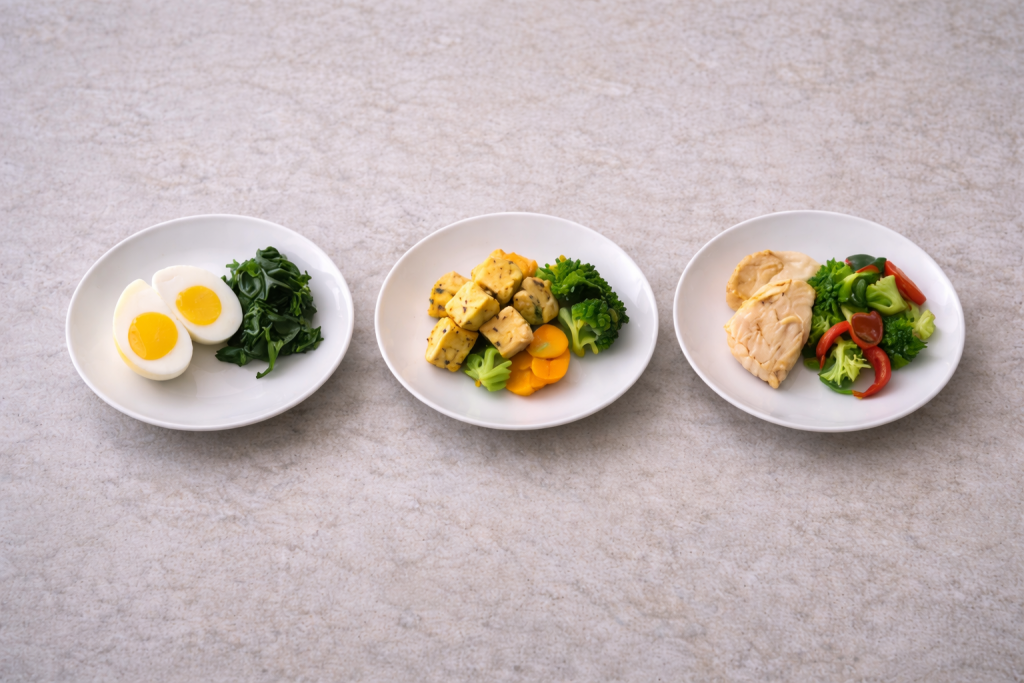 When you embark on a wellness journey involving GLP-1 therapy, the scale often becomes your primary focus. You see the numbers dropping, and it feels like a victory. But here’s the million-dollar question: What exactly are you losing? One of the most critical aspects of GLP-1 therapy is its ability to help you eat less, but that comes with a biological challenge. If we don’t pay attention to how we eat protein, our bodies may begin to break down precious muscle tissue instead of just fat. This is where the concept of the “Protein Ceiling” becomes your most important tool for metabolic health.
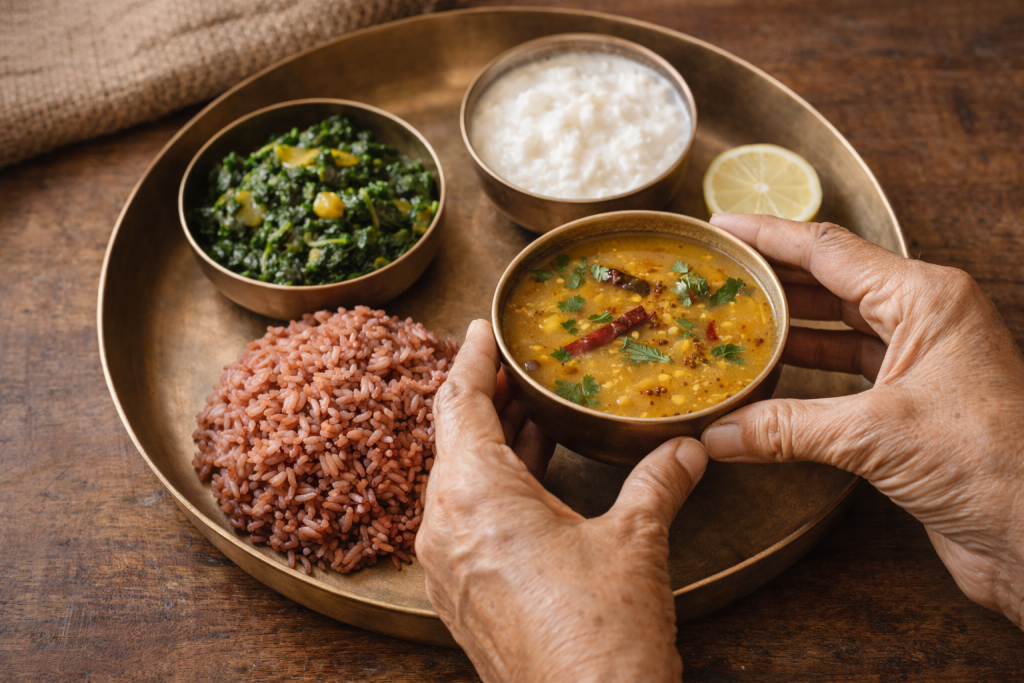 Most dietary advice seems to be fixated on labels: “keto”, “vegan”, “paleo”, “low fat”, “high protein”, “clean eating.”
 The life expectancy in India has steadily increased over the years. We live longer lives compared to our past generations, and that is something to be proud of. However, a hidden reality lies beneath these figures.


