GOQii

Blog

  • HOME
  • HEALTHY LIVING
  • FITNESS
  • HEALTHY RECIPES
  • USER STORIES
  • KARMA
  • BUY GOQii

April 22, 2025 By Hardika Vira 5 Comments

Common Reasons For Not Losing Belly Fat

Commons Reasons For Not Losing Belly FatBelly fat is not accumulated in a day or two. It takes several weeks and months of unhealthy eating and lifestyle to build it. When people finally decide to lose belly fat, the first thing they wonder is ‘Why am I not losing belly fat even after exercising so much and cutting down on junk food?’ There are several reasons for it.
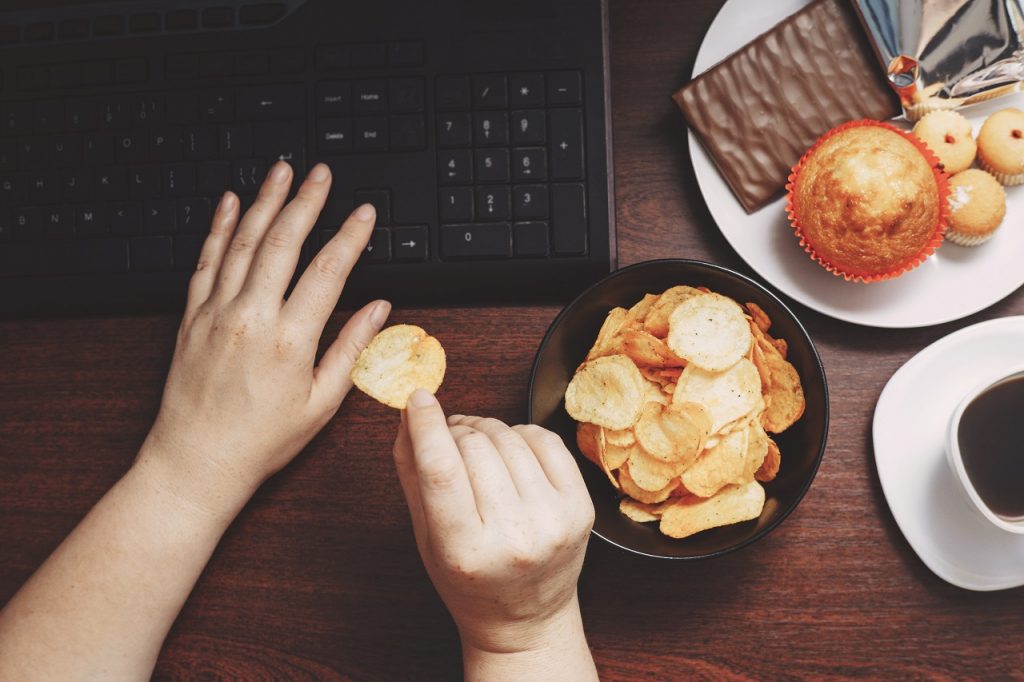
Reasons Why You’re Not Losing Belly Fat

Here are a few common reasons why most individuals find it difficult to lose belly fat.

1. Eating Heavy Meals At One Time
Most people struggling with losing belly fat and weight loss are the ones who tend to have too much food at one time. The reason for this is largely either long gaps between the meals or skipping previous meal or if the person consumes food very fast. How is this related to belly fat?

When a person consumes food, it gets broken down to release/provide energy. Firstly, it will fill in the glycogen stores and then the excess calories that are not used up with good physical activity get converted into fats and the most common sites of fat storage is the belly, arms, thighs and buttocks.

When you are having food, only post 20-25 mins of eating, the satiety centers in the brain are activated and you feel full and satisfied. When you eat fast the satiety centers of the brain are not activated and you end up eating more. Small frequent meals and chewing your food thoroughly and eating mindfully is the key to control food portion.

2. Dinner Meals Are High In Carbs & High In Quantity
Due to a hectic schedule, the only meal that we have together with the family turns out to be ‘dinner’ and in turn, it ends up to be the largest meal with a variety of food that the entire family enjoys. Ideally, dinners should be light and should be high in proteins and less in carbs. This is actually vice versa of what is generally practiced.

The reason for the dinners to be light and high in proteins and less in carbs is that post dinner, we are not that active. Hence, there’s no real requirement of all the carbs for energy. The process of recovery of all the muscles that are used up throughout the day, the repairing of all the wear and tear happens during the night and that requires proteins, not carbs.

3. Physical & Mental Stress
This is only with regards to people who are excessively obsessed with exercise to lose belly fat. Excessive exercise leads to physical stress and thus, high cortisol levels. In case of mental stress, you might have noticed that the first thing you would choose is chocolates/ice creams or any comfort foods that are high in sugar or carbs for that matter. At this point of stress, the food gets broken down and is converted to fat and stored in your belly area. Exercise in moderation and keep yourself stress free by indulging in some yoga and meditation or your hobbies.

4. Consumption Of Processed Food
Do you have the habit of reading labels? Do pick one product that you eat the most and read the label today. Most of the processed or ready to eat food products are high in sugar, fat or refined carbs. They are extremely low in fiber as well. Even the fiber enriched product gives less than 2gm of fiber per serving. Read labels and choose wisely. The best solution here is to eat homemade food or you can try some variations to increase fiber intake by incorporating more veggies/fruits along with the main product.

5. Aerated Drinks
Products containing HFCS (High Fructose Corn syrup) or liquid glucose, that are present in all the aerated drinks like Cola, flavored sugar syrups, etc. do not get metabolized and are stored in the belly as fat, which is really tough to get rid off through just activities. Instead, opt for buttermilk, lemon water, coconut water, and fresh lime soda (salted) over the above drinks.

We hope this article helps you make better choices and avoid these common reasons for not losing belly fat.

#BeTheForce

Disclaimer: The information provided in this blog is for general awareness and educational purposes only. It is not intended to replace professional medical advice, diagnosis, or treatment. Always consult a qualified healthcare provider for personalised medical guidance or concerns related to your health.

January 15, 2025 By Sunita Arora 1 Comment

11 Unhealthy Habits That Are Destroying Your Health

unhealthy habitsOld habits die hard and that’s true. Habits are stored in our subconscious mind. We keep on carrying out tasks or habits, without even realizing we are doing it. While some habits help us complete day to day activities, there are some which aren’t good for our health, especially the ones which affect our diet. It is crucial to follow habits which have a positive impact on health. It is time to identify unhealthy habits and get rid of them for good health’s sake.
Unhealthy Habits You Need to Stop 

  1. Skipping Breakfast: For some people, skipping breakfast is an easy way to cut calories. However, if you skip breakfast, you’ll probably overeat during lunch. Secondly, in the morning, our metabolic rate is high. To maintain it, we need to give enough fuel to our body in the form of breakfast. So you should not skip your morning meal at any cost.
  2. Emotional Eating: If you are stressed or if you’ve had a bad day, call a friend, listen to music, write in a journal or try going for a walk. These options are better than binge-eating junk food due to emotional reasons.
  3. Including Unhealthy Drinks: At some point, we all reach out for a soft drink after a meal. It has somehow become a norm. Sweetened/Aerated drinks increase your daily calorie intake and cause other health issues. Instead, drink lemon water, coconut water or buttermilk. In fact, you can make your own healthy energy drinks!
  4. Eating Out Frequently: Avoid the habit to grab something unhealthy when going out for a long day. Take healthier shortcuts! Eat a vegetable sandwich, protein salad, whole grain crackers & veggies with humus. You can even carry fresh fruits.
  5. Munching While Watching TV or During Long Drives: Try to avoid unnecessary munching while watching your favorite program or when you are on a long drive or a road trip. Instead of having processed foods like chips, cookies, etc. you can have a handful of nuts, air popcorn, seed trail-mix and unsalted peanuts.
  6. Lack of Sleep: Sleep works as nutrition for the brain. Our body needs 8-9 hours of sleep every night. Less than 8 hour of sleep triggers a cortisol spike and hampers our metabolism and contributes to weight gain. Shut your computer, mobile, and TV at least an hour before sleeping.
  7. Long Gap Between Meals: There shouldn’t be a huge time gap between meals. When you are on a weight loss journey, you shouldn’t just be careful about the food you eat but the time you eat as well! Many studies show that, if you are not eating at the right time, you might not be able to achieve your weight loss goals. The ideal gap between breakfast – Lunch & lunch –dinner should not exceed 4 hours.
  8. Eating Late at Night: You should not eat dinner very late as it promotes weight gain. Your last meal or your dinner should always be 3 hours before bedtime.
  9. Consuming Extra Salt: Eating a lot of salt can cause an increase in water weight and fat in your body. If you eat too much salt, extra water gets stored in your body which can raise your blood pressure.  Higher blood pressure leads to heart attacks, strokes and kidney diseases. Avoid sauces, pickles, sprinkling extra on salad & curd in your meals.
  10. Eating Heavy Meals Close to Bedtime: Avoid eating heavy meals close to bedtime, it can cause acidity, severe heartburn and make difficult to fall asleep. Also avoid tea, coffee, and chocolate in the evening because caffeine can stay in our system for 5-6 hrs and suppress the sleep hormone.
  11. Putting Calorie Restrictions: Eating more calories than your body needs will lead to weight gain. Whereas, eating lesser calories than your body needs will lead to weight loss. However, restricting calories too much may slow down metabolism, can cause fatigue, nutrient deficiencies and lower immunity too.

These 11 unhealthy habits can contribute to weight gain, affect metabolism and can be extremely detrimental to your health. Avoid them and adopt a healthier lifestyle. For more tips on living a healthier lifestyle, check out Healthy Reads or ask an expert by subscribing for Personalised Health Coaching here.

We hope this article has helped you. Do leave your thoughts in the comments below!

#BeTheForce

November 4, 2024 By GOQii 2 Comments

The Weight Loss Link You May Be Missing – Dietary Minerals

dietary minerals and weight lossThe most challenging case for a Dietitian is perhaps – Weight Loss! Why – because, each case is unique and the most important task is to find out the root cause of weight gain (which, contrary to popular belief, is not always overeating or lack of physical activity). It is prudent that the underlying cause be identified and targeted, not only to ensure sustainable weight loss but also because these reasons are linked to diseases in waiting as well. Genetic predisposition, low BMR, stress, lack of sleep, hormonal disturbance, chronic mild dehydration, lack of certain dietary minerals, etc. are few recognized causes of weight gain.

However, if adjusting your diet, water intake, exercising more and controlling your stress and sleep hasn’t helped you reach a healthy body weight, check your mineral status. Mineral deficiency often happens slowly over time and can be caused by an increased need for one or more dietary minerals, lack of dietary minerals in the diet, or difficulty absorbing minerals from food. You may be suffering from deficiencies because the nutritional value of the produce has been steadily degrading for the last couple of decades. Increased intake of processed foods is another reason which deprives you of not only fiber, but many vitamins and minerals.

4 Major Dietary Minerals Associated With Weight

Since the deficiency symptoms of these minerals are largely general, they go unnoticed and hence get overlooked while diagnosing unexplained weight. Let’s discuss four major dietary minerals (or their deficiencies) that are directly or indirectly associated with your weight.

1. Chromium
It is an essential mineral that regulates insulin action and its effects on metabolism. Insulin is essentially the fat-loss gatekeeper, so anything that improves Insulin efficiency is great for fat loss. Chromium determines the way our body uses Insulin. The Glucose Tolerance Factor (GTF) interacts with Insulin and regulates how much Glucose (sugar) enters a cell. GTF encourages energy production (burns calories) and may also curb feelings of hunger.

Identifying the link between Chromium and weight loss is crucial because someone who is overweight is often at high risk of becoming Insulin Resistant (Diabetic). Chromium is lost in the process of refining foods. For example, when sugarcane is refined into white sugar, 93% of Chromium is lost. Because our soils are depleted of Chromium and because we consume more processed foods nowadays, Chromium deficiency is becoming increasingly prevalent.

2. Iodine
The Thyroid Gland depends on Iodine to manufacture the Thyroid Hormone. The Thyroid’s main function is to manage the body’s metabolism. A shortage of Iodine can cause changes to the Thyroid Gland and an underactive Thyroid Gland slows your metabolism; you thus burn dramatically fewer calories and feel sluggish. Also, an underactive Thyroid Gland promotes excess weight and cellulite by causing water retention.

Inadequate intake of Iodine was once a recognized problem that was solved by universal Iodization of Salt. Salt was fortified with Potassium Iodate to ensure controlled consumption by all sections of society. Once this was done, the obvious symptoms of severe Iodine Deficiency disappeared from view, and little further thought was given to the matter, though sub-clinical symptoms remained. Today’s health conscious consumers have lowered their salt intake and now fail to get even that small amount of Iodine in their diets. Presence of Goitrogens in certain foods is another cause of Iodine deficiency arising from inadequate Iodine utilization.

3. Magnesium
It is needed to extract nutrients from food and for optimal Insulin function. The more nutrients you extract from food, the less you have to eat to feel full. When we aren’t getting what we need from our diet, the body will crave more food in an effort to obtain those vital nutrients. Magnesium is also a vital nutrient for reducing stress, which is one of the most important keys in fighting obesity.

It supports healthy Adrenal Glands that control the release of Adrenaline and Cortisol – two hormones related to stress response. While these hormones are vital to living, too much of them can cause weight gain and other health problems. Magnesium helps regulate these hormones so they are not overproduced.

One of the major causes of Magnesium deficiency is over-medicating with pharmaceutical drugs. They prevent the body from absorbing magnesium.

4. Iron
It is a critical nutrient because it is essential for the synthesis of Hemoglobin – a metalloprotein that carries oxygen from lungs to all the tissues in body. Diminished oxygen carrying capacity can leave you feeling very fatigued, lethargic and irritable. In this state, your body signals you to slow down physical activity and you may find yourself seeking opportunities to sit or lie down, thus leading to weight gain.

Also, low Iron promotes fat storage and cause abnormal blood sugar elevation. Reasons responsible for iron deficiency can be dietary as well as non-dietary. Your excess body weight too can contribute to Iron deficiency. Inflammation associated with excess body weight elevates a hormone Hepcidin, which has the net effect of reducing Iron absorption from digestive tract.

Now, before you finish reading this article and jump to quick fix by googling for these mineral supplements, a word of caution – Overdose of these minerals, especially from synthetic sources, are extremely harmful. Do not take these minerals as supplements without professional guidance. Consult a doctor, nutritionist or a dietitian before making any changes to your diet or taking any supplements.

You may improve your mineral intake by following the golden rule – Go low on processed foods and buy your foods fresh, local and seasonal to remove any possible degradation in nutrient quality. Don’t eat less, eat right and live a healthy and active life!

We hope this article on dietary minerals helps you. For further guidance on nutritional deficiencies and to lose weight in a sustainable manner, reach out to an expert by subscribing for GOQii’s Personalised Health Coaching here.

For more articles on weight loss, check out Healthy Reads.

#BeTheForce

Disclaimer: The information provided in this blog is for general awareness and educational purposes only. It is not intended to replace professional medical advice, diagnosis, or treatment. Always consult a qualified healthcare provider for personalised medical guidance or concerns related to your health.

September 1, 2024 By GOQii 39 Comments

Health Benefits Of Eating A Bowl Of Salad Daily

bowl of saladTraditionally, salads are prepared with raw vegetables like cucumber, tomatoes, cabbage and onions, which are cut into slices and sprinkled with a pinch of salt and lemon. They were either served as the smallest portion of the meal or totally ignored. If you’ve been doing the same, it’s time to change! Adding a bowl of salad to your meals is important, and that’s what we’re going to tell you in this article.



Why Should You Eat A Bowl Of Salad Daily? 

  • Firstly, starting your meals with a bowl of salad will help you lose weight. It’s true because salads are low in calories, high in fiber and rich in other nutrients. Fiber helps you feel full, so you eat less of the rest of your meal. Eating less but healthy = sustainable weight loss! Eating a high fiber salad aids in lowering cholesterol and also is known to prevent constipation.
  • Eating a little healthy fat (like the monounsaturated fat found in olive oil, avocado and nuts) with your vegetables in salads helps your body absorb protective phytochemicals  (known to protect against cancer and heart disease), like lycopene from tomatoes and lutein from dark green vegetables.
  • Best way to skip croutons (deep fried pieces of wheat bread) which are low in nutrients and have a high glycemic load, is to replace them with nuts and seeds to maintain the salad’s crunchiness.
  • To balance it with proper carbohydrates and proteins to make it a whole meal, you can add brown rice or protein packed Quinoa, Grilled Chicken, low fat Paneer (Cottage Cheese), Tofu or Sprouts.
  • People, who do not like to eat fruits, can relish salads which combine fruits and vegetables and eat it as a whole meal or as a snack. This provides a host of powerful antioxidants, which protect the body from damage caused by harmful molecules called free radicals.

Tips To Prepare Healthy Salads

  • Salads are known to be rich in Vitamins. Fat soluble vitamins A, D, E and K cannot be absorbed and used by the body without the presence of some fat. So go for the unsaturated fats (good fats) like olive oil or canola oil. Toss the oil with vinegar to help to prevent blood sugar spikes after meals.
  • The best way to include greens like romaine, radicchio, iceberg and spinach in your daily diet is to mix them all up or use one at a time in salads.
  • Add medicinal herbs like basil, garlic, lemon juice or parsley to the salad for that strong punch of flavor and loads of disease fighting antioxidants. The more flavorful your salad is naturally, the fewer high calorie ingredients like extra cheese and cream you’ll need to add for taste.
  • Pack your salads with as many other veggies or fruits as possible to get the synergetic effects. Carrots, cucumbers, different colored peppers, broccoli, peas, artichokes, strawberries, raspberries, or pears are great choices to add different textures as well as plenty of filling fiber.

We hope this article encourages you to make a habit of adding a bowl of salad to your meals! Get creative with your salad, make it colorful or crunchy and share a pic on social media or the GOQii Arena and tag us! For more on healthy living and nutrition, check out Healthy Reads.

To get more advice and guidance from experts on nutrition, weight loss, diet tips and healthy recipes! Subscribe to GOQii’s Personalised Health Coaching here.

Eat Healthy and #BeTheForce

Disclaimer: The information provided in this blog is for general awareness and educational purposes only. It is not intended to replace professional medical advice, diagnosis, or treatment. Always consult a qualified healthcare provider for personalised medical guidance or concerns related to your health.

  • « Previous Page
  • 1
  • 2
  • 3
  • 4
  • Next Page »

Search

Recent Posts

  • India Leads in Longevity: GOQii Sanjeevini Named Top 40 in $101M XPRIZE
  • The Importance Of Knowing If You’re Thirsty Or Hungry
  • Best Foods To Alleviate Irritable Bowel Syndrome
  • ALL ABOUT VERTIGO!
  • PCOS and Anxiety: Discover Relief with the 54321 Technique

Stay Updated

Archives

  • December 2025 (8)
  • November 2025 (15)
  • October 2025 (20)
  • September 2025 (6)
  • August 2025 (6)
  • July 2025 (12)
  • June 2025 (18)
  • May 2025 (16)
  • April 2025 (23)
  • March 2025 (23)
  • February 2025 (22)
  • January 2025 (26)
  • December 2024 (26)
  • November 2024 (25)
  • October 2024 (22)
  • September 2024 (24)
  • August 2024 (31)
  • July 2024 (21)
  • June 2024 (26)
  • May 2024 (31)
  • April 2024 (27)
  • March 2024 (29)
  • February 2024 (26)
  • January 2024 (25)
  • December 2023 (15)
  • November 2023 (11)
  • October 2023 (20)
  • September 2023 (22)
  • August 2023 (20)
  • July 2023 (22)
  • June 2023 (24)
  • May 2023 (24)
  • April 2023 (24)
  • March 2023 (23)
  • February 2023 (20)
  • January 2023 (16)
  • December 2022 (12)
  • November 2022 (15)
  • October 2022 (15)
  • September 2022 (12)
  • August 2022 (10)
  • July 2022 (17)
  • June 2022 (11)
  • May 2022 (10)
  • April 2022 (6)
  • March 2022 (6)
  • February 2022 (13)
  • January 2022 (12)
  • December 2021 (7)
  • November 2021 (3)
  • October 2021 (6)
  • September 2021 (3)
  • August 2021 (8)
  • July 2021 (7)
  • June 2021 (15)
  • May 2021 (16)
  • April 2021 (10)
  • March 2021 (7)
  • February 2021 (4)
  • January 2021 (4)
  • December 2020 (3)
  • November 2020 (4)
  • October 2020 (10)
  • September 2020 (3)
  • August 2020 (3)
  • July 2020 (2)
  • June 2020 (4)
  • May 2020 (10)
  • April 2020 (12)
  • March 2020 (10)
  • February 2020 (4)
  • January 2020 (4)
  • December 2019 (3)
  • November 2019 (7)
  • October 2019 (5)
  • September 2019 (4)
  • August 2019 (9)
  • July 2019 (9)
  • June 2019 (11)
  • May 2019 (4)
  • April 2019 (9)
  • March 2019 (8)
  • February 2019 (9)
  • January 2019 (8)
  • December 2018 (9)
  • November 2018 (3)
  • October 2018 (3)
  • September 2018 (5)
  • August 2018 (10)
  • July 2018 (6)
  • June 2018 (13)
  • May 2018 (8)
  • April 2018 (18)
  • March 2018 (9)
  • February 2018 (8)
  • January 2018 (15)
  • December 2017 (12)
  • November 2017 (19)
  • October 2017 (13)
  • September 2017 (15)
  • August 2017 (4)
  • July 2017 (8)
  • June 2017 (7)
  • May 2017 (6)
  • April 2017 (8)
  • March 2017 (6)
  • February 2017 (7)
  • January 2017 (9)
  • December 2016 (10)
  • November 2016 (7)
  • October 2016 (7)
  • September 2016 (7)
  • August 2016 (11)
  • July 2016 (9)
  • June 2016 (9)
  • May 2016 (12)
  • April 2016 (17)
  • March 2016 (17)
  • February 2016 (8)
  • January 2016 (6)
  • December 2015 (2)
  • November 2015 (9)
  • October 2015 (7)
  • September 2015 (9)
  • August 2015 (11)
  • July 2015 (9)
  • June 2015 (12)
  • May 2015 (9)
  • April 2015 (13)
  • March 2015 (8)
  • February 2015 (5)
  • January 2015 (12)
  • December 2014 (14)
  • November 2014 (11)
  • October 2014 (6)
  • September 2014 (13)
  • August 2014 (12)
  • July 2014 (6)
  • June 2014 (2)
  • May 2014 (7)
  • April 2014 (5)

From “Laddu Nawin” to Fit and Fierce: How a 25-Year-Old Insurance Advisor Shed 20 Kilos and Gained His Life Back

When 25-year-old Nawin Yadav from Hyderabad walked into his office every morning, he carried more than just his files and policy papers. He had the weight of fatigue, sluggish energy, and an ever-growing belly that was becoming the butt of jokes. “People … [Read More...]

“I’ve Challenged Myself to Live 100 Years” – The Story of Chandubhai Savani’s Second Chance at Life

At 67, most people start slowing down. Not Chandubhai Savani. A resident of Surat, Chandubhai, thought life was on track. “My life was going well till I had my bypass surgery,” he says. That surgery, back in 2021, was a wake-up call.  Medication was routine, but exercise wasn’t. His diet? What he calls ‘normal.’ “I […]

From Shimla’s Slopes to Chandigarh’s Sidewalks: Surinder Kaur Bhalla’s Journey from Chaos to Control

Some journeys start with a plan. Others begin with a stumble literally. Surinder Bhalla, a government professional, born and raised in the scenic hill town of Shimla, had always lived a life of movement. “In Shimla, you walked everywhere,” she reflects. “Walking was never an exercise. It was just life.” But after shifting to Chandigarh, […]

Ananda Mukherjee Health Story

From Terminal Illness To Complete Wellness! Ananda Mukherjee Health Story

As we observe World Cancer Day under the powerful theme ‘United by Unique’ (2025-2027)**, we are reminded that every individual’s journey with cancer is distinct, yet united by shared resilience, hope, and the collective fight against this disease. This theme places people at the centre of care and their stories at the heart of the […]

  • HOME
  • HEALTHY LIVING
  • FITNESS
  • HEALTHY RECIPES
  • USER STORIES
  • KARMA
  • BUY GOQii

Copyright ©2016 GOQii