GOQii

Blog

  • HOME
  • HEALTHY LIVING
  • FITNESS
  • HEALTHY RECIPES
  • USER STORIES
  • KARMA
  • BUY GOQii

September 23, 2024 By Hardika Vira 180 Comments

Uric acid and seven ways to reduce it

uric acid

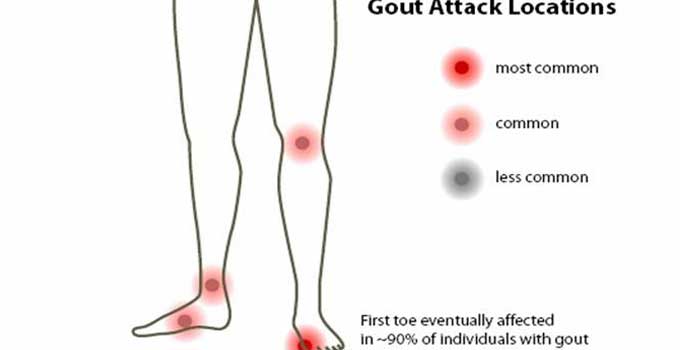
You may have heard people mention they suffer from ‘Gout.’ Gout is a condition marked by abnormal metabolism of uric acid, leading to excessive amounts of uric acid in the tissues and blood.

Uric acid is a byproduct of the metabolic breakdown of purine nucleotides. High levels of uric acid in the bloodstream can result in gout. It is also linked to other health issues, such as kidney stones and diabetes.

Normal uric acid levels range between 3.5 and 7.2 milligrams per deciliter of blood (mg/dL).

Here are seven tips to help reduce uric acid levels:

  1. Increase Water Intake – Staying hydrated is key to flushing out uric acid. When your body is well-hydrated, uric acid crystals are less likely to form. Drink at least 3-4 liters of water daily to help eliminate uric acid from your system. You can also include buttermilk, coconut water, lemon water, and green tea to boost your overall fluid intake.
  2. Reduce Purine-Rich Foods – Uric acid is formed by the breakdown of purines, a type of protein. While purines are naturally produced by the body, they are also found in foods like red meat, mushrooms, baked goods containing yeast, and fermented products. Opt for foods like lentils, split dals, milk, and egg whites to maintain healthy protein intake.
  3. Eat High Fiber Food – Fiber helps absorb uric acid in the bloodstream, allowing it to be easily eliminated through the kidneys. Good sources of fiber include fruits, vegetables, whole grains, and whole grain products, which should be chosen over refined products.
  4. Avoid Caffeine and Alcohol – Caffeine (found in coffee, tea, and certain soft drinks) and alcohol hinder the excretion of uric acid by binding to it. Reducing your intake of these can improve uric acid removal from your system.
  5. Consume Vitamin C-Rich Foods – Vitamin C aids in the excretion of uric acid. Citrus fruits, bell peppers, cabbage, amla (Indian gooseberry), and guava are excellent sources of Vitamin C and can help lower uric acid levels.
  6. Limit Sugar Intake – Excess sugar can interfere with the excretion of uric acid. Studies have shown that drinking 300 ml of sweetened beverages daily can increase the risk of gout by 13%.
  7. Try Apple Cider Vinegar – Apple cider vinegar contains acetic acid, which turns alkaline in the body, helping to dissolve uric acid crystals and preventing them from recurring. It also reduces joint inflammation and swelling, improving joint flexibility.

Reducing uric acid levels is crucial for managing gout and preventing associated health issues like kidney stones and diabetes. By making these simple lifestyle adjustments, you can lower your uric acid naturally and maintain better overall health. Do try these tips and share your thoughts in the comments below! For more health tips, speak to a certified expert by subscribing to GOQii’s Personalised Health Coaching here.

#BeTheForce

Disclaimer: The information provided in this blog is for general awareness and educational purposes only. It is not intended to replace professional medical advice, diagnosis, or treatment. Always consult a qualified healthcare provider for personalised medical guidance or concerns related to your health.
July 30, 2024 By Swati Savla Leave a Comment

Managing Diabetes: Dietary Choices and Lifestyle Adjustments for Controlling Blood Sugar

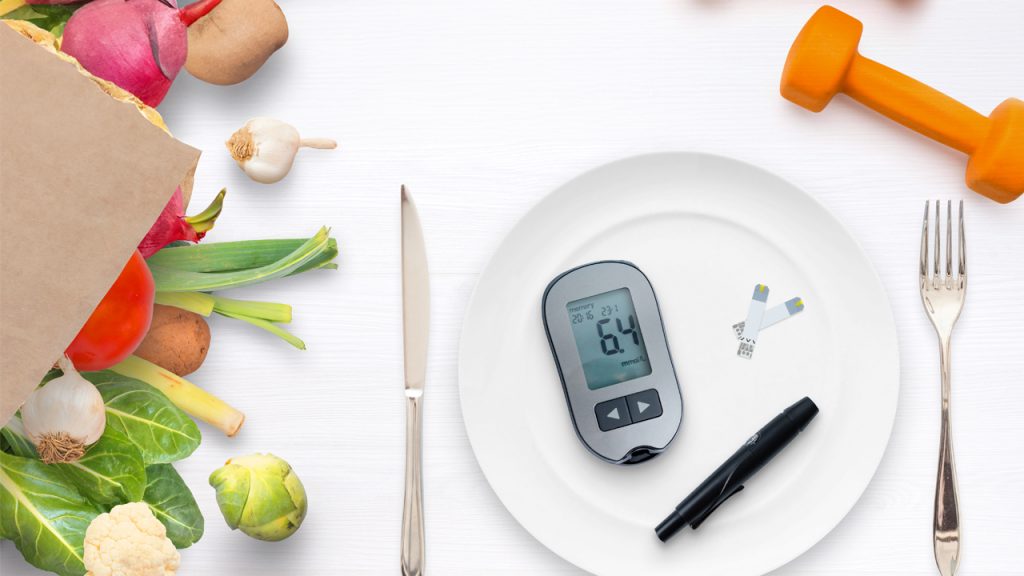
Diabetes is a chronic metabolic disorder that impairs the body’s ability to regulate blood sugar levels. In recent years, the global prevalence of diabetes has surged, with nearly one in ten people affected, making it one of the fastest-growing lifestyle disorders. It’s also a contributor to other health issues such as heart disease, obesity, retinopathy, and nephropathy. However, with lifestyle modifications like improved diet, increased physical activity, stress management, and proper sleep, along with timely medication, it is possible to reverse this condition.

Let us explore some basic food groups and functional foods that can be integrated into daily meals to help prevent blood sugar spikes:

Whole Grains: Oats, millets, brown rice, buckwheat, and quinoa are rich in fiber and complex carbohydrates, slowing digestion and controlling blood sugar.

First-Class Proteins: Dried beans, lentils, yogurt, non-fat milk, nuts, seeds, eggs, lean meats, and especially fatty fish, which are rich in Omega-3 fatty acids, are excellent sources of high-quality protein. These foods not only help you feel fuller for longer, thus reducing carbohydrate consumption during meals, but the Omega-3 fatty acids they contain also help prevent various heart diseases.

 Fruits: All fruits are suitable for consumption, but it is crucial to control portion sizes and consume them at appropriate times of the day, separate from main meals.

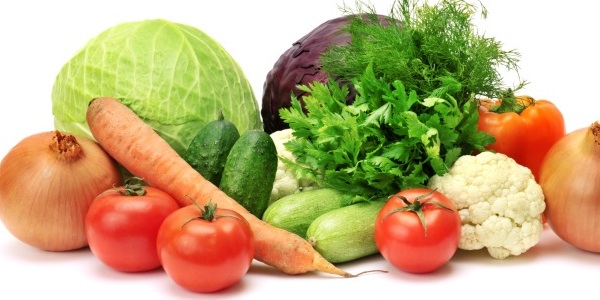
Vegetables: Both starchy and non-starchy types, particularly leafy greens, are low in carbohydrates and ideal for controlling overeating and post-meal sugar spikes.

Healthy Fats: Avocados, olive oil, nuts, fatty fish, flaxseeds, and cold-pressed oils are heart-healthy and help mitigate complications from diabetes.

Key spices from the kitchen also play a vital role in managing blood sugar levels:

Cinnamon: Commonly used in Indian cooking, just 1/4th teaspoon of cinnamon can enhance insulin release and improve insulin sensitivity.

Garlic: Rich in Vitamin B6 and Vitamin C, garlic aids carbohydrate metabolism and acts as a powerful antioxidant to prevent diabetes onset.

Turmeric: Known for its anti-inflammatory properties, turmeric helps reduce the oxidative stress associated with diabetes.

When managing diabetes, consider these three key elements:

Portion Control: Essential in managing intake of the beneficial foods without overindulging.

Type of Food: Adhering to the ‘My Plate’ concept, meals should consist of about 50% fiber (vegetables), 25% proteins, 10-15% fats, and minimal carbohydrates.

Meal Frequency and Timing: Spread your daily intake across two or three main meals to maintain consistent energy levels and prevent blood sugar spikes.

Incorporating the right food choices, engaging in daily physical activity, and maintaining a regular sleep schedule are fundamental strategies for preventing and potentially reversing diabetes.

We hope this article helps you. For further information or guidance, reach out to our certified experts by subscribing to GOQii’s Personalised Health Coaching here.

#BeTheForce 

Disclaimer: The information provided in this blog is for general awareness and educational purposes only. It is not intended to replace professional medical advice, diagnosis, or treatment. Always consult a qualified healthcare provider for personalised medical guidance or concerns related to your health.
June 27, 2024 By Luke Coutinho Leave a Comment

Your Gut Health: Why It Matters More Than You Think

You would have heard of the saying, ‘Almost all diseases begin in the gut’. Well, it’s true. Maintaining the right ‘microflora’ (balance of good bacteria) in the gut is crucial for great health, immunity and even preventing, healing and recovering from serious diseases like cancer.

Your intestines (gut) contain pounds of good bacteria that help with the absorption of nutrients from the food you eat. These ‘good bacteria’ determine the strength of your immunity, regulate weight loss, aid recovery, support colon health, manage body toxicity, and handle several other functions.

The gut also contains yeast (fungals), which, if exceeds in number compared to the good bacteria, cause serious digestive issues, affect nutrient assimilation, and can cause leaky gut, vaginal rashes, IBS and other bowel and GI tract disorders. It is crucial to maintain the proportion of good bacteria, especially in children.

A shortage of good bacteria can lead to allergies, skin problems, headaches, migraines, inability to lose weight, and even contribute to fat accumulation. Energy levels can fall when there is an imbalance.

Everything we eat and drink passes through the gut along the gastrointestinal (GI) tract. This tube-like GI tract, lined with a thin, sticky mucous, is embedded with millions of bacteria that live, grow, and metabolize (digesting and absorbing) in a complex ecosystem comprised of both beneficial and harmful bacteria.

Maintaining gut health is one of the most important and least addressed aspects of overall health. Many lifestyles choices deplete the gut of the ‘good’ bacteria’, leading to health problems ranging from acne to deadly diseases like cancer.

If you have more bad bacteria (fungus) than good bacteria in your gut, even the healthy food you eat will not be assimilated the right way. Even if you eat clean, organic, or expensive foods, it does not matter if your gut microflora is out of balance. This is where probiotics come in.

Probiotic bacteria do several things that contribute to good health and immunity.

Their most basic function is to fight harmful foreign substances that enter the body by detoxifying them and easing their elimination. Probiotics can prevent the growth of harmful bacteria, which thrive and grow within a neutral pH environment, by producing organic acids such as acetic and lactic acids that, in turn, lower the pH of the large intestine.

This lower pH also prevents the metabolism of cholesterol and bile acids in the colon. Since cholesterol and bile metabolites act as cancer-causing agents, they can play an important role in the prevention of cancers of the GI tract and other organs as well. These helpful bacteria can even lower serum cholesterol levels along with cardiovascular disease risk by preventing the activity of an enzyme involved in the synthesis of cholesterol.

Inside the gut are about 100 trillion live microorganisms that promote normal GI (gastro intestinal tracts) function, protect the body from infection, and regulate metabolism and the mucosal immune system. They comprise more than 75% of the immune system.

Also important is their role in maintaining and protecting the GI barrier. An intact GI barrier maintains gut health, while a problem with its microbiota composition will affect the body’s defense systems and can create a condition known as leaky gut syndrome, which can compromise gut health and lead to diseases such as inflammatory breast cancer, obesity, chronic fatigue syndrome, and depression.

Your diet is the most important element for building gut health. Include curds or probiotic supplement if you are vegan or cannot have yogurt. Some top natural probiotic-rich foods include:

  • Yogurt (plain kind)
  • Miso
  • Sauekraut
  • Kimchi
  • Kefir
  • Kombucha tea
  • Pickled gherkins
  • Spirulina
  • Chlorella

Ensure your diet is rich in complex carbs, fiber, fruits, vegetables, and omega – 3, with a healthy water intake and low intake of sugar, processed foods and red meat.

Avoid sodas, processed foods, and sugar as they quickly depletes the gut of good bacteria, dropping immunity almost instantly, making it the worst thing your child or you can consume. I constantly tell parents that giving your child aerated drinks is worse than drugs.

Your gut health plays a pivotal role in your overall well-being. By maintaining a balanced gut microflora through a healthy diet and probiotics, you can prevent diseases, boost immunity, and ensure optimal nutrient absorption. Prioritize your gut health to experience better health and vitality.

We hope this article helps you. For further information or guidance, reach out to our certified experts by subscribing to GOQii’s Personalised Health Coaching here.

#BeTheForce

Disclaimer: The information provided in this blog is for general awareness and educational purposes only. It is not intended to replace professional medical advice, diagnosis, or treatment. Always consult a qualified healthcare provider for personalised medical guidance or concerns related to your health.

May 30, 2024 By Zehra Fatima 8 Comments

STEVIA (A 0 calorie, 0 carbs, 0 protein and 0 fats natural sweetener)

Yes, you have read right! A null nutritional value sweetener which is sweeter than sugar. Stevia has 0 kcal energy, 0gms of carbohydrates, 0 gms of proteins, 0 gms of fats yet a very sweet product and gained popularity in foreign countries. Let’s find out more about Stevia.

What is stevia?

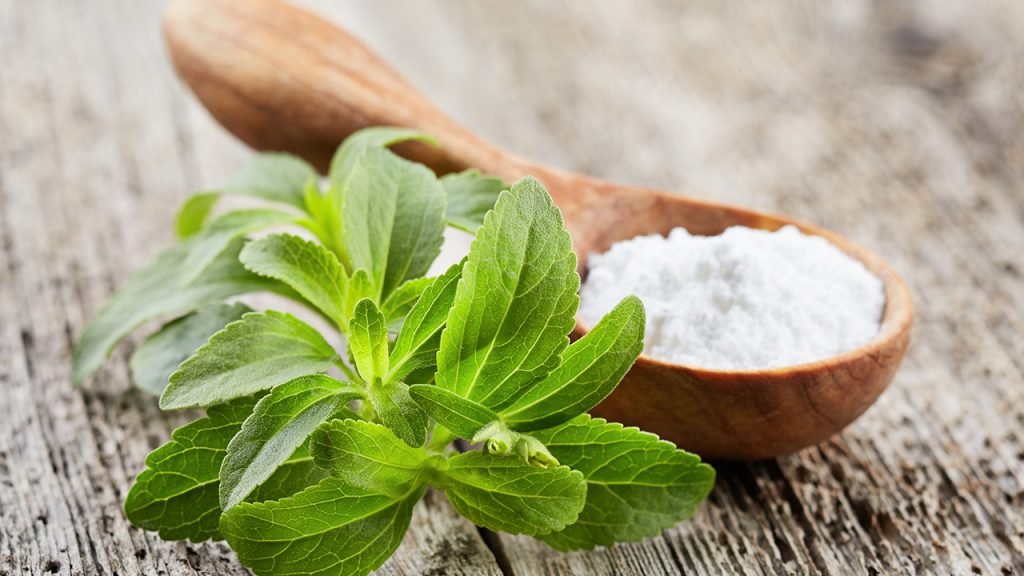
Stevia is a sweetener and sugar substitute extracted from the leaves of the plant species Stevia Rebaudiana.

The active compounds of stevia are steviol glycosides (mainly stevioside and rebaudioside), which have up to 150 times the sweetness of sugar, are heat-stable, pH-stable, and not fermentable. Stevia’s taste has a slower onset and longer duration than that of sugar, and some of its extracts may have a bitter or liquorice-like aftertaste at high concentrations.

Benefits of Stevia

Apart from using it as a replacement for Sugar it has additional benefits like

  • IN DIABETES: Research has shown that stevia sweeteners do not contribute calories or carbohydrates to the diet and do not affect blood glucose or insulin response, which allows people with diabetes to consume a wider variety of foods and comply with a healthful meal plan.
  • IN WEIGHT MANAGEMENT: The intake of added sugars has been shown to contribute an average of 16 percent of the total calories in the American diet and has been linked to weight gain and adverse effects on glycemic control. Plant-based, zero calorie stevia can be part of a well-balanced diet to help reduce energy intake without sacrificing taste.
  • IN BLOOD PRESSURE: Certain glycosides in stevia extract have been found to dilate blood vessels, increase sodium excretion, and urine output. In higher doses, stevia could potentially help lower blood pressure. The plant may have cardiotonic actions, which normalize blood pressure and regulate heartbeat.

Good and bad Stevia

Stevia’s green leaves are naturally sweet. However, those white powder and clear drops we find in groceries have very little to do with stevia leaves. They aren’t really stevia at all. They’re an extract that’s been super-refined using toxic chemicals, bleach, and marketed as “healthy”. Everybody is looking for a non-addictive, healthy sweetener. But, beware of any sugar-free sweetener that gives you the illusion of a “free ride”, because you may just be deepening your addiction.

Green leaf stevia is the least processed of the stevia types. The leaves are basically just dried and ground into powder form. This is the type of stevia that’s been used in South America and Japan for centuries as a natural sweetener and health remedy. This type of stevia is about 30–40 times sweeter than sugar.

The best stevia is the kind you can grow yourself. When it’s alive you know it’s REAL! Stevia plants grow beautifully in a pot, a garden, a window box, or on your kitchen window sill. Just pull off a leaf when you need to sweeten something. This way you can be sure it’s organic, and the soil is healthy.

We hope this article helps you understand the incredible benefits of Stevia as a natural sweetener. Have you tried incorporating Stevia into your diet? Let us know in the comments below. For more tips on diet and nutrition, speak to a certified expert by subscribing to GOQii’s Personalised Health Coaching here.

#BeTheForce

  • « Previous Page
  • 1
  • 2
  • 3
  • 4
  • 5
  • …
  • 7
  • Next Page »

Search

Recent Posts

  • PCOS and Anxiety: Discover Relief with the 54321 Technique
  • Navigating the Maze of Nutrition: Finding Clarity Amidst Confusion
  • Get children active and keep them healthy
  • What Gestational Diabetes Can Do To You & Your Unborn Child
  • Breathing – A Forgotten Art

Stay Updated

Archives

  • December 2025 (4)
  • November 2025 (15)
  • October 2025 (20)
  • September 2025 (6)
  • August 2025 (6)
  • July 2025 (12)
  • June 2025 (18)
  • May 2025 (16)
  • April 2025 (23)
  • March 2025 (23)
  • February 2025 (22)
  • January 2025 (26)
  • December 2024 (26)
  • November 2024 (25)
  • October 2024 (22)
  • September 2024 (24)
  • August 2024 (31)
  • July 2024 (21)
  • June 2024 (26)
  • May 2024 (31)
  • April 2024 (27)
  • March 2024 (29)
  • February 2024 (26)
  • January 2024 (25)
  • December 2023 (15)
  • November 2023 (11)
  • October 2023 (22)
  • September 2023 (22)
  • August 2023 (20)
  • July 2023 (22)
  • June 2023 (24)
  • May 2023 (24)
  • April 2023 (24)
  • March 2023 (23)
  • February 2023 (20)
  • January 2023 (16)
  • December 2022 (12)
  • November 2022 (15)
  • October 2022 (15)
  • September 2022 (12)
  • August 2022 (10)
  • July 2022 (17)
  • June 2022 (11)
  • May 2022 (10)
  • April 2022 (6)
  • March 2022 (6)
  • February 2022 (13)
  • January 2022 (12)
  • December 2021 (7)
  • November 2021 (3)
  • October 2021 (6)
  • September 2021 (3)
  • August 2021 (8)
  • July 2021 (7)
  • June 2021 (15)
  • May 2021 (16)
  • April 2021 (10)
  • March 2021 (7)
  • February 2021 (4)
  • January 2021 (4)
  • December 2020 (3)
  • November 2020 (4)
  • October 2020 (10)
  • September 2020 (3)
  • August 2020 (3)
  • July 2020 (2)
  • June 2020 (4)
  • May 2020 (10)
  • April 2020 (12)
  • March 2020 (10)
  • February 2020 (4)
  • January 2020 (4)
  • December 2019 (3)
  • November 2019 (7)
  • October 2019 (5)
  • September 2019 (4)
  • August 2019 (9)
  • July 2019 (9)
  • June 2019 (11)
  • May 2019 (4)
  • April 2019 (9)
  • March 2019 (8)
  • February 2019 (9)
  • January 2019 (8)
  • December 2018 (9)
  • November 2018 (3)
  • October 2018 (3)
  • September 2018 (5)
  • August 2018 (10)
  • July 2018 (6)
  • June 2018 (13)
  • May 2018 (8)
  • April 2018 (18)
  • March 2018 (9)
  • February 2018 (8)
  • January 2018 (15)
  • December 2017 (12)
  • November 2017 (19)
  • October 2017 (13)
  • September 2017 (15)
  • August 2017 (4)
  • July 2017 (8)
  • June 2017 (7)
  • May 2017 (6)
  • April 2017 (8)
  • March 2017 (6)
  • February 2017 (7)
  • January 2017 (9)
  • December 2016 (10)
  • November 2016 (7)
  • October 2016 (7)
  • September 2016 (7)
  • August 2016 (11)
  • July 2016 (9)
  • June 2016 (9)
  • May 2016 (12)
  • April 2016 (17)
  • March 2016 (17)
  • February 2016 (8)
  • January 2016 (6)
  • December 2015 (2)
  • November 2015 (9)
  • October 2015 (7)
  • September 2015 (9)
  • August 2015 (11)
  • July 2015 (9)
  • June 2015 (12)
  • May 2015 (9)
  • April 2015 (13)
  • March 2015 (8)
  • February 2015 (5)
  • January 2015 (12)
  • December 2014 (14)
  • November 2014 (11)
  • October 2014 (6)
  • September 2014 (13)
  • August 2014 (12)
  • July 2014 (6)
  • June 2014 (2)
  • May 2014 (7)
  • April 2014 (5)

From “Laddu Nawin” to Fit and Fierce: How a 25-Year-Old Insurance Advisor Shed 20 Kilos and Gained His Life Back

When 25-year-old Nawin Yadav from Hyderabad walked into his office every morning, he carried more than just his files and policy papers. He had the weight of fatigue, sluggish energy, and an ever-growing belly that was becoming the butt of jokes. “People … [Read More...]

“I’ve Challenged Myself to Live 100 Years” – The Story of Chandubhai Savani’s Second Chance at Life

At 67, most people start slowing down. Not Chandubhai Savani. A resident of Surat, Chandubhai, thought life was on track. “My life was going well till I had my bypass surgery,” he says. That surgery, back in 2021, was a wake-up call.  Medication was routine, but exercise wasn’t. His diet? What he calls ‘normal.’ “I […]

From Shimla’s Slopes to Chandigarh’s Sidewalks: Surinder Kaur Bhalla’s Journey from Chaos to Control

Some journeys start with a plan. Others begin with a stumble literally. Surinder Bhalla, a government professional, born and raised in the scenic hill town of Shimla, had always lived a life of movement. “In Shimla, you walked everywhere,” she reflects. “Walking was never an exercise. It was just life.” But after shifting to Chandigarh, […]

Ananda Mukherjee Health Story

From Terminal Illness To Complete Wellness! Ananda Mukherjee Health Story

As we observe World Cancer Day under the powerful theme ‘United by Unique’ (2025-2027)**, we are reminded that every individual’s journey with cancer is distinct, yet united by shared resilience, hope, and the collective fight against this disease. This theme places people at the centre of care and their stories at the heart of the […]

  • HOME
  • HEALTHY LIVING
  • FITNESS
  • HEALTHY RECIPES
  • USER STORIES
  • KARMA
  • BUY GOQii

Copyright ©2016 GOQii


