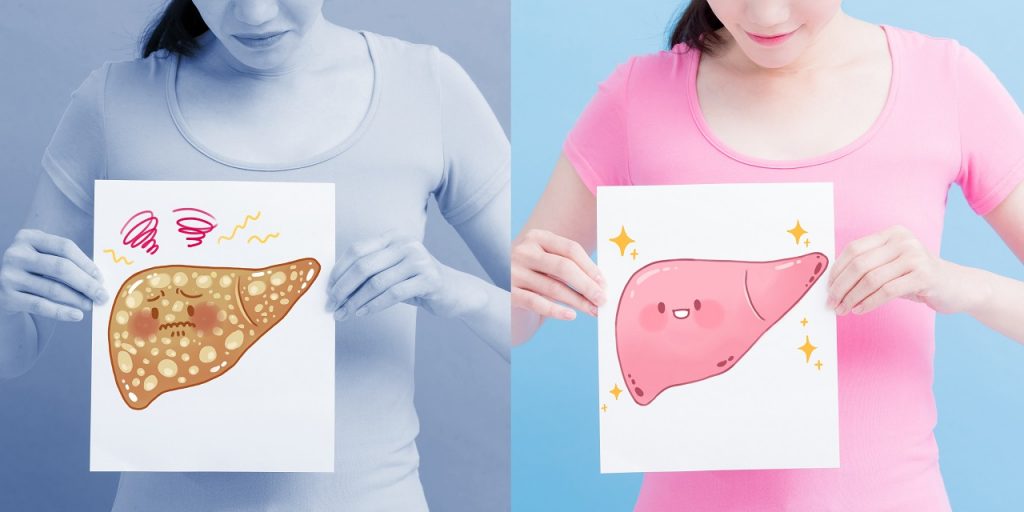
Our bodies have a tendency to store extra calories in terms of fat in each and every area to utilise it later for energy, or as a cushion for organs and insulation. The liver being the largest organ in the body, is partially made up of fat. However, if too much fat accumulates around the liver, it leads to Fatty Liver Disease.
Fatty liver disease is mainly associated with the excess usage of alcohol and is termed as Alcoholic Fatty Liver. However, those who do not drink alcohol at all, can also develop this condition over time and is known as Non Alcoholic Fatty Liver. Excess fat around the liver damages it and makes it difficult for the liver to remove toxins and produce bile for the digestive system.
The major plan of treatment for Fatty Liver Disease is dietary modifications and regular exercises. If the grade is too high, then one may need to see a doctor. For initial stages, the situation can be reversed completely with a few lifestyle modifications.
What Causes Non Alcoholic Fatty Liver Disease (NAFLD)?
- Obesity: Overeating can cause weight gain which produces a load on the digestive system and the body forces the storage of extra calories in terms of fat, leading to NAFLD.
- Pre-Diabetes: People with Insulin sensitivity or insulin resistance tend to store more fat in the liver as compared to non diabetics.
- Over consumption of carbs and simple sugars: is linked with NAFLD as our body utilizes only what is required and rest is going to be stored as fat.
- Poor Gut Health and genetics are also seen as linked with NAFLD.
Since it is a lifestyle disorder, modifying lifestyle with the right diet helps in controlling, maintaining and reversing both Alcoholic and Non Alcoholic Fatty Liver Disease.
The diet should include:
- Lots of fruits and vegetables
- Reduced processed and packaged food with high salt and sugar
- High fibre foods and less carbs
- Whole grains like oats, quinoa, barley and millets
- Nuts and seeds especially walnuts and flaxseeds as they are high in Omega 3
- Vitamin E from Sunflower seeds, almonds, walnuts, olive oil or canola oil
- Avocados as they are a good source of fat and fiber
- Legumes
What Should You Avoid?
If you’re suffering from this disease, here is a list of foods you should avoid completely.
- Alcohol: As it is completely oxidised by the liver, there is no enzyme present in the body that can digest alcohol.
- Added or simple sugars like candy, cookies, sodas, and fruit juices. It increases sugar level which increases fat build up.
- Fried & oily foods due to excess calories and fat.
- Too much salt makes the body hold on to excess water and can be a reason to gain weight.
- Simple processed carbs like white bread, rice, and pasta, as they lack fibre and increase blood sugar.
- Red meat like Beef and mutton are high in saturated fat.
Other Lifestyle Modifications
- Shed the extra weight
- Control sugar levels well
- Include Cardio and strength training consisting of 30 mins for 5 days a week
- Lower down cholesterol especially triglycerides.
We hope these tips help you manage Fatty Liver Disease with ease. Before you begin with any of the foods listed above, do consult your doctor, dietitian or nutritionist. Do let us know your thoughts and queries in the comments below! To learn more about AFLD and NAFLD, speak to a GOQii Coach by subscribing for personalized coaching here: https://goqiiapp.page.link/bsr
#BeTheForce
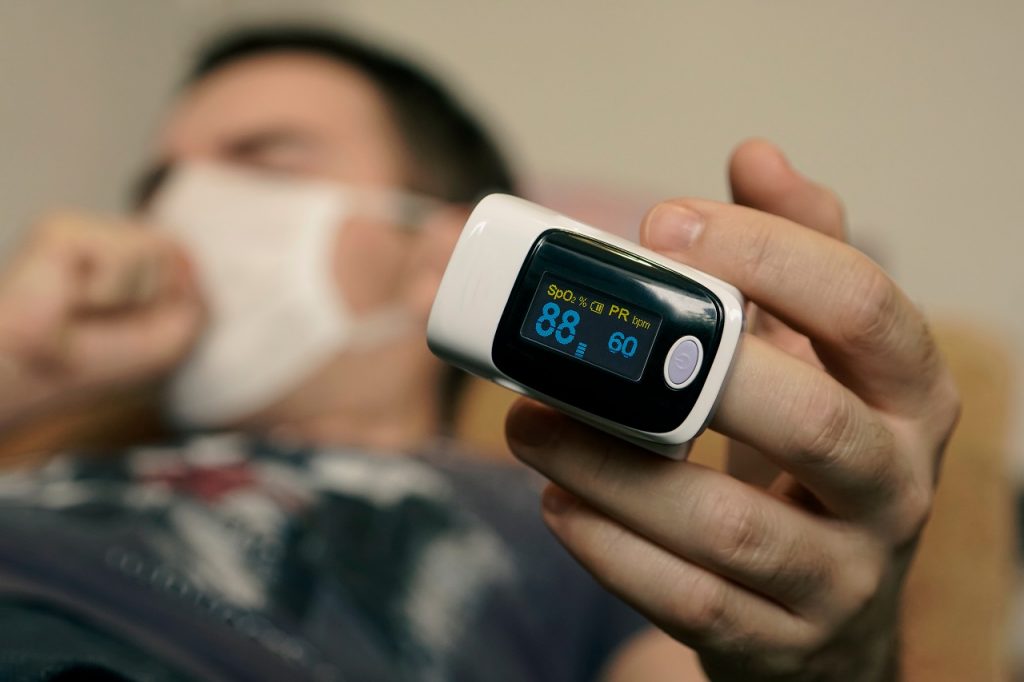 Blood Oxygen levels, also known as oxygen saturation or SpO2, is the amount of oxygenated haemoglobin circulating in the blood i.e it indicates how well the body carries oxygen to all parts of the body. Most of the oxygen in the body is carried by the red blood cells, which collect oxygen from the lungs and deliver it to different parts of the body. Oxygen levels above 95-100 are considered normal and a value between 91-94 requires regular monitoring (prone breathing helps improve levels in this situation), values below 91 indicates hypoxemia, low blood oxygen levels.
  Currently, elderly people are vulnerable and at the highest risk of experiencing significant health complications due to the second wave of COVID-19. Being socially isolated also creates a panic, affects mental and physical health of the elderly. Due to the pandemic, most older adults are not able to take walks, exercise and have limited access to their daily healthcare needs. Though social distancing and self quarantine is necessary, it is essential for older adults to feel connected in order to avoid depression or helplessness. Loneliness, anxiety and uncertainty give rise to


